



What is a High THCA Percentage? Complete Guide to THCA Potency Levels

The hemp flower market has exploded with premium high THCA content products, but understanding what makes a THCA percentage "high" can feel like navigating a maze of numbers and scientific jargon. If you've ever stared at a lab report wondering whether 25% THCA is significantly different from 20%, or questioned whether those 35% claims are even possible, you're not alone.
THCA potency levels have become the gold standard for measuring hemp flower quality, yet many consumers still struggle to interpret these numbers and understand what they mean for their experience. Unlike the straightforward THC percentages you might find on traditional cannabis products, THCA percentage explained requires understanding the science behind cannabinoid conversion and how raw cannabis compounds transform when heated.
Understanding high THCA percentage matters because it directly impacts your experience, your purchasing decisions, and your ability to find products that match your needs and tolerance. Whether you're a first-time buyer or an experienced consumer, knowing how to read and interpret THCA percentages empowers you to make informed choices in an increasingly crowded marketplace.
In this comprehensive guide, we'll demystify everything about THCA concentration levels, from basic chemistry to practical shopping tips. You'll learn exactly what qualifies as high potency, how to read lab reports like a pro, what factors influence THCA content, and whether higher percentages always mean better flower.
Ready to become an informed THCA consumer? Explore our laboratory-tested high THCA hemp flower collection featuring verified potency levels and full cannabinoid profiles.
What is THCA?
Before we dive into what makes a high THCA percentage, it's essential to understand what THCA actually is and why it matters.
The Chemistry Behind THCA
THCA (tetrahydrocannabinolic acid) is the acidic precursor to Delta 9 THC—the compound most people associate with cannabis effects. In living cannabis and hemp plants, cannabinoids exist primarily in their acidic forms. THCA is the raw, unheated version of THC, featuring an extra carboxyl group (COOH) attached to its molecular structure.
This seemingly small difference is massive in practical terms. THCA is non-intoxicating in its raw form, meaning you could eat raw cannabis flower high in THCA without experiencing the typical effects associated with THC. The molecule is simply too large to fit effectively into your brain's CB1 receptors, which are responsible for the psychoactive effects of cannabis.
THCA vs Delta 9 THC: Understanding the Conversion
The magic happens through a process called decarboxylation—the removal of that carboxyl group through heat. When you smoke, vaporize, or bake hemp flower, the heat energy breaks the molecular bond holding the carboxyl group to the THCA molecule. This transformation converts THCA into Delta 9 THC.
This conversion occurs at approximately 220°F (105°C) and above, which is why THCA potency levels become so relevant when flower is consumed through heating methods. The decarboxylation process isn't 100% efficient—typically converting about 87.7% of THCA into THC—which is why you'll see this conversion factor (0.877) used in total THC calculations on lab reports.
Legal Status and Market Implications
The 2018 Farm Bill created a legal pathway for high THCA content hemp flower through a fascinating loophole. The legislation defines legal hemp as cannabis containing no more than 0.3% Delta 9 THC by dry weight. Critically, this limit applies to Delta 9 THC specifically—not THCA.
Because THCA is non-intoxicating in its raw form and only becomes THC when heated, hemp flower can legally contain high THCA percentages while remaining under the 0.3% Delta 9 THC threshold. This legal distinction has enabled the premium hemp flower market to flourish, offering consumers access to products that, when heated, produce effects comparable to traditional cannabis.
Why THCA Percentage Matters
Understanding THCA percentage explained matters for several practical reasons. First, it's the primary indicator of potential potency once the flower is heated. Second, it helps you make purchasing decisions based on your tolerance and desired experience. Third, it enables you to verify product quality through laboratory testing rather than relying solely on marketing claims.
For hemp flower consumers, THCA percentage has become the universal language of potency—the metric that allows meaningful comparisons between products, brands, and strains.
Defining "High" THCA Percentage
Now that we understand what THCA is, let's tackle the central question: what exactly constitutes a high THCA percentage?
Industry Standards for THCA Potency Levels
The hemp and cannabis industries have developed informal but widely recognized standards for categorizing THCA percentage range levels:
Low THCA (10-15%): Entry-level potency suitable for beginners or those with low tolerance. These percentages were once considered standard for quality hemp flower but are now seen as moderate by today's elevated standards.
Medium THCA (15-20%): The sweet spot for many regular consumers. This range offers noticeable effects without overwhelming intensity, making it ideal for daytime use or those building tolerance.
High THCA (20-25%): Premium potency territory. Flower in this range delivers strong THCA flower experiences that satisfy experienced consumers. This is where most top-shelf hemp flower falls today.
Very High THCA (25-30%): Elite-level potency. Products in this range represent exceptional genetics and cultivation practices, offering intense experiences that demand respect and appropriate dosing.
Extremely High THCA (30%+): Rare and exceptional. These high potency THCA percentages push the boundaries of what's possible in hemp flower cultivation. Such numbers typically indicate cutting-edge genetics and near-perfect growing conditions.
Comparison to Traditional Cannabis
How do these THCA strength levels compare to traditional cannabis THC percentages? In dispensary cannabis, the average THC content ranges from 15-25%, with premium products reaching 25-30%. The key difference is that cannabis THC percentages typically measure Delta 9 THC, while hemp flower measures THCA.
When you apply the 0.877 conversion factor to calculate total THC from THCA, a 25% THCA hemp flower converts to approximately 21.9% total THC—putting it squarely in premium cannabis territory. A 30% THCA hemp flower yields about 26.3% total THC, matching the potency of top-shelf dispensary products.
Why "High" is Relative
Understanding THCA percentages requires acknowledging that "high" is subjective and context-dependent. For a first-time consumer, even 15% THCA might feel intensely potent. For someone with established tolerance, 25% might be their baseline for desired effects.
Your individual endocannabinoid system, consumption method, tolerance level, body chemistry, and even your mindset all influence how you experience different THCA content levels. What's "high" for you might be moderate for someone else, which is why starting low and gradually increasing dosage remains the golden rule.
Average Percentages in Quality Hemp Flower
Today's premium hemp flower market averages between 18-25% THCA, with many reputable vendors consistently offering products in the 20-24% range. This represents a significant increase from just a few years ago when 15-18% was considered exceptional.
Record-Breaking THCA Percentages
The question "what percentage THCA is strong" has evolved as genetics improve. Some cultivators now claim THCA percentages exceeding 35%, though these claims should be viewed with healthy skepticism and verified through independent laboratory testing. While technically possible, percentages above 30% remain rare and often reflect perfect genetics meeting optimal growing conditions.
Browse our selection of verified high THCA hemp flower with laboratory-confirmed potency levels ranging from 20-30%+ THCA.
How to Read THCA Percentages on Lab Reports
Understanding lab reports is crucial for navigating the THCA potency guide landscape. Let's decode these documents.
Understanding Certificates of Analysis (COA)
A Certificate of Analysis is your window into a product's true cannabinoid profile. Issued by third-party laboratories, COAs provide detailed breakdowns of cannabinoid content, terpene profiles, and potential contaminants.
Every COA should include:
- Laboratory name and contact information
- Testing date and sample batch number
- Detailed cannabinoid percentages
- Testing methodology (typically HPLC or GC-MS)
- Pass/fail indicators for contaminants
- Moisture content percentage
THCA vs Total THC Calculations
This is where many consumers get confused. A lab report might show:
- THCA: 24.5%
- Delta 9 THC: 0.28%
But what does this mean for actual potency?
The Total THC Formula
Total THC represents the maximum THC content after complete decarboxylation. The formula is:
Total THC = (THCA × 0.877) + Delta 9 THC
Using our example: Total THC = (24.5 × 0.877) + 0.28 = 21.49% + 0.28% = 21.77%
This calculation gives you the most accurate picture of potential potency once the flower is heated. The 0.877 conversion factor accounts for the molecular weight loss when the carboxyl group is removed during decarboxylation.
Reading Full Cannabinoid Profiles
High THCA content isn't the only number that matters. A complete cannabinoid profile might include:
- CBD (Cannabidiol): Modulates effects, provides its own benefits
- CBG (Cannabigerol): The "mother cannabinoid," offers unique properties
- CBN (Cannabinol): Associated with sedation, increases as THC degrades
- THCV (Tetrahydrocannabivarin): Offers distinct effects at certain doses
- CBC (Cannabichromene): Contributes to entourage effect
Understanding the full profile helps you predict the overall experience beyond just THCA concentration levels.
What to Look for Beyond THCA Percentage
Sophisticated consumers examine several factors:
Terpene Content: Aromatic compounds that influence effects and flavor. A COA showing 2-3% total terpenes indicates flavorful, aromatic flower.
Testing Date: Fresh testing (within 3-6 months) provides more accurate cannabinoid percentages. THCA slowly degrades to CBN over time.
Moisture Content: Proper moisture levels (10-12%) indicate good curing and storage. Too dry or too moist affects quality and potency.
Contaminant Testing: Verify the flower passed tests for pesticides, heavy metals, microbials, and residual solvents.
Red Flags on Lab Reports
Be wary of:
- Missing testing dates or batch numbers
- Labs with no physical address or contact information
- Percentages that seem too good to be true (35%+ without verification)
- COAs showing only cannabinoid testing without contaminant screens
- Blurry or low-resolution images that hide details
- Suspiciously round numbers (exactly 30.0%, 25.0%) that might indicate manipulation
Learning to critically evaluate lab reports protects you from inflated claims and helps you identify truly high potency THCA products.
Factors That Determine THCA Potency
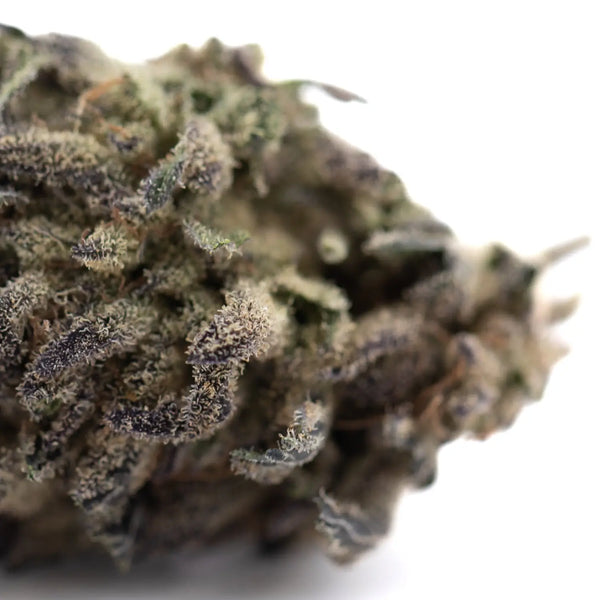
Why do some flowers reach 30% THCA while others top out at 15%? THCA strength levels result from a complex interplay of genetics and cultivation factors.
Genetics and Strain Selection
Genetics form the foundation of potential potency. Certain cultivars have been bred specifically for high THCA percentage, featuring genetic profiles that favor cannabinoid production over other traits.
Modern hemp genetics often descend from high-THC cannabis varieties, carefully bred to maintain low Delta 9 THC while preserving high THCA potential. Breeders select parent plants showing exceptional cannabinoid production, then stabilize these traits through multiple generations.
Popular high-THCA genetic lines include phenotypes of strains like Jealousy, Gelonade, Runtz, Wedding Cake, and Zkittlez, many reaching 25-30% THCA when properly cultivated.
Growing Conditions: Indoor vs Outdoor
Growing environment dramatically impacts final THCA content levels:
Indoor cultivation offers precise environmental control, allowing growers to optimize every variable affecting cannabinoid production. Indoor grows typically produce the highest THCA percentages because cultivators can maintain ideal conditions throughout the entire growth cycle.
Outdoor cultivation depends on natural sunlight and weather patterns, introducing variables that can either enhance or limit potency. While outdoor grows can occasionally match indoor potency with perfect conditions and elite genetics, consistency is harder to achieve.
Greenhouse cultivation offers a middle ground, providing some environmental control while benefiting from natural sunlight.
Harvest Timing and Trichome Maturity
Timing the harvest is crucial for maximizing THCA potency levels. THCA content peaks when trichomes (the resinous glands containing cannabinoids) reach optimal maturity.
Experienced cultivators examine trichomes under magnification, looking for the perfect ratio of clear, cloudy, and amber trichomes. Harvesting too early results in lower THCA percentages, while waiting too long allows THCA to degrade into CBN, reducing overall potency.
The window for peak THCA content might only last 7-10 days, requiring vigilant monitoring during the final flowering stage.
Curing and Storage Methods
Proper curing preserves and sometimes even enhances high THCA content through controlled breakdown of chlorophyll and moisture equilibration. The curing process typically lasts 2-4 weeks in controlled humidity (55-62% RH) and temperature (60-70°F).
Rushed or improper curing can reduce effective potency by compromising terpene preservation and cannabinoid stability. Premium strong THCA flower requires patience during the curing phase.
Growing Medium and Nutrients
The growing medium (soil, coco coir, hydroponics) and nutrient regimen influence cannabinoid production. Well-balanced nutrition throughout the growth cycle, with appropriate ratios of nitrogen, phosphorus, potassium, and micronutrients, supports maximum THCA synthesis.
Many high-THCA cultivators employ living soil methodologies, believing the complex soil biology enhances cannabinoid and terpene production beyond what's possible with synthetic nutrients alone.
Light Spectrum and Intensity
Cannabis is a light-hungry plant, and THCA production correlates with quality light exposure. Full-spectrum LED grow lights or high-intensity discharge (HID) lamps providing optimal PAR (Photosynthetically Active Radiation) values enable maximum cannabinoid synthesis.
The light spectrum, particularly UV exposure, may also influence trichome production and cannabinoid content, with some evidence suggesting UV light triggers increased resin production as a protective mechanism.
Temperature and Humidity Control
Maintaining optimal temperature (70-85°F during vegetative growth, 65-80°F during flowering) and humidity (40-50% RH during flowering) prevents stress that can limit cannabinoid production.
Temperature and humidity swings stress plants, redirecting energy toward survival rather than cannabinoid synthesis. Consistent environmental conditions enable plants to reach their genetic potential for high THCA percentage.
Effects of High THCA Percentage Flower
Understanding what percentage THCA is strong means knowing what to expect from different potency levels.
What to Expect from 20%+ THCA Flower
Strong THCA flower in the 20-25% range typically produces:
- Rapid onset: Effects manifest within minutes of inhalation
- Notable intensity: Clear, significant effects that require little consumption
- Extended duration: Effects lasting 2-4 hours depending on dose and tolerance
- Full-spectrum experience: Pronounced mental and physical effects
- Efficient consumption: Less product needed to achieve desired effects
Flower above 25% THCA intensifies these characteristics, demanding careful dosing and respect for the potency.
Onset Time and Duration
Smoked or vaporized high potency THCA flower converts to THC within seconds of heat exposure. Effects typically begin within 1-5 minutes, peak around 15-30 minutes, and gradually taper over 2-4 hours.
The duration depends on dose, individual metabolism, tolerance, and consumption method. Higher THCA percentages don't necessarily extend duration but do intensify peak effects.
Intensity Compared to Lower Percentages
A 25% THCA flower isn't simply "more intense" than 15% THCA—it's approximately 67% more potent by the numbers. In practical terms, you'd need to consume significantly less to achieve comparable effects.
This efficiency advantage makes high THCA content flower more economical despite higher prices, as less product achieves desired effects.
Factors Affecting Individual Experience
THCA concentration levels interact with numerous variables:
- Tolerance: Regular consumers require higher percentages for desired effects
- Consumption method: Vaporization typically feels cleaner and more potent than smoking
- Body weight and metabolism: Larger individuals or faster metabolisms may process cannabinoids differently
- Full or empty stomach: Food intake can influence absorption and onset
- Mindset and environment: Set and setting significantly impact experience
- Terpene profile: The entourage effect means other compounds modulate THCA's effects
Tolerance Considerations
Regular consumption of high THCA percentage flower can build tolerance quickly. Your endocannabinoid system adapts to consistent cannabinoid exposure, requiring progressively higher doses or more potent products to achieve the same effects.
Managing tolerance through periodic breaks, varying strains, and incorporating lower-potency products helps maintain sensitivity to cannabinoids.
First-Time User Guidance
If you're new to THCA potency levels, start with:
- Lower percentages (15-18% THCA) initially
- Small doses (one or two inhalations)
- Waiting 10-15 minutes between doses to assess effects
- Avoiding high-THCA flower until you understand your tolerance
- Having CBD products available to modulate intensity if needed
There's no rush to reach the highest potency levels. Building experience gradually ensures positive experiences and helps you find your ideal THCA strength levels.
Is Higher Always Better?
The pursuit of maximum THCA percentage explained often overshadows an important truth: higher isn't always better.
The Entourage Effect Explained
Cannabis science reveals that cannabinoids work synergistically—meaning the whole is greater than the sum of its parts. This phenomenon, called the entourage effect, suggests that a 20% THCA flower with rich terpenes and diverse cannabinoids might provide a more satisfying experience than a 30% THCA flower with a limited profile.
The entourage effect occurs because cannabinoids and terpenes interact with your endocannabinoid system's receptors in complex ways. CBD might modulate THC's intensity, myrcene might enhance absorption, and pinene could improve mental clarity. These interactions create nuanced effects that pure potency can't capture.
Role of Other Cannabinoids
A flower showing 24% THCA, 2% CBD, 0.8% CBG, and 0.3% CBC might deliver more balanced, enjoyable effects than one with 28% THCA and negligible other cannabinoids.
CBD (Cannabidiol) specifically can reduce anxiety or overstimulation sometimes associated with high-THC products, making high THCA content more approachable even at elevated percentages.
CBG (Cannabigerol) contributes its own effects and may enhance focus and clarity, complementing THCA's properties.
CBN (Cannabinol) offers sedative qualities, making evening or nighttime use more effective for some consumers.
Terpene Profiles and Their Importance
Terpenes—the aromatic compounds giving cannabis its smell and flavor—significantly influence your experience. A flower with 22% THCA and 3% terpenes might subjectively feel more potent than one with 26% THCA but only 1% terpenes.
Common terpenes and their effects include:
- Myrcene: Sedative, relaxing, potentially enhancing cannabinoid absorption
- Limonene: Uplifting, mood-enhancing, potentially anxiety-reducing
- Pinene: Mental clarity, alertness, potential memory support
- Caryophyllene: Anti-inflammatory, potentially stress-reducing
- Linalool: Calming, potentially sleep-promoting
The terpene profile shapes the character of your experience as much as THCA potency levels.
Quality vs Quantity Discussion
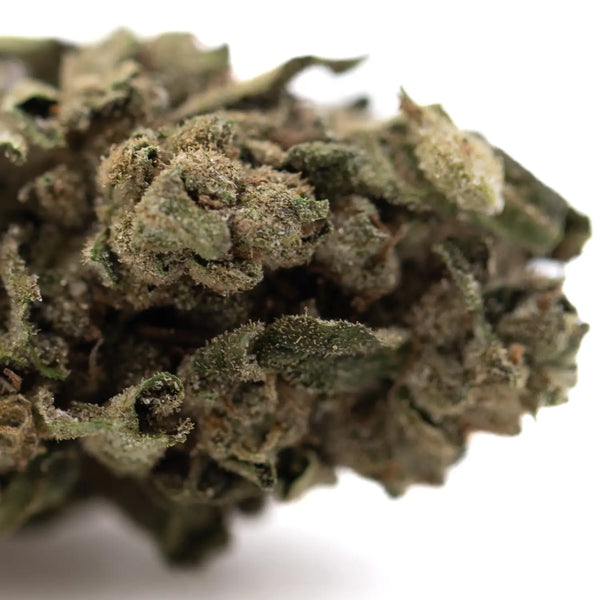
Premium strong THCA flower represents more than just high percentages. Quality encompasses:
- Proper curing and moisture content
- Abundant, intact trichomes
- Rich terpene preservation
- Appropriate density and structure
- Freedom from contaminants
- Fresh, appealing aroma
A well-grown, properly cured 20% THCA flower often surpasses poorly handled 28% THCA flower in actual user satisfaction.
When Lower Percentages Might Be Preferable
Lower THCA percentage range products make sense for:
- Daytime functionality: When you need clear thinking alongside effects
- Social situations: Where overwhelming potency would be counterproductive
- Microdosing regimens: Small, frequent doses throughout the day
- Tolerance breaks: Resetting sensitivity by stepping down potency
- New consumers: Building experience before advancing to higher levels
- CBD-rich options: When you want more CBD relative to THCA
Full Spectrum Benefits
The most satisfying cannabis experiences often come from full-spectrum products—those preserving the complete range of cannabinoids, terpenes, and plant compounds. These products honor the plant's complexity rather than pursuing a single number.
Understanding THCA percentages means recognizing them as one data point among many, not the sole measure of quality or desirability.
Shopping for High THCA Flower
Ready to purchase premium high potency THCA products? Here's what to know.
Where to Find Legitimate High THCA Percentages
Reputable vendors distinguish themselves through:
- Third-party lab testing: COAs for every batch
- Transparent sourcing: Information about genetics and cultivation
- Detailed product descriptions: Beyond just potency numbers
- Customer reviews: Real feedback from actual purchasers
- Responsive customer service: Knowledgeable staff who answer questions
Oregon Hemp Flower exemplifies these standards, offering high THCA hemp flower with verified laboratory testing and detailed cannabinoid profiles.
Verifying Lab Testing Authenticity
Protect yourself from inflated claims:
- Request batch-specific COAs: Not generic testing from months ago
- Verify laboratory credentials: Check if the lab is ISO-accredited
- Cross-reference batch numbers: Ensure COA matches your product
- Look for QR codes: Linking directly to laboratory results
- Trust but verify: Contact laboratories directly if suspicious
Legitimate THCA concentration levels always come with verifiable documentation.
Price Considerations for High Potency
High THCA percentage flower typically commands premium pricing for valid reasons:
- Superior genetics cost more to develop and maintain
- Indoor cultivation requires significant infrastructure investment
- Careful harvesting and curing demand time and expertise
- Laboratory testing adds per-batch costs
- Limited availability of elite genetics
Expect to pay $150-300+ per ounce for verified 25-30% THCA flower, though prices vary by region and vendor. While this seems expensive, remember that you consume less per session, making the per-use cost more reasonable.
Suspiciously cheap prices on supposedly high-potency flower should raise red flags. Quality THCA potency levels require investment in cultivation, and pricing reflects this reality.
Wholesale vs Retail THCA Percentages
Wholesale hemp flower may offer different THCA strength levels at various price points. Bulk purchasing typically provides cost savings, especially for regular consumers, but requires proper storage to maintain potency over time.
When buying larger quantities, ensure you can properly store the flower to prevent degradation. Even strong THCA flower loses potency if improperly stored.
Oregon Hemp Flower Quality Standards
At Oregon Hemp Flower, we maintain rigorous standards for all our high THCA content products:
- Laboratory testing every batch for potency and purity
- Transparent COAs available for all products
- Detailed strain information and cannabinoid profiles
- Proper packaging preserving freshness and potency
- Expert customer service to guide your selection
Explore our current selection of high THCA hemp flower, featuring laboratory-verified potency from 20-30%+ THCA across premium genetic varieties.
Storage and Preservation of High THCA Flower
Maintaining high THCA percentage requires proper storage practices.
How THCA Degrades Over Time
THCA isn't stable indefinitely. Over time, especially under poor storage conditions, THCA degrades primarily into CBN (cannabinol), reducing overall potency and altering effects.
The degradation process accelerates with exposure to:
- Light (especially UV radiation)
- Heat
- Oxygen
- Humidity fluctuations
Even premium high potency THCA flower loses its edge without proper care.
Proper Storage for Maintaining Potency
Preserve THCA content levels with these practices:
Use airtight containers: Glass jars with tight-sealing lids prevent oxygen exposure. Mason jars work excellently, while purpose-built cannabis storage containers with humidity control offer premium solutions.
Control humidity: Maintain 55-62% relative humidity using humidity packs (Boveda or Integra Boost). This range prevents mold while preserving terpenes and cannabinoids.
Eliminate light exposure: Store containers in dark places. If using clear glass, keep jars in cabinets or drawers away from light sources.
Maintain cool temperatures: Room temperature (60-70°F) works well, though slightly cooler (50-60°F) extends preservation. Avoid refrigeration, which introduces humidity fluctuations.
Minimize air exposure: Open containers only when needed, and reseal immediately.
Container Selection
Best options for preserving THCA strength levels:
Glass jars: Non-reactive, prevent odor transfer, don't affect flavor. Dark-tinted glass offers light protection.
Purpose-built cannabis containers: Many feature UV protection, airtight seals, and humidity control integration.
Vacuum-sealed bags: For long-term storage, though not ideal for frequent access.
Avoid: Plastic bags (don't preserve freshness), non-airtight containers, clear containers in light-exposed areas.
Testing Degradation Timelines
Properly stored high THCA content flower maintains potency for:
- 0-6 months: Minimal degradation with proper storage
- 6-12 months: Slight potency loss (5-10%), more noticeable terpene degradation
- 12-18 months: Moderate potency reduction (10-20%), significant terpene loss
- 18+ months: Substantial degradation, though some cannabinoids remain
These timelines assume optimal storage. Poor conditions accelerate degradation dramatically—improperly stored flower might lose 20-30% potency in just 2-3 months.
For maximum freshness, consume strong THCA flower within 6-8 months of harvest, even with perfect storage.
Frequently Asked Questions
What is considered a high THCA percentage in hemp flower?
A high THCA percentage generally refers to 20% or above. Industry standards typically categorize: 10-15% as low, 15-20% as medium, 20-25% as high, 25-30% as very high, and 30%+ as extremely high. However, "high" is relative to individual tolerance and experience. For first-time users, even 15% might feel potent, while experienced consumers might consider 25% their baseline for desired effects.
Is 30% THCA possible in hemp flower?
Yes, 30% THCA is possible in hemp flower, though it represents exceptional genetics meeting near-perfect cultivation conditions. Such percentages are rare and should always be verified through reputable third-party laboratory testing. While some cultivators claim even higher percentages (35%+), these remain exceptional rather than standard. The most consistent premium hemp flower on the market typically ranges from 22-28% THCA, making 30%+ genuinely elite-level potency.
Does high THCA percentage mean stronger effects?
Generally yes, high THCA content produces more intense effects after decarboxylation. However, potency isn't the sole determinant of your experience. The entourage effect means other cannabinoids (CBD, CBG, CBN) and terpenes significantly influence how THCA affects you. A 23% THCA flower with rich terpenes and diverse cannabinoids might provide a more satisfying experience than a 28% THCA flower with a limited profile. Individual factors like tolerance, consumption method, and body chemistry also dramatically impact how you experience different THCA potency levels.
How accurate are THCA percentage claims?
Accuracy depends entirely on testing methodology and vendor integrity. Reputable vendors provide batch-specific Certificates of Analysis from accredited third-party laboratories, ensuring reliable THCA percentage range information. However, some vendors may inflate claims, use old testing, or cherry-pick the highest test result from multiple batches. Protect yourself by requesting current, batch-specific COAs, verifying laboratory credentials, and being skeptical of claims that seem too good to be true. Legitimate high potency THCA always comes with verifiable documentation.
Can THCA percentage be too high?
While there's no toxic overdose concern with cannabis, extremely high THCA percentage flower can produce overwhelming experiences for those with low tolerance or inadequate preparation. Percentages above 25-30% demand respect, careful dosing, and appropriate tolerance. First-time users should avoid extremely high potency products. Even experienced consumers should approach 30%+ THCA flower cautiously, starting with smaller doses than usual. The goal is an enjoyable, controlled experience, not simply pursuing maximum potency.
What's the difference between THCA percentage and THC percentage?
THCA (tetrahydrocannabinolic acid) is the raw, non-intoxicating precursor to THC found in living cannabis plants. THC percentage typically refers to Delta 9 THC—the compound responsible for intoxicating effects. When flower is heated, THCA converts to THC through decarboxylation. The conversion formula is: Total THC = (THCA × 0.877) + Delta 9 THC. So 25% THCA converts to approximately 21.9% total THC. Hemp flower products list THCA percentages because they must contain less than 0.3% Delta 9 THC in raw form to remain federally legal, though they may contain high THCA that converts to THC when heated.
Do high THCA strains cost more?
Yes, strong THCA flower typically commands premium pricing. Elite genetics, careful cultivation, optimal growing conditions, precise harvest timing, and proper curing all require significant investment and expertise. Laboratory testing adds per-batch costs. Limited availability of top-tier genetics further increases prices. Expect to pay $150-300+ per ounce for verified 25-30% THCA flower, though prices vary by region and vendor. Despite higher upfront costs, high THCA content flower can be more economical per use since you consume less to achieve desired effects.
How do I choose the right THCA percentage for me?
Choose THCA percentage explained levels based on your experience, tolerance, and goals. Beginners should start with 15-18% THCA, taking small doses and waiting to assess effects before consuming more. Regular consumers typically find satisfaction in the 20-24% range. Experienced users with established tolerance might prefer 25-30%+ percentages. Consider your usage context—daytime activities might call for moderate potency, while evening relaxation could suit higher percentages. Don't simply chase maximum numbers; consider the full cannabinoid and terpene profile for the most satisfying experience. Start low, go slow, and increase gradually.
Conclusion
Understanding what is a high THCA percentage empowers you to make informed decisions in the premium hemp flower market. While industry standards generally define "high" as 20% or above, with 25-30%+ representing elite potency, these numbers tell only part of the story.
True THCA potency levels expertise means recognizing that percentages interact with genetics, terpenes, other cannabinoids, and individual factors to create your unique experience. A 22% THCA flower with rich terpenes and balanced cannabinoids often surpasses a 28% THCA flower with a limited profile in overall satisfaction.
When shopping for high THCA content flower, prioritize verified laboratory testing, transparent sourcing, and reputable vendors over simply chasing the highest number. Learn to read COAs, understand the Total THC calculation, and evaluate complete cannabinoid and terpene profiles.
Remember that strong THCA flower requires proper storage to maintain potency. Use airtight containers, control humidity, minimize light exposure, and maintain cool temperatures to preserve your investment.
Whether you're seeking 20% THCA for balanced effects, 25% for premium experiences, or 30%+ for elite-level potency, start with appropriate doses for your tolerance level and respect the power of these remarkable plants.
Ready to explore premium, laboratory-verified high THCA percentage flower? Browse Oregon Hemp Flower's curated collection featuring transparently tested products with detailed cannabinoid profiles, rich terpene content, and verified potency from 20-30%+ THCA. Every product includes batch-specific COAs, ensuring you know exactly what you're getting.
Your journey to understanding and enjoying high potency THCA flower starts with informed choices. Armed with this knowledge, you're ready to navigate the market confidently and find the perfect products for your needs.
