
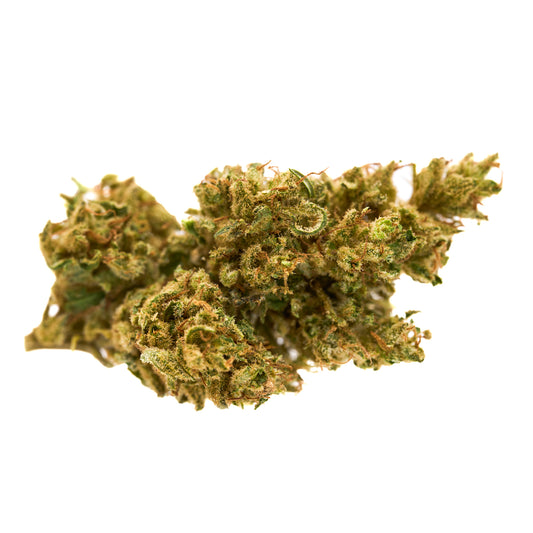
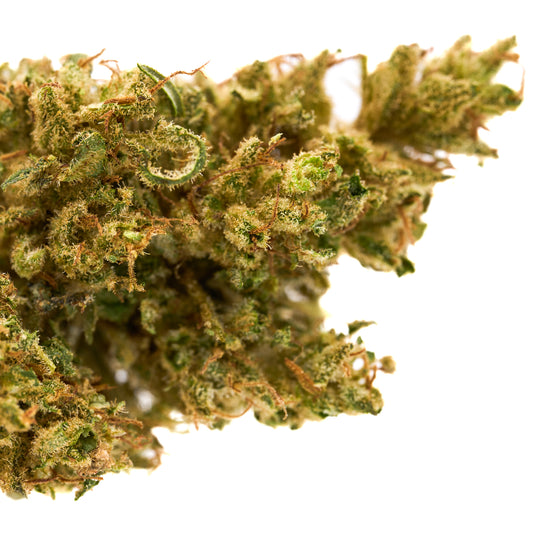
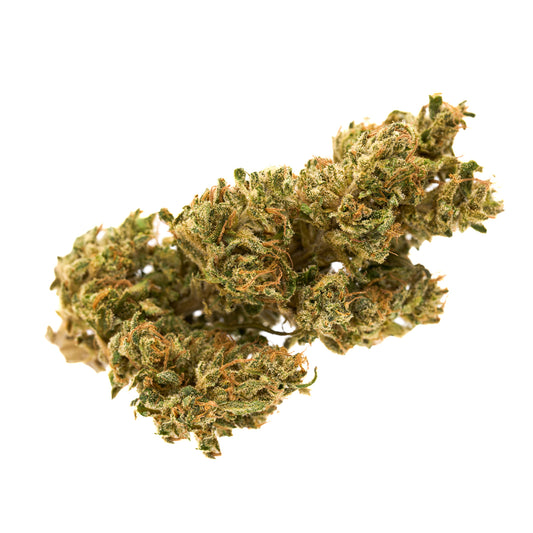
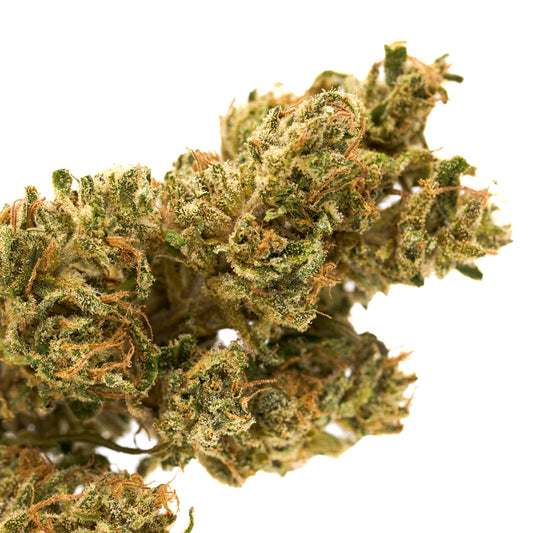




Best THCA Strains for Sleep and Relaxation: A Complete Guide to Restful Nights

If you've spent one too many nights staring at the ceiling, scrolling your phone at 2 a.m., or waking up groggy after a restless sleep, you're not alone. Millions of people are turning away from over-the-counter sleep aids and looking toward something more natural — and increasingly, the answer they're finding is the best THCA strains for sleep.
Here's the direct answer up front: indica THCA for sleep, particularly myrcene-rich strains, are most consistently associated with sedation, muscle relaxation, and support for a deeper wind-down before bed. These strains tend to share a specific terpene fingerprint — heavy on myrcene and linalool, light on energizing terpenes like limonene — and that chemical profile is what separates a strain that helps you crash on the couch from one that keeps you wired until midnight.
In this guide, we'll break down exactly why some THCA flower is more sedating than others, walk through our top picks for THCA strains for insomnia and THCA flower for relaxation, and cover the best practices for evening use so you get the most out of your nighttime routine. Whether you're brand new to hemp-derived flower or you've been searching for the right calming THCA strains to finally get consistent rest, this guide has you covered.
Why Some Strains Are More Sedating Than Others
Not all THCA flower is created equal when it comes to sleep. Two strains can have similar THCA percentages on the label and produce completely different effects — one might leave you relaxed and drowsy, while the other keeps your mind racing. The difference almost always comes down to three factors: cannabinoid conversion, terpene profile, and genetic lineage.
THCA and How It Works for Sleep
THCA (tetrahydrocannabinolic acid) is the raw, non-intoxicating precursor to THC found in freshly harvested hemp flower. When THCA is heated — through smoking, vaping, or cooking — it converts to THC through a process called decarboxylation. This is what allows THCA flower to produce the calming, body-heavy effects that many people associate with evening use. Because THCA flower is federally legal hemp (when it meets the 0.3% Delta-9 THC threshold), it offers a legal pathway to the kind of relaxation that was traditionally only available through state-regulated cannabis markets.
But THCA content alone doesn't tell you whether a strain will help you sleep. That's where terpenes come in.
Myrcene: The Sedation Powerhouse
If there's one terpene to look for when shopping for indica THCA for sleep, it's myrcene. Myrcene is an earthy, musky terpene also found in mangoes, lemongrass, and hops, and it's consistently the most abundant terpene in indica-dominant strains. Research on myrcene points to sedative and muscle-relaxant properties, and many long-time flower consumers describe high-myrcene strains as producing that heavy, "couch-lock" sensation that makes it easy to drift off.
Strains with myrcene concentrations above 0.5% are generally considered more sedating, and the classic "indicas make you sleepy" reputation largely traces back to this single compound.
Linalool: The Calming Co-Pilot
The second terpene worth watching for is linalool, the same compound that gives lavender its calming, floral scent. Linalool is often studied alongside myrcene for its relaxing, anxiety-reducing properties, and strains that combine both terpenes tend to produce the most well-rounded, calming experience — relaxing the body while quieting a busy mind.
Indica Genetics vs. Sativa Genetics
Genetic lineage still matters, even though modern breeding has blurred a lot of the old indica/sativa lines. Indica-dominant genetics generally trend toward broader leaves, denser buds, and — most importantly for our purposes — terpene profiles skewed toward myrcene and linalool rather than the limonene and pinene more common in sativa-leaning strains. When you're shopping specifically for sleep support, indica-dominant or indica-leaning hybrid strains should be your starting point.
The Entourage Effect
One more piece of the puzzle: cannabinoids and terpenes don't work in isolation. The "entourage effect" describes how THCA and terpenes interact to produce effects that are different from — and often more pronounced than — any single compound on its own. This is why two strains with nearly identical THCA percentages can feel completely different at night. A strain with 24% THCA and a myrcene-dominant terpene profile will almost always feel more sedating than a strain with 28% THCA and a limonene-dominant profile, even though the second one technically has more THCA.
Bottom line: when you're hunting for calming THCA strains, don't just look at the THCA percentage. Check the terpene chart, prioritize myrcene and linalool, and lean toward indica-dominant genetics.

Top Strains for Winding Down
Now that you know what to look for, here are five of the most well-regarded best THCA strains for sleep currently available. Each of these has built a reputation among flower consumers specifically for evening and nighttime use.
1. Granddaddy Purple (GDP)
Granddaddy Purple is one of the most iconic indica strains in the industry, and it earns its reputation. A cross of Purple Urkle and Big Bud, GDP is known for deep grape and berry aromas alongside a heavy, full-body relaxation that sets in gradually and builds. Its terpene profile typically leans heavily on myrcene, which explains the classic "heavy eyelids" effect many people report within 30–45 minutes.
Sleep-specific notes: GDP is best suited for people who deal with physical tension or restlessness at night, since the body relaxation tends to arrive before any mental fog. It's a popular pick among people who've struggled with THCA strains for insomnia tied to muscle tightness or an inability to physically settle down.
2. Northern Lights
Few strains have the pedigree of Northern Lights, a near-pure indica that has been a staple of nighttime use for decades. Its sweet, earthy, slightly spicy aroma comes from a terpene profile dominated by myrcene and caryophyllene, and it's known for a fast onset with a smooth, sedating comedown.
Sleep-specific notes: Northern Lights tends to work quickly, making it a solid option if you struggle with sleep onset rather than staying asleep. Many people find it easier to fall asleep within the same hour of use, which makes dosing before bed more predictable.
3. Bubba Kush
Bubba Kush is a favorite for a reason — it's one of the most consistently mellow, low-key strains on the market. With a profile built around myrcene and a subtle coffee-and-earth aroma, Bubba Kush produces a gentle, heavy body relaxation without the intense psychoactive edge some other high-potency strains carry.
Sleep-specific notes: Because Bubba Kush tends to be more mellow than some of the punchier modern indicas, it's a good entry point for people newer to THCA flower for relaxation who don't want to feel overwhelmed before bed.
4. Do-Si-Dos
A cross of Girl Scout Cookies and Face Off OG, Do-Si-Dos brings a sweet, earthy, slightly floral profile with high myrcene and caryophyllene content. It's known for a strong, full-body sensation that settles in and tends to be paired with a sense of mental calm.
Sleep-specific notes: Do-Si-Dos is often reached for by people who deal with a racing mind at night as much as physical restlessness, since the caryophyllene content is associated with a calming, non-anxious experience alongside the myrcene-driven body relaxation.
5. Wedding Cake (Indica-Leaning Phenotype)
Wedding Cake, when grown from indica-leaning phenotypes, offers a rich, vanilla-and-earth aroma with a terpene profile that balances myrcene with limonene and caryophyllene. While some Wedding Cake phenotypes trend more balanced, indica-dominant cuts are prized for their relaxing, tension-relieving effects.
Sleep-specific notes: This one's a good option for people who want relaxation without feeling completely sedated immediately — it tends to ease you toward sleep rather than knock you out on the spot, which some people prefer for a more natural wind-down.
Every one of these strains is worth exploring if you're building an evening routine around calming THCA strains, and you can browse current batches, lab results, and terpene breakdowns in the best THCA strains for sleep collection to find what's in stock right now.
Best Practices for Evening Use
Picking the right strain is only half the equation. How and when you use THCA flower for relaxation matters just as much as which strain you choose. Here's how to build a routine that actually supports better sleep instead of working against it.
Timing: Give Yourself a Buffer
Most people find that using THCA flower 30 to 60 minutes before their intended bedtime gives the effects time to build without catching them off guard. Smoking or vaping generally produces effects within minutes, while edibles or tinctures can take 45–90 minutes to fully kick in. If you're new to a particular strain, err on the side of using it earlier in your evening rather than right as you're trying to fall asleep, so you're not left waiting on the effects at 11:30 p.m.
Consumption Method Matters
- Smoking flower offers the fastest onset (often within 5–10 minutes) and the most control, since you can gauge effects hit by hit and stop once you feel adequately relaxed.
- Vaping produces a similarly quick onset with a somewhat smoother experience on the lungs, and it's a popular choice for people who want discretion or a milder taste profile.
- Tinctures or capsules made from THCA-rich flower extracts offer longer-lasting effects with a slower, more gradual onset — useful for people who deal with staying asleep through the night rather than just falling asleep initially.
There's no universally "correct" method — it comes down to your tolerance, your lungs, and how quickly you personally need the effects to arrive.
Dosage: Start Low, Especially at Night
Nighttime use is one place where more is not always better. A dose that's too high can sometimes produce a racing heartbeat, anxious thoughts, or a restless, wired feeling — the exact opposite of what you're after. If you're new to a strain (even one on this list), start with a small amount, such as a single inhale or a quarter of your usual daytime serving, and give it 15–20 minutes before deciding whether to use more. Once you know how a specific strain and its terpene profile affect you, you can fine-tune your dose from there.
Build a Consistent Wind-Down Routine
THCA flower tends to work best as part of a broader evening routine rather than a standalone fix. Pairing your session with dimmed lights, no screens, and a consistent bedtime helps reinforce the physical relaxation the strain provides. Many people find that combining a calming THCA strain with light reading, herbal tea, or a warm shower produces more consistent results than the flower alone.
Keep a Simple Log
If you're trying multiple strains to find your best fit for THCA strains for insomnia, jot down a quick note after each session — strain name, amount used, time before bed, and how you slept. Patterns emerge fast, and what works for a friend may not work identically for you given differences in tolerance, body chemistry, and what's actually keeping you up at night.
What to Avoid Before Bed
Just as important as knowing what to reach for is knowing what to steer clear of when you're trying to wind down. A few categories of flower tend to work against sleep rather than support it.
Energizing Sativas
Sativa-dominant strains — especially those with uplifting, cerebral effects — are generally a poor match for bedtime. These strains tend to be terpene profiles built around limonene and pinene rather than myrcene, and the effects often skew toward increased focus, sociability, and mental energy. Using an energizing sativa before bed is a common reason people report feeling "high but wide awake" instead of relaxed and drowsy.
High-Limonene Strains
Limonene is a citrusy terpene associated with mood elevation and mental alertness — fantastic for a daytime pick-me-up, not so great when you're trying to quiet your mind at 10 p.m. If a strain's terpene chart shows limonene as the dominant terpene rather than myrcene, it's likely better suited for daytime or social use than as one of your go-to indica THCA for sleep options.
Using Too Close to Bedtime Without Testing First
Trying a brand-new strain for the very first time right before bed is a gamble. Individual reactions vary, and an unfamiliar strain's actual effects on you might not match its reputation. Test new strains earlier in the evening (or even on a weekend afternoon) before making them a regular part of your nighttime routine.
Overconsumption
As mentioned above, using more than your body is used to — especially of a potent, unfamiliar strain — can backfire and produce restlessness, a racing mind, or physical discomfort instead of relaxation. This is especially true late at night when you don't have the buffer of a few active hours to gauge how you're feeling before trying to fall asleep.
Pairing with Caffeine or Screens
This one isn't about the flower itself, but it matters: even the most calming THCA strains will have a harder time doing their job if you're also drinking caffeine late in the day or staring at a bright phone screen right up until you try to sleep. Treat your THCA routine as one part of a broader sleep hygiene practice, not a standalone fix for habits that work against rest.

Frequently Asked Questions
What are the best THCA strains for sleep?
Indica-dominant strains with high myrcene and linalool content tend to work best for sleep. Popular options include Granddaddy Purple, Northern Lights, Bubba Kush, Do-Si-Dos, and indica-leaning Wedding Cake phenotypes — all known for producing deep body relaxation and a smoother wind-down before bed.
Is THCA flower legal?
Yes. THCA flower derived from hemp is federally legal in the United States as long as it contains 0.3% or less Delta-9 THC by dry weight, in accordance with the 2018 Farm Bill. Because THCA converts to THC when heated, it produces similar effects to traditional cannabis flower once smoked or vaped, but it exists in a different legal category while in its raw, unheated form. Always check your state's specific hemp regulations, since laws can vary.
How long does it take for THCA flower to help you sleep?
Smoking or vaping THCA flower typically produces noticeable effects within 5–15 minutes, with the full relaxing effect building over the following 30–45 minutes. Tinctures and edibles take longer — often 45–90 minutes — but tend to produce longer-lasting effects, which can help with staying asleep through the night.
What's the difference between THCA flower for relaxation and strains for energy?
The difference comes down to terpene profile and genetics. Relaxing, sleep-supportive strains are typically indica-dominant with high myrcene and linalool content. Energizing strains lean sativa-dominant, with terpene profiles favoring limonene and pinene, which are associated with alertness and mood elevation rather than sedation.
Can THCA strains help with insomnia?
Many people use THCA strains for insomnia as part of a broader wind-down routine, reporting that myrcene-rich indica strains help them fall asleep faster and stay more relaxed through the night. That said, THCA flower isn't a clinical treatment for insomnia, and people with chronic or severe sleep issues should talk to a healthcare provider about their symptoms.
How much THCA flower should I use before bed?
Start small, especially with a new strain. A single inhale or a small first dose, followed by a 15–20 minute wait, is a safer approach than starting with a large amount. Because nighttime use is meant to relax rather than intensify anything, overconsumption often backfires into restlessness rather than sleep.
What terpenes should I look for in calming THCA strains?
Myrcene and linalool are the two terpenes most associated with sedation and relaxation. Myrcene contributes to the classic "heavy" indica feeling, while linalool — the same terpene found in lavender — adds a calming, anxiety-reducing quality. Strains that combine both tend to be the most reliable choices for evening use.
Does THCA flower have the same effects as regular THC flower?
Once heated through smoking, vaping, or cooking, THCA converts to THC and produces very similar effects to traditional THC flower. In its raw, unheated form, THCA itself is non-intoxicating. This conversion process — called decarboxylation — is what makes THCA flower a legal hemp product that still delivers familiar cannabis effects once consumed.
Final Thoughts
Finding the right strain for sleep isn't about chasing the highest THCA percentage on the label — it's about understanding the terpene profile and genetics behind each strain. Myrcene- and linalool-rich, indica THCA for sleep consistently outperforms high-potency sativas when the goal is winding down, relaxing the body, and getting to sleep faster.
Whether you're drawn to the classic heaviness of Granddaddy Purple, the fast-acting relaxation of Northern Lights, or the mellow ease of Bubba Kush, the key is matching the strain's profile to what's actually keeping you up — physical tension, a racing mind, or trouble staying asleep through the night.
Ready to build your own nighttime routine? Explore our full lineup of best THCA strains for sleep and shop the latest nighttime-ready batches, complete with lab-tested terpene profiles, to find the strain that finally helps you get the rest you've been chasing.
