






Pesticide-Free Hemp Benefits: What You Get and How to Check

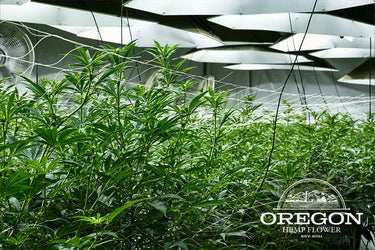
Pesticide-free hemp flower gives you a cleaner product to burn or vaporize, a lab report that is easier to pass, and a crop grown with fewer synthetic inputs. The benefit is only real when the grower can show it, so the claim has to match a certificate or a lab report. Oregon Hemp Flower grows its hemp organically, without pesticides or synthetics, and hand-trims it, so the claim starts at the farm.
TL;DR
- Flower is inhaled, so residues left on the plant can reach your lungs. Growing without pesticides removes that source at the start.
- “Pesticide-free” is a grower’s claim. “Certified organic” is a USDA-regulated term. A pesticide panel on a lab report is the proof for a specific batch.
- Hemp resists some pests, but it is not pest-proof. Soil, rotation and field management do the work.
- Wholesale buyers gain fewer failed batches, simpler paperwork and a cleaner product to put under their own label.
- Check the batch lab report for pesticides, heavy metals and total THC, not only the CBD percentage.
Table of Contents
- What pesticide-free means for hemp flower
- The benefits for people who smoke, vape or cook with flower
- How pesticide-free hemp is actually farmed
- How to verify a pesticide-free claim
- Choosing organic hemp flower and CBD flower
- What the benefits do and do not include
- Why it matters for wholesale buyers
- Perspective
- Shop pesticide-free flower
- FAQ
- Sources
What pesticide-free means for hemp flower
Pesticide-free means the plant was grown without synthetic pesticides, herbicides or fungicides. No single federal label defines the phrase on a hemp flower jar. That is why the wording matters.
There are three layers to know:
- Pesticide-free or grown without pesticides. The grower’s statement about how the crop was managed.
- USDA certified organic. Hemp grown under the U.S. Domestic Hemp Production Program may be certified organic, and that certification runs through accredited certifiers under USDA organic regulations.
- A pesticide analysis on the batch. A lab test that shows what was actually found on the flower you are buying.
A good product has the first layer backed by the third. Our own approach is covered in more detail in our guides to organic THCA flower farming and sustainable hemp farming.
The benefits for people who smoke, vape or cook with flower
Less chemical residue in what you inhale
Most hemp flower is smoked, vaporized or used in pre-rolls. Whatever sits on the plant goes through combustion or heat with it. A review of pesticides in cannabis from Liverpool John Moores University notes that residues undergo pyrolysis and are inhaled when the material is smoked, and that heating may transform some pesticides into other compounds. Starting with flower that never saw those products avoids the question.
Residues do not concentrate in extracts
If you buy concentrates, kief or vapes, the starting material matters even more. Vermont’s hemp program points out that extraction can concentrate pesticide residues to harmful levels, and that is why concentrates always require pesticide testing there. Clean flower in means a cleaner kief, pre-roll or concentrate out.
Terpenes and flavor from a cleaner grow
Terpenes are the aromatic compounds that give a strain its smell, such as spicy and piney or sweet berry. Growers who rely on soil health, rotation and hand-trimming are working toward the same goal: a plant that smells like its genetics. We describe our soil work in the 40/40/20 living soil mix guide and in our regenerative practices.
A clearer picture of what you are buying
Online CBD is a market where labels and marketing often run ahead of evidence. A peer-reviewed review of products bought online found that only 50% of tested oils were labeled within an acceptable range, with 41.67% over-labeled. The same study found that 10 of 16 retailers displayed potential health-related benefits. The lesson is to treat a lab report as the document that counts and the product page as the introduction.

How pesticide-free hemp is actually farmed
Hemp has a reputation as a plant that needs no chemicals. The reality is more useful to a buyer.
What helps naturally. The European Commission says hemp is susceptible to few pests and that its dense leaves suppress weeds and reduce erosion. A 2023 agronomy review agrees that dense growth and rapid canopy closure can suppress weeds, and that crop rotation may disrupt some weeds, pathogens and nematodes.
What still takes work. The same review lists aphids, grasshoppers, armyworms and root-lesion nematodes among the pests that can occur. Hemp’s own defenses help, but they do not replace a plan. Growing without pesticides is therefore a management discipline, and it is what separates a grower who says the words from one who has built the system. Our write-up on integrated pest management for THCA hemp covers how we approach it.
What organic fertility looks like. The University of Kentucky’s organic hemp guide says organic producers generally supply fertility through animal manures, cover crops, green manures and multi-year rotations, and should verify that purchased inputs comply with the USDA National Organic Program. The same guide notes that cannabinoid growers commonly use 100 to 120 pounds of nitrogen per acre, with the right rate depending on soil and production conditions. Building that nitrogen from living soil rather than synthetic bags is a core part of organic production.
Why soil quality shows up on a lab report
Hemp takes up what is in the ground. Research on phytoremediation, using hemp to clean contaminated land, shows it can accumulate metals in roots, leaves and stalks. For a buyer, that is the reason a full lab report includes heavy metals next to pesticides, and the reason clean, well-managed soil is part of the product.
How to verify a pesticide-free claim
A claim is worth what its paperwork is worth. Use this sequence on any hemp flower, ours or anyone else’s.
- Find the batch lab report. It should list the product or sample name and the dates of analysis. The University of Georgia notes that reports may include analysis and extraction dates, sample names and lab numbers.
- Look for a pesticide panel. Vermont’s program lists cannabinoids, moisture or water activity, microbiology, mycotoxins, heavy metals, pesticides and residual solvents among the analyses for hemp. A report with only cannabinoids tells you about potency, not cleanliness.
- Check the potency section. Georgia’s field report warns that results are only as representative as the sample tested, and that cannabinoid concentrations increase as flower ages. Match the report date to the product you hold.
- Read total THC. USDA’s lab guidance requires that total-THC methods account for the conversion of THCA into THC, and uses a 0.3% acceptable hemp level on a dry-weight basis. Our guides on reading the percentages on a CBD flower lab report and what pesticide labs test walk through the lines one by one.
- Match the claim to the right label. If a product says certified organic, the certification comes from an accredited certifier. If it says grown without pesticides, the lab report is the evidence.
Vermont also states that hemp crops must undergo pesticide testing when they are not certified organic. Where a program applies, testing is the standard route for confirming clean flower.
Choosing organic hemp flower and CBD flower
When comparing jars, compare what a buyer can measure.
| What to compare | Why it matters | Where to find it |
|---|---|---|
| Cultivation method | Pesticide-free and organic growing reduce synthetic inputs | Product page, farm practices |
| Pesticide panel | Shows residues on the actual batch | Batch lab report |
| Heavy metals | Hemp takes up what is in the soil | Batch lab report |
| Cannabinoid profile | CBD, THCA and minor cannabinoids set the experience | Potency section |
| Total THC | Determines how the flower is treated legally | Potency section |
| Freshness and trim | Affects aroma, texture and burn | Harvest information, hand-trimming |
Our hemp flower collection lists strains that include CBD and THCA flower, and each is grown without pesticides or synthetics and hand-trimmed. If you want a specific example of a CBD strain, Hawaiian Haze CBD hemp flower and Critical Berries CBD full-term hemp flower are both on the site.
What the benefits do and do not include
A clean grow reduces what you are exposed to. It is a statement about purity and farming, not a health claim. Evidence on hemp and CBD as therapies is still developing: a scoping review of 65 primary studies in PLOS One reports preliminary evidence in areas such as constipation, epilepsy and anxiety and limited high-quality clinical evidence for any specific use. A peer-reviewed review adds that CBD effects vary with dose, route and individual condition, and that no agreed guidance existed on a generally safe daily amount when it was published.
In practice, this means start low, go slowly and talk with your doctor before using hemp products if you take prescription medication, are pregnant or nursing, or have a medical condition. Our products are for adults 21 and over.
Why it matters for wholesale buyers
If you resell flower or manufacture with it, the same logic applies at scale.
- Fewer rejected lots. Flower grown without pesticides is not exposed to the residue problem to begin with, and a pesticide panel is the document you attach to the lot.
- Cleaner inputs for extraction. Because extraction can concentrate residues, starting with clean biomass protects your finished product.
- A story you can substantiate. Your customers ask about organic and pesticide-free. A batch report answers faster than a marketing line.
- Compliance awareness. Congress enacted H.R. 5371 on November 12, 2025, and, according to a legal analysis from Arnold & Porter, Section 781 changes the federal hemp definition effective November 12, 2026, replacing the delta-9-only approach with total THC that includes THCA and other THC-like cannabinoids. University of Wisconsin Extension adds that state and federal requirements can vary across state lines and change over time. Check your state’s current rules before you stock.
We offer THCa, CBD and Delta 8 wholesale in bulk, and the Hawaiian Haze wholesale listing is an example of a strain available for resellers.
Perspective
We grow hemp without pesticides or synthetics because the people who buy flower are putting it in their lungs. That is a simple reason, and it shapes how we farm: organic methods, attention to soil, hand-trimming and a close look at each harvest.
The clean grow is not a marketing add-on for us. It is the product. Aroma, burn and consistency all start in the field, and a strain’s cannabinoids and terpenes come through best when the plant was not pushed with shortcuts.
Retail customers and wholesale buyers get the same standard. That is why we back every order with a 100% satisfaction guarantee, and why we say: read the lab report, then choose the flower.
Michael
Shop pesticide-free flower
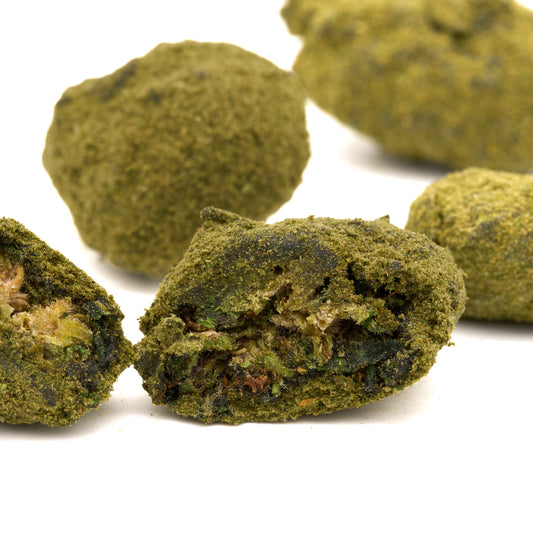
Oregon Hemp Flower sells organic hemp flower in CBD, THCA and Delta 8 forms, along with pre-rolls, moon rocks, kief, vapes and concentrates, all cultivated without pesticides or synthetics. Orders over $85 ship free, and every order is covered by our 100% satisfaction guarantee.

Start with the hemp flower collection, browse pre-rolls or vapes, or go to the Oregon Hemp Flower home page for the full range. Resellers can use the wholesale collection.
FAQ
Is pesticide-free hemp the same as organic hemp?
Not exactly. Pesticide-free describes how a grower managed the crop. Organic is a USDA-regulated term, and hemp grown under the domestic program may be certified through accredited certifiers. A batch pesticide panel is the document that backs either claim.
Does hemp grow without pesticides on its own?
Hemp is susceptible to few pests and its dense canopy suppresses weeds, which makes pesticide-free growing practical. Pests such as aphids and armyworms can still appear, so growers rely on rotation, soil health and field management rather than on the plant alone.
Does pesticide-free flower still need a lab report?
Yes. A lab report shows the potency, total THC and contaminant results for the batch. Read the pesticide and heavy-metal sections as well as the CBD or THCA percentage, and match the report date to the product.
What does organic hemp do to your body?
The benefit of organic and pesticide-free flower is lower exposure to synthetic residues. Evidence for therapeutic effects of hemp and CBD is still preliminary, and effects vary with dose and the individual. Ask your doctor first if you take medication or have a health condition.
Is hemp going to be banned in 2026?
The federal hemp definition changed on November 12, 2026, moving to a total-THC standard that counts THCA. Rules also differ by state. Review your state’s current requirements and the lab report’s total THC before you buy or stock.
Sources
- Hemp - Agriculture and rural development, European Commission
- Organic Hemp for Cannabinoid Extraction, Kentucky State University
- Industrial Hemp Agronomy review, Agronomy (MDPI)
- Potential of Industrial Hemp for Phytoremediation of Heavy Metals
- Hemp FAQ, USDA Agricultural Marketing Service
- Laboratory Testing Guidelines, USDA AMS
- Required Testing for Hemp Crops and Hemp Products, Vermont Agency of Agriculture
- An Introduction to Hemp Chemistry and Lab Results, University of Georgia
- Pesticides in cannabis: a review, Liverpool John Moores University
- Safety and risks of CBD oils purchased online
- Cannabis sativa subsp. sativa’s pharmacological properties, PLOS One
- The current understanding of the benefits, safety, and regulation of CBD
- Continuing Resolution Introduces Major Changes to Federal Regulation of Hemp, Arnold & Porter
- Hemp, University of Wisconsin Extension
