



Hemp Growers: 40/40/20 Living Soil Mix and Year Two CBD Gains

Yes, living soil is a practical, research-supported way to grow hemp that can improve nutrient cycling and plant resilience. Growers who follow this approach typically see stronger root development and more consistent flowering cycles.
TL;DR:
- Living soil systems tend to boost cannabidiol yields in the second year, with soil organic carbon increasing around 15% and microbial activity by approximately 25%.
- Microbial community composition varies between hemp cultivars, making a universal microbial recipe less effective; ongoing cultivar-specific observation improves results.
- Most living soil mixes need four to six weeks to mature, indicated by earthy smell, crumbly texture, and visible fungal activity, before planting.
- Higher organic fertility increases floral biomass but does not reliably alter the CBD to THC ratio, so yield can be boosted without affecting THC levels.
- Containers of at least 15 liters with a stabilized microbial community can often support full growth cycles with minimal water once the soil is well-established.
Table of Contents
- Why Living Soil Matters for Hemp: Benefits, Limits and Research
- Step-by-Step Living Soil Recipe and Mixing Guide
- Ingredient Roles and Sourcing Guidance for Hemp Growers
- Microbiology and Hemp: Genotype, Core Microbiome and Steering Techniques
- Seasonal Management and Troubleshooting for Living Soil
- Scaling Living Soil From Containers to Field Production
- Author Perspective and Proof Points
- What Actually Matters in Living Soil Hemp Production
- Living Soil Grown Flower From Oregon Hemp Flower
- FAQ
- Sources
Why Living Soil Matters for Hemp: Benefits, Limits and Research
Living soil asks less of you once it is built, but it rewards patience and attention to inputs. Field trials on organic hemp production found that compost and combined compost-cover crop treatments raised soil organic carbon by about 15%, total nitrogen by about 20%, and microbial activity by about 25%. Higher cannabidiol yields appearing in the second year of a two-year trial. That timeline matters: living soil systems tend to compound their benefits across seasons rather than deliver everything in the first cycle.

Separate extension research comparing fertility approaches found that higher organic fertility increased floral biomass yield but did not change the CBD:THC ratio. That finding matters for compliance-focused growers: pushing fertility to boost yield did not reliably push THC levels higher in the trial.
A few limitations deserve mention before you commit to a full conversion:
- Cultivar and year-to-year variability mean results from one season or one genetic line do not guarantee the same outcome elsewhere.
- Biostimulants and humic acids show their largest effects under stress conditions like planting delays or drought, not necessarily in optimal growing seasons.
- Compost quality varies by batch and supplier, so treat it as a managed input rather than a fixed ingredient.
One finding worth remembering: compost and cover crop systems produced measurable soil health gains in year one but delivered higher cannabidiol yield mainly in year two, a pattern that rewards growers who stick with the system.
Step-by-Step Living Soil Recipe and Mixing Guide
Building a working living soil mix is less about precision chemistry and more about layering the right materials in the right order. Here is a base recipe that scales from a single container to a larger bed.
- Screen your compost to remove large chunks and debris, aiming for a dark, crumbly, finished product with no ammonia smell.
- Combine your base at roughly 40% compost, 40% peat or coco coir, and 20% aeration material such as pumice, lava rock, or rice hulls.
- Wet the mix to 40 to 50% field capacity, meaning it holds together when squeezed but does not drip.
- Layer in mineral amendments like rock dust, soft rock phosphate, and kelp meal after the base is mixed, not before.
- Add inoculants last, whether that is a compost tea, a mycorrhizal product, or a bioinoculant blend suited to your setup.
- Let the mix rest in a covered but breathable container for four to six weeks before planting.
Peat and coco coir each bring tradeoffs. Peat holds water well and buffers pH naturally but raises sustainability questions due to extraction practices. Coco coir is more renewable and easier to rehydrate but often arrives with excess sodium that needs flushing before use.
Inoculation choices depend on your goals and your starting materials. Compost teas introduce a broad, variable microbial population quickly and work well as a general boost. Mycorrhizal inoculants target root-zone fungal partnerships that help with phosphorus uptake, particularly useful in new or sterile mixes. Broader bioinoculant blends combine bacteria and fungi meant to jump-start biological activity in soil that has not yet developed its own community.
Pro Tip: Check your soil’s maturity by smell and texture before planting: finished living soil smells earthy like a forest floor, crumbles easily in your hand, and shows visible fungal threads or a faint haze of CO2 activity when disturbed.

A mix that still smells sour, feels slimy, or clumps into hard chunks needs more time. Rushing this stage is the most common mistake new living soil growers make, and it shows up later as stunted roots or nutrient lockout during flower.
Ingredient Roles and Sourcing Guidance for Hemp Growers
Each component in a living soil mix does a specific job, and skimping on one undermines the whole system.
- Compost supplies organic matter, slow-release nutrients, and the bulk of your microbial inoculum; check for a finished look, a neutral smell, and a reasonable carbon-to-nitrogen ratio before buying.
- Peat moss buffers pH and retains moisture well but comes with sustainability tradeoffs tied to extraction.
- Coco coir offers a renewable alternative with good water retention, though it needs a pre-use rinse to remove excess salts.
- Aeration media like pumice, lava rock, or perlite keep the mix from compacting and allow oxygen to reach roots; aim for particles in the quarter-inch to half-inch range for most container setups.
- Mineral amendments such as rock dust, azomite, soft rock phosphate, and kelp meal replenish trace minerals that compost alone does not fully supply, and they work best added in modest amounts rather than heavy doses.
Sourcing quality compost and amendments in bulk can be a challenge, and growers running larger outdoor setups often find it worth comparing fertilizer and compost options from established suppliers before committing to a single source for an entire season.
Microbiology and Hemp: Genotype, Core Microbiome and Steering Techniques
Different hemp genotypes do not recruit the same microbial neighbors, and that has practical implications for anyone trying to apply a single recipe across multiple cultivars. Research on industrial hemp genotypes found that CBD and fiber varieties assemble distinct rhizosphere and endosphere communities, meaning the soil and the plant genetics interact to shape which microbes dominate.
That finding suggests a one-size-fits-all microbial recipe is less useful than ongoing observation tailored to the cultivar you grow. A few practical takeaways follow:
- Microbial diversity and functional variety matter more than raw population counts; a soil teeming with one bacterial strain is less resilient than one hosting a varied community.
- Cover crops, minimal soil disturbance, and quality compost tend to foster diverse communities without requiring constant intervention.
- Targeted inoculants help most during stress events like transplant shock or when converting new ground that lacks an established biology.
- Multi-year trials and cultivar-specific notes serve growers better than assuming last season’s success will repeat automatically with a different strain.
Genotype shapes microbial recruitment: hemp cultivars differ meaningfully in which bacterial and fungal taxa become dominant in their root zones, a pattern confirmed across both CBD and fiber-type plants.
Growers converting a field or bed to living soil for the first time should expect a settling-in period. The microbial community needs time to establish, and amendments applied too aggressively in year one can disrupt rather than accelerate that process. Letting the soil assemble its own biology, supplemented lightly where needed, tends to outperform heavy-handed inoculation schedules over the long run.
Seasonal Management and Troubleshooting for Living Soil
Living soil runs on biology, so most management decisions should protect that biology rather than override it with synthetic shortcuts.
- Check pH early and adjust with dolomite lime if readings fall outside the 6.0 to 7.0 range most hemp cultivars prefer, giving lime a few weeks to take effect before replanting.
- Watch nitrogen demand closely during early vegetative growth, since nitrogen availability is a primary driver of hemp biomass and secondary metabolite production.
- Water deeply but infrequently, and maintain a mulch layer to protect surface microbes from drying out or drowning in waterlogged pockets.
- Avoid walking on or compacting planting beds, since compaction collapses the pore structure that aerobic microbes depend on.
- Topdress with finished compost or worm castings if leaves show pale green or yellowing that signals nitrogen drawdown mid-cycle.
Pro Tip: A quick squeeze test tells you a lot: soil that stays in a ball and feels greasy is too wet and risks anaerobic pockets, while soil that crumbles apart instantly is too dry for active microbial function.
Nitrogen management deserves particular attention because it ties directly to both yield and quality. Research on nitrogen’s role in cannabis growth confirms it shapes not just biomass but the plant’s secondary metabolite pathways, so swinging between nitrogen deficiency and excess creates more problems than steady, moderate availability.
Scaling Living Soil From Containers to Field Production
Container growers and field growers face different versions of the same challenge: building enough biological mass to sustain the plant without constant intervention. A well-built container holding 15 liters or more, with a stable mulch layer and an established microbial community, can often carry a full crop cycle on water alone once the initial recipe and inoculation are correct.
Field conversions take longer and demand more upfront bed preparation. Converting sod or previously tilled ground benefits from cover crop rotations that rebuild organic matter before the first hemp crop goes in, and minimal tillage preserves the aggregate structure and fungal networks that heavy tilling destroys. Growers scaling to raised beds or in-ground field plots should expect a longer timeline to full biological self-sufficiency compared to a single container batch.
A few practical notes connect soil fertility to what happens after harvest:
- Soil fertility and microbial health during flower influence terpene and cannabinoid development, which carries through to the finished product.
- Slow drying and controlled humidity during post-harvest processing help preserve the cannabinoid profile that your soil work built.
- Flower grown in a mature, biologically active soil tends to cure more evenly, with fewer harsh or grassy notes during the curing window.
Author Perspective and Proof Points
This guide draws on field-trial and extension research on hemp fertility and soil biology to translate research findings into a practical system growers can apply directly.
We grow and sell hemp flower cultivated without synthetic inputs, following sustainable practices that align with the living soil principles covered here. Browse our hemp flower collection to see examples of what this approach produces, or explore kief made from cured hemp flower as a downstream product of the same growing philosophy.
What Actually Matters in Living Soil Hemp Production
The research supports a clear priority order, and it is not the one most growers start with. Fertility and amendment choices get the most attention online, but the data points to timing and patience as the bigger levers: compost and cover crop systems showed their strongest cannabidiol gains in year two, not year one, which means a grower judging the system after a single season is judging it too early.
Conventional advice tends to treat living soil as a fixed recipe you build once and reuse forever. The genotype research complicates that picture: different hemp cultivars recruit different microbial communities from the same soil, so a recipe that worked beautifully for one strain may perform differently with another. Treat your soil as a relationship with a specific plant, not a formula.
If you take one thing from this guide, let it be this: build the soil biology first, add fertility second, and judge results over multiple seasons rather than one. Growers who chase immediate yield numbers often abandon systems that were just starting to pay off.
— Michael
Living Soil Grown Flower From Oregon Hemp Flower
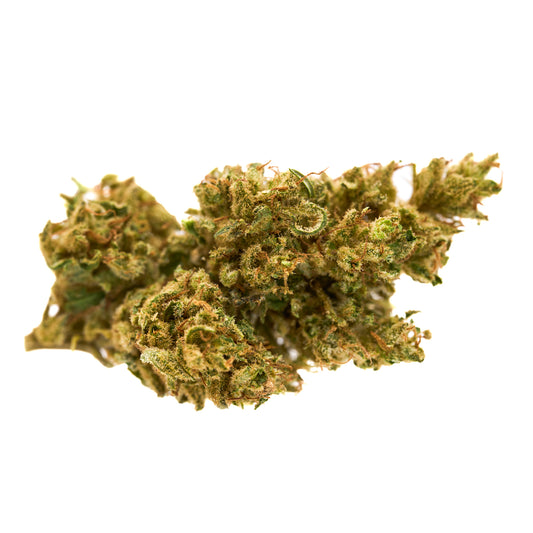
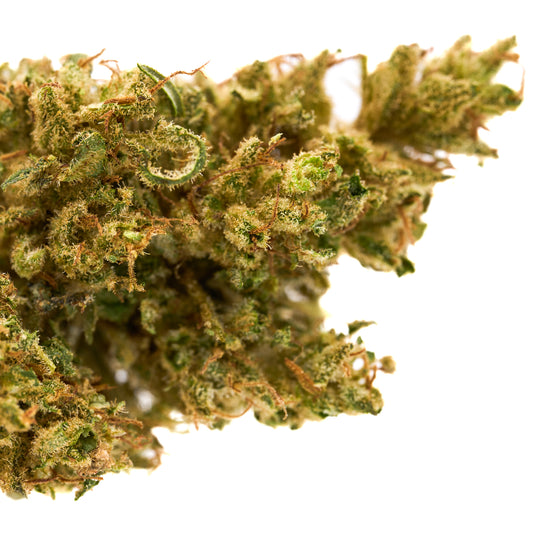
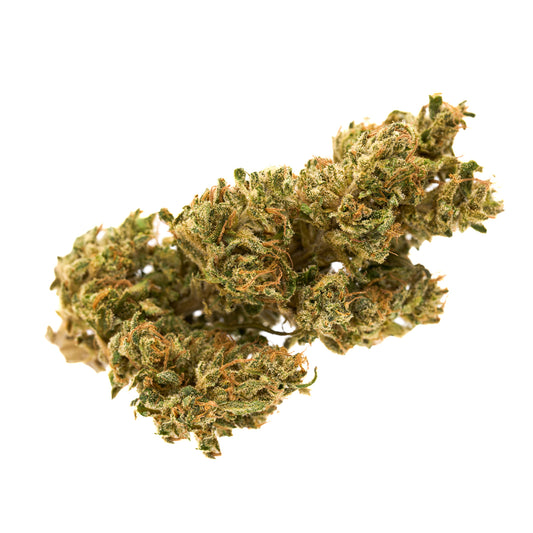
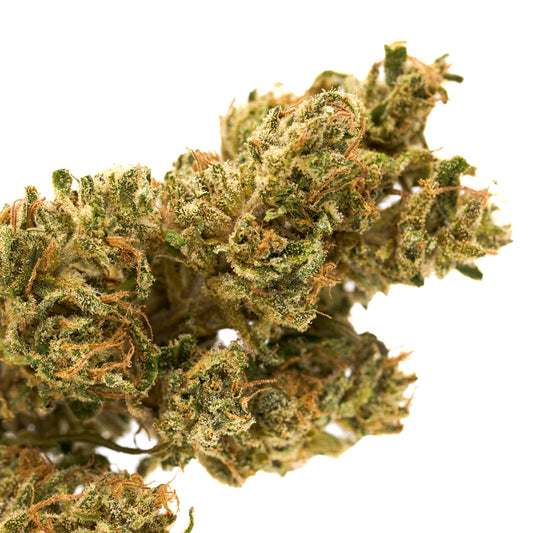
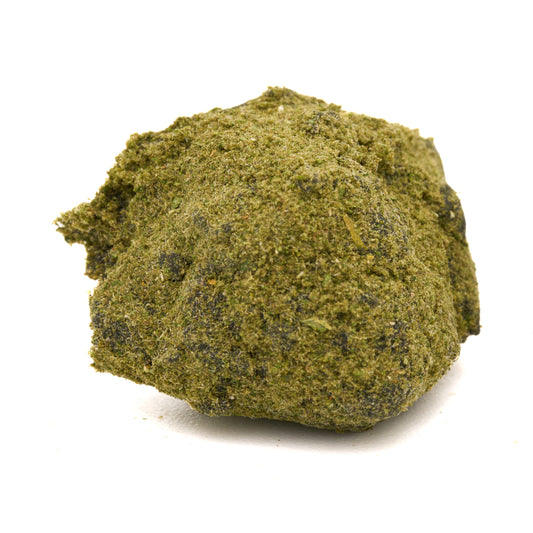
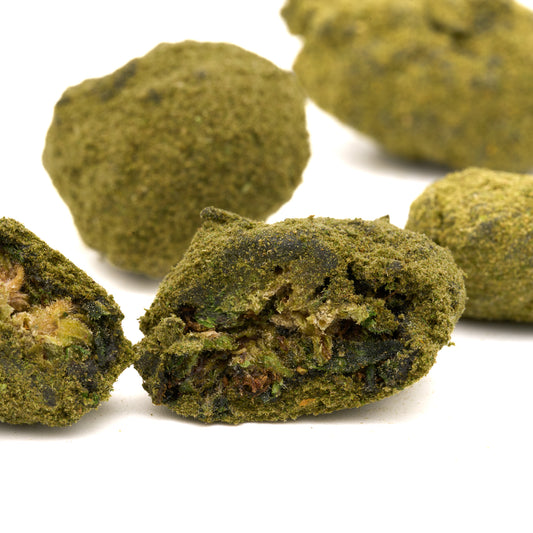
If you want to see what mature, living-soil-grown hemp looks like in finished form, a few of our products make the case directly. Our Sour Hawaiian Haze Hemp Moon Rocks showcase the dense resin production that comes from well-fed, biologically active soil carried through to a full cure.

For growers and resellers looking at volume, our Sour Hawaiian Haze Hemp Flower Small Nugs Wholesale batch and our Sour Hawaiian Haze Hemp Flower Smalls option both reflect the same organic, pesticide-free growing standard discussed throughout this guide. Visit our hemp flower collection to compare strains, or check our wholesale options if you are sourcing for resale.
FAQ
How long does living soil need to age before planting hemp?
Most living soil mixes need four to six weeks to mature before transplanting, though some growers extend this to eight weeks for larger batches. Signs of readiness include an earthy smell, a dark crumbly texture, and visible fungal activity.
Does living soil increase THC levels in hemp?
No, field research found that higher organic fertility increased floral biomass yield without changing the CBD:THC ratio. This means growers can boost yield through fertility management without reliably pushing THC content higher.
What container size works for self-sustaining living soil?
A container of 15 liters or larger, paired with a stable mulch layer and an established microbial community, can often support a full crop cycle on water alone. Smaller containers tend to dry out and lose biological activity too quickly to sustain the same effect.
Do different hemp strains need different soil microbiomes?
Yes, research on industrial hemp genotypes found that CBD and fiber varieties recruit distinct microbial communities in their root zones. This means a living soil recipe that works well for one cultivar may need adjustment when applied to a different genetic line.
When do biostimulants help most in hemp growing?
Biostimulants and humic acids show their largest effects under stress conditions like planting delays or drought, rather than in already optimal growing seasons. Use them strategically during stress events instead of as a routine addition every cycle.
Sources
- The effect of organic amendments on cannabidiol yield and topsoil health in floral hemp (Journal of Cannabis Research)
- Different Fertility Approaches in Organic Hemp Production Alter Floral Biomass Yield but Not CBD:THC Ratio (University of Wisconsin Extension)
- Impact of nitrogen nutrition on Cannabis sativa: an update (PMC review)
