




30% THCA to 26.31% Total THC: How Shoppers Convert Lab Numbers

THCA is the plant’s non-intoxicating acidic precursor, and Total THC is the figure that estimates a product’s potential intoxicating strength after conversion. The formula is Total THC = (THCA × 0.877) + delta-9 THC. When you compare products, line up Total THC against Total THC, or delta-9 THC against delta-9 THC, never a raw THCA percentage against either one.
TL;DR:
- Raw THCA is non-intoxicating and does not produce effects unless converted into delta-9 THC through heating or decarboxylation.
- Decarboxylation, which converts THCA into delta-9 THC, is influenced by temperature and time, with higher temperatures causing faster, more complete conversion.
- Total THC is calculated by applying a 0.877 correction factor to account for mass loss during decarboxylation, making it the key figure for legal and dosing purposes.
- Lab reports display potency in different units; always verify the values are on a dry-weight basis and compare Total THC to Total THC for accurate assessment.
- Actual effects depend on consumption method, individual tolerance, and conversion efficiency, so start with small doses and check lab results before using.
Table of Contents
- What THCA and delta-9 THC are and why the “A” matters
- How THCA converts to delta-9 THC through decarboxylation
- How Total THC is calculated and how to read labels and COAs
- Comparing potency and dosing with confidence
- What Total THC means for hemp compliance and legality
- Reading our COAs and product pages the right way
- Why the numbers matter more than the hype
- Where to find THCA-rich flower with verified lab results
- FAQ
- Sources
What THCA and delta-9 THC are and why the “A” matters
THCA, or tetrahydrocannabinolic acid, is the compound hemp and cannabis plants actually produce as they grow. It carries an extra carboxyl group attached to its molecular structure, and that single detail changes everything about how the compound behaves in the body. Delta-9 THC is the compound most people mean when they talk about getting high. It is the active, intoxicating form, and it only exists in meaningful amounts after THCA has been altered by heat.
The carboxyl group on THCA is bulky enough to block the molecule from binding efficiently to the CB1 receptors in the brain that produce intoxication. Raw cannabis flower, eaten straight off the plant, delivers very little psychoactive effect for this reason. Heat changes the shape of the molecule and removes that carboxyl group, a process called decarboxylation, which converts THCA into delta-9 THC and lets it interact with the body the way people expect.
A few points are worth holding onto as you read lab results or shop for flower:
- THCA is the raw, acidic form found in freshly harvested or uncured cannabis and hemp.
- Delta-9 THC is the carboxylated, intoxicating form produced by heat, light, or extended time.
- The “A” in THCA signals an acid group that has to be removed before the compound becomes active, according to decarboxylation research.
This is why a jar of flower can legally test high in THCA and low in delta-9 THC at the same time. The plant has not been heated yet, so most of its cannabinoid content is still sitting in the inactive, acidic form.
How THCA converts to delta-9 THC through decarboxylation
Decarboxylation is a straightforward chemical reaction: THCA loses a carbon dioxide molecule when exposed to heat, and what remains rearranges into delta-9 THC. Because the molecule sheds that CO2 mass, the resulting THC weighs less than the THCA it came from. Labs account for this mass loss with a correction factor of approximately 0.877, which reflects the ratio of THC’s molecular weight to THCA’s, according to the same decarboxylation study.

Temperature and time both drive how much THCA actually converts. Research tracking decarboxylation kinetics shows that conversion can approach completion within minutes at higher temperatures, while lower temperatures leave a meaningful share of THCA unconverted even after longer exposure, based on findings from decarboxylation kinetics research.
A rough sequence of what studies have documented:
- Around 110°C, conversion proceeds slowly and often stays incomplete within typical cooking windows.
- Around 130°C, conversion speeds up noticeably but still depends heavily on exposure time.
- Around 145°C, conversion can approach completion in roughly five to ten minutes, per the same kinetics data.
That pattern matters because the method you use to consume flower changes how much delta-9 THC you actually get. Smoking and vaping expose THCA to very high heat for a short burst, which tends to convert a large share of it almost instantly. Baking into food uses lower, sustained heat, and a 2016 analysis found that some baking scenarios convert only a fraction of available THCA, which can cause Total THC calculations to overstate the psychoactive dose actually delivered in the finished food, according to the UC Davis decarboxylation analysis.
How Total THC is calculated and how to read labels and COAs
The formula labs use is Total THC = (THCA × 0.877) + delta-9 THC, a method confirmed in USDA/AMS lab testing guidelines.
Labels express potency in different units, and mixing them up leads to bad comparisons:
- Percent by weight (or mg per gram) describes concentration relative to the whole sample.
- Milligrams per serving describes the dose in one gummy, capsule, or measured pour.
- Total package milligrams describes everything in the container added together.
| Label format | What it tells you | Where you’ll see it |
|---|---|---|
| Percent THCA / delta-9 THC | Concentration by dry weight | Flower, pre-roll COAs |
| Mg per serving | Dose in one unit | Gummies, tinctures |
| Total package mg | Sum across the whole product | Edibles, vape carts |
When you pull up a certificate of analysis, check for five things: the THCA result, the delta-9 THC result listed separately, confirmation that the values are reported on a dry-weight basis, the test date, and the lab’s testing method, following the checklist outlined in USDA/AMS hemp program guidance. The 0.877 factor is a standardized mass correction used for compliance testing, not a promise about how much THC your body will actually absorb once you smoke, vape, or bake the product.
Comparing potency and dosing with confidence
It does not. Only then do you have two numbers measured on the same basis. That is the theoretical ceiling. Actual intoxication depends on how completely that THCA converts during your chosen method, something the USDA/AMS testing guidelines treat as a compliance estimate rather than a delivered dose.
Several factors influence actual product effects relative to its Total THC figure, including how the product is consumed (with smoking and vaping converting more THCA than baking), individual tolerance, ingredients affecting absorption, and that lower-temperature methods may leave some THCA unconverted and inactive.
Pro Tip: Start with a small amount of any new product, wait for the full effect before taking more, and always compare Total THC to Total THC rather than mixing percentage and milligram figures.
Before buying, confirm the product has a current COA, check whether potency is listed per serving or per package, and look for Total THC or delta-9 THC called out explicitly rather than buried in a single combined number.
What Total THC means for hemp compliance and legality
Regulators rely on Total THC, not raw THCA percentage, to decide whether a hemp product falls within legal limits. The USDA/AMS lab testing guidelines direct labs to apply the 0.877 conversion or use post-decarboxylation testing methods precisely because a plant high in THCA and technically low in delta-9 THC could still convert to an intoxicating level once heated, and compliance testing has to account for that potential.
Federal hemp policy around Total THC has been shifting, and the Congressional Research Service’s summary notes recent legislative changes affecting how Total THC is defined and applied, along with implementation timelines that are still unfolding. That means the specific thresholds and exclusions tied to Total THC are not static.
A few practical points follow from this:
- States apply their own rules on top of federal hemp standards, and those rules can differ from one another.
- Products shipped across state lines may be subject to different Total THC thresholds depending on origin and destination.
- Checking current state law before purchasing or transporting hemp or THCA products is worth the few minutes it takes, since enforcement and definitions continue to change.
Treat Total THC as the number regulators and testing labs use to judge compliance, and treat state-specific rules as the detail that actually determines what you can legally buy, carry, or receive by mail.
Reading our COAs and product pages the right way
Many product pages link to a current certificate of analysis, and that document is where the label numbers get their backing. Look for the THCA result and the delta-9 THC result listed as separate values, a note confirming dry-weight basis, and a test date that is recent enough to reflect the batch.
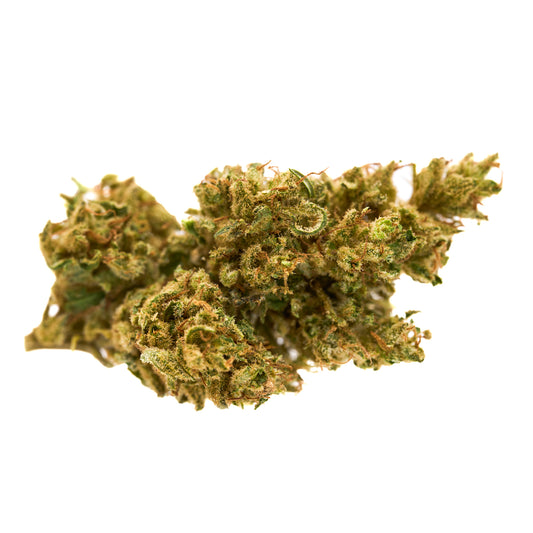
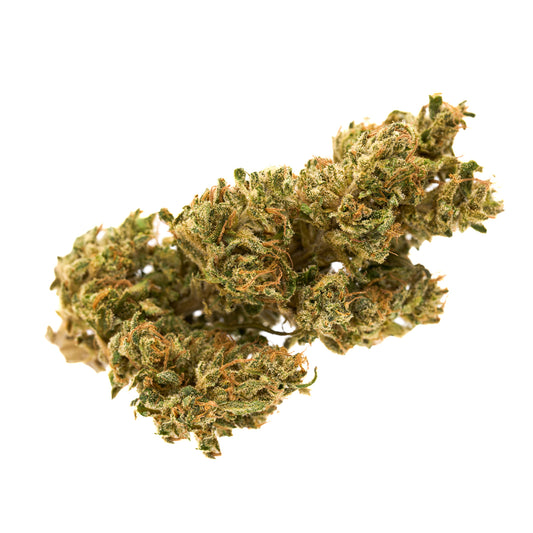
Three flower options worth inspecting as examples of how we present this information: Chimera THCa Hemp Flower Greenhouse, Truffle Dawg Indoor THCa Flower, and Flyin’ Hawaiian Indoor THCa Flower.
A few things we stand behind across our catalog:
- Hemp is grown without pesticides or synthetic inputs, and following sustainable farming practices.
Why the numbers matter more than the hype
Total THC is a calculated ceiling, not a promise of what you will feel once you light up, vape, or bake a product. A number on a label only becomes useful once you understand the basis it was measured on and the conversion assumptions baked into it. When in doubt, pull the COA, check the test date, and reach out to the retailer directly if the dry-weight basis or testing method is not clear.
— Michael
Where to find THCA-rich flower with verified lab results
We carry a full lineup of THCa flower, grown without pesticides or synthetics. 
Each product page links its current COA so you can check THCA and delta-9 results, dry-weight basis, and test date before you buy. Browse the full THCa Products catalog and check the lab results before you check out.
FAQ
Is 30% THCA the same as 30% THC?
No. Using the Total THC formula, 30% THCA converts to roughly 26.31% potential Total THC once the 0.877 mass-correction factor is applied, as outlined in USDA/AMS testing guidelines. The actual percentage of active THC you experience also depends on how completely that THCA converts during use.
Does THCA get you as high as THC?
Raw THCA itself is non-intoxicating because its molecular structure does not bind efficiently to CB1 receptors in the brain. Once heat converts THCA into delta-9 THC through decarboxylation, the resulting compound does produce intoxicating effects, per decarboxylation research.
Will THCA get you just as high as delta-9 THC?
THCA on its own will not, since it needs to lose its carboxyl group through heat before it becomes active. Once converted through smoking, vaping, or baking, the resulting delta-9 THC can produce effects comparable to a product that started with delta-9 THC already present, though conversion efficiency varies by method.
Is THCA considered real THC?
THCA is a distinct molecule from delta-9 THC, chemically and legally, even though it is the direct precursor that becomes THC after decarboxylation. Regulators calculate Total THC specifically because THCA carries the potential to become intoxicating THC, which is why it counts toward compliance testing under USDA/AMS guidelines.
Sources
- Decarboxylation study (PMC)
- U.S. Department of Agriculture — Laboratory Testing Guidelines (USDA/AMS)
- Iffland et al. decarboxylation analysis (UC Davis copy)
- Congressional Research Service — Hemp policy and Total THC changes
