






How to Spot Quality Hemp Flower Before You Buy

Quality hemp flower is trimmed by hand, free of seeds, stems and mold, fragrant, slightly springy, and backed by an independent lab report that matches the batch you are buying. If a flower fails on any of those points, the price and the strain name do not matter. We grow organic hemp flower without pesticides or synthetics, hand-trim it, and back it with a 100% satisfaction guarantee, so the checks below are the same ones we apply to our own flower.
This guide is for adults 21 and over who buy hemp flower for personal use, and for businesses that buy it in bulk for resale. It covers what you can judge with your eyes, nose and fingers, what a lab report must show, and what to ask a seller when you cannot hold the flower first.
TL;DR
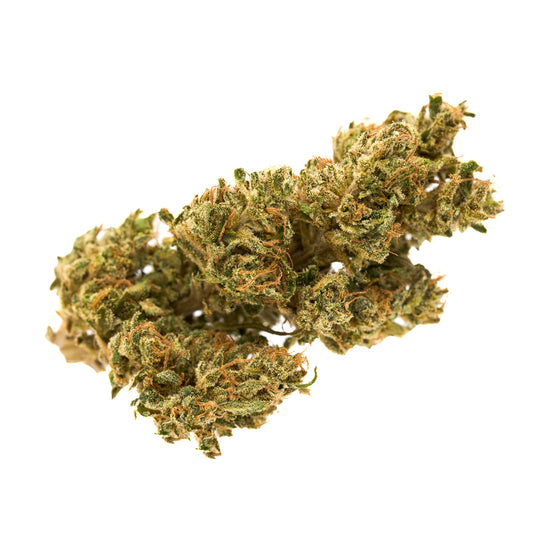
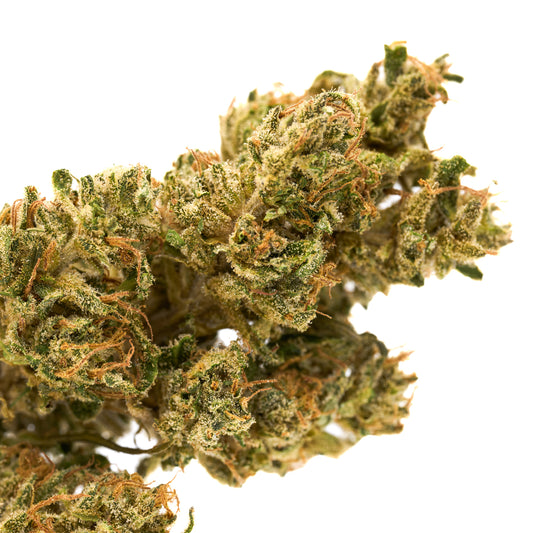
- Look for trimmed, seedless buds with intact trichomes (the frosty resin glands), a natural color range and no fuzz, dust or dark spots.
- Smell and feel matter: a clear, layered aroma and a slight spring point to good curing. Hay, ammonia or mustiness point to problems.
- Ask for a batch-specific, third-party lab report covering cannabinoids, terpenes, pesticides and contaminants, and confirm the batch number matches your product.
- THCA flower converts to THC when heated, so read the total THC figure, not only the THCA percentage.
- Wholesale buyers should add questions about growing method, trimming, storage and consistency between lots.
Table of Contents
- Start with what you can see
- Use your nose and fingers
- Signs of mold, poor curing and degraded flower
- Read the lab report
- Questions to ask a seller
- Match the flower to the use
- A quick checklist you can print
- Shop flower grown to these standards
- FAQ
- Sources
Start with what you can see
Appearance is the fastest filter. It will not prove quality, but it quickly rules out poor flower.
Trim and structure
The National Hemp Association’s buying guide says quality hemp flower should be trimmed and seedless. Trimming removes the sugar leaves, the small leaves that stick out from the bud and burn harshly. Hand-trimmed flower usually keeps its shape better than machine-trimmed flower, which can bruise buds and knock off trichomes. Our flower is hand-trimmed for that reason.
Seeds are a red flag. Seeds mean the plants were pollinated, which lowers the cannabinoid content of the flower and adds harsh, woody material. Stems should be short and thin. A bag with long stalks and loose leaf is padded with weight you will not use.

Color
Healthy flower comes in several shades of green, and some strains show purple, blue or orange hairs. What matters is that the color looks natural and even. Dull brown or yellow buds are usually old, dried too hard or stored poorly. Very bright, uniform green with no variation can point to heavy handling or artificial treatment.
Trichomes
Trichomes are the tiny resin glands that hold most of the cannabinoids and terpenes. On good flower they look like a frosty, crystalline coat. Mold looks different: fuzzy white or gray patches, powdery film, or black and brown spots, often with a slimy feel. Trichomes are tiny and glittery. Mold is patchy and dull. Under bright light, a cheap magnifier makes the difference obvious.
Use your nose and fingers
Aroma
Flower should smell like what it is. Terpenes, the aromatic compounds in the plant, give each strain its scent: citrus, pine, fuel, berry, spice or earth. A good jar smells layered and clear the moment you open it. Our guide to terpenes in hemp flower explains the common profiles and what each aroma points to.
Warning smells include:
- Hay or cut grass: the flower was dried too fast or not cured.
- Ammonia: moisture was trapped during curing, which can mean bacterial growth.
- Mustiness or mildew: a sign of mold. Do not use it.
- No smell at all: the terpenes have faded, usually from age, heat or light.
Texture and moisture
Press a bud gently. It should spring back slightly, feel dry on the outside and break apart with a little resistance. If it crumbles to dust, it is over-dried and has lost aroma. If it feels damp, sticky in a wet way or spongy, it holds too much moisture, and moisture is what lets mold grow. Slimy flower goes in the trash.
Density and size
Dense buds are not automatically better. Dense flower that is hard as a pebble can have been dried too quickly. Look for buds that are full and firm but not rock-hard. Small nugs can be perfectly good flower: they come from the same plants and often cost less, and many buyers choose them for pre-rolling and grinding.
Signs of mold, poor curing and degraded flower
Visual signs of mold are only part of the picture. Contamination can also be invisible, which is why lab testing matters. Here is what to check at home or on delivery.
| Sign | What it usually means | Action |
|---|---|---|
| Fuzzy white or gray patches | Mold | Discard |
| Chalky powder that wipes off in a film | Powdery mildew | Discard |
| Black or brown spots | Mold or rot | Discard |
| Damp, slimy or spongy feel | Excess moisture | Discard |
| Hay smell | Rushed drying, no cure | Poor quality, low flavor |
| Ammonia smell | Trapped moisture during cure | Discard |
| Dust and brittle crumbling | Over-dried or old | Low potency and flavor |
| Seeds, long stems | Pollination, poor trim | Lower value |
If you are unsure whether you are looking at trichomes or mildew, treat it as mildew. Smoking or vaping moldy flower can irritate the lungs, and people with weakened immune systems or lung conditions should talk to their doctor about any inhaled product.
Read the lab report
Your eyes and nose catch visible defects. A lab report, called a certificate of analysis or COA, tells you what you cannot see. The National Hemp Association recommends independent, third-party testing on each batch, and says a COA can show cannabinoids, terpenes, pesticides and other contaminants.
Step 1: Confirm it is third-party and batch-specific
The report should come from an outside lab, not from the seller. It should list a batch or lot number, a sample date and the product name. Match the batch number to the number on your package or product page. A generic report that is not tied to a batch tells you nothing about the flower in your hands.
Step 2: Check the cannabinoid panel
This section lists CBD, THC, THCA, CBG, CBN and other cannabinoids as percentages of dry weight. Our guide on reading CBD flower potency percentages walks through a full report line by line.
Two points to remember:
- Higher is not always better. A very high number can come from a lab method or from a sample that does not represent the whole batch. Consistency across a seller’s batches is a better sign.
- For hemp, federal law sets a limit. The legal definition of hemp is no more than 0.3% delta-9 THC by dry weight, and states can add their own requirements.
Step 3: Understand THCA and total THC
THCA flower is rich in THCA, a compound that is not intoxicating until heat converts it to THC. The same legal FAQ explains that heating converts THCA into THC, which is why smoking or vaping THCA flower can cause intoxicating effects. Some labs report a “total THC” figure that adjusts for this conversion. A report showing 30% THCA, for example, does not mean 30% THC after heating. Our article on converting THCA to total THC shows the math with a real example, and our piece on what THCA flower feels like covers the effects. If you want to know whether hemp flower can get you high, read our breakdown of U.S. tests and the 0.3% limit.
Worked example: a report lists 25% THCA and 0.5% delta-9 THC. The commonly used conversion multiplies THCA by 0.877 and adds delta-9 THC, which gives about 22.4% total THC. The exact formula and rounding vary by lab, so use the total THC line the report itself prints when it has one.

Step 4: Check the terpene panel
Terpenes affect aroma and flavor, and their presence is a sign that the flower was dried and cured well. The panel lists compounds such as myrcene, limonene, caryophyllene and pinene, usually as a total percentage. A flower that smells strongly but shows very low terpenes, or one that smells faint but reports high terpenes, deserves a second look at whether the report matches the product.
Step 5: Check pesticides, heavy metals and microbials
This is the safety section, and it is the one many buyers skip. A complete report covers pesticide residues, heavy metals, residual solvents where relevant, and microbial contaminants such as yeast, mold, and bacteria. Each line should show a result and a limit, with “ND” (not detected) or a pass status. Our guide to hemp pesticide testing explains what labs test for and how to read the results, and our article on pesticide-free hemp covers what that claim means in practice.
Step 6: Check the date and the lab
A report should be recent relative to the harvest and the batch. A report that is a year or more old for a product made last month is a mismatch. The lab’s name, accreditation and contact details should be printed on the report.
Questions to ask a seller
When you buy online, you cannot hold the flower first. The National Hemp Association advises that buyers ask the company for more information when they cannot inspect the product. Good questions for any consumer:
- Was the flower grown in clean soil without pesticides or synthetic inputs?
- Does independent testing verify THC, pesticides and contaminants for each batch?
- Is the flower trimmed, and how?
- How is it dried, cured and stored before shipping?
- What is the return or satisfaction policy if the flower arrives below expectations?
The first two come straight from the National Hemp Association’s guidance. The last matters because a seller who stands behind the product removes much of your risk. Our own policy is a 100% satisfaction guarantee, and orders over $85 ship free.
Additional questions for wholesale buyers
If you resell or manufacture with hemp flower, the stakes are higher because one bad lot affects many customers. Add these:
- Can the supplier provide batch reports for each lot, not just a sample?
- How consistent are potency and terpene levels from lot to lot?
- What are the minimum order quantities and the packaging formats (small nugs, full-size flower, bulk)?
- How is the flower stored and shipped to keep moisture in range?
- Does the supplier have the same growing practices across the lots you order?
We supply wholesale THCa, CBD and Delta 8 flower, and our wholesale collection lists the available lines.
Match the flower to the use
Quality also means fit. Different products suit different goals.
- CBD flower is rich in CBD with minimal THC, chosen by many adults for daily routines. If you are subject to drug testing, read our article on CBD flower and drug test cutoffs first, because even low-THC products can matter for a test.
- THCA flower is chosen for a stronger experience once heated. Compare lab numbers, as in our comparison of two greenhouse THCA strains.
- Delta 8 flower is hemp flower with added or concentrated delta-8 THC. Check that the report names it clearly.
- Pre-rolls and small nugs are a convenient format for trying a strain.
Hemp products are for adults 21 and over. Rules on THC products vary by state, so check your state’s current law before you order. Do not drive or operate machinery after use, and avoid hemp products if you are pregnant or nursing. If you take prescription medication, talk to your doctor before use, since cannabinoids can interact with some drugs.
A quick checklist you can print
| Check | Good sign | Bad sign |
|---|---|---|
| Trim | Hand-trimmed, tidy buds | Long stems, leaf, seeds |
| Color | Natural greens, purple or orange hairs | Brown, yellow, gray |
| Trichomes | Frosty and even | Fuzz or dull powder |
| Smell | Clear and layered | Hay, ammonia, mildew |
| Feel | Light spring, dry outside | Wet, slimy or crumbling |
| Lab report | Third-party, batch-matched, recent | Generic, undated, no batch number |
| Safety panel | Pesticides, metals, microbials all reported | Only a THC number |
| Seller policy | Clear satisfaction guarantee | No return terms |
Our view on quality
We grow hemp flower organically, without pesticides or synthetics, and we hand-trim it. We think those two choices explain most of what you can see and smell in a jar: intact trichomes, clean structure and a clear aroma.
Our approach is to keep the product honest. Each strain carries its own cannabinoid and terpene profile, and we describe those details plainly so you can choose between recreational and therapeutic uses. Sustainable farming matters to us because it shapes the plant from the start.
The 100% satisfaction guarantee exists because you should not carry the risk of ordering flower you have never held. Our goal is that when you open the bag, it looks, smells and feels the way this guide says good flower should.
Michael
Shop flower grown to these standards
If you want to apply this checklist to a real order, start with our hemp flower collection. It includes CBD and THCA flower grown organically without pesticides or synthetics and hand-trimmed, with a 100% satisfaction guarantee on your order and free shipping over $85.

For other formats, browse pre-rolls, vapes or THCa concentrates. Businesses can see our wholesale lines for bulk supply.
FAQ
How can I tell if hemp flower is good quality?
Look for trimmed, seedless buds with a frosty trichomes coat, natural color and no fuzz or dark spots. The aroma should be clear and distinct, and the bud should feel dry on the outside with a slight spring. Then confirm that a third-party lab report matches the batch.
Does hemp flower still get you high?
CBD-rich flower with very low THC is not usually chosen for intoxication. THCA-rich flower is different: heating converts THCA to THC, and that can cause intoxicating effects. Read the total THC on the lab report to know what you are buying.
What should a hemp flower lab report include?
It should name an independent lab, a batch number and a sample date. It should list cannabinoids and terpenes, plus pesticide, heavy metal and microbial results with pass or not-detected status. The batch number must match your product.
Is a higher THCA or CBD percentage always better?
No. Percentages tell you potency, not freshness, curing or cleanliness. A mid-range flower that is well grown, dried and tested will usually outperform a high-number flower with poor curing or inconsistent batches.
Why does hemp flower smell like hay or ammonia?
Hay usually means the flower was dried too fast and not properly cured. Ammonia suggests moisture was trapped during curing, which can allow bacteria to grow. Do not use flower with an ammonia or musty smell.
Sources
- The Ultimate Guide to Safely Buying Hemp Flower Online, National Hemp Association
- Frequently Asked Questions About THCA Flower, Vicente LLP
- How to Spot Moldy Weed (and Keep Your Stash Fresh), Seed of Life Labs
