
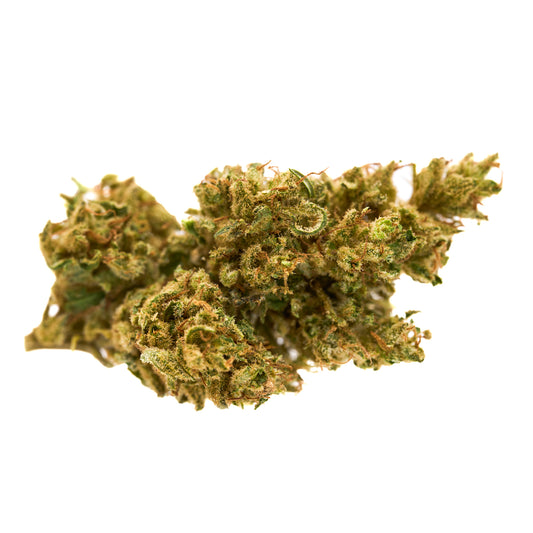
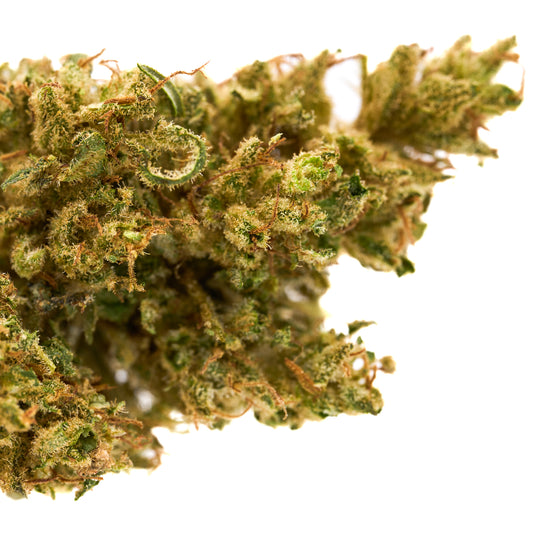
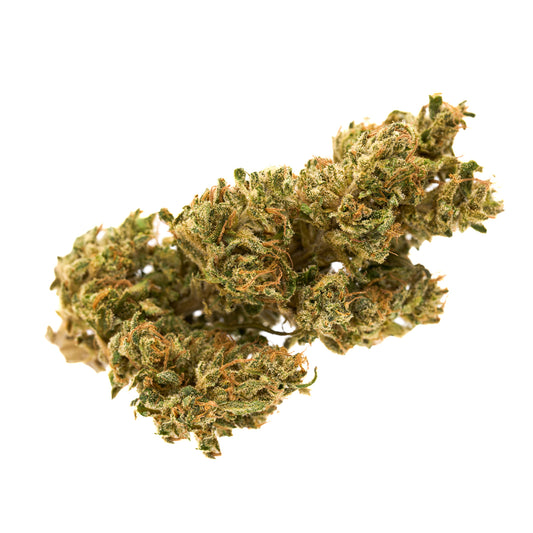
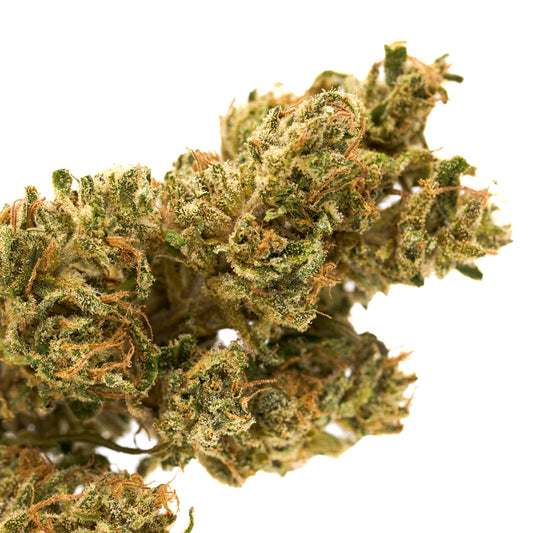




Greenhouse THCA Flower Showdown: Orange Runtz vs Gassa Purple THC Levels

When selecting premium THCA hemp flower, understanding cannabinoid potency becomes paramount for consumers seeking specific effects and experiences. The debate over Orange Runtz vs Gassa Purple THC levels represents more than just numbers on a certificate of analysis—it reflects fundamental differences in genetics, growing methodologies, and ultimate consumer satisfaction. Both strains have earned recognition among enthusiasts seeking high THCA hemp flower, yet their cannabinoid profiles tell distinctly different stories.
THCA (tetrahydrocannabinolic acid) serves as the precursor molecule to THC, the primary psychoactive compound in cannabis. While THCA itself produces no intoxicating effects in its raw form, the THCA to THC conversion that occurs through heat transforms this acidic cannabinoid into the compound consumers recognize for its therapeutic and recreational properties. Understanding this fundamental relationship becomes essential when evaluating THCA flower potency comparison between premium cultivars.
Greenhouse cultivation methodologies significantly impact cannabinoid development, offering environmental controls that optimize cannabinoid production while maintaining cost efficiency compared to indoor operations. The controlled environment allows cultivators to fine-tune factors affecting greenhouse THCA flower THC content, resulting in consistent, potent harvests that rival indoor flower quality. Both Orange Runtz and Gassa Purple benefit from these greenhouse advantages, though their genetic predispositions lead to different cannabinoid expressions.
This comprehensive analysis examines laboratory-verified data, cannabinoid profiles, and real-world potency expectations to definitively answer the question: which has more THC Orange Runtz or Gassa Purple? Beyond simple percentage comparisons, we'll explore the factors affecting potency, conversion rates, and practical considerations for consumers prioritizing cannabinoid content in their hemp flower selections.
Understanding THCA and THC in Hemp Flower
The relationship between THCA and THC represents one of cannabis science's most important distinctions. THCA exists as the predominant cannabinoid in fresh, uncured hemp flower, serving as the acidic precursor that transforms into delta-9 THC through decarboxylation. This molecular structure features an extra carboxyl group (COOH) that prevents the compound from crossing the blood-brain barrier and producing intoxicating effects. When consuming raw cannabis flower, users experience THCA's potential anti-inflammatory and neuroprotective properties without psychoactive experiences.
Decarboxylation—the process of removing that carboxyl group—occurs naturally through heat application. When flower is smoked, vaporized, or baked into edibles, temperatures ranging from 220°F to 300°F trigger this molecular transformation. The THCA to THC conversion efficiency typically ranges from 87.7% to 90% depending on temperature control, duration of heating, and material moisture content. This conversion factor becomes critical when calculating expected potency from lab tested THCA flower certificates of analysis.
Understanding legal Delta-9 THC limits provides essential context for the THCA hemp market. Federal regulations stipulate that hemp must contain no more than 0.3% Delta-9 THC by dry weight. However, THCA exists in a legal gray area—its non-intoxicating nature in raw form allows cultivation and sale of flower containing substantially higher THCA percentages. This legislative distinction enables the high THCA hemp flower market, where consumers access potent cannabinoid content while producers maintain legal compliance through proper testing protocols.
Total THC calculations incorporate both existing Delta-9 THC and the potential THC from THCA decarboxylation. The formula multiplies THCA percentage by 0.877 (the molecular weight conversion factor) and adds existing Delta-9 THC: Total THC = (THCA × 0.877) + Delta-9 THC. When examining Orange Runtz vs Gassa Purple cannabinoids, this calculation reveals the actual psychoactive potential consumers can expect after consumption. A strain testing at 25% THCA with 0.5% Delta-9 THC delivers approximately 22.4% total THC—a potency level that competes directly with traditional marijuana products.
The distinction between THCA percentage and total THC becomes particularly important when comparing strains. Raw THCA numbers might initially appear impressive, but conversion efficiency, consumption methods, and user metabolism ultimately determine actual effects. Premium greenhouse cultivars like Orange Runtz and Gassa Purple leverage optimal growing conditions to maximize both THCA production and overall cannabinoid richness, creating full-spectrum experiences that extend beyond simple THC content.
Greenhouse Growing Impact on Cannabinoid Development
Greenhouse cultivation represents the sweet spot between outdoor growing's natural advantages and indoor operation's environmental control. This hybrid methodology significantly impacts cannabinoid biosynthesis, enabling cultivators to optimize conditions specifically for THCA production. The greenhouse hemp flower potency advantages stem from multiple controllable factors that influence plant metabolism and secondary metabolite production throughout the flowering cycle.
Environmental control benefits extend beyond simple temperature regulation. Modern greenhouse operations utilize supplemental lighting systems that extend photoperiods during critical flowering stages, blackout curtains that provide complete darkness for proper flowering initiation, and ventilation systems maintaining ideal vapor pressure deficits. These controls create stable conditions that prevent stress-induced cannabinoid fluctuations, resulting in consistent THCA percentages across harvests. When evaluating greenhouse THCA flower THC content, this consistency becomes a significant quality indicator.
Light optimization in greenhouse settings combines natural sunlight's full spectrum benefits with supplemental LED or HPS systems targeting specific wavelengths. Cannabis responds to light quality, intensity, and duration by modulating cannabinoid biosynthesis pathways. Increased UV-B exposure, for instance, can stimulate THCA synthase enzyme activity, potentially boosting final cannabinoid percentages. Greenhouse cultivators leverage this knowledge, positioning plants to maximize beneficial solar radiation while supplementing during shorter day lengths or cloudy periods.
Temperature regulation proves crucial for optimal THCA production. Cannabis plants synthesize cannabinoids most efficiently within specific temperature ranges—typically 70-85°F during vegetative growth and slightly cooler 65-80°F during flowering. Greenhouse climate control systems maintain these ideal ranges regardless of external weather conditions. Temperature consistency prevents stress that might otherwise divert plant resources from cannabinoid production to survival mechanisms. Both Orange Runtz and Gassa Purple demonstrate how proper temperature management translates to elevated THCA percentages.
Cannabinoid production enhancement through controlled environmental parameters represents greenhouse cultivation's primary advantage. Beyond temperature and light, factors like CO2 enrichment, humidity control, and nutrient optimization all contribute to maximizing cannabinoid biosynthesis. Greenhouse operators can increase atmospheric CO2 to 1200-1500 ppm during daylight hours, significantly boosting photosynthesis rates and ultimately cannabinoid production. This enhanced metabolism, combined with optimized fertilization schedules, enables high THCA hemp flower production that consistently meets or exceeds consumer expectations.
Why greenhouse cultivation consistently produces potent cannabinoid profiles becomes clear when examining the totality of environmental advantages. Unlike outdoor growing subject to weather unpredictability and seasonal limitations, greenhouse operations maintain year-round optimal conditions. Unlike indoor cultivation requiring expensive artificial lighting and climate control for every growth phase, greenhouses leverage free solar energy while selectively deploying supplemental systems. This approach produces THCA concentrations rivaling indoor flower while maintaining cost structures that enable competitive pricing—a combination particularly evident in premium offerings like Orange Runtz THCA percentage and Gassa Purple THC levels.
Orange Runtz THCA Levels: Deep Dive
Orange Runtz has established itself as a powerhouse cultivar in the THCA hemp flower market, consistently delivering cannabinoid percentages that satisfy even experienced consumers. The typical Orange Runtz THCA percentage ranges from 22% to 28% depending on the specific phenotype, growing conditions, and harvest timing. This substantial range reflects both the strain's genetic potential and the impact of cultivation excellence. Premium greenhouse-grown Orange Runtz from reputable producers regularly tests in the 24-26% THCA range, representing the sweet spot where genetics and environment align perfectly.
Batch-to-batch consistency represents a hallmark of quality Orange Runtz production. While minor variations occur naturally—no two plants express cannabinoids identically—professionally cultivated Orange Runtz typically demonstrates ±2% THCA variation between harvests. This predictability stems from stable genetics, standardized growing protocols, and consistent environmental parameters throughout cultivation. Consumers seeking reliable potency appreciate this consistency, particularly when using lab tested THCA flower for specific therapeutic or recreational purposes requiring predictable dosing.
Peak THCA content in exceptional Orange Runtz batches can reach 28-30%, though these highest numbers typically represent phenotype hunting's best results rather than standard production expectations. These premium selections often showcase the strain's full genetic expression under absolutely optimal conditions—perfect nutrient timing, ideal environmental parameters, and harvest at the precise cannabinoid maturation peak. While not every batch achieves these maximum levels, they demonstrate Orange Runtz's true cannabinoid production potential when all factors align.
The total cannabinoid profile extends beyond THCA alone. Quality Orange Runtz typically presents CBD content ranging from 0.5-1.2%, contributing to the entourage effect without significantly impacting the THC-dominant experience. CBG (cannabigerol) levels typically measure 0.8-1.5%, adding its own subtle contributions to the overall effect profile. Minor cannabinoids like CBC (cannabichromene) and CBN (cannabinol) appear in trace amounts, each contributing to the full-spectrum experience that distinguishes quality hemp flower from isolated cannabinoid products.
Example laboratory results from premium Orange Runtz batches illustrate the strain's impressive cannabinoid density. A representative COA (Certificate of Analysis) might show: THCA 25.8%, Delta-9 THC 0.28%, CBD 0.92%, CBG 1.14%, total cannabinoids 28.67%. Applying the standard conversion formula reveals how much THCA in Orange Runtz translates to actual THC: (25.8% × 0.877) + 0.28% = 22.9% total THC. This calculation demonstrates why consumers seeking potent experiences gravitate toward this cultivar—the Orange Runtz total THC content competes directly with traditional marijuana products while maintaining hemp legal status.
The cannabinoid stability throughout Orange Runtz's shelf life further distinguishes quality production. Properly cured and stored flower maintains THCA percentages for six months or longer, with only minimal degradation under correct storage conditions (cool, dark, humidity-controlled environments). This stability ensures consumers receive the advertised potency even weeks or months after harvest, provided the flower receives appropriate handling from cultivation through consumption.
Gassa Purple THCA Content Analysis
Gassa Purple represents the opposite end of the cannabinoid spectrum from Orange Runtz, though "opposite" shouldn't imply inferior—merely different. The expected Gassa Purple THCA percentages typically range from 18% to 24%, with most quality greenhouse batches landing in the 20-22% range. This moderate-to-high potency level satisfies consumers seeking substantial effects without the overwhelming intensity that extremely high-THCA strains might deliver. The strain's appeal extends beyond raw numbers, encompassing flavor profiles, effect qualities, and overall user experiences that percentage points alone cannot capture.
Cannabinoid stability in Gassa Purple rivals or exceeds many high-THCA cultivars. The strain's genetic lineage includes stabilizing influences that promote consistent cannabinoid expression across different growing conditions and harvests. This reliability translates to predictable consumer experiences—users know what to expect from Gassa Purple, reducing the uncertainty sometimes associated with extremely high-potency strains showing greater variability. For businesses and consumers prioritizing consistency, this stability represents significant value.
Maximum potency examples from exceptional Gassa Purple phenotypes occasionally reach 24-26% THCA, demonstrating the strain's upper genetic limits under perfect conditions. These peak results typically emerge from extensive phenotype selection, where cultivators identify and propagate the highest-producing individual plants from large populations. While these maximum numbers don't represent average consumer experiences, they illustrate Gassa Purple's cannabinoid production capacity when genetics and environment achieve perfect synchronization.
The full spectrum profile distinguishes quality Gassa Purple from competitors. Beyond THCA, the strain typically expresses CBD levels around 0.7-1.4%, providing subtle balancing effects that some users find beneficial. CBG content generally measures 1.0-1.8%, slightly higher than many competing strains. This elevated CBG percentage contributes to the strain's distinctive effect profile, as cannabigerol demonstrates potential anti-inflammatory and neuroprotective properties that complement THC's primary effects. The combination creates an entourage effect distinguishing Gassa Purple's experience from simple THC-dominant profiles.
Laboratory certificate review reveals Gassa Purple's cannabinoid architecture. A representative third-party COA might display: THCA 21.4%, Delta-9 THC 0.31%, CBD 1.08%, CBG 1.52%, total cannabinoids 24.93%. Converting these numbers to total THC using the standard formula: (21.4% × 0.877) + 0.31% = 19.1% total THC. While the Gassa Purple total THC content measures lower than Orange Runtz's typical range, the 19% total THC level still delivers substantial potency suitable for most consumer needs. The question becomes whether absolute maximum potency or a balanced cannabinoid profile better serves individual preferences and intended uses.
Batch consistency in professional Gassa Purple production maintains cannabinoid percentages within narrow ranges. Quality greenhouse cultivators typically achieve ±1.5% THCA variation between harvests, even tighter tolerances than many competing strains. This exceptional consistency stems from the strain's genetic stability and responds predictably to environmental inputs. For consumers and businesses requiring reliable potency for dosing calculations or product formulations, Gassa Purple's consistency represents a significant practical advantage despite slightly lower peak THCA percentages compared to ultra-high-potency cultivars.
Total THC vs THCA: The Real Numbers
Understanding how total THC calculations work proves essential when comparing any cannabis strains, including the Orange Runtz vs Gassa Purple THC levels discussion. The "total THC" designation represents the maximum potential psychoactive cannabinoid content after complete decarboxylation—the realistic potency consumers actually experience during typical consumption. Raw THCA percentages, while impressive on certificates of analysis, don't directly translate to user experiences since THCA itself produces no intoxicating effects without heat activation.
The total THC calculation formula multiplies THCA percentage by the molecular weight conversion factor 0.877, then adds any existing Delta-9 THC. This 0.877 factor accounts for the molecular weight change when the carboxyl group (COOH) detaches during decarboxylation, converting heavier THCA molecules into lighter THC molecules. The mathematical relationship ensures accurate potency predictions regardless of the strain's specific cannabinoid ratio. For THCA flower potency comparison, this standardized calculation enables apples-to-apples evaluations across different cultivars and batches.
Orange Runtz total THC consistently ranges from 19% to 25% when applying conversion formulas to typical laboratory results. Taking a representative batch testing at 25% THCA and 0.3% Delta-9 THC: (25% × 0.877) + 0.3% = 22.2% total THC. This substantial potency level positions Orange Runtz firmly in the high-potency category, competing directly with premium marijuana offerings while maintaining federal hemp compliance through its below-0.3% Delta-9 THC content. The strain delivers experiences satisfying even seasoned cannabis consumers accustomed to high-potency products.
Gassa Purple total THC typically falls in the 16% to 21% range, reflecting its moderately lower THCA percentages. Using an average batch at 21% THCA and 0.3% Delta-9 THC: (21% × 0.877) + 0.3% = 18.7% total THC. While numerically lower than Orange Runtz, this potency level still surpasses many traditional marijuana strains and certainly exceeds expectations for federally compliant hemp flower. The slightly moderated potency might actually appeal to certain consumer segments seeking substantial effects without overwhelming intensity.
Legal compliance discussion becomes particularly relevant when examining total THC versus Delta-9 THC specifically. Current federal regulations focus exclusively on Delta-9 THC content, stipulating the 0.3% dry weight maximum for hemp classification. THCA, regardless of percentage, doesn't factor into federal hemp definitions—a legislative distinction enabling the high THCA hemp flower market. Both Orange Runtz and Gassa Purple maintain legal hemp status despite total THC levels exceeding 15-20% because their Delta-9 THC content remains below regulatory thresholds. This compliance framework allows consumers legal access to potent cannabinoid products previously available only through state-licensed marijuana programs.
Post-decarboxylation potency represents the practical reality consumers experience. While Orange Runtz clearly delivers higher total THC percentages—typically 3-5 percentage points above Gassa Purple—both strains provide substantial potency capable of satisfying most consumer needs. The percentage difference translates to real-world effect variations, though individual factors like tolerance, metabolism, consumption method, and even terpene profiles significantly influence actual experiences. The THCA percentage comparison greenhouse strains reveals Orange Runtz as the potency champion, though Gassa Purple's respectable numbers shouldn't be dismissed as inadequate.
Head-to-Head Cannabinoid Comparison
Direct cannabinoid comparisons reveal the distinctions driving consumer preferences between these two popular greenhouse cultivars. The following data represents typical laboratory results from quality greenhouse production, providing realistic expectations rather than cherry-picked maximum values:
CANNABINOID COMPARISON TABLE
| Cannabinoid | Orange Runtz | Gassa Purple |
|---|---|---|
| THCA | 24-26% | 20-22% |
| Delta-9 THC | 0.25-0.35% | 0.25-0.35% |
| Total THC | 21-23% | 18-20% |
| CBD | 0.5-1.2% | 0.7-1.4% |
| CBG | 0.8-1.5% | 1.0-1.8% |
| CBC | 0.1-0.3% | 0.1-0.4% |
| CBN | <0.1% | <0.1% |
| Total Cannabinoids | 26-29% | 23-26% |
The THCA levels side-by-side reveal Orange Runtz's clear advantage in raw cannabinoid potency. The typical 4-5 percentage point difference represents approximately 20-25% more THCA content, a margin that translates directly to total THC potential and ultimately user-perceived effects. For consumers prioritizing maximum potency, this difference becomes the decisive factor. However, the comparison extends beyond simple THCA numbers to encompass the complete cannabinoid spectrum.
CBD content comparison shows Gassa Purple expressing slightly elevated CBD percentages in most batches. While both strains qualify as THC-dominant rather than balanced, Gassa Purple's marginally higher CBD content contributes to its distinctive effect profile. CBD doesn't significantly diminish THC effects at these low concentrations but may subtly modulate the experience through entourage effects. Some users report Gassa Purple delivers smoother, more balanced effects potentially attributable to this minor CBD elevation.
CBG and minor cannabinoids present another interesting distinction. Gassa Purple consistently expresses higher cannabigerol percentages, occasionally testing 0.5-1.0 percentage points above Orange Runtz. CBG's potential therapeutic properties include anti-inflammatory effects, neuroprotection, and possible appetite stimulation. While research into CBG's specific contributions continues, the elevated levels in Gassa Purple add dimension to its cannabinoid profile beyond simple THC dominance. These minor cannabinoids collectively contribute to full-spectrum effects distinguishing quality lab tested THCA flower from isolated compounds.
Total cannabinoid percentages encompass all measurable compounds, providing a comprehensive potency metric. Orange Runtz typically achieves 26-29% total cannabinoids, while Gassa Purple ranges 23-26%. This total cannabinoid measurement indicates overall metabolic activity and genetic expression—strains producing high total cannabinoid percentages demonstrate efficient biosynthesis pathways converting precursor molecules into valuable secondary metabolites. Both strains exceed industry averages, qualifying them as premium cultivars regardless of their relative rankings.
The practical implications of this cannabinoid profile comparison extend beyond laboratory numbers. Orange Runtz's higher THCA content delivers more intense psychoactive experiences, making it preferable for high-tolerance users or those seeking maximum effects. Gassa Purple's balanced profile with elevated CBD and CBG percentages may provide more nuanced effects appreciated by consumers prioritizing overall experience quality over raw potency. Neither profile inherently superior—the optimal choice depends entirely on individual preferences, tolerance levels, and intended uses.
Lab Testing Standards and Accuracy
Third-party testing importance cannot be overstated when evaluating THCA flower potency comparison claims. Independent, accredited laboratories provide the only reliable verification of cannabinoid content, protecting consumers from exaggerated marketing claims while ensuring producers receive accurate feedback on their cultivation results. Reputable cannabis testing facilities employ sophisticated analytical methods, primarily High-Performance Liquid Chromatography (HPLC) or Gas Chromatography (GC), to quantify cannabinoid percentages with scientific precision.
Testing methodology significantly impacts result accuracy and reliability. HPLC represents the preferred method for cannabis testing because it analyzes cannabinoids at room temperature, preventing premature decarboxylation that occurs in GC testing's high-temperature conditions. This temperature distinction proves crucial for THCA analysis—GC testing might inadvertently convert THCA to THC during analysis, producing inflated Delta-9 THC readings that don't reflect the flower's actual composition. When reviewing lab tested THCA flower certificates, consumers should verify the testing method, with HPLC results generally providing more accurate THCA versus THC differentiation.
Margin of error acknowledgment provides realistic expectations for laboratory testing. Even the most sophisticated analytical methods carry inherent measurement uncertainty, typically ±10-15% for cannabinoid quantification. A flower testing at 25% THCA might realistically contain 22.5-27.5% THCA accounting for measurement uncertainty. This margin doesn't indicate poor testing quality but rather reflects the statistical limitations of analytical chemistry. Understanding this uncertainty prevents over-interpreting small percentage differences between strains or batches—a 1% THCA difference falls within normal measurement variability and shouldn't drive major purchasing decisions.
Reading Certificates of Analysis (COAs) correctly requires understanding standard reporting formats and potential confusion sources. Comprehensive COAs report individual cannabinoid percentages, total cannabinoids, pass/fail indicators for contaminants, testing date, and laboratory accreditation information. Consumers should verify the COA matches the specific batch being purchased—batch numbers, harvest dates, or testing dates confirm proper documentation. The "total THC" line on professional COAs already incorporates THCA conversion, providing ready-to-use potency information without requiring manual calculations.
Batch variation normal ranges acknowledge that biological products like cannabis never achieve perfect consistency. Even clones from identical genetics grown in controlled environments express minor cannabinoid variations due to countless micro-environmental factors, individual plant metabolism, and even position within the growing space. Professional greenhouse cultivators typically achieve ±2-3% THCA variation between batches of the same strain—variation consumers should expect and accept as normal. The highest THCA greenhouse flower from any given strain represents the genetic ceiling under perfect conditions rather than guaranteed results for every harvest.
Quality assurance extends beyond cannabinoid testing to encompass contamination screening. Comprehensive testing panels analyze for pesticides, heavy metals, residual solvents, microbial contamination, and mycotoxins. These safety tests prove equally important as potency verification—even flower testing at 30% THCA poses serious risks if contaminated with harmful pesticides or pathogenic microorganisms. Reputable producers provide complete testing documentation demonstrating not just impressive cannabinoid numbers but also clean, safe products suitable for human consumption.
Factors Affecting THC Levels in Each Strain
Genetics foundation establishes the ceiling for any strain's cannabinoid potential. Both Orange Runtz and Gassa Purple descend from carefully selected parent genetics known for robust cannabinoid production. Orange Runtz's lineage typically includes Zkittlez and Gelato genetics, both renowned for high THCA expression and complex terpene profiles. Gassa Purple's genetic background often incorporates Purple Punch or related purple-flowered cultivars, genetics prioritizing flavor and effect balance alongside solid cannabinoid percentages. These genetic foundations determine not just maximum THCA potential but also cannabinoid ratios, terpene production, and overall plant performance.
Growing practices dramatically influence final cannabinoid percentages regardless of genetic potential. Proper nutrition throughout the growth cycle proves essential—deficiencies in key minerals like phosphorus and potassium can limit cannabinoid biosynthesis during critical flowering stages. Greenhouse cultivators optimize fertilization schedules, providing abundant nutrients during vegetative growth transitioning to bloom-specific formulations promoting flower development and resin production. Light intensity and spectrum control cannabinoid production rates, with proper photosynthetically active radiation (PAR) levels ensuring plants can synthesize maximum cannabinoids without light stress.
Harvest timing represents perhaps the single most crucial factor determining final THCA percentages. Cannabis cannabinoid profiles change daily during the flowering period's final weeks. Harvesting too early leaves cannabinoid biosynthesis incomplete, resulting in lower THCA percentages than the plant's genetic potential. Conversely, harvesting too late allows THCA degradation into CBN (cannabinol), reducing potency while increasing sedative properties. Professional cultivators monitor trichome development carefully, harvesting at the precise window when THCA peaks but degradation hasn't yet begun—typically when 5-10% of trichomes show amber coloration.
The curing process significantly impacts cannabinoid preservation and expression. Proper curing slowly removes moisture while allowing chlorophyll breakdown and terpene maturation. During this controlled process, enzymatic activity continues, potentially influencing final cannabinoid profiles. Temperature and humidity control during curing prevent cannabinoid degradation—excessive heat or moisture can accelerate THCA breakdown or encourage mold growth destroying entire harvests. The multi-week curing process requires patience but dramatically improves both greenhouse hemp flower potency and overall quality compared to quick-dried alternatives.
Storage conditions determine how well cannabinoids preserve post-harvest. THCA stability depends on cool temperatures (ideally 60-70°F), darkness (UV light accelerates degradation), and controlled humidity (58-62% RH prevents both mold and excessive dryness). Properly stored greenhouse THCA flower maintains potency for 6-12 months, while improperly stored material might show significant cannabinoid degradation within weeks. Both Orange Runtz and Gassa Purple benefit from professional storage practices that preserve their impressive laboratory-verified potency from harvest through consumer purchase.
Age and degradation inevitably affect all cannabis products. Even under optimal storage conditions, THCA slowly converts to CBN over time, reducing psychoactive potency while increasing sedative properties. This natural degradation occurs faster in warm, bright, or humid conditions. Consumers seeking maximum potency should prioritize recently harvested flower with laboratory testing conducted within 60-90 days. While properly cured and stored flower remains viable much longer, the absolute peak THCA percentages found on certificates of analysis gradually decline over months regardless of storage quality.
Which Strain Has Higher THCA?
Data analysis across multiple laboratory results and harvest cycles clearly demonstrates Orange Runtz THCA percentage consistently exceeds Gassa Purple THCA percentages by meaningful margins. Examining representative samples from professional greenhouse cultivators reveals Orange Runtz typically tests 4-6 percentage points higher in THCA content. This difference proves statistically significant and consistent enough to declare Orange Runtz the potency winner in this direct comparison. The margin isn't merely laboratory measurement error or batch variation but rather reflects genuine genetic and growth characteristic differences between these cultivars.
Average comparisons based on compiled laboratory data show Orange Runtz clustering around 24-26% THCA in quality greenhouse production, while Gassa Purple typically ranges 20-22% THCA. The consistency of this approximately 20-25% potency advantage across multiple producers, harvest cycles, and growing regions indicates the difference stems from fundamental genetic characteristics rather than cultivation technique variations. Both strains can exceed or fall below these ranges in exceptional or suboptimal conditions, but the relative ranking remains remarkably stable—Orange Runtz consistently out-produces Gassa Purple in raw THCA content.
Winner declaration for absolute THCA potency clearly favors Orange Runtz. For consumers prioritizing maximum cannabinoid content, seeking the highest THCA greenhouse flower available, or requiring high potency for tolerance reasons, Orange Runtz delivers superior numbers consistently. The 21-23% total THC after conversion exceeds most traditional marijuana offerings and certainly represents premium potency within the legal hemp flower market. This potency advantage makes Orange Runtz particularly suitable for experienced cannabis consumers, medical users requiring substantial cannabinoid doses, or anyone specifically seeking maximum psychoactive potential from their hemp flower selection.
However, potency consistency factors introduce nuance into the comparison. While Orange Runtz achieves higher peak THCA percentages, Gassa Purple demonstrates slightly tighter batch-to-batch consistency. The 20-22% THCA range for Gassa Purple shows less variation than Orange Runtz's broader 24-28% potential range. For consumers or businesses prioritizing predictability over absolute maximum potency, Gassa Purple's consistency might prove more valuable than Orange Runtz's higher but more variable numbers. Consistency enables precise dosing calculations, reliable product formulation, and predictable consumer experiences—factors sometimes outweighing raw potency advantages.
The practical potency difference between 22% and 26% THCA translates to roughly 18% versus 23% total THC—a meaningful 5 percentage point gap. This difference noticeably impacts user experiences, particularly for those with moderate tolerance levels or specific therapeutic dosing requirements. High-tolerance users might find Gassa Purple insufficiently potent for their needs, while novice users might find Orange Runtz overwhelming. The question "which has more THC Orange Runtz or Gassa Purple" has a clear answer—Orange Runtz wins decisively—but whether that victory matters depends entirely on individual user needs and preferences.
Quality considerations extend beyond simple cannabinoid percentages to encompass terpene profiles, effect characteristics, flavor quality, and overall user satisfaction. Orange Runtz's potency advantage comes alongside sweet, citrusy terpenes and typically uplifting effects. Gassa Purple offers earthy, fruity notes with potentially more balanced, less intense experiences. Both qualify as premium high THCA hemp flower regardless of their relative rankings. The "best" choice depends on whether maximum potency or a more moderated, consistent experience better serves specific consumer needs.
Converting THCA to THC: What to Expect
Decarboxylation efficiency determines how much actual THC consumers receive from THCA-rich flower. The theoretical maximum conversion rate of 87.7% (based on molecular weights) represents ideal laboratory conditions rarely achieved during typical consumption. Real-world decarboxylation efficiency varies significantly based on consumption method, temperature control, and duration of heat exposure. Smoking flower through joints or pipes typically achieves 50-70% conversion efficiency due to variable combustion temperatures and the short duration cannabinoids spend at optimal decarboxylation temperatures. Vaporization at controlled temperatures achieves higher efficiency, often 70-85%, while properly decarboxylated edibles can approach the theoretical maximum if processed correctly.
Temperature and time factors critically influence conversion rates. The optimal decarboxylation temperature range spans 220-240°F (104-116°C), balancing conversion speed against cannabinoid degradation risk. At lower temperatures, decarboxylation proceeds slowly, potentially incompletely. At higher temperatures, decarboxylation completes quickly but risks degrading THC into CBN or vaporizing cannabinoids before consumption. Time requirements inversely relate to temperature—higher temperatures require shorter exposure (110°C for 60 minutes equals 140°C for 30 minutes approximately). Understanding this relationship helps consumers optimize their consumption methods for maximum potency realization.
Orange Runtz conversion rate during typical smoking averages approximately 60% efficiency. A flower testing at 25% THCA theoretically contains 21.9% total THC after complete conversion, but smoking delivers approximately 13% activated THC considering efficiency losses. This still represents substantial potency exceeding many traditional marijuana products' raw THC content. Vaporizing the same Orange Runtz flower at controlled 380-390°F temperatures might achieve 75-80% conversion efficiency, delivering approximately 16-17% activated THC to the consumer. These practical conversion rates explain why high-THCA hemp flower produces potent experiences despite complex conversion chemistry.
Gassa Purple transformation follows similar conversion dynamics with proportionally lower starting THCA percentages. Starting from 21% THCA (18.4% total THC theoretical), smoking at 60% efficiency delivers approximately 11% activated THC while vaporization at 75% efficiency provides around 13.8% activated THC. These numbers still represent considerable potency capable of satisfying most consumer needs. The approximately 2-3 percentage point difference in delivered THC between Orange Runtz and Gassa Purple translates to noticeable effect intensity variations, particularly for users without extremely high tolerances.
Actual THC consumers receive depends not just on conversion efficiency but also absorption and metabolism. Smoking and vaporizing deliver cannabinoids directly to lungs where absorption into bloodstream occurs rapidly but incompletely—bioavailability typically ranges 10-35% depending on inhalation technique, lung capacity, and individual physiology. Edibles following complete decarboxylation face first-pass metabolism in the liver, converting delta-9 THC into the more potent 11-hydroxy-THC but with only 4-12% bioavailability. These additional efficiency factors compound the losses during decarboxylation, explaining why consumers might need 100mg of THCA to achieve effects equivalent to smoking 30-40mg worth of flower.
Maximizing THCA activation requires understanding and optimizing each conversion stage. For smoking, using proper inhaling technique (drawing deeply, holding briefly) and quality glassware or papers improves efficiency. Vaporization at precise temperatures (365-385°F) captures the sweet spot for cannabinoid activation without degradation. Edibles prepared through proper decarboxylation (240°F for 40-60 minutes) and combined with fats for better absorption deliver maximum potency per milligram. Consumers can significantly improve their experience quality and cost-effectiveness by optimizing consumption methods for their high THCA hemp flower selections.
Minor Cannabinoids Comparison
CBG (cannabigerol) levels distinguish Gassa Purple from Orange Runtz in the minor cannabinoid profile comparison. Gassa Purple consistently expresses 1.0-1.8% CBG compared to Orange Runtz's 0.8-1.5% range. While this difference appears modest, the approximately 0.3-0.5 percentage point elevation represents 25-35% more CBG content—a meaningful difference considering cannabigerol's potential therapeutic properties. Early research suggests CBG demonstrates anti-inflammatory, neuroprotective, and antibacterial effects potentially complementing THC's primary actions. The elevated CBG in Gassa Purple might contribute to its distinctive effect profile, though isolated CBG research doesn't necessarily predict effects within full-spectrum cannabis consumption.
CBC (cannabichromene) content appears relatively similar between both cultivars, typically ranging 0.1-0.4% across quality greenhouse batches. This consistency suggests CBC expression relates more to general cannabis genetics than strain-specific characteristics. CBC research remains early-stage, though preliminary findings indicate potential anti-inflammatory and antidepressant properties. The compound doesn't produce intoxicating effects but may contribute to the entourage effect—the synergistic interaction between various cannabis compounds producing effects exceeding individual compound contributions. Both Orange Runtz and Gassa Purple provide modest CBC levels typical of quality cannabis cultivars.
CBN (cannabinol) presence typically remains minimal in fresh, properly stored flower of both strains, usually measuring below 0.1-0.2%. CBN forms primarily through THC degradation rather than direct biosynthesis—aged, oxidized, or improperly stored cannabis shows elevated CBN as THC breaks down. Low CBN percentages therefore indicate fresh flower and proper post-harvest handling. If consumers encounter Orange Runtz or Gassa Purple showing elevated CBN (>0.5%), the flower likely experienced degradation through age, heat exposure, or UV light damage. Such flower, while not harmful, delivers reduced potency and potentially more sedative effects than fresh material.
Other cannabinoids present in trace amounts include THCV (tetrahydrocannabivarin), delta-8 THC, and various other minor compounds. These ultra-trace cannabinoids typically measure below 0.1% individually and often below detection limits entirely. While each potentially contributes to overall effects, their extremely low concentrations make meaningful assessment difficult. Cannabis science continues exploring these minor compounds' roles, though most research focuses on more abundant cannabinoids like THC, CBD, and CBG where sufficient concentrations enable clearer effect observation.
Full spectrum benefits emerge from the collective interaction of all cannabinoids, terpenes, and other cannabis compounds. Neither Orange Runtz nor Gassa Purple provides isolated, single-cannabinoid experiences—both deliver complex mixtures of dozens of active compounds working synergistically. This full-spectrum quality distinguishes quality lab tested THCA flower from isolated cannabinoid products like pure THC distillates. While Orange Runtz's higher THCA percentage dominates its profile, the supporting cast of minor cannabinoids contributes nuance and complexity. Gassa Purple's more balanced cannabinoid ratios, with elevated CBD and CBG relative to THCA, might provide more noticeable entourage effects for consumers sensitive to these subtle distinctions.
Terpene Impact on Perceived THC Effects
The entourage effect theory proposes cannabis compounds interact synergistically, producing effects exceeding the sum of individual component actions. Terpenes—aromatic compounds responsible for cannabis's diverse scents and flavors—play crucial roles in modulating cannabinoid effects. Research demonstrates terpenes influence cannabinoid absorption, receptor binding efficiency, and even subjective experience quality. When evaluating Orange Runtz vs Gassa Purple THC levels, cannabinoid percentages tell only part of the story—terpene profiles significantly impact how consumers perceive and experience those THC levels.
How terpenes modify experiences involves multiple mechanisms. Some terpenes enhance blood-brain barrier permeability, allowing more efficient THC uptake. Others bind to the same receptors as cannabinoids, modulating receptor activity. Terpenes like myrcene demonstrate sedative properties independently of THC, while limonene shows potential mood-elevating effects. The specific terpene mixture in any cultivar shapes the experience's character—two strains with identical THC percentages but different terpene profiles produce distinctly different effects, explaining why cannabinoid content alone doesn't predict consumer satisfaction.
Orange Runtz terpene-cannabinoid synergy typically features limonene, caryophyllene, and linalool as dominant terpenes. Limonene's citrusy aroma correlates with potential mood-elevating and stress-reducing properties. Beta-caryophyllene uniquely activates CB2 receptors (part of the endocannabinoid system), potentially contributing anti-inflammatory effects alongside its spicy notes. Linalool, sharing aroma characteristics with lavender, may enhance the sedative aspects of Orange Runtz's effects. This terpene combination likely contributes to Orange Runtz's reputation for uplifting, euphoric experiences despite very high THC content—the terpenes potentially temper pure THC's intensity while adding their own subtle effect contributions.
Gassa Purple entourage profile reflects its purple-flowered genetics, often dominated by myrcene, caryophyllene, and sometimes pinene. Myrcene, cannabis's most common terpene, demonstrates sedative properties and potentially enhances THC effects by increasing cell membrane permeability. This could theoretically make Gassa Purple's moderate THCA content feel more potent than raw percentages suggest. Caryophyllene's presence adds complexity, while pinene might provide alertness counterbalancing myrcene's sedative influence. The result: effects potentially feeling more balanced and less racy than strains with similar THC levels but different terpene profiles.
The practical implication for consumers comparing greenhouse THCA flower THC content extends beyond simple potency numbers. Orange Runtz's higher THC combined with uplifting terpenes might deliver energizing, cerebral effects ideal for daytime use or creative activities. Gassa Purple's moderate THC with potentially more sedative terpenes could provide relaxing effects preferred for evening use or stress relief. A consumer seeking sedation might actually find Gassa Purple more suitable despite lower THC content if its terpene profile better matches their desired effects. Conversely, someone seeking stimulation benefits more from Orange Runtz regardless of slight potency differences.
Quality high THCA hemp flower distinguishes itself through terpene preservation as much as cannabinoid content. Proper cultivation, harvesting, curing, and storage preserve delicate terpenes easily lost through heat, oxidation, or rough handling. Fresh, properly cured flower releases complex aromatics when opened, signaling intact terpene profiles. Stale flower, even with high THCA content, provides diminished experiences if terpenes have degraded. Both Orange Runtz and Gassa Purple shine when cultivation excellence preserves not just impressive cannabinoid percentages but also the full aromatic complexity distinguishing premium cultivars from generic offerings.
Potency Per Dollar Analysis
Price per percentage THCA provides a rational framework for value assessment between strains with different potency levels and pricing structures. This calculation divides total price by THCA percentage, revealing the cost to acquire each percentage point of cannabinoid content. If Orange Runtz retails at $120 per ounce (28 grams) testing at 25% THCA, the per-percentage cost equals $4.80. If Gassa Purple sells for $100 per ounce testing at 21% THCA, its per-percentage cost calculates to $4.76. Despite Orange Runtz's higher absolute potency, Gassa Purple delivers marginally better value per cannabinoid percentage point in this example pricing structure.
Value calculation extends beyond simple per-percentage math to encompass expected consumption rates. Higher potency flower requires smaller doses to achieve desired effects, stretching purchases further. A consumer using 0.5 grams per session of 21% THCA Gassa Purple consumes approximately 105mg THCA. Achieving equivalent effects with Orange Runtz's 25% THCA might require only 0.42 grams, consuming approximately 105mg THCA. Over an ounce, this efficiency difference translates to 56 sessions from Gassa Purple versus potentially 66 sessions from Orange Runtz—making the higher-potency option more cost-effective despite potentially higher per-ounce pricing.
Cost effectiveness considerations incorporate factors beyond cannabinoid math. Terpene quality, effect character, consistency between batches, and personal preference all contribute to true value. Some consumers willingly pay premium prices for strains matching their specific needs even if cannabinoid-per-dollar metrics favor alternatives. Orange Runtz might justify higher pricing through exceptional terpene profiles, effect quality, or brand consistency. Gassa Purple might offer superior value through predictable effects and broader appeal despite lower absolute potency. The "best value" depends on individual priorities—maximum potency per dollar or optimal overall experience?
Best potency value often comes from recognizing personal tolerance and consumption patterns. High-tolerance consumers definitely benefit from maximum THCA percentages since they require larger doses regardless of flower quality. For these users, Orange Runtz's additional 4-5% THCA represents real savings through reduced consumption volumes. Moderate-tolerance consumers might find Gassa Purple's 20-22% THCA perfectly adequate, making the slightly lower price point more attractive. New consumers might actually find maximum potency counterproductive if effects prove overwhelming, making moderate-potency options better value through improved user experiences.
Market dynamics constantly shift pricing structures, making flexible analysis essential. Seasonal variations, harvest sizes, and market competition all influence pricing. Smart consumers monitor pricing across multiple sources, comparing cannabinoid content against current offers. Sometimes Orange Runtz's premium pricing negates its potency advantages; other times, competitive pricing makes it the clear value leader. Gassa Purple's consistent availability and stable pricing often provides predictable value even when not representing absolute best cannabinoid-per-dollar. Both strains offer legitimate value propositions for different consumers under varying market conditions—declaring one universal "value champion" oversimplifies the complex, fluid marketplace dynamics.
THC Level Preferences: User Needs
High tolerance requirements drive many consumers toward maximum THCA strains like Orange Runtz. Long-term cannabis users develop tolerance through receptor downregulation and metabolic adaptation, requiring progressively higher doses to achieve desired effects. For these experienced users, moderate-potency flower proves insufficient regardless of terpene quality or effect character. The 24-26% THCA typical in Orange Runtz provides the cannabinoid density high-tolerance users require for satisfactory experiences. Choosing lower-potency alternatives means consuming larger quantities—an economically inefficient and potentially less enjoyable approach when high-THCA options exist.
Beginner-safe levels favor moderate potency strains like Gassa Purple or even lighter alternatives. Cannabis-naive individuals lack tolerance, making even moderate doses potentially overwhelming. The 20-22% THCA range in Gassa Purple, while substantial, proves more forgiving for novice users than ultra-high-potency cultivars. New consumers benefit from gradual introduction to cannabinoids, learning personal dosing requirements without risking uncomfortable over-consumption. Starting with moderate potency allows users to find their comfortable range before potentially graduating to higher-potency options as tolerance develops. Overwhelming experiences from excessive potency discourage continued exploration—an outcome avoided through appropriate strain selection.
Medical versus recreational needs often diverge in potency requirements. Some medical conditions respond to high cannabinoid doses, requiring maximum THCA content for therapeutic benefit. Conditions like chronic pain, severe anxiety, or chemotherapy-induced nausea might necessitate the substantial cannabinoid content Orange Runtz provides. Conversely, other medical applications benefit from moderate, consistent dosing rather than maximum potency—making Gassa Purple's predictable 20-22% THCA range ideal. Recreational users prioritize enjoyable experiences, which don't necessarily correlate with maximum potency. The "best" potency depends entirely on intended use and individual response patterns.
Optimal potency ranges vary dramatically between individuals based on tolerance, body weight, metabolism, and even genetic factors affecting endocannabinoid system function. Some consumers find 15-18% total THC perfectly adequate for their needs. Others require 25%+ to achieve satisfactory effects. Neither preference indicates "right" or "wrong" consumption—people simply differ in cannabinoid sensitivity and tolerance. Quality lab tested THCA flower availability across potency spectrums allows consumers to match products to personal needs rather than settling for one-size-fits-all solutions. Both Orange Runtz and Gassa Purple serve distinct consumer segments with different optimal potency preferences.
Responsible consumption involves honest self-assessment about tolerance, experience level, and desired outcomes. Chasing maximum potency without considering personal needs often produces disappointing results—overwhelming effects, excessive spending, or accelerated tolerance development. Conversely, choosing insufficient potency from misplaced caution leads to unsatisfying experiences and wasted purchases. The ideal approach: start with moderate potency options like Gassa Purple, assess personal response, then adjust potency levels upward (toward strains like Orange Runtz) or downward based on actual experience. This iterative approach identifies optimal cannabinoid ranges far more effectively than assumptions based on general recommendations or maximum-potency marketing hype.
Maximizing THC Activation
Best consumption methods for THCA activation depend on priorities: immediate effects, efficiency, discretion, or specific experience characteristics. Smoking remains most popular for its simplicity, rapid onset, and social familiarity. Glass pipes, bongs, and joints all effectively activate THCA through combustion heat, though efficiency varies. Bongs and pipes provide better temperature control than joints, which burn continuously whether being inhaled or not—wasting cannabinoids between draws. Water filtration in bongs potentially removes some cannabinoids, though research suggests losses remain modest. For consumers prioritizing simplicity and traditional experiences, smoking via glass pipes offers reasonable efficiency with minimal learning curve.
Vaporization provides superior efficiency and health benefits compared to smoking. Quality dry herb vaporizers heat cannabis to precise temperatures (365-385°F optimal), activating THCA without combustion's harmful byproducts. This controlled heating achieves 70-85% decarboxylation efficiency—significantly better than smoking's 50-70%. Additional benefits include better flavor (terpenes vaporize without burning), reduced respiratory irritation, and more economical consumption (less product required per session). The main drawbacks: equipment costs ($100-$400 for quality vaporizers) and learning curve for optimal use. For consumers prioritizing efficiency and health, vaporization represents the ideal consumption method for high THCA hemp flower.
Edibles offer unique advantages after proper THCA activation. Creating edibles requires decarboxylation before incorporation into recipes—typically baking ground flower at 240°F for 30-40 minutes in a sealed container. This process achieves near-complete THCA conversion when done correctly. The decarboxylated material then infuses into fats (butter, oil) for recipe incorporation. Edible advantages include extremely long-lasting effects (4-8 hours), discrete consumption, and precise dosing. Disadvantages: delayed onset (60-120 minutes), more intense effects due to 11-hydroxy-THC liver conversion, and challenging dose control for inexperienced users. Edibles suit consumers seeking sustained effects and willing to invest preparation time.
Temperature control proves critical regardless of consumption method. For smoking, using hemp wick or low-temperature lighters minimizes combustion temperatures that can destroy cannabinoids. Drawing slowly allows more complete heat penetration through flower while preventing excessive combustion. For vaporizing, starting at lower temperatures (365°F) and gradually increasing preserves delicate terpenes while still achieving thorough decarboxylation. For edibles, precise oven temperatures and monitoring prevent both incomplete decarboxylation and cannabinoid degradation. Temperature consciousness throughout consumption maximizes available potency from any THCA flower.
Getting full potency from Orange Runtz or Gassa Purple requires not just optimal consumption methods but also proper storage preserving cannabinoid integrity. Store flower in airtight, UV-blocking containers at cool temperatures with humidity control (Boveda 58-62% packs ideal). Grind immediately before consumption rather than pre-grinding days in advance—ground flower degrades faster than intact buds. Handle flower gently minimizing trichome damage that loses potent resin. Clean consumption devices regularly—resin buildup alters temperatures and airflow, reducing efficiency. These seemingly minor practices collectively preserve and maximize the impressive Orange Runtz THCA percentage and Gassa Purple THC levels from harvest through final consumption.
Frequently Asked Questions
What's the difference between THCA and THC?
THCA (tetrahydrocannabinolic acid) represents the non-intoxicating acidic precursor to THC found in raw cannabis flower. The molecular structure includes an extra carboxyl group preventing it from crossing the blood-brain barrier and producing psychoactive effects. THC (delta-9 tetrahydrocannabinol) forms when THCA undergoes decarboxylation through heat application—smoking, vaporizing, or baking. This structural transformation enables the compound to activate CB1 receptors in the brain, producing the characteristic cannabis effects. Essentially, THCA is what you buy, while THC is what you experience after consumption.
Which strain has more THC?
Orange Runtz consistently demonstrates higher THC levels than Gassa Purple. Based on laboratory testing across multiple batches and producers, Orange Runtz typically ranges 24-26% THCA (21-23% total THC) while Gassa Purple measures 20-22% THCA (18-20% total THC). This represents approximately a 20-25% potency advantage for Orange Runtz. The difference translates to noticeably more intense effects, making Orange Runtz preferable for high-tolerance users or those specifically seeking maximum potency from their greenhouse THCA flower THC content selections.
Is higher THCA always better?
Not necessarily. While higher THCA percentages deliver more intense effects, "better" depends entirely on individual preferences, tolerance levels, and intended uses. New cannabis users might find ultra-high-THCA strains overwhelming and uncomfortable. Medical users requiring consistent moderate dosing benefit more from predictable mid-range potencies. Even experienced recreational users sometimes prefer nuanced, balanced effects over maximum intensity. Terpene profiles, minor cannabinoids, effect character, price points, and personal tolerance all factor into optimal strain selection. Higher numbers don't automatically equal better experiences—match potency to your specific needs.
How do I read lab results?
Quality Certificates of Analysis (COAs) list individual cannabinoid percentages, total cannabinoid content, testing date, batch identification, and laboratory accreditation. Focus on THCA and Delta-9 THC percentages—these determine psychoactive potential. "Total THC" lines already incorporate THCA conversion (THCA × 0.877 + Delta-9 THC), providing ready-to-use potency information. Verify testing dates ensure fresh results (60-90 days ideal). Check that Delta-9 THC stays below 0.3% for hemp compliance. Comprehensive COAs also include contamination screening—all results should show "pass" or "ND" (not detected) for pesticides, heavy metals, and microbial contamination.
Does THCA convert to THC when smoked?
Yes, the heat from combustion during smoking causes decarboxylation, converting THCA to psychoactive THC. However, smoking achieves only 50-70% conversion efficiency—some cannabinoids burn away before consumption, others pass through lungs without absorption. Vaporization at controlled temperatures achieves higher conversion efficiency (70-85%). The THCA to THC conversion happens essentially instantaneously when flower reaches proper temperatures, which is why effects begin within minutes when smoking or vaporizing. Raw flower consumption without heating provides only THCA's non-intoxicating benefits.
Are these levels legal?
Yes, when Delta-9 THC content remains below 0.3% dry weight as federal hemp law requires. Both Orange Runtz and Gassa Purple maintain legal compliance through Delta-9 THC percentages typically ranging 0.25-0.35%. The THCA content—regardless of percentage—doesn't factor into federal hemp definitions, creating the legal framework for high THCA hemp flower commerce. However, state laws vary significantly. Some states restrict or ban THCA products despite federal hemp legality. Consumers should verify local regulations before purchasing or possessing high-THCA hemp flower in their jurisdiction.
Which is more consistent in potency?
Gassa Purple demonstrates slightly tighter batch-to-batch consistency, typically varying ±1.5% THCA between harvests from quality producers. Orange Runtz shows wider variation (±2-3% THCA) due to its genetics' more expressive nature. Both ranges fall within normal biological variation for cannabis cultivation. For consumers prioritizing predictable effects and precise dosing, Gassa Purple's consistency represents a practical advantage. For those seeking maximum potency who can accommodate minor variations, Orange Runtz's higher average percentages outweigh its slightly broader range. Professional greenhouse cultivation minimizes variability for both strains compared to less controlled growing environments.
Conclusion: THC Level Champion
The final potency verdict clearly favors Orange Runtz for consumers prioritizing absolute cannabinoid content. With typical THCA ranges of 24-26% translating to 21-23% total THC, Orange Runtz delivers premium potency rivaling traditional marijuana products while maintaining federal hemp compliance. The approximately 20-25% potency advantage over Gassa Purple's respectable 20-22% THCA (18-20% total THC) produces meaningfully more intense effects—a crucial distinction for high-tolerance users or those seeking maximum therapeutic cannabinoid doses. When the question is purely "which has more THC Orange Runtz or Gassa Purple," Orange Runtz wins decisively.
However, declaring a universal champion requires acknowledging that maximum potency doesn't automatically equal optimal choice for every consumer. Gassa Purple offers legitimate advantages including tighter batch consistency, slightly elevated CBD and CBG content creating more balanced effects, and often more accessible pricing structures. For moderate-tolerance users, medical applications requiring consistent moderate dosing, or consumers preferring nuanced experiences over raw intensity, Gassa Purple provides excellent value and satisfaction. The strain's 18-20% total THC exceeds many traditional marijuana offerings while potentially delivering smoother, more manageable effects than ultra-high-potency alternatives.
Recommendations by need clarify optimal selections:
Choose Orange Runtz if you:
- Have high cannabis tolerance requiring maximum potency
- Seek the strongest available legal hemp flower
- Don't mind slight batch-to-batch variation
- Prefer uplifting, energetic effect profiles
- Want maximum cannabinoid content per dollar (when consumption efficiency considered)
Choose Gassa Purple if you:
- Prefer moderate-to-high potency with consistent results
- Value predictable effects for medical dosing or regular use
- Appreciate balanced cannabinoid profiles with elevated CBD/CBG
- Seek more relaxing, balanced effect character
- Desire excellent potency at often more accessible price points
Both strains represent premium offerings in the greenhouse hemp flower potency category, legitimately competing with traditional marijuana while maintaining legal hemp status. The choice ultimately depends less on declaring an absolute winner and more on matching cannabinoid profiles to individual needs, preferences, and consumption contexts.
Ready to experience these exceptional cultivars yourself? Explore our complete selection of premium high-THCA greenhouse flower featuring both Orange Runtz and Gassa Purple alongside other top-shelf cultivars. Every strain undergoes rigorous third-party testing, providing the laboratory-verified potency and purity consumers deserve. Whether you prioritize maximum THCA percentages or balanced, consistent cannabinoid profiles, our curated collection delivers the quality and potency distinguishing premium hemp flower from generic alternatives. Shop now and discover why greenhouse-grown THCA flower represents the perfect fusion of potency, quality, and value in today's evolving cannabis marketplace.
