
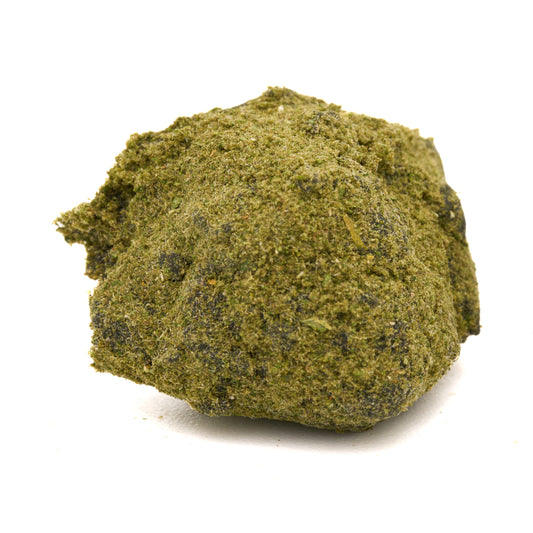
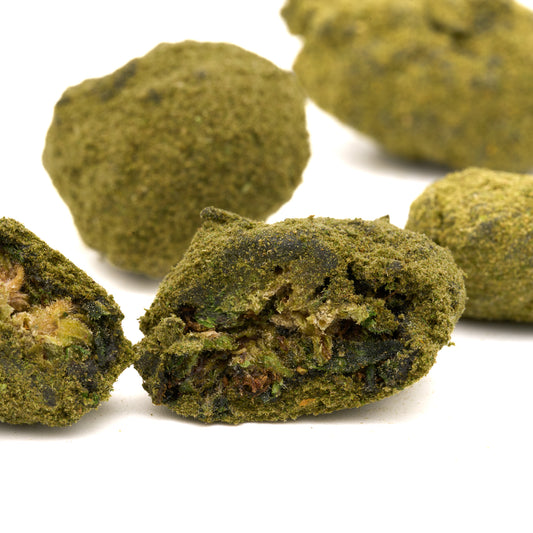





What is THCA Trim? Your Complete Guide to Hemp Trim

If you're exploring cost-effective ways to enjoy THCA products, you've likely come across thca trim as a budget-friendly alternative to traditional flower. But what is thca trim, and how does it differ from premium buds?
THCA trim consists of the leftover leaves and small plant material trimmed away from cannabis flowers during the harvesting process. While it contains lower cannabinoid concentrations than flower, hemp trim offers exceptional value for consumers looking to make concentrates, edibles, or extracts without breaking the bank.
In this comprehensive guide, we'll explore everything you need to know about THCA trim—from its potency and pricing to the best cannabis trim uses for extraction and cooking. Whether you're a budget-conscious consumer or an extraction company looking for thca trim wholesale options, understanding this versatile material can help you maximize value while achieving your desired results.
What is THCA Trim?
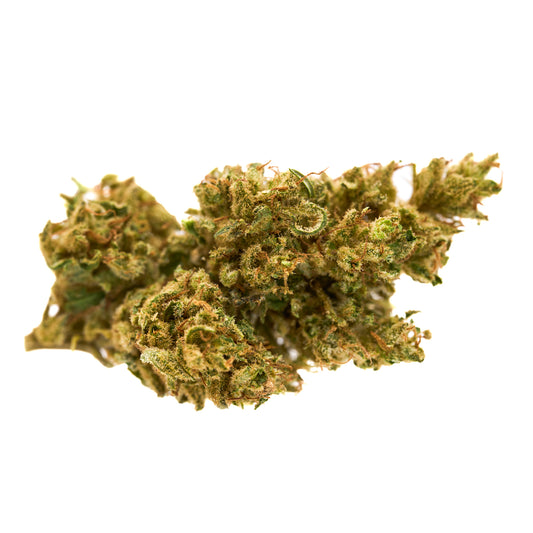
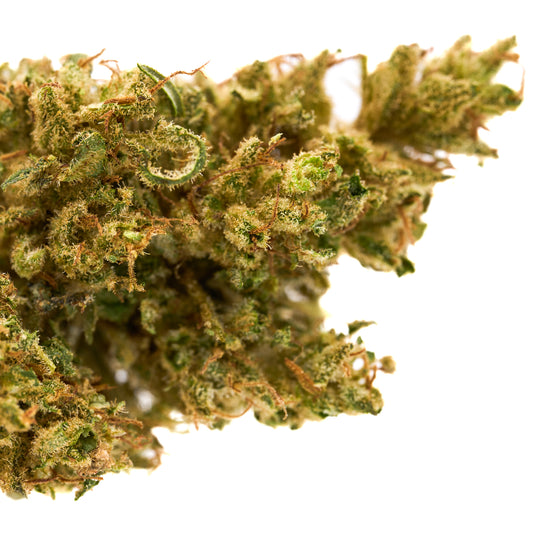
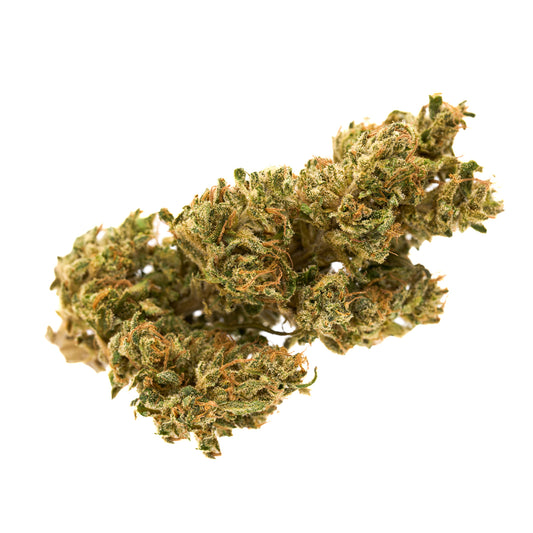
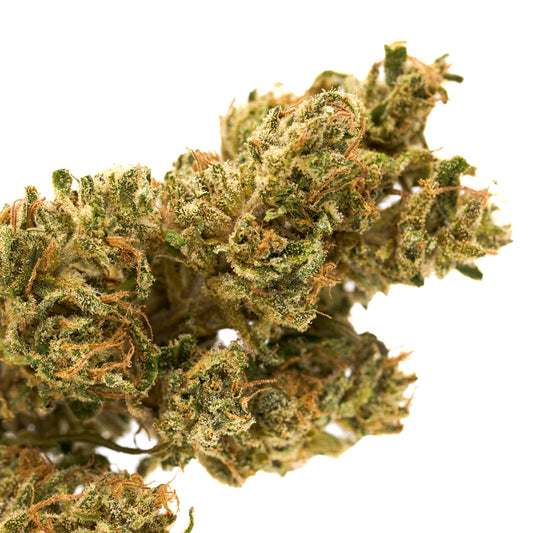
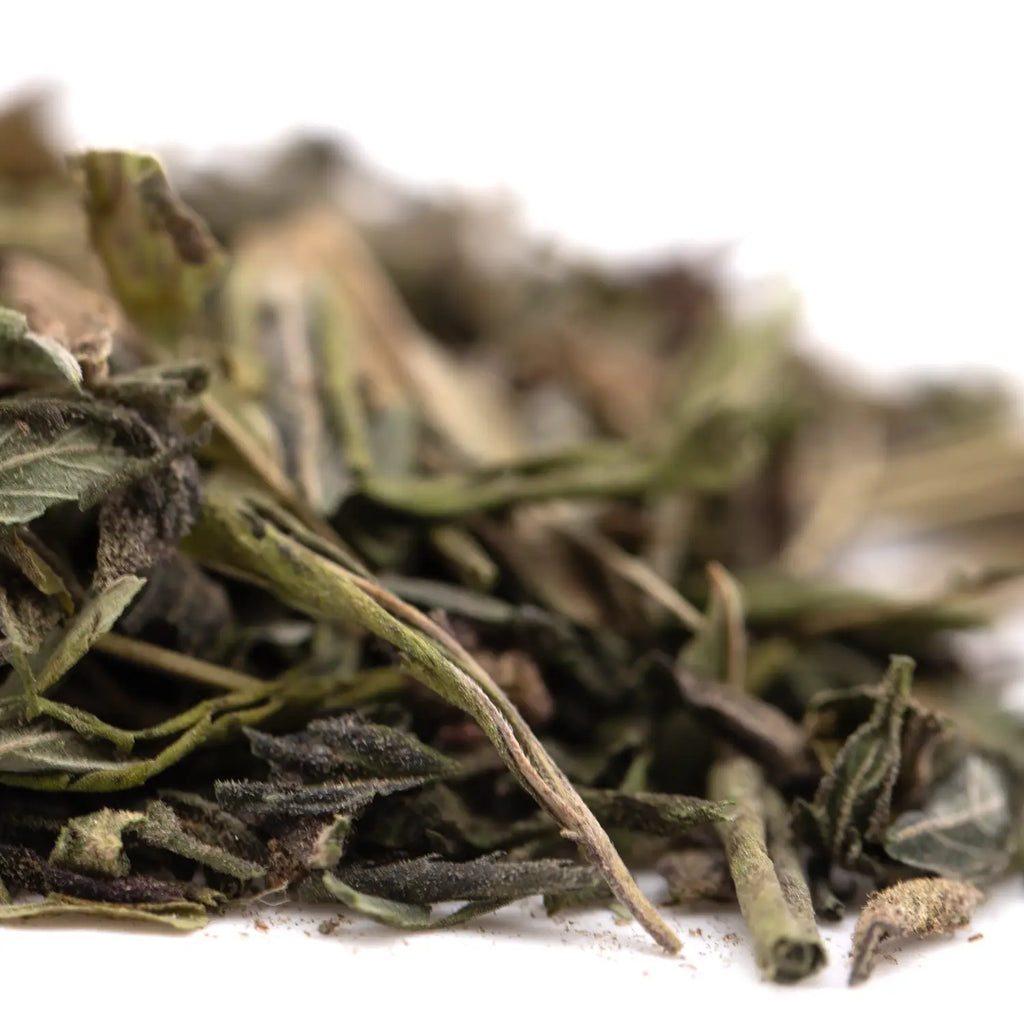
Hemp flower trim refers to the sugar leaves, fan leaves, and small plant fragments removed from cannabis buds during the trimming process. These thca sugar leaves grow close to the flower and contain trichomes—the resinous glands that produce cannabinoids like THCA.
Components of THCA Trim:
Sugar Leaves: These are the small, trichome-covered leaves that grow directly on and around the flower. Sugar leaves are the most valuable component of trim cannabis because they're heavily frosted with cannabinoid-rich trichomes. Their name comes from their sparkling, sugar-like appearance when covered in these resinous glands. Premium trim consists primarily of sugar leaves, making it ideal for extraction and concentrate production.
Fan Leaves: These are the larger leaves with fewer trichomes, typically less potent than sugar leaves. Fan leaves serve the plant's photosynthesis needs during growth but contain minimal cannabinoid content. Lower-grade trim often includes a higher percentage of fan leaves, which affects overall trim potency.
Stems and Shake: Small pieces of plant material, broken bud fragments, and loose plant matter that accumulate during handling and trimming. While stems contain virtually no cannabinoids, shake can include small pieces of actual flower, potentially increasing the trim's overall quality.
While trim cannabis doesn't have the visual appeal or potency of whole flower, it remains rich enough in cannabinoids to serve multiple purposes, especially for extraction and cooking applications. The key distinction lies in understanding that not all trim is created equal—the ratio of sugar leaves to fan leaves dramatically impacts the material's value and effectiveness for various applications.
Trim vs Flower: Understanding the Differences
When deciding between trim vs flower, several key factors come into play that will influence your purchasing decision and expected outcomes.
Potency
Premium THCA flower typically contains 20-30% THCA content, with some exceptional strains reaching even higher percentages. In contrast, trim potency usually ranges from 5-15% THCA, depending on the quality grade and composition. This significant difference means you'll need approximately 2-4 times more trim to achieve the same cannabinoid content as flower.
However, this potency difference becomes less critical when you're using the material for extraction or concentrate production. Modern extraction techniques can efficiently capture and concentrate the available cannabinoids, making trim an economically viable input material for processing thca trim into high-potency end products.
Appearance
Flower consists of dense, trichome-covered buds with intact structure, vibrant colors, and appealing bag appeal. The aesthetic quality of premium flower makes it desirable for consumers who prioritize appearance and direct consumption methods like smoking or vaping.
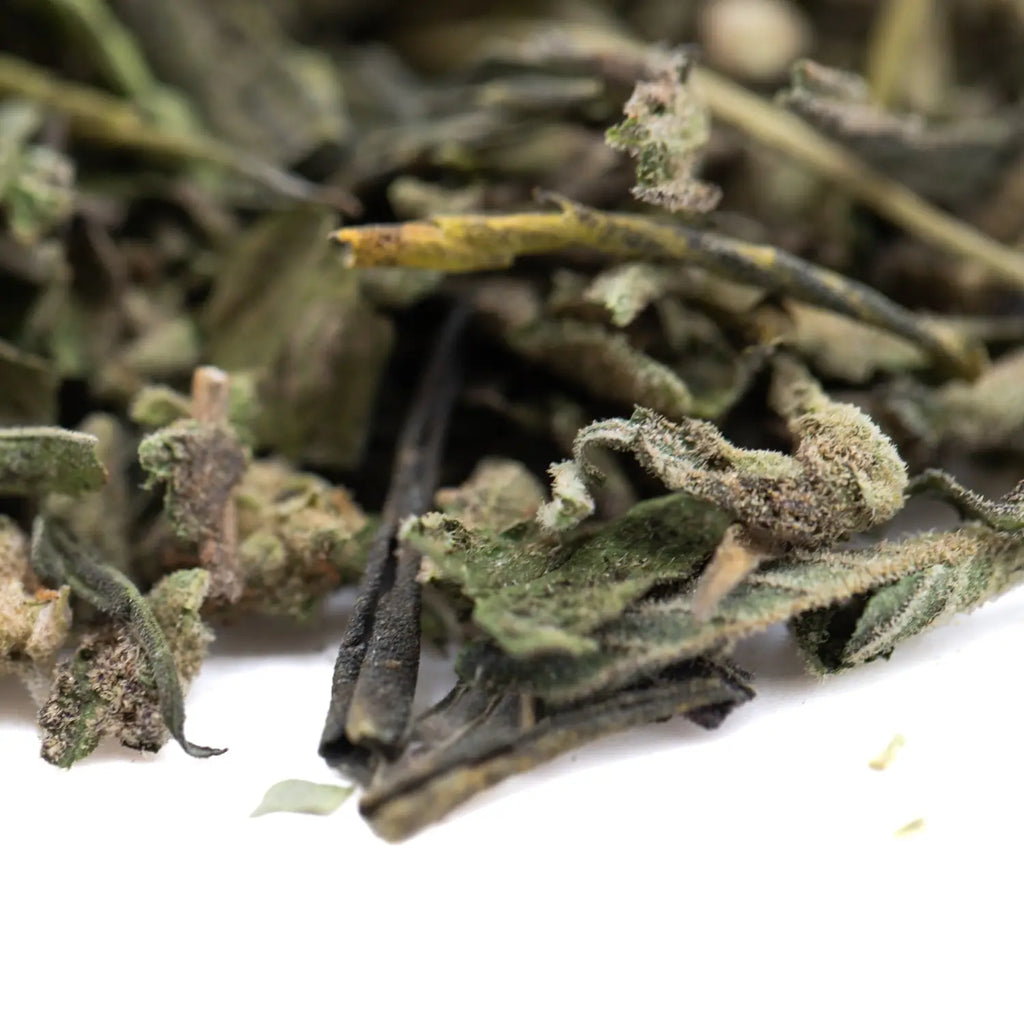
Trim cannabis appears leafy, broken, and less visually appealing. It lacks the dense structure and visual trichome coverage that makes flower attractive. However, for consumers focused on extraction or edible production, appearance becomes irrelevant—what matters is cannabinoid content and value per dollar.
Price
This is where trim truly shines as an economical option. Thca trim price points typically run 50-75% lower than flower, making it ideal for budget-conscious consumers and commercial processors. While premium THCA flower might cost $200-$400 per pound, cheap thca trim can be sourced for $20-$100 per pound, depending on quality and quantity purchased.
This dramatic price difference means that even accounting for lower potency, trim often delivers better value per milligram of THCA compared to flower—especially when purchased in bulk quantities.
Best Uses
Flower Applications:
- Smoking and vaping for immediate effects
- Premium pre-rolls and joints
- Aesthetic purposes and display
- Direct consumption where appearance matters
- Maximum potency in minimal material
Trim Applications:
- THCA trim extraction for concentrates
- Trim for edibles and infusions
- Large-batch processing
- Topical production
- Budget-conscious concentrate manufacturing
Cannabis Trim Uses: Getting the Most from Your Material
Understanding the best cannabis trim uses allows you to maximize the value of this economical material and produce high-quality end products at a fraction of the cost of using premium flower.
1. THCA Trim Extraction
Processing thca trim for concentrates is one of the most popular and value-maximizing applications. Various extraction methods can transform low-cost trim into premium thca trim concentrate products:
BHO (Butane Hash Oil) Extraction: This professional-grade method uses butane as a solvent to extract cannabinoids and terpenes from plant material. BHO extraction is highly efficient at pulling cannabinoids from trim, producing shatter, wax, or budder depending on processing techniques. This method requires proper equipment, ventilation, and expertise due to safety concerns with flammable solvents.
Rosin Pressing: This solventless thca trim extraction method uses heat and pressure to squeeze cannabinoid-rich resin from plant material. While trim typically produces lower yields than flower (5-10% vs. 15-25%), the clean, solventless nature of rosin makes it attractive for health-conscious consumers. Hash rosin, made by first creating bubble hash from trim, then pressing it, can produce exceptional quality concentrates even from lower-grade starting material.
Ethanol Extraction: Ideal for creating tinctures, distillates, and crude oil for further processing. Ethanol efficiently extracts cannabinoids from bulk trim, making it perfect for large-scale operations. The resulting extract can be winterized to remove fats and lipids, then distilled to create high-purity THCA distillate.
CO2 Extraction: This clean, efficient method uses supercritical or subcritical CO2 to extract cannabinoids. While requiring significant equipment investment, CO2 extraction offers precise control over extraction parameters and produces clean, safe concentrates ideal for commercial production from thca trim wholesale material.
Ice Water Hash (Bubble Hash): This solventless method uses ice-cold water and agitation to separate trichomes from plant material. The trichomes are filtered through increasingly fine mesh bags, producing different grades of hash. Even lower-potency trim can yield quality hash, especially when focused on collecting the finest micron screens.
2. Cooking with THCA Trim
Cooking with thca trim and using trim for edibles offers excellent value for home cooks and commercial edible manufacturers. Key preparation steps include:
Decarboxylation: The first critical step involves heating trim to convert THCA into active THC. Spread hemp trim on a baking sheet and heat at 240°F (115°C) for 40-60 minutes. This process activates the cannabinoids, making them bioavailable when consumed orally. Without decarboxylation, THCA won't produce intoxicating effects.
Infusion Methods: After decarboxylation, combine your activated trim with fats (butter, coconut oil, olive oil) or alcohol (high-proof grain alcohol) to extract cannabinoids. Fats and alcohol are excellent cannabinoid solvents, creating infusions that can be used in countless recipes.
For butter infusion, simmer decarboxylated trim in butter and water on low heat for 2-4 hours, strain, and refrigerate. The butter solidifies on top of the water, which contains water-soluble plant matter you don't want in your edibles.
For oil infusion, combine trim with coconut or olive oil in a slow cooker or double boiler, maintaining 160-200°F for 2-4 hours. Strain through cheesecloth to remove plant material.
Dosing Calculations: Account for lower trim potency when calculating edible strength. If you're working with 10% THCA trim, one gram contains approximately 100mg of THCA (which converts to roughly 87.7mg THC after decarboxylation due to molecular weight differences). This allows precise dosing for consistent edibles.
Popular Edible Applications:
- Cannabutter for baking cookies, brownies, and cakes
- Infused cooking oils for savory dishes
- Tinctures for sublingual dosing or adding to beverages
- Cannabis-infused honey for tea and cooking
- Baked goods of all varieties
- Gummies and hard candies (using alcohol tinctures)
3. Topical Production
Low-cost cheap thca trim works perfectly for creating topical applications like salves, balms, and lotions. Since topicals don't enter the bloodstream, high potency isn't as critical as it is for inhalation or oral consumption. This makes trim an economical choice for topical manufacturers.
Create cannabis-infused coconut oil or shea butter as a base, then incorporate into your topical formulations. Many users report benefits for localized discomfort, skin conditions, and general wellness applications.
4. Tea and Beverages
While less efficient than other methods, hemp flower trim can be steeped in hot water with fats (like coconut oil or milk) to create cannabis tea. The fat helps extract and suspend cannabinoids, making them available for consumption. While bioavailability is lower with this method, it offers a gentle, smoke-free consumption option that many users enjoy.
5. Pre-Roll Blending
Some manufacturers blend trim cannabis (especially high-quality sugar leaf trim) with lower percentages of flower to create budget-friendly pre-rolls. This reduces production costs while still delivering a smokeable product.
THCA Trim Potency: What to Expect
Understanding trim potency helps set realistic expectations and allows for proper planning when processing thca trim for various applications.
Average Cannabinoid Content:
- THCA content in trim: 5-15%
- THCA content in flower: 20-30%
- Premium sugar leaf trim: 10-15% THCA
- Mixed trim (sugar leaves and fan leaves): 7-12% THCA
- Low-grade trim (mostly fan leaves): 3-8% THCA
Factors Affecting Trim Potency:
1. Trim Quality Grade: Premium trim consisting mostly of thca sugar leaves will naturally contain higher cannabinoid levels than trim mixed with fan leaves and stems. When purchasing thca trim for sale, always inquire about the composition—specifically, what percentage is sugar leaves versus fan leaves.
2. Strain Genetics: High-THCA strains produce more potent trim than low-THCA varieties. If the parent flower tested at 28% THCA, the sugar leaves from that plant will contain significantly more cannabinoids than trim from a 15% THCA strain. When possible, purchase bulk trim from known high-potency strains.
3. Growing Conditions: Properly cultivated plants with optimal nutrients, lighting, and environmental controls produce resin-rich trichomes across the entire plant, including trim material. Outdoor-grown hemp might produce less potent trim than carefully cultivated indoor or greenhouse cannabis. Growing expertise directly translates to trim quality.
4. Trimming Method: Hand-trimmed operations preserve more trichomes on sugar leaves compared to machine trimming, which can be more aggressive and knock off delicate trichome heads. When sourcing thca trim wholesale, hand-trimmed material typically commands a premium but delivers higher potency and extraction yields.
5. Storage and Handling: Proper curing and storage maintain cannabinoid content and prevent degradation. Hemp trim exposed to light, heat, and air will experience cannabinoid degradation over time. THCA can convert to THC through heat or to CBN through extended aging and oxidation.
6. Harvest Timing: Material harvested at peak trichome maturity contains maximum cannabinoids. Trim from early-harvested plants or late-harvested plants (where trichomes have begun degrading) will naturally contain less THCA than optimally-timed harvests.
For extraction purposes, even lower-potency cheap thca trim can produce quality concentrates, as the extraction process concentrates the available cannabinoids. A 7% THCA trim can still yield excellent extracts—you'll simply need more input material to achieve your desired output quantity compared to using 15% trim.
The key is understanding your starting material's potency and adjusting your processing ratios accordingly. Many extractors consider the cost per milligram of THCA rather than just the cost per pound of material when evaluating value.
Buying THCA Trim: Wholesale and Bulk Options
Finding THCA Trim for Sale
When shopping for thca trim for sale, consider these purchasing channels to find quality material at competitive prices:
Online Hemp Retailers: Direct-to-consumer websites offer convenient thca trim for sale with detailed product descriptions, lab results, and customer reviews. Online shopping allows easy price comparison and often provides bulk pricing tiers for larger orders. Look for retailers with transparent lab testing and responsive customer service.
Local Processors and Manufacturers: Extraction facilities and edible manufacturers sometimes offer surplus bulk trim to the public at competitive rates. Building relationships with local processors can provide consistent access to quality material and insider knowledge about upcoming availability.
Dispensaries and Hemp Shops: Some retail locations stock trim at discounted rates, particularly when they have excess inventory or are looking to move older material. While selection may be limited, this allows you to inspect the product before purchasing.
Farm Direct: Contact hemp farms directly for buy thca trim bulk opportunities. Farms generate significant quantities of trim during harvest season and often welcome buyers who can purchase entire lots. Direct farm purchasing typically offers the best thca trim price points but may require larger minimum orders.
Industry Marketplaces: Specialized cannabis B2B platforms connect buyers with sellers across the country, offering competitive pricing and wide selection for those looking to buy thca trim bulk.
Buy THCA Trim Bulk Considerations:
Minimum Order Quantities: THCA trim wholesale purchasing typically requires 1-5 pound minimums, with many suppliers preferring orders of 10+ pounds. Commercial buyers often purchase in 50-100+ pound lots to maximize pricing benefits and ensure consistent supply for production runs.
Pricing Tiers: Thca trim price varies significantly based on quality and quantity:
- Premium sugar leaf trim: $60-$100/pound (small quantities)
- Mixed quality trim: $30-$60/pound
- Low-grade trim: $20-$40/pound
- Bulk trim orders (50+ pounds): Often 20-40% discount from retail pricing
- Cheap thca trim (fan leaves and low-grade): $10-$25/pound in large quantities
Quality Verification: Always request lab tests showing cannabinoid content, terpene profiles, and safety screening (pesticides, heavy metals, microbials). Third-party COAs (Certificates of Analysis) provide essential quality assurance when processing thca trim for consumption.
Freshness Assessment: Ensure proper storage—trim cannabis should be dry but not brittle or dusty. Material should maintain some flexibility and aromatic properties. Overly dry, brown, or musty-smelling trim indicates poor storage or excessive age. Fresh, properly-stored trim retains a green color (though darker than flower) and characteristic cannabis aroma.
THCA Trim Wholesale: Business Opportunities
For extraction companies, edible manufacturers, and processors, thca trim wholesale purchasing offers significant cost savings and business advantages that can dramatically improve profit margins and competitive positioning.
Advantages for Commercial Processors:
Cost Efficiency: Produce thca trim concentrate products and edibles at a fraction of flower cost. A concentrate manufacturer using $40/pound trim instead of $300/pound flower reduces input costs by over 85%, allowing competitive retail pricing while maintaining healthy profit margins. This cost advantage becomes particularly significant for large-scale production runs.
Consistent Supply: Hemp farms generate bulk trim year-round from continuous cultivation and processing operations. Unlike seasonal flower availability, trim provides steady access to input material for uninterrupted production schedules. This reliability prevents costly production stoppages and allows consistent product availability to customers.
Sustainability: Utilizing material that might otherwise go to waste or be sold for extremely low value as biomass contributes to sustainable business practices. The entire plant utilization appeals to environmentally-conscious consumers and reduces industry waste. Processing thca trim into valuable products maximizes agricultural efficiency.
Profit Margins: Lower input costs when you buy thca trim bulk directly increase profitability for processed products. A gummy manufacturer spending $40 on trim-derived extract versus $200 on flower-derived extract of equivalent potency gains $160 in additional profit margin per batch. This advantage compounds across thousands of production units.
Product Diversity: Cheap thca trim enables testing new product formulations and flavors without significant financial risk. Companies can experiment with new edible varieties, concentrate types, or topical formulations using economical input material before committing to premium flower processing.
Scalability: The abundance and affordability of hemp trim allows businesses to scale production quickly without proportionally scaling capital investment. Growing businesses can increase output volumes without the working capital constraints that premium flower purchasing would impose.
Building Supplier Relationships:
Establish regular purchasing agreements with hemp farms and wholesale suppliers for steady thca trim wholesale supply. Many farms offer:
Delivery Services: Bulk shipments directly to your facility, reducing logistics burden and ensuring consistent material flow for production planning.
Flexible Payment Terms: Established commercial buyers often receive net-30 or net-60 payment terms, improving cash flow management and reducing working capital requirements.
COAs and Compliance Documentation: Professional farms provide Certificates of Analysis and all necessary compliance documentation for each batch, simplifying regulatory compliance and quality control processes.
Volume Commitments: Committing to regular purchases (such as 100 pounds monthly) often secures preferential pricing, priority allocation during peak season, and relationship perks like first access to premium trim lots.
Technical Support: Experienced suppliers can provide guidance on thca trim extraction optimization, recommend specific trim grades for your applications, and share industry best practices.
Custom Processing: Some farms offer custom trimming services where they can provide predominantly sugar leaf trim or specific strain selections based on your production needs.
Starting a Trim Processing Business:
The low cost of buy thca trim bulk creates opportunities for entrepreneurs to enter the cannabis processing industry with lower capital requirements than flower-based businesses:
- Market Research: Identify demand for thca trim concentrate products or edibles in your target market
- Licensing: Obtain necessary processing, manufacturing, or extraction licenses required in your jurisdiction
- Equipment Investment: Purchase appropriate extraction or processing equipment for your chosen product category
- Supplier Network: Establish relationships with multiple thca trim wholesale suppliers for consistent material access
- Testing Protocols: Develop quality control systems and relationships with licensed laboratories
- Distribution Channels: Build sales networks through dispensaries, retailers, or direct-to-consumer platforms
Storage and Handling Tips for Maximum Quality
Maximize your investment in hemp flower trim by properly storing and handling the material. Proper storage prevents cannabinoid degradation, mold growth, and contamination—protecting both product quality and your financial investment.
Essential Storage Practices:
Airtight Containers: Store trim cannabis in airtight containers to prevent moisture infiltration, oxidation, and contamination. Mason jars work excellently for small quantities, while food-grade plastic bins with sealing lids or vacuum-sealed bags serve well for bulk storage. Oxygen exposure degrades cannabinoids and terpenes, reducing potency and aromatic quality over time.
Cool, Dark Location: Store containers in cool, dark environments to preserve cannabinoid content and prevent degradation. Light exposure, particularly UV radiation, rapidly degrades THCA and terpenes. Ideal storage temperature ranges from 55-70°F (13-21°C). Avoid areas near heating vents, windows, or appliances generating heat.
Humidity Control: Maintain relative humidity at 55-62% to prevent mold growth while keeping trim from becoming overly dry and brittle. Two-way humidity control packs (like Boveda or Integra Boost) automatically maintain optimal moisture levels. Too much humidity (above 65%) risks mold and bacterial growth. Too little humidity (below 50%) causes trichomes to become brittle and degrade, while terpenes evaporate rapidly.
Label Clearly: Label all containers with strain name, date received, THCA percentage, supplier, and batch number. This information enables proper inventory management, quality tracking, and troubleshooting if problems arise. For bulk trim storage, detailed labeling becomes essential for managing multiple lots.
Use Within 6-12 Months: While properly stored hemp trim can remain viable for extended periods, cannabinoids naturally degrade over time. Plan to process stored trim within 6-12 months for optimal potency retention. Material stored beyond this timeframe experiences noticeable potency reduction and terpene loss. First-in, first-out inventory management prevents material from aging excessively.
Regular Inspection: Periodically inspect stored thca trim for sale for signs of mold, excessive dryness, or off odors. Early detection of problems prevents contamination spread and product loss. Musty smells, visible mold (white, gray, or black spots), or unusual discoloration indicate compromised material that should not be processed.
Separate Storage: Store different strains, quality grades, and batches separately. This prevents cross-contamination of aromas and allows precise tracking of specific material lots for quality control and compliance purposes.
Handling Best Practices:
- Minimize physical handling to prevent trichome loss
- Use clean, dry scoops or containers when portioning material
- Keep storage areas clean and pest-free
- Monitor temperature and humidity regularly
- Rotate stock based on age—oldest material first
- Keep trim away from strongly scented items that could affect aroma
Is THCA Trim Right for You?
THCA trim makes excellent sense if you:
✓ Plan to make extracts or concentrates: THCA trim extraction methods efficiently concentrate available cannabinoids, making trim an economical input material for hash, rosin, BHO, distillate, or other concentrate production.
✓ Want to create edibles on a budget: Cooking with thca trim and using trim for edibles dramatically reduces cost per dose compared to using premium flower, especially for large-batch production.
✓ Run an extraction business seeking low-cost inputs: Commercial processors benefit enormously from thca trim wholesale purchasing, reducing production costs while maintaining product quality through efficient extraction processes.
✓ Don't prioritize aesthetics or smoking quality: If you're processing material into a different form rather than consuming it directly, appearance becomes irrelevant—value per dollar matters most.
✓ Value cost-effectiveness over maximum potency: When you can use more material to achieve desired cannabinoid content at lower total cost, cheap thca trim delivers superior value compared to premium flower.
✓ Need large quantities for processing: The availability of bulk trim at wholesale pricing makes large-scale production economically viable.
✓ Experiment with cannabis projects: Beginners learning extraction, edible-making, or other processing techniques can practice with affordable trim before investing in expensive flower.
Trim may not be ideal if you:
✗ Primarily smoke or vape: While technically smokeable, trim cannabis provides a harsher, less pleasant experience than flower, with more plant material and less concentrated cannabinoids.
✗ Need maximum potency in small quantities: If storage space or quantity is limited, higher-potency flower delivers more cannabinoids per gram.
✗ Prioritize bag appeal and aroma: Premium flower provides superior aesthetic qualities and terpene profiles that hemp flower trim cannot match.
✗ Lack extraction equipment or knowledge: Without proper tools and techniques, trim's full value proposition remains inaccessible. The learning curve and equipment investment must be considered.
✗ Want immediate, convenient consumption: Flower offers direct use without processing requirements, while trim demands additional preparation steps.
Conclusion
Understanding what is thca trim opens up affordable opportunities for enjoying cannabinoid-rich products without premium flower prices. While trim vs flower potency differs significantly, cannabis trim uses like extraction, cooking, and concentrate production make it an invaluable material for budget-conscious consumers and commercial processors alike.
The versatility of hemp trim extends from home enthusiasts creating trim for edibles to commercial extraction facilities processing thca trim into premium thca trim concentrate products. The economic advantages become particularly compelling for businesses that buy thca trim bulk, where reduced input costs directly improve profit margins and competitive positioning.
Whether you're looking to buy thca trim bulk for business operations or purchase small quantities for home projects focused on cooking with thca trim, this versatile material delivers excellent value when properly utilized. The key is understanding trim potency expectations, choosing quality suppliers offering thca trim for sale with transparent lab testing, and applying appropriate thca trim extraction or preparation methods for your intended application.
Ready to explore thca trim wholesale options? Research reputable suppliers, request lab results and samples, and start with smaller orders to evaluate quality before committing to larger bulk trim purchases. With proper processing thca trim techniques, even cheap thca trim can produce premium concentrates and edibles that deliver the effects you're seeking at a fraction of the cost.
The thca sugar leaves and mixed plant material that make up trim cannabis represent an often-overlooked opportunity for value-conscious cannabis consumers and entrepreneurs. By understanding quality indicators, proper storage techniques, and optimal cannabis trim uses, you can transform this economical input material into high-quality end products that meet your needs while respecting your budget.
Frequently Asked Questions About THCA Trim
Q: Is THCA trim legal? A: Hemp trim derived from hemp plants (cannabis with less than 0.3% Delta-9 THC on a dry weight basis) is federally legal under the 2018 Farm Bill. However, state laws vary significantly. THCA itself is not Delta-9 THC, allowing hemp-derived THCA products in most jurisdictions, but always verify your local laws before purchasing.
Q: Can you smoke THCA trim? A: While technically smokeable, trim cannabis provides a harsher, less enjoyable smoking experience than flower due to higher plant material content and lower cannabinoid concentration. It's better suited for extraction or edible production where these factors become irrelevant.
Q: How much trim do I need to make butter? A: For cooking with thca trim, a common ratio is 1 ounce (28g) of trim per pound (454g) of butter, assuming 10% THCA trim. This yields approximately 280mg THCA total in the batch. Adjust ratios based on your trim's potency and desired edible strength.
Q: What's the difference between trim and shake? A: Hemp flower trim consists of leaves and small plant parts trimmed from buds, while shake is broken flower pieces that accumulated at the bottom of containers. Shake typically contains higher potency than trim since it's actual flower fragments rather than leaf material.
Q: How should I store bulk trim purchases? A: Store bulk trim in airtight containers in cool, dark locations with humidity control at 55-62% RH. Label containers with strain, date, and potency. Use within 6-12 months for optimal cannabinoid retention.
Q: What's the average yield for trim extraction? A: THCA trim extraction yields vary by method and trim quality. Expect 5-15% yields for solvent extractions, 3-8% for rosin, and 10-20% for bubble hash, depending on input quality and technique. High-grade sugar leaf trim produces better yields than mixed trim.
Q: Can I use trim to make rosin? A: Yes, though processing thca trim into rosin produces lower yields (3-8%) than flower (15-25%). For better results, first make bubble hash from trim, then press the hash into rosin. This two-step process produces higher quality and better yields from trim.
Q: What's the best trim for making edibles? A: Premium sugar leaf trim for edibles with 10-15% THCA works best, providing sufficient potency for efficient edible production. Mixed trim with 7-12% THCA also works well—just adjust quantities to achieve desired cannabinoid content.
Q: Where can I buy THCA trim in bulk? A: Buy thca trim bulk from online hemp retailers, directly from farms, through B2B cannabis marketplaces, or from local processors. Always request lab tests, start with small sample orders, and verify supplier reputation before committing to large purchases.
Q: Is trim worth buying for home use? A: If you plan to make extracts or edibles, cheap thca trim provides excellent value—often 50-75% less expensive than flower while delivering cannabinoids suitable for processing. For direct consumption like smoking, flower offers better experience and value.
Q: How do I know if trim is high quality? A: Quality thca trim for sale should be green (not brown), aromatic, slightly sticky (not completely dry), and consist primarily of sugar leaves rather than fan leaves. Request lab results showing cannabinoid percentage, and inspect for freshness, proper cure, and absence of mold.
Q: What's a fair price for wholesale trim? A: Thca trim wholesale pricing varies: premium sugar leaf trim ($60-$100/pound), mixed quality ($30-$60/pound), and low-grade trim ($20-$40/pound). Bulk orders of 50+ pounds typically receive 20-40% discounts. Always compare price against laboratory-verified potency for true value assessment.
Q: Can veterinary or pet products be made from trim? A: While some producers use hemp trim for pet products, always consult a veterinarian before giving cannabis products to animals. Pet-specific formulations require careful dosing and appropriate cannabinoid profiles different from human consumption products.
