




The 2026 THCa Blunt Regulatory Shakeup: What Every Consumer Needs to Know Before November

The Hemp Industry Just Changed — Here's What That Means for Your THCa Blunt
If you've been following hemp news, you already know 2026 is shaping up to be one of the most consequential years in the industry's short history. A sweeping federal regulatory shift is rewriting the rules around cannabinoid testing — and if you enjoy a quality THCa blunt, this change affects you directly.
The good news? There's still time to act. But the window is closing faster than most consumers realize.
In this guide, we're breaking down everything you need to understand about the new THCa 2026 regulatory framework, what the shift from delta-9-only to total-THC testing actually means in plain English, and what smart shoppers should be doing right now before November arrives. Whether you're a long-time hemp enthusiast or someone who discovered smoking THCa flower recently, this article will give you the factual foundation to make confident decisions before the landscape shifts permanently.
A Quick Refresher: How THCa Blunts Became Legal in the First Place
To understand where we're going, it helps to know where we've been.
The 2018 Farm Bill federally legalized hemp by drawing a single, defining line: any cannabis plant containing 0.3% delta-9 THC or less on a dry weight basis qualifies as hemp — not marijuana. That distinction was everything. It's what made it legal to grow, ship, sell, and consume hemp-derived products across all 50 states, opening the door to a multi-billion-dollar industry almost overnight.
Here's the chemistry that made the THCa hemp blunt market possible. THCa — tetrahydrocannabinolic acid — is the raw, non-psychoactive precursor to delta-9 THC. In its acidic form on the living plant, THCa doesn't behave like THC. The compound only converts to delta-9 when heat is applied, a process known as THCa decarboxylation explained in detail below. That chemical reality created a fascinating legal gap: a flower carrying 20%+ THCa could still test under the 0.3% delta-9 threshold, meaning it was legally classified as hemp under federal law.
That's the legal architecture that made high-potency THCa blunt products possible on the legal hemp market. For years, it worked remarkably well. Consumers gained access to a premium smoking experience previously reserved for state-licensed dispensaries. Farmers discovered a high-value crop that commanded strong margins. And retailers like us could ship product nationwide with confidence.
That architecture is now being redesigned at the federal level — and the changes are fundamental, not cosmetic.
Understanding THCa: The Science Behind the Smoke
Before we get into the regulatory details, let's answer the question that's probably on your mind if you're newer to this space: what is THCa blunt, exactly?
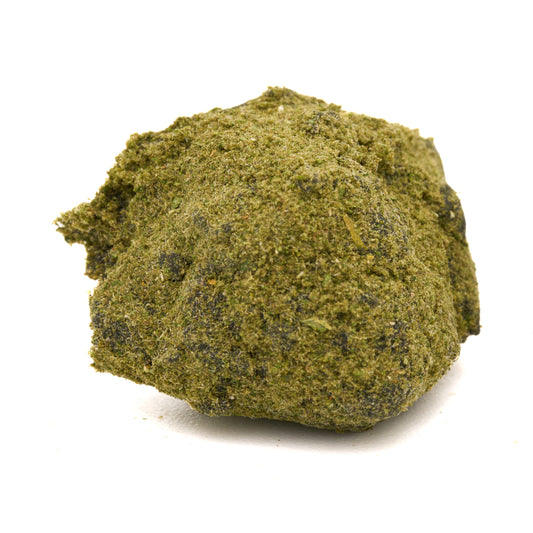
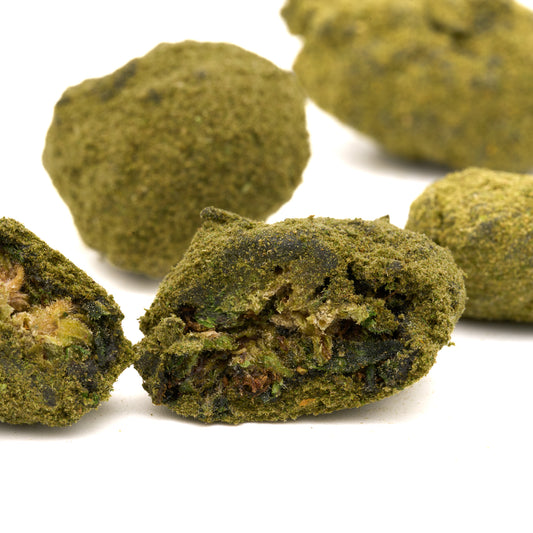
A THCa blunt is a pre-rolled smoking product made from hemp flower that contains high concentrations of tetrahydrocannabinolic acid. The key distinction from a standard CBD hemp pre-roll is potency. While CBD pre-rolls typically contain less than 1% total cannabinoids of psychoactive interest, a THCa blunt is rolled from flowers testing anywhere from 15% to 28% THCa — figures that rival or exceed what you'd find at a traditional cannabis dispensary.
THCa vs THC: What's the Real Difference?
Understanding THCa vs THC is foundational to understanding both the product and the regulatory situation.
THCa (tetrahydrocannabinolic acid): The natural, acidic precursor found in raw and fresh cannabis plants. In this form, THCa is non-intoxicating. It interacts with the body differently than THC, doesn't bind strongly to CB1 receptors in the endocannabinoid system, and won't produce the euphoric effects associated with cannabis use. Raw THCa shows promise in research for anti-inflammatory and neuroprotective properties, but it won't get you high in its unconverted state.
THC (delta-9 tetrahydrocannabinol): The decarboxylated form of THCa — what THCa becomes when heated. THC binds powerfully to CB1 receptors in the brain and central nervous system, producing the intoxicating effects that cannabis is known for. This is the compound federally classified as a controlled substance above the 0.3% threshold.
THCa Decarboxylation Explained
The bridge between THCa and THC is heat. THCa decarboxylation explained simply: when you apply sufficient heat to THCa — whether through smoking, vaporizing, or baking — the compound loses a carboxyl group (CO₂) and transforms into delta-9 THC. This happens within seconds of ignition when smoking.
The practical implication is direct: when you light a THCa blunt, the heat of combustion instantly converts the THCa in the flower to delta-9 THC. By the time the smoke enters your lungs, you are inhaling active THC — not THCa.
Does THCa Blunt Get You High?
This brings us to the most searched question in this space: does THCa blunt get you high?
The direct answer is yes — when smoked, it does. The decarboxylation that happens through combustion converts the THCa to THC in real time. The THCa blunt effects consumers report are consistent with what you'd experience from cannabis flower of comparable THC potency: euphoria, relaxation, sensory enhancement, altered time perception, and depending on the strain, either energizing or sedating effects.
THCa blunt potency is directly tied to the original THCa concentration in the flower. A blunt rolled from flower testing at 22% THCa will produce effects comparable to high-potency cannabis — not a mild CBD experience. For consumers accustomed to dispensary cannabis, a quality THCa 1 gram blunt will feel familiar and comparable in intensity. For newer consumers, starting slow is always wise.
The 2026 Regulatory Shift: Total-THC Testing Changes Everything
Now we get to the heart of what's changing — and why it matters so much for your access to THCa blunt products going forward.
The core of the 2026 regulatory shift is a move away from delta-9-only testing toward a total-THC standard. Under this framework, regulators calculate the potential THC a plant could produce after full decarboxylation. The formula adopted by the USDA and increasingly embedded in new federal guidance looks like this:
Total THC = (THCa × 0.877) + delta-9 THC
The 0.877 multiplier accounts for the molecular weight lost when THCa converts to THC during the decarboxylation process. What this means practically: a plant testing at 20% THCa and 0.2% delta-9 would calculate to a total-THC figure of approximately 17.8% — a number exponentially above the 0.3% legal hemp threshold.
For the THCa hemp blunt market specifically, this is seismic. Most premium THCa flower — the kind that produces the rich terpene profiles and potent THCa blunt effects consumers have come to expect — carries THCa concentrations between 15% and 25%. Under a total-THC lens, virtually all of that product falls outside the proposed compliance boundary.
This isn't industry gossip or speculation. It's the documented direction of federal policy, and November 2026 represents the formal implementation deadline that regulators, farmers, processors, and retailers have been preparing for throughout the grace period.
Understanding the 365-Day Grace Period
One of the most misunderstood elements of the 2026 transition is the grace period built into the rollout — and understanding it correctly is essential for making smart purchasing decisions right now.
Regulators didn't flip a switch overnight. Instead, a 365-day grace period was established to give farmers, processors, retailers, and consumers time to adapt. This period began with the formal regulatory announcement and runs through the November 2026 compliance deadline.
What does this mean practically for consumers?
During the grace period, hemp businesses that were operating in good faith under the original delta-9 standard are not immediately subject to enforcement under the new total-THC rules. Product that was legally produced and entered commerce before the effective cutoff is generally not being pulled from shelves retroactively. Retailers can continue selling existing lawfully produced inventory throughout the transition window.
Here's the critical detail that changes everything after November: once the deadline passes, the compliance standard formally shifts for new product entering the market. Farms that want to remain federally classified as hemp operations will need to either develop lower-THCa genetics or limit the potency of what they bring to harvest. That means the high-THCa flower powering today's premium THCa blunt market may become significantly harder to source — and what does remain available could carry substantially higher price tags as supply contracts.
The grace period isn't a reason to wait. It's a runway — and it's almost gone.
Is a THCa Blunt Legal Right Now? Here's the Honest Answer
This is the question we hear most often, and it requires a nuanced, accurate answer — not a dismissive one.
Under the current grace period, smoking THCa flower products that were produced in compliance with the original 2018 Farm Bill delta-9 standard and entered commerce before the regulatory shift are generally considered legally available for purchase and use. If you're buying from a reputable retailer who can provide current, batch-specific Certificates of Analysis documenting compliance, your purchase is on solid legal footing for now.
The more pressing question is what happens post-November. At that point, the federal compliance standard formally shifts, and new product that doesn't meet total-THC thresholds won't be entering legal hemp commerce — at least not under the existing hemp classification framework.
State law adds a critical layer of complexity. Some states have already moved to adopt total-THC standards ahead of the federal timeline, while others remain aligned with the original delta-9 interpretation. If you're wondering about THCa blunt shipping to your address, legality can shift depending on your state. Before placing an order, it's worth verifying your state's current hemp policy. Our team is available to help answer location-specific questions.
What "THCa Blunt Restrictions" Would Actually Look Like in Practice
Let's be precise here, because language matters and the phrase "THCa blunt ban" can be misleading.
There is no single federal piece of legislation currently titled a ban on THCa products. What's happening is structural — a redefinition of what qualifies as legal hemp at the testing level. The practical effect for consumers, however, mirrors what a ban would produce: dramatically reduced availability of high-potency THCa flower products, higher prices for compliant alternatives, and a more fragmented, state-by-state marketplace where access varies widely by location.
Think of it less like a door slamming shut and more like a hallway steadily narrowing. Brands that have invested in compliance infrastructure, cultivated genetics that can achieve lower THCa concentrations while maintaining quality, and built strong retail partnerships will navigate this better than operations that have delayed preparation.
The product landscape will look meaningfully different on the other side of November — that's not alarmism, it's the honest assessment of where federal policy is pointed.
How This Impacts What's Available Right Now — And Why Timing Matters
The current market is a snapshot in time — and a particularly rich one. Because farms planted and harvested under the old standards, and because the grace period has allowed that product to flow through the supply chain, right now represents peak availability for premium THCa flower and the blunts made from it.
Farms grew their best genetics. Processors worked with top-shelf input. The shelves at retail — including our online store — reflect that abundance. If you're browsing for a THCa 1 gram blunt or looking to try a specific strain that's caught your attention, the time to act is genuinely now.
That changes as existing inventory sells through and new compliant product — which will look very different from what's available today — begins taking its place. If you've discovered strains you love through smoking THCa flower, whether that's a sativa-forward cultivar for daytime creativity or a deeply relaxing indica for evening wind-down, the case for stocking up is real, not manufactured.
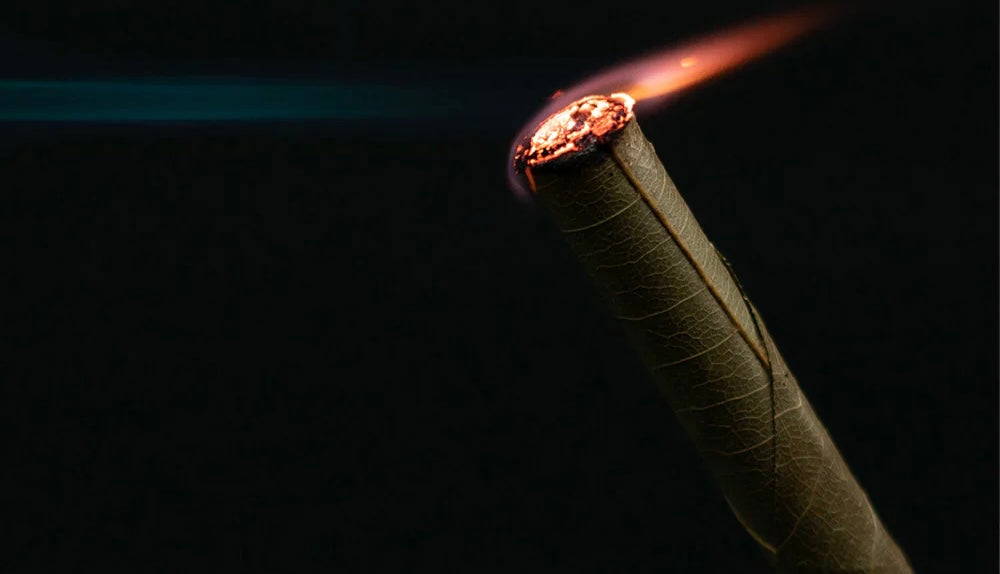
What to Look for When You Buy THCa Blunt Online in 2026
In a market that's becoming more complex by the month, knowing what to look for when you buy THCa blunt products online is more important than ever. Here's what separates a trustworthy purchase from a risky one:
Full Panel Certificate of Analysis: Every product should come with a current, batch-specific COA from an ISO-accredited third-party laboratory. This document should show THCa levels, delta-9 THC levels, total THC calculations, and a comprehensive pesticide and heavy metals panel. If a retailer can't produce this documentation, walk away.
Transparent Sourcing: Reputable retailers can tell you where their flower comes from, what growing practices were used, and how the product was processed and stored. Vague answers about sourcing are a red flag in any market, but especially this one.
Clear Compliance Communication: Given the evolving regulatory environment, a trustworthy retailer should be communicating proactively about how their products fit into the current legal framework and what their plan is for the post-November landscape.
Proper Packaging and Storage Indicators: Quality THCa flower for a premium THCa hemp blunt experience should be sealed in airtight, UV-protective packaging. Moisture control inserts indicate a brand that takes product integrity seriously.
How to Store THCa Blunts for Maximum Shelf Life
If you're planning to stock up before November — which is a smart move for regular consumers — knowing how to store your THCa blunt supply properly will protect both your investment and your experience.
Properly cured and sealed hemp flower and pre-rolls maintain quality for six months to a year when stored correctly. Key principles: airtight container, UV-protective material, cool temperature (below 70°F is ideal), low humidity environment, and away from strong odors that can transfer to the flower. Mason jars with humidity control packs are a reliable, affordable option for consumers storing larger quantities.
Avoid common mistakes like refrigeration (too much moisture fluctuation) and exposure to direct sunlight (degrades cannabinoids and terpenes rapidly). Proper storage preserves both the THCa blunt potency and the terpene expression that makes each strain distinct.
Frequently Asked Questions About THCa Blunts in 2026
What is THCa blunt and how is it different from a regular CBD pre-roll?
A THCa blunt is a hemp pre-roll made from high-THCa flower — typically testing between 15% and 28% THCa — wrapped in a blunt wrap rather than rolling paper. Unlike a standard CBD pre-roll, what is THCa blunt really refers to a product engineered for potency, delivering an experience that closely resembles cannabis dispensary flower when smoked.
Does THCa blunt get you high?
Yes. Does THCa blunt get you high? When you smoke it, the answer is definitively yes. Heat from combustion instantly converts THCa to delta-9 THC through decarboxylation, meaning the THCa blunt effects you experience are those of active THC — the same compound responsible for cannabis intoxication.
What are the typical THCa blunt effects?
THCa blunt effects vary by strain and individual tolerance but generally include euphoria, relaxation, sensory heightening, altered time perception, and appetite stimulation. Sativa-dominant strains typically trend toward more energizing, cerebral experiences. Indica-dominant varieties lean toward body relaxation and sedation. Hybrid strains split the difference. Start low and assess your response, especially if you're newer to high-potency hemp.
How does THCa vs THC differ legally under the new 2026 rules?
Under the original 2018 Farm Bill, THCa vs THC represented a significant legal distinction — hemp was measured by delta-9 only, leaving high-THCa products in legal territory. Under the new total-THC standard taking effect November 2026, that distinction collapses mathematically. The formula (THCa × 0.877) + delta-9 THC means high-THCa flower no longer qualifies as compliant hemp under the new testing regime.
Can I still order THCa blunts online after November 2026?
This depends on what's in the supply chain at that point and your state's specific regulations. During and immediately after the grace period transition, product produced under prior standards may still be available. However, new product entering legal hemp commerce will need to meet total-THC compliance, which will significantly reduce the high-potency options available. Buying now, from compliant retailers, is the smart move.
What is THCa blunt potency like compared to dispensary cannabis?
THCa blunt potency at 20%+ THCa is directly comparable to mid-to-high-potency dispensary cannabis when smoked. The combustion-driven decarboxylation converts THCa to THC at similar efficiency, meaning a THCa 1 gram blunt from a high-THCa strain delivers an experience that seasoned cannabis consumers will recognize as comparable to what they'd find at a licensed dispensary.
Is smoking THCa flower the same as smoking marijuana?
From a pharmacological standpoint, smoking THCa flower that's been decarboxylated through combustion delivers delta-9 THC in active form. The experience is comparable. The distinction has been legal, not pharmacological — and that legal distinction is what the 2026 regulatory changes are designed to narrow.
The Bottom Line on THCa Blunts and 2026
The regulatory story of 2026 is still being written, but the direction is unmistakably clear. The shift from delta-9-only to total-THC testing represents the most significant structural change to the hemp market since the 2018 Farm Bill created it. For consumers who enjoy a quality THCa blunt, that means a market that looks meaningfully different after November than it does today.
The grace period has given the industry — and consumers — time to adapt. But grace periods end, and the November deadline is not moving. By the time it arrives, the question won't be whether the rules have changed. It will be whether you took the time to prepare.
Here's what we recommend: buy your favorites from transparent, lab-documented sources while current inventory is available. Understand the THCa blunt effects and make informed choices about potency and strain. Stay informed through trusted retailers and industry publications. And enjoy the best of what this remarkable, if brief, chapter in the hemp market has produced.
Browse our current selection of THCa pre-rolls and THCa hemp blunts while availability is at its peak. Our collection is fully lab-documented, farm-sourced, and curated for the consumer who values both quality and compliance — now and through whatever the post-November landscape brings.
