




Indoor vs Outdoor THCA Cultivation: Growing Methods That Impact Flower

Every time you open a jar of premium THCA flower, you're experiencing the culmination of countless cultivation decisions made months earlier. The difference between indoor and outdoor THCA cultivation isn't just about where the plant grows—it's about fundamentally different philosophies that shape everything from terpene profiles to cannabinoid concentrations.
Understanding THCA cultivation methods helps you make informed purchasing decisions and appreciate the craftsmanship behind exceptional flower. Whether you prefer the controlled precision of indoor THCA growing or the sun-kissed complexity of outdoor THCA growing, each approach creates distinct characteristics in your final product.
The THCA production process begins with a single decision: will these plants develop under artificial lights with precise environmental control, or will they mature under the natural sun with seasonal variations? This choice cascades into hundreds of subsequent decisions about nutrients, water, pest management, and harvest timing. For THCA farming operations, this fundamental split defines everything from infrastructure investment to labor requirements to final product characteristics.
As consumers become more sophisticated about how THCA is grown, they're discovering that cultivation method correlates strongly with aroma intensity, visual appeal, potency consistency, and overall flower quality. This guide explores both approaches to growing THCA, examining how each method influences what eventually reaches your hands.
Indoor Growing Systems: Precision Through Technology
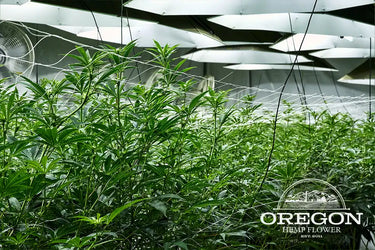
Indoor THCA growing represents the pinnacle of environmental control in cannabis growing methods. By removing variables like weather, pests, and seasonal limitations, cultivators can dial in specific conditions that maximize desired characteristics.
Growing Media and Root Zone Management
The foundation of how to grow THCA indoors starts with choosing the right growing medium. Each system offers distinct advantages:
Hydroponic Systems: Nutrient solutions delivered directly to roots allow for rapid growth and precise feeding. Deep water culture, nutrient film technique, and ebb-and-flow systems give cultivators complete control over nutrient uptake, enabling them to adjust formulations daily based on plant responses.
Premium Soil Cultivation: Many high-end THCA cultivation operations still prefer living soil indoors, combining control with biological complexity. Organic amendments, beneficial microbes, and mycorrhizal networks create rich, diverse rhizospheres that many believe contribute to superior terpene profiles.
Coco Coir Systems: This inert medium strikes a balance between hydroponic control and soil-like structure. The fibrous material provides excellent oxygen to roots while allowing precise nutrient delivery—increasingly popular for THCA grow techniques focused on consistency.
Aeroponic Technology: The most advanced THCA production facilities sometimes employ aeroponics, where roots hang in air chambers and receive misted nutrients. This maximizes oxygen availability and can produce remarkably fast growth rates with dense, resinous flowers.
Climate Control Systems
Temperature, humidity, and CO₂ levels are precisely managed in professional indoor THCA growing environments. HVAC systems maintain temperatures between 68-78°F during vegetative growth and slightly cooler (65-75°F) during flowering. Humidity control is equally critical—starting at 60-70% for young plants and gradually decreasing to 40-50% during flower development to prevent mold while encouraging resin production.
CO₂ supplementation, often elevated to 1000-1500 ppm during lights-on periods, can increase growth rates by 20-30% when combined with intense lighting and proper nutrition. This level of environmental manipulation is impossible in outdoor THCA growing, giving indoor operations a distinct advantage in growth speed and consistency.
Lighting Technology and Photoperiod Control
Perhaps the most defining aspect of THCA cultivation methods indoors is artificial lighting. Modern facilities typically choose between:
LED Technology: Full-spectrum LED systems now dominate high-end THCA agriculture, offering customizable spectrums, reduced heat output, and excellent energy efficiency. Cultivators can adjust light spectrum throughout growth stages, emphasizing blue wavelengths for vegetative growth and red/far-red for flowering.
High-Pressure Sodium (HPS): Traditional HPS lighting still produces exceptional results for growing THCA, particularly during flowering when their red-orange spectrum encourages bud development and resin production.
Ceramic Metal Halide (CMH): These lights provide a full spectrum closer to natural sunlight, with many cultivators believing they produce superior terpene profiles compared to other artificial lighting.
Feeding Schedules and Nutrient Programs
Indoor THCA farming practices allow for precision nutrition impossible outdoors. Cultivators can implement sophisticated feeding schedules that change weekly or even daily, adjusting nitrogen ratios, phosphorus-potassium balance, and micronutrient availability based on growth stage. Some operations track EC (electrical conductivity) and pH multiple times daily, making micro-adjustments to optimize nutrient uptake.
This level of control means every plant receives identical treatment, producing remarkably consistent THCA flower batch after batch—a primary advantage of indoor cultivation.
Outdoor Growing Practices: Working With Nature
Outdoor THCA growing represents a fundamentally different philosophy in hemp cultivation. Rather than controlling every variable, outdoor cultivators work with natural systems, harnessing seasonal cycles and ecological relationships to produce flower with unique characteristics.
Living Soil and Regenerative Practices
The foundation of quality how to grow THCA outdoors begins long before plants enter the ground. Many premier outdoor operations spend years building living soil ecosystems through:
No-Till Cultivation: By avoiding soil disturbance, cultivators preserve beneficial fungal networks, microbial communities, and soil structure. Cover crops planted between growing seasons fix nitrogen, prevent erosion, and add organic matter. This approach to THCA cultivation creates increasingly rich soil year after year.
Compost and Amendment Programs: Outdoor THCA farming relies heavily on organic amendments—compost, worm castings, rock dusts, kelp meal, and other natural inputs that feed soil biology rather than plants directly. This slow-release nutrition creates complex terpene profiles many connoisseurs prefer.
Mycorrhizal Partnerships: In outdoor environments, mycorrhizal fungi colonize roots extensively, dramatically expanding the plant's effective root zone. These fungal partnerships can access nutrients from a much larger soil volume than roots alone, potentially contributing to the enhanced terpene complexity often found in outdoor THCA flower.
Companion Planting and Polyculture
Advanced outdoor THCA growing often incorporates companion plants that support cannabis health and development:
Nitrogen Fixers: Clover, vetch, and other legumes fix atmospheric nitrogen, slowly releasing it as they decompose—providing natural fertility without synthetic inputs.
Dynamic Accumulators: Plants like comfrey and yarrow mine deep soil minerals, making them available when their leaves decompose around cannabis plants.
Pest Deterrents: Strong-smelling herbs like basil, mint, and lavender can mask cannabis aromas from certain pests while attracting beneficial insects that prey on harmful ones.
This biodiversity creates resilient growing systems that require less intervention—a stark contrast to the sterile environments typical of indoor THCA growing.
Natural Pest Management
Without the sealed environment of indoor facilities, outdoor THCA cultivation must address various pests through integrated pest management:
Beneficial Insect Release: Ladybugs, lacewings, predatory mites, and parasitic wasps control pest populations naturally without chemical intervention.
Biological Sprays: Bacillus thuringiensis (Bt) for caterpillars, neem oil for soft-bodied insects, and other organic controls provide protection without synthetic pesticides that could compromise flower quality.
Physical Barriers: Row covers, insect netting, and strategic fencing protect plants during vulnerable stages while allowing sunlight and natural air circulation.
Seasonal Cycles and Natural Photoperiod
Perhaps the most significant aspect of how THCA is grown outdoors is the reliance on natural photoperiod. Plants vegetate during long summer days, then automatically begin flowering as daylight decreases in late summer and fall. This natural timing, evolved over millennia, may trigger genetic expressions not fully replicated under artificial lighting.
The gradual seasonal transition—slowly changing day length, temperature fluctuations, and natural light spectrum shifts—creates unique developmental patterns. Many cultivators believe these natural variations contribute to the complex terpene profiles and robust cannabinoid production in premium outdoor THCA flower.
Full-Season Sun Exposure: Outdoor plants receive the full spectrum of natural sunlight—including UV-A and UV-B wavelengths that indoor lighting rarely replicates. Research suggests UV exposure may increase trichome production as a protective response, potentially enhancing THCA concentrations and secondary cannabinoid profiles.
How Each Method Affects Final Product Quality
The differences between THCA cultivation differences manifest clearly in final product characteristics. Understanding these distinctions helps consumers choose THCA flower that matches their preferences.
Cannabinoid Development and Potency
Indoor Advantages: The controlled environment of indoor THCA growing typically produces more consistent cannabinoid percentages between batches. By maintaining optimal conditions throughout the growth cycle, cultivators can reliably achieve high THCA concentrations—often testing between 20-30% total THCA content.
The ability to manipulate environmental stressors at precise times may trigger specific cannabinoid production pathways. Some THCA grow techniques deliberately stress plants during late flowering (temperature drops, light spectrum changes, or controlled drought) to maximize resin production.
Outdoor Characteristics: While outdoor THCA cultivation may show more potency variation, top-tier outdoor flower can equal or exceed indoor concentrations. Natural UV exposure, temperature fluctuations, and full-spectrum sunlight may actually enhance certain cannabinoid and terpene production pathways that are difficult to replicate indoors.
Terpene Expression and Aroma Profiles
Terpenes—the aromatic compounds that give THCA flower its distinctive smell and contribute to effects—develop quite differently under each THCA cultivation method:
Indoor Terpene Profiles: Climate control allows cultivators to maintain cool temperatures during the final weeks of flowering, preserving volatile terpenes that might evaporate under hot outdoor conditions. Many indoor operations run nighttime temperatures down to 60-65°F during late flower specifically to preserve terpene content.
The result is often intense, concentrated aroma—particularly pronounced immediately after jar opening. Indoor THCA flower frequently features dominant primary terpenes with clear, defined scent profiles.
Outdoor Terpene Complexity: Premium outdoor THCA cultivation often produces broader, more complex terpene profiles. Natural environmental variations—day/night temperature swings, humidity changes, and full-spectrum sunlight—may encourage development of secondary and tertiary terpenes that add subtle complexity to the overall aroma.
Experienced consumers often describe outdoor terpene profiles as "fuller" or "rounder," with layers of scent that evolve as flower is broken apart. This complexity may result from the diverse microbial terroir in living outdoor soils, which produce various aromatic compounds that plants absorb and integrate.
Physical Characteristics and Bag Appeal
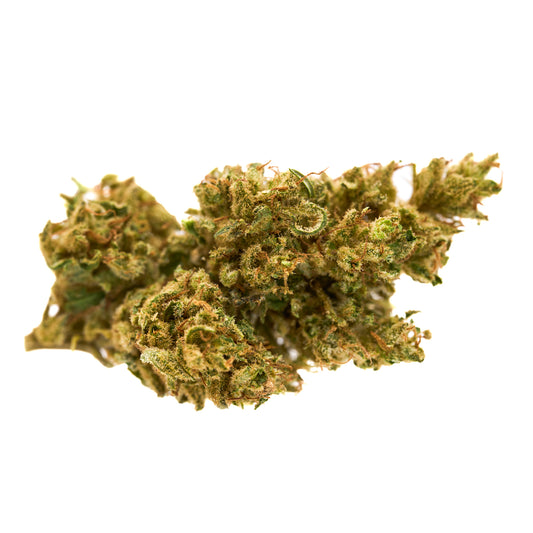
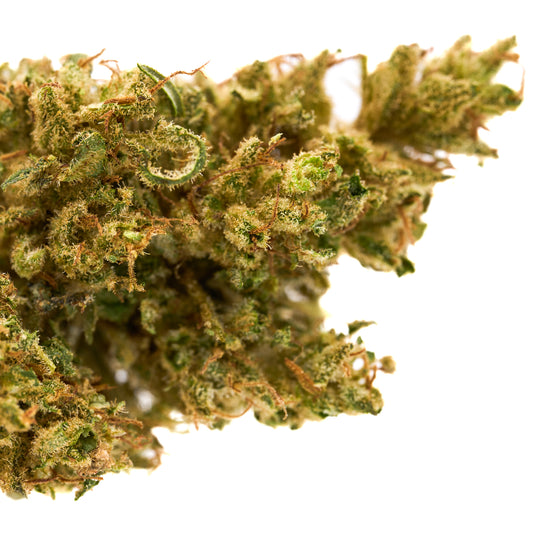
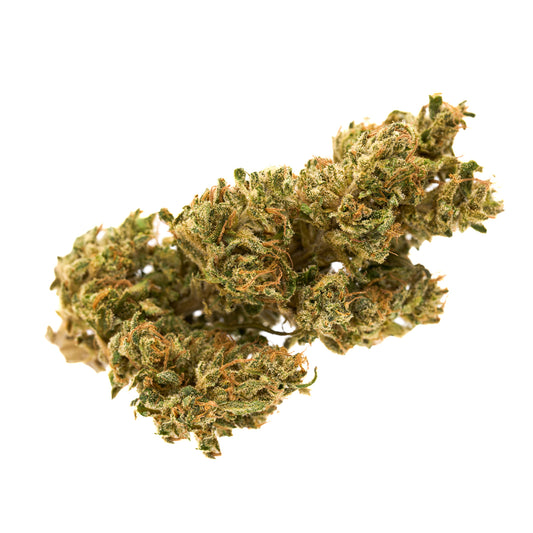
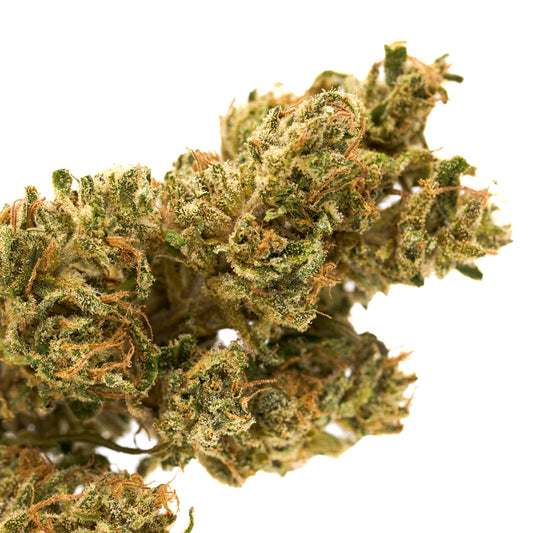
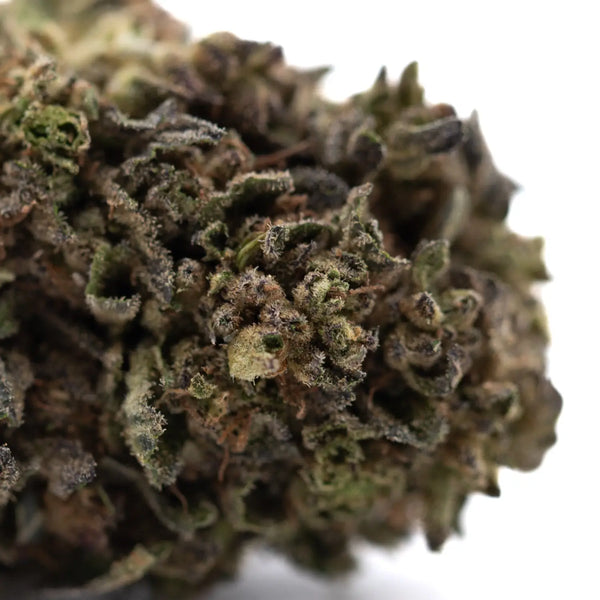
Indoor Aesthetics: Indoor THCA growing typically produces flowers with exceptional visual appeal:
- Dense, compact bud structure from intense lighting
- Vibrant colors—purples, oranges, and greens—due to controlled environments that allow anthocyanin expression
- Heavy trichome coverage with pristine, unbroken resin heads
- Minimal leaf damage or discoloration from pests or weather
- Consistent size and shape across the harvest
Outdoor Appearance: Top-quality outdoor THCA flower has its own appeal, though it differs from indoor aesthetics:
- Often less dense bud structure, but with larger individual flowers
- Natural color variations reflecting seasonal changes and sun exposure
- Robust, thick stems from developing structural strength against wind
- Potentially more leaf material, as outdoor plants often produce more foliage
- Greater variation in bud size and shape, reflecting each plant's unique sun exposure and growth pattern
Smoke Quality and Experience
The differences in how THCA is grown significantly impact consumption experience:
Indoor Smoke Profile: Often produces clean, smooth smoke with immediate, pronounced flavor that mirrors the aroma. The controlled flush period—stopping nutrients 1-2 weeks before harvest to force plants to consume stored nutrients—typically results in lighter-colored ash and smooth inhalation.
Outdoor Smoke Character: Premium outdoor THCA flower frequently offers more complex flavor evolution throughout the smoking experience, with subtler notes emerging as temperature and combustion progress. When properly grown in living soil and adequately flushed, outdoor flower can be equally smooth despite common misconceptions.
Effects and Entourage Profiles
While THCA percentage indicates potency, the best THCA growing method for any individual depends on desired effects:
Indoor Effects: Consistent cannabinoid ratios and terpene profiles create predictable, reliable effects. This consistency makes indoor THCA flower ideal for those who want the same experience every time.
Outdoor Effects: The broader terpene and minor cannabinoid profiles in outdoor THCA cultivation may create more nuanced entourage effects. Some consumers report outdoor flower provides more "well-rounded" or "full-bodied" experiences, potentially from the wider array of plant compounds developed under natural conditions.
Cultivation Philosophy Differences: Control vs Nature
Beyond technical differences, THCA cultivation methods represent fundamentally different agricultural philosophies that attract cultivators with distinct values and priorities.
The Indoor Approach: Mastery Through Technology
Indoor THCA growing appeals to cultivators who see cannabis agriculture as a precise science to be perfected. This approach values:
Optimization and Consistency: Every variable can be measured, adjusted, and perfected. Cultivators can run identical crops multiple times per year, refining their THCA grow techniques with each cycle until reaching peak performance.
Risk Minimization: By eliminating weather dependence, indoor operations avoid crop losses from storms, temperature extremes, or unexpected seasonal variations. This predictability makes THCA production more financially stable and scalable.
Year-Round Production: Multiple harvests annually maximize facility utilization and provide consistent supply—critical for THCA farming businesses serving steady market demand.
The indoor philosophy embraces human intervention as improvement. Cultivators believe they can create better growing conditions than nature provides, producing superior THCA flower through technological mastery.
The Outdoor Philosophy: Partnering With Natural Systems
Outdoor THCA cultivation attracts those who believe the best cannabis comes from working with natural systems rather than replacing them. This approach emphasizes:
Ecological Integration: Rather than controlling every variable, outdoor cultivators observe natural patterns and work within them. They believe millions of years of plant evolution created optimal growing conditions that humans should enhance, not replace.
Terroir and Place: Like wine growers, outdoor THCA farmers believe specific locations produce flower with unique characteristics reflecting that place—soil composition, climate patterns, altitude, and local ecology all contribute to distinctive final products.
Sustainability Focus: Outdoor growers often prioritize environmental stewardship, using renewable resources and biological systems that regenerate rather than deplete natural capital.
Patience and Observation: The outdoor approach requires accepting that how to grow THCA outdoors means working with natural timing. Cultivators can't force faster growth or additional harvests—they must observe, respond, and accept what each season provides.
Neither philosophy is inherently superior. The best THCA growing method depends on priorities—consistency and control versus complexity and sustainability. Many consumers appreciate both approaches, choosing products based on mood, occasion, and desired experience.
Sustainability Considerations in THCA Production
As THCA agriculture expands, environmental impact has become a crucial consideration distinguishing cultivation methods.
Energy Consumption
Indoor Energy Demands: Indoor THCA growing requires significant electricity for lighting, HVAC systems, dehumidification, and ventilation. A typical indoor facility might consume 2,000-4,000 kWh per pound of flower produced. While LED technology has improved efficiency, energy remains a major cost and environmental concern.
Some operations source renewable energy—solar, wind, or hydroelectric power—to offset their carbon footprint. Others implement sophisticated climate control systems that recapture waste heat or use evaporative cooling to reduce energy needs.
Outdoor Energy Advantages: Outdoor THCA cultivation relies primarily on solar energy, requiring minimal electricity beyond irrigation systems and basic processing equipment. The energy footprint per pound of flower is typically 90-95% lower than indoor production, making it significantly more sustainable from an energy perspective.
Water Usage and Management
Indoor Water Efficiency: Controlled environments allow precise water delivery, minimizing waste through drip irrigation and recirculating hydroponic systems. However, the dry indoor environment requires constant watering, and humidity control systems continuously remove water from the air.
Outdoor Water Considerations: Outdoor THCA farming typically uses more total water per plant, particularly in arid climates requiring supplemental irrigation. However, natural rainfall can significantly offset water needs in appropriate regions. Living soil systems also retain water more effectively than artificial growing media.
Progressive outdoor operations implement water conservation through:
- Drip irrigation with moisture sensors
- Mulching to reduce evaporation
- Water harvesting from roofs and surfaces
- Greywater recycling systems
Carbon Footprint and Soil Health
Indoor Carbon Impact: Beyond energy consumption, THCA production indoors often involves synthetic nutrients derived from petroleum, disposable growing media, and climate control systems using refrigerants with high global warming potential.
Outdoor Carbon Sequestration: Properly managed outdoor THCA cultivation can actually sequester carbon in soil through living soil practices, cover cropping, and minimal soil disturbance. Organic matter accumulation in regenerative outdoor systems removes atmospheric CO₂ and stores it in stable soil organic compounds.
Packaging and Processing
Both methods require similar post-harvest processing, though outdoor THCA growing operations are more likely to integrate solar drying and passive curing processes, further reducing energy consumption.
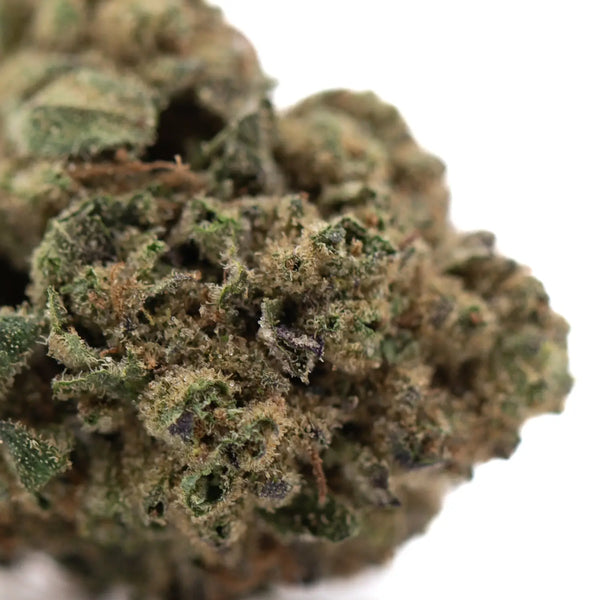
Small-Batch vs Commercial Cultivation: Scale's Impact on Quality
The scale of THCA farming practices significantly influences both cultivation approach and final product quality—regardless of whether operations are indoor or outdoor.
Small-Batch Cultivation Advantages
Artisanal Indoor: Boutique indoor THCA cultivation operations growing 50-500 plants per cycle can provide exceptional attention to individual plant needs. Cultivators can:
- Hand-water and hand-feed each plant
- Monitor individual plant health daily
- Selectively harvest when each plant reaches peak ripeness
- Hand-trim flower for superior presentation
- Implement experimental THCA grow techniques without risking large investments
Craft Outdoor: Small outdoor THCA farms growing under 1,000 plants can similarly provide exceptional care. They often focus on specific genetics, limited strain selections, and traditional hand-cultivation methods that larger operations can't economically justify.
Commercial Scale Realities
Large Indoor Operations: Facilities growing thousands of plants simultaneously must implement standardized processes. While this ensures consistency, it can reduce the ability to respond to individual plant needs. Automated watering, feeding, and climate control systems optimize for the average plant, potentially sacrificing peak quality in pursuit of efficiency.
However, commercial indoor THCA growing operations have advantages:
- Dedicated cultivation teams with specialized expertise
- Advanced technology and monitoring systems
- Consistent genetics through large mother plant libraries
- Professional quality control and testing protocols
Large Outdoor Farms: Multi-acre outdoor THCA cultivation faces different challenges. Machine harvesting, while efficient, may damage trichomes and reduce quality compared to careful hand harvesting. Large volumes can be difficult to dry and cure properly without industrial infrastructure.
The Middle Path
Many connoisseurs seek "mid-scale" operations—large enough for professional systems and consistent quality, small enough to maintain craft attention to detail. These operations, whether producing indoor or outdoor THCA flower, balance efficiency with quality focus.
When evaluating THCA production, ask about:
- Plants per cultivation cycle or field size
- Harvest methods (hand vs machine)
- Trimming approach (hand vs automated)
- Curing protocols and duration
- Testing frequency and quality control measures
These factors often matter more than simple indoor/outdoor distinctions when assessing likely THCA flower quality.
FAQ Section: Understanding THCA Cultivation Methods
Q: Does indoor or outdoor THCA cultivation produce more potent flower?
Both indoor and outdoor THCA growing can produce equally potent flower when executed properly. Indoor operations typically achieve more consistent potency between batches due to environmental control, while outdoor cultivation can reach comparable or even higher THCA percentages under optimal conditions with full-spectrum sunlight and natural UV exposure. Potency depends more on genetics, cultivation skill, and harvest timing than growing location alone.
Q: Why is indoor THCA flower usually more expensive than outdoor?
Indoor THCA cultivation involves substantially higher operational costs—electricity for lighting and climate control, facility rent or mortgage, year-round labor, and expensive equipment maintenance. These costs can be 5-10 times higher per pound than outdoor production. However, indoor operations can produce multiple harvests annually and maintain consistent quality, justifying premium pricing for consumers who value predictability and aesthetic appeal.
Q: Can outdoor THCA flower be as high-quality as indoor?
Absolutely. Premium outdoor THCA cultivation from skilled farmers in optimal climates produces exceptional flower that many connoisseurs prefer for its complex terpene profiles and natural development. While outdoor may lack the pristine visual appeal of indoor, it can match or exceed indoor flower in potency, aroma complexity, and overall experience. Quality depends primarily on cultivation expertise, not location.
Q: How can I tell if my THCA flower was grown indoors or outdoors?
Indoor THCA flower typically features very dense buds, vibrant colors, pristine trichomes, and minimal stem/leaf material. Outdoor flower often has slightly less dense structure, larger individual buds, thicker stems, and may show minor natural variations in color or trichome density. However, premium examples of both can be difficult to distinguish by appearance alone—lab testing and producer transparency provide the most reliable information.
Q: Does the cultivation method affect THCA flower effects?
While THCA percentage determines primary potency, cultivation method influences the broader cannabinoid and terpene profile that shapes the overall experience. Indoor cultivation often produces consistent, predictable effects from batch to batch. Outdoor growing may develop more complex terpene and minor cannabinoid profiles that create subtle entourage effect variations some consumers find more satisfying or "well-rounded."
Q: What is the best THCA growing method for the environment?
Outdoor THCA cultivation has a significantly lower environmental impact, using 90-95% less energy than indoor operations and potentially sequestering carbon through regenerative soil practices. However, sun-grown operations in arid climates may consume substantial water. The most sustainable approach depends on local conditions—outdoor in appropriate climates, or indoor facilities powered by renewable energy sources with water recirculation systems.
Q: How many harvests per year do indoor vs outdoor THCA growers get?
Indoor THCA farming operations typically complete 3-5 harvests annually since they control photoperiod and aren't bound by seasons. Most indoor cultivators run 8-10 week flowering cycles with minimal downtime between harvests. Outdoor THCA cultivation produces one harvest per year in fall, timed with natural photoperiod changes. Some outdoor operations in suitable climates may achieve two harvests using light deprivation techniques.
Q: Which cultivation method produces better terpene profiles?
This depends on personal preference. Indoor growing often produces intense, concentrated single-note terpene profiles with consistent aroma. Outdoor cultivation frequently develops broader, more complex terpene expressions with layered aromatic notes. Neither is objectively superior—some consumers prefer the clarity of indoor terpenes while others appreciate outdoor complexity. Proper curing matters more than cultivation location for preserving any terpene profile.
Q: Can THCA be grown organically indoors?
Yes, though it's more challenging. Indoor THCA cultivation can use living soil, organic nutrients, and biological pest control to maintain organic principles. However, the controlled environment makes synthetic nutrients more convenient, and many indoor cultivators prefer them for precision. Outdoor THCA growing lends itself more naturally to organic methods since living soil ecosystems and natural pest control align with outdoor conditions.
Q: Does weather affect outdoor THCA quality?
Weather significantly impacts outdoor THCA cultivation. Excessive rain during flowering can promote mold, extreme heat can stress plants and reduce terpene production, and early frost can end the growing season prematurely. However, experienced outdoor cultivators choose appropriate genetics for their climate, implement protective measures, and time harvests to work with seasonal patterns. Ideal outdoor growing regions (Mediterranean-like climates) produce consistently exceptional flower year after year.
Conclusion: Understanding Cultivation Impact on Your THCA Experience
The distinction between indoor and outdoor THCA cultivation extends far beyond simple growing location. Each approach represents a complete cultivation philosophy with cascading effects throughout THCA production—from root development to final consumption experience.
Indoor THCA growing offers unmatched consistency, visual appeal, and year-round availability. The precision control allows cultivators to maximize specific characteristics and produce reliably exceptional flower regardless of external conditions. For consumers who value predictable effects, pristine appearance, and concentrated aroma profiles, indoor cultivation delivers consistently.
Outdoor THCA growing provides environmental sustainability, complex terpene expression, and connection to natural growing cycles. Premium sun-grown flower develops under the full spectrum of natural light with ecological diversity that many believe creates superior entourage effects. For those who appreciate nuanced aromatics, value environmental stewardship, or prefer more complex consumption experiences, outdoor cultivation often resonates.
Neither method is universally superior—the best THCA growing method depends on individual priorities and preferences. Many consumers maintain both indoor and outdoor THCA flower in their rotation, selecting based on occasion and desired experience.
As you explore different THCA cultivation methods, pay attention to how growing approach affects your experience. Notice aroma development, visual characteristics, smoke quality, and overall effects. Understanding how THCA is grown enhances appreciation for the cultivation craft while helping you make informed purchasing decisions.
Whether you prefer the technological mastery of indoor THCA farming or the natural complexity of outdoor THCA agriculture, both approaches can produce exceptional flower when executed with skill and dedication. The real winner is the informed consumer who understands these differences and can select THCA flower that perfectly matches their preferences.
