




Orange Hairs on THCA Flower: What Pistils Actually Tell You (And What They Don't)

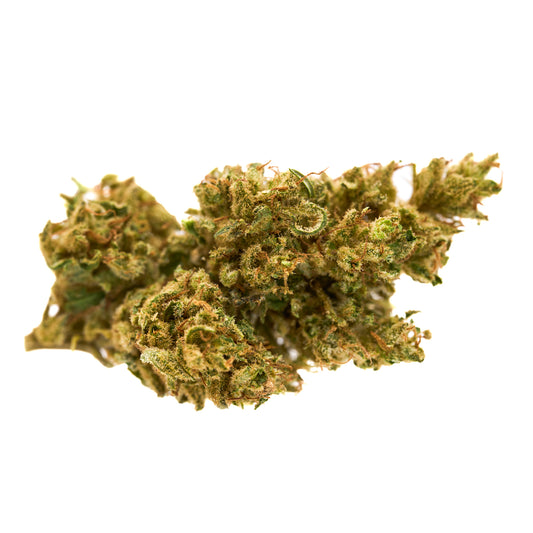
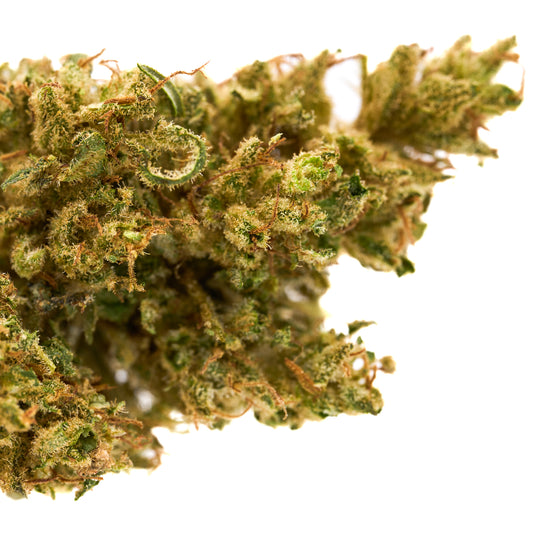
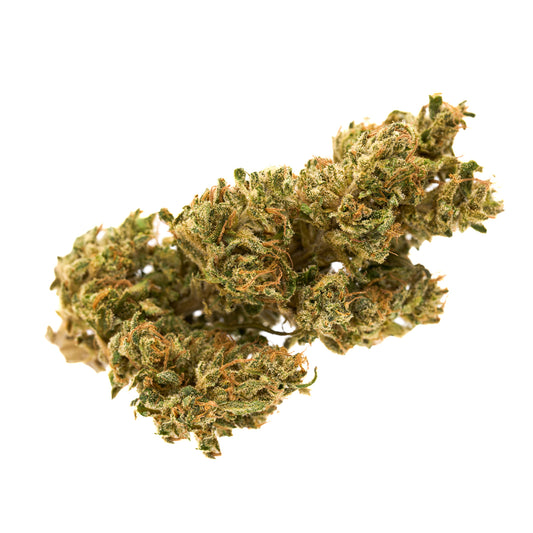
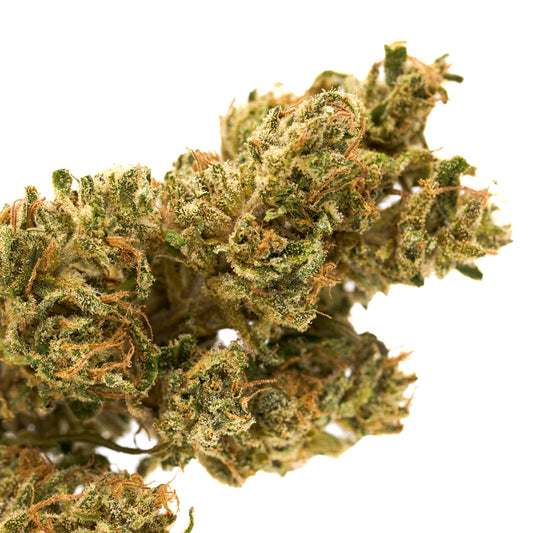
If you've ever held a well-grown bud of THCA flower and noticed the vivid orange, red, or amber hairs threading through the green and purple bud material, you've been looking at pistils. They're one of the most visually distinctive features of mature cannabis flower, and they generate more buyer questions than almost any other visual characteristic.
Are orange hairs on THCA flower a sign of quality? Do more orange hairs mean more potency? What does it mean when the hairs are white versus orange versus brown? And what exactly are these structures doing there in the first place?
This guide answers all of it — including the parts most sellers won't tell you, like the fact that pistils on cannabis have very little to do with cannabinoid content. Understanding what you're actually looking at when you inspect a bud puts you in a far better position to evaluate quality, ask the right questions, and buy with confidence.
What Are Pistils? The Biology Behind the Orange Hairs
Before getting into what pistils tell you about quality, it helps to understand what they actually are — because most of the misinformation about orange hairs on cannabis buds comes from buyers who don't know the underlying biology.
Cannabis pistils explained: pistils are part of the female cannabis plant's reproductive anatomy. More specifically, what you're seeing when you look at the "orange hairs" on a bud are stigmas — the filament-like projections that extend from the pistil and are designed, in nature, to catch pollen drifting from male plants.
Cannabis is a dioecious species, meaning male and female reproductive structures grow on separate plants. The female plant produces the resin-rich, cannabinoid-dense flowers that hemp consumers and THCA buyers seek out. The pistils — with their stigmas extending outward from each calyx — are the structures through which the female plant would normally be fertilized by male pollen, beginning seed production.
In a controlled cultivation environment, male plants are identified and removed before they can release pollen. This keeps female plants in sinsemilla condition — from the Spanish "sin semilla," meaning without seeds — which redirects the plant's energy away from seed development and into producing larger, more resin-heavy flowers. The pistils remain, extended and waiting for pollen that never arrives, and they become one of the most visually distinctive features of mature cannabis flower.
Here's the part that matters most: pistils are not where cannabinoids live. The trichomes — those tiny, mushroom-shaped resin glands that produce the white frost you see on well-grown flower — are where THCA, terpenes, and the full spectrum of cannabinoids are synthesized and stored. Pistils are reproductive anatomy. Trichomes are cannabinoid anatomy. These are entirely separate structures serving entirely different biological functions, and conflating them is the source of most of the confusion around what orange hairs on THCA flower actually mean.
The Pistil Color Progression: White to Orange to Brown
Cannabis pistils explained properly means understanding that they don't start orange. They start white. The color shift from white through yellow and orange to red and eventually brown is a maturity timeline — one of the most visible indicators of where a plant is in its flowering cycle. Understanding that progression is the key to reading what pistil color actually signals about the flower in your hand.
White Pistils: Early to Mid Flower
In the early and mid stages of the flowering cycle, pistils are white and actively extended, reaching outward in search of pollen. White pistils on a living plant indicate that the plant is still in active flower development and has not yet approached maturity.
In a retail context, encountering white pistils on cured, purchased flower can indicate one of two things. Either the plant was harvested earlier in its flowering cycle — which may suggest less fully developed cannabinoid and terpene content depending on the strain — or the cultivar is genetically predisposed to retaining lighter pistil coloration through maturity. Some strains simply don't darken as dramatically as others, and this doesn't necessarily indicate a quality problem. It's a strain characteristic, not a harvest flaw, and it's why reading pistils in isolation without considering the full picture can lead to incorrect quality assessments.
Orange and Amber Pistils: The Peak Maturity Window
As the plant moves through its flowering cycle and approaches harvest readiness, pistils begin oxidizing and darkening. The progression from white to yellow to orange to amber happens gradually over the final weeks of flowering, driven by the natural aging of the stigma tissue. Orange pistils hemp flower indicates that the plant has moved into or is approaching the peak maturity window — the point at which trichome development, cannabinoid synthesis, and terpene expression are at or near their maximum.
This is why orange hairs on cannabis buds are associated with quality flower: not because the pistils themselves contain any cannabinoids, but because their color signals that the plant was allowed to reach the appropriate stage of development before harvest. A cultivator who harvested at peak orange-to-amber pistil timing, in coordination with trichome maturity assessment, made a deliberate quality decision. That's the signal you're reading.
Red and Dark Red Pistils: Late Harvest or Strain Characteristic
Deep red and dark red pistils occupy a nuanced middle ground. In some cultivars, red or crimson pistil coloration is simply a genetic trait — these plants produce darker, more intensely pigmented stigmas throughout the flowering cycle regardless of harvest timing. In other cases, very dark red pistils, particularly when combined with a high percentage of amber trichomes, suggest that the plant was harvested at the very end of its maturity window or slightly beyond peak.
Late-harvest timing tends to shift the cannabinoid profile toward higher CBN (cannabinol) content, as THCA continues to degrade past the optimal harvest point. The effect profile of late-harvest flower tends toward the heavier, more sedating end of the spectrum. For buyers who specifically seek that kind of experience, dark red pistils combined with amber-dominant trichomes can be a useful indicator. For buyers seeking the balanced potency and effect profile most associated with premium THCA flower, orange to amber is generally the target range.
Brown Pistils: Normal Maturity, Not a Problem
Brown pistils on an otherwise healthy, vibrant, trichome-rich bud are not a quality concern and should not be mistaken for one. Pistils continue to darken naturally through the drying and curing process after harvest, and brown is the natural endpoint of that color progression. A bud displaying brown pistils against deep green or purple calyx material, with a heavy coat of intact trichomes and a rich terpene aroma, is a properly matured and well-cured product. The pistil color is doing exactly what it's supposed to do.
The distinction buyers need to internalize is between brown pistils and brown bud material. These are completely different things. Brown pistils are the normal result of the maturity and curing process — expected, unremarkable, fine. Brown bud material — the calyxes, the inner structure of the bud itself turning discolored — is a potential indicator of oxidation, age, or improper curing and warrants closer inspection. Learn to tell the difference and you'll stop passing on quality flower because the hairs darkened in the cure.

Do More Orange Hairs Mean Better THCA Flower?
This is one of the most common questions around what are the orange hairs on THCA flower — and the answer is no, not directly. Pistil density is largely a strain characteristic, not a reliable quality signal.
Some cannabis varieties produce extremely dense pistil coverage, with stigmas erupting from every calyx and giving the bud an almost shaggy, hair-covered appearance. Others produce sparse pistil coverage, with only a few orange or amber hairs visible against the underlying bud structure. Neither is inherently superior.
A sparsely pistiled bud that carries heavy trichome coverage, a complex terpene aroma, and a clean Certificate of Analysis is far higher quality than a densely pistiled bud with thin trichome frost, a flat smell, and ambiguous lab results. Dense orange and amber pistil coverage is visually striking — it produces the kind of photogenic, vibrant flower that looks exceptional in product photography — but the correlation between pistil density and cannabinoid content is weak at best and nonexistent for potency.
What Pistil Visibility Does Indicate
What pistil visibility does tell you is something useful, if indirect: trim quality. A well-trimmed bud has had excess fan and sugar leaf material removed, exposing the underlying bud structure and making pistils more visible. When you can clearly see the orange or amber hairs woven through a bud, it often means the trim job was clean enough to reveal what's underneath.
Heavy leaf coverage that obscures pistils doesn't necessarily mean the flower underneath is poor quality — it means the trim was less thorough. But in a premium retail context, trim quality is part of the overall product standard. Dense, visible pistil coverage on a clean trim signals that attention was paid at multiple stages of the production process.
Reading Pistils Alongside Trichomes: The Complete Maturity Picture
THCA flower maturity assessment is most accurate when pistil color and trichome color are read together rather than in isolation. Experienced cultivators use both data points because neither indicator alone gives the complete picture.
Pistil color provides a macro-level view of overall flowering progression. As a general framework, when approximately 50% to 70% of pistils have darkened from white to orange or amber, the plant is entering the harvest window. When 70% to 85% have darkened, the plant is at or near peak maturity for most cultivars. When 90% or more have darkened, the plant is at the end of its peak maturity window or beginning to move past it.
THCA flower harvest timing refinement happens at the trichome level. Clear trichomes indicate that THCA is still being synthesized and the plant hasn't reached its cannabinoid peak. Cloudy or milky trichomes indicate peak THCA accumulation — this is the window most premium cultivators target for harvest. Amber trichomes indicate that THCA is beginning to degrade into CBN, producing a heavier effect profile.
Most premium THCA flower is harvested when trichomes are predominantly cloudy with the very beginning of amber development — a window that typically correlates with 70% to 85% pistil darkening, depending on the cultivar. When you're buying rather than growing, you can reverse-engineer some of this information from the flower you receive. Orange-to-amber pistils combined with a heavy coat of still-white to slightly amber trichomes indicates a well-timed harvest and a product that was taken at peak development.
This combination — sometimes called the "orange hairs and cloudy trichomes" check — is one of the most reliable quick visual assessments a buyer can perform without lab equipment. It won't tell you the exact THCA percentage, but it will tell you whether the plant was allowed to reach its potential before harvest.
Hemp Flower Quality Indicators Beyond Pistil Color
Hemp flower quality indicators extend well beyond any single visual characteristic, and building a complete quality assessment framework means knowing what to look for across multiple dimensions.
Trichome coverage and condition. The density and integrity of trichome coverage is the single most visually informative quality indicator on any bud. Heavy, intact trichomes — appearing as a thick white or slightly golden frost — indicate a well-grown, properly handled flower. Sparse trichomes, crushed or broken trichome heads, or significant powdering of trichome material onto surrounding surfaces suggests rough handling, poor trim practices, or degraded product.
Aroma and terpene expression. The terpene profile is what drives the specific experience of a given strain beyond raw cannabinoid content, and terpenes are volatile compounds that degrade with heat, UV exposure, time, and improper storage. Fresh, properly cured THCA flower should have a complex, noticeable aroma specific to its cultivar — not a generic "hemp" smell or, worse, no smell at all. Flat-smelling flower is often a sign of degraded terpenes, improper cure, or age.
Bud density and structure. Well-grown THCA flower should feel dense and substantial for its size. Airy, loose buds can indicate environmental issues during cultivation — particularly inadequate light intensity or airflow problems — or early harvest timing. Some sativa-dominant genetics naturally produce airier bud structure, so this indicator has to be read in context of the cultivar, but density is generally associated with quality indoor and greenhouse cultivation.
Color and visual health. Beyond pistil coloration, the overall color of the bud material — calyxes, leaves, inner structure — provides useful signals. Healthy, well-cured flower retains vivid green coloration, sometimes with purple, blue, or lavender hues depending on anthocyanin expression in the cultivar. Brown, grey, or faded bud material can indicate oxidation, improper drying, age, or mold pressure. Any white powdery surface coating that isn't trichomes warrants serious concern.
Certificate of Analysis (COA). No visual assessment replaces third-party laboratory testing. A current COA from an accredited lab confirms THCA percentage, total cannabinoid content, and — critically — confirms that the product has passed testing for pesticides, heavy metals, and microbials. Visual inspection tells you a lot; a COA tells you the rest.
Do Orange Hairs on THCA Flower Indicate Potency?
Let's be direct about this because it's one of the most persistent misconceptions in the hemp space: do orange hairs mean good THCA flower in terms of potency? No. Pistils contain no cannabinoids in measurable quantities. Their color is a signal about harvest timing — which is relevant to quality — but it has no direct relationship to THCA percentage.
THCA content is determined by genetics, cultivation conditions, soil or nutrient inputs, light intensity and spectrum, environmental management, and harvest timing. Two buds from different cultivars grown in different conditions can have identical orange pistil coloration and wildly different THCA percentages. Two buds from the same cultivar grown in the same conditions can have different pistil coloration due to individual plant variation and still have nearly identical lab results.
The only way to know the THCA content of flower is through laboratory testing. Full stop. Pistil color, trichome density, bud structure, aroma — these are all useful quality proxies and signals worth understanding. They will never substitute for a COA.
What orange pistils do reliably tell you is that the plant reached a meaningful stage of maturity before harvest. That's a real signal with real implications for quality. It just isn't a potency number.
Frequently Asked Questions
Q: Are orange hairs on THCA flower good? A: Orange hairs on THCA flower indicate mature harvest timing, which is a genuine positive quality signal. Orange and amber pistil coloration suggests the plant was allowed to reach the peak of its flowering cycle before harvest — the window associated with full terpene expression and peak cannabinoid development. That said, orange pistils alone don't confirm quality or potency. A heavily frosted bud with a rich terpene aroma, orange to amber pistils, and a clean COA is a strong combination. Orange pistils on a sparse, flat-smelling bud are less meaningful.
Q: What do white hairs on THCA flower mean? A: White pistils on cannabis indicate either earlier-stage maturity or a strain characteristic. White hairs on living plants mean the plant is actively flowering and hasn't reached harvest maturity. White hairs on purchased, cured flower may indicate earlier harvest timing, or they may simply reflect a cultivar that retains lighter pistil coloration through maturity. Neither automatically makes the flower inferior — context and the full quality picture matter.
Q: Do more orange hairs mean more THC? A: No. Orange pistils hemp flower density has no direct relationship to cannabinoid content. Pistils don't contain THCA in meaningful quantities — cannabinoids are synthesized and stored in trichomes. Pistil color signals harvest timing. Potency is only verifiable through lab testing.
Q: Why are some THCA flower pistils red instead of orange? A: Deep red or crimson orange hairs on cannabis buds can reflect either a strain characteristic or late-stage maturity. Some cannabis genetics naturally produce more deeply pigmented pistil tissue — you'll see this consistently across different harvests of the same cultivar. Very dark red pistils combined with predominantly amber trichomes may suggest late harvest timing, which shifts the cannabinoid profile toward higher CBN and a heavier effect profile.
Q: Is it bad if my THCA flower has brown hairs? A: Brown pistils are the natural endpoint of THCA flower maturity and are completely normal in properly dried and cured flower. Pistils continue to darken after harvest through the curing process. Brown hairs on otherwise vibrant, trichome-rich flower are not a quality problem. Brown bud material — the calyxes and internal bud structure turning brown or grey — is a different matter entirely and warrants closer inspection.
Q: What should I actually look for when buying THCA flower? A: Hemp flower quality indicators worth prioritizing: trichome density and condition (the most important visual indicator), terpene aroma (complex and cultivar-specific is the target), bud density and structure, overall color health of the bud material, orange to amber pistil coloration as a harvest timing signal, and a current COA from an accredited lab confirming cannabinoid content and passing pesticide, heavy metal, and microbial testing. No single visual indicator replaces the full picture, and no visual indicator replaces lab results.
Q: Can pistil color tell me when a plant was harvested? A: Pistil color gives you a reasonable macro-level estimate of THCA flower harvest timing. Orange to amber pistils with 70% to 85% darkening generally indicate harvest in the peak maturity window. Predominantly white pistils suggest earlier harvest. Near-total browning with very dark coloration may suggest late harvest. For precision, trichome inspection alongside pistil color gives a more complete picture, and lab results confirm what visual assessment can only approximate.
Conclusion: What Pistils Tell You, and What They Don't
The orange hairs on THCA flower are telling you a real story about that plant's life — specifically, where it was in its flowering cycle when it was harvested. That's genuinely useful information. Orange and amber pistil coloration signals that the plant was allowed to reach the peak of its maturity window, the stage at which terpene expression is fully developed and cannabinoid synthesis has run its course. Combined with cloudy trichomes, a rich strain-specific aroma, and a clean COA, orange pistils hemp flower is one piece of a quality picture that adds up to premium product.
But understanding what cannabis pistils explained correctly means accepting what they don't tell you. Pistils don't contain cannabinoids. Their density doesn't determine potency. Their color is a harvest timing indicator, not a percentage on a lab report. The buyers who consistently find high-quality THCA flower are the ones who read the complete visual picture — trichomes, structure, aroma, trim quality, pistil coloration — and back it up with current third-party lab results.
THCA flower maturity is a multi-variable question, and pistil color is one honest answer among several. Learn to read all of them together, and you'll evaluate flower with the kind of confidence most buyers spend years developing.
