





THCA and the Endocannabinoid System: How It Interacts With Your Body

There's a regulatory network running quietly inside your body right now — one that most people have never heard of, yet one that touches nearly every major physiological process you experience. It influences how you feel pain. How you process stress. How you sleep, eat, remember, and recover from illness. It's called the endocannabinoid system, and it's arguably one of the most important biological systems ever discovered.
The reason most people haven't heard of it comes down to timing and politics. The endocannabinoid system cannabinoids researchers discovered in the early 1990s were identified through the study of how cannabis compounds interact with the brain — and cannabis, at the time, wasn't exactly a federally encouraged research topic. Despite that, the science moved forward. Today, the endocannabinoid system (ECS) is recognized as a master regulator of homeostasis — the body's ability to maintain internal balance — and it's the primary biological target of the cannabinoids found in hemp.
Which brings us to THCA.
Tetrahydrocannabinolic acid is the most abundant cannabinoid in raw, unheated hemp flower. It's what your plant actually produces — THC doesn't exist in meaningful quantities in living cannabis. Instead, the plant synthesizes THCA, and only when heat is applied (through smoking, vaping, cooking, or other methods) does that THCA decarboxylate and convert into THC.
But here's where things get genuinely interesting: the THCA endocannabinoid system relationship is not simply a story of THCA being a passive precursor waiting to become something else. THCA is biologically active in its raw form. It interacts with the body through mechanisms that are distinct from THC's, that don't produce intoxication, and that researchers are increasingly excited about as standalone pathways for wellness support.
In this article, we'll break down the endocannabinoid system in detail, explain exactly how THCA interacts with it (and critically, how it doesn't), and explore what emerging science tells us about the practical wellness implications of that interaction. Whether you're a science enthusiast, a hemp consumer, or simply someone curious about why cannabinoids do what they do, this is the deep dive you've been looking for.
What Is the Endocannabinoid System? A Complete Breakdown
Before you can understand how THCA interacts with body systems, you need a solid understanding of the ECS itself. This is a system that textbooks are still catching up to — many medical schools didn't teach it until relatively recently, and its full complexity is still being mapped by researchers around the world.
The Three Pillars of the ECS
The endocannabinoid system is built from three interconnected components: endocannabinoids, receptors, and enzymes. Together, these form a communication network that operates throughout the brain, organs, immune system, and virtually every tissue in the body.
1. Endocannabinoids: Your Body's Own Cannabis
Endocannabinoids are lipid-based signaling molecules your body produces on demand. Unlike most neurotransmitters, they're not stored in vesicles and released in response to triggers — they're synthesized in real time from membrane lipids when cells need to send a specific signal.
The two most well-studied endocannabinoids are:
Anandamide (AEA) — Named after the Sanskrit word for bliss, anandamide is often called the "bliss molecule." It plays roles in regulating mood, pain perception, appetite, and memory consolidation. Anandamide is what's thought to be responsible for the "runner's high" that athletes experience — research has suggested this euphoric state is partly driven by anandamide rather than endorphins, as previously believed. Anandamide is broken down relatively quickly by the enzyme FAAH (fatty acid amide hydrolase), which is why its effects are transient.
2-Arachidonoylglycerol (2-AG) — 2-AG is present in the brain at concentrations roughly 170 times higher than anandamide, making it the most abundant endocannabinoid. It's involved in pain modulation, immune function, and neuroprotection. 2-AG is broken down by the enzyme MAGL (monoacylglycerol lipase).
Both of these molecules bind to and activate endocannabinoid receptors — and both share structural similarities with plant cannabinoids like THCA and THC, which is why cannabinoids from hemp can interact with this system in the first place.
2. Receptors: The Lock-and-Key System
Endocannabinoid receptors are proteins embedded in cell membranes that respond to both endogenous cannabinoids (produced by your body) and exogenous cannabinoids (from plants). When a cannabinoid binds to a receptor, it triggers a cascade of changes in cell behavior.
The two primary receptors in the ECS are:
CB1 Receptors — CB1 is the most abundant G protein-coupled receptor in the mammalian brain. It's found at particularly high densities in areas governing movement, memory, pain, and emotion: the basal ganglia, hippocampus, cerebellum, and amygdala. CB1 is also present in peripheral tissues, including the gut, liver, and reproductive organs, but its most significant functions are neurological. CB1 activation by THC is responsible for the psychoactive effects of cannabis — the euphoria, altered time perception, increased appetite, and cognitive changes associated with intoxication. The THCA CB1 receptor relationship, as we'll explore in depth shortly, is fundamentally different from THC's.
CB2 Receptors — CB2 receptors are found primarily in immune cells and peripheral tissues, with much lower concentrations in the brain. They play key roles in regulating immune response, inflammation, and cell signaling in peripheral organs. The THCA CB2 receptor relationship is similarly limited compared to THC — a distinction with meaningful implications.
Beyond CB1 and CB2, the ECS is now understood to involve a broader receptor network including TRPV1 (the "capsaicin receptor," involved in pain and temperature), GPR55 (sometimes called the "third cannabinoid receptor"), and various others — which becomes important when discussing THCA's alternative interaction pathways.
3. Enzymes: The Cleanup Crew
The ECS is a self-regulating system. After endocannabinoids have done their job, specialized enzymes break them down to prevent overstimulation:
- FAAH (fatty acid amide hydrolase) breaks down anandamide
- MAGL (monoacylglycerol lipase) breaks down 2-AG
This enzymatic regulation is one reason why some compounds — including certain cannabinoids — can produce indirect ECS effects by inhibiting these enzymes, allowing natural endocannabinoids to remain active longer.
What Does the ECS Actually Do?
The endocannabinoid system's primary role is maintaining homeostasis — keeping the body's internal environment stable in the face of constantly changing external conditions. It acts as a modulatory system, turning up or turning down the activity of other systems as needed.
Specifically, the ECS plays documented roles in:
- Pain regulation — modulating pain signals in both the central and peripheral nervous system
- Inflammation control — regulating both the initiation and resolution of inflammatory responses
- Mood and stress response — influencing anxiety, depression, and the stress axis
- Memory and cognition — particularly in how memories are formed and extinguished
- Appetite and metabolism — regulating hunger signals and energy utilization
- Immune function — helping coordinate immune cell activity and inflammatory signaling
- Sleep regulation — influencing sleep-wake cycles
- Neuroprotection — helping protect neurons from damage and supporting neuroplasticity
Given how many critical processes the ECS touches, it's easy to understand why researchers and wellness advocates are so interested in how plant cannabinoids like hemp endocannabinoid system compounds interact with it.
THC and the ECS: The Standard of Comparison
To understand what makes THCA's interactions distinctive, it helps to first understand what THC does — because THC is the most direct-acting and well-studied cannabinoid in the ECS context.
THC is structurally similar to anandamide, and it fits CB1 receptors with remarkable precision. When THC binds to CB1, it acts as a full agonist — meaning it activates the receptor, much as anandamide does, but with greater potency and far longer duration. While anandamide is broken down by FAAH within minutes, THC lingers for hours, producing extended and intensified activation of CB1-mediated pathways.
The result is the cannabis high: euphoria, altered sensory perception, time distortion, increased appetite, and cognitive changes — all driven by sustained CB1 activation in the brain.
THC also binds to CB2 receptors, contributing anti-inflammatory and immune-modulating effects that don't produce intoxication. And like many cannabinoids, THC has interactions beyond just CB1 and CB2 — including TRPV1, GPR55, and others.
But the dominant story of THC is CB1. That's the primary mechanism, and it's the one that makes THC both powerfully therapeutic for some applications and unsuitable for others (people who can't or won't tolerate psychoactive effects, for instance).

THCA's Relationship With the ECS: A Fundamentally Different Biology
Now we get to the core of the matter: the THCA ECS interaction.
The headline finding is this: THCA does not significantly activate CB1 or CB2 receptors. Research has consistently shown that THCA has very low binding affinity for both primary cannabinoid receptors. And the reason is structural — specifically, a single functional group attached to the THCA molecule.
The Carboxyl Group: Why THCA Doesn't Get You High
THCA differs from THC by the presence of a carboxyl group (-COOH) attached to its molecular structure. This extra group does two things: it increases the molecule's size, and it increases its polarity. The CB1 receptor's binding pocket is sized and shaped for a molecule like THC — compact, nonpolar, and lipophilic. THCA's carboxyl group makes it a poor fit for that binding pocket, in the same way a key with an extra notch won't turn a lock it was almost designed for.
This structural incompatibility is precisely why THCA is non-intoxicating. No meaningful CB1 activation means no psychoactive effects — regardless of how much raw THCA you consume. (Once it's heated and converts to THC, that's a different story entirely.)
This also makes THCA scientifically fascinating: because it's clearly biologically active in the body — research shows measurable effects — scientists have been motivated to find the alternative pathways through which it operates. And they've found several.
THCA's Alternative Biological Pathways: Where the Real Action Is
The THCA biological mechanism story is a multi-channel one. Rather than working through a single dominant receptor like THC does with CB1, THCA appears to engage several distinct biological targets. Here's what current research tells us:
1. PPARγ: THCA's Most Significant Identified Target
The most well-documented alternative pathway for THCA is through THCA PPARγ activation — peroxisome proliferator-activated receptor gamma.
PPARγ is a nuclear receptor — meaning it's not embedded in the cell membrane like CB1 and CB2, but located inside the cell nucleus itself. When activated, it doesn't trigger immediate cellular responses; instead, it acts as a transcription factor, directly influencing which genes get expressed. This makes PPARγ activation slower but broader than membrane receptor activation — it can change the cell's long-term behavior by altering its gene expression patterns.
PPARγ is involved in regulating:
- Inflammation — PPARγ activation is well-established as anti-inflammatory, suppressing the production of pro-inflammatory cytokines
- Lipid metabolism — it plays a central role in fat cell differentiation and lipid storage
- Insulin sensitivity — drugs called thiazolidinediones, used in type 2 diabetes treatment, work by activating PPARγ
- Neuroprotection — PPARγ activation has been shown to protect neurons in models of neurodegenerative disease
- Cell growth and apoptosis — PPARγ influences cell proliferation and programmed cell death
Research has identified THCA as a potent PPARγ agonist, suggesting it may activate these pathways with meaningful potency. A 2011 study published in the British Journal of Pharmacology found that THCA activated PPARγ with significant activity, and proposed this as a mechanism underlying reported neuroprotective and anti-inflammatory effects.
For practical purposes, PPARγ activation by THCA could be relevant to inflammation management, metabolic support, and neurological wellness — areas of considerable interest for hemp consumers.
2. TRPM8: Pain and Temperature Signaling
TRPM8 (transient receptor potential melastatin 8) is an ion channel receptor best known as the "cold receptor" — it's activated by low temperatures and by compounds like menthol that produce a cooling sensation. TRPM8 is also involved in pain signaling, particularly in the context of cold allodynia (pain triggered by cold stimuli).
Preliminary research suggests that THCA may interact with TRPM8, potentially as an antagonist (blocking its activity rather than activating it). TRPM8 antagonism has been investigated as a potential strategy for pain management — particularly for neuropathic pain conditions where cold sensitivity is a component.
This interaction is less thoroughly studied than THCA's PPARγ activity, but it represents another non-CB1 pathway through which THCA may influence pain perception and sensory processing.
3. Serotonin Receptors: Mood and Nausea Connections
The serotonergic system — built around the neurotransmitter serotonin — is involved in mood regulation, anxiety response, nausea and vomiting, and gastrointestinal function. Many antidepressants and anti-nausea medications target serotonin receptors.
Some research has proposed that THCA may interact with specific serotonin receptor subtypes, particularly 5-HT1A receptors. 5-HT1A activation is associated with reduced anxiety, nausea suppression, and antidepressant effects. This interaction, if confirmed in more robust human research, could provide a mechanistic basis for THCA's observed antiemetic (anti-nausea) properties in animal studies.
Notably, antiemetic effects have been one of the more consistently observed biological activities of THCA in early research — animal models have shown meaningful reductions in nausea behavior following THCA administration.
4. COX-1 and COX-2 Enzyme Inhibition: The NSAID-Like Mechanism
Cyclooxygenase enzymes — COX-1 and COX-2 — are central players in the inflammatory cascade. They catalyze the production of prostaglandins, lipid compounds that mediate pain, fever, and inflammation. This is why NSAIDs like ibuprofen and aspirin work: they inhibit COX enzymes and thereby reduce prostaglandin production.
Some research has suggested that THCA may also inhibit COX enzymes, potentially providing an additional, complementary anti-inflammatory mechanism that operates independently of its PPARγ activity. If confirmed, this would mean THCA targets inflammation through at least two distinct molecular mechanisms — one at the gene expression level (PPARγ) and one at the enzymatic level (COX inhibition).
This multi-target approach to inflammation is actually common among plant-derived compounds and may contribute to the perceived effectiveness of full-spectrum hemp products.
5. Indirect ECS Effects: The FAAH Connection
While THCA doesn't directly activate CB1 or CB2, there's ongoing investigation into whether it might indirectly influence the ECS by affecting enzyme activity. Specifically, if THCA inhibits FAAH — the enzyme that breaks down anandamide — it could increase endogenous anandamide levels, effectively amplifying the ECS's own activity without directly binding to receptors.
This mechanism is analogous to how CBD is thought to influence the ECS — not through direct receptor binding but through modulation of the enzymes that regulate endocannabinoid levels. Whether THCA operates through this pathway to any significant degree remains to be fully characterized.

THCA Receptor Binding: The Full Picture
To summarize the THCA receptor binding profile based on current research:
| Target | THCA Activity | Significance |
|---|---|---|
| CB1 Receptor | Very low affinity — minimal direct binding | Non-intoxicating; no psychoactive effects |
| CB2 Receptor | Low affinity — limited direct binding | Minimal direct immune modulation via this receptor |
| PPARγ | Potent agonist activity | Anti-inflammatory, neuroprotective, metabolic effects |
| TRPM8 | Possible antagonist interaction | Potential pain-modulating effects |
| 5-HT receptors | Preliminary evidence of interaction | Possible mood and anti-nausea effects |
| COX-1/COX-2 | Potential inhibition | Complementary anti-inflammatory mechanism |
| FAAH | Under investigation | Potential indirect ECS modulation via anandamide |
What emerges from this profile is a cannabinoid that works through a fundamentally different mechanism than THC — engaging a constellation of secondary targets rather than dominating a single primary receptor. Whether this distributed approach produces more subtle effects, more targeted effects, or simply different effects than CB1 activation is a question researchers are actively working to answer.
The Entourage Effect: THCA in the Context of Full-Spectrum Hemp
No discussion of how endocannabinoid system cannabinoids function in the body is complete without addressing the entourage effect.
The entourage effect — a term coined by Israeli researcher Raphael Mechoulam, widely considered the father of cannabinoid science — refers to the phenomenon by which cannabinoids and other phytochemicals produce greater effects in combination than any single compound does in isolation. Rather than simply adding effects together, there appears to be synergy — compounds enhancing, modifying, or enabling each other's biological activity.
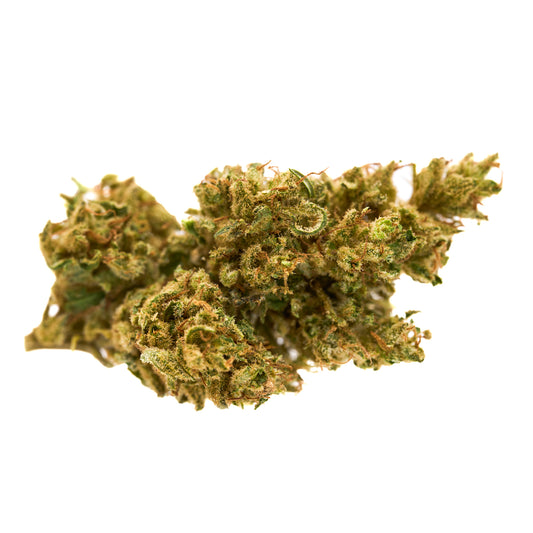
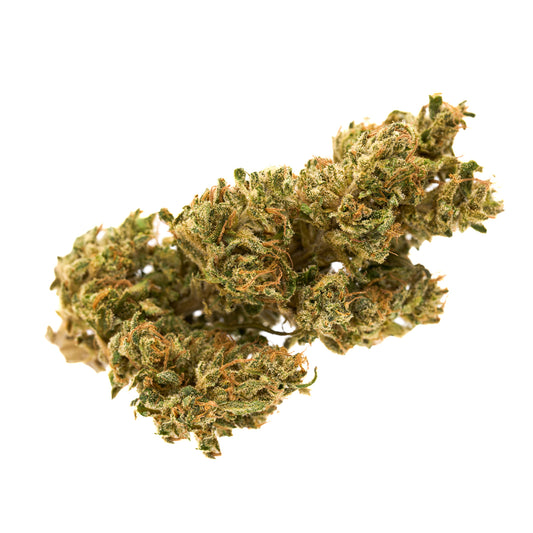
THCA hemp flower is naturally rich in this kind of complex phytochemistry. A well-cultivated hemp flower doesn't just contain THCA — it contains:
- Minor cannabinoids including CBD, CBG, CBN, CBDa, and others, each with their own receptor and enzyme interactions
- Terpenes including myrcene (sedating, pain-modulating), limonene (mood-elevating, anti-anxiety), linalool (calming, anti-inflammatory), beta-caryophyllene (a rare terpene that actually binds CB2 receptors directly), and dozens more
- Flavonoids including cannflavins, which have documented anti-inflammatory activity
- Other minor constituents that may contribute to the overall biological effect
Beta-caryophyllene deserves particular mention in the ECS context: it's the only terpene known to directly activate CB2 receptors, making it a dietary cannabinoid of sorts. Its presence in THCA hemp flower means full-spectrum THCA products may engage CB2 pathways even though THCA itself doesn't do so directly — the terpene completes the picture.
When you choose full-spectrum THCA hemp flower over isolates or distillates, you're choosing this full biological complexity. The hemp endocannabinoid system interaction becomes richer, more multidimensional, and — according to entourage effect research — potentially more effective.
The Endocannabinoid Deficiency Theory: Could THCA Help?
One of the more compelling (if still theoretical) frameworks in cannabinoid medicine is the concept of Clinical Endocannabinoid Deficiency (CECD), proposed by researcher Ethan Russo. The theory holds that in certain individuals, underproduction of endocannabinoids or suboptimal ECS function may underlie a range of chronic conditions — including migraines, fibromyalgia, and irritable bowel syndrome — that share features of ECS-regulated dysfunction.
If CECD is a real phenomenon (and research is increasingly supportive), then plant cannabinoids that support ECS function — whether through direct receptor activation, enzyme inhibition, or other mechanisms — could theoretically help fill the gap.
THCA's role in this context is speculative but intriguing. If it can increase anandamide levels by inhibiting FAAH, or support ECS function through PPARγ activation (which has downstream effects on ECS signaling), it might contribute to addressing endocannabinoid deficiency in ways that don't involve the psychoactive receptor activation of THC. This makes it particularly appealing as a daily wellness supplement for people who want ECS support without intoxication.
Heat, Decarboxylation, and the Conversion to THC
Understanding how THCA interacts with body systems requires understanding the role of heat — because heat fundamentally changes what THCA is.
When THCA is exposed to sufficient heat (roughly 220°F or higher, sustained for several minutes), the carboxyl group that prevents CB1 binding is expelled as carbon dioxide and water. What remains is THC — molecularly identical to what the plant would eventually produce naturally through slow decarboxylation over time, but now produced rapidly through heat.
This means how you consume THCA flower determines its biological activity:
Raw or cold-processed THCA (in smoothies, juices, cold capsules, or tinctures made from fresh material): THCA remains intact and interacts through its alternative pathways — PPARγ, TRPM8, serotonin receptors, and others. Non-intoxicating. Potentially beneficial for inflammation, nausea, and neuroprotection.
Smoked, vaped, or cooked THCA flower: Heat converts THCA to THC, which then activates CB1 powerfully. Intoxicating effects follow. The THC that results engages the full classical ECS pathway — CB1, CB2, and beyond.
A note on bioavailability: THCA consumed raw has lower oral bioavailability than THC consumed via inhalation, meaning less of the compound reaches systemic circulation. This is an active area of research, and formulation strategies (lipid-based delivery, for instance) are being explored to improve raw THCA's oral uptake.
This dual nature — non-intoxicating raw, intoxicating when heated — gives THCA hemp flower an unusually flexible utility that few other cannabinoids can match.
What Does THCA's ECS Interaction Mean for You?
Let's bring the science down to practical implications for hemp consumers.
For daily wellness support without intoxication: If you're interested in anti-inflammatory support, mood balance, or neuroprotective effects through the ECS without getting high, raw or cold-processed THCA (or THCA products that haven't been heated) engages alternative pathways that may deliver benefits through PPARγ, COX inhibition, and other mechanisms. This is an emerging area of consumer interest.
For recreational or therapeutic use with intoxication: Heating THCA flower — by smoking, vaping, or cooking — converts it to THC and engages CB1 powerfully. This is the classical cannabis experience, now accessible through federally compliant hemp flower with high THCA content.
For full-spectrum synergy: Full-spectrum THCA hemp flower combines THCA's alternative pathway activity with the CB2-engaging terpene caryophyllene, the direct receptor interactions of minor cannabinoids, and the broader entourage effect — creating a more comprehensive biological interaction than any single compound could provide.
For ongoing ECS support: If the endocannabinoid deficiency framework holds up to further research, regular engagement of the ECS through hemp cannabinoids may support the system's ongoing function and resilience — similar to how supporting any other physiological system through nutrition, exercise, or supplementation can improve its baseline performance.
Frequently Asked Questions
Does THCA directly activate the endocannabinoid system? THCA interacts with the body through the ECS framework but doesn't activate the primary CB1 and CB2 receptors directly. Instead, it engages PPARγ (a nuclear receptor influencing gene expression), possibly COX enzymes, TRPM8, and serotonin receptors. It may also indirectly influence the ECS by affecting enzymes that regulate endocannabinoid levels.
Why doesn't THCA get you high if it's so closely related to THC? The carboxyl group (-COOH) on THCA's molecular structure makes it too large and polar to fit into CB1 receptor binding sites effectively. CB1 activation is the primary driver of cannabis intoxication, so without it, THCA produces no psychoactive effects — regardless of dose.
Can THCA support the endocannabinoid system without THC? Yes. THCA engages multiple biological pathways relevant to ECS function — including PPARγ, which has downstream effects on inflammatory signaling that intersects with ECS activity. It may also support endocannabinoid levels indirectly. This makes it a candidate for ECS support without intoxication.
Is THCA better for the ECS than CBD? THCA and CBD interact with the ECS through overlapping but distinct mechanisms. CBD is thought to primarily work through TRPV1, GPR55, and FAAH inhibition. THCA's primary identified target is PPARγ. Together, they may be more complementary than competitive — another argument for full-spectrum hemp products that include both.
Does heating THCA change how it interacts with the ECS? Dramatically. Heated THCA becomes THC, which shifts from engaging alternative pathways (PPARγ, etc.) to strongly activating CB1 and CB2 directly. The biological profile changes entirely — from non-intoxicating alternative-pathway activity to potent, psychoactive ECS receptor activation.
What's the best way to consume THCA for ECS support without getting high? For non-intoxicating use, THCA must not be heated. Raw hemp flower added to cold preparations, unheated THCA tinctures, or cold-processed THCA products preserve the acid form and engage alternative pathways. Any smoking, vaping, or cooking converts THCA to THC.
Is THCA legal? Under the 2018 Farm Bill framework, hemp-derived THCA flower is federally legal when it tests below 0.3% delta-9 THC on a dry weight basis. The 2026 regulatory landscape has introduced total-THC testing considerations in some states, so it's worth checking your state's current hemp regulations.
How does the entourage effect apply to THCA flower? Full-spectrum THCA hemp flower contains dozens of cannabinoids, terpenes, and flavonoids beyond THCA alone. These interact synergistically — with terpenes like beta-caryophyllene directly activating CB2, CBD engaging TRPV1 and FAAH, and minor cannabinoids contributing their own activity. The combined effect of the whole plant is considered by many researchers to exceed what isolated THCA alone can produce.
Conclusion: THCA's Unique Place in the Endocannabinoid Story
The THCA endocannabinoid system relationship is one of science's more elegant surprises in the cannabinoid world. Rather than fitting neatly into the established narrative of cannabinoids activating CB1 and CB2, THCA operates through a different set of biological channels — channels that intersect with inflammation, neuroprotection, pain signaling, and metabolic regulation in ways that don't produce intoxication but may still be meaningfully beneficial.
The THCA biological mechanism centers on PPARγ as its most well-characterized target, with additional interactions across TRPM8, serotonin receptors, and COX enzymes providing a broader biological footprint than any single receptor could account for. And when THCA is consumed as part of full-spectrum hemp flower — with its full complement of terpenes, minor cannabinoids, and flavonoids — those individual mechanisms combine into a complex, synergistic interaction with the body's most important regulatory system.
Science is still actively filling in the details. But what's already clear is that THCA is not simply a precursor to THC. It is its own biological entity, with its own mechanisms, its own therapeutic potential, and its own story to tell — one that researchers, clinicians, and hemp consumers are only beginning to fully understand.
Explore our complete lineup of premium THCA hemp flower at Oregon Hemp Flower — cultivated for full cannabinoid and terpene expression, rigorously tested, and crafted to deliver everything the raw hemp plant naturally provides.
