




How Is THCA Kief Made? Inside the Dry Sift Extraction Process

If you've ever looked closely at a dense, frosty nug of hemp flower and noticed that fine, powdery coating dusting your fingertips afterward, you've already met kief. But most people who enjoy THCA kief have only a vague sense of where it comes from — somewhere in the neighborhood of "the plant makes it." The actual extraction process, the equipment, the temperature control, the multiple passes through progressively finer screens — that part stays invisible.
That knowledge gap matters more than you might think. Understanding how kief is made is the most direct path to understanding why some kief is genuinely exceptional and some is barely worth the label. It tells you what questions to ask before you buy, what numbers to look for on a COA, and what quality markers separate premium full-melt kief from low-grade trim-run powder. This guide goes inside the dry sift extraction process from start to finish — the dominant commercial method for producing THCA kief — so you can evaluate what you're actually getting.
Starting Material: Why the Flower Determines Everything
The THCA kief extraction process begins long before any screen or tumbler enters the picture. Dry sifting is a concentration and refinement process, not a creation process. It isolates and purifies what's already present in the plant material. That means the ceiling on your finished kief's quality is set entirely by the quality of your starting flower — no extraction technique, no matter how precise, can manufacture cannabinoids, terpenes, or trichome density that weren't there to begin with.
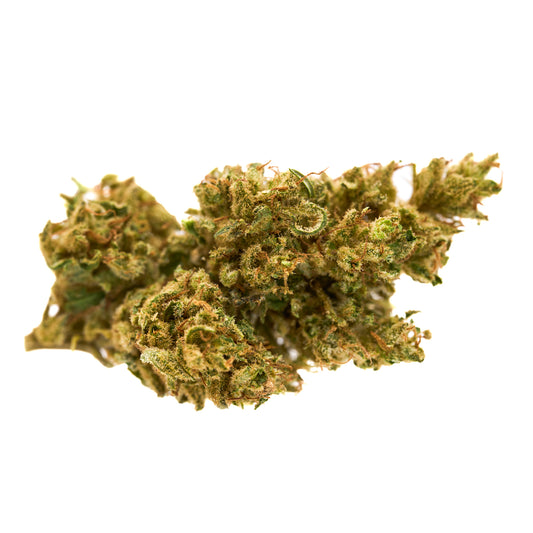
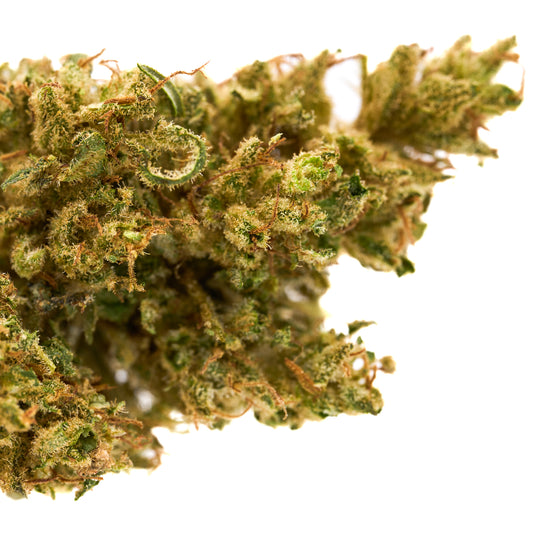
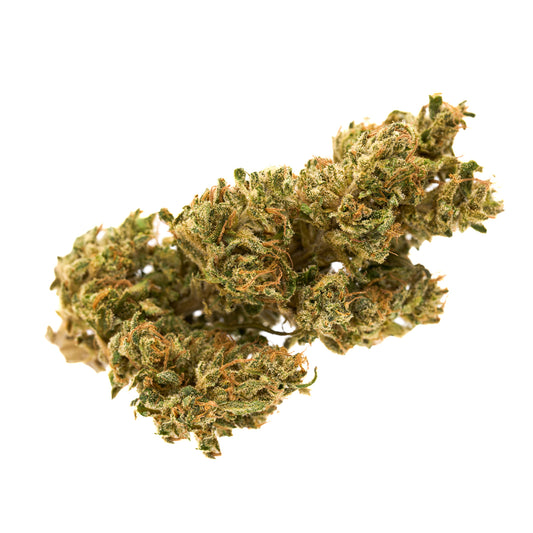
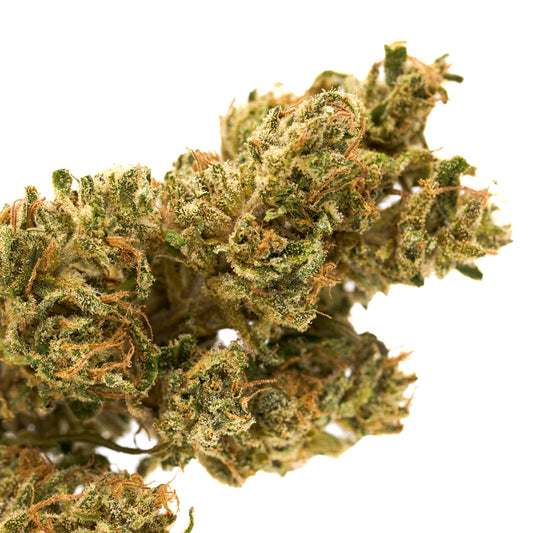
High trichome density is the first non-negotiable characteristic of ideal source material. Trichomes are the tiny, hair-like resin glands that cover hemp flower and surrounding leaves. They come in three forms — bulbous, capitate-sessile, and capitate-stalked — but only the capitate-stalked trichomes, the ones with the visible globular head atop a slender stalk, carry meaningful quantities of cannabinoids and terpenes. A genuinely frosty, visually silvery bud has a high density of these stalked trichomes and will yield significantly more kief per unit of flower than a bud with sparse trichome coverage. When you're evaluating source material for kief production, visual frost is one of your best early indicators.
THCA content in the source flower directly determines the potency ceiling of the finished kief. Because kief is a mechanical concentration of trichome heads, and trichome heads are where the THCA is stored, starting with high-THCA flower is the only way to produce high-THCA kief. A source flower testing at 20% THCA will produce meaningfully more potent kief than a source flower at 14%, all other factors being equal.
Terpene profile richness matters enormously for finished kief quality and is underappreciated by many buyers. Terpenes — the aromatic compounds responsible for the distinct smell and flavor of different hemp strains — are stored in the same trichome heads as THCA. A well-executed dry sift vs other methods comparison will consistently show that dry sift, when done cold and carefully, preserves terpenes exceptionally well. Starting with terpene-rich flower ensures the finished kief carries those aromatic compounds through.
Moisture content at processing time is critical and frequently overlooked. Flower that is too wet — above roughly 15% moisture — clogs screens, causes trichomes to stick rather than separate cleanly, and produces low-quality, plant-matter-heavy kief. Flower that is too dry — below roughly 8–10% moisture — crumbles excessively during agitation, sending plant dust through the screens along with the trichomes and contaminating the kief with green plant material. The ideal moisture window for kief production method processing is typically 10–15%.
Whole flower versus trim is a distinction with significant quality implications. Trim — the sugar leaves and small plant material removed from buds during harvest — contains trichomes but at a much lower density than whole flower, and with a less refined terpene profile. Commercial kief production facilities often use both. Trim-run kief is higher volume but lower quality: less potent, less flavorful, and typically more contaminated with plant material. Premium THCA kief is made exclusively from whole flower. If you're evaluating a product and the producer is vague about their starting material, that vagueness is itself informative.

The Role of Temperature: Cold Is Not Optional
Temperature management is where the science of dry sieve hemp processing gets genuinely interesting — and where cutting corners produces the most visible quality degradation.
Trichome heads contain resins: complex mixtures of cannabinoids, terpenes, and other compounds. At room temperature, these resins are soft and slightly tacky. When a trichome head in this state is subjected to mechanical agitation, it doesn't snap cleanly from its stalk and fall through a screen. Instead, it bends, stretches, and often pulls fragments of plant material with it. The result is contaminated kief with plant matter mixed throughout, lower purity, and a greener color that signals the presence of chlorophyll and other unwanted plant compounds.
Cold changes everything about this interaction. When flower and equipment are chilled to temperatures below 50°F (10°C), the resins inside trichome heads become significantly more rigid and brittle. In this state, the mechanical stress of agitation causes trichome heads to snap cleanly from their stalks rather than stretching and dragging. They separate from the plant material precisely, fall through the appropriate screen size, and collect as purer kief below.
This is why serious cold temperature extraction kief operations invest in climate-controlled cold rooms, refrigerated drum tumblers, and pre-chilled equipment. It's not comfort — it's process integrity. The relationship between temperature and kief purity is direct and linear: the colder the processing environment within practical limits, the purer the resulting kief.
At the commercial level, this means dedicated cold rooms maintained at specific temperatures throughout processing. For home producers, it means pre-chilling flower in the freezer for 15–30 minutes before sifting, working in the coolest available environment, and keeping sessions short enough that friction-generated heat doesn't warm the material back up during processing.
One additional benefit of cold extraction worth noting: terpene preservation. Many of the most volatile aromatic terpenes — the ones responsible for bright, citrusy, or sharp herbal notes — are sensitive to heat. Cold processing significantly reduces terpene loss during extraction, which is one reason properly cold-processed dry sift kief from quality flower has a notably more complex and true-to-strain aroma than hastily processed, room-temperature kief.
Understanding Mesh Screens: Microns, Materials, and What They Filter
The trichome separation process depends entirely on the physics of mesh screens. A mesh screen is exactly what it sounds like — a frame holding a tightly woven grid of material with uniform openings of a specific size. That opening size, measured in microns (μm, where 1 micron = 0.001 millimeter), determines what passes through and what gets filtered out.
Kief screen sizes are chosen to target trichome head size. Capitate-stalked trichome heads on hemp flower typically measure between 70 and 120 microns in diameter, though this varies by strain, growing conditions, and harvest timing. The practical goal of screen selection is to find openings large enough for trichome heads to pass through but small enough to stop most plant material.
The mesh screen micron kief size hierarchy works like this:
- 150–160 micron: The coarsest screen typically used in kief production. Trichome heads pass through easily, but so does a meaningful amount of fine plant material. Single-pass kief at this screen size will have visible green tint and lower purity. High yield, lower quality.
- 120 micron: A middle-ground screen that captures trichome heads with less plant contamination. Good balance of yield and purity. Many commercial "half melt" or single-pass products use this screen as their final stage.
- 90 micron: A finer screen that stops most plant material while still allowing trichome heads through. Kief refined to this level is noticeably purer, lighter in color, and more potent.
- 73 micron: The threshold often associated with "full melt" quality kief. At this screen size, most trichome heads pass through but plant material is largely excluded. Kief from a 73-micron final screen is among the purest dry sift achievable.
- Below 73 micron (45–25 micron range): The finest screens, used for the highest-purity "full melt" or "ice wax grade" dry sift. Very little material passes through, but what does is extraordinarily pure trichome heads with minimal contamination. These finest grades are suitable for dabbing without further processing.
Screen materials vary — nylon, polyester, silk, and stainless steel are all used commercially. Nylon and polyester dominate in commercial production for durability and ease of cleaning. Silk screens, historically used in hash production, are still preferred by some artisan producers for their very precise weave. Stainless steel screens offer extreme durability for high-volume hemp processing equipment applications.
The frames holding these screens matter too. Warped or loose frames produce inconsistent screen tension, which changes the effective opening size and produces variable kief quality from run to run. Quality commercial operations maintain their screens carefully and replace them on a regular schedule.
The Dry Sift Process: A Complete Step-by-Step Walkthrough
Stage 1: Preparation and Pre-Chill
Good dry sift extraction begins with deliberate preparation. Source flower is broken into workable pieces — loosened enough to allow trichome contact with the screen surface, but not ground down to a fine consistency that would push plant matter through the screens prematurely. Full grinding destroys the separation advantage that makes dry sift work.
All equipment is pre-chilled: the screen frames, the collection surfaces, the working tools. If the production space itself can be cooled below 60°F (15°C), that's ideal. Some producers briefly freeze the flower for 15–30 minutes immediately before sifting begins to ensure maximum trichome brittleness.
This preparation stage is not optional or cosmetic. Producers who skip pre-chilling and work in warm environments will get kief — they'll just get lower-purity kief with more plant contamination and lost terpenes.
Stage 2: First Pass — Yield-Focused Initial Extraction
With everything chilled and prepared, the first pass begins. Flower is placed on the largest screen — typically 150 microns for commercial production — in controlled quantities. The material is then agitated using light, sweeping motions, typically using a card or gentle brush.
The agitation goal at this stage is deliberate and measured. Too much aggressive agitation breaks up plant material and pushes fragments through the screen along with trichome heads. The goal is to create enough mechanical movement that trichome heads separate from their stalks and fall through — not to demolish the plant material. Experienced processors develop a feel for the right amount of pressure and motion.
As agitation continues, kief falls through the screen and collects on the surface below. Visually, you'll see a light, powdery material accumulating. In a well-executed first pass with cold, trichome-dense flower, this kief has a slightly golden or blonde color. Greener kief indicates plant contamination — either from warm temperatures, too-aggressive agitation, or lower-quality starting material.
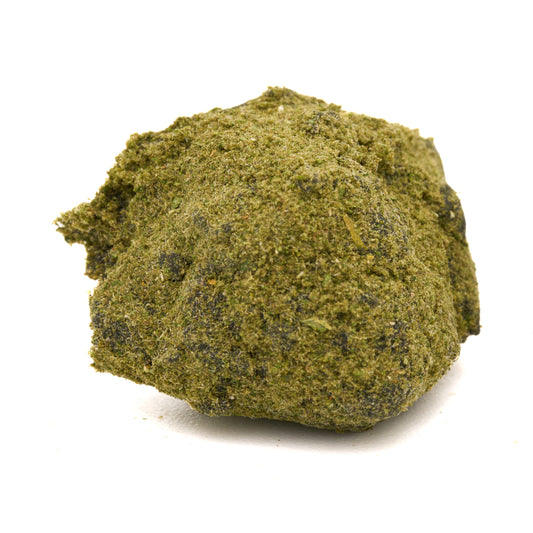
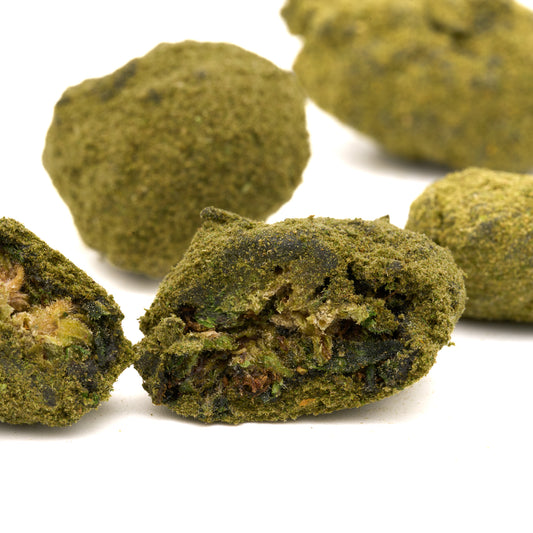
The first pass typically continues for 20–40 sweeping motions, or until visual kief fallthrough decreases significantly. The remaining plant material is set aside. Kief from this first pass alone is "half melt" grade — decent potency, some plant contamination, excellent for pressing into traditional hash, adding to joints, or coating moon rocks.
Stage 3: Additional Passes — Refining Toward Purity
The trichome head separation process continues by taking the kief collected from the first pass and running it through progressively finer screens. This secondary processing removes the plant material that passed through the first screen along with the trichome heads.
First-pass kief is gently placed on a 90–120 micron screen and lightly worked. Purer trichome heads — smaller and lighter than plant fragments — pass through this finer mesh while plant material is held back. The kief collected below this second screen is noticeably purer: lighter in color, stickier when pressed between fingers, and more aromatic.
A third pass through a 73-micron screen produces the highest purity product achievable through dry sift — sometimes labeled full melt or ice wax grade dry sift. The color shifts from blonde toward near-white, the aroma intensifies, and the material becomes extremely fine and powder-like. This is THCA kief in its most refined dry-sift form.
Stage 4: Collection, Labeling, and Storage
Kief from each pass and each screen stage is collected separately from the surface below the screens using a card, scraper, or stiff brush. Cross-contamination between grades is carefully avoided — mixing a 73-micron pass with a 150-micron pass defeats the purpose of multi-stage refinement.
Collected kief is weighed, assigned batch information, and immediately sealed in appropriate storage containers. Airtight glass containers are preferred for storage. Kief exposed to air and light degrades more rapidly — terpenes volatilize, and THCA can begin its slow conversion pathway. Properly stored kief in sealed containers maintained at cool temperatures preserves quality for many months.

Commercial Scale: How Drum Tumblers Work
Hand-sifting is the right approach for small-batch, artisan kief production method applications, but it doesn't scale. Processing meaningful commercial quantities by hand would require impractical amounts of labor and would introduce inconsistency from operator to operator and session to session.
Commercial kief production at scale uses rotating drum tumblers: cylindrical drums with mesh-lined walls of specific micron sizes, driven by motors that rotate the drum continuously. Flower is loaded into the drum, the drum rotates, and the tumbling action causes the same trichome-separation physics as hand sifting — trichome heads separate from plant material and fall through the mesh into a collection tray below.
The advantages of drum tumblers are consistency, volume, and automation. A well-calibrated tumbler running at the right speed, in a properly cooled environment, with appropriate screen size, will produce consistent kief quality batch after batch. Operators monitor the kief collection rate and quality visually, adjusting run time and drum speed to optimize yield and purity.
Temperature control remains equally critical at commercial scale. Many commercial drum systems are enclosed in refrigerated housings or operated inside dedicated cold rooms. The physics don't change with scale — warm trichomes stick and contaminate regardless of whether you're sifting a gram or processing a hundred pounds.
Kief Purity Grades: What the Labels Actually Mean
The kief purity levels in commercial hemp products are not standardized across the industry, but several categories have emerged with broadly understood meanings.
Full Melt (Highest Grade)
Full melt kief is the product of multiple passes through progressively finer screens, with a final screen of 73 microns or finer. The name comes from a quality test: a small quantity of kief is placed on a fine mesh screen and exposed to a flame. If the kief bubbles cleanly and melts completely into the screen without leaving charred plant residue behind, it earns the "full melt" designation. This test directly measures purity — plant material chars and doesn't melt, so full melt behavior indicates that almost no plant material is present.
Full melt dry sift typically tests at 65% THCA or higher, has a near-white to light blonde color, and is suitable for dabbing directly without any further processing. It represents the highest achievable expression of the dry sift extraction method and commands corresponding pricing.
Half Melt / Single-Pass
Half melt kief comes from a single pass or early-stage processing through a coarser screen (120–150 micron). It contains more plant material than full melt and will leave some residue during the melt test — hence "half melt." Potency typically ranges from 40–55% THCA, which is still significantly more potent than raw flower. Half melt kief is excellent pressed into traditional hash, added to joints and bowls, used as a coating on moon rocks, or mixed into other products. It's more widely available and more affordable than full melt, and represents the majority of kief sold commercially.
Pressed Kief / Hash
Not a separate extraction grade, but worth mentioning: kief of any purity can be pressed into traditional hash using heat and pressure. Pressing compacts the trichome heads, ruptures their cell walls slightly, and fuses the material into a more dense, stable form. The quality of the pressed hash depends on the purity of the kief used to make it.
Dry Sift vs. Other Extraction Methods
Understanding dry sift fully means understanding where it sits relative to other hemp concentrate extraction approaches.
Dry Sift vs. Ice Water Hash (Bubble Hash)
Ice water hash uses the same cold-temperature trichome brittleness principle as dry sift but adds water as a medium. Flower is agitated in ice water, trichomes break free and sink, and are then filtered through progressively finer mesh bags. Ice water extraction is generally considered capable of producing higher purity product than dry sift at the top end (full-spectrum bubble hash is extremely pure), but requires more equipment, more processing time, and a drying step that introduces complexity and risk.
Dry sift, by contrast, is fully solventless and waterless, preserves terpenes exceptionally well when done cold, and is faster to execute with less equipment. For many applications — pressing into rosin, making hash, direct consumption — premium dry sift kief is preferred.
Dry Sift vs. Solvent Extraction (BHO, CO₂)
Solvent-based extractions like butane hash oil (BHO) or CO₂ extraction use chemical solvents to dissolve cannabinoids from plant material, then purge the solvent to leave behind a concentrate. These methods can produce very high THCA percentages and are efficient at large scale, but they require expensive equipment, strict safety protocols, and purging steps to eliminate residual solvents. The resulting product — shatter, wax, live resin — has a different character than kief or hash.
Dry sift produces a fundamentally different product: full-spectrum, mechanically separated trichome heads with no solvent contact, no heat degradation of cannabinoids or terpenes, and a flavor and effect profile that many experienced consumers find more complex and nuanced than solvent extracts.
Reading a Kief COA: What to Look For
A certificate of analysis (COA) from a third-party lab is essential for evaluating any THCA kief product. The key figures to understand:
THCA percentage: This is the primary potency indicator. Full melt-grade kief should test 60–80%+ THCA. Half-melt commercial kief typically ranges 40–60%. Anything below 30% in a product labeled "kief" suggests heavy plant contamination or low-quality starting material.
Total THC calculation: Labs calculate total THC as THCA × 0.877 + Delta-9 THC. This matters for Farm Bill compliance. Hemp-derived THCA kief must come from compliant hemp flower (under 0.3% total THC on a dry weight basis in the source material).
Terpene panel: Premium kief COAs include terpene testing. The presence of a rich, diverse terpene panel confirms quality cold processing and quality starting material. Absent terpene data, or very low total terpene percentages, suggests either poor starting material or warm processing conditions that volatilized the aromatics.
Residual solvents: A clean dry sift kief product should show no detectable residual solvents — it's a solventless product. Any solvent detection on a kief COA is a significant red flag.
Microbials and heavy metals: Standard safety panels that any reputable producer will include.
Frequently Asked Questions
How is kief made differently at home versus commercially?
The underlying process is identical — cold temperatures, mechanical agitation, appropriate screen sizes. The differences are scale, consistency, and equipment. Home producers use hand-sifting boxes with one or two screens and chill their flower in the freezer. Commercial producers use refrigerated drum tumblers, dedicated cold rooms, multiple screen sizes, and quality control protocols. The physics of trichome head separation are the same; the execution differs.
What micron screen produces the best kief?
For the highest purity, a 73-micron or finer screen at the final stage produces the best kief. But "best" depends on intended use. For pressing into hash or rosin, a 90–120 micron screen offers better yield without sacrificing too much purity. For direct dabbing, 73 micron and below is the target.
Why does some kief look green and some look blonde or white?
Color is one of the most reliable visual indicators of kief purity levels. Green kief contains significant plant material — chlorophyll, waxes, and other plant compounds that aren't desirable in a concentrate. This results from warm processing temperatures, aggressive agitation, coarse screens, or low-quality starting material. Blonde to near-white kief indicates high trichome head purity with minimal plant contamination and is the target for quality production.
Is THCA kief made from trim or whole flower?
Premium THCA kief is made from whole flower. Trim-run kief is more common in lower-cost commercial products and is generally lower in potency and terpene richness. When evaluating a product, asking whether it's whole-flower or trim-run is a direct quality question.
Does dry sift kief contain any solvents?
No. The dry sift extraction process uses no solvents of any kind — it's entirely mechanical, using only agitation and screen filtration. This makes it one of the cleanest extraction methods available and is a significant advantage for consumers who prefer fully solventless products.
How should THCA kief be stored?
In an airtight glass container, kept in a cool, dark location. Exposure to air, light, and heat degrades both THCA and terpenes over time. Properly stored kief maintains quality for many months. Refrigeration or freezing is appropriate for long-term storage; just allow the container to come to room temperature before opening to prevent condensation from forming on the kief.
What's the difference between full melt and half melt kief?
The distinction comes from the melt test: full melt kief, processed through 73-micron or finer screens via multiple passes, melts completely when flame-tested with no plant residue. Half melt kief, from coarser single-pass processing, leaves some residue. Full melt is suitable for dabbing; half melt is better suited for traditional hash pressing, joints, and bowls. Both are excellent products — the distinction is in purity, potency, and best-use application.
The dry sift extraction process is, at its core, remarkably elegant: use cold temperatures to make trichomes brittle, use mechanical agitation to separate them from plant material, and use progressively finer mesh screens to refine that separation toward pure trichome heads. The complexity — and the quality differentiation — lives in the execution. Starting material selection, temperature discipline, agitation technique, screen sequencing, and storage all determine whether you end up with exceptional full-melt kief or mediocre green powder.
That's the knowledge that matters when you're evaluating THCA kief as a buyer. Color, COA numbers, starting material transparency, purity grade labeling — these are the markers of a producer who understands and respects the process.
