





Is CBD Legal to Ship Across State Lines in 2026?

If you've ever ordered CBD online or run a hemp ecommerce business, you've probably asked this question: can you actually ship CBD across state lines without running into legal trouble? It's one of the most searched questions in the hemp industry — and for good reason. The answer affects millions of consumers, thousands of small businesses, and a CBD market that now generates billions in annual revenue through online sales.
The short answer: shipping CBD legally across state lines is federally permitted in 2026. The longer answer involves carrier policies, destination-state rules, documentation requirements, and a few stubborn gray areas that every hemp brand and informed consumer needs to understand. This guide covers all of it — from the federal legal foundation to practical tips for keeping your shipments compliant.
The Federal Foundation: Why Interstate Hemp Shipping Is Legal
To understand CBD interstate commerce in 2026, you have to start with the 2018 Farm Bill — the piece of legislation that fundamentally changed the legal status of hemp in the United States.
Before 2018, hemp was classified the same as marijuana under the Controlled Substances Act (CSA), meaning it was a Schedule I substance and moving it across state lines was a federal crime regardless of intent. The 2018 Farm Bill removed hemp from the CSA entirely, reclassifying it as an ordinary agricultural commodity. The key distinction: hemp is defined as Cannabis sativa with no more than 0.3% delta-9 THC on a dry weight basis. Any cannabis plant below that threshold is legally hemp, not marijuana, and is treated like any other farm crop under federal law.
This reclassification had enormous downstream consequences. Once hemp was legal to grow and process, it also became legal to transport in commerce — including across state lines. The USDA confirmed this interpretation in its hemp program rulemaking, and that position has been affirmed in the years since. As of 2026, the question of is it legal to ship CBD derived from hemp has a clear federal answer: yes, provided the products comply with federal hemp standards.
The 2026 Farm Bill reauthorization further solidified this framework. While debates continue over certain cannabinoids and labeling requirements, the core principle — that hemp-derived CBD produced under a compliant state or federal hemp program can move freely in interstate commerce — remains intact.
This means a brand operating out of Oregon can legally sell and ship hemp flower, CBD oil, CBD gummies, tinctures, capsules, and topicals to customers in Florida, New York, Texas, or anywhere else in the country. Shipping hemp across state lines is no longer a legal gray zone under federal law. It's a normal commercial activity — with some important caveats.
Can You Mail CBD Through USPS in 2026?
The United States Postal Service occupies a unique position in this conversation because it's a federal agency. That means USPS is bound by federal law — which includes both the federal legalization of hemp and the continued federal prohibition of marijuana. This dual reality shapes USPS's approach to hemp CBD shipments in very specific ways.
In 2019, USPS issued a final rule confirming that USPS CBD shipping of hemp-derived products that comply with the 2018 Farm Bill is permitted. This was a significant development — prior to that rule, the legality of mailing hemp CBD through the postal service was genuinely uncertain, and many brands were avoiding USPS entirely.
In 2026, USPS permits CBD mail order legal shipments under the following conditions:
The product must be produced under a compliant hemp program. This means it was grown and processed under a USDA-licensed hemp program or an approved state or tribal hemp program. Products produced outside a licensed program — even if their THC content is below 0.3% — don't qualify for legal mailing through USPS.
Documentation must be available. Shippers must be able to provide documentation confirming the hemp's legal status upon request. In practice, this means having a current Certificate of Analysis (COA) from an accredited, DEA-registered laboratory that confirms the product's cannabinoid profile and delta-9 THC content. The COA should be available with the shipment or accessible for inspection.
Compliance with origin and destination state laws is required. USPS doesn't just look at federal law — it also requires compliance with applicable state laws at both ends of the shipment. If a state has specific labeling requirements for incoming hemp CBD products, those requirements apply.
USPS absolutely prohibits mailing marijuana. Even in states where recreational or medical marijuana is fully legal, you cannot mail marijuana products — including marijuana-derived CBD — through USPS. Because USPS is a federal agency operating under federal law, marijuana's Schedule I status still applies. Hemp CBD and marijuana-derived CBD may look identical in some forms, which is precisely why documentation matters so much.
Best practices for USPS hemp shipments:
- Include a printed copy of the product's COA inside each package
- Use clear, accurate labeling that identifies contents as hemp-derived CBD
- Keep a copy of the hemp program license under which the product was produced
- Never write anything misleading on the shipping label or in the package
Can You Ship CBD via FedEx or UPS in 2026?
Private carriers like FedEx UPS CBD shipping have their own policies that exist alongside — but separate from — federal postal rules. These policies have evolved considerably since 2018, and as of 2026, most major private carriers do accept hemp-derived CBD shipments under specific conditions.
FedEx
FedEx officially permits shipments of hemp-derived CBD products that comply with the 2018 Farm Bill and applicable state and federal law. However, FedEx has historically been particularly cautious about smokable hemp flower, which is visually indistinguishable from marijuana to anyone who can't chemically test it. Some FedEx regional hubs have flagged or delayed hemp flower shipments even when proper documentation was present.
For FedEx shipments, best practices include being fully transparent on the waybill, having COAs readily accessible, and using packaging that doesn't create confusion about the nature of the product.
UPS
UPS updated its shipping guidelines following the 2018 Farm Bill to permit hemp CBD shipments in states where hemp is legal. UPS requires shippers to certify their compliance with applicable laws and reserves the right to inspect or return packages they believe may contain marijuana or non-compliant hemp. Like FedEx, UPS has faced internal inconsistencies at the hub level, where individual facilities may apply policies differently.
DHL
For domestic U.S. shipments, DHL generally permits hemp CBD under the same framework as FedEx and UPS — compliance with federal and state law, proper documentation, and accurate labeling.
Practical advice for private carrier shipments:
The key with any private carrier is to treat compliance as proactive rather than reactive. Mailing CBD oil or hemp flower through private carriers requires transparency. Don't obscure the nature of your product; that creates suspicion. Instead, lean into documentation. A clearly labeled package with an enclosed COA communicates legitimacy far more effectively than vague or evasive labeling.

State-by-State Complications: Does the Destination State Matter?
Here's where hemp shipping laws 2026 get more complicated. Federal law creates a national floor for hemp shipments, but states retain significant authority over hemp products entering their borders. The result is a patchwork of destination-state rules that any serious CBD brand needs to track.
States With Stricter Standards
Idaho remains the most notable example of a state with hemp restrictions more stringent than federal law. Idaho has historically required that all hemp products contain absolutely zero detectable THC — not the federal 0.3% threshold, but 0.0%. Products that are fully compliant under federal standards may fail Idaho's zero-THC requirement. Interstate hemp shipment to Idaho has historically carried elevated legal risk as a result.
Other states have at various points imposed specific restrictions on smokable hemp flower, edibles with CBD, or products that fall into regulatory gray areas between hemp and marijuana. These restrictions change as state legislatures update their hemp programs, so what was prohibited in 2023 may be fully legal in 2026 and vice versa.
States With Adult-Use Cannabis Laws
In states where recreational marijuana is legal — Oregon, Colorado, California, Washington, and others — incoming hemp CBD shipments are generally treated without issue. In fact, these states tend to have the most developed regulatory infrastructure for cannabis-adjacent products. However, some adult-use states have imposed specific packaging, labeling, or testing requirements for hemp-derived products sold within their borders that go beyond federal minimums.
States With Rapidly Changing Laws
Hemp and cannabis legislation is among the most actively evolving areas of American law. Several states that previously had restrictive hemp policies have liberalized significantly in recent years. Others have moved in the opposite direction in response to concerns about high-potency hemp-derived cannabinoids like THCA and delta-8 THC.
The practical takeaway: Before expanding your brand into a new state market, do current-state research on that state's hemp program rules and any specific requirements for incoming CBD products. What was true six months ago may not be true today.

Can You Send CBD in the Mail as an Individual Consumer?
The rules that govern commercial CBD shipping also apply, broadly, to individual consumers. If you've purchased hemp CBD products legally online and you want to can you send CBD in the mail to a family member in another state, the same federal framework applies: hemp-derived CBD that meets the 0.3% delta-9 THC standard is federally legal to ship, whether the shipper is a brand or an individual.
In practice:
- Use USPS or a compliant private carrier
- Ship only properly labeled, hemp-derived CBD products
- Keep quantities consistent with personal use
- Include or have access to documentation of the product's hemp-derived status
- Never mail marijuana-derived CBD, regardless of its legality in either state
Personal-to-personal transfers of compliant hemp CBD are unlikely to attract federal attention when quantities are personal-use in scale and products are clearly hemp-derived. That said, the legal framework is the same — compliance with the 2018 Farm Bill standards is what determines legality, not who's doing the shipping.
CBD Delivery Legal Framework for Ecommerce Brands in 2026
For hemp brands running online stores, CBD ecommerce shipping has matured significantly. What was once a minefield of uncertain carrier policies and conflicting state rules is now a more navigable compliance landscape — but it still requires active management.
Here's what a compliant CBD ecommerce shipping operation looks like in 2026:
Maintain batch-level COAs for every product. Your lab documentation isn't just a legal requirement — it's your primary protection if a shipment is ever questioned. COAs should come from DEA-registered, ISO-accredited laboratories and should show a full cannabinoid panel, not just total THC. Keep these current; a COA from two years ago on a new product batch creates compliance gaps.
Build compliant labeling into your product workflow. Every product you ship should be labeled with the hemp-derived CBD content per serving, your business name and contact information, a statement that the product contains hemp-derived cannabinoids, and a disclaimer about FDA regulatory status. Labeling compliance isn't separate from shipping compliance — they're part of the same legal picture.
Know which states you can ship to and any destination-specific rules. Maintain an internal map of state restrictions. Build a review process to update it quarterly. A state that was a green-light market last year may have passed new hemp legislation since then.
Train your shipping team. Every person who handles outbound shipments at your business should know what compliant packaging looks like, what documentation to include, and what to do if a carrier questions a package.
Work with shipping partners who know hemp. Not every third-party logistics (3PL) provider is experienced with hemp CBD. Choose logistics partners who understand hemp compliance and can handle documentation correctly.
Shipping Hemp Flower Specifically: Additional Considerations
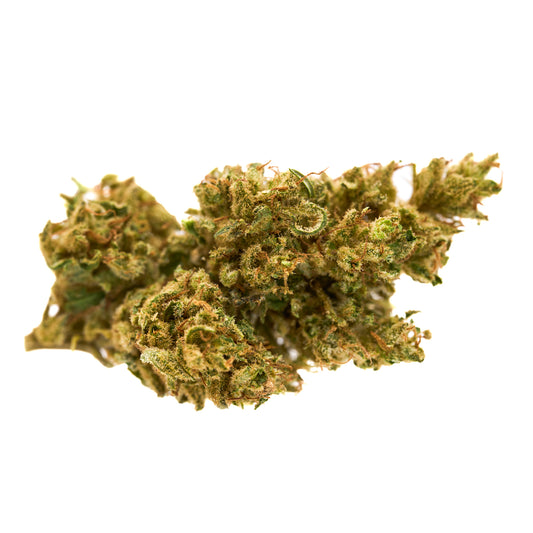
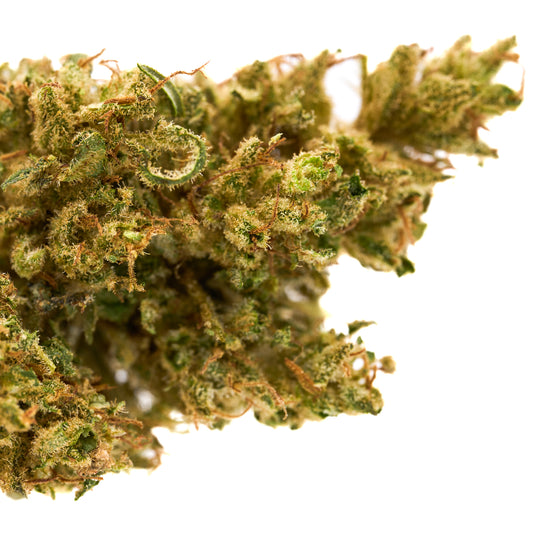
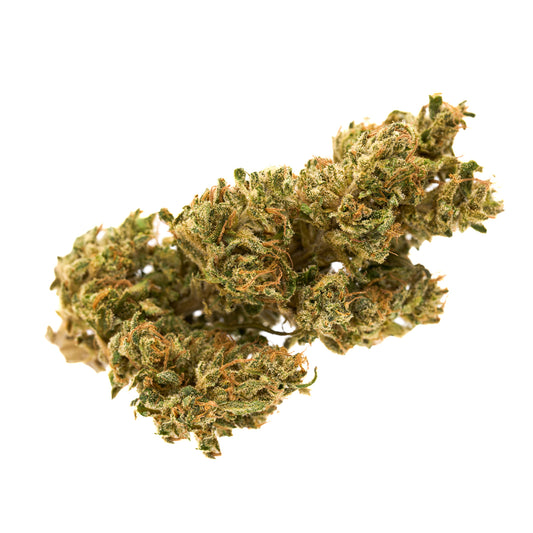
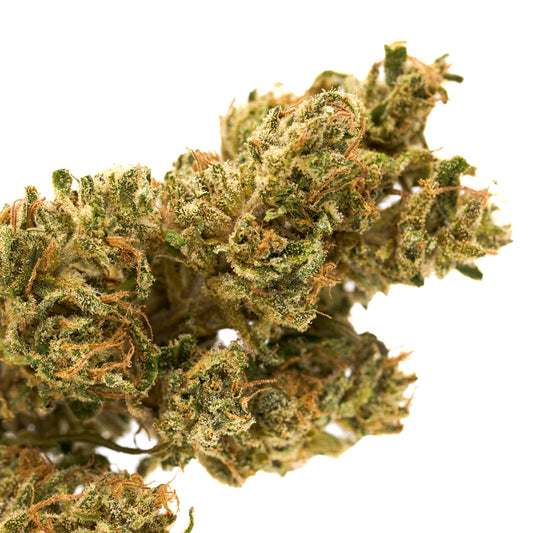
Of all the CBD product types, shipping hemp flower legally deserves special attention. Hemp flower — the dried, cured bud of the hemp plant — is physically identical to marijuana flower. It has the same appearance, smell, and texture. This creates a specific challenge for carriers and law enforcement that doesn't apply to CBD oil, gummies, or topicals.
Carriers cannot smell or look at a hemp flower package and confirm compliance. That's why documentation is even more critical for hemp flower shipments than for other CBD formats. A clear COA showing delta-9 THC below 0.3% is essential. Some brands include their COA as a printed insert inside every hemp flower order.
Hemp flower has also been the target of more carrier scrutiny than other product types. FedEx and UPS have, at various points, declined or returned hemp flower shipments even from compliant brands. USPS's acceptance of hemp flower is generally more consistent when documentation accompanies the shipment.
If you're a consumer purchasing hemp flower online from a reputable brand, the brand's compliance practices — their COAs, their licensed hemp sources, their packaging — are what determine whether your order ships cleanly. Choosing brands that are transparent about their testing and licensing is the smartest consumer move.
What Happens If a CBD Shipment Is Intercepted?
Even with full compliance, CBD delivery legal challenges can arise. Hemp flower shipments in particular have occasionally been seized by state law enforcement — sometimes at mail processing facilities, sometimes during routine drug enforcement operations — even when the products inside were fully compliant with federal law.
If a compliant hemp CBD shipment is seized or detained:
- Produce documentation immediately. A current COA from a DEA-registered laboratory is your first and most important defense. It demonstrates that the product contains less than 0.3% delta-9 THC and was produced under a compliant hemp program.
- Contact your state hemp program. Your state's department of agriculture hemp program administrator can provide guidance and, in some cases, direct confirmation to law enforcement that your product is legal hemp.
- Document everything. Keep records of the shipment, the carrier tracking information, any communications from law enforcement, and all product documentation.
- Consult a hemp-experienced attorney. If a seizure results in any legal action, work with an attorney who has experience in hemp and agricultural law, not just general criminal defense.
Seizures of compliant hemp happen — often because of confusion between hemp and marijuana at the law enforcement level rather than any actual violation. Proper documentation is what converts a potentially alarming situation into a resolvable one.
Can You Mail CBD Internationally? A Brief Overview
International CBD shipping is a separate and significantly more complex topic than domestic interstate shipments. Hemp-derived CBD is legal in many countries but remains strictly prohibited in others. Even where CBD is technically permitted, customs regulations and import restrictions vary dramatically.
Countries that have generally permitted hemp CBD imports include most of the EU (with specific labeling and THC requirements), Canada, the UK, and Australia (with prescription requirements for certain products). Countries with strict prohibitions include many in Asia, the Middle East, and parts of Eastern Europe where CBD is treated as a controlled substance regardless of its hemp origin.
Most U.S. hemp brands choose not to ship internationally for these reasons:
- Seizure risk is high in many markets
- Customs regulations are complex and change frequently
- Carrier policies for international hemp CBD vary significantly
- Liability exposure for seized international shipments is substantial
If you're considering international hemp CBD shipping, consult with trade attorneys who specialize in agricultural exports and cannabinoid regulations in your target markets.
FAQ: Hemp & CBD Shipping in 2026
Q: Is hemp-derived CBD legal to ship across state lines in 2026? Yes. Under federal law, hemp-derived CBD products that comply with the 2018 Farm Bill — meaning delta-9 THC at or below 0.3% on a dry weight basis — can be shipped across state lines. The 2026 Farm Bill reaffirmed this framework.
Q: Can USPS legally deliver CBD products? Yes, with conditions. USPS permits mailing of hemp-derived CBD produced under a compliant hemp program, with documentation available confirming the product's legal hemp status. Marijuana-derived CBD cannot be mailed through USPS under any circumstances.
Q: Do FedEx and UPS accept hemp CBD shipments? Generally yes, for hemp-derived CBD that complies with federal and state law. Both carriers require shippers to certify compliance and reserve the right to inspect or return packages. Hemp flower can face additional scrutiny at some carrier hubs.
Q: What documentation do I need to ship CBD? At minimum: a current Certificate of Analysis (COA) from a DEA-registered, accredited lab confirming a compliant cannabinoid profile; documentation linking the product to a licensed hemp program; and accurate, compliant product labeling.
Q: Are there states where CBD shipments could be seized? Yes. Idaho has historically maintained a zero-THC standard stricter than federal law, creating elevated risk for incoming hemp CBD shipments. Other states may have specific restrictions on smokable hemp flower or CBD-infused edibles. Always verify destination-state rules before shipping.
Q: Can I personally mail hemp CBD to a friend in another state? Generally yes, if the product is legally produced hemp-derived CBD, properly labeled, and you comply with carrier policies. Keep quantities personal-use in scale and include or have access to documentation of the product's hemp-derived status.
Q: What happens if my CBD shipment is seized? Produce your COA and hemp program documentation immediately. Contact your state hemp program administrator. Document everything and consult a hemp-experienced attorney if needed. Compliant hemp CBD that is properly documented can typically be recovered.
Q: Does delta-9 THCA hemp flower face different shipping rules than CBD oil? Smokable hemp flower — including THCA flower — faces more practical scrutiny from carriers because it's visually identical to marijuana. The legal framework is the same (0.3% delta-9 THC compliance under the Farm Bill), but documentation is even more critical for flower shipments. Some carriers apply stricter judgment to flower than to oils or edibles.
Q: Can CBD brands ship nationwide without registering in each state? Federal hemp law does not require state-by-state seller registration for interstate CBD commerce. However, destination-state labeling, testing, or import requirements may apply, and some states have registration requirements for hemp product sellers operating within their markets. Check destination-state requirements separately from shipping law.
Q: How has the 2026 Farm Bill changed CBD shipping rules? The 2026 Farm Bill reauthorized the federal hemp framework established in 2018, affirming that compliant hemp-derived products can move in interstate commerce. Some new provisions address labeling, cannabinoid-specific standards, and consumer protections, but the core interstate shipping framework remains intact.
Final Thoughts: Navigating CBD Shipping in 2026
Shipping hemp across state lines has moved from legal uncertainty to a well-established commercial practice over the past several years. The federal framework is clear, carrier policies have matured, and the documentation standards are well understood. For both brands and consumers, 2026 offers a more navigable CBD shipping environment than at any point in the hemp industry's post-Farm Bill history.
That said, compliance still requires active attention. Destination-state rules continue to vary. Carrier policies can be applied inconsistently at the regional hub level. Hemp flower continues to face additional scrutiny because of its visual similarity to marijuana. And hemp law continues to evolve, with the 2026 Farm Bill introducing new provisions that brands need to track.
The businesses and consumers who navigate this landscape most successfully are the ones who treat compliance as an ongoing practice rather than a one-time checkbox. Maintain your documentation. Know your destination states. Stay current on carrier policies. And source your hemp CBD from brands that prioritize transparency, licensing, and third-party lab testing.
Looking for premium hemp-derived CBD products from a licensed, fully compliant Oregon hemp operation? Explore our full collection and experience the difference that rigorous compliance and quality standards make in every product we ship.
