




How Are CBD Moon Rocks Made? A Step-by-Step Breakdown

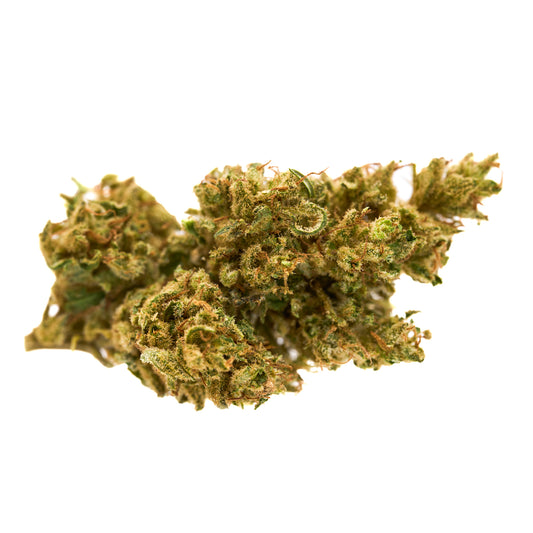
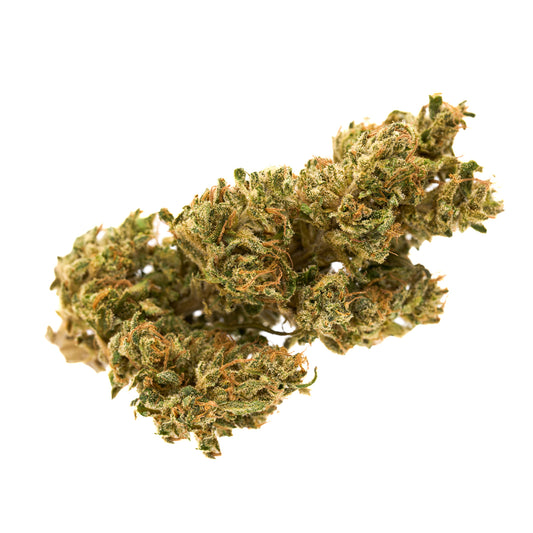
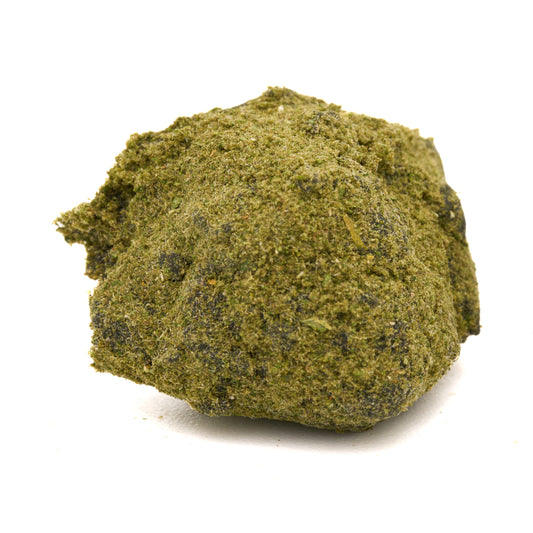
CBD moon rocks look like something between a nugget of hemp flower and a small asteroid — dense, sticky, and coated in a pale powder that makes them look almost otherworldly. Pick one up and you'll notice the weight immediately. The surface is soft and powdery, the structure underneath is firm, and the whole thing has an aroma so concentrated it borders on overwhelming in the best possible way.
But despite their unusual appearance and near-mythological reputation among hemp enthusiasts, the process behind how CBD moon rocks are made is more straightforward than you might expect. It's essentially three high-quality hemp products — flower, concentrate, and kief — combined into one through a careful, layered assembly process that rewards attention to detail at every stage.
What makes the difference between a mediocre moon rock and an exceptional one isn't a secret formula or proprietary technology. It's the quality of the inputs and the care taken during production. And once you understand the CBD moon rocks process from start to finish, you'll understand exactly what to look for — and what to avoid — when you're shopping for them.
Here's exactly how it works.
What Are CBD Moon Rocks?
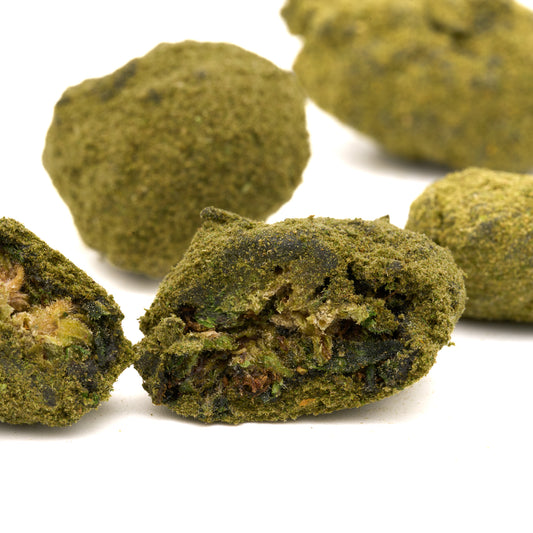
Before breaking down the production process, it helps to understand what a CBD moon rock actually is. At its simplest, a moon rock is a hemp flower bud that has been coated in hemp concentrate and then rolled in kief. That three-layer construction — flower, concentrate, kief — is what makes moon rocks one of the most potent and sensory-rich hemp products available.
The name comes from the visual similarity to lunar surface material. The kief coating gives the finished product a dusty, pale, almost cratered appearance that's unmistakable. But "moon rock" has also come to describe a product category defined by its elevated cannabinoid content and premium positioning.
Moon rocks were originally a concept from the cannabis world, where they became famous for delivering extremely high THC concentrations. The hemp industry adopted the format and applied it to high-CBD flower, creating a product that delivers a more intense CBD experience than loose flower alone could provide. The combination of cannabinoids from all three layers — each contributing its own concentration of CBD, minor cannabinoids, and terpenes — creates an entourage effect that distinguishes moon rocks from standard hemp products.
Understanding CBD moon rocks production also helps consumers evaluate what they're paying for. Moon rocks cost more than plain hemp flower, and they should — because when made correctly, they contain significantly more cannabinoids per gram and require meaningfully more input material and labor per unit than anything else on the shelf.

Step 1: Selecting the Base Flower
Everything starts with the hemp flower bud. Not just any flower will do — the base bud for a moon rock needs to meet a higher standard than what a producer might use for loose flower sales, because its quality directly influences every aspect of the final product.
What Producers Look for in a Base Bud
Cannabinoid density. The base flower should carry high CBD content — typically 15–22% or higher before any coating is applied. Because the concentrate and kief layers will substantially increase the total cannabinoid concentration of the finished moon rock, starting with a high-potency base multiplies that effect. A low-potency base flower produces a moon rock that underperforms even after coating.
Structural integrity. Moon rocks get handled multiple times during production — coated, rolled, set, packaged, and then handled again by the end consumer. The bud needs to hold together throughout all of that. Dense, compact flower with tight internal structure survives the process without falling apart. Loose, airy, or popcorn-grade flower tends to crumble during rolling and creates an uneven final product.
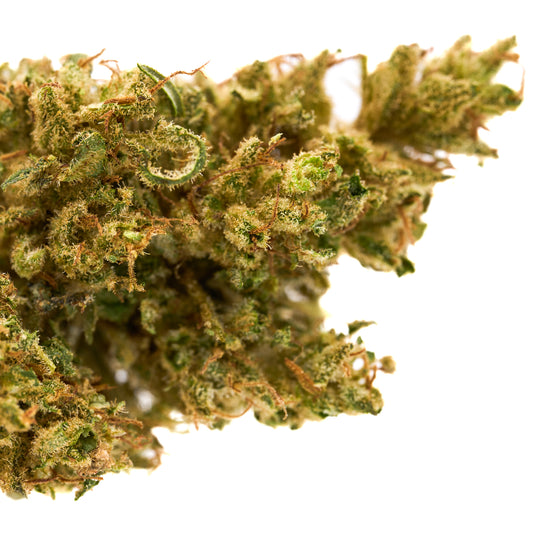
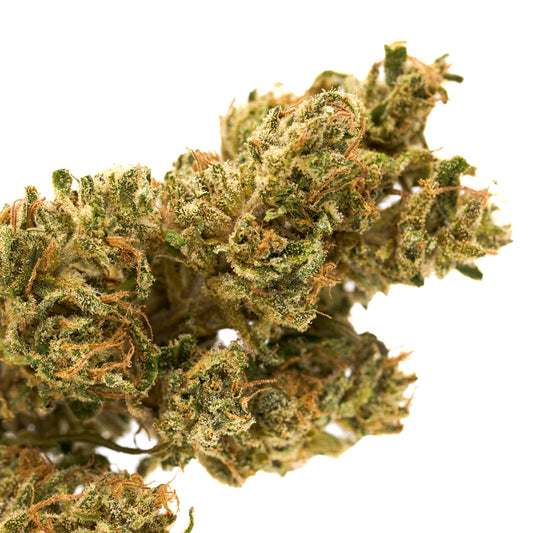
Trichome development. A bud with well-developed trichome coverage provides better adhesion for the concentrate layer. The natural resinous surface of a properly matured bud creates a foundation the concentrate can bond to, rather than running off or pooling at the base.
Terpene complexity. The base flower's terpene profile carries through to the finished moon rock. Since all three layers contribute terpenes to the final aroma and flavor profile, starting with a flower that has complexity and depth — not just a single-note smell — results in a finished moon rock with a more layered sensory experience.
Clean appearance. A quality base flower should be free of excessive stems, seeds, and leaf material. What looks like filler in a bag of loose flower becomes an obvious flaw once the bud is coated and displayed as a finished product.
Why Strain Selection Matters
The strain of the base flower determines the moon rock's fundamental effect profile, aroma, and flavor direction. Producers who are serious about their product will name the specific strain they're using — Sour Space Candy, Cherry Wine, Special Sauce, Bubba Kush CBD, Lifter, Hawaiian Haze — rather than using unnamed trim or undifferentiated flower as a filler.
Unnamed or unspecified base flower is a red flag. It usually indicates either low-quality input material or a lack of batch consistency. If a producer can't tell you what strain the flower is, they probably can't tell you much else about the product's origin either.
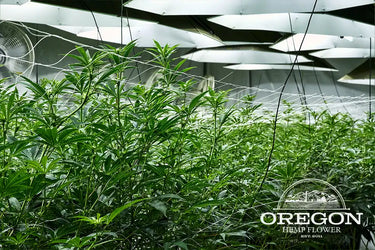
Indoor-grown flower is most commonly used for premium moon rocks because of its density, trichome development, and consistent sizing. Some producers use greenhouse-grown flower for mid-tier products, and outdoor-grown flower for the most affordable tiers. The growing environment affects the flower's density and trichome expression, which both affect how the moon rock performs during and after the coating process.
Step 2: Preparing the Hemp Concentrate
The second component of the moon rock is the hemp concentrate that binds the kief layer to the base flower. This is the ingredient that most sharply differentiates budget moon rocks from premium ones, because the type and quality of concentrate used has a direct effect on flavor, potency, and the overall experience.
For producers who operate vertically integrated hemp operations, this means producing the concentrate in-house using extraction equipment. For others, it means sourcing concentrate from a trusted extraction partner whose product meets their quality standards.
Common Concentrate Types Used in Moon Rock Production
CBD Distillate
Distillate is a highly refined extract that has been processed through distillation to remove most plant material, producing a concentrated oil that is extremely high in CBD but relatively low in terpenes and minor cannabinoids. Distillate is nearly odorless and tasteless on its own, which makes it useful for moon rock production because it doesn't dramatically alter the aroma profile of the base flower — the flower and kief terpenes can come forward without being masked.
Distillate is the most commonly used concentrate for mass-market moon rocks. It's stable, consistent, and easy to work with because its viscosity can be precisely controlled through gentle heating.
Full-Spectrum Hemp Oil
Full-spectrum extract preserves the complete range of cannabinoids and terpenes present in the original hemp plant — CBD, CBG, CBC, CBN, trace delta-9 THC within legal limits, and the dozens of aromatic terpene compounds that give each strain its distinctive character. Using full-spectrum oil in the concentrate layer adds to the entourage effect and contributes additional flavor complexity to the finished product.
Moon rocks made with full-spectrum concentrate are generally considered a more premium option. They have a more complex, recognizable hemp flavor and deliver a broader cannabinoid experience than distillate-coated products.
Live Resin
Live resin is made from freshly frozen hemp plant material rather than dried and cured flower. Because the plant material is frozen immediately after harvest — before any drying or curing can degrade the terpene compounds — live resin captures a significantly higher terpene content than other extraction methods.
Moon rocks coated in live resin are among the most flavorful and terpene-rich hemp products on the market. The aroma is intense, fresh, and remarkably close to what the original living plant smelled like. They're also more expensive to produce, which is reflected in retail pricing.
CO2 Extract
CO2 extraction uses supercritical carbon dioxide as the solvent to pull cannabinoids and terpenes from plant material. The method produces a clean extract with good terpene preservation and no residual solvent concerns, since CO2 evaporates completely from the final product. CO2 extract is a solid mid-range option that offers a better terpene profile than distillate with a lower cost than live resin.
Rosin
Solventless rosin, made by pressing hemp flower or hash under heat and pressure to extract the resin, is increasingly popular among craft producers and consumers who prefer to avoid solvent-based extraction entirely. Rosin used as a moon rock coating provides a rich, full-spectrum profile with no solvent residue concerns. It's labor-intensive to produce at scale, which limits its use to smaller-batch, artisan producers.
Preparing the Concentrate for Application
Regardless of the concentrate type selected, it needs to be prepared for coating application before it can be applied to the flower. Most hemp concentrates — particularly distillate and full-spectrum oil — are quite thick and viscous at room temperature, which makes even application difficult.
The standard approach is to warm the concentrate gently, typically using a double boiler or low-temperature warming device, until it reaches a fluid consistency that will spread evenly across the surface of the bud without pooling or running off. The goal is a viscosity similar to warm honey — fluid enough to coat, thick enough to stay in place.
Step 3: Coating the Bud
With the flower bud selected and the concentrate prepared, the coating process begins. This is where craft and attention to detail matter most, because uneven coating produces an uneven final product — both visually and in terms of performance.
How the Coating Is Applied
Artisan/small-batch production: Craft producers typically coat moon rocks individually, using a brush, dropper, or small tool to apply concentrate directly to the surface of each bud. The bud is held in place — often with a toothpick or small skewer to avoid contaminating the finished surface with fingerprints — while the concentrate is applied methodically across the entire exterior.
This method is slow, but it allows precise control over coating thickness and distribution. A skilled producer can coat dozens of buds per hour individually, ensuring each one meets the same visual and quality standard.
Commercial/larger-batch production: Some commercial producers use a tumbler or rotation system where buds and a measured amount of warm concentrate are combined in a rotating chamber that evenly distributes the coating through continuous movement. Done correctly, this produces consistent results at higher volume. Done poorly, it produces buds with thick spots and bare patches.
What a Good Coating Looks Like
The concentrate layer should be thick enough to hold the kief in place and contribute meaningfully to the product's cannabinoid content, but not so thick that the moon rock becomes impossible to break apart, burns poorly, or feels more like wax candy than hemp flower.
A properly coated moon rock is tacky to the touch — not soaking wet, not dry. The underlying flower structure should be visible through a coating that's opaque but not plastered. If you can't see any hint of the bud beneath the coating, it's likely been over-applied. If the coating looks thin or patchy, it hasn't been applied well enough to hold the kief layer properly.
The coating should be applied quickly once the concentrate is warmed. As it cools, the viscosity increases and application becomes more difficult, leading to uneven results. This is why experienced producers work in small batches — coating, rolling in kief, and setting each batch before moving to the next.
Step 4: Rolling in Kief
Immediately after coating, while the concentrate is still warm and maximally adhesive, the bud is rolled in — or pressed with — kief. Timing matters here. If the concentrate begins to cool and firm before the kief is applied, adhesion weakens and the kief layer will be thin, patchy, or prone to falling off.
What Is Kief?
Kief is the trichome heads that have been mechanically separated from hemp flower — typically by sifting dried, cured flower over fine mesh screens. The trichome heads are the site of cannabinoid and terpene biosynthesis in the hemp plant, which means kief is the most concentrated and resinous portion of the plant that can be mechanically separated without using solvents.
Quality hemp kief can contain anywhere from 40–60% CBD or higher, along with concentrated levels of minor cannabinoids and terpenes. Because it's so potent relative to whole flower, even a relatively thin coating of kief adds meaningful cannabinoid content to the finished moon rock.
The consistency of kief ranges from a fine, pale powder to a slightly clumpier material depending on how it was collected and what mesh size was used. Finer kief — produced through smaller mesh screens — tends to coat more evenly and creates the classic pale, frost-like appearance associated with premium moon rocks.
The Rolling Process
The concentrate-coated bud is either placed into a shallow container of kief and rotated gently by hand, or kief is pressed onto the surface of the bud manually, working around the entire exterior until coverage is complete.
The goal is an even, complete outer layer that leaves no bare patches and gives the finished moon rock its characteristic frosty appearance. Any areas where the kief hasn't adhered properly will be visible as dark spots on the surface — a sign of either insufficient concentrate coverage or kief applied after the concentrate had already cooled too much.
Quality producers use their own kief, derived from the same strain as the base flower or from a carefully selected complementary strain. Using matching or complementary kief maintains consistency in the flavor and cannabinoid profile of the final product. Using whatever kief is cheapest and most available is a shortcut that shows up in the finished product's aroma and flavor.

Step 5: Curing and Quality Control
After the kief layer is applied, making CBD moon rocks isn't quite finished. The fresh-made moon rocks need time to set before they're handled for packaging or shipping.
The Setting Process
Moon rocks are typically placed on a non-stick surface in a cool, dry environment immediately after rolling. As they cool to ambient temperature, the concentrate layer firms up from its warmed application state, bonding more tightly with both the flower surface below and the kief coating above. This setting process typically takes anywhere from a few hours to overnight depending on the concentrate type and the ambient environment.
Rushing this step produces moon rocks with a kief layer that sheds easily during handling — a common complaint about budget products. Well-set moon rocks have a kief coating that holds firmly in place even after reasonable handling, though they'll still leave residue on fingers and packaging, which is expected.
Third-Party Lab Testing
This is the step that separates trustworthy producers from everyone else. Before any batch of moon rocks goes to market, responsible producers send samples to an independent, accredited third-party laboratory for a full certificate of analysis (COA).
A complete COA for CBD moon rocks should confirm:
- Total CBD content — the actual percentage by dry weight
- Full cannabinoid profile — including CBG, CBC, CBN, and other minor cannabinoids
- Delta-9 THC compliance — confirmed at or below 0.3% by dry weight to maintain federal hemp compliance under the Farm Bill
- Pesticide screening — confirmation that no prohibited pesticide residues are present
- Heavy metals panel — testing for lead, arsenic, cadmium, and mercury
- Residual solvents — particularly relevant for products using concentrate made with hydrocarbon or CO2 extraction
- Microbial safety — screening for pathogenic bacteria and mold
Without a COA linked to a specific batch number, there is no independent verification of what the product actually contains. Potency claims on packaging are meaningless without third-party lab confirmation, and Farm Bill compliance can't be assumed without testing.
Step 6: Packaging
The final step in CBD moon rocks production is packaging — and it matters more than it might seem.
Moon rocks are vulnerable products. The kief layer can be damaged by rough handling. The concentrate is susceptible to oxidation from air exposure. Both the cannabinoids and terpenes degrade faster when the product is exposed to light, heat, or moisture. Proper packaging isn't just about presentation — it's about preserving everything that makes the product valuable.
What Good Packaging Looks Like
Airtight glass jars are the standard for premium moon rocks, and for good reason. Glass doesn't interact chemically with the product the way some plastics can. Airtight seals prevent oxidation and moisture ingress. And glass jars protect the delicate kief layer from the physical damage that flexible packaging would cause.
Opaque or amber glass provides additional protection against light degradation. Clear glass jars are fine for short-term storage and retail display, but amber glass offers better long-term potency preservation.
Humidity control — some producers include a small humidity control pack in the jar to maintain the ideal moisture level for the flower component of the product without causing the concentrate layer to become too fluid.
Labeling requirements for compliant hemp products include: the batch or lot number, the strain name, the total cannabinoid percentages (confirmed by lab testing), the net weight, and a QR code or URL linking to the associated COA. If any of this information is missing from the label, that's a gap in the producer's accountability to the consumer.
Can You Make CBD Moon Rocks at Home?
Understanding how moon rocks are made hemp style naturally raises the question of whether the process can be replicated at home — and the short answer is yes, with caveats.
If you have a quality CBD flower bud, a small amount of CBD distillate or hemp oil, and enough collected kief (saved from a grinder's kief catcher over time), you can replicate the core process at home. The steps are the same: gently warm the oil, coat the bud evenly, roll in kief while the oil is still warm, and allow to set.
The practical challenges are viscosity control (concentrate needs to be warm enough to coat without burning off terpenes), kief volume (most consumers don't accumulate enough kief quickly for meaningful coating), and consistency. Home moon rocks are a fun project and work perfectly well for personal use. They just won't have the consistency, verified potency, or third-party tested safety of a professionally produced product.
How to Use CBD Moon Rocks
Once you understand how moon rocks are made hemp style, using them well requires a few practical adjustments from how you'd approach standard hemp flower.
Break them apart carefully. Moon rocks shouldn't be ground in a standard herb grinder — the kief and concentrate will stick to the grinding chamber and teeth, wasting significant product. Use scissors or your fingers to break moon rocks into small pieces directly into your smoking device or rolling paper.
Use a pipe or bong. Moon rocks don't burn evenly on their own, so they work best when layered with a small amount of loose hemp flower that provides a consistent burn structure. Pack a layer of plain flower first, add your moon rock pieces on top, and light the flower layer to carry the burn through the moon rock material.
Start slow. The combined cannabinoid concentration of a properly made moon rock is significantly higher than standard flower. If you're new to moon rocks, use less than you think you need and wait to assess before using more.
Store correctly. Keep moon rocks in an airtight glass container, away from heat and direct light. They can be refrigerated but should be allowed to come to room temperature before use to prevent condensation damage to the kief layer.
What Sets Premium Moon Rocks Apart
Not all moon rocks are made the same way, and the difference in quality between producers is significant. Here's what actually separates premium CBD moon rocks production from lower-tier alternatives:
Named strain flower. Premium moon rocks use identified, named strains with verifiable genetics. Budget moon rocks often use unspecified trim or low-grade flower that doesn't justify a strain name.
Concentrate quality. The type and quality of concentrate used is one of the biggest differentiators in the final product. Full-spectrum oil and live resin produce a richer, more complex experience than low-grade distillate.
In-house or verified kief source. Using kief from the same or complementary strain as the base flower maintains terpene coherence across all three layers. Random or unnamed kief degrades the flavor profile.
Third-party COA. No exceptions. Any moon rock product without a current, batch-specific COA from an accredited lab should be approached with serious skepticism.
Proper setting time. Rushed production produces kief that sheds. A product that arrives with the kief mostly missing from the surface was either poorly made or poorly packaged.
FAQ: How CBD Moon Rocks Are Made
Can any CBD flower be used as a base? Technically yes, but quality producers use dense, high-CBD, high-trichome flower as the base. The quality of the starting material directly limits the ceiling of the finished product. Using trim or loose shake as a base produces moon rocks that don't hold together and underperform on potency.
Does the type of concentrate used matter? Significantly. Distillate produces a cleaner, more neutral result that lets the flower and kief terpenes carry the flavor profile. Full-spectrum oil and live resin add their own terpene and cannabinoid complexity, producing a richer entourage effect. This is one of the most meaningful differentiators between budget and premium moon rocks.
Are there CBD moon rocks made without distillate? Yes. Producers who prefer to avoid refined or solvent-extracted concentrates sometimes use raw hemp oil, CO2 extract, or rosin as the binding layer. These options typically provide a fuller-spectrum profile and are preferred by consumers interested in minimally processed hemp products.
How long does the production process take? Small-batch artisan production — coating and rolling individual buds — can take several hours per batch, not counting curing time. Commercial production with proper equipment moves faster, but responsible curing still takes time. Products that look rushed usually are: thin kief coverage, uneven coating, and shedding kief during handling are the most common signs.
Does the curing step affect potency? Not in any significant way. Curing is primarily about structural integrity — allowing the concentrate to firm up so the kief adheres properly and the moon rock holds its shape through handling and shipping. Potency is established during formulation when the base flower, concentrate, and kief are selected and combined.
What's the total CBD content of a moon rock? This varies by producer and the quality of the input materials, but quality CBD moon rocks typically test between 35–55% total cannabinoids after accounting for all three layers. Always verify with a batch-specific COA rather than relying on estimates or marketing claims.
How should CBD moon rocks be stored? Airtight glass container, away from heat and direct light. A cool, dark cabinet or drawer works well. Avoid leaving moon rocks in a car, near a window, or in any high-humidity environment. Refrigeration is an option for long-term storage but isn't necessary for products that will be used within a few weeks.
Are CBD moon rocks legal? Yes, provided the final product tests at or below 0.3% delta-9 THC by dry weight under the federal hemp definition established by the Farm Bill. Always verify with the producer's current COA and be aware that individual state laws may differ from federal standards.
