




Indica vs Sativa THCA: Terpene Profiles and Cannabinoid Differences

For decades, cannabis consumers have relied on the simple indica vs sativa classification to predict their experience. Indica for relaxation, sativa for energy—it seemed straightforward. But when it comes to THCA flower, this binary thinking oversimplifies a far more complex chemical reality.
The truth is that indica sativa terpenes and cannabinoid profiles create the actual effects you experience, not the label on the package. Understanding THCA terpene profiles and cannabinoid differences indica sativa empowers you to make informed choices based on chemistry rather than outdated classifications.
Modern cannabis science reveals that terpene differences between indica and sativa THCA are real, measurable, and profoundly important. These aromatic compounds, combined with varying THCA cannabinoid content, create the entourage effect that defines your experience. Whether you're seeking the myrcene-rich sedation of indica-dominant varieties or the limonene-forward clarity of sativa-leaning strains, the chemistry tells the real story.
In this comprehensive guide, we'll decode the cannabinoid profile THCA variations between indica and sativa classifications, explore what terpenes are in indica THCA strains versus what terpenes are in sativa THCA strains, and teach you how to read terpene profiles for THCA like a professional. By understanding the THCA chemical differences at a molecular level, you'll discover why chemistry matters far more than traditional strain names.
Cannabinoid Profile Differences: More Than Just THCA Percentages
THCA Content Variations by Classification
When examining cannabinoid content indica vs sativa THCA, the first compound most consumers notice is THCA itself. While both classifications can produce high-potency THCA flower, subtle patterns emerge across large sample sizes.
Indica-dominant varieties frequently test between 18-25% THCA, though exceptional phenotypes can reach 28-30%. These strains often prioritize cannabinoid density over terpene volume, resulting in flowers with substantial total cannabinoid content. The cannabinoid profile THCA in indica varieties tends toward consistency, with less dramatic variation between plants from the same genetics.
Sativa-dominant THCA strains typically range from 15-23% THCA content, with some modern hybrids pushing into the high twenties. However, cannabinoid differences indica sativa extend beyond simple percentages. Sativa varieties often allocate more metabolic resources to terpene production, resulting in more aromatic flowers that might test slightly lower in total THCA but deliver more complex entourage effects.
CBD and Minor Cannabinoid Content
The THCA cannabinoid content story becomes more interesting when examining CBD ratios. True indica-dominant genetics occasionally retain trace CBD levels (0.3-1%), a remnant of their landrace heritage. These small amounts can modulate THCA's effects, creating a slightly smoother experience without significantly reducing potency.
Sativa-dominant varieties typically express even lower CBD content, often testing below 0.2%. This near-absence of CBD allows THCA's effects to manifest more directly, contributing to the clear-headed qualities many consumers associate with sativa strains.
CBG, CBC, and Other Minor Cannabinoids
Understanding terpenes in THCA flower requires acknowledging how minor cannabinoids contribute to the overall profile. Cannabigerol (CBG) typically appears in 0.5-2% concentrations in both indica and sativa varieties, though some sativa-leaning strains express slightly higher levels.
Cannabichromene (CBC) generally tests between 0.1-0.8% across both classifications. While these percentages seem minimal, these minor cannabinoids significantly influence the entourage effect in THCA flower, modulating how terpenes and THCA interact within your endocannabinoid system.
CBDV, THCV, and CBN typically appear in trace amounts (under 0.3%) but can vary based on cultivation conditions, harvest timing, and curing methods. Some sativa varieties naturally express higher THCV levels, which may contribute to appetite suppression and enhanced mental clarity.
Total Cannabinoid Content Patterns
When analyzing the complete cannabinoid profile THCA, total cannabinoid content typically ranges from 20-30% across both classifications. Indica-dominant varieties often cluster toward the higher end (25-30%) with more concentrated cannabinoid density. Sativa-dominant strains frequently fall in the 22-27% range, balancing cannabinoids with higher terpene percentages.
The THCA chemical differences become most apparent when examining the ratio of THCA to other cannabinoids. Indica varieties often show a 20:1 THCA to CBG ratio, while sativa strains might display 15:1 ratios, reflecting different biosynthetic pathways and cultivation approaches.
Indica Terpene Profiles: The Chemistry of Relaxation
Myrcene: The Indica Signature Compound
When examining terpene profile indica THCA, myrcene dominance defines the category. This earthy, musky terpene typically comprises 30-60% of the total terpene content in indica THCA strains, creating the characteristic "couch-lock" effects consumers expect.
Myrcene indica THCA concentrations frequently exceed 1.5% by dry weight, with some exceptional phenotypes reaching 2.5-3%. This terpene facilitates cannabinoid absorption across cell membranes, potentially enhancing THCA's bioavailability and intensity. The sedative properties of myrcene synergize with THCA to produce pronounced physical relaxation.
From a chemical perspective, myrcene's molecular structure (C₁₀H₁₆) allows it to interact with GABA receptors, producing muscle-relaxant and anxiolytic effects independent of cannabinoid activity. When combined with THCA in indica varieties, this creates a powerful synergistic effect.
What terpenes are in indica THCA strains beyond myrcene? The answer reveals a consistent supporting cast of complementary compounds.
Linalool: Floral Sedation
Linalool appears in 10-25% of the total terpene profile in indica-dominant varieties, contributing floral, lavender-like aromatics. This terpene amplifies myrcene's sedative properties while adding anti-anxiety effects. Most common terpenes in indica THCA formulations include linalool concentrations of 0.3-0.8%, though some purple-hued phenotypes may reach 1.2%.
The indica vs sativa terpenes distinction becomes clear when examining linalool ratios. Indica strains consistently express higher linalool percentages, contributing to the relaxing "nighttime" classification many consumers seek.
Caryophyllene: Spicy Depth
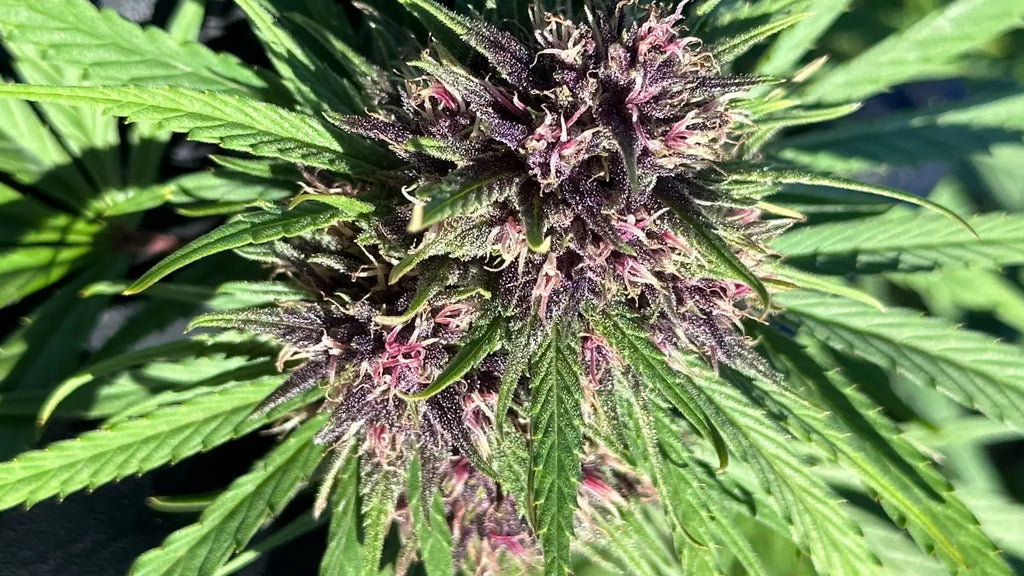
Beta-caryophyllene typically comprises 8-20% of indica terpene profiles, adding peppery, spicy notes. Uniquely among terpenes, caryophyllene functions as a dietary cannabinoid by binding to CB2 receptors. In terpene profile indica THCA formulations, caryophyllene concentrations of 0.4-1.0% provide anti-inflammatory effects that complement THCA's potential therapeutic properties.
This terpene's molecular weight (C₁₅H₂₄) makes it one of the heavier compounds in cannabis, contributing to the full-bodied aroma and potentially influencing how other terpenes interact with receptor sites.
Humulene: Earthy Undertones
Humulene, chemically related to caryophyllene, appears in 5-15% of indica terpene profiles. This woody, earthy terpene contributes to appetite suppression—an interesting counterpoint to the "munchies" stereotype. THCA terpene profiles in indica varieties typically contain 0.2-0.6% humulene, adding complexity to the overall aromatic and therapeutic profile.
Characteristic Indica Ratios
When performing a THCA terpene comparison, indica profiles show remarkable consistency:
- Myrcene: 35-60% of total terpenes
- Caryophyllene: 10-20%
- Linalool: 10-25%
- Humulene: 5-15%
- Pinene: 2-8%
- Limonene: 2-10%
These ratios create the signature indica effects: physical relaxation, sedation, muscle relief, and mental calmness. The indica sativa chemistry differs primarily in these proportional relationships rather than the presence or absence of specific compounds.
Sativa Terpene Profiles: The Energizing Chemistry
Limonene: The Sativa Hallmark
Limonene sativa THCA dominance distinguishes these varieties from their indica counterparts. This citrusy, uplifting terpene frequently comprises 20-45% of total terpene content in sativa-dominant THCA flower, creating the energizing, mood-enhancing effects consumers seek.
What terpenes are in sativa THCA strains at the highest concentrations? Limonene leads, often testing at 0.8-2.0% by dry weight. This terpene demonstrates anxiolytic and antidepressant properties in research, potentially explaining sativa's reputation for creative, social experiences.
Limonene's chemical structure allows it to increase serotonin and dopamine levels in brain regions associated with anxiety and stress. When combined with THCA in terpene profile sativa THCA formulations, this creates an uplifting synergy distinctly different from myrcene-dominated indica varieties.
Pinene: Clarity and Focus
Alpha-pinene and beta-pinene together typically comprise 15-30% of sativa terpene profiles. These pine-scented compounds enhance mental clarity and memory retention—effects frequently reported with sativa consumption. Most common terpenes in sativa THCA include pinene concentrations of 0.5-1.5%, contributing to the alert, focused experiences these strains provide.
Pinene may counteract some of THC's short-term memory impairment by acting as an acetylcholinesterase inhibitor. In the context of THCA terpene profiles, this suggests pinene-rich sativa varieties might offer cognitive benefits beyond simple stimulation.
Terpinolene: Complexity and Nuance
Terpinolene appears prominently in many sativa-dominant varieties, comprising 10-25% of the terpene profile. This complex terpene offers floral, herbal, and slightly citrusy notes, adding aromatic sophistication. Terpene profile sativa THCA formulations often contain 0.3-0.9% terpinolene, contributing to the multifaceted effects sativa strains deliver.
Research suggests terpinolene possesses antioxidant and anticancer properties, though human studies remain limited. Its presence in sativa profiles adds therapeutic potential beyond the recreational energizing effects.
Ocimene: Sweet Uplift
Ocimene contributes sweet, herbaceous, woody notes to sativa terpene profiles, typically comprising 5-15% of total terpenes. This compound demonstrates antifungal and antiviral properties, potentially contributing to the overall therapeutic value of sativa THCA strains.
THCA terpene comparison reveals that ocimene appears more frequently and in higher concentrations in sativa varieties (0.2-0.7%) compared to indica strains where it's often absent or present only in trace amounts.
Characteristic Sativa Ratios
The indica sativa chemistry distinction becomes quantifiable when examining typical sativa ratios:
- Limonene: 25-45% of total terpenes
- Pinene: 15-30%
- Terpinolene: 10-25%
- Caryophyllene: 8-15%
- Ocimene: 5-15%
- Myrcene: 5-20%
Notice how myrcene, dominant in indica profiles, becomes a minority compound in sativa varieties. This fundamental shift in cannabinoid differences indica sativa terpene ratios creates dramatically different experiential effects despite similar THCA percentages.
The Entourage Effect Explained: Chemical Synergy in Action
Understanding Cannabinoid-Terpene Interactions
The THCA entourage effect represents one of cannabis science's most fascinating discoveries. Individual compounds produce specific effects, but when combined in whole-plant THCA flower, they create experiences greater than the sum of their parts.
Entourage effect in THCA flower occurs through multiple mechanisms. Terpenes modulate cannabinoid receptor binding, influence neurotransmitter activity, and affect cannabinoid metabolism. For example, myrcene increases cell membrane permeability, allowing THCA (when decarboxylated to THC) to cross the blood-brain barrier more efficiently.
Limonene influences serotonin receptors independent of cannabinoid activity, but when combined with THCA, these separate pathways converge to create sativa's characteristic mood elevation. This explains why isolated THCA or THC cannot replicate the nuanced effects of complete terpenes in THCA flower profiles.
Synergistic Mechanisms
Indica vs sativa terpenes create different entourage effects through distinct biochemical mechanisms:
Indica Synergy:
- Myrcene + THCA = Enhanced sedation through increased cannabinoid permeability
- Linalool + Caryophyllene = Amplified anti-anxiety effects via multiple receptor systems
- Humulene + THCA = Appetite suppression balancing typical cannabinoid-induced hunger
Sativa Synergy:
- Limonene + THCA = Mood elevation through serotonergic and cannabinoid pathways
- Pinene + THCA = Mental clarity via acetylcholinesterase inhibition and CB1 activity
- Terpinolene + THCA = Complex stimulation through multiple neurotransmitter systems
Why Whole-Plant Chemistry Matters
The THCA chemical differences between whole-plant flower and isolated compounds become obvious in clinical and anecdotal reports. Consumers consistently report that complete THCA terpene profiles deliver more satisfying, well-rounded effects than pure cannabinoids.
This occurs because cannabinoid profile THCA interactions with terpenes modify:
- Receptor binding affinity
- Metabolic processing rates
- Blood-brain barrier permeability
- Neurotransmitter activity
- Immune system responses
Understanding how to read terpene profiles for THCA empowers consumers to predict these entourage effects, selecting varieties that align with desired outcomes based on chemistry rather than marketing.
Reading Lab Results: Decoding Your THCA Certificate of Analysis
Understanding COA Basics
Learning how to read terpene profiles for THCA starts with understanding Certificates of Analysis (COA). Reputable suppliers provide third-party lab testing for every batch of THCA flower, documenting cannabinoid content, terpene profiles, and safety screening.
COAs typically organize information into several sections:
- Cannabinoid potency analysis
- Terpene profile breakdown
- Heavy metals screening
- Pesticide testing
- Microbial analysis
- Moisture content
For understanding indica sativa terpenes and effects, focus primarily on the cannabinoid and terpene sections.
Interpreting Cannabinoid Percentages
THCA cannabinoid content appears as percentage by dry weight. A 20% THCA flower contains 200mg THCA per gram. Most COAs also calculate "Total THC," representing maximum THC potential after complete decarboxylation (THCA × 0.877 + existing THC).
When comparing cannabinoid content indica vs sativa THCA, examine:
- Total THCA percentage: Primary psychoactive compound
- CBD content: Modulating effects, usually <1%
- CBG levels: Supporting cannabinoid, typically 0.5-2%
- Total cannabinoid content: Sum of all detected compounds
Quality labs report detection limits (LOD) and quantification limits (LOQ), typically 0.01-0.05% for cannabinoids. Values below LOD appear as "ND" (not detected) or "<LOQ."
Decoding Terpene Profiles
THCA terpene profiles require more nuanced interpretation. Terpenes appear in smaller percentages than cannabinoids, typically 1-4% total by dry weight. However, their effects remain profound.
Look for:
- Dominant terpene: Usually 0.5-2% individually
- Secondary terpenes: 0.2-0.8% each
- Tertiary terpenes: 0.05-0.2% each
- Total terpene content: Sum of all detected compounds
When performing THCA terpene comparison, examine ratios rather than absolute values. A flower with 1.2% myrcene and 0.3% limonene expresses strong indica characteristics (4:1 ratio), while 0.6% limonene and 0.2% myrcene suggests sativa properties (3:1 inverse ratio).
What Numbers Actually Mean
Terpene profile indica THCA interpretation:
- >1% myrcene: Strong sedative indicators
- >0.5% linalool: Enhanced relaxation
- >0.4% caryophyllene: Anti-inflammatory potential
- Myrcene >40% of total terpenes: Classic indica effects
Terpene profile sativa THCA interpretation:
- >0.8% limonene: Uplifting, energizing effects
- >0.5% pinene: Mental clarity enhancement
- >0.3% terpinolene: Complex stimulation
- Limonene >30% of total terpenes: Classic sativa effects
Remember that terpenes in THCA flower degrade over time. Fresh COAs (within 90 days of testing) provide more accurate representations than older documentation.
Chemical Markers to Look For: Predicting Effects from Molecules
Primary Indicators
Understanding terpene differences between indica and sativa THCA enables effect prediction from chemistry alone. Look for these primary markers:
For Relaxation/Sedation:
- Myrcene >1.0% (strong indicator)
- Linalool >0.4% (supporting indicator)
- Myrcene + Linalool comprising >50% total terpenes
- THCA >22% with high myrcene
For Energy/Clarity:
- Limonene >0.7% (strong indicator)
- Pinene >0.5% (supporting indicator)
- Limonene + Pinene comprising >40% total terpenes
- Terpinolene presence >0.3%
Secondary Indicators
Cannabinoid ratios provide additional predictive value:
- CBG >1.5%: Potentially enhanced focus and clarity
- CBD >0.5%: Moderated, smoother effects
- THCA >25%: Intensity regardless of terpene profile
- Total cannabinoids >28%: Maximum potency flower
Hybrid Indicators
Many modern THCA strains express balanced profiles:
- Myrcene 0.5-1.0% + Limonene 0.5-1.0%: Balanced effects
- Diverse terpene profile (6+ detected >0.1%): Complex, nuanced effects
- No single terpene >40% of total: Unpredictable, multifaceted experience
Red Flags and Quality Markers
Quality indicators:
- Total terpenes >2%: Excellent preservation
- 8+ terpenes detected: Comprehensive profile
- Dominant terpene 1.5-2.5%: Strong characteristic effects
- Recent testing date: Accurate representation
Potential concerns:
- Total terpenes <1%: Possible degradation or poor cultivation
- Only 2-3 terpenes detected: Limited entourage effect
- All terpenes <0.3%: Significant degradation
- Testing date >6 months old: Unreliable representation
Why Chemistry Matters More Than Names: The Modern Reality
Individual Variation Within "Strains"
The indica sativa chemistry classification assumes genetic consistency that modern cannabis breeding has largely eliminated. A strain named "OG Kush" from one grower might express terpene profile indica THCA characteristics, while another's phenotype shows sativa-leaning chemistry.
Environmental factors dramatically influence what terpenes are in indica THCA strains and their sativa counterparts:
- Light spectrum: Affects terpene biosynthesis pathways
- Temperature: Influences terpene retention vs. volatilization
- Nutrients: Alters cannabinoid and terpene production
- Harvest timing: Changes terpene and cannabinoid ratios
- Curing methods: Determines final terpene preservation
Two plants from identical genetics, grown in different conditions, can produce completely different THCA terpene profiles.
Modern Breeding Complexity
Contemporary cannabis breeding has created unprecedented genetic diversity. Breeders select for specific cannabinoid differences indica sativa profiles, often combining indica and sativa genetics to achieve desired chemistry.
This means:
- "Indica" strains may contain sativa genetics
- "Sativa" varieties often include indica lineage
- Hybrid classifications dominate modern breeding
- Traditional classifications no longer predict chemistry accurately
Chemotype vs. Strain Type
Progressive cannabis scientists now classify varieties by chemotype (chemical profile) rather than strain type (indica/sativa). This system categorizes THCA flower by:
Chemotype I: High THCA, low CBD (<1%) Chemotype II: Balanced THCA:CBD (1:1 to 2:1) Chemotype III: Low THCA (<5%), high CBD
Within each chemotype, further classification by dominant terpene provides more accurate effect prediction than indica/sativa labels.
The Power of Lab-Tested Chemistry
Understanding THCA chemical differences through laboratory analysis empowers informed decision-making. Rather than trusting marketing labels, examine actual cannabinoid profile THCA data and terpene profiles.
This approach:
- Eliminates misleading strain name confusion
- Provides reproducible selection criteria
- Enables prediction of effects from chemistry
- Allows comparison across different suppliers
- Empowers consumer education and sophistication
How to read terpene profiles for THCA becomes your most valuable skill as a discerning consumer, surpassing strain names, brand recognition, or traditional classifications.
Frequently Asked Questions
What's the main difference between indica and sativa terpene profiles?
The primary terpene differences between indica and sativa THCA center on dominant compounds and their ratios. Indica profiles feature myrcene dominance (35-60% of total terpenes), creating sedative effects, while sativa profiles emphasize limonene and pinene (combined 40-75%), producing energizing experiences. Myrcene indica THCA concentrations regularly exceed 1.5%, whereas limonene sativa THCA leads at 0.8-2.0%. These chemical distinctions create the experiential differences consumers recognize as "indica" versus "sativa" effects, though individual variation exists.
How do I know if a THCA strain is truly indica or sativa?
Examine laboratory COAs showing THCA terpene profiles rather than relying on strain names. True indica vs sativa terpenes classification depends on chemistry: indica varieties show myrcene >1%, linalool >0.4%, and myrcene comprising >40% of total terpenes. Sativa varieties display limonene >0.7%, pinene >0.5%, with these comprising >40% combined. The cannabinoid content indica vs sativa THCA may also differ slightly, but terpene ratios provide the clearest classification markers.
What are the most common terpenes in indica THCA strains?
Most common terpenes in indica THCA include myrcene (dominant at 35-60% of terpene profile), caryophyllene (10-20%), linalool (10-25%), and humulene (5-15%). What terpenes are in indica THCA strains specifically depends on genetics and cultivation, but myrcene consistently appears as the signature compound. Quality indica THCA flower typically shows total terpene content of 2-4%, with myrcene concentrations exceeding 1% by dry weight, creating the characteristic relaxing effects.
What terpenes are most prevalent in sativa THCA?
What terpenes are in sativa THCA strains starts with limonene, the signature sativa terpene comprising 25-45% of total terpenes. Pinene follows at 15-30%, then terpinolene at 10-25%. Most common terpenes in sativa THCA also include ocimene (5-15%) and lower myrcene concentrations (5-20%). This reversal from indica's myrcene dominance creates energizing, uplifting effects. Quality sativa varieties show limonene >0.8%, pinene >0.5%, and diverse supporting terpenes contributing to complex entourage effects.
Does cannabinoid content differ between indica and sativa THCA?
Cannabinoid differences indica sativa exist but remain subtler than terpene variations. Indica varieties often test 20-28% THCA with slightly higher total cannabinoid content (25-30%), while sativa strains range 18-25% THCA with total cannabinoids of 22-27%. Cannabinoid content indica vs sativa THCA shows indica varieties occasionally retain trace CBD (0.3-1%), whereas sativa strains typically express <0.2% CBD. Minor cannabinoid ratios also vary, with some sativa varieties showing elevated CBG or THCV. However, terpene profiles influence effects more dramatically than these cannabinoid differences.
What is the entourage effect in THCA flower?
The THCA entourage effect describes how cannabinoids and terpenes work synergistically to create effects greater than isolated compounds. Entourage effect in THCA flower occurs when myrcene increases cannabinoid permeability, limonene modulates serotonin receptors, and caryophyllene binds CB2 receptors—all working together with THCA. This explains why whole-plant THCA flower with complete terpenes in THCA flower profiles delivers more nuanced, satisfying effects than isolated cannabinoids. Understanding this synergy emphasizes why cannabinoid profile THCA and terpene content both matter equally.
How do I read a terpene profile on a THCA COA?
How to read terpene profiles for THCA involves examining individual terpene percentages and their ratios. Look for the dominant terpene (typically 0.5-2%), identify secondary terpenes (0.2-0.8%), and note total terpene percentage (ideally >2%). Calculate ratios: if myrcene is 1.5% and limonene is 0.3%, the 5:1 ratio indicates strong indica characteristics. THCA terpene comparison across products helps identify consistent patterns. Focus on the top 3-4 terpenes as they create primary effects, while minor terpenes (<0.2%) contribute subtle complexity to the overall indica sativa chemistry.
Can terpene profiles predict THCA flower effects?
Yes, THCA terpene profiles provide the most accurate effect prediction available. Myrcene indica THCA concentrations >1% reliably predict sedative effects, while limonene sativa THCA >0.8% indicates energizing experiences. The terpene profile indica THCA or terpene profile sativa THCA classification based on chemistry outperforms strain names for accuracy. Combined with THCA cannabinoid content data, terpene profiles enable informed selection matching desired effects. This makes understanding terpene differences between indica and sativa THCA essential for sophisticated consumers seeking consistent, predictable experiences.
What's the difference between myrcene and limonene effects?
Myrcene creates sedative, muscle-relaxing effects by increasing cell membrane permeability and interacting with GABA receptors. Myrcene indica THCA profiles produce "couch-lock" and deep physical relaxation. Limonene generates uplifting, mood-enhancing effects through serotonin and dopamine modulation. Limonene sativa THCA varieties deliver energy, creativity, and mental clarity. These represent the fundamental indica vs sativa terpenes distinction—myrcene for relaxation, limonene for stimulation. When combined with THCA, these terpenes create the classic indica/sativa experiential differences through distinct biochemical mechanisms.
Why does my THCA strain feel different each time?
THCA chemical differences in individual batches create variation even within the same strain name. Environmental factors affect what terpenes are in indica THCA strains and sativa varieties, causing fluctuation in terpene profiles between harvests. Degradation of terpenes in THCA flower over time alters effects as volatile compounds evaporate. Storage conditions, consumption method, personal tolerance, and individual endocannabinoid system differences also contribute. This variability emphasizes why understanding how to read terpene profiles for THCA and checking current COAs matters more than trusting strain names or previous experiences.
Should I choose indica or sativa THCA based on terpenes?
Choose based on desired THCA terpene profiles rather than labels. For relaxation, seek terpene profile indica THCA with myrcene >1%, linalool >0.4%, and combined >50% of total terpenes. For energy and focus, select terpene profile sativa THCA featuring limonene >0.8%, pinene >0.5%, and terpinolene presence. Examine actual cannabinoid profile THCA and terpene data on COAs rather than relying on indica/sativa classifications. This chemistry-first approach ensures consistency and matches effects to your needs, leveraging indica sativa chemistry understanding for optimal selection.
What makes THCA terpene profiles different from regular cannabis?
THCA terpene profiles in hemp-derived flower are chemically identical to those in traditional cannabis—both produce the same terpenes through identical biosynthetic pathways. The distinction lies in legal classification: federally compliant THCA flower must derive from hemp plants (Cannabis sativa L.) containing ≤0.3% delta-9 THC. Terpene differences between indica and sativa THCA mirror those in traditional cannabis. Quality THCA flower from hemp genetics expresses the same rich indica sativa terpenes found in dispensary products, with identical THCA entourage effect potential and therapeutic properties.
Conclusion: Chemistry Guides Your Journey
The evolution from simple indica/sativa classifications to chemistry-based selection represents cannabis sophistication reaching maturity. Understanding THCA terpene profiles, cannabinoid differences indica sativa, and the entourage effect in THCA flower empowers you to make informed choices aligned with your specific needs and desired experiences.
Indica sativa terpenes create real, measurable differences in effects—myrcene's sedation versus limonene's stimulation represents biochemical reality, not marketing fiction. However, these compounds appear across genetic lines, making THCA chemical differences more important than traditional labels.
By learning how to read terpene profiles for THCA and examining actual cannabinoid profile THCA data, you transcend outdated classifications. What terpenes are in indica THCA strains and what terpenes are in sativa THCA strains matters far more than names or packaging claims.
The terpene differences between indica and sativa THCA we've explored—from myrcene indica THCA dominance to limonene sativa THCA prevalence—provide your roadmap. Combined with understanding cannabinoid content indica vs sativa THCA and how terpenes in THCA flower create entourage effects, you possess the knowledge to navigate the THCA marketplace with confidence and precision.
Chemistry doesn't lie. Strain names might mislead, marketing claims could exaggerate, but THCA terpene comparison through laboratory analysis reveals objective truth. Armed with this knowledge, you can consistently select varieties delivering your desired effects, whether seeking the most common terpenes in indica THCA for evening relaxation or the most common terpenes in sativa THCA for daytime productivity.
The future of cannabis belongs to consumers who understand indica sativa chemistry at the molecular level—those who read COAs, compare terpene ratios, and make selections based on science rather than folklore. Welcome to that sophisticated future, where your knowledge of terpene profiles and cannabinoid content guides every choice, ensuring optimal experiences through the power of plant chemistry.
