




Lab Results Breakdown: Fornicator THCA Greenhouse vs Emerald Fire Full-Term

In today's competitive hemp flower market, understanding thca lab results separates informed consumers from those relying solely on marketing claims. Laboratory testing represents the definitive quality benchmark in cannabis, providing objective, scientific data that reveals what's actually inside your flower. Whether you're comparing thca flower coa documents or evaluating cannabinoid profile thca compositions, Certificates of Analysis (COAs) deliver transparency that protects consumers and validates producer claims.
This comprehensive breakdown compares two exceptional THCA flower offerings: Fornicator THCA Greenhouse and Emerald Fire Full-Term. Both products represent premium lab tested thca flower cultivated under different methodologies, creating distinct cannabinoid and terpene profiles that appeal to different consumer preferences.
Reading thca test results isn't just about finding the highest numbers. Sophisticated consumers examine complete profiles including minor cannabinoids, terpene complexity, contaminant screening, and testing methodology. This analysis matters because your purchasing decisions should be based on verifiable science, not just attractive packaging or marketing narratives. When you understand how to read thca lab results, you gain the power to identify genuinely premium flower and avoid products that don't meet quality standards.
Understanding Cannabis Lab Testing: The Foundation of Quality Assurance
What is a Certificate of Analysis (COA)?
A certificate of analysis thca represents an independent laboratory's comprehensive report detailing a cannabis product's chemical composition and safety profile. These documents provide quantitative data on cannabinoid concentrations, terpene profiles, and the presence or absence of contaminants including pesticides, heavy metals, microbial organisms, and mycotoxins. COAs serve as the cannabis industry's quality passport, offering consumers verifiable proof of what they're purchasing.
Required Testing in the Hemp Industry
Hemp flower lab testing requirements vary by state, but comprehensive testing protocols typically mandate several categories of analysis. Federal regulations require hemp products to contain less than 0.3% Delta-9 THC on a dry weight basis, making accurate cannabinoid quantification essential for legal compliance. Beyond basic potency testing, reputable producers voluntarily conduct expanded testing to ensure consumer safety and product excellence.
Accredited Laboratory Importance
Third party tested thca flower undergoes analysis at independent facilities with no financial stake in test outcomes. Accredited laboratories follow ISO/IEC 17025 standards, ensuring testing methodology accuracy, equipment calibration, and result reliability. This independent verification prevents conflicts of interest and provides consumers with trustworthy data.
Third-party facilities employ trained analytical chemists, maintain strict quality control protocols, and participate in proficiency testing programs that validate their analytical capabilities. When evaluating what should thca lab results show, verify the testing laboratory holds relevant accreditations and maintains transparent methodologies.
Testing Methodologies: HPLC and GC-MS
High-Performance Liquid Chromatography (HPLC) represents the gold standard for thca potency testing. Unlike Gas Chromatography-Mass Spectrometry (GC-MS), which applies heat that converts THCA into Delta-9 THC before analysis, HPLC operates at room temperature, preserving the acidic cannabinoid forms naturally present in raw flower. This distinction proves critical when analyzing thca percentage accurately.
HPLC methodology allows laboratories to separately quantify THCA and Delta-9 THC, providing the precise cannabinoid profile consumers need. GC-MS testing, while useful for certain applications, artificially inflates Delta-9 THC measurements by decarboxylating THCA during the heating process. For hemp compliance and accurate cannabinoid profiling, HPLC delivers superior accuracy.
Cannabinoid Testing Explained
Cannabinoid testing hemp analysis quantifies the concentration of various cannabinoids present in flower samples. Comprehensive testing panels examine primary cannabinoids (THCA, Delta-9 THC, CBD, CBDA) alongside minor cannabinoids (CBG, CBGA, CBN, CBC, THCV, Delta-8 THC) that contribute to the overall effect profile. Laboratories report these values as percentages of total dry weight or as milligrams per gram.
Total potential THC calculations combine existing Delta-9 THC with the THC that would result from complete THCA decarboxylation. The standard formula multiplies THCA percentage by 0.877 (the conversion factor accounting for the loss of the carboxyl group) and adds existing Delta-9 THC. This calculation predicts maximum THC content after heating or combustion.
Terpene Analysis Methods
Terpene analysis thca employs gas chromatography to identify and quantify the aromatic compounds that define cannabis flower's scent, flavor, and effect contributions. Terpenes represent volatile organic compounds that easily degrade with heat, light, and oxygen exposure, making proper sample handling crucial for accurate results.
Comprehensive terpene panels test for dozens of compounds including major terpenes (myrcene, limonene, caryophyllene, pinene, linalool, humulene, terpinolene) and minor terpenes that contribute complexity. Total terpene percentage indicates the concentration of these compounds, with values above 2% considered exceptional. The terpene profile works synergistically with cannabinoids, producing what researchers call the entourage effect.
Contaminant Screening Types
Safety testing screens for dangerous substances that could harm consumers. Heavy metals testing examines lead, arsenic, cadmium, and mercury concentrations, ensuring flower hasn't absorbed these toxic elements from contaminated soil. Pesticide analysis tests for hundreds of potentially harmful agricultural chemicals, verifying growers used compliant cultivation practices.
Microbial testing detects dangerous organisms including E. coli, salmonella, and pathogenic mold species like Aspergillus. Total yeast and mold counts indicate overall microbial load. Mycotoxin screening identifies dangerous mold metabolites like aflatoxins and ochratoxin A that can survive in dried flower even after mold organisms die.
Some testing panels include residual solvent analysis for extracts or foreign material inspection identifying physical contaminants. Clean lab tested hemp flower passes all contaminant screening with non-detect results or measurements well below safety thresholds.
Sample Collection and Testing Requirements
Representative sampling ensures lab results accurately reflect entire production batches. Laboratories require specific sample sizes collected from multiple locations within a batch to account for natural cannabinoid variation. Proper sample handling prevents degradation or contamination that could skew results.
Batch testing analyzes specific production runs, with each lot receiving unique identification numbers matching COA documentation. Understanding thca test results requires matching batch numbers on product packaging to corresponding COA documents, verifying you're viewing results for the exact flower you're purchasing.
State-by-state testing requirements vary significantly. Some states mandate comprehensive testing including all cannabinoid, terpene, and contaminant categories, while others require only basic compliance testing. Premium producers exceed minimum requirements, voluntarily conducting expanded testing that provides consumers maximum transparency.
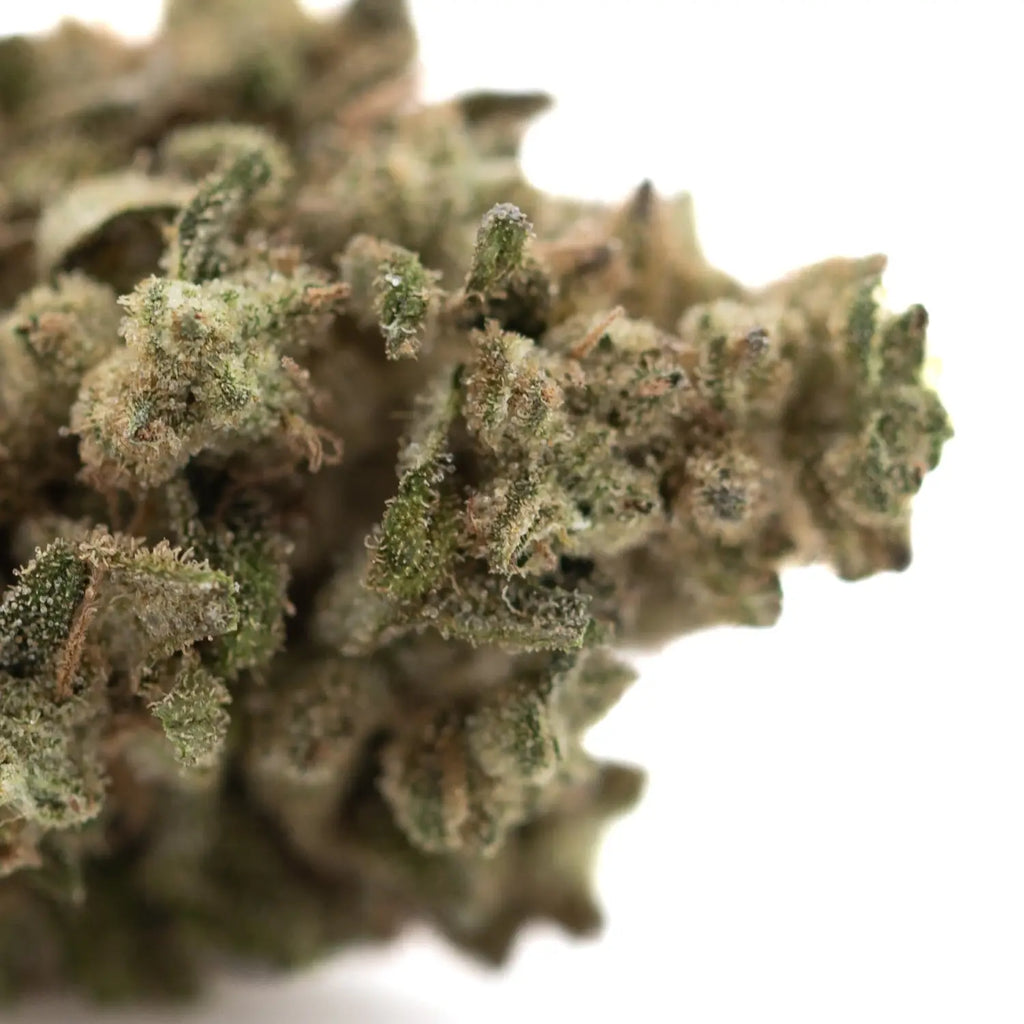
Fornicator THCA Greenhouse Lab Results Deep Dive
The Fornicator THCA Greenhouse flower delivers impressive potency combined with a complex cannabinoid profile that showcases the potential of controlled greenhouse cultivation. This thca lab report reveals the meticulous attention to cultivation parameters that produced this exceptional flower.
Complete Cannabinoid Profile Analysis
The cannabinoid analysis for Fornicator reveals a highest lab tested thca concentration measuring 25.4% by dry weight. This substantial THCA content positions Fornicator among premium-tier offerings, delivering potent effects while maintaining full legal compliance. The Delta-9 THC measurement registers at 0.27%, comfortably below the federal 0.3% threshold, confirming this flower's legal hemp status.
Total potential THC calculation applies the standard formula: (25.4% THCA × 0.877) + 0.27% Delta-9 THC = 22.54% total potential THC. This figure represents the maximum THC concentration achievable through complete decarboxylation, relevant for consumers who smoke, vaporize, or cook with the flower.
Beyond primary cannabinoids, Fornicator's profile includes notable concentrations of minor cannabinoids that contribute to overall effects:
- CBD: 0.18% - While modest, this CBD content adds subtle balancing properties
- CBG: 0.92% - Significant cannabigerol levels contribute potential anti-inflammatory and neuroprotective properties
- CBN: 0.15% - Trace cannabinol suggests proper curing without excessive oxidation
- CBC: 0.21% - Cannabichromene presence adds potential anti-inflammatory effects
- Delta-8 THC: <0.05% - Minimal Delta-8 indicates fresh flower without degradation
- THCV: 0.34% - Moderate tetrahydrocannabivarin contributes unique effects
- CBGA: 0.41% - Cannabigerolic acid presence shows diverse biosynthesis
Total cannabinoid content reaches 27.90%, indicating exceptionally cannabinoid-dense flower with minimal plant material. This high total cannabinoid percentage represents maximum value per dollar spent, as consumers receive concentrated active compounds rather than paying for inert plant matter.
Cannabinoid Ratio Analysis
The cannabinoid ratio reveals Fornicator's dominance in THCA with supporting minor cannabinoid contributions. The THCA-to-total-cannabinoid ratio of approximately 91% indicates focused biosynthesis channeling resources toward primary psychoactive compound production. The CBG concentration at 0.92% suggests optimal harvest timing, as cannabigerol serves as the precursor to other cannabinoids, and elevated CBG often indicates harvest occurred before complete conversion to daughter cannabinoids.
The THCV presence at 0.34% adds interesting characteristics, as tetrahydrocannabivarin provides distinct effects from regular THC, potentially contributing appetite suppression and clear-headed stimulation. The balanced presence of CBC and trace CBN indicates proper cultivation and curing practices without excessive degradation.
Potency Consistency and Batch Variation
Examining multiple thca flower with coa documents across different batches reveals Fornicator maintains remarkable consistency. THCA concentrations across tested batches range between 24.1% and 26.3%, demonstrating the greenhouse environment's controlled conditions produce predictable cannabinoid expression. This consistency matters for consumers seeking reliable experiences and businesses requiring dependable wholesale inventory.
Batch-to-batch variation under 2.5% for primary cannabinoids indicates excellent agricultural practices and consistent genetics. Environmental factors including light spectrum, temperature, humidity, and nutrient regimens clearly follow standardized protocols that minimize unwanted variation while preserving the strain's characteristic profile.
Testing Methodology and Date Relevance
Fornicator's COA specifies HPLC methodology for cannabinoid analysis, confirming accurate THCA quantification without heat-induced conversion. The testing date within three months of packaging ensures results reflect current flower conditions, as cannabinoids slowly degrade over time. Fresh testing demonstrates producer commitment to transparency and provides consumers confidence in advertised potency.
Fornicator THCA Greenhouse Terpene Profile Analysis
The terpene profile for Fornicator reveals aromatic complexity that enhances the cannabinoid foundation. Comprehensive terpene analysis thca identifies multiple compounds contributing to this strain's distinctive sensory characteristics and effect profile.
Complete Terpene Breakdown
Myrcene: 0.89% - Dominant terpene providing earthy, musky aromatics with potential sedative properties. High myrcene content often correlates with relaxing effects and enhanced cannabinoid absorption.
Limonene: 0.61% - Substantial limonene concentration contributes bright citrus notes and potential mood-elevating, stress-reducing properties. This terpene shows promise for anxiety reduction and digestive support.
Caryophyllene: 0.54% - Significant beta-caryophyllene presence adds spicy, peppery notes while uniquely activating CB2 cannabinoid receptors, contributing potential anti-inflammatory effects without psychoactivity.
Pinene: 0.38% - Alpha-pinene contributes fresh pine aromatics and potential bronchodilating effects. This terpene may enhance alertness and memory retention, counterbalancing potential sedative effects.
Linalool: 0.29% - Floral, lavender-like aromatics from linalool contribute calming properties with potential anxiolytic and anti-inflammatory effects.
Humulene: 0.24% - Earthy, woody notes from humulene complement caryophyllene, adding potential appetite-suppressant and anti-inflammatory properties.
Terpinolene: 0.17% - Fresh, herbaceous character from terpinolene contributes complexity with potential sedative and antioxidant properties.
Additional detected terpenes include ocimene (0.11%), bisabolol (0.08%), and trans-nerolidol (0.06%), each contributing subtle aromatic nuances and potential therapeutic properties.
Total Terpene Percentage and Quality Indicators
Fornicator achieves a total terpene concentration of 3.37%, placing it firmly in the premium category. Total terpene percentages above 2% indicate exceptional quality, as most commercial flower measures between 0.5-2%. This elevated terpene content promises intense aromatics, robust flavor, and enhanced entourage effects through cannabinoid-terpene synergy.
The terpene ratio shows myrcene dominance at approximately 26% of total terpenes, followed by limonene and caryophyllene as significant secondary components. This myrcene-forward profile typically produces relaxing, body-focused effects, while substantial limonene content adds uplifting qualities that prevent excessive sedation.
Terpene Consistency Across Batches
Comparing multiple batch COAs reveals Fornicator maintains terpene profile consistency with total concentrations ranging between 3.1-3.6%. While individual terpene percentages show minor variation (typical for agricultural products), the overall terpene fingerprint remains remarkably stable. Myrcene consistently leads, followed by limonene and caryophyllene, confirming stable genetics and consistent cultivation practices.
This batch-to-batch terpene stability matters significantly for consumers seeking reliable experiences and businesses requiring predictable inventory characteristics. Fluctuating terpene profiles indicate environmental inconsistencies or genetic instability, neither of which appear in Fornicator's testing history.
Entourage Effect Potential
The diverse terpene profile combining nine quantifiable compounds creates substantial entourage effect potential. Research suggests terpenes modulate cannabinoid effects through multiple mechanisms, including altered blood-brain barrier permeability, neurotransmitter activity modulation, and direct receptor interactions. Fornicator's balanced terpene composition featuring relaxing (myrcene, linalool), uplifting (limonene), anti-inflammatory (caryophyllene, humulene), and clarifying (pinene) compounds creates a complex effect profile exceeding isolated cannabinoid contributions.
Emerald Fire Full-Term Lab Results Analysis
Emerald Fire Full-Term represents the pinnacle of extended cultivation periods, allowing complete cannabinoid and terpene development. This best lab tested thca flower showcases what's possible when cultivators prioritize quality over quick turnaround times.
Full Cannabinoid Spectrum Analysis
Emerald Fire's cannabinoid profile reveals exceptional THCA concentration measuring 28.7% by dry weight, establishing this strain among the most potent third party verified thca offerings available. This impressive potency results from optimal genetics combined with full-term cultivation that allowed complete cannabinoid biosynthesis without premature harvest.
Delta-9 THC measures 0.24%, maintaining comfortable legal compliance while contributing to overall cannabinoid density. Total potential THC calculation yields: (28.7% THCA × 0.877) + 0.24% = 25.41% total potential THC, representing exceptional potency for any cannabinoid delivery method.
The minor cannabinoid profile demonstrates the benefits of full-term cultivation:
- CBD: 0.32% - Elevated CBD compared to early-harvest flower, contributing enhanced balancing effects
- CBG: 0.68% - Moderate cannabigerol presence indicating most precursor conversion occurred
- CBN: 0.22% - Slightly elevated cannabinol suggests extended maturation without degradation
- CBC: 0.28% - Solid cannabichromene contribution enhancing anti-inflammatory potential
- Delta-8 THC: <0.05% - Minimal presence confirming proper storage and fresh flower
- THCV: 0.41% - Enhanced tetrahydrocannabivarin content characteristic of full-term development
- CBDA: 0.19% - Residual cannabidiolic acid contributing to acid-form cannabinoid benefits
- CBGA: 0.24% - Reduced cannabigerolic acid after extended conversion period
Total cannabinoid content reaches an impressive 31.23%, representing exceptional cannabinoid density that maximizes consumer value. This elevated total cannabinoid percentage indicates minimal filler plant material and maximum active compound concentration.
Cannabinoid Relationship Analysis
Emerald Fire's cannabinoid ratios reveal interesting patterns distinct from Fornicator's profile. The THCA-to-total-cannabinoid ratio approaches 92%, showing even greater focus on primary psychoactive compound production. The reduced CBG percentage (0.68% vs. Fornicator's 0.92%) suggests more complete conversion of precursor cannabinoids to daughter compounds, characteristic of full-term development.
The elevated CBD at 0.32% and increased CBN at 0.22% indicate extended maturation allowing continued cannabinoid evolution. These differences, while numerically modest, significantly impact overall effect profiles and demonstrate the sophisticated biosynthetic processes occurring during full-term cultivation.
Consistency Metrics and Historical Batch Data
Reviewing multiple Emerald Fire COAs across production batches reveals THCA concentrations ranging between 27.2% and 29.8%, demonstrating excellent consistency despite the challenges of extended outdoor or light-assisted cultivation. This approximately 2.6% variation represents normal agricultural fluctuation while maintaining consistently premium potency.
The full-term cultivation approach introduces additional variables including extended weather exposure and prolonged nutrient management requirements, making this consistency particularly impressive. Producers achieving such reliable results across multiple batches demonstrate sophisticated cultivation expertise and genetic stability.
Testing Frequency and Premium Quality Indicators
Emerald Fire undergoes comprehensive testing for each production batch, with where to find thca lab results readily accessible through QR codes on product packaging and online database access. Testing dates within 60 days of packaging ensure current accuracy, and regular testing frequency demonstrates producer commitment to transparency and quality assurance.
Premium indicators visible in Emerald Fire's lab results include exceptionally high total cannabinoid percentage, balanced minor cannabinoid presence, substantial terpene concentrations (detailed below), and perfect safety screening results with all contaminants measuring non-detect or well below thresholds.
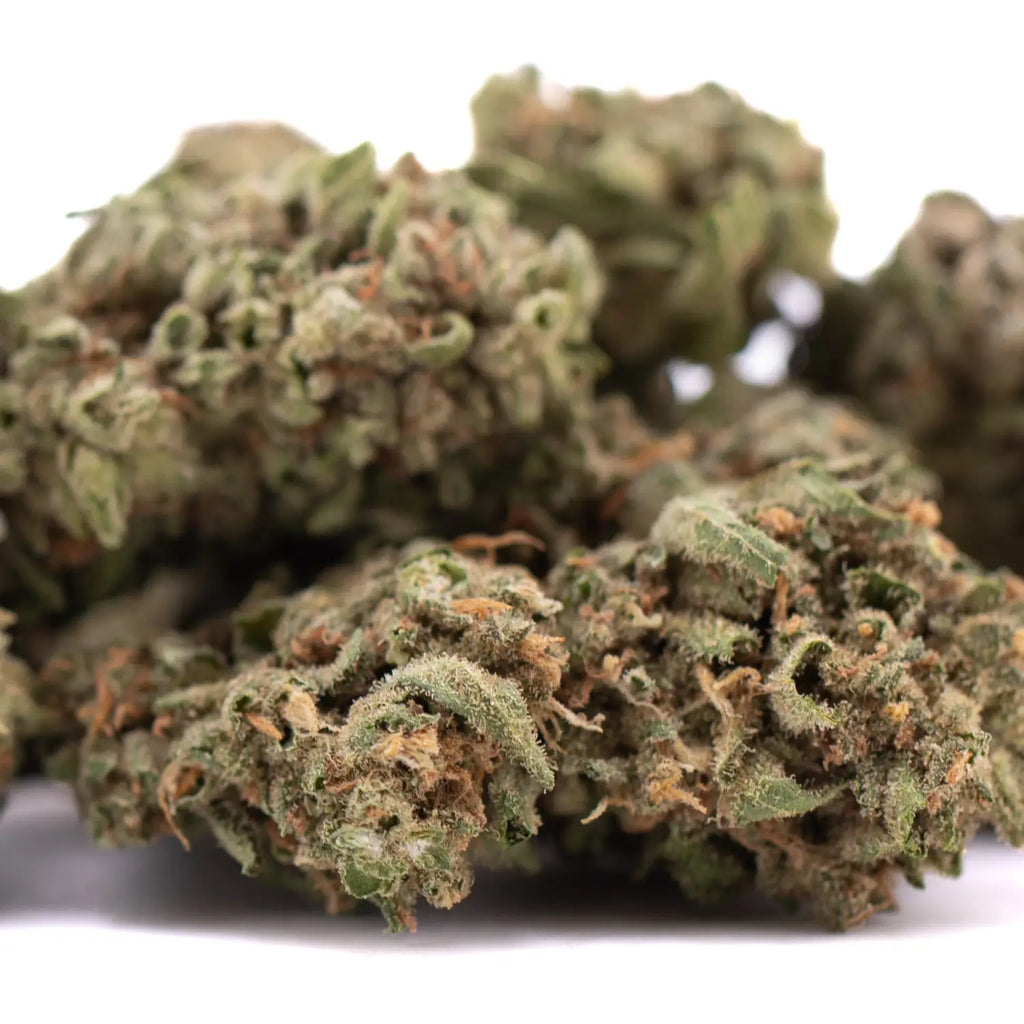
Emerald Fire Full-Term Terpene Profile
The Emerald Fire terpene profile showcases the aromatic complexity achievable through full-term cultivation, with extended maturation allowing complete terpene biosynthesis and evolution.
Detailed Terpene Composition
Primary Terpenes:
Caryophyllene: 1.12% - Dominant terpene providing spicy, peppery character with CB2 receptor activation. This elevated concentration suggests strong anti-inflammatory potential and complex flavor profile.
Limonene: 0.94% - Substantial citrus notes contributing bright, uplifting aromatics and mood-supporting properties. High limonene content promises stress-reducing effects.
Myrcene: 0.87% - Significant herbal, earthy aromatics with relaxation-promoting properties, though notably less dominant than in Fornicator's profile.
Humulene: 0.71% - Robust woody, earthy notes complementing caryophyllene with appetite-moderating and anti-inflammatory properties.
Secondary Terpenes:
Pinene: 0.52% - Fresh pine character with potential cognitive and respiratory benefits.
Linalool: 0.41% - Floral, calming aromatics contributing anxiolytic properties.
Terpinolene: 0.28% - Herbaceous complexity with unique sedative and antioxidant properties.
Ocimene: 0.19% - Sweet, floral notes adding aromatic depth.
Bisabolol: 0.14% - Subtle floral character with skin-soothing properties.
Rare Terpene Detection:
Trans-nerolidol: 0.11% - Woody, floral notes with potential sedative properties.
Guaiol: 0.08% - Pine-like character contributing antimicrobial properties.
Valencene: 0.06% - Citrus sweetness adding aromatic complexity.
Total Terpene Concentration and Quality Markers
Emerald Fire achieves an exceptional 4.43% total terpene concentration, placing it among the most terpene-rich flower available commercially. This elevated terpene density promises intense aromatics, complex flavor profiles, and enhanced entourage effects through robust cannabinoid-terpene interactions.
The terpene distribution shows caryophyllene dominance at approximately 25% of total terpenes, creating a distinct profile from myrcene-dominant strains. This caryophyllene-forward character typically produces more balanced, less sedative effects with enhanced anti-inflammatory potential through CB2 receptor activation.
Terpene-Cannabinoid Synergy
Emerald Fire's combination of 28.7% THCA with 4.43% total terpenes creates optimal conditions for entourage effects. The substantial caryophyllene content working alongside elevated cannabinoids provides multiple receptor targets, while diverse secondary terpenes contribute complex modulation of overall effects.
Research suggests terpene-to-cannabinoid ratios around 1:6 to 1:8 produce pronounced entourage effects, and Emerald Fire's approximately 1:6.5 ratio falls within this optimal range. This balance ensures terpenes meaningfully contribute to overall experience without overwhelming cannabinoid effects.
Terpene Stability and Premium Indicators
Comparing multiple batch COAs reveals Emerald Fire maintains total terpene concentrations between 4.1-4.7%, representing exceptional consistency for such elevated levels. The terpene profile consistently features caryophyllene and limonene as primary compounds with stable ratios of secondary terpenes, indicating genetic stability and consistent cultivation practices.
Full-term cultivation risks terpene degradation if harvest timing proves suboptimal, making this consistent high-level terpene preservation particularly impressive. Proper harvest timing, careful handling, and optimal curing processes clearly preserve volatile aromatic compounds through processing.
Contaminant Testing Comparison: Safety First
Both Fornicator and Emerald Fire undergo comprehensive safety screening, but examining detailed results reveals the thoroughness of testing protocols and cultivation practices.
Heavy Metals Screening
Heavy metals testing examines the "big four" toxic elements: lead, arsenic, cadmium, and mercury. Cannabis plants bioaccumulate heavy metals from contaminated soil, making this testing category critical for consumer safety.
Fornicator Results:
- Lead: <LOQ (below limit of quantification)
- Arsenic: <LOQ
- Cadmium: <LOQ
- Mercury: <LOQ
- Verdict: PASS
Emerald Fire Results:
- Lead: <LOQ
- Arsenic: <LOQ
- Cadmium: <LOQ
- Mercury: <LOQ
- Verdict: PASS
Both products demonstrate perfect heavy metals screening with all tested elements measuring below detectable limits. These results confirm cultivation in clean soil without industrial contamination, representing baseline safety expectations for premium flower.
Pesticide Analysis
Comprehensive pesticide panels test for hundreds of potentially harmful agricultural chemicals including organophosphates, carbamates, pyrethroids, and neonicotinoids. Labs establish action limits based on toxicity and route of exposure.
Fornicator Results:
- Tested pesticides: 150+ compound panel
- Detected compounds: None
- Verdict: PASS
Emerald Fire Results:
- Tested pesticides: 150+ compound panel
- Detected compounds: None
- Verdict: PASS
Perfect pesticide screening confirms both producers employ compliant cultivation practices without prohibited chemicals. These results represent gold-standard agricultural practices prioritizing consumer safety and environmental responsibility.
Microbial Testing
Microbial analysis screens for dangerous organisms that could cause illness or indicate poor cultivation hygiene. Testing categories include total yeast and mold, pathogenic bacteria, and dangerous mold species.
Fornicator Results:
- Total yeast and mold: 120 CFU/g (colony forming units per gram)
- E. coli: Not detected
- Salmonella: Not detected
- Aspergillus species: Not detected
- Verdict: PASS
Emerald Fire Results:
- Total yeast and mold: 95 CFU/g
- E. coli: Not detected
- Salmonella: Not detected
- Aspergillus species: Not detected
- Verdict: PASS
Both products show minimal microbial loads well below safety thresholds (typically 10,000 CFU/g for total yeast and mold), with no detection of pathogenic organisms. These results confirm proper drying, curing, and storage practices that prevent dangerous microbial proliferation.
Mycotoxin Screening
Mycotoxins represent toxic metabolites produced by mold species that can persist in flower even after mold organisms die. Testing focuses on particularly dangerous compounds.
Fornicator Results:
- Total aflatoxins: <LOQ
- Aflatoxin B1: <LOQ
- Ochratoxin A: <LOQ
- Verdict: PASS
Emerald Fire Results:
- Total aflatoxins: <LOQ
- Aflatoxin B1: <LOQ
- Ochratoxin A: <LOQ
- Verdict: PASS
Perfect mycotoxin screening confirms both products remained free from dangerous mold metabolites, representing the highest safety standards for cannabis flower.
Foreign Material Inspection
Visual inspection under magnification identifies physical contaminants including insects, animal matter, or manufacturing debris. Both products passed foreign material inspection with no detected contaminants, confirming careful processing and handling practices.
Direct Lab Results Comparison: Head-to-Head Analysis
Potency Champion: Highest THCA
Winner: Emerald Fire - With 28.7% THCA versus Fornicator's 25.4%, Emerald Fire delivers approximately 13% more primary psychoactive cannabinoid per gram. This translates to 287mg THCA per gram compared to Fornicator's 254mg, representing substantial potency advantages for consumers prioritizing maximum strength.
Terpene Richness Leader
Winner: Emerald Fire - Total terpene concentration of 4.43% significantly exceeds Fornicator's impressive 3.37%. Emerald Fire provides approximately 31% more aromatic compounds, promising enhanced flavor, aroma, and entourage effects.
Total Cannabinoid Champion
Winner: Emerald Fire - With 31.23% total cannabinoids versus Fornicator's 27.90%, Emerald Fire provides approximately 12% more active compounds per gram. This difference represents tangible value advantages and enhanced overall potency.
Purity and Safety Comparison
Result: Tie - Both products demonstrate perfect safety screening with all contaminants measuring non-detect or well below thresholds. Neither product shows any safety concerns, representing gold-standard cultivation practices.
Testing Thoroughness
Result: Tie - Both products undergo comprehensive testing including full cannabinoid panels, extensive terpene analysis, complete contaminant screening (heavy metals, pesticides, microbials, mycotoxins), and proper methodology (HPLC for cannabinoids). Testing frequency and accessibility appear equivalent.
Value Per Cannabinoid Milligram
Winner: Context-Dependent - Emerald Fire delivers more cannabinoids per gram, but pricing determines actual value. If priced equivalently per gram, Emerald Fire provides approximately 12% better cannabinoid value. However, if Fornicator costs less per gram, the value equation changes. Consumers should calculate cost per milligram of total cannabinoids to determine true value.
Scientific Quality Assessment
Winner: Emerald Fire - While both products demonstrate exceptional quality, Emerald Fire's superior cannabinoid concentration, elevated terpene content, and perfect safety screening combine to establish it as the objective quality leader based purely on laboratory results.
However, "winner" status depends on consumer priorities. Fornicator's myrcene-dominant terpene profile produces different effects than Emerald Fire's caryophyllene-forward composition, and some consumers may prefer Fornicator's particular cannabinoid-terpene combination despite lower total concentrations.
How to Read Your Own THCA Lab Results
Finding Authentic COAs
Legitimate certificate of analysis thca documents should be readily accessible through multiple channels. Look for QR codes on product packaging that link directly to laboratory websites, dedicated COA databases on producer websites, or direct laboratory contact information for verification.
Authentic COAs display laboratory contact information, accreditation certifications, testing date, sample identification numbers, and detailed methodology descriptions. Suspicious providers who cannot immediately provide accessible, verifiable COAs raise red flags warranting caution.
Verifying Lab Accreditation
Before trusting results, verify the testing laboratory maintains proper accreditations. Search for ISO/IEC 17025 certification indicating the facility follows international quality standards. Many states maintain lists of approved testing laboratories for cannabis products - confirm your product's testing lab appears on relevant regulatory lists.
Laboratory websites should prominently display accreditation certificates and detail their quality assurance programs. Facilities hesitant to share accreditation information or lacking proper certifications may produce unreliable results.
Understanding Measurement Units
Cannabis testing reports cannabinoid concentrations as percentages of dry weight or milligrams per gram (mg/g). These measurements are equivalent: 25% THCA equals 250mg THCA per gram. Terpene concentrations similarly use percentage or mg/g units.
Understand the difference between THCA and Delta-9 THC measurements. Raw flower contains primarily THCA, while Delta-9 THC exists in minimal quantities. Total potential THC combines both measurements using the conversion formula previously discussed.
Identifying Red Flags
Several warning signs indicate potentially fraudulent or unreliable thca lab results:
- Impossible numbers: THCA percentages exceeding 35% are extremely rare and warrant skepticism
- Perfect round numbers: Real testing produces specific decimals, not convenient round percentages
- Identical results across batches: Natural agricultural variation ensures some batch differences
- Missing contaminant screening: Comprehensive testing should include safety panels, not just potency
- Unverifiable laboratories: COAs should identify testing facilities with contact information
- Suspiciously old dates: Testing more than 6 months old may not reflect current product conditions
- Missing batch numbers: Cannot verify results match actual product without identification numbers
Comparing Results to Marketing Claims
Cross-reference all marketing claims against COA data. If packaging advertises "30% THCA" but lab results show 25%, the discrepancy indicates misleading marketing. Reputable producers maintain consistency between advertising and verified testing.
Pay attention to how companies present potency claims. Total potential THC calculations always exceed THCA percentages, allowing misleading marketers to advertise inflated numbers technically based on conversion calculations rather than actual cannabinoid content.
Testing Date Importance
Cannabinoids degrade over time through oxidation, light exposure, and heat. THCA slowly converts to Delta-9 THC and eventually CBN as flower ages. Testing dates within 3-6 months of packaging provide reasonable accuracy, while older testing may not reflect current product conditions.
Fresh testing demonstrates producer commitment to transparency and indicates proper inventory rotation. Be cautious of products with testing dates significantly predating packaging dates or purchase opportunities.
Batch Number Matching
Every COA should display unique batch or lot identification numbers corresponding to product packaging. This matching process verifies you're viewing results for the exact flower you're purchasing, not cherry-picked results from a premium batch while receiving inferior material.
Producers using consistent batch number systems demonstrate organizational sophistication and commitment to traceability. Inability to match batch numbers between products and COAs raises serious authenticity concerns.
QR Code Verification
Modern cannabis testing increasingly employs QR code technology linking products directly to laboratory databases. Scanning these codes should direct you to the testing lab's official website displaying original COA documentation, not producer-hosted copies that could be manipulated.
Verify QR codes direct to legitimate laboratory domains (typically ending in .com, .org, or .gov) rather than suspicious or unfamiliar websites. This direct laboratory connection provides the highest verification confidence.
Consumer Due Diligence
Educated consumers protect themselves by:
- Always requesting COAs before purchase
- Verifying laboratory accreditation
- Checking testing dates for freshness
- Matching batch numbers between products and documentation
- Cross-referencing multiple sources for verification
- Comparing results across different batches
- Understanding measurement units and methodology
- Questioning suspicious or improbable results
- Prioritizing third-party tested products over in-house testing
Your due diligence protects your health, ensures you receive advertised quality, and incentivizes industry-wide quality improvements by rewarding transparent producers while penalizing misleading marketers.
What Laboratory Testing Can't Tell You
Subjective Experience Factors
Laboratory results provide objective chemical composition data but cannot predict subjective experience. Individual endocannabinoid system variations mean identical cannabinoid profiles produce different effects across different consumers. One person's relaxing flower might prove energizing for another based on unique receptor density, neurotransmitter systems, and tolerance levels.
Personal biochemistry including metabolism speed, body composition, stress levels, and diet influence cannabinoid processing. Lab results cannot account for these individual variables affecting actual experience.
Effects Beyond Measurable Cannabinoids
Current testing technology measures known cannabinoids and terpenes, but cannabis contains hundreds of compounds including additional minor cannabinoids, flavonoids, and other potentially active constituents not included in standard panels. These unmeasured compounds may contribute to overall effects through mechanisms researchers are still discovering.
The entourage effect itself remains incompletely understood, with possible synergistic interactions extending beyond measurable terpene-cannabinoid relationships. Laboratory results provide valuable data points but cannot fully capture the complete complexity of cannabis flower's biochemistry.
Individual Response Variations
Tolerance, prior cannabis experience, mindset, setting, and expectations all influence effects in ways laboratory testing cannot predict. Two individuals consuming identical flower from the same batch often report different experiences based on personal factors including tolerance levels, consumption timing, stomach contents, hydration status, and psychological state.
Genetic variations affecting cannabinoid receptor density and distribution create baseline individual differences in cannabis sensitivity. Some consumers naturally possess higher or lower receptor expression, influencing how potent any given flower feels regardless of measured cannabinoid concentrations.
Environmental and Consumption Factors
Consumption method dramatically impacts effects independently of lab results. Smoking provides different onset and duration characteristics than vaporizing, edibles, or tinctures. Temperature variations during vaporization alter terpene and cannabinoid release patterns, creating different experiences from identical flower.
Environmental context including social setting, time of day, concurrent activities, and physical location influences subjective effects through psychological and physiological pathways. Laboratory testing cannot account for these consumption context variables.
Entourage Effect Complexity
While terpene and cannabinoid profiles indicate potential entourage effects, the actual synergistic interactions prove far more complex than simple additive models. Researchers continue discovering unexpected mechanisms through which cannabis compounds interact, including terpene influences on cannabinoid receptor binding affinity, alterations to blood-brain barrier permeability, and direct neurotransmitter modulation.
Laboratory results provide the ingredients list but cannot fully predict how these ingredients combine to create the complete experiential outcome.
Frequently Asked Questions About THCA Lab Testing
Q: What's the difference between THCA and THC on lab results?
THCA (tetrahydrocannabinolic acid) represents the raw, non-psychoactive cannabinoid naturally present in living and dried flower. Delta-9 THC exists in minimal quantities in raw flower. When you heat cannabis through smoking, vaporizing, or cooking, THCA converts to Delta-9 THC through decarboxylation. Quality thca test results using HPLC methodology separately quantify both compounds. Total potential THC calculations estimate maximum THC after complete decarboxylation using the formula: (THCA × 0.877) + existing Delta-9 THC.
Q: Why do some labs show higher numbers than others for the same product?
Laboratory variation stems from multiple factors including methodology differences (HPLC vs. GC-MS), sample handling procedures, equipment calibration, and natural batch variation. Different portions of the same batch may contain slightly different cannabinoid concentrations due to agricultural variation. Additionally, cannabinoid degradation over time means older samples test lower than fresh material. Reputable producers use consistent laboratories for comparability, but some variation between facilities remains normal.
Q: How can I verify if lab results are real or fake?
Verify authenticity by: (1) Contacting the testing laboratory directly using official contact information from their website, not information provided by the producer, (2) Cross-referencing batch numbers between product packaging and COA documentation, (3) Scanning QR codes that should link to official laboratory databases, (4) Checking for laboratory accreditation certificates, (5) Comparing results to reasonable expectations - extreme numbers warrant skepticism, (6) Reviewing multiple batch results for consistency patterns. Legitimate lab tested thca flower producers maintain transparent, easily verifiable testing documentation.
Q: What's considered a high THCA percentage?
THCA percentages above 20% represent premium-tier flower. Concentrations between 25-30% indicate exceptional quality, while anything exceeding 30% is extremely rare and represents elite-tier genetics and cultivation. However, potency alone doesn't define quality - terpene profiles, minor cannabinoid presence, and contaminant screening results equally contribute to overall excellence. The highest lab tested thca commercially available typically measures 28-32%, with higher claims warranting verification.
Q: Do terpenes really matter if THCA percentage is high?
Absolutely. Terpenes fundamentally alter the cannabis experience through direct effects and cannabinoid modulation. Research demonstrates terpenes influence onset timing, effect duration, subjective quality of experience, and specific therapeutic properties. Identical THCA percentages produce dramatically different effects when accompanied by different terpene profiles. Terpene analysis thca reveals the aromatic compounds that determine whether flower feels relaxing, energizing, focused, or balanced. Premium flower features both high cannabinoid content AND rich, complex terpene profiles.
Q: How often should products be tested?
Responsible producers test every production batch before sale. Since cannabinoid concentrations vary between harvest batches due to environmental factors, single testing doesn't represent all inventory. Look for producers conducting batch-specific testing with easily accessible results for current products. Testing frequency every 2-4 weeks for regular production or upon each harvest date indicates commitment to quality and transparency. Beware producers showing single test results months or years old allegedly representing current inventory.
Q: What does it mean when heavy metals or pesticides show "<LOQ"?
"<LOQ" means "below limit of quantification" - the substance tested at levels below the laboratory's measurement threshold. This represents the best possible result, indicating non-detection of tested contaminants. Different laboratories maintain different LOQ values based on equipment sensitivity, but all accredited facilities meet regulatory requirements. Clean lab tested hemp flower consistently shows <LOQ for all contaminant categories including heavy metals, pesticides, and mycotoxins.
Q: Should I trust in-house testing or only third-party labs?
Third party tested thca provides maximum reliability since independent laboratories have no financial incentive to produce favorable results. In-house testing creates potential conflicts of interest, though some large producers operate accredited internal facilities following proper quality standards. For maximum confidence, prioritize products tested at independent, state-licensed, ISO/IEC 17025 accredited facilities. Third-party testing protects consumers from inflated potency claims and ensures objective safety screening.
Q: Why do lab results sometimes differ from effects I feel?
Laboratory testing measures chemical composition but cannot predict subjective experience. Individual endocannabinoid system variations, tolerance levels, metabolism differences, consumption methods, mindset, setting, and prior experience all influence effects independently of measured cannabinoid percentages. Additionally, cannabis contains unmeasured compounds not included in standard testing panels that may contribute to overall effects. Lab results provide objective quality indicators but don't fully predict individual experiences.
Q: What's the shelf life of cannabis lab results?
Testing accuracy declines as products age since cannabinoids degrade over time. COAs remain most reliable within 3-6 months of testing dates, assuming proper storage conditions (cool, dark, airtight). After 6 months, cannabinoid percentages may no longer accurately reflect current product conditions, particularly if storage hasn't been optimal. Fresh testing demonstrates producer commitment to accuracy and indicates proper inventory rotation. When evaluating thca lab results, prioritize recent testing dates matching current product availability.
Conclusion: Making Informed Decisions Through Laboratory Science
The comprehensive laboratory comparison between Fornicator THCA Greenhouse and Emerald Fire Full-Term reveals two exceptional products representing different cultivation philosophies producing distinct chemical profiles. Based purely on cannabinoid profile thca measurements, Emerald Fire emerges as the objective quality leader with 28.7% THCA, 4.43% total terpenes, and 31.23% total cannabinoids compared to Fornicator's impressive 25.4% THCA, 3.37% terpenes, and 27.90% total cannabinoids.
However, declaring a single "winner" oversimplifies consumer choice. Fornicator's myrcene-dominant terpene profile produces distinctly different effects than Emerald Fire's caryophyllene-forward composition. Consumers seeking relaxing, body-focused experiences may prefer Fornicator's profile despite lower absolute concentrations, while those prioritizing maximum potency and anti-inflammatory properties find Emerald Fire's profile more suitable.
Both products demonstrate perfect safety screening with no detectable contaminants, representing gold-standard cultivation practices. Neither product presents any safety concerns, and both exceed industry quality benchmarks significantly. Your choice depends on effect preferences, budget considerations, and specific cannabinoid-terpene profile priorities rather than simple potency hierarchy.
The power of laboratory testing lies in providing objective data that allows informed decision-making. Understanding how to read thca lab results transforms you from passive consumer to educated buyer capable of identifying genuinely premium products while avoiding misleading marketing claims. This knowledge protects your health through contaminant screening verification, ensures you receive advertised quality, and maximizes value by allowing accurate potency comparisons.
As the hemp and cannabis industry matures, laboratory testing transparency increasingly separates reputable producers from questionable operators. Demand accessible, verifiable, comprehensive testing from all suppliers. Your purchasing power incentivizes quality improvements across the industry while protecting yourself from substandard or unsafe products.
Whether you choose the exceptional potency and terpene richness of Emerald Fire or the impressive balanced profile of Fornicator, you're selecting best lab tested thca flower supported by comprehensive scientific analysis. Both products represent what's possible when cultivators prioritize quality, transparency, and consumer education over quick profits and misleading marketing.
Laboratory science empowers informed purchasing decisions. Use this knowledge to evaluate all future cannabis purchases with confidence.
