
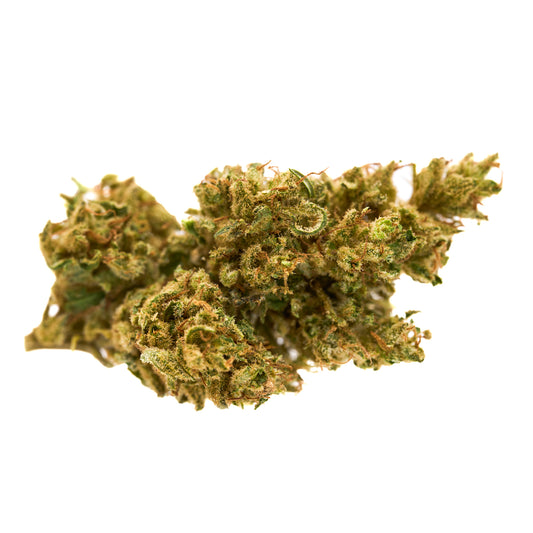
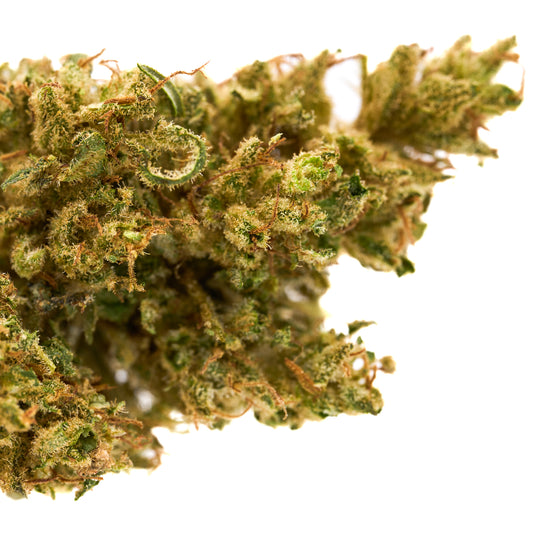
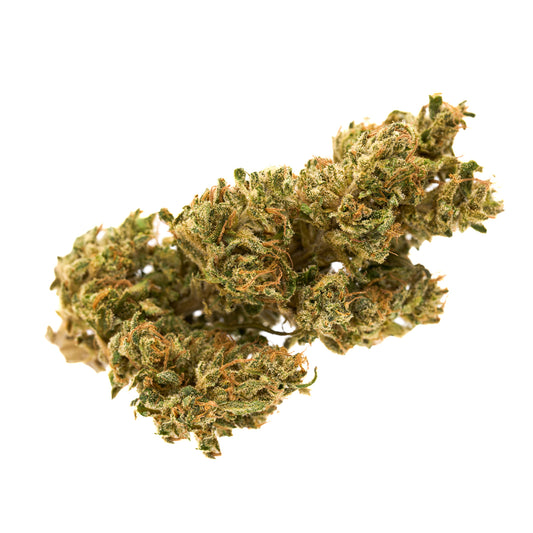
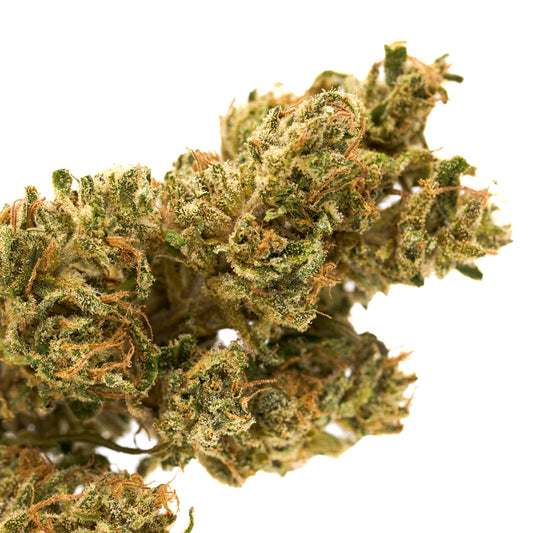




Indica vs. Sativa vs. Hybrid: How Breeders Decide What THCA Strain to Create

Walk into any dispensary, scroll through any hemp flower website, or chat with any seasoned cannabis enthusiast, and you'll hear the same three words repeated like a mantra: indica, sativa, hybrid. These labels are plastered on packaging, filter menus, and strain databases worldwide. But here's the question that rarely gets answered: what do these categories actually mean to the breeders who create the strains in the first place?
If you've ever wondered why one THCA flower knocks you into the couch while another sends your mind racing through creative territory, the answer isn't quite as simple as "indica vs. sativa vs. hybrid THCA." The science behind cannabis classification has evolved dramatically over the past decade — and the breeders engineering today's most sought-after THCA hemp flower strains know that these old labels are more of a starting point than a final answer.
In this post, we're pulling back the curtain on cannabis breeding strategy. We'll trace the origins of indica and sativa classification, examine why the binary has broken down, and explore exactly how modern breeders use these categories — imperfect as they are — to shape everything from growth structure to terpene profile to the experience waiting in your next bowl. Whether you're a wholesale buyer selecting inventory or a consumer looking for the right strain, understanding how these decisions get made will forever change the way you shop for THCA flower.
The Origins of Indica and Sativa Classification
To understand where cannabis classification stands today, you have to go back to where it started — and that means going back to 1785, when French biologist Jean-Baptiste Lamarck formally described a second species of cannabis he'd observed from specimens collected in India. He called it Cannabis indica to distinguish it from the Cannabis sativa that European naturalists had already documented, primarily as a fiber and seed crop across Europe and Central Asia.
Lamarck's indica plants were shorter, bushier, and more resinous than the tall, narrow sativa specimens he compared them to. From a purely botanical standpoint, the distinction made sense. Cannabis sativa grew along equatorial latitudes — in regions spanning Southeast Asia, Africa, and Central and South America — where long growing seasons allowed plants to stretch tall and produce elongated, narrow-leafed structures suited to sustained, extended light cycles. Cannabis indica, by contrast, evolved in the harsh, high-altitude environments of the Hindu Kush mountain range spanning present-day Afghanistan, Pakistan, and northern India. To survive shorter summers and unpredictable mountain climates, indica plants developed compact, dense structures and thick resin coats — nature's own protective response to cold temperatures and intense UV radiation.
Then there's ruderalis, the lesser-known third member of the cannabis family. Cannabis ruderalis originated in the harsh, low-light environments of Central Asia and Eastern Europe, and it developed one crucial survival adaptation: autoflowering. Unlike indica and sativa plants, which flower in response to changes in light cycle (called photoperiod flowering), ruderalis plants flower automatically based on age. While ruderalis plants are generally low in cannabinoids on their own, their autoflowering genetics have become extraordinarily valuable to modern breeders — a point we'll return to when we discuss hybrid strategy.
For much of cannabis history, these botanical distinctions were the entire framework breeders and consumers used to understand the plant. But as cultivation spread, genetics crossed borders, and scientific understanding deepened, the clean lines between indica and sativa began to blur considerably.
The Modern Reality — Why the Indica/Sativa Binary Is Oversimplified
Here's the uncomfortable truth that most cannabis marketing avoids: the indica/sativa binary, as most consumers understand it, is scientifically outdated. Not wrong exactly — but radically oversimplified.
The popular model holds that indica strains produce sedating, body-heavy effects while sativa strains produce energizing, cerebral experiences. It's a tidy story. It's also incomplete. The primary driver of a cannabis strain's effects isn't whether it has broad or narrow leaves — it's the specific combination of cannabinoids and terpenes it produces, and how those compounds interact through what researchers call the entourage effect.
Terpenes are the aromatic compounds that give cannabis — and thousands of other plants — their distinctive smells and flavors. But they do far more than smell good. Terpenes interact with cannabinoids like THCA, CBD, and dozens of minor cannabinoids to modulate and shape the overall effect profile of a strain. Myrcene, the most common terpene in cannabis, has documented sedative properties and is found in high concentrations in many strains labeled "indica." Limonene, with its citrus aroma, is associated with mood elevation and is common in strains marketed as "sativa." But here's the catch: those terpenes can appear in plants with either leaf structure and growth pattern. The terpene profile doesn't reliably track with the botanical classification.
Genomic research has made this even clearer. Studies analyzing the genetic structure of cannabis strains have found that the relationship between a plant's labeled indica or sativa classification and its actual chemical profile is weak at best. Many strains sold as "pure indica" are genetically closer to plants labeled "sativa," and vice versa. Decades of unregulated cross-breeding, seed bank marketing, and informal naming conventions have thoroughly scrambled the genetics.
The more honest framework, the one that serious cultivators, researchers, and industry insiders are increasingly adopting, acknowledges that most modern cannabis plants — including the THCA indica strains and THCA sativa strains on today's market — are already deeply hybridized. The classification system has become more of a consumer-facing communication tool than a precise botanical descriptor. Which brings us to the interesting question: if the categories are imperfect, why do breeders still use them?
How Breeders Still Use These Categories Strategically
The short answer is that consumer expectations are real, even when the science underlying them is messy. When a buyer types "best THCA flower for relaxation" into a search engine, they have an existing mental model — and that model is shaped largely by the indica/sativa framework they've absorbed from years of cannabis culture. Ignoring that framework entirely would be a commercial mistake.
Smart breeders understand that cannabis classification explained at the consumer level is ultimately about managing expectations and communicating effect direction. When a strain is described as indica-dominant, it signals to consumers: expect body relaxation, a calmer mental state, potentially sedating effects as the session progresses. When a strain is described as sativa-dominant, it signals: expect mental engagement, potential energy boost, a more active experience. These aren't perfect predictions — individual body chemistry plays a huge role — but they're useful shorthand that helps consumers self-select toward strains aligned with their goals.
The sophisticated version of this strategy works at the terpene level. Breeders who understand that myrcene and linalool drive the classic "indica" experience, while limonene, terpinolene, and pinene tend to produce more energetic, mentally engaging effects, can deliberately engineer terpene profiles that align with consumer expectations regardless of the plant's botanical lineage. This is what cannabis breeding strategy looks like at the cutting edge in 2025 — selecting parent strains not just for THCA percentage or yield, but for the precise aromatic and biochemical profile that will deliver the experience the market is demanding.
Consumer demand data is increasingly shaping these decisions. Search trends, sales data, and customer feedback loops give commercial breeders real-time intelligence on what buyers want. Wholesale buyers for hemp flower operations watch category performance closely. When certain strain types consistently outperform others in their category, that signal travels back up the supply chain and influences which genetics breeders prioritize in the next breeding cycle.
Breeding an Indica-Dominant THCA Strain — What That Looks Like
When a breeder sits down to engineer a new indica dominant THCA flower, they're working from a well-established playbook — but applying it with increasing precision.
The foundational parent strains for indica-dominant genetics trace back to legendary landrace lines: Afghani, the archetypal Hindu Kush indica known for dense, resinous buds and a sedating terpene profile dominated by myrcene; OG Kush, which brought fuel and earth aromatics alongside powerful physical relaxation; Granddaddy Purple, which added grape and berry terps through its Purple Urkle and Big Bud lineage while delivering some of the most visually striking purple phenotypes in the catalog.
The target traits a breeder is selecting for in an indica-dominant line include compact growth structure — these plants are typically shorter and bushier than their sativa counterparts, making them significantly more manageable in indoor cultivation environments with controlled ceiling heights. They're also selecting for dense bud architecture, high resin production (which directly correlates with THCA content), and that characteristic sedating terpene profile rich in myrcene, linalool, and beta-caryophyllene.
From a cultivation standpoint, indica genetics have distinct advantages. Shorter flowering periods — typically 7 to 9 weeks compared to 10 to 14 weeks for sativa-dominant lines — mean faster turnover and more harvest cycles per year. Compact growth makes canopy management simpler. The dense bud structure, while sometimes requiring more airflow management to prevent moisture issues, produces impressive weight relative to plant size. All of these factors make indica-dominant genetics attractive not just to consumers seeking the best THCA flower for relaxation but to commercial cultivators optimizing their production economics.
The effects consumers experience from a well-bred indica-dominant THCA strain — that full-body heaviness, the mental quieting, the tendency toward deep physical relaxation — are the result of this terpene engineering working in concert with THCA's own properties and the broader cannabinoid profile of the plant.
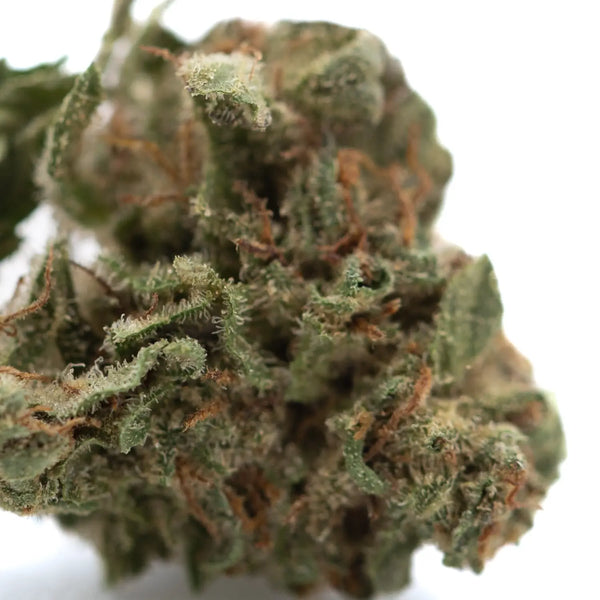
Breeding a Sativa-Dominant THCA Strain — What That Looks Like
On the other side of the spectrum, breeding a sativa dominant hemp flower strain presents a different set of opportunities and challenges — and a distinct genetic starting point.
The classic sativa lineages that breeders draw from include Haze, a legendary family of strains traced to original equatorial genetics from Colombia, Mexico, Thailand, and India that produces some of the most mentally stimulating, cerebral cannabis experiences in existence. Durban Poison, a South African landrace sativa, brings clean uplifting energy and a distinctive anise-forward terpene profile dominated by terpinolene and ocimene. Jack Herer — named for the legendary cannabis activist — combines Haze with Shiva Skunk and Northern Lights #5 to produce a piney, earthy sativa that's become one of the most awarded strains in history.
Selecting for sativa-dominant traits means targeting tall, vigorous growth with an open, airy bud structure — which presents clear cultivation challenges. These plants can reach heights that strain even large indoor grow rooms, making height management through training techniques like LST (low-stress training) and SCROG (screen of green) essential. Longer flowering periods, often extending to 12 weeks or more for pure sativa expressions, test a cultivator's patience and tie up grow space for extended periods. These factors tend to make sativa-dominant genetics less commercially popular in large-scale indoor operations, though they remain deeply valued by craft growers and connoisseurs.
The payoff for navigating those challenges is a terpene profile that delivers what consumers searching for the best THCA flower for energy are looking for: bright, citrus-forward aromatics from limonene; clean, herbal lift from terpinolene; the mental engagement and mood elevation that have made sativa-leaning strains the go-to choice for daytime use, creative work, and social settings.
The market demand for sativa-dominant THCA flower continues to be strong among consumers who want the full THCA experience without the couch-lock. For wholesale buyers, sativa-leaning strains serve a distinct demographic — one that's actively seeking a functional, energizing daytime option from their hemp flower.
Breeding a Hybrid THCA Strain — The Best of Both Worlds
If indica and sativa represent the poles, hybrids are where the vast majority of today's cannabis market lives. And for good reason. The dominance of hybrid THCA strains in 2025 reflects something genuinely important about what breeders have learned: the most commercially successful and consumer-satisfying strains tend to balance rather than maximize.
When breeders cross an indica-dominant parent with a sativa-dominant parent to produce an F1 hybrid (the first filial generation offspring of two distinct genetic lines), they often observe what's called hybrid vigor — a phenomenon where the offspring outperforms both parent plants in key traits like growth rate, yield, and stress resistance. F1 hybrid vigor is one of the most powerful tools in a commercial breeder's arsenal, producing plants that can hit exceptional THCA percentages while maintaining manageable grow characteristics and delivering nuanced, balanced effect profiles.
The craft of hybrid breeding is in the balance. A breeder might cross a heavy-yielding, resin-drenched indica line with a terpene-rich sativa to capture dense bud structure while introducing the bright, complex aromatics that have become hallmarks of today's most sought-after strains. Or they might take a sativa's mentally engaging terpene profile and soften it with indica genetics that shorten flowering time and add physical warmth to the experience — creating something that works for both daytime and evening use without fully committing to either end of the spectrum.
The lineages driving today's most popular best hybrid THCA flower include the Cookies family (Girl Scout Cookies, Thin Mint, Animal Cookies), the Gelato line descended from Sunset Sherbet and Thin Mint GSC, and the Runtz genetics that have taken the market by storm with their candy-forward terpene profiles and exceptional bag appeal. These strains represent the pinnacle of modern hybrid breeding — strains engineered not just for potency but for the full sensory experience from the moment you open the jar.
Consumer Demand vs. Breeder Vision
Understanding how breeders choose cannabis strains requires acknowledging a fundamental tension at the heart of the industry: the pull between market-driven breeding and craft-driven vision.
Market-driven breeding is exactly what it sounds like. Breeders observe what's selling — which terpene profiles are trending, which strain names are commanding premium prices, which aesthetic characteristics (bud color, frost coverage, aroma intensity) are driving consumer decisions on social media — and they engineer toward those targets. The explosion of dessert strains over the past decade is a perfect case study. Gelato, Cookies, Runtz, and their countless offspring didn't dominate the market by accident. They delivered what consumers were increasingly demanding: sweet, candy-like aromatics, exceptional visual appeal, and balanced hybrid effects that worked for a wide range of consumers and occasions. Breeders followed that signal and the dessert strain category has expanded accordingly.
Craft-driven breeding operates differently. Some breeders are chasing an effect profile or terpene expression that doesn't yet exist in the market — developing something genuinely novel rather than optimizing toward existing demand. This approach tends to be slower, more expensive, and commercially riskier, but it's also where genuinely transformative new genetics tend to emerge. The strains that become iconic — the ones that define an era and give rise to entire lineage trees — usually started as a breeder's vision rather than a market response.
For consumers navigating this landscape, strain lineage transparency has become increasingly important. Knowing the genetic heritage of a THCA strain — which parent lines it descended from, what those lineages are known for, and how the breeder selected and stabilized the genetics — provides far more useful information than a simple indica/sativa/hybrid label. Wholesale buyers who understand lineage can make more informed purchasing decisions and communicate more effectively with their retail customers.
How to Choose the Right Indica, Sativa, or Hybrid THCA Flower
With all of this context in mind, how should you actually approach choosing a THCA strain? The honest answer is: look beyond the label.
The indica/sativa/hybrid designation is a useful starting point — it gives you a directional sense of what growth structure the plant came from and what effect profile the breeder was targeting. But if you want a genuinely informed selection, the terpene profile is your most reliable guide. When you're browsing THCA hemp flower options, look for strains where the terpene data is clearly reported. The top three to five terpenes in a strain's profile will tell you far more about the experience you can expect than whether it's classified as indica, sativa, or hybrid.
Here's a quick reference framework: myrcene-dominant strains tend toward relaxation and body effects; limonene-dominant strains trend toward mood elevation and mental energy; caryophyllene brings a spicy warmth and potential anti-anxiety effects; pinene is associated with alertness and memory retention; linalool (found in lavender and many indica-leaning strains) contributes calming, potentially sleep-supporting effects; terpinolene is associated with uplifting, cerebral energy.
Learning to read a Certificate of Analysis (COA) is the other essential skill for any serious THCA consumer or wholesale buyer. A quality COA from an accredited third-party laboratory will report not just THCA percentage but the full terpene panel, confirming the aromatic profile matches what's on the label. For wholesale buyers, COA data is non-negotiable — it protects your customers and your business by confirming potency, compliance, and quality. The best THCA flower suppliers will always have current, readily accessible COA data for every strain in their catalog.
Beyond terpenes and COAs, consider your own history with different strain types. Experimentation is ultimately the best teacher. The effects of THCA flower are influenced by your individual endocannabinoid system, your tolerance, your set and setting, and dozens of factors that no classification system can fully account for. Use the indica/sativa/hybrid framework as a starting hypothesis, use terpene data to refine your prediction, and let your own experience be the final arbiter.
Frequently Asked Questions
Is indica or sativa THCA flower stronger?
Neither category is inherently stronger than the other. Strength — meaning THCA percentage — is determined by genetics, cultivation conditions, and post-harvest handling, not by whether a plant is indica or sativa. Many of the highest-testing THCA strains on today's market are hybrid genetics. Focus on COA-reported THCA percentages rather than classification when evaluating potency.
What's the best THCA strain for sleep?
If sleep support is your primary goal, look for THCA indica strains or indica-dominant hybrids with high myrcene and linalool content. These terpenes have documented sedative properties that work synergistically with THCA to promote physical relaxation and mental quieting. Strains descended from OG Kush, Granddaddy Purple, or Afghani lineages are classic starting points, but always verify the terpene panel on the COA to confirm the profile matches your goals.
What's the best THCA flower for focus and energy?
For focus, mental clarity, and daytime energy, sativa-dominant strains with limonene, terpinolene, or pinene-forward terpene profiles are your best bet. The best THCA flower for energy typically descends from Haze, Durban Poison, or Jack Herer lineages. Look for strains marketed explicitly as daytime options and verify that the terpene panel includes these uplifting compounds.
Are hybrid THCA strains better than pure indica or sativa?
"Better" is subjective and depends entirely on what you're looking for. That said, hybrid THCA strains dominate the market for good reason: they offer balanced effects that work for a wider range of consumers and occasions, they often benefit from hybrid vigor in terms of potency and yield, and they've become the foundation for the most innovative terpene engineering in modern cannabis breeding. For consumers who find pure indica too sedating or pure sativa too stimulating, a well-bred hybrid frequently hits the sweet spot.
How can I tell if a THCA strain is indica or sativa?
Beyond the label, visual cues include leaf structure (broad, dark leaves suggest indica genetics; narrow, lighter leaves suggest sativa) and bud architecture (dense, compact buds are more indica-typical; airy, elongated buds are more sativa-typical). But honestly, the most reliable guide is the terpene panel on a COA. Myrcene-heavy profiles skew indica in effect; limonene and terpinolene-heavy profiles skew sativa. The classification on the label is a reasonable starting point, but terpene data tells the real story.
Conclusion
The indica vs. sativa vs. hybrid debate has been at the center of cannabis culture for decades, and it shows no signs of disappearing — because despite its scientific imprecision, it serves a real and valuable purpose. These categories give breeders a strategic framework for communicating intent, give consumers a starting point for selection, and give the entire market a shared vocabulary for discussing the endlessly diverse world of cannabis effects and experiences.
But the most informed approach treats classification as a useful guide rather than a rulebook. The real story of why a strain affects you the way it does lives in its terpene profile, its THCA content, its full cannabinoid spectrum, and the interaction between all of those compounds within your own unique endocannabinoid system. Breeders who understand this are engineering the next generation of THCA hemp flower with a level of precision and intentionality that makes today's market more exciting and more nuanced than ever before.
The best thing you can do as a consumer or wholesale buyer is learn to read the data — terpene panels, COAs, lineage information — and treat your own experience as the most important feedback mechanism of all. Explore widely. Pay attention to what works for your body and your goals. And when you're ready to discover what today's most thoughtfully bred THCA strains have to offer, browse our full collection of indica, sativa, and hybrid THCA flower — sourced, tested, and curated with exactly this kind of informed approach in mind.
