
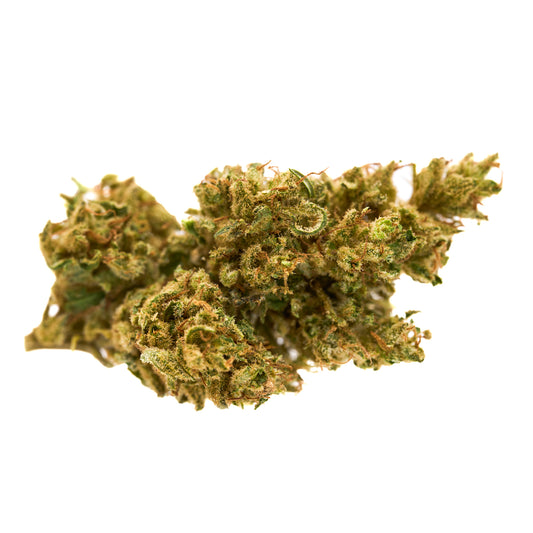
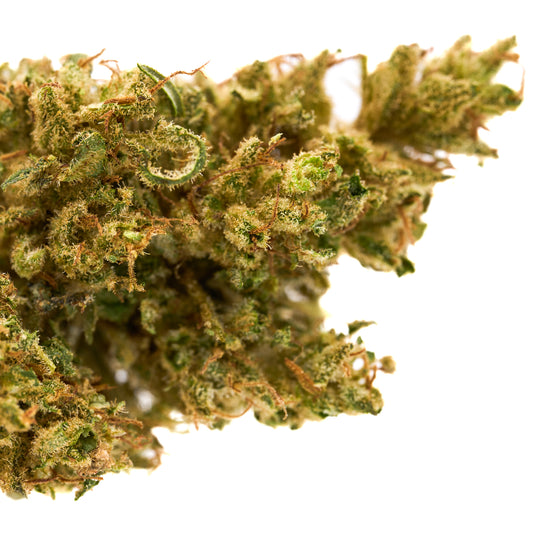
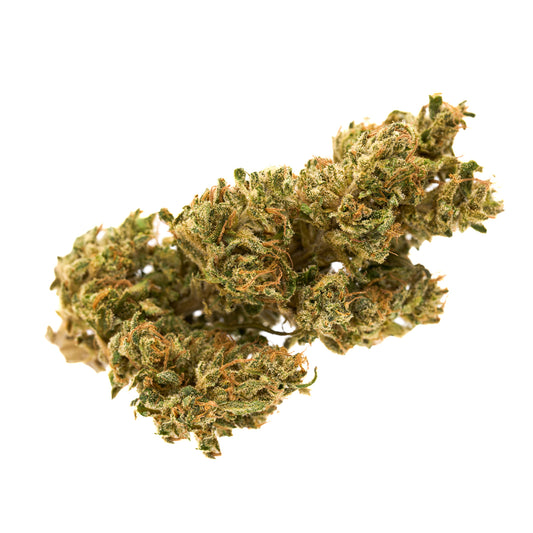
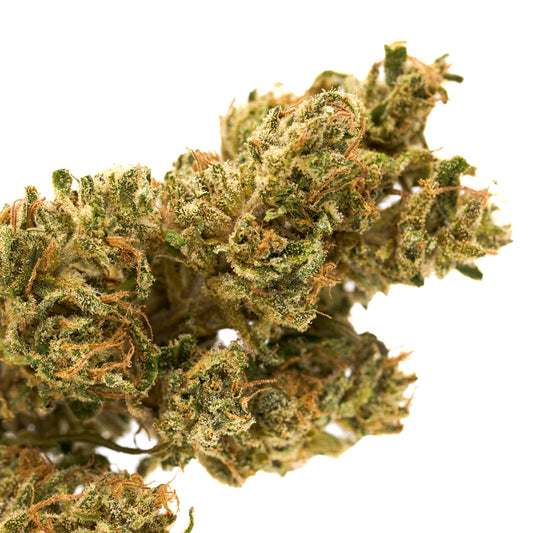




THCA vs Delta 9: Understanding the Legal and Chemical Differences

Walk into any hemp shop or scroll through any online dispensary and you'll see two terms dominating the shelves: THCA and Delta 9 THC. They sound similar. They come from the same plant. And yet, legally and chemically, they're treated as completely different compounds — and that distinction matters enormously whether you're a consumer, a retailer, or a wholesale buyer.
If you've ever wondered whether THCA is just another name for Delta 9, why hemp flower can legally contain high THCA percentages, or how the 2018 Farm Bill created an entire compliant cannabis market, you're in the right place. This guide breaks down exactly what separates these two compounds, what happens chemically when you light a bowl, why the law treats them differently, and what you need to know before making your next purchase.
The Chemistry — Same Family, Different Structure
To understand the THCA vs Delta 9 debate, you have to start at the molecular level — because this is where the entire legal and functional distinction originates.
THCA stands for tetrahydrocannabinolic acid. It is the raw, acidic precursor to Delta 9 THC found naturally in the living cannabis plant. When hemp or cannabis is growing in the field, it isn't producing Delta 9 THC directly. Instead, the plant biosynthesizes THCA as its primary cannabinoid. In this raw, unheated form, THCA is non-intoxicating.
Why? Because THCA's molecular structure includes a carboxyl group — a cluster of atoms represented as COOH — attached to its carbon chain. That extra molecular weight and altered shape prevents THCA from binding effectively to the CB1 receptors in the human brain and central nervous system. CB1 receptor activation is what produces the psychoactive "high" associated with cannabis. Without strong CB1 binding, THCA produces no significant intoxicating effect.
Delta 9 THC, by contrast, is the decarboxylated form of THCA. Decarboxylation is the chemical process by which heat removes that carboxyl group, releasing carbon dioxide (CO2) and transforming the molecule into the active, three-dimensional shape that fits neatly into CB1 receptors. This is the compound responsible for the classic cannabis high — the relaxation, euphoria, altered sensory perception, and elevated mood that consumers have sought for generations.
The THCA to Delta 9 conversion happens naturally and rapidly with heat. When you smoke, vape, or cook cannabis flower, you are triggering decarboxylation in real time. The temperature threshold for this conversion begins around 220°F (104°C) and becomes more complete with higher temperatures and longer exposure times.
Here's a clean summary:
- THCA in raw flower + no heat = non-intoxicating acidic cannabinoid
- THCA + applied heat = becomes Delta 9 THC = fully psychoactive
This is precisely why freshly harvested hemp flower can test at 20–25% THCA while simultaneously testing at only 0.1–0.3% Delta 9 THC. They are chemically distinct molecules until heat is applied, and that distinction is the entire basis for how compliant hemp flower is legally sold and regulated in the United States today.
It's also worth noting that THCA and Delta 9 have slightly different molecular weights. The standard conversion factor used in cannabis testing is 0.877 — meaning 1% THCA converts to approximately 0.877% Delta 9 THC when fully decarboxylated. This number is critical for understanding total THC calculations and state-level compliance, which we'll cover in the legal section below.
The Legal Difference — Why It Matters Under the Farm Bill
The legal distinction between THCA delta 9 is not just a technicality — it is the legal foundation that makes the entire compliant hemp flower market possible.
Under the 2018 Farm Bill, hemp is defined as Cannabis sativa L. containing no more than 0.3% Delta 9 THC by dry weight at the time of harvest. Any cannabis plant exceeding that threshold is legally classified as marijuana, which remains a Schedule I controlled substance under the Controlled Substances Act.
The critical detail here: the law specifies Delta 9 THC — not THCA, not total cannabinoids, not potential THC after decarboxylation. THCA in its raw form is not federally scheduled as a controlled substance under current DEA guidance. This legal gap is what permits hemp cultivators to grow and sell high-THCA cannabis flower legally at the federal level, provided their plants test compliant for Delta 9 THC at harvest.
This is the governing framework behind farm bill THCA delta 9 compliance: a hemp plant testing at 22% THCA and 0.2% Delta 9 THC is federally legal hemp. That same plant, if dried and heated, would produce a potent intoxicating experience functionally identical to traditional cannabis — but at the moment of harvest and sale, it meets every requirement of federal law.
The DEA's Position
The Drug Enforcement Administration has largely maintained that hemp-compliant products testing under 0.3% Delta 9 THC are not controlled substances, even when THCA content is high. However, the DEA has also proposed interpretations suggesting that synthetically derived cannabinoids or products specifically manufactured to circumvent the Farm Bill could face different treatment. For naturally grown hemp flower that organically produces high THCA through cultivation, the current framework supports federal legality.
State-Level Complications: Total THC Testing
Here's where THCA delta 9 legal questions become more complex. While federal law targets Delta 9 THC specifically, a growing number of states have moved toward "total THC" testing methodologies. The total THC formula is:
(THCA × 0.877) + Delta 9 THC = Total THC
Under this formula, a hemp flower testing at 22% THCA and 0.2% Delta 9 would calculate to approximately 19.5% total THC — far exceeding what many states classify as compliant hemp. States including Colorado, Oregon, and others have implemented or debated total THC standards that effectively limit the THCA content permissible in legal hemp products.
This regulatory patchwork means that hemp THCA vs Delta 9 legality is not uniform across the country. A product that is federally compliant may be non-compliant in certain states. Consumers and retailers must verify their specific state hemp laws before purchasing or stocking high-THCA products.
Why Third-Party COAs Are Non-Negotiable
This legal landscape is precisely why Certificate of Analysis (COA) documentation from an accredited third-party laboratory is the single most important document in the hemp flower supply chain. A comprehensive COA should confirm:
- Delta 9 THC percentage (must be ≤ 0.3% dry weight for federal hemp compliance)
- THCA percentage
- Full cannabinoid panel
- Terpene profile
- Residual solvents and pesticide screening
- Heavy metals analysis
Without this documentation, neither retailers nor consumers can verify the compliance status of any hemp flower product. Reputable suppliers provide up-to-date COAs with batch-specific results — not outdated or generic documentation.
Effects — What Consumers Actually Experience
Let's address what most consumers want to know: in practice, what is the difference between THCA and Delta 9 when it comes to the actual experience?
The answer depends entirely on how THCA is consumed.
When Heated (Smoked or Vaped)
When THCA flower is smoked in a pipe, rolled joint, blunt, or vaporized at appropriate temperatures, the heat triggers immediate decarboxylation. THCA converts to Delta 9 THC in real time during combustion or vaporization. The resulting consumer experience is functionally identical to smoking traditional cannabis — and experienced consumers will recognize the effects immediately.
Depending on the strain, terpene profile, and THCA potency, users typically report:
- Relaxation and stress relief — a loosening of physical tension and mental anxiety
- Euphoria and mood elevation — the characteristic uplift associated with high-quality cannabis
- Altered sensory perception — heightened appreciation for music, food, and creative activities
- Pain relief — anecdotally reported by many users, with ongoing research into cannabinoid interactions with pain pathways
- Sedation or energy — heavily dependent on the terpene profile; myrcene-dominant strains tend toward relaxation while limonene and pinene-forward profiles often feel more energizing
This is the core reason why THCA vs Delta 9 THC comparisons matter so much to consumers — THCA flower, when smoked, delivers the Delta 9 THC experience. The conversion is nearly complete and nearly instantaneous at combustion temperatures.
When Consumed Raw (Unheated)
When THCA is consumed without heat — juiced in raw cannabis leaves, added to smoothies, or eaten in unactivated form — it does not convert to Delta 9 THC and does not produce intoxication. In this form, THCA is the subject of emerging research exploring potential therapeutic properties including anti-inflammatory effects, neuroprotective activity, and possible anti-nausea properties.
Raw cannabis consumption has gained a following among wellness-focused consumers who want the potential benefits of cannabinoids without psychoactive effects. While the research base is still developing, early studies suggest THCA may have meaningful biological activity in its unheated state.
The Dual Nature of THCA
This dual nature — legally compliant when raw, experientially active when heated — is the defining characteristic of the modern compliant hemp flower market. It's why THCA flower has become the dominant product category for consumers seeking a traditional cannabis experience through legal channels, and why understanding the delta 9 THC vs THCA relationship is foundational knowledge for anyone in or entering this market.
THCA vs Delta 9 — Quick Comparison Table
| Feature | THCA | Delta 9 THC |
|---|---|---|
| Form in raw plant | Acidic precursor (dominant) | Present in trace amounts |
| Intoxicating raw? | No | Yes |
| Federally legal (hemp)? | Yes, when D9 ≤ 0.3% | Only under 0.3% |
| Converts to D9? | Yes, via heat (decarboxylation) | Already active |
| Available online? | Yes (federally compliant) | Restricted in most forms |
| Found in hemp flower? | Yes, high percentages (15–25%+) | Trace amounts only |
| CB1 receptor binding? | Weak (non-intoxicating) | Strong (psychoactive) |
| Carboxyl group present? | Yes | No |
| Conversion factor | 1% THCA = ~0.877% D9 after decarb | N/A |
| Research interest | Anti-inflammatory, neuroprotective | Extensive (pain, appetite, etc.) |
The THCA Flower Market — What Wholesale Buyers Need to Know
For retailers and wholesale buyers, the THCA delta 9 comparison isn't just an intellectual exercise — it has direct implications for sourcing, compliance, and customer education.
Sourcing Compliant THCA Flower
When evaluating THCA flower for wholesale purchasing, buyers should prioritize suppliers who:
Provide current, batch-specific COAs. Each harvest lot should have its own laboratory documentation. COAs should come from DEA-registered, ISO-accredited laboratories. Outdated documentation from previous harvests does not accurately represent the product being sold.
Demonstrate transparent cultivation practices. Know where the flower was grown. Indoor-grown THCA flower typically offers more controlled terpene profiles and consistent potency. Greenhouse and outdoor cultivation can produce excellent results at different price points. Oregon, in particular, has built a reputation for premium hemp cultivation supported by a favorable climate and experienced growers.
Offer full cannabinoid and terpene panels. A COA showing only Delta 9 and THCA percentages is insufficient for sophisticated buyers. Full panels allow retailers to accurately describe the product, market specific effects based on terpene chemistry, and demonstrate product quality to end consumers.
Maintain state compliance documentation. Wholesale suppliers should be able to provide documentation confirming their hemp was grown under a state-licensed hemp program or USDA-approved plan.
Consumer Education as a Retail Strategy
One of the most significant competitive advantages any hemp retailer can develop right now is genuine consumer education. The THCA vs Delta 9 question is one that new hemp consumers encounter almost immediately — and the quality of the answer they receive shapes their trust in the retailer and their confidence in the purchase.
Staff who can clearly explain that THCA is the natural precursor to Delta 9, that heat converts one to the other, that the Farm Bill's 0.3% threshold applies to Delta 9 at harvest (not THCA), and that third-party testing confirms compliance — those staff members turn first-time buyers into loyal customers.
Choosing the Right Product — THCA Flower vs Delta 8
If you're exploring the compliant hemp market, you'll encounter not just THCA and Delta 9, but also Delta 8 products. Understanding how these compounds fit together helps you choose the right product for your goals.
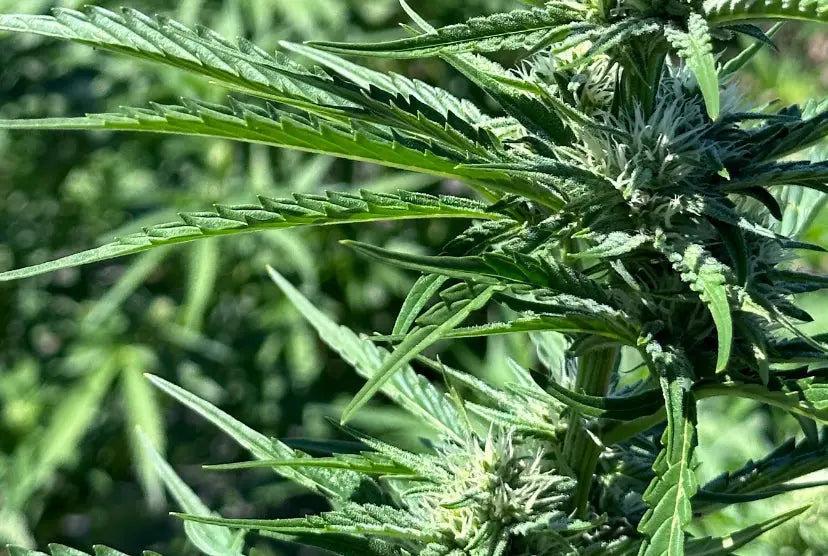
THCA flower is ideal for consumers who want a full-potency hemp flower experience that converts to Delta 9 THC when smoked or vaped. It delivers the broadest terpene expression, the most natural consumption format, and the highest experiential potency available in the compliant hemp market. For consumers who prefer smoking or vaping flower, THCA hemp flower is the gold standard.
Delta 8 products, on the other hand, offer a distinct cannabinoid experience. Delta 8 THC is an isomer of Delta 9 — meaning it has the same molecular formula but a slightly different structure. Most consumers describe Delta 8 as producing a milder, cleaner high with less anxiety and more functional clarity than Delta 9. Delta 8 is typically available in gummies, vapes, and tinctures rather than raw flower.
When choosing between these options, consider:
- Preferred consumption method — Do you prefer smoking flower or using a gummy/vape?
- Desired intensity — THCA flower (when heated) delivers full Delta 9 potency; Delta 8 offers a gentler, more accessible experience
- State regulations — Both THCA and Delta 8 face varying state-level restrictions; check local laws
- Purpose — Social use, relaxation, sleep support, creativity, and pain management may be better served by different compounds and terpene profiles
For high-potency hemp flower, look for THCA content of 15–25%+ with a full terpene panel confirming the strain's effect profile. For milder, more controlled experiences in edible or vape formats, Delta 8 products offer accessible entry points.
Frequently Asked Questions
Is THCA the same as Delta 9?
No. THCA and Delta 9 THC are chemically distinct compounds. THCA is the acidic precursor found in raw hemp flower; Delta 9 is the decarboxylated, psychoactive form produced when heat is applied. They share the same carbon skeleton but differ in the presence of a carboxyl group, which fundamentally changes how they interact with the human endocannabinoid system.
Is THCA legal under the 2018 Farm Bill?
At the federal level, yes — when the hemp flower it comes from tests at or below 0.3% Delta 9 THC by dry weight. The Farm Bill's definition of hemp measures Delta 9 THC specifically, and THCA in its raw form is not a scheduled controlled substance under current federal guidelines. However, some states have enacted total THC testing standards that may restrict high-THCA products at the state level.
Will THCA flower get you high?
When smoked or vaped, yes. Heat converts THCA to Delta 9 THC through decarboxylation, producing effects functionally identical to traditional cannabis. When consumed raw without heat, THCA is non-intoxicating.
How does THCA convert to Delta 9?
Through decarboxylation — the application of heat removes the carboxyl group (COOH) from the THCA molecule, transforming it into Delta 9 THC. This happens automatically during smoking, vaping, or cooking. The conversion factor is approximately 0.877: 1% THCA produces about 0.877% Delta 9 THC when fully decarboxylated.
What percentage of THCA should I look for in quality hemp flower?
Premium THCA hemp flower typically tests between 18–28% THCA. For a strong, full-potency experience comparable to traditional cannabis, most experienced consumers prefer products testing 20%+. Always verify THCA and Delta 9 percentages through the product's Certificate of Analysis.
Can I buy THCA flower online?
Yes, federally compliant THCA hemp flower can be purchased online and shipped to most states. However, because some states have restricted hemp products based on total THC calculations or specific THCA rules, it's essential to verify your state's current hemp laws before ordering.
What's the difference between THCA and Delta 8?
THCA is the acidic precursor to Delta 9 THC found in raw hemp flower. Delta 8 is a distinct cannabinoid isomer — chemically related to Delta 9 but with a different double bond placement. Delta 8 is typically produced through conversion processes and is available primarily in processed formats like gummies, vapes, and tinctures rather than raw flower. THCA flower (when smoked) delivers a full Delta 9 experience; Delta 8 products generally deliver a milder, cleaner effect.
How do I verify that a THCA product is compliant?
Request the Certificate of Analysis (COA) from the retailer or supplier. A compliant THCA hemp flower product should show Delta 9 THC at or below 0.3% by dry weight. The COA should come from an accredited third-party laboratory and include the specific batch or lot number corresponding to the product you're purchasing.
Does THCA show up on a drug test?
This is a critical consideration. Because THCA converts to Delta 9 THC when heated and consumed, the resulting metabolites in your system are identical to those from traditional cannabis use. Standard drug tests screen for THC metabolites — not specific cannabinoids — and consuming smoked or vaped THCA flower will very likely result in a positive test. If you are subject to drug testing, exercise caution with any THC-adjacent hemp products.
Are there any potential benefits to raw THCA consumption?
Early research suggests THCA may have anti-inflammatory, neuroprotective, and anti-nausea properties in its unheated form. Some wellness-focused consumers incorporate raw cannabis or THCA isolate into their routines specifically to avoid intoxication while potentially accessing these effects. However, the research base is still developing, and no THCA product should be marketed as treating or curing any medical condition.
Conclusion
THCA and Delta 9 THC may originate from the same plant — but their chemical structures, legal classifications, and consumer applications are meaningfully different. Understanding the difference between THCA and Delta 9 isn't just academic knowledge. It's the foundation for making smart purchasing decisions, navigating a complex regulatory landscape, and getting the experience you're actually looking for.
The THCA delta 9 legal framework created by the 2018 Farm Bill opened the door to a legitimate, accessible hemp flower market that didn't exist before. High-THCA hemp flower sits at the intersection of science and law — offering a federally compliant product that delivers real, full-spectrum results when consumed.
For consumers, the takeaway is simple: if you want the traditional cannabis flower experience through a legal, tested, transparent channel, THCA hemp flower is your product. If you prefer a milder cannabinoid experience in gummy, vape, or tincture form, explore Delta 8 products as an accessible alternative.
For wholesale buyers and retailers, understanding this distinction — and being able to communicate it clearly to customers — is one of the most valuable capabilities you can develop in today's hemp market.
Ready to explore premium, lab-tested THCA flower? Browse Oregon Hemp Flower's full selection of THCA hemp flower — rigorously tested, transparently sourced, and grown with the quality standards that serious consumers and buyers demand.
