





What Does THCA Do? Effects, Benefits & How It Works

Walk into any hemp retailer or scroll through any cannabis-focused wellness community right now, and one question seems to dominate the conversation: what does THCA do? It's a fair question, and the answer is more layered than most people expect. THCA — tetrahydrocannabinolic acid — is the naturally occurring precursor to THC found in raw, live cannabis and hemp plants. Before a plant is dried, cured, or heated, the majority of its cannabinoid content exists not as THC but as THCA.
This distinction matters enormously — both for your body and for the law.
In its raw, unheated form, THCA is non-psychoactive. It won't produce the intoxicating "high" that most people associate with cannabis. Yet researchers, physicians, and thousands of everyday wellness consumers are paying close attention to it because early science and substantial anecdotal evidence suggest that THCA benefits may be significant — from reducing inflammation and protecting neurons to easing nausea and supporting metabolic health.
At the same time, when THCA is exposed to heat through smoking, vaping, dabbing, or cooking, it undergoes a chemical process called decarboxylation and converts into Delta-9 THC, producing the familiar psychoactive effects most cannabis users know well.
This dual nature — wellness compound in its raw form, potent psychoactive substance when heated — makes THCA one of the most fascinating and commercially significant cannabinoids in today's hemp market. This guide covers everything you need to know: the science, the reported THCA health benefits, the honest limitations of current research, and how to make informed decisions about incorporating THCA products into your routine.
What Is THCA? Understanding the Basics
To understand THCA effects, you first need to understand what THCA actually is at a molecular level.
Every cannabis and hemp plant synthesizes cannabinoids through a biosynthetic pathway that begins with CBGA (cannabigerolic acid), often called the "mother cannabinoid." From CBGA, enzymatic processes produce THCA, CBDA, CBCA, and other acidic cannabinoid precursors. THCA (tetrahydrocannabinolic acid) is simply THC in its acidic, carboxylated form — it carries an extra carboxyl group (COOH) attached to its molecular structure.
That extra carboxyl group is the key to everything. Because of it, THCA has a different molecular shape than THC. This shape difference means THCA does not bind efficiently to the brain's CB1 receptors — the receptors primarily responsible for cannabis's psychoactive effects. No meaningful CB1 binding means no intoxication. This is why fresh cannabis juice, raw hemp flower, and unheated THCA concentrates do not produce a high.
When heat is applied — through a flame, a vaporizer, an oven, or even prolonged exposure to sunlight — the carboxyl group is released as carbon dioxide (CO₂), a process called decarboxylation. What remains is Delta-9 THC, which binds powerfully to CB1 receptors and produces intoxication.
This is why the question "is THCA good for you" doesn't have a single, simple answer. It depends on how you use it:
Raw THCA — consumed without heat through juicing raw flower, taking tinctures, or using raw concentrates — interacts with the body through mechanisms that are still being actively studied, and preliminary evidence suggests a genuinely promising wellness profile.
Heated THCA — smoked, vaped, dabbed, or cooked — converts to THC and produces psychoactive effects, along with all of THC's own therapeutic properties including pain relief, appetite stimulation, and sleep support.
Understanding this fundamental distinction shapes every conversation about THCA therapeutic uses and helps consumers make far more intentional purchasing and consumption decisions.
How Does THCA Interact With Your Body?
The human endocannabinoid system (ECS) is a vast regulatory network of receptors, enzymes, and endogenous cannabinoids that helps maintain homeostasis — balance — across virtually every major biological system. Most people are familiar with the two primary receptor types: CB1 receptors, concentrated in the brain and central nervous system, and CB2 receptors, distributed throughout the immune system and peripheral tissues.
THC gets most of its famous effects from direct CB1 agonism. THCA, as mentioned, doesn't work this way. So if THCA doesn't bind strongly to CB1 or CB2, how does it interact with the body at all?
The answer lies in the remarkable complexity of the endocannabinoid system and the broader network of receptors it interfaces with. Current research points to several mechanisms through which THCA may exert its biological effects:
TRPA1 and TRPM8 Receptor Activity THCA appears to interact with transient receptor potential (TRP) channels, particularly TRPA1 and TRPM8. These receptors are involved in pain signaling, inflammation responses, and temperature sensation. Activation of these pathways may contribute to THCA's reported analgesic and anti-inflammatory properties.
PPARγ Receptor Activation Peroxisome proliferator-activated receptor gamma (PPARγ) is a nuclear receptor involved in regulating inflammation, metabolism, and cell differentiation. THCA has demonstrated PPARγ agonist activity in laboratory studies, which may help explain observed anti-inflammatory and neuroprotective effects. PPARγ activation is also associated with metabolic regulation, which has led to early interest in THCA's potential role in metabolic health.
COX Enzyme Inhibition Some early research suggests THCA may inhibit cyclooxygenase (COX) enzymes — the same enzymes targeted by common NSAIDs like ibuprofen. COX inhibition reduces the production of prostaglandins, which are signaling molecules that drive inflammation and pain responses. This mechanism could help explain the significant consumer interest in THCA for pain management.
5-HT1A Serotonin Receptor Interactions Early research also suggests THCA may interact with serotonin 5-HT1A receptors. These receptors are involved in mood regulation, appetite, and nausea — which connects to THCA's studied potential as an anti-nausea compound.
Modulation of the ECS Without Direct CB Binding Even without strongly binding to CB1 or CB2, THCA may influence endocannabinoid tone indirectly by modulating enzymes that break down endogenous cannabinoids like anandamide and 2-AG. Preserving higher levels of these naturally occurring compounds can have wide-ranging regulatory effects.
It's important to note that most of this research is still in preclinical stages — primarily cell studies and animal models. Human clinical trials are limited, which is why responsible THCA vendors and wellness advocates are careful to frame the evidence appropriately. The science is promising and genuinely exciting, but it is not yet definitive.
THCA Effects — What Users Actually Report
Beyond the laboratory, a growing body of consumer experience is shaping our understanding of THCA effects in real-world contexts. While anecdotal evidence is not a substitute for clinical research, patterns across thousands of user reports provide valuable insight — especially in areas where formal research is still catching up.
When Consumed Raw (No Heat)
Users who juice raw hemp flower, use raw THCA tinctures, or consume unheated THCA concentrates most commonly report:
Reduced inflammation and physical discomfort. This is by far the most commonly cited effect. People dealing with joint discomfort, muscle soreness, and chronic inflammatory conditions frequently report meaningful relief after consistent raw THCA consumption. This aligns with the COX inhibition and PPARγ activation mechanisms described above.
Mental clarity without sedation or intoxication. Unlike THC, raw THCA does not impair cognitive function. Users frequently highlight this as a key advantage — they get reported physical benefits without any compromise to focus, alertness, or coordination.
Improved digestive comfort and reduced nausea. Individuals dealing with nausea from various causes — including chemotherapy side effects, gastrointestinal conditions, and morning sickness — have reported meaningful relief from raw THCA consumption. This corresponds with the serotonergic activity noted in early research.
Calmer baseline stress levels. Some users report a general sense of calm or reduced physiological stress response, though this effect is less consistently reported than the anti-inflammatory observations.
When Heated (Smoked, Vaped, or Dabbed)
Once heat converts THCA to THC, the effects shift dramatically and become psychoactive. Users report the full spectrum of THC effects: euphoria, altered perception, relaxation, increased appetite, pain relief, and for some, anxiety. The therapeutic window also widens — heated THCA products deliver THC's well-documented benefits including powerful analgesia, sleep support, and appetite stimulation.
It's worth emphasizing that high-potency THCA flower smoked or vaped functions essentially identically to high-potency THC flower. The THCA converts to THC during combustion or vaporization at temperatures above approximately 220°F (104°C). Consumers interested in THCA specifically for its non-psychoactive properties need to keep this in mind and consume accordingly.
THCA Health Benefits — What the Research Says
Let's examine the most studied and most discussed THCA health benefits in detail, with an honest look at both the supporting evidence and its current limitations.
THCA Anti-Inflammatory Properties
Inflammation is the body's natural response to injury and infection, but chronic inflammation underlies many of the most debilitating health conditions — arthritis, inflammatory bowel disease, cardiovascular disease, neurodegenerative disorders, and more. The search for safe, effective anti-inflammatory compounds is one of the most active areas of pharmaceutical and nutraceutical research.
THCA anti-inflammatory activity has been documented in multiple preclinical studies. A 2011 study published in Phytochemistry found that THCA demonstrated significant anti-inflammatory activity in cell cultures, with effects mediated in part through COX enzyme inhibition. Subsequent research has consistently supported these findings across different inflammatory models.
For consumers, this translates to interest in THCA as an alternative or complement to NSAIDs — particularly for people who experience gastrointestinal side effects from conventional anti-inflammatory medications. The appeal of a plant-derived compound that may work through similar mechanisms without causing stomach irritation is obvious and legitimate.
THCA Neuroprotective Effects
Perhaps the most scientifically compelling area of THCA research involves its potential neuroprotective properties. A significant 2017 study published in Phytomedicine found that THCA protected neuronal cells from toxicity in models relevant to Parkinson's disease. The proposed mechanism involves PPARγ activation, which helps regulate neuroinflammation and mitochondrial function — two key factors in neurodegenerative disease progression.
Subsequent animal studies have explored THCA's potential relevance to Huntington's disease, demonstrating neuroprotective effects in transgenic mouse models. While these results have not yet translated into human clinical trials, they have generated considerable scientific interest and are driving ongoing research programs at multiple institutions.
For consumers with family histories of neurological conditions or personal interest in long-term brain health, this research provides genuine, evidence-based rationale for exploring THCA wellness applications.
THCA for Pain Relief
THCA for pain is one of the most frequently searched topics in the hemp wellness space, and for good reason. Multiple mechanisms — including COX inhibition, TRP channel activity, and indirect endocannabinoid modulation — converge to create a plausible scientific basis for analgesic effects.
Consumer reports of meaningful pain relief are consistent and widespread, particularly for inflammatory pain conditions like arthritis, fibromyalgia, and post-exercise soreness. The advantage over conventional pain medications is significant for many users: THCA in its raw form does not impair cognition, does not carry addiction risk the way opioids do, and is generally well-tolerated.
THCA Anti-Nausea and Antiemetic Properties
A 2013 study published in the British Journal of Pharmacology explored cannabinoid acids' anti-nausea potential and found that THCA reduced nausea and vomiting responses in animal models — actually outperforming THC in the specific model studied. This finding surprised many researchers and significantly elevated THCA's profile in the medical cannabis community.
For patients undergoing chemotherapy, individuals with chronic gastrointestinal conditions, or pregnant women seeking natural nausea support, this research area is particularly compelling — though anyone dealing with serious medical conditions should always consult their healthcare provider before incorporating THCA or any cannabinoid product into their care plan.
Metabolic Health and Anti-Obesity Potential
Emerging research has begun examining THCA's potential role in metabolic health, again connected to PPARγ activation. PPARγ receptors play important roles in fat cell differentiation, insulin sensitivity, and metabolic rate regulation. Early studies suggest THCA may influence fat accumulation and metabolic signaling, though this research is at very early stages.
Is THCA Good For You? Honest Considerations
Is THCA good for you? The intellectually honest answer is: the evidence is genuinely promising, but incomplete, and individual results will vary significantly.
Here's a realistic framework for evaluating THCA for your own wellness context:
The case for THCA is strong when: You're interested in plant-based anti-inflammatory support and want a non-intoxicating option. You're already using cannabis therapeutically but want daytime options that don't impair function. You're curious about neuroprotection and preventive wellness applications. You want broader cannabinoid spectrum support beyond what CBD alone provides.
Approach THCA with appropriate caution when: You are pregnant or breastfeeding — though THCA does not produce THC in the body without heat, research on cannabinoids during pregnancy is insufficient to make confident safety claims. You take medications that are metabolized by the CYP450 enzyme system — cannabinoids can interact with certain pharmaceuticals. You are subject to drug testing — high-dose THCA use may potentially convert to detectable THC metabolites in the body, and the legal landscape around THCA is evolving state by state.
Quality matters enormously. THCA products vary widely in purity, potency, and transparency. Prioritizing lab-tested products from reputable vendors — those who provide full panel Certificates of Analysis — is essential. Look for third-party testing that covers cannabinoid potency, residual solvents, pesticides, heavy metals, and microbial contamination.
Dosing is highly individual. Therapeutic cannabinoid responses vary significantly based on individual endocannabinoid system tone, body composition, consumption method, and the specific conditions being addressed. Starting low and adjusting gradually is always the prudent approach.
THCA Therapeutic Uses — Practical Applications
Understanding THCA therapeutic uses in practical terms means thinking about consumption methods, formats, and how each aligns with your specific wellness goals.
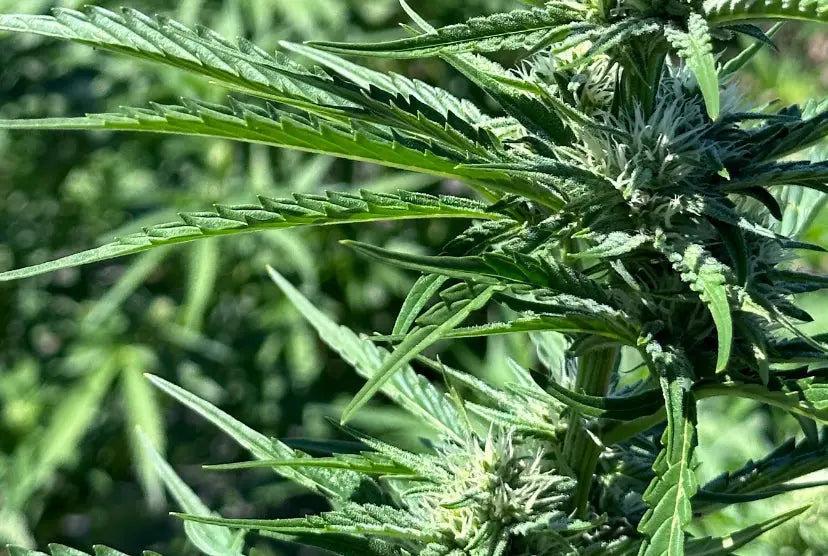
Raw THCA Flower Juicing Juicing raw, fresh-frozen hemp flower preserves THCA in its acidic form. This is arguably the most bioavailable and comprehensive way to consume raw THCA along with the full spectrum of other raw cannabinoid acids, terpenes, and plant compounds. The challenge is access to fresh material and the equipment required, but for serious wellness consumers, the results reported are significant.
THCA Tinctures and Raw Extracts Alcohol-based or oil-based extractions performed at low temperatures can preserve THCA without triggering decarboxylation. These tinctures offer convenient, measured dosing and are a practical option for daily supplementation protocols.
THCA Crystalline and Concentrates (Raw) Pure THCA crystalline is one of the most potent, concentrated forms of THCA available. When consumed sublingually or in capsule form without heating, it provides very high doses of raw THCA. When dabbed or vaporized, it converts rapidly to THC. This dual functionality makes THCA crystalline particularly popular among experienced consumers who want flexibility.
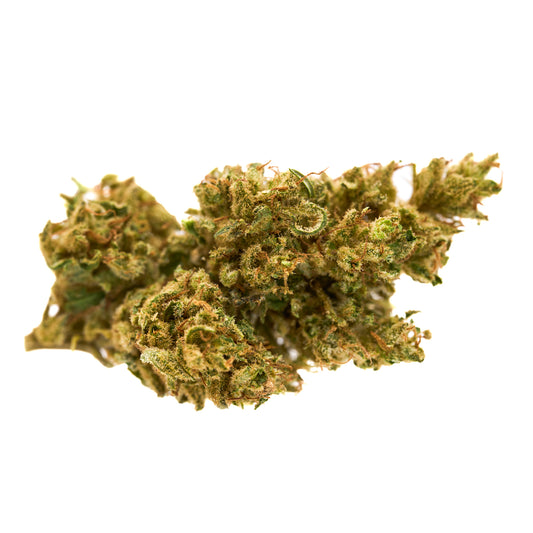
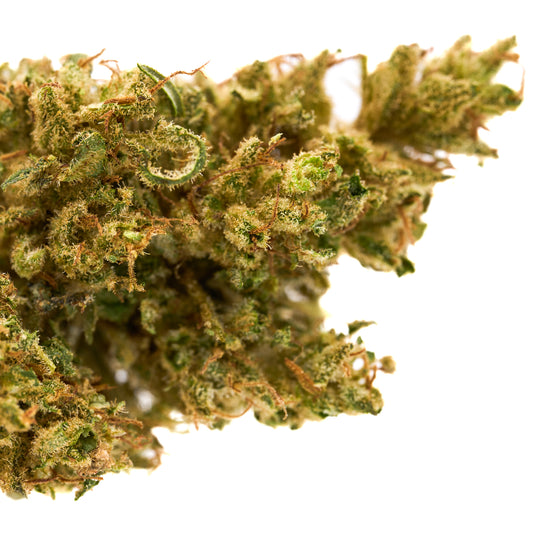
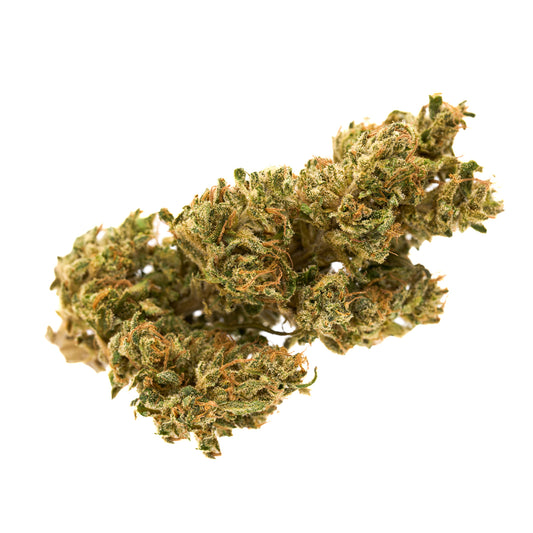
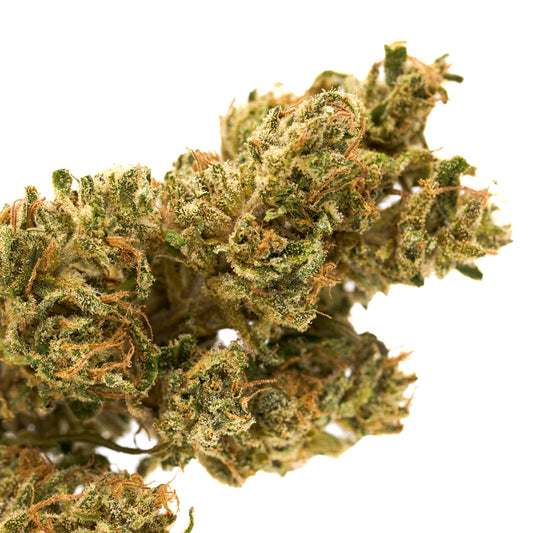
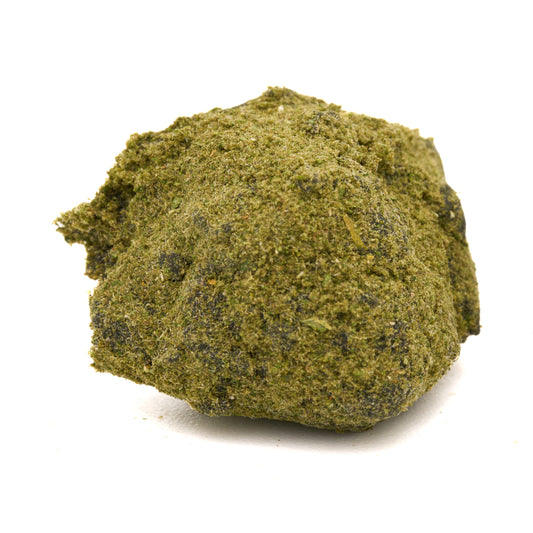
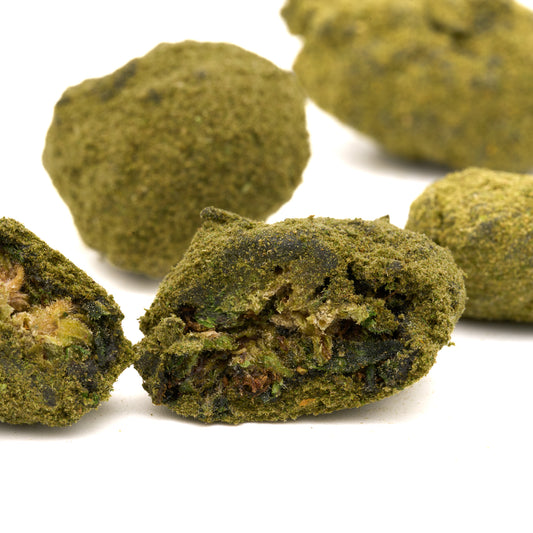
THCA Flower for Smoking or Vaping High-potency THCA flower — hemp flower bred to contain very high THCA percentages — is the most popular THCA product in today's market. When smoked or vaporized, it converts to THC and delivers potent psychoactive and therapeutic effects. The difference from traditional marijuana products in many markets is primarily legal: under the 2018 Farm Bill, hemp-derived products with less than 0.3% Delta-9 THC on a dry weight basis may be federally legal, even if THCA content is high.
Capsules and Edibles THCA capsules and edibles present interesting dosing considerations. At body temperature alone, THCA does not decarboxylate, but cooking processes or the heat of digestion in combination with intestinal conditions may cause partial conversion. Careful formulation is required to preserve THCA in edible formats.
THCA Wellness — Integrating Into Your Daily Routine
Building a THCA wellness practice that delivers consistent results involves thinking systematically about your goals, your lifestyle, and your tolerance for experimentation.
Start with clarity about your goals. Are you primarily interested in anti-inflammatory support? Neuroprotection? Nausea relief? Pain management? Different goals may point toward different consumption methods and dosing protocols. Someone juicing raw flower for systemic inflammation support is on a very different path from someone using heated THCA flower for acute pain management or recreational use.
Consistency matters more than quantity. Like most botanical wellness compounds, THCA's effects appear to build with consistent use. Many consumers report that the most significant benefits emerge after several weeks of daily supplementation rather than from isolated, high-dose use.
Track your experience systematically. Keep a simple journal noting your dose, consumption method, time of day, and observed effects. This data is invaluable for dialing in your optimal protocol and for having informed conversations with healthcare providers.
Layer with complementary wellness practices. THCA appears to work synergistically with other cannabinoids — particularly CBD — through what researchers call the entourage effect. Full-spectrum hemp products that contain THCA alongside CBD, CBG, CBN, and a rich terpene profile may deliver broader and more nuanced benefits than isolated THCA alone.
Consult your healthcare provider. This is especially important if you have existing health conditions, take prescription medications, or are considering THCA as part of managing a serious wellness challenge. The conversation around cannabinoid medicine is increasingly mainstream — more physicians are informed and open to these discussions than ever before.
Legal Considerations for THCA Products
The legal landscape around THCA is one of the most rapidly evolving areas in hemp regulation. Under federal law and the 2018 Farm Bill, hemp is defined as cannabis containing less than 0.3% Delta-9 THC on a dry weight basis. THCA, as an acidic precursor rather than Delta-9 THC itself, has occupied a legal gray zone that has allowed high-THCA hemp products to be sold legally in many states.
However, the DEA and some state regulators have begun challenging this interpretation, arguing that THCA should be counted toward the total THC concentration using a "total THC" calculation that accounts for decarboxylation potential. Several states have already moved to explicitly restrict or ban high-THCA hemp products.
Before purchasing THCA products, consumers should verify the current legal status in their state. Work only with vendors who maintain full transparency about their products' legal compliance, provide third-party lab testing showing compliant cannabinoid profiles, and stay current with regulatory developments.
Reputable vendors like Oregon Hemp Flower stay closely attuned to the evolving regulatory landscape and source products that comply with applicable law. Explore our current THCA releases for lab-tested, compliant options.
FAQ: Real Questions About What THCA Does
Q: What does THCA do to the body when consumed raw? When consumed without heat, THCA interacts with your body primarily through mechanisms that don't involve CB1 receptor binding. It appears to work through TRPA1 and TRPM8 TRP channels, PPARγ nuclear receptor activation, potential COX enzyme inhibition, and possible serotonergic activity. The practical result, according to preclinical research and widespread consumer reports, includes anti-inflammatory effects, nausea reduction, and potential neuroprotective activity — all without cognitive impairment or intoxication.
Q: Does THCA get you high? In its raw, unheated form, no. THCA does not produce psychoactive effects because its molecular structure prevents efficient binding to CB1 receptors in the brain. However, once heated — through smoking, vaping, dabbing, or cooking at sufficient temperatures — THCA converts to Delta-9 THC via decarboxylation and will produce psychoactive effects.
Q: Is THCA the same as THC? No. THCA and THC are chemically related but distinct compounds. THCA is the acidic precursor that exists in raw cannabis; THC is the decarboxylated, psychoactive form produced by heat or age-related degradation. Their interaction with the body and their legal status differ significantly.
Q: How much THCA should I take for anti-inflammatory benefits? There is no established clinical dosing for THCA. Most wellness consumers exploring raw THCA supplementation start with low doses — equivalent to 5–10mg of THCA — and adjust gradually based on observed response. Raw flower juicing protocols used in some therapeutic contexts involve significantly higher doses. Working with a knowledgeable healthcare provider is advisable for any therapeutic application.
Q: Will THCA show up on a drug test? This is an important and nuanced question. While THCA itself is not the compound drug tests detect, there is concern that high-dose THCA consumption could lead to some conversion to THC within the body, potentially producing detectable THC metabolites. If you are subject to workplace or legal drug testing, avoid THCA products until you have verified this risk with a healthcare provider or testing expert.
Q: What is the difference between THCA flower and regular marijuana? THCA flower is hemp flower bred to contain high levels of THCA while maintaining a Delta-9 THC concentration below the 0.3% federal legal threshold. Regular marijuana — sold through state-licensed cannabis dispensaries — contains Delta-9 THC as its primary psychoactive compound. When smoked, high-THCA hemp flower and marijuana produce very similar effects because the THCA converts to THC during combustion. The primary differences are legal status and sourcing pathway.
Q: Where can I buy quality THCA products? Look for vendors who provide full-panel third-party Certificates of Analysis, source from licensed hemp cultivators, and maintain transparency about potency and compliance. Browse our current selection of lab-tested THCA flower and concentrates to explore premium options.
Conclusion: Making Sense of THCA in Your Wellness Journey
The question of what does THCA do turns out to have a rich, multifaceted answer — one that continues to evolve as science catches up with consumer curiosity and market demand.
What we know with confidence: THCA is a distinct cannabinoid with its own biological activity, separate from THC. In its raw form, it is non-psychoactive and shows genuine promise in preclinical research across several wellness domains, including anti-inflammatory activity, neuroprotection, and nausea relief. When heated, it converts to THC and delivers the full psychoactive and therapeutic profile of that well-known cannabinoid.
What remains to be established: the optimal doses, the full mechanism map, and the clinical outcomes in human trials across the range of conditions consumers are using THCA to address.
For wellness-oriented consumers, the current evidence is sufficient to justify thoughtful, informed exploration — particularly for those interested in natural anti-inflammatory support, neuroprotective supplementation, or a non-intoxicating cannabinoid complement to existing CBD-based routines.
Explore Oregon Hemp Flower's curated collection of premium, lab-tested THCA products to begin your own informed journey with this remarkable cannabinoid.
