
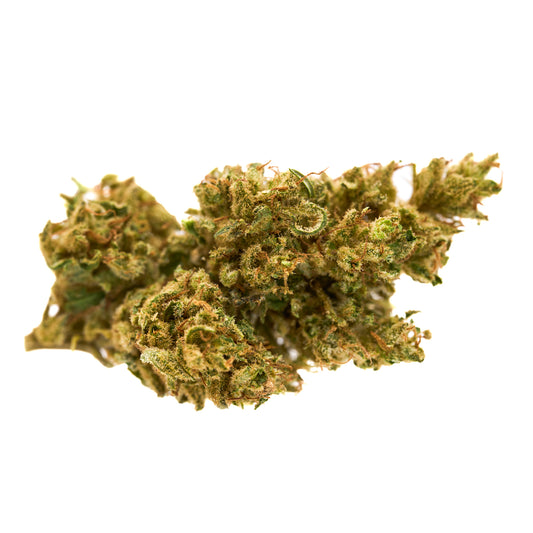
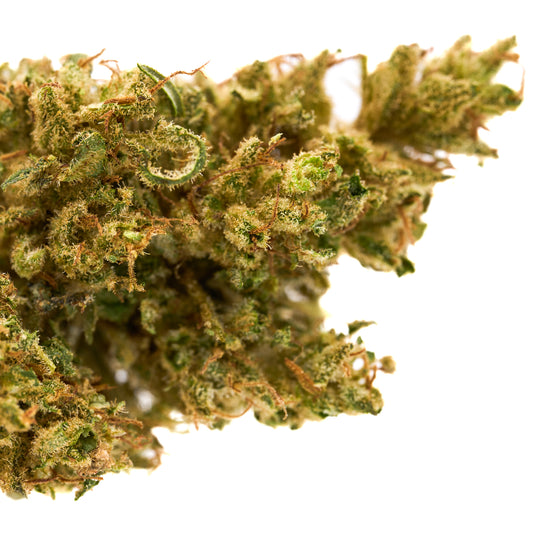
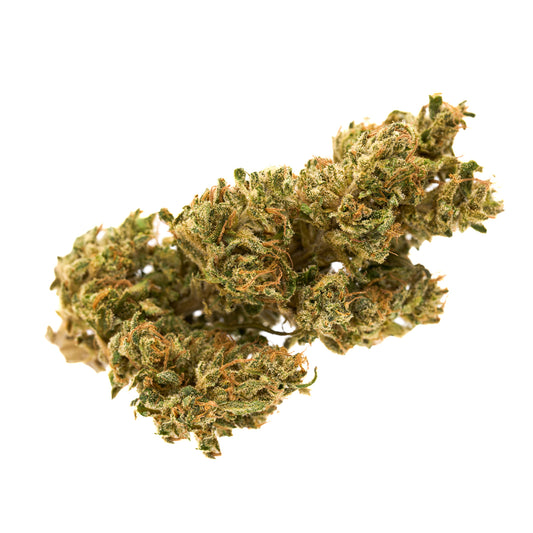
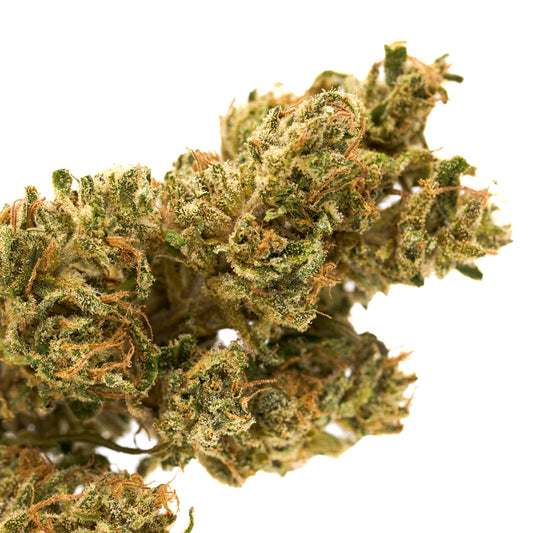





What Wholesale Options Does High THCA Hemp Flower Provide for Retailers?

The hemp industry has experienced unprecedented growth in recent years, with THCA flower emerging as one of the most sought-after products in retail stores across the country. As consumer awareness about the benefits and legality of THCA hemp flower continues to expand, retailers are actively seeking reliable thca wholesale options retailers can depend on to meet increasing demand. Understanding the various wholesale programs, pricing structures, and partnership opportunities available is essential for store owners looking to capitalize on this lucrative market segment. Whether you're a dispensary, smoke shop, wellness boutique, or specialty retailer, comprehensive thca wholesale programs can provide the foundation for building a profitable THCA product line that keeps customers coming back.
The explosion in THCA popularity stems from its unique legal status under the 2018 Farm Bill, which allows hemp-derived cannabinoids containing less than 0.3% Delta-9 THC to be sold legally in most states. For retailers, this represents an enormous opportunity to offer products that deliver potent effects while remaining compliant with federal hemp regulations. Smart retailers are partnering with established wholesale suppliers to access premium retailer thca wholesale inventory that meets rigorous quality standards and arrives with complete documentation. This comprehensive guide explores everything retailers need to know about wholesale THCA flower options, from pricing structures and minimum order quantities to private labeling opportunities and building long-term supplier relationships.
Understanding THCA Wholesale Pricing Structures
One of the most critical considerations when evaluating thca wholesale for stores is understanding how pricing structures work and what margins you can realistically expect. Most reputable THCA wholesalers operate on tiered pricing models that reward larger volume commitments with progressively lower per-unit costs. This volume-based discount system incentivizes retailers to purchase in larger quantities while providing flexibility for smaller operations to start with modest initial orders.
Typical thca wholesale pricing structures break down into several tiers. Entry-level pricing usually applies to single-pound orders, with costs ranging from $300-$600 per pound depending on cannabinoid potency, strain popularity, and flower quality. Mid-tier pricing kicks in at 5-10 pound commitments, reducing per-pound costs by 15-25%. Volume pricing for orders of 25 pounds or more can offer 30-40% discounts compared to entry-level rates, bringing premium THCA flower costs down to $200-$400 per pound for the highest volume buyers.
When evaluating thca wholesale deals retailers receive, it's essential to compare wholesale costs against retail market pricing in your area. In most markets, quality THCA flower retails for $8-$15 per gram, translating to roughly $3,600-$6,800 per pound at retail prices. This creates substantial thca wholesale margins for retailers—typically ranging from 50-100% markup when purchasing at wholesale rates and selling at competitive retail prices. These margins provide excellent profit potential while allowing retailers to remain price-competitive within their local markets.
The profitability of thca bulk for retailers extends beyond simple margin calculations. Volume purchasing reduces per-unit shipping costs, minimizes the frequency of reordering expenses, and creates opportunities for promotional pricing strategies that drive customer loyalty. Retailers who commit to larger initial orders often negotiate better payment terms, receive priority access to limited-edition strains, and build stronger relationships with suppliers that lead to preferential treatment during product shortages or market fluctuations.
Understanding the complete cost structure is crucial when evaluating wholesale thca flower retailers partner with for their supply chain. Beyond the base product cost, consider additional expenses like shipping (typically $50-$150 depending on order size and destination), testing costs if you require additional COAs, packaging materials if purchasing bulk flower for in-house packaging, and any credit card processing fees or wire transfer charges. Reputable suppliers provide transparent pricing with all costs clearly itemized, ensuring you can accurately calculate your true cost per gram and set appropriate retail prices.
Minimum Order Quantities & Package Options
I need to continue with the section on minimum order quantities and package options, ensuring I naturally integrate the relevant keywords while providing comprehensive, valuable information for retailers.
Navigating minimum order quantities (MOQs) represents one of the first hurdles retailers face when exploring retailer wholesale thca opportunities. Understanding these requirements and the various package configurations available helps retailers make informed purchasing decisions that align with their storage capacity, capital availability, and market testing strategies.
Most established thca wholesale programs set minimum order quantities between 1-5 pounds for initial orders. Entry-level MOQs of 1-2 pounds allow smaller retailers, pop-up shops, or stores testing the THCA market to access wholesale pricing without committing significant capital or storage space. These lower minimums provide excellent opportunities for market testing—retailers can purchase small quantities of multiple strains to determine customer preferences before making larger commitments.
Mid-sized thca wholesale packages typically range from 5-25 pounds and offer the sweet spot for established retailers with proven customer demand. These package sizes unlock better pricing tiers while remaining manageable from inventory and cash flow perspectives. Many wholesalers structure these packages as multi-strain samplers, allowing retailers to stock 5-10 different strains with 1-3 pounds of each, creating product variety that appeals to diverse customer preferences.
For high-volume operations, retail bulk thca orders of 50-100 pounds or more access the deepest discounts and most favorable terms. These large-format orders suit established dispensaries, regional retail chains, or stores with proven track records of consistent THCA sales. While the capital requirements are substantial, the cost savings and margin enhancement justify the investment for retailers with the infrastructure and customer base to move significant product volume.
The flexibility in thca wholesale ordering processes has evolved significantly as the market has matured. Progressive wholesalers now offer customizable package configurations that allow retailers to mix and match strains within their orders. Instead of purchasing 10 pounds of a single strain, retailers can create custom packages with 2 pounds each of five different strains, or any combination that suits their merchandising strategy. This flexibility reduces inventory risk while maximizing product diversity for customers.
Sampler packages represent an increasingly popular option within thca distribution retailers utilize for market testing and customer education. These curated packages typically include 4-8 ounces each of multiple strains, allowing retailers to evaluate product quality, test customer preferences, and assess different price points before committing to larger quantities. Many wholesalers price sampler packages at slight premiums compared to full-pound pricing but significantly below retail costs, making them valuable tools for informed decision-making.
Understanding package options also involves considering the physical packaging format. Most retail thca wholesale flower arrives in vacuum-sealed bags within cardboard boxes or plastic totes. Some suppliers offer flower in turkey bags (heat-sealed mylar bags) that provide excellent moisture and aroma control. For retailers planning to repackage flower under their own brand, bulk packaging options reduce costs but require investment in your own labeling and packaging materials. Alternatively, pre-packaged options in retail-ready containers command higher wholesale prices but eliminate packaging labor and material costs.
Private Labeling & White Label Opportunities
The evolution of thca wholesale for stores has introduced sophisticated branding opportunities that allow retailers to build proprietary product lines without investing in cultivation infrastructure. Private labeling and white label programs represent powerful tools for differentiation in increasingly competitive markets, enabling retailers to create unique brand identities while leveraging established supply chains.
Private labeling through comprehensive thca wholesale partnerships involves purchasing wholesale flower and packaging it under your store's brand name. This approach creates several strategic advantages: enhanced brand recognition, customer loyalty to your specific products rather than commoditized strains, pricing flexibility since customers can't comparison shop your branded products, and the perception of vertical integration that suggests quality control and expertise. Many successful retailers generate 30-50% of THCA sales through private label products that command premium pricing due to brand equity and perceived exclusivity.
White label programs take customization further by allowing complete control over packaging design, strain naming, and brand storytelling. Leading wholesale thca for shops suppliers maintain white label capabilities including custom label printing, proprietary packaging design, and even strain development or exclusive access to limited genetics. These programs typically require larger minimum commitments—often 25-50 pounds for initial white label runs—but deliver exceptional brand-building opportunities for retailers committed to long-term market positioning.
The customization options available through advanced thca wholesale business relationships extend beyond simple label swapping. Sophisticated programs offer custom terpene profiles where suppliers can match specific flavor and aroma characteristics to your brand identity, specialized curing and trimming to exact specifications, and custom testing protocols that emphasize specific cannabinoid or terpene content relevant to your target market. Some suppliers even provide photography and marketing collateral featuring your branded products for use in social media and in-store displays.
Timeline and minimum requirements vary significantly across different retailer thca supply partners. Standard private label orders with simple label application typically require 2-4 weeks from order placement to delivery, while fully custom white label programs with proprietary packaging design may need 6-12 weeks for initial runs. Minimum order quantities for private label programs usually start around 10-25 pounds, with custom packaging design requiring 50-100 pound commitments to justify the design and setup costs.
The investment in private labeling generates significant returns through enhanced thca wholesale margins compared to reselling branded products. Retailers selling branded wholesale flower typically maintain 50-75% margins, while private label products often support 100-150% margins due to perceived differentiation and the absence of direct price comparison options. Additionally, private label customers demonstrate higher loyalty rates—studies show customers purchasing store-branded hemp products return 40% more frequently than those buying national brands.
Drop Shipping & Distribution Models
Modern thca distribution retailers access has evolved beyond traditional bulk purchasing to include sophisticated fulfillment models that reduce inventory risk and storage requirements. Drop shipping and direct distribution arrangements provide flexible alternatives to conventional wholesale models, particularly for retailers with limited warehouse space or those testing new markets.
Drop shipping programs through established thca wholesale programs allow retailers to sell THCA flower without maintaining physical inventory. When customers place orders, retailers forward those orders to their wholesale partner who ships products directly to the end consumer under the retailer's branding. This model dramatically reduces capital requirements since retailers only purchase inventory after securing customer sales, eliminates storage costs and concerns about product degradation, and allows retailers to offer extensive product catalogs without physical space constraints.
The operational structure of wholesale thca flower retailers utilize for drop shipping typically involves integrated ordering systems where retail sales automatically generate wholesale purchase orders. Advanced suppliers provide API integrations with popular e-commerce platforms, real-time inventory tracking to prevent out-of-stock situations, and branded packaging options that maintain the retailer's brand identity throughout the fulfillment process. These sophisticated systems create seamless customer experiences while minimizing retailer overhead and logistics complexity.
Hybrid distribution models combine elements of traditional wholesale purchasing with drop shipping flexibility. Many retail bulk thca suppliers allow retailers to maintain core inventory of best-selling strains in-house while utilizing drop shipping for specialty or slower-moving products. This approach optimizes cash flow by concentrating capital on proven sellers while maintaining comprehensive product offerings through drop ship arrangements for niche strains or experimental products.
Fulfillment speed represents a critical consideration when evaluating thca wholesale for stores with distribution capabilities. Top-tier suppliers ship drop ship orders within 24-48 hours of receiving order confirmation, with most deliveries arriving within 3-5 business days for domestic shipments. Some suppliers offer expedited fulfillment options for premium fees, ensuring retailers can meet customer expectations even for last-minute orders. When evaluating potential partners, request information about average fulfillment times, shipping carrier options, and tracking capabilities.
Inventory management benefits extend throughout retailer wholesale thca distribution models. Cloud-based inventory systems provided by sophisticated suppliers offer real-time stock level visibility, automated low-stock alerts, and predictive analytics suggesting reorder quantities based on historical sales patterns. These tools help retailers optimize cash flow by ordering appropriate quantities at optimal times, reduce waste from expired or degraded inventory, and maintain consistent product availability that builds customer trust and repeat business.
Wholesale Terms & Payment Structures
Understanding the financial mechanics and relationship frameworks governing thca wholesale terms proves essential for retailers building sustainable procurement strategies. Payment structures, credit arrangements, and transaction terms significantly impact cash flow, profitability, and overall business relationship health with suppliers.
The most common payment structures in thca wholesale business arrangements include cash on delivery (COD), prepayment, and net terms. COD arrangements require payment upon delivery or immediately before shipment, providing security for suppliers while demanding immediate cash availability from retailers. Prepayment terms typically offer 2-5% discounts as suppliers incentivize advance payment that improves their cash flow and reduces transaction risk. These prepay discounts can significantly enhance profitability for retailers with available capital.
Net payment terms—NET 30, NET 60, or occasionally NET 90—allow established retailers to receive inventory before payment is due. Most thca wholesale deals retailers access through net terms require credit applications demonstrating business history, financial stability, and creditworthiness. Initial credit limits typically range from $5,000-$25,000 depending on business size and history, with limits increasing as payment track records establish. These terms dramatically improve cash flow by allowing retailers to sell inventory and collect customer payments before wholesale invoices come due.
Credit applications for thca wholesale ordering on net terms typically require business tax ID documentation, business bank account information, trade references from other suppliers, and sometimes personal guarantees from business owners. Approval processes usually take 3-7 business days, with some suppliers offering instant approval for businesses meeting specific criteria. Maintaining excellent payment history with initial suppliers creates positive trade references that facilitate credit approval with additional suppliers as you diversify sourcing.
Deposit requirements represent another common structure within retailer thca wholesale relationships, particularly for new accounts or large custom orders. Typical deposit structures require 25-50% payment upfront with the balance due upon shipment or delivery. For private label or white label orders involving custom packaging, deposits may reach 50-75% to cover supplier material costs and production setup expenses. Understanding deposit requirements helps retailers plan cash flow and ensures they can fulfill financial obligations without straining working capital.
Return and exchange policies vary significantly across thca wholesale partnerships and deserve careful attention during supplier evaluation. Quality-focused suppliers typically guarantee product quality and accept returns for defective or mislabeled products, though return windows usually range from 7-14 days and may require unopened packaging. Some suppliers offer exchange options where dissatisfied retailers can swap products for different strains rather than receiving refunds. Understanding these policies before ordering protects retailers from being stuck with unsellable inventory due to quality issues or customer preference mismatches.
Supplier Relationships & Quality Assurance
Building strong, reliable partnerships through carefully vetted wholesale thca for shops suppliers represents one of the most critical success factors for retailers entering or expanding in the THCA market. The supplier relationship extends far beyond transactional product purchasing to encompass quality assurance, compliance support, market intelligence, and long-term strategic alignment.
Vetting potential retailer thca supply partners begins with comprehensive due diligence examining their operational capabilities, regulatory compliance, and market reputation. Essential evaluation criteria include verification of proper business licensing and hemp cultivation/distribution permits, review of third-party laboratory testing protocols and COA (Certificate of Analysis) availability, assessment of production capacity and ability to meet your volume requirements consistently, and evaluation of customer service responsiveness and communication standards.
Quality assurance protocols represent the cornerstone of reliable thca wholesale options retailers must demand from partners. Industry-leading suppliers conduct comprehensive third-party testing for every batch including full cannabinoid panels verifying THCA content and confirming Delta-9 THC compliance, terpene profiles identifying flavor and aroma compounds, heavy metals testing ensuring product safety, pesticide screening confirming clean cultivation practices, and microbial testing detecting potentially harmful bacteria, mold, or fungi. Suppliers should provide COAs readily—often posted on websites or included with shipments—without retailers needing to request documentation repeatedly.
The importance of COAs in thca bulk for retailers operations cannot be overstated. These documents serve multiple critical functions: providing legal compliance documentation proving Delta-9 THC levels remain below 0.3%, enabling informed customer service by allowing staff to accurately describe cannabinoid and terpene content, supporting marketing claims about potency or purity, and protecting retailers from legal liability by demonstrating due diligence in sourcing compliant products. Retailers should maintain organized COA files for all inventory, ideally with digital copies accessible to staff and available for regulatory inspection.
Building long-term thca wholesale partnerships generates substantial benefits beyond simple transaction cost reduction. Established relationships create preferential access to limited-edition or high-demand strains before general release, priority fulfillment during peak seasons or supply constraints, flexibility on payment terms and minimum order quantities as trust builds, collaborative product development where suppliers cultivate specific strains matching your market needs, and market intelligence sharing about emerging trends, regulatory changes, or competitor activities.
Communication expectations and support capabilities distinguish exceptional thca distribution retailers partner with from mediocre suppliers. Top-tier partners provide dedicated account managers for personalized service and relationship continuity, responsive customer service through multiple channels (phone, email, text, online chat), proactive communication about inventory availability, shipping delays, or product updates, educational resources including strain information, market trends, and compliance guidance, and collaborative problem-solving when issues arise rather than defensive or dismissive responses.
Sample programs offered by progressive retail thca wholesale suppliers provide invaluable risk mitigation for retailers evaluating new partners or products. These programs typically offer small quantities (1-8 ounces) of multiple strains at minimal cost or sometimes free for qualified retailers, allowing hands-on quality assessment before larger commitments. Smart retailers leverage sample programs to evaluate flower appearance and trim quality, assess aroma and terpene profiles, test customer reception with small in-store promotions, and compare quality across multiple potential suppliers before establishing primary relationships.
Tips for Retailers Entering the Market
Successfully launching or expanding THCA product lines requires strategic planning and informed decision-making when selecting thca wholesale for stores partners and developing procurement strategies. These practical recommendations help retailers navigate common pitfalls while maximizing success probability in this dynamic market.
Start Small with Sampler Packages: New retailers should resist the temptation to over-commit capital before establishing customer demand patterns. Beginning with sampler packages or minimum order quantities allows you to test multiple strains, identify customer preferences, and refine merchandising strategies without excess inventory risk. Even experienced retailers should use samplers when introducing new strains or evaluating new suppliers before making bulk commitments through thca wholesale programs.
Research Compliance Requirements: THCA regulations vary significantly across states and even between municipalities within states. Before purchasing any wholesale inventory, thoroughly research your jurisdiction's requirements regarding hemp flower sales, THCA product regulations, testing and labeling requirements, and licensing or permitting obligations. Some states prohibit THCA flower sales entirely despite federal hemp legality, while others impose specific testing or packaging requirements. Partnering with wholesale thca flower retailers who understand regional compliance nuances provides valuable risk mitigation.
Compare Multiple Wholesale Programs: Avoid committing to the first supplier you encounter. Instead, request samples and pricing from at least 3-5 potential partners to compare product quality, pricing structures, minimum order requirements, payment terms, and customer service responsiveness. This competitive evaluation ensures you identify the best thca wholesale deals retailers can access while establishing baseline expectations for quality and service standards.
Calculate Profit Margins Before Committing: Successful retailing requires detailed financial planning that accounts for all costs, not just wholesale product pricing. Before placing significant orders through retailer wholesale thca channels, calculate comprehensive costs including product acquisition, shipping and handling, packaging materials if repackaging bulk flower, labor costs for inventory management and sales, overhead allocation, marketing and promotional expenses, and contingency reserves for potential returns or unsold inventory. These calculations ensure your planned retail pricing delivers target margins while remaining competitive.
Build Relationships with Reliable Suppliers: The hemp industry remains relationship-driven despite increasing sophistication and scale. Invest time in developing strong communication with your primary suppliers through thca wholesale partnerships, providing feedback about product quality and customer preferences, paying invoices promptly to establish creditworthiness, and maintaining professional yet friendly communication. These relationships generate tangible benefits including preferential treatment during supply shortages, flexibility when facing cash flow challenges, and collaborative problem-solving when issues arise.
Stay Informed on Market Trends and Pricing: The THCA market evolves rapidly with new strains, changing consumer preferences, and fluctuating wholesale pricing based on harvest cycles and market dynamics. Retailers should monitor industry publications and forums, attend hemp industry trade shows and conferences, maintain communication with multiple suppliers to understand market conditions, track competitor pricing and product selection, and adjust procurement strategies based on seasonal demand patterns. This market intelligence helps optimize thca wholesale ordering timing and strain selection for maximum profitability.
Consider Educational Support: The most valuable retail bulk thca suppliers extend beyond product provision to offer comprehensive educational resources supporting your sales success. Look for partners who provide strain information cards or displays for customer education, staff training materials about THCA effects and usage, marketing assets including photography and product descriptions, compliance documentation and regulatory guidance, and ongoing consultation about product selection and merchandising strategies. This support proves especially valuable for retailers new to cannabis products or those serving customers unfamiliar with THCA.
Frequently Asked Questions
What is the minimum order quantity for THCA wholesale purchases?
Most reputable thca wholesale options retailers access start with minimum order quantities of 1-5 pounds, making wholesale accessible even for smaller retailers testing the market. Entry-level minimums typically sit at 1-2 pounds, allowing stores to stock multiple strains without excessive capital commitment. As your business grows and sales patterns emerge, increasing order sizes to 5-25 pounds unlocks better pricing tiers while remaining manageable from storage and cash flow perspectives.
How much profit margin can retailers expect on wholesale THCA flower?
thca wholesale margins typically range from 50-100% when purchasing at wholesale rates and selling at competitive retail prices. Wholesale costs generally range from $300-$600 per pound for quality THCA flower, while retail pricing averages $8-$15 per gram ($3,600-$6,800 per pound). These margins provide substantial profit potential while allowing competitive pricing. Private label products often support even higher margins of 100-150% due to reduced price comparison shopping and enhanced brand equity.
What payment terms are available for wholesale THCA purchases?
thca wholesale terms vary based on your business history and relationship with suppliers. New accounts typically start with cash on delivery (COD) or prepayment terms, with some suppliers offering 2-5% discounts for advance payment. Established retailers with good credit history may qualify for NET 30, NET 60, or NET 90 payment terms, allowing you to receive inventory before payment is due. These extended terms significantly improve cash flow by enabling you to sell products and collect customer payments before wholesale invoices come due.
Do THCA wholesale suppliers offer private labeling options?
Yes, many established thca wholesale for stores programs include private labeling and white label opportunities. Private labeling allows you to package wholesale flower under your store brand, creating unique product differentiation and customer loyalty. White label programs offer complete customization including proprietary packaging design, custom strain naming, and exclusive branding. Minimum requirements typically start around 10-25 pounds for basic private label programs, with custom white label packages requiring 50-100 pound commitments.
How do retailers verify THCA flower quality from wholesale suppliers?
Quality verification begins with reviewing Certificates of Analysis (COAs) from third-party laboratories testing each batch for cannabinoid content, terpene profiles, heavy metals, pesticides, and microbial contaminants. Reputable retailer thca supply partners readily provide COAs and maintain transparent testing protocols. Additionally, many suppliers offer sample programs allowing retailers to evaluate flower quality firsthand before committing to larger orders. Request samples of 1-8 ounces across multiple strains to assess appearance, aroma, trim quality, and customer reception.
What is the difference between drop shipping and traditional wholesale?
Traditional retail bulk thca purchasing requires retailers to buy inventory upfront, maintain storage, and handle fulfillment. Drop shipping allows retailers to sell products without maintaining physical inventory—when customers order, retailers forward orders to wholesale partners who ship directly to consumers. Drop shipping reduces capital requirements and storage needs but typically involves slightly higher per-unit costs and less control over fulfillment timing. Many retailers use hybrid models maintaining inventory of best-sellers while drop shipping specialty or slower-moving products.
How long does it take to establish a wholesale account?
Setting up new thca wholesale business accounts typically takes 3-7 business days for credit approval if you're applying for payment terms beyond COD. The process requires submitting business documentation including tax ID, business licenses, bank account information, and trade references. Some suppliers offer instant approval for COD or prepayment accounts. For private label or white label programs with custom packaging, initial setup including design and production can take 6-12 weeks, though subsequent reorders ship much faster.
What states allow THCA hemp flower sales?
THCA hemp flower derived from compliant hemp (containing less than 0.3% Delta-9 THC) is legal under the 2018 Farm Bill at the federal level. However, individual states maintain authority to regulate or prohibit hemp products. Most states permit THCA flower sales, but several have implemented restrictions or outright bans. Before purchasing through wholesale thca for shops programs, thoroughly research your specific state and local regulations. Consult with legal counsel familiar with hemp law in your jurisdiction to ensure compliance.
Can retailers negotiate wholesale pricing?
Absolutely. While most thca wholesale pricing follows established tier structures, significant negotiation opportunities exist. Volume commitments, prepayment, establishing long-term contracts, and purchasing less popular strains all create leverage for price negotiations. Retailers placing consistent large orders often negotiate custom pricing below standard tier rates. Additionally, multi-strain orders or committing to regular purchasing schedules may unlock additional discounts. Building strong supplier relationships and demonstrating reliable payment history strengthens your negotiating position over time.
What should retailers look for in a wholesale THCA supplier?
Priority considerations when evaluating thca wholesale partnerships include consistent product quality with comprehensive third-party testing, transparent COAs readily available for all batches, reliable inventory availability and fulfillment speed, competitive pricing with clear tier structures, flexible minimum order quantities accommodating your business size, responsive customer service and dedicated account management, educational support and marketing resources, and strong market reputation with positive retailer testimonials. Request samples from multiple suppliers and compare not just product quality but also communication responsiveness, documentation thoroughness, and overall professionalism before committing to primary partnerships.
