




From Ancient China to Modern Labs: The 5,000-Year History of THCA in Cannabis

When did humans first use cannabis? This question has fascinated botanists, historians, and medical researchers for generations. The answer reveals one of humanity's oldest relationships with a medicinal plant—a connection spanning at least 5,000 years. While modern science has only recently identified tetrahydrocannabinolic acid (THCA) as cannabis's primary cannabinoid in its raw, natural state, ancient cultures were utilizing this compound long before laboratories existed to study it.
The THCA history timeline stretches from the mists of ancient China through the Silk Road trading routes, medieval European pharmacopeias, and into cutting-edge modern laboratories. This remarkable journey demonstrates how ancient cannabis use has evolved from traditional herbal preparations to today's sophisticated understanding of cannabinoid chemistry. Unlike THC, which forms when THCA is heated through a process called decarboxylation, THCA remains in its acidic form in fresh, raw cannabis plants—the exact state in which our ancestors would have encountered it.
Understanding cannabis history provides crucial context for appreciating why THCA-rich hemp flower has become so significant in modern wellness practices. The traditional cannabis medicine methods developed over millennia laid the groundwork for contemporary applications, connecting ancient wisdom with modern scientific validation. Let's explore this fascinating evolutionary journey through time.
2737 BCE: Emperor Shen Nung and the Foundation of Cannabis in Ancient China
The documented history of cannabis begins in ancient China, where botanical knowledge flourished alongside one of the world's earliest civilizations. According to traditional Chinese historical records, Emperor Shen Nung—often called the "Divine Farmer" or father of Chinese agriculture—first documented cannabis's medicinal properties around 2737 BCE. This legendary emperor-physician compiled the Pen Ts'ao Ching (Divine Farmer's Materia Medica), which became one of the foundational texts of traditional Chinese medicine.
Emperor Shen Nung cannabis documentation represents humanity's earliest written record of cannabis as medicine. The ancient materia medica described cannabis (known as "ma" in Chinese) as a treatment for numerous ailments including rheumatic pain, malaria, constipation, and absent-mindedness. Remarkably, these ancient Chinese physicians distinguished between male and female cannabis plants, noting their different properties and applications—a level of botanical sophistication that speaks to long-established familiarity with the plant.
The Significance of Raw Cannabis in Ancient Preparations
What makes this historical period particularly relevant to modern THCA understanding is how ancient cultures used raw cannabis. Traditional Chinese medicine cannabis preparations often involved minimal processing—crushing fresh plant material, creating cold-water infusions, or incorporating raw cannabis into foods. These methods would have preserved THCA in its natural acidic form rather than converting it to THC through heat.
Archaeological evidence from ancient Chinese burial sites has revealed cannabis seeds and plant material dating back over 4,000 years. A 2019 study published in Science Advances confirmed the presence of cannabis with elevated cannabinoid content in 2,500-year-old tombs in the Pamir Mountains, providing physical evidence of ancient high-THCA varieties being cultivated and valued.
The traditional cannabis preparations described in ancient texts align remarkably well with modern raw cannabis consumption methods. Ancient practitioners didn't understand THCA molecular structure, but they recognized that fresh cannabis produced different effects than burned or heated preparations—an empirical observation that modern science has validated through cannabinoid research.
Ancient THCA: Understanding Raw Cannabis in Traditional Contexts
Did ancient cultures specifically use raw cannabis containing high levels of THCA? While they didn't have the scientific terminology, the answer is definitively yes. Historical hemp cultivation practices across ancient civilizations show that raw cannabis preparations were common in traditional medicine systems.
Ethnobotanical Cannabis History Across Cultures
The ethnobotanical cannabis history reveals that multiple ancient civilizations independently discovered cannabis's therapeutic potential:
Ancient India (circa 2000-1000 BCE): The Atharvaveda, one of Hinduism's sacred texts, references cannabis as one of five sacred plants. Indian Ayurvedic medicine developed preparations called "bhang"—made from raw cannabis leaves ground into paste—which would have contained intact THCA. These preparations were used for anxiety, sleep disorders, and pain management.
Ancient Egypt (circa 1550 BCE): The Ebers Papyrus, one of the oldest preserved medical documents, mentions cannabis as a treatment for inflammation and glaucoma. Egyptian medical preparations often involved grinding fresh plant material, preserving THCA's natural state.
Ancient Greece and Rome (circa 500 BCE - 500 CE): The Greek physician Dioscorides documented cannabis in his pharmacological text De Materia Medica, describing its use for earaches and inflammation. Roman agricultural texts discuss historical hemp cultivation extensively, suggesting widespread familiarity with the plant.
The Chemistry Ancient Healers Couldn't Name
When ancient practitioners harvested and used fresh cannabis, they were working with plant material where THCA comprised the dominant cannabinoid—often 15-30% of the dried flower weight. This ancient cannabis medicine naturally contained what we now recognize as therapeutic THCA, along with other acidic cannabinoids like CBDA (cannabidiolic acid) and various terpenes that enhanced the plant's effects through the entourage effect.
Traditional cannabis remedies maintained THCA's molecular structure because they typically involved:
- Cold-water infusions: Steeping fresh or dried cannabis in cold or room-temperature water
- Topical poultices: Crushing raw leaves and flowers for external application
- Raw consumption: Eating fresh cannabis leaves or incorporating them into uncooked foods
- Alcohol tinctures: Cold extraction processes that preserved cannabinoid acids
This historical context explains how ancient cultures used raw cannabis in ways that modern THCA consumers would recognize. The traditional methods preserved the plant's natural chemistry rather than transforming it through heat.
Traditional Chinese Medicine and Cannabis: A Sophisticated System
Traditional Chinese medicine cannabis applications reveal a sophisticated understanding of dosing, preparation methods, and therapeutic applications that predated modern pharmacology by millennia. The integration of cannabis into TCM wasn't incidental—it became one of the 50 fundamental herbs in Chinese medicinal practice.
The "Superior" Classification
In traditional Chinese pharmacological texts, cannabis seeds (known as "huo ma ren") were classified as a "superior" herb—the highest category reserved for substances believed to promote longevity and general health when used regularly. This classification system, established over 2,000 years ago, distinguished therapeutic herbs from toxic substances, demonstrating an early form of drug classification that recognized cannabis's relative safety.
The ancient herbal medicine texts described cannabis as having specific energetic properties in TCM terminology:
- Nature: Neutral to slightly warm
- Taste: Sweet and neutral
- Meridians affected: Spleen, stomach, and large intestine
- Actions: Moistens dryness, promotes bowel movements, and nourishes yin
Traditional Preparation Methods
TCM practitioners developed multiple preparation methods for cannabis, each designed for specific therapeutic applications:
Ma Zi Ren Wan (Hemp Seed Pills): A traditional formula still prescribed in modern Chinese medicine, combining hemp seeds with other herbs to address constipation and promote intestinal health. The gentle preparation methods preserved many of the plant's natural compounds.
Fresh Leaf Poultices: Applied topically for joint pain, inflammation, and skin conditions—a method that would have maintained THCA in its natural form.
Cannabis Tea Preparations: Hot water infusions of the leaves and flowers, though heating would have converted some THCA to THC, lower-temperature preparations would have retained significant acidic cannabinoid content.
The cannabis history timeline in China demonstrates continuous medical use spanning thousands of years, with knowledge passed through successive generations of physicians and herbalists. This unbroken tradition of traditional Chinese medicine cannabis use provides one of the longest documented relationships between humans and cannabis.
The Silk Road: How Cannabis Knowledge Spread Globally
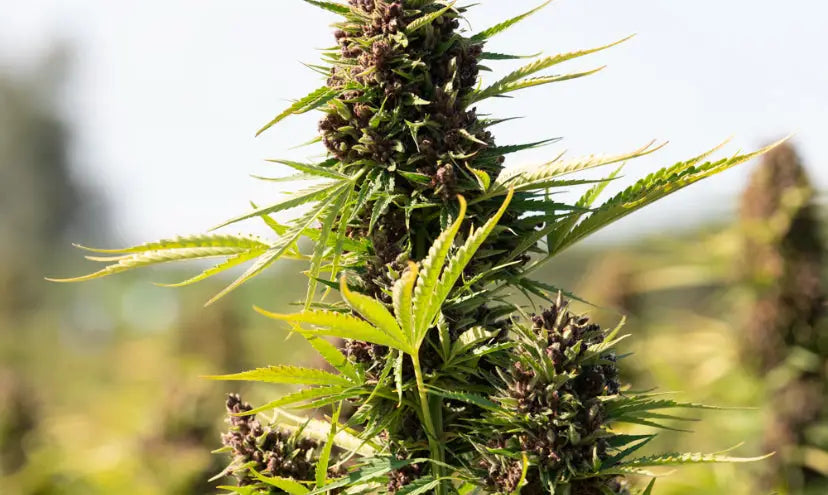
The Silk Road, that legendary network of trade routes connecting East Asia with the Mediterranean world, served as more than a highway for silk and spices—it became the primary pathway for cannabis knowledge to spread across continents. Between approximately 200 BCE and 1400 CE, cannabis traveled westward from China, establishing itself in the traditional medicine systems of Persia, Arabia, India, and eventually Europe.
Cannabis Archaeological Evidence Along Trade Routes
Cannabis archaeological evidence discovered along Silk Road trading posts reveals the plant's westward journey. Excavations in Central Asian regions have uncovered cannabis seeds, textiles, and smoking implements dating from the 5th to 2nd centuries BCE, demonstrating that ancient cannabis use wasn't confined to China but spread rapidly through trading networks.
Historical hemp cultivation became economically important along these routes, with communities developing region-specific varieties adapted to local climates. The Scythians, nomadic warriors who dominated the Central Asian steppes from approximately 900 to 200 BCE, left particularly strong archaeological evidence of cannabis use. The Greek historian Herodotus described Scythian cannabis rituals in the 5th century BCE, noting that they threw cannabis seeds onto hot stones to produce vapor—one of the earliest documented forms of cannabis consumption that would have converted THCA to THC through heating.
Persian and Arabic Cannabis Medicine
As cannabis knowledge reached Persian and Arabic medical traditions, it integrated into sophisticated pharmacological systems. The renowned Persian physician Avicenna (Ibn Sina) documented cannabis in his 11th-century medical encyclopedia The Canon of Medicine, which became a standard medical text in both Islamic and European universities for centuries. His descriptions included preparations that would have preserved THCA, such as fresh juice extracts and cold infusions.
Islamic medical scholars developed the concept of "dawā" (medicine) with careful attention to dosage and preparation methods. Their texts describe cannabis preparations for headaches, inflammations, and various pain conditions—applications that align with modern understanding of THCA's anti-inflammatory properties.
Ancient Cultivation: The Development of Early High-THCA Varieties
The cannabis history 5000 years reveals a parallel story of agricultural development alongside medicinal use. Ancient farmers didn't understand genetics in modern terms, but they practiced selective breeding, choosing plants with desirable characteristics and saving their seeds for future cultivation. This agricultural practice inadvertently led to the development of early high-THCA varieties.
Selective Breeding in Ancient Times
Historical hemp cultivation involved selecting plants based on observable characteristics:
Fiber-type hemp: Farmers breeding for textile production selected tall plants with minimal branching and lower cannabinoid content, creating what we now recognize as industrial hemp lineages.
Medicinal/drug-type cannabis: Traditional healers and cultivators breeding for therapeutic or psychoactive properties selected plants with increased resin production and higher cannabinoid content, creating ancestral lines of what we now call high-THCA cannabis.
This bifurcation began thousands of years ago, with different cultivation goals creating genetically distinct cannabis populations. The cultivation methods developed in ancient agricultural systems established foundation genetics that modern breeders continue to work with today.
Environmental Factors and THCA Production
Ancient cultivators observed that cannabis growing in certain environments produced more potent medicine. While they couldn't measure THCA levels, they recognized that plants grown at higher elevations, in particular soil types, or under specific climate conditions produced more desirable resinous material.
Modern science has validated these ancient observations. Cannabis plants produce THCA and other cannabinoids as secondary metabolites—compounds that help the plant respond to environmental stressors including UV radiation, temperature fluctuations, and pest pressures. Ancient farmers unknowingly selected for plants with enhanced cannabinoid biosynthesis pathways, gradually increasing THCA production across generations.
Historical texts from various cultures describe cannabis-growing regions particularly famous for potent varieties:
- The Himalayas: Multiple ancient sources describe particularly powerful cannabis from high-altitude Himalayan regions
- Hindu Kush Mountains: The genetic foundation for many modern indica varieties
- Central Asian highlands: Archaeological evidence suggests sophisticated cultivation in this region
- Middle Eastern regions: Development of hash-making traditions utilizing high-resin cannabis
Medieval Cannabis Use: THCA in Traditional European Preparations
As cannabis knowledge reached medieval Europe, it integrated into the European herbal tradition alongside other medicinal plants from the ancient materia medica. Medieval physicians and herbalists incorporated cannabis into their pharmacopeias, creating preparations that would have contained significant THCA content.
Cannabis in Medieval European Medicine
Medieval European medical texts reveal continuous cannabis use from approximately 500 to 1500 CE:
Hildegard von Bingen (1098-1179): This influential German Benedictine abbess and herbalist included cannabis in her medical writings, describing its use for wound healing and stomach ailments. Her preparations emphasized fresh plant material, which would have preserved THCA.
Medieval herbals: Illustrated manuscripts from this period show cannabis growing in monastic medicinal gardens, indicating cultivation for therapeutic purposes rather than fiber production.
Folk medicine traditions: Cannabis remained part of European folk medicine, with traditional cannabis remedies passed down through generations of healers, midwives, and herbalists.
The Dark Ages and Cannabis Knowledge
Despite common misconceptions about medieval times as a period of scientific stagnation, herbal knowledge—including ancient cannabis medicine—was preserved and practiced. Monastic orders maintained botanical gardens and copied ancient Greek and Roman medical texts, ensuring that cannabis knowledge survived.
Traditional cannabis preparations in medieval Europe included:
Poultices for pain: Fresh or dried cannabis leaves applied to joints and muscles Tinctures: Alcohol extractions for internal use Salves and ointments: Cannabis-infused fats for topical application Herbal teas: Hot water infusions, though heating would partially convert THCA to THC
The preparation methods varied by region and specific application, but many preserved cannabis in forms that maintained at least some THCA content, particularly in topical preparations and tinctures made through cold extraction processes.
19th Century Cannabis Extracts: Pre-Modern THCA Products
The 19th century marked a pivotal period in cannabis history as Western medicine began systematically studying the plant. This era saw cannabis become a mainstream pharmaceutical ingredient, with standardized preparations appearing in pharmacies throughout Europe and North America. While scientists hadn't yet identified THCA specifically, these Victorian-era practitioners were working with cannabis extracts rich in cannabinoid acids.
Cannabis Enters Western Pharmacopeias
The modern Western engagement with traditional cannabis medicine history began in earnest after Dr. William B. O'Shaughnessy, an Irish physician working in India, published his landmark 1839 paper documenting cannabis's therapeutic effects. His research introduced cannabis to Western medical practice, leading to its inclusion in the United States Pharmacopeia in 1850 and the British Pharmacopoeia.
Commercial Cannabis Products (1850-1937):
- Cannabis tinctures: Alcohol-based extracts standardized for medical use
- Cannabis extracts: Concentrated preparations for various conditions
- Cannabis cigarettes: Marketed for asthma and respiratory conditions
- Combination products: Cannabis combined with other medicinal ingredients
Major pharmaceutical companies including Eli Lilly, Parke-Davis, and Squibb produced cannabis medicines. These 19th-century preparations utilized extraction methods that would have retained various cannabinoids in both acidic and neutral forms, depending on the specific manufacturing process.
Understanding Pre-Decarboxylation Products
When examining how long has cannabis been used in pharmaceutical contexts, the 19th century represents an interesting bridge period. Manufacturers produced cannabis extracts without understanding the chemical distinction between THCA and THC, yet their products contained both. Cold alcohol extraction processes, commonly used for tincture preparation, would have preserved significant THCA content, while some heating during concentration processes would have converted some to THC.
The historical cannabis use in medical contexts during this period provides fascinating parallels to modern THCA products. Victorian-era physicians prescribed cannabis for:
- Chronic pain and neuralgia
- Muscle spasms and epilepsy
- Insomnia and anxiety
- Inflammation and rheumatism
- Migraine headaches
- Menstrual cramps
These applications align remarkably well with modern research into THCA's therapeutic properties, suggesting that historical physicians were observing genuine therapeutic effects from cannabinoid-rich preparations.
20th Century: Scientific Discovery of THCA
The 20th century transformed cannabis from traditional medicine into a subject of rigorous scientific investigation. This period witnessed the identification of individual cannabinoids, including the discovery of THCA's molecular structure—a breakthrough that finally provided scientific terminology for the compound ancient healers had been using for millennia.
Early Cannabinoid Chemistry
The systematic scientific study of cannabis chemistry began in the late 19th century, but accelerated dramatically in the 20th century:
1940: Dr. Roger Adams at the University of Illinois successfully isolated CBD (cannabidiol), marking the first cannabinoid to be chemically identified.
1942: Adams isolated CBN (cannabinol) and partially characterized THC, though the complete molecular structure remained elusive.
1964: Dr. Raphael Mechoulam and his team in Israel successfully isolated and identified the molecular structure of THC, marking a watershed moment in cannabis research.
1965: Mechoulam's research group identified THCA as the precursor to THC, discovering that raw cannabis contains primarily THCA rather than THC. This finding revolutionized understanding of cannabis chemistry and explained why raw cannabis doesn't produce intoxicating effects.
The Prohibition Era's Impact on Research
The cannabis use in ancient civilizations faced no legal restrictions, but 20th-century prohibition dramatically slowed scientific progress. The 1937 Marihuana Tax Act in the United States effectively ended legal cannabis cultivation and research, severing the connection to traditional cannabis medicine that had existed for thousands of years.
This prohibition period created a 50-year gap in Western cannabis research, though some studies continued in Israel and other countries. The THCA history effectively went underground, with scientific understanding of this primary cannabinoid developing slowly despite its prevalence in the plant.
Rediscovering Ancient Wisdom
As research resumed in the late 20th century, scientists began validating what ancient practitioners had observed empirically. Studies confirmed that:
- Fresh cannabis contains primarily THCA, not THC
- THCA converts to THC through heat (decarboxylation)
- THCA possesses distinct therapeutic properties separate from THC
- Raw cannabis preparations can provide benefits without intoxication
This scientific validation of ancient cannabis use methods demonstrates how traditional knowledge and modern science complement each other. Ancient healers didn't need to understand molecular structures to recognize that raw cannabis produced different effects than heated preparations—they simply observed and documented what worked.
Modern THCA: From Ancient Medicine to Legal Hemp
The 21st century has witnessed a remarkable renaissance in cannabis research and a legal framework that allows consumers to access THCA-rich hemp products. The 2018 Farm Bill in the United States created a legal distinction between hemp (cannabis with less than 0.3% Delta-9 THC) and marijuana, inadvertently creating a pathway for legal THCA products.
The THCA Legal Phenomenon
The modern THCA market exists at the intersection of ancient wisdom and contemporary agricultural law. High-THCA hemp flower contains minimal Delta-9 THC in its raw form but can convert to THC when heated—essentially identical to the cannabis used throughout human history, but legally classified as hemp.
This legal framework has enabled:
Agricultural Innovation: Modern cultivators use both traditional breeding techniques and cutting-edge genetics to develop THCA-rich hemp varieties that comply with legal THC limits while maximizing THCA content.
Quality Control: Contemporary THCA products benefit from laboratory testing that verifies cannabinoid profiles, terpene content, and purity—a level of quality assurance ancient practitioners could only dream of.
Diverse Product Forms: While maintaining connections to traditional cannabis preparations, modern THCA flower products include smokable flower, pre-rolls, concentrates, and raw cannabis preparations.
Connecting Ancient Methods to Modern Consumption
The cannabis history 5000 years comes full circle in modern THCA consumption methods that mirror ancient practices:
Raw Cannabis Juicing: Modern wellness enthusiasts juice raw cannabis leaves and flowers to consume THCA, CBDA, and other cannabinoid acids—remarkably similar to ancient Chinese and Ayurvedic preparations.
Cold-Process Tinctures: Contemporary tincture makers use cold alcohol extraction to preserve THCA, essentially replicating 19th-century pharmaceutical techniques.
Topical Applications: THCA-infused creams and balms for pain and inflammation mirror ancient poultice traditions.
Decarboxylated Products: When users choose to heat THCA flower through smoking, vaping, or cooking, they're following the same transformation process ancient cultures discovered through burning cannabis or cooking it into foods.
Scientific Validation of Traditional Uses
Modern research has begun validating the traditional cannabis medicine history, with studies exploring THCA's properties:
Anti-Inflammatory Effects: Research suggests THCA may help reduce inflammation, supporting its traditional use for conditions like arthritis and inflammatory disorders.
Neuroprotective Properties: Studies indicate potential neuroprotective effects, relevant to historical uses for neurological conditions.
Anti-Nausea Applications: Research supports traditional uses for digestive complaints and nausea.
Metabolic Regulation: Emerging evidence suggests THCA may influence metabolic processes, potentially explaining some traditional applications.
This scientific validation doesn't diminish ancient wisdom—rather, it confirms that traditional healers made accurate observations about cannabis's effects even without modern laboratory equipment.
The Cultivation Revolution: Modern Genetics Meet Ancient Varieties
Contemporary THCA hemp cultivation represents a fusion of ancient agricultural knowledge and modern horticultural science. Today's cultivators draw upon genetics preserved through millennia while applying cutting-edge growing techniques to maximize THCA production.
Preserving Heirloom Genetics
The historical hemp cultivation practices preserved genetic diversity that modern breeders now access. Landrace strains—cannabis varieties that developed naturally in specific geographic regions over thousands of years—provide the genetic foundation for many modern high-THCA cultivars. These ancient genetics from regions like:
- Hindu Kush mountains
- Himalayan highlands
- Southeast Asian regions
- African highlands
These traditional varieties maintained adaptation to their native environments over countless generations, developing distinct cannabinoid and terpene profiles. Modern breeders work to preserve these ancient genetics while developing new varieties optimized for THCA production.
Advanced Cultivation Techniques
While ancient farmers relied on traditional methods passed down through generations, modern cultivators combine this wisdom with technological innovations:
Environmental Control: Precise manipulation of light, temperature, humidity, and nutrients to maximize THCA biosynthesis while maintaining plants below federal THC limits.
Organic Practices: Many producers return to traditional organic growing methods that ancient farmers used by necessity, avoiding synthetic chemicals in favor of natural soil amendments and pest management.
Greenhouse Technology: Modern greenhouse cultivation provides the environmental control of indoor growing with the benefits of natural sunlight—a middle ground between ancient outdoor cultivation and contemporary indoor facilities.
Laboratory Testing: Real-time cannabinoid analysis allows growers to harvest at peak THCA levels, optimizing production in ways ancient cultivators could only approximate through experience and observation.
The cultivation methods employed today honor traditional agricultural wisdom while leveraging scientific understanding of cannabinoid biosynthesis, creating products that represent the pinnacle of both ancient knowledge and modern technique.
Understanding THCA: The Science Behind the Ancient Medicine
Modern scientific understanding finally provides molecular explanations for observations ancient practitioners made thousands of years ago. THCA (tetrahydrocannabinolic acid) serves as the primary cannabinoid biosynthesized in the cannabis plant, representing the plant's natural chemical defense system.
Biosynthesis: How Cannabis Creates THCA
Cannabis plants produce THCA through a complex biochemical pathway:
- Precursor Formation: The plant synthesizes geranyl pyrophosphate and olivetolic acid
- CBGA Production: These precursors combine to form cannabigerolic acid (CBGA), the "mother cannabinoid"
- THCA Synthesis: The enzyme THCA synthase converts CBGA into THCA
- Storage in Trichomes: THCA accumulates in resinous trichomes covering flowers and leaves
This biosynthetic process operates continuously in living cannabis plants, meaning fresh plant material contains primarily THCA rather than THC. Ancient cultures working with fresh or minimally processed cannabis were necessarily consuming THCA-rich preparations.
Decarboxylation: The Ancient Discovery
When ancient cultures burned cannabis or cooked it into foods, they unwittingly performed decarboxylation—a chemical reaction that removes a carboxyl group from THCA, converting it to THC. This transformation explains why different historical consumption methods produced varying effects:
Raw Consumption: Preserved THCA, providing therapeutic benefits without intoxication Heating/Smoking: Converted THCA to THC, producing the psychoactive effects described in various ancient texts Cooking: Partial conversion depending on temperature and duration
Ancient practitioners didn't understand the chemistry, but they recognized through empirical observation that preparation method dramatically influenced effects. This practical knowledge, accumulated over thousands of years, anticipated modern scientific understanding of cannabinoid chemistry.
Modern Research into THCA Benefits
Contemporary research explores therapeutic properties that may explain traditional applications:
Anti-Inflammatory Activity: Studies suggest THCA interacts with enzymes involved in inflammatory responses, potentially supporting its traditional use for inflammatory conditions.
Antiemetic Effects: Research indicates THCA may reduce nausea and vomiting, validating historical applications for digestive complaints.
Neuroprotective Potential: Preliminary studies show promise for neuroprotective effects, relevant to traditional uses for neurological conditions.
Metabolic Influences: Emerging evidence suggests THCA may affect metabolic regulation and appetite, though research remains preliminary.
This growing body of scientific evidence validates aspects of the traditional cannabis medicine history while revealing new potential applications. The benefits of THCA recognized by ancient healers are finally receiving rigorous scientific investigation.
Conclusion: Connecting Ancient Wisdom to Modern Science
The THCA history spanning 5,000 years reveals humanity's enduring relationship with cannabis as medicine. From Emperor Shen Nung's ancient Chinese cannabis medicine documentation to cutting-edge laboratory research, this journey demonstrates how traditional knowledge and scientific understanding can complement and validate each other.
The cannabis in ancient China began a global story that touched every major civilization, spreading along the Silk Road to Persia, India, Europe, and eventually worldwide. Each culture added to the collective understanding of cannabis's therapeutic applications, developing unique preparation methods while recognizing common medicinal properties. Ancient healers worked with THCA-rich plant material without knowing the molecular structures involved, yet they made accurate observations about effects and applications that modern research continues to confirm.
Today's legal THCA hemp market represents a renaissance—a reconnection with ancient cannabis use traditions after decades of prohibition severed this relationship. Modern consumers access THCA flower that would be instantly recognizable to ancient practitioners, with the added assurance of laboratory testing, quality control, and scientific understanding of cannabinoid chemistry.
The cannabis history timeline demonstrates remarkable continuity: the plant ancient Chinese physicians prescribed 5,000 years ago is genetically similar to the THCA-rich hemp flower available today. Cultivation techniques balance traditional agricultural wisdom with modern horticultural science. Consumption methods mirror ancient practices, from raw cannabis preparations to heated applications that convert THCA to THC.
As research progresses, we continue discovering scientific explanations for effects ancient healers observed and documented. This synthesis of ancestral knowledge and contemporary science enriches both, providing context for traditional medicine while offering insights that guide modern research. The 5,000-year history of THCA in cannabis isn't merely historical curiosity—it's a living tradition connecting past wisdom to present applications and future discoveries.
Understanding this deep history helps us appreciate THCA not as a recent discovery but as humanity's oldest identified medicinal cannabinoid, used continuously across millennia by cultures worldwide. The ancient practitioners who first recognized cannabis's therapeutic potential couldn't name THCA, but they understood its effects profoundly—knowledge passed through generations and now validated by modern science.
Frequently Asked Questions
How long has cannabis been used by humans?
Archaeological and historical evidence confirms cannabis use dating back at least 5,000 years, with documented medical use in ancient China beginning around 2737 BCE. Cannabis seeds and plant material have been found in ancient burial sites across Asia, confirming millennia of human cultivation and consumption.
Did ancient cultures know about THCA specifically?
No, ancient cultures didn't have the scientific knowledge to identify THCA as a specific molecule. However, they used raw and minimally processed cannabis that contained high THCA levels, and they observed different effects from raw versus heated cannabis preparations. This practical knowledge anticipated modern scientific understanding by thousands of years.
What is the difference between THCA and THC?
THCA (tetrahydrocannabinolic acid) is the raw, acidic form of the cannabinoid found in living cannabis plants. It converts to THC (tetrahydrocannabinol) through heating or aging in a process called decarboxylation. THCA doesn't produce intoxicating effects, while THC does. Ancient practitioners used both forms depending on their preparation methods.
How did ancient people consume cannabis?
Ancient consumption methods varied by culture but included raw cannabis in foods, cold water infusions, alcohol tinctures, topical poultices, and burning/smoking. Each method produced different effects because of varying THCA to THC conversion. These traditional methods mirror many contemporary THCA consumption approaches.
Why was cannabis so important in traditional Chinese medicine?
Cannabis held "superior herb" status in traditional Chinese medicine, meaning it was considered safe for long-term use and beneficial for overall health. Chinese medical texts described specific therapeutic applications for pain, inflammation, digestive issues, and various other conditions—uses that modern research continues to explore and validate.
When was THCA scientifically discovered?
THCA was scientifically identified in 1965 by Dr. Raphael Mechoulam's research team in Israel, shortly after they identified THC's molecular structure in 1964. This discovery revolutionized understanding of cannabis chemistry by explaining why raw cannabis doesn't produce intoxicating effects.
Is modern THCA hemp the same as ancient cannabis?
Genetically and chemically, modern THCA-rich hemp flower is very similar to the cannabis ancient cultures used for medicine. The main differences are legal classification (distinguishing hemp from marijuana based on THC content), cultivation techniques (modern methods optimize THCA production), and quality control (laboratory testing ensures purity and potency). The fundamental plant chemistry remains largely unchanged across millennia.
What cultures besides China used cannabis historically?
Cannabis use was widespread among ancient civilizations including India (Ayurvedic medicine), Egypt (medical papyri), Greece and Rome (classical medical texts), Persia and Arabia (Islamic medicine), European folk medicine, and indigenous cultures in Africa and Central Asia. Each developed unique preparation methods and therapeutic applications, creating a rich global tradition of cannabis medicine.
How can I use THCA like ancient cultures did?
Modern consumers can mirror ancient methods by using raw cannabis in juices or smoothies (similar to ancient Asian and Indian preparations), creating cold-process tinctures (like 19th-century pharmaceuticals), making topical applications for pain and inflammation (like traditional poultices), or choosing to heat THCA flower for effects similar to ancient smoking and cooking methods. Quality THCA flower products provide access to cannabis forms that ancient practitioners would recognize, with the benefit of modern quality assurance.
Why did cannabis prohibition interrupt this ancient tradition?
20th-century cannabis prohibition, beginning with the 1937 Marihuana Tax Act in the United States and similar laws globally, criminalized cannabis possession and cultivation. This ended thousands of years of legal medicinal use and dramatically slowed scientific research. The 2018 Farm Bill's hemp legalization has begun reconnecting modern consumers with this ancient tradition through legal THCA products.
