



Terpenes and COAs Decide Hemp Quality, Not Indoor vs Outdoor Claims

Outdoor-grown hemp most often delivers broader terpene complexity and a sense of terroir, while indoor-grown hemp favors tightly controlled cannabinoid levels and consistent appearance. Neither environment guarantees quality on its own. What actually determines quality is the laboratory certificate of analysis (COA) and the grower’s practices. Before buying, check the terpene panel, the total THC figure, and the test date.
TL;DR:
- Outdoor hemp generally offers richer terpene profiles and more distinct terroir-driven flavors due to environmental factors.
- Indoor hemp tends to be more uniform in appearance and potency, with consistently controlled cannabinoid levels.
- Laboratory analysis, especially terpene panels and test date accuracy, is crucial for evaluating quality regardless of cultivation environment.
- Growing costs and risks vary significantly between outdoor, greenhouse, and indoor systems, influencing price and yield stability.
- Proper handling, drying, and storage conditions affect shelf life and aroma preservation more than the cultivation environment itself.
Table of Contents
- How indoor and outdoor hemp differ in look and feel
- What the chemistry says about cannabinoids and terpenes
- Costs, yields, and why some growers choose greenhouses
- How to choose: a buyer’s decision checklist
- Where Oregon Hemp Flower fits the buyer criteria above
- Environmental impact and sustainability considerations
- Pest and disease susceptibility differences
- Differences in flavor and aroma when consumed
- Storage and shelf-life variations between indoor and outdoor hemp
- My take on choosing between indoor and outdoor hemp
- Shopping for hemp flower that matches your priorities
- FAQ
- Sources
How indoor and outdoor hemp differ in look and feel
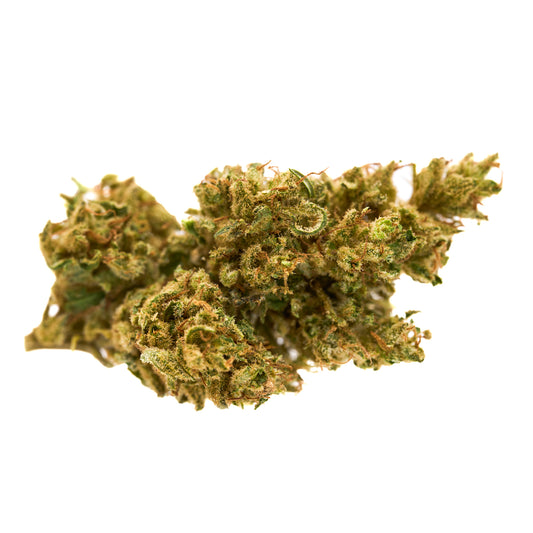
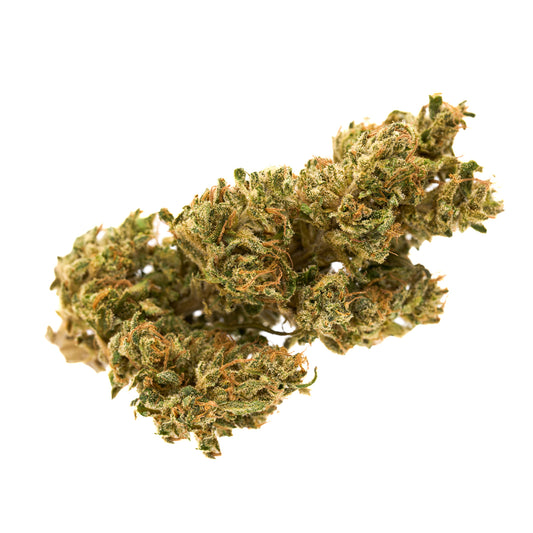
Indoor hemp buds tend to grow compact and dense because grow lights sit close to the canopy and space is limited, forcing tighter node spacing. Outdoor hemp, grown under open sun with more room to stretch, typically produces airier, larger colas with looser bud structure. Neither shape indicates better quality by itself, but it does affect how the flower handles and trims.
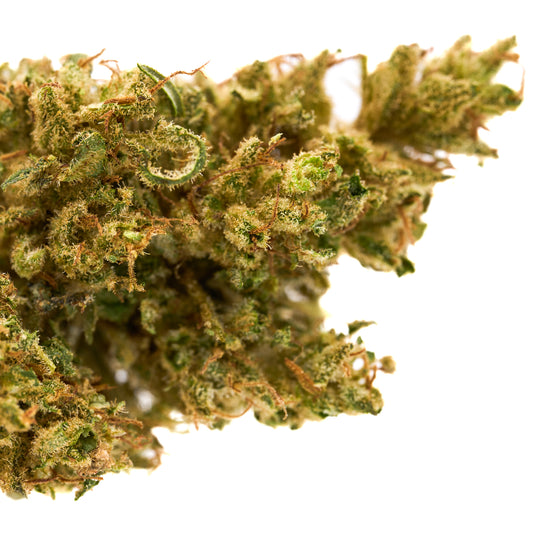
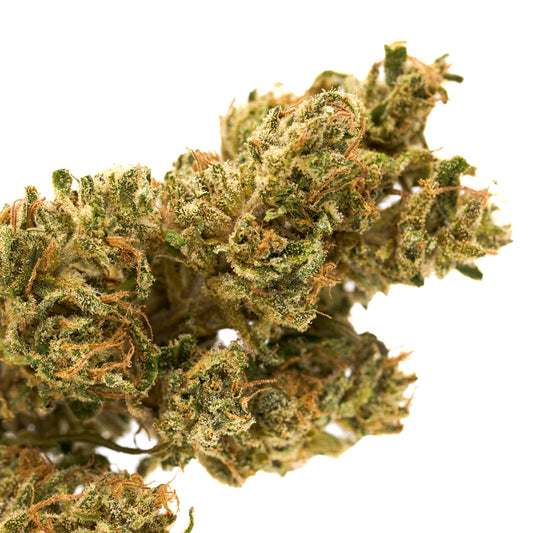
Trichome density is the detail most buyers look for first. Fresh, well-cured flower from either environment should look frosted and feel slightly tacky, not dry or crumbly. Handling and drying speed affect how much visible resin survives: rushed drying or rough trimming machines can knock trichomes off regardless of where the plant was grown.

Color is a reliable signal of age and storage, not of cultivation method. Bright green or purple hues with orange to amber pistils suggest fresh, properly cured flower. Dull brown or gray tones often point to oxidation, light damage, or flower that has sat too long before sale.
Trim quality varies more by the grower’s labor investment than by environment. Hand-trimmed flower, common in boutique operations, keeps more intact trichomes than machine-trimmed batches.
A short checklist helps when judging flower by eye:
- Look for visible, frosty trichomes rather than a dull or flat surface.
- Favor vibrant green or purple color over brown or gray tones.
- Check for intact pistils and avoid flower that looks overly dry or brittle.
- Prefer hand-trimmed buds when appearance and potency both matter to you.
What the chemistry says about cannabinoids and terpenes
A comparison of cannabinoid and terpene profiles in genetically identical cannabis samples found that outdoor-grown plants had a greater share of sesquiterpenes, including beta-caryophyllene, alpha-humulene, alpha-bergamotene, and alpha-guaiene, compared with indoor samples. The same comparison found fewer oxidized or degraded cannabinoids in the outdoor samples.
A peer-reviewed comparison found outdoor-grown cannabis carried more sesquiterpenes and fewer oxidized cannabinoids than genetically identical indoor plants. That matters because oxidized cannabinoids can signal degraded, less potent flower, while a richer sesquiterpene profile tends to shape a fuller aroma and flavor.
Indoor growing is not the cause of oxidation by default. Oxidized cannabinoids in some indoor samples more likely reflect storage conditions, light exposure, or curing shortcuts than the growing method itself. A well-managed indoor crop, properly dried and sealed, avoids this problem just as outdoor flower can suffer the same fate if stored poorly.
Regulatory testing adds another layer buyers should understand. Under USDA lab testing guidelines, compliant hemp must test at or below 0.3% total delta-9 THC on a dry weight basis, and sampling must happen no more than 30 days before anticipated harvest. Total THC is calculated as THC plus 0.877 times THCA, which is why a COA listing only one figure without the formula is incomplete.
When reading a COA, check for:
- The test date and whether it falls within a reasonable window of the harvest or purchase date.
- The testing lab’s name and accreditation status.
- A full terpene panel, not just a cannabinoid summary.
- Whether oxidized or degradation byproducts are listed, which can flag storage or processing issues.
Costs, yields, and why some growers choose greenhouses
Cultivation environment drives the economics behind the price tag as much as it drives quality. Economic analysis from Cornell comparing greenhouse, high tunnel, and outdoor hemp CBD production found that outdoor systems generally carry the lowest fixed costs per plant, while greenhouse and indoor setups require much higher infrastructure investment.
That lower cost comes with more variability. Outdoor crops depend on one growing season, face weather swings, and carry higher risk of pest pressure or a failed THC test if conditions push cannabinoid conversion unpredictably. Indoor crops trade that risk for a different one: precise environmental control allows multiple harvests per year, but the system depends on sensors, climate equipment, and skilled labor, and a mechanical failure can wipe out an entire cycle.
A few patterns stand out across these systems:
- Outdoor production offers the lowest entry cost and the best returns per dollar invested when the site and weather cooperate.
- Indoor and greenhouse systems cost more upfront but produce more uniform, market-ready flower across multiple cycles a year.
- Outdoor crops face higher exposure to weather and pests; indoor crops face higher exposure to equipment or management failure.
- Labor skill requirements rise sharply with indoor automation, since sensor and climate management takes specialized knowledge.
Pro Tip: If you are comparing prices between outdoor and indoor flower, ask the seller which system produced it. Price differences usually track infrastructure cost, not a simple quality hierarchy.
Many commercial producers now split the difference with protected cultivation. A review of protected hemp cultivation describes greenhouse and high tunnel systems as a climate-resilient strategy that combines some of outdoor’s cost advantage with indoor’s consistency, reducing weather-related crop loss while keeping capital costs below a fully indoor build. It has become a common middle path for growers chasing both terpene complexity and dependable yield.
How to choose: a buyer’s decision checklist
Start with your own goal. If you want the fullest aroma and flavor complexity, outdoor or greenhouse flower from a reputable grower is usually the better bet. If you need predictable potency and consistent appearance across every order, indoor flower tends to deliver that more reliably.
Before buying, ask the seller these questions directly:
- When was the COA issued, and which lab performed the testing?
- When was the flower harvested, and how was it dried and trimmed?
- Was the flower grown outdoor, greenhouse, or fully indoor?
- Does the grower use pesticides or synthetic inputs at any stage?
Watch for red flags that suggest a seller is cutting corners:
- No COA available at all, or one that lists only cannabinoids without a terpene panel.
- A total THC result sitting suspiciously close to 0.3% with no explanation of the testing method.
- Vague or missing harvest and test dates.
As a rough mapping: buyers chasing aroma and a terroir-driven experience tend to prefer outdoor or greenhouse flower, buyers who need tight, repeatable potency for formulation or resale usually lean indoor, and buyers who want a balance of both often land on greenhouse-grown flower.
Where Oregon Hemp Flower fits the buyer criteria above
Each batch is hand-trimmed, which preserves trichome structure better than machine processing, and the farming practices behind it are built around sustainability rather than maximizing short-cycle output.
For buyers prioritizing terpene complexity and a fuller aroma, Hawaiian Haze CBD Hemp Flower reflects an outdoor-leaning profile. For buyers who want tightly controlled potency and consistent appearance, Flyin’ Hawaiian Indoor THCa Flower and Truffle Dawg Indoor THCa Flower are grown indoors for exactly that consistency.
Environmental impact and sustainability considerations
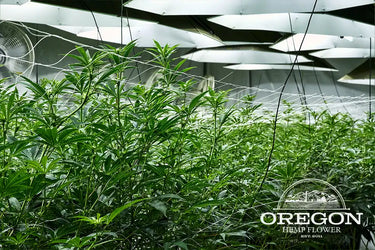
Outdoor hemp relies on sunlight and rainfall, which keeps its energy footprint low compared with any system that needs supplemental lighting or climate control. Indoor cultivation requires continuous electricity for lighting, dehumidification, and temperature regulation, which raises both operating costs and energy demand per plant.
Greenhouse and high tunnel systems sit between the two. The protected cultivation review notes that these systems can reduce crop losses from weather while using less supplemental energy than fully enclosed indoor facilities, since natural sunlight still does most of the work.
Water use also differs by system. Outdoor crops depend on rainfall supplemented by irrigation, while indoor and greenhouse systems typically run closed-loop irrigation that recaptures runoff, which can reduce total water waste even though it adds equipment complexity.
Soil health matters most in outdoor systems, where crop rotation and cover cropping support long-term sustainability. Indoor systems often use soilless media, which sidesteps soil depletion but introduces its own waste stream in spent growing substrate. Buyers who care about environmental footprint should ask whether a grower uses pesticides or synthetic fertilizers, since organic, pesticide-free practices reduce runoff and soil contamination regardless of whether the crop was grown outdoor, in a greenhouse, or indoors.
Pest and disease susceptibility differences
Outdoor hemp faces the widest range of pest pressure since it is fully exposed to its environment. Insects, mold, and fungal pathogens driven by humidity and rainfall are common challenges, and a single wet stretch late in the season can trigger bud rot across an entire field.
Indoor cultivation controls humidity and temperature precisely, which reduces mold risk but does not eliminate pest problems entirely. Spider mites and powdery mildew can still spread quickly in an enclosed space, and because indoor environments lack natural predators, an infestation can spread unchecked faster than it would outdoors.
Greenhouse and high tunnel systems occupy a middle ground. The protected cultivation review points out that these systems reduce some weather-driven losses while still allowing growers to monitor and intervene quickly, since the crop remains visible and accessible rather than sealed off in a fully automated facility.
Whatever the environment, pesticide-free growing raises the stakes on pest management skill. Growers who avoid synthetic treatments depend more heavily on practices like proper spacing, airflow management, and early detection to keep pests and disease in check without chemical shortcuts.
Differences in flavor and aroma when consumed
Terpenes drive most of what consumers notice as flavor and aroma, and the environment a plant grows in shapes which terpenes dominate. The cannabinoid and terpene comparison found outdoor samples carried more sesquiterpenes like beta-caryophyllene and alpha-humulene, compounds associated with spicy, earthy, and woody notes.
Indoor flower is not flavorless by comparison, but its terpene profile tends to reflect the controlled, stable environment it was grown in rather than the shifting conditions of an outdoor field. A multilocation study on inflorescence yield and essential oil composition found that pedoclimatic conditions, including temperature range and rainfall, significantly shaped essential oil composition and yield across different growing sites, creating a terroir effect similar to what wine grapes experience depending on where they’re grown.
This means two batches of the same strain grown in different outdoor locations can taste noticeably different, while indoor batches of the same strain tend to taste more uniform across harvest cycles. Neither outcome is objectively better. Buyers who enjoy variety and a sense of place in their flower often prefer outdoor or greenhouse options, while buyers who want the same flavor experience every time tend to favor indoor consistency.
Storage and shelf-life variations between indoor and outdoor hemp
How hemp is dried, cured, and stored matters more for shelf life than whether it grew indoors or outdoors. Flower that is dried too quickly, often a risk in indoor operations racing through more harvest cycles per year, can trap chlorophyll and moisture unevenly, which shortens shelf life and dulls flavor over time.
Outdoor flower, if properly dried and cured, can hold its terpene profile and potency for a comparable stretch, but it starts with more exposure to environmental variables like humidity swings during the growing season, which can affect how evenly it dries post-harvest.
Once cured, storage conditions matter more than origin. Flower kept in an airtight container, away from light and heat, retains trichome structure and cannabinoid stability far longer than flower left exposed to air or stored in direct sunlight. Oxidized cannabinoids, the same degradation marker found in some indoor samples in the cannabinoid and terpene study, can develop in any flower that is stored poorly, regardless of where it was grown.

Buyers should treat harvest date and storage practice as more reliable shelf-life indicators than cultivation method alone. Flower that has sat on a shelf for months, even if it started as high-quality indoor or outdoor material, will show more oxidation and weaker aroma than freshly cured flower handled with care.
My take on choosing between indoor and outdoor hemp
The indoor versus outdoor debate oversimplifies a question that really comes down to terpene chemistry and handling. Outdoor and greenhouse flower often wins on aroma complexity and terroir, while indoor flower wins on consistency. My practical advice: match the environment to your goal, then verify it with a COA rather than trusting the label alone.
— Michael
Shopping for hemp flower that matches your priorities
Oregon Hemp Flower’s lineup maps directly to the priorities covered above, without pushing you toward one cultivation method over another. If aroma complexity and a fuller terpene profile matter most to you, Hawaiian Haze CBD Hemp Flower delivers that outdoor-leaning character.

If you need dependable potency and consistent appearance batch after batch, Flyin’ Hawaiian Indoor THCa Flower and Truffle Dawg Indoor THCa Flower are grown indoors specifically for that reason. Every strain is organically grown without pesticides and hand-trimmed, backed by a 100% satisfaction guarantee. Before you order, always check the COA and harvest date listed on the product page. Browse the full hemp flower collection to compare options side by side.
FAQ
Is it better to grow hemp indoors or outdoors?
Neither environment is universally better: outdoor growing favors lower cost and broader terpene complexity, while indoor growing favors controlled potency and year-round harvest cycles. The right choice depends on your budget, climate, and whether consistency or complexity matters more to your goals.
Are indoor or outdoor strains better?
Strain genetics matter more than environment alone, since the same genetics can express differently depending on growing conditions. A peer-reviewed comparison found outdoor-grown samples carried more sesquiterpenes and fewer oxidized cannabinoids than genetically identical indoor samples, but a well-managed indoor grow can still produce excellent flower.
What is the difference between indoor and outdoor CBD?
Indoor-grown CBD flower tends to offer more consistent cannabinoid levels and appearance across batches, while outdoor-grown CBD flower often carries a broader terpene profile shaped by its specific growing site. Checking the COA for both cannabinoid content and the terpene panel is the most reliable way to compare two products regardless of where they were grown.
How do I know if hemp flower is fresh?
Fresh flower shows vibrant color, visible trichomes, and a tacky texture rather than a dry or brittle feel. Checking the harvest date and storage conditions tells you more about freshness than the cultivation method alone.
Sources
- Comparison of the Cannabinoid and Terpene Profiles in Commercial Cannabis from Natural and Artificial Cultivation
- USDA hemp lab testing guidelines
- Protected Cultivation of Medicinal Hemp: A Climate-Resilient Strategy for Sustainable Production
- Economics of Growing Hemp for Cannabidiol (CBD) in NYS: Expected Costs, Revenues and Returns for Three Hemp CBD Production Systems, 2022
- Inflorescence yield, essential oil composition and antioxidant activity of Cannabis sativa L. cv ‘Futura 75’ in a multilocation and on-farm study
