



How Heat Turns THCA to THC: CBD vs THCA for Consumers

THCA is the nonintoxicating raw precursor that becomes intoxicating THC when heated. CBD is nonintoxicating in its own right and has the strongest human clinical evidence behind it, including an FDA-approved treatment for seizure disorders. For anyone facing a drug test or wanting to avoid a high, CBD is the safer default. The sections below break down the chemistry, the evidence, and how to choose.
TL;DR:
- Heating THCA converts it into THC, which then produces intoxication, while raw THCA itself remains nonintoxicating.
- CBD does not convert into THC regardless of heating and remains nonintoxicating, making it safer for drug testing and avoiding a high.
- Full-spectrum CBD products can contain trace THC, which may build up with regular use, whereas CBD isolate minimizes testing risks.
- Drug tests detect THC metabolites, so inhaled or heated THCA products pose a higher risk of positive results compared to unheated forms.
- The legal standard shift to total THC measurement, including THCA, will affect labeling and compliance, emphasizing the importance of reading product certificates.
Table of Contents
- What is THCA?
- What is CBD?
- Key differences at a glance: intoxication, effects, and consumption factors
- Benefits and risks: evidence strength and safety notes
- Drug testing and safety: who is at risk of a positive test and how to reduce risk
- Legal and regulatory snapshot: what consumers should know now
- How to choose between CBD and THCA: a practical checklist
- Author perspective and Oregon Hemp Flower proof points
- Finding the right flower for your goals
- FAQ
- Sources
What is THCA?
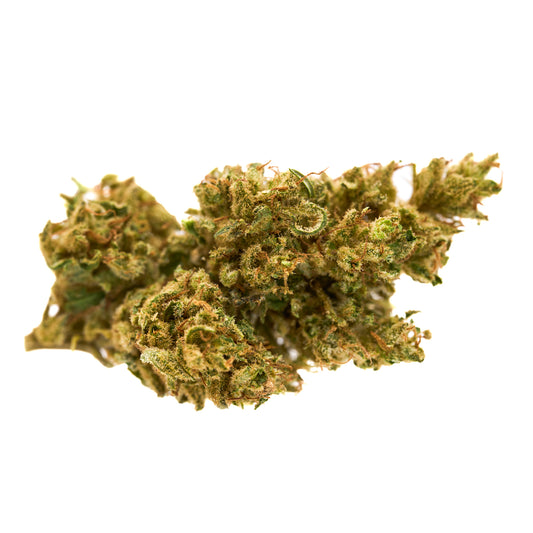
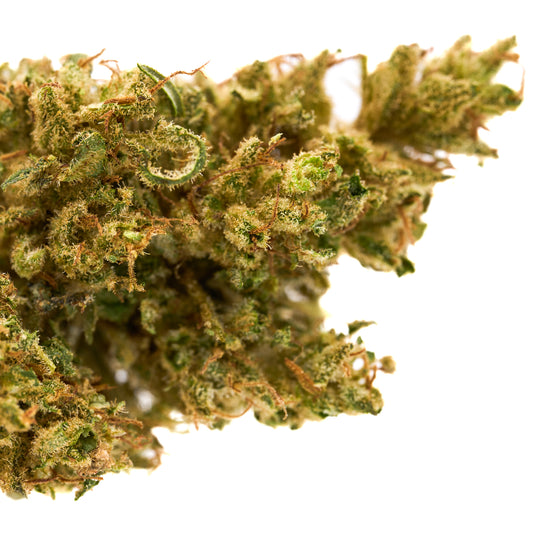
THCA, or tetrahydrocannabinolic acid, is the acidic compound found in raw, unheated cannabis and hemp plants. In its natural state, THCA does not produce intoxication. Heat changes that.

Decarboxylation is the chemical process that strips a carboxyl group from THCA and converts it into delta-9 THC, the compound responsible for a cannabis high. Smoking, vaping, and baking all apply enough heat to trigger this conversion, usually within seconds of combustion or a few minutes in an oven.
Consumers encounter THCA most often in:
- Raw hemp flower sold for smoking or vaping
- THCA concentrates, including kief and dabs
- THCA disposable vapes, where heat converts the compound on inhalation
Evidence for THCA’s standalone effects remains mostly preclinical, with limited human trial data available so far.
What is CBD?
CBD, or cannabidiol, is a nonintoxicating compound found in both hemp and marijuana plants. It does not convert into THC with heat and does not produce a high at any temperature.
CBD interacts with the body’s endocannabinoid system and is metabolized by liver enzymes, including CYP3A4 and CYP2C19, the same pathways used by many prescription drugs.
Key points on CBD’s profile:
- FDA-approved as Epidiolex for treating specific seizure disorders
- Commonly used for general wellness, sleep support, and discomfort
- Sold as isolate (pure CBD), broad-spectrum (other cannabinoids, no THC), or full-spectrum (trace THC included)
- Full-spectrum products can carry enough THC to matter for drug-sensitive users
One clinical formulation, Epidiolex, is FDA-approved for seizure treatment, a regulatory milestone THCA has not reached. That approval reflects a depth of human trial data that acid cannabinoids like THCA still lack.
Key differences at a glance: intoxication, effects, and consumption factors
The clearest way to separate these compounds is by what happens when they enter your body.
- Raw THCA produces no intoxication; heated THCA converts to THC and does.
- CBD remains nonintoxicating regardless of how it is consumed or heated.
- Inhaling heated THCA produces fast, intense onset; edibles containing converted THC take longer but can hit harder and last longer.
- CBD taken by any method does not carry intoxication risk, though full-spectrum products carry trace THC risk for testing.
- CBD can modulate some effects of THC, often softening anxiety or paranoia that high-THC products can trigger.
Use case shapes the choice. Daytime alertness and focus usually point toward CBD or raw THCA products that are not being heated. Sleep support often favors a full-spectrum CBD product with trace THC, since the combination can enhance sedation. Nausea and appetite concerns sometimes respond better to converted THC, while general pain and inflammation have supporting evidence for both compounds depending on dose and individual response.
Benefits and risks: evidence strength and safety notes
CBD carries the stronger human evidence base. Its FDA approval for Epidiolex rests on clinical trials for seizure disorders, while THCA’s therapeutic claims remain largely preclinical and should be treated as preliminary.
Side effects differ by compound. CBD is generally well tolerated but can cause drowsiness, dry mouth, or changes in appetite, and its enzyme interactions mean it can raise or lower blood levels of other medications processed by the same liver pathways. THC produced from heated THCA carries its own risks, including anxiety, impaired coordination, and, with heavy or long-term use, concerns about dependence and psychiatric effects.
Pro Tip: If you take prescription medication, especially anything metabolized by the liver, talk to a clinician before adding CBD or THCA products to your routine.

Drug testing and safety: who is at risk of a positive test and how to reduce risk
Standard workplace and clinical drug tests look for THC metabolites, not CBD and not raw THCA itself. The risk appears the moment THCA is heated, because it behaves like THC in the body from that point on.
- Smoking or vaping THCA products carries real risk of a positive THC test
- Full-spectrum CBD products can contain trace THC that accumulates with regular use
- Choosing a CBD isolate and reviewing its certificate of analysis lowers that risk
- Avoiding inhalation methods and recent use before a scheduled test reduces exposure further
Standard drug tests detect THC metabolites, and inhaling THC-containing smoke, even in concentrated secondhand situations, can potentially trigger a positive result. For anyone who cannot risk a failed test, treating any heated THCA product as equivalent to THC is the safer assumption.
Legal and regulatory snapshot: what consumers should know now
Hemp and marijuana are the same plant species, separated legally by chemical content rather than botany. That distinction is shifting. Legislative changes move the federal hemp standard to a total-THC measurement that includes THCA, not just delta-9 THC, which will reshape how products are tested and labeled.
- Total-THC measurement treats converted THCA the same as existing THC for compliance purposes
- State laws vary, so checking local rules before purchasing is worth the extra step
- A product’s certificate of analysis should show total THC and THCA levels, not just delta-9 THC
- Reading the COA before buying is the most reliable way to confirm legal compliance
How to choose between CBD and THCA: a practical checklist
Matching the compound to your goal keeps the decision simple.
- Define your desired outcome: relaxation, sleep, focus, or symptom relief.
- Decide your tolerance for intoxication: zero tolerance points toward CBD isolate; openness to a high points toward heated THCA products.
- Weigh testing sensitivity: anyone facing drug screening should default to CBD isolate and avoid inhaled THCA entirely.
- Choose a delivery method: flower and vapes for fast onset, tinctures or edibles for longer, steadier effects.
- Check the COA for total THC and THCA levels and confirm potency per serving before buying.
- Avoid listings with no COA or that make exaggerated medical claims. Those are red flags regardless of the brand.
Author perspective and Oregon Hemp Flower proof points
Michael covers hemp-derived cannabinoids and product formulation, with a focus on explaining how plant chemistry translates into real consumer outcomes.
Oregon Hemp Flower grows its hemp without pesticides or synthetics and backs every order with a 100% satisfaction guarantee. The catalog spans strains with distinct cannabinoid and terpene profiles for both recreational and therapeutic use, and customers frequently point to the freshness and potency of the flower.
— Michael
Finding the right flower for your goals
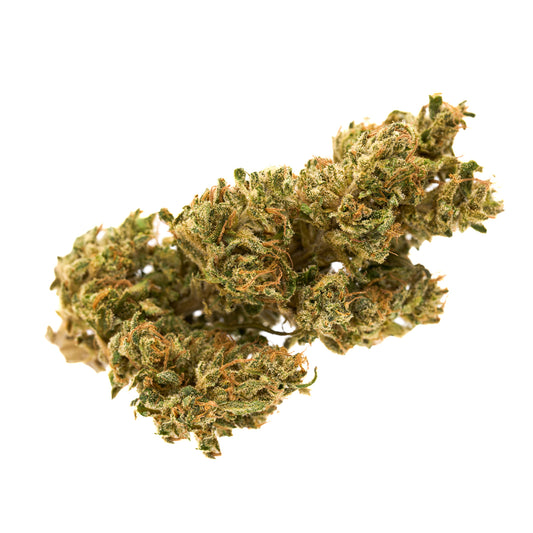
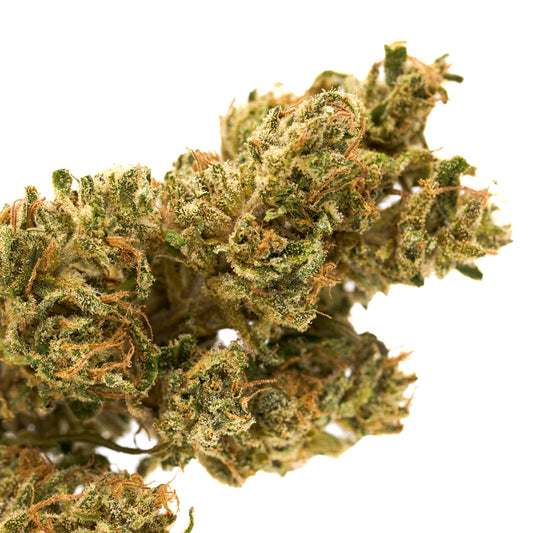
Choosing between CBD and THCA often comes down to the specific product, not just the compound. For readers who want to experiment with raw THCA flower, Truffle Dawg Indoor THCa Flower is built for users already comfortable with the intoxication that comes from heating it, and the usual testing cautions apply.

For a fuller cannabinoid and terpene profile without the intoxication risk, Critical Berries CBD Full-Term Hemp Flower suits wellness-focused users who still want the full hemp flower experience. Hawaiian Haze CBD Hemp Flower works well for daytime use, and starting with a small amount helps gauge your response before increasing it.
- Browse the full hemp flower collection for more strain options
- Check THCa concentrates for kief and dab options beyond flower
- Explore vapes if inhalation convenience matters more than raw flower
This article is general information, not a substitute for advice from a qualified doctor. Consult a qualified healthcare professional about your own circumstances before acting on anything here.
FAQ
Can THCA cause a high?
Raw THCA itself does not cause intoxication. Once it is heated through smoking, vaping, or baking, it converts to delta-9 THC, which does produce a high.
Will CBD fail a drug test?
Pure CBD isolate is unlikely to trigger a positive result, since standard tests target THC metabolites, not CBD. Full-spectrum CBD products can contain trace THC that builds up with regular use and raises that risk.
Why shouldn’t you smoke THCA?
Smoking or vaping THCA converts it to THC through decarboxylation, producing intoxication and carrying real drug-test risk. Anyone avoiding a high or facing screening should treat heated THCA products as equivalent to THC.
Is THCA the strongest cannabinoid?
THCA itself is nonintoxicating until converted, so strength depends on conversion rate and final THC content rather than THCA alone. Evidence on THCA’s standalone potency is still mostly preclinical.
Sources
- NIDA: Cannabis (Marijuana) Research Topics
- EPIDIOLEX (cannabidiol) label — FDA
- Congress Research Service: Changes to the Statutory Definition of Hemp
- NCBI PMC: CBD drug interactions and pharmacology
- Healthline: The entourage effect
