








CBD Flower: Why 50 and 15 ng/mL Drug Test Cutoffs Matter

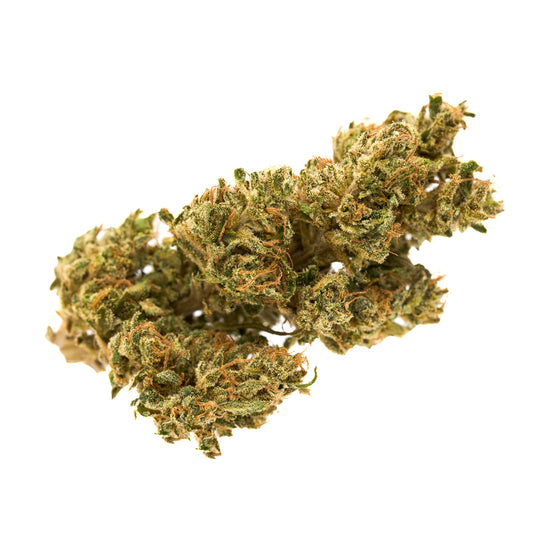
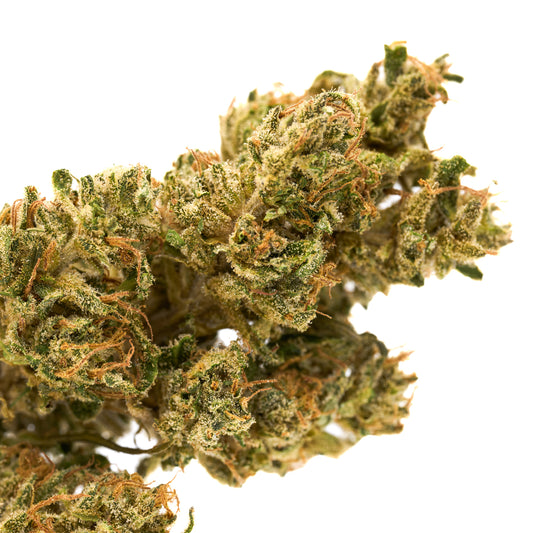
CBD flower can make you fail a drug test, because routine workplace screens detect THC metabolites (THC‑COOH), not CBD itself. Hemp flower can legally contain trace Delta‑9 THC, and that THC can accumulate with repeated use and trigger a confirmed positive. For DOT‑regulated or safety‑sensitive roles, there is no CBD exception once a lab confirms the result.
TL;DR:
- Federal urine testing screens at 50 ng/mL and confirms at 15 ng/mL for THC metabolites; results below the confirmation cutoff are negative.
- Occasional users may clear metabolites within 3 to 7 days, while daily or heavy use can remain detectable for several weeks, sometimes beyond 30 days.
- Heating converts THCA into active THC, and frequent inhaled use, inaccurate labels, or contamination can raise exposure beyond what the product label suggests.
- Before buying, request the specific batch’s Certificate of Analysis and choose products verified to contain no THC if avoiding testing risk is essential.
- After a positive, request the lab report and split specimen retest; Medical Review Officers reject CBD as an explanation for confirmed THC metabolites.
Table of Contents
- How standard drug tests work and which cannabinoids they detect
- How CBD flower can produce measurable THC
- Who is most likely to test positive after using CBD flower
- Test cutoffs and detection windows: numbers you can use
- What the evidence and MRO case studies show
- Practical steps if you have an upcoming drug test or if you test positive
- Oregon Hemp Flower perspective on testing and transparency
- Shopping hemp flower with your testing risk in mind
- FAQ
- Sources
How standard drug tests work and which cannabinoids they detect
Workplace drug tests are built to find THC, not CBD. A screening immunoassay flags samples that may contain THC metabolites, and any flagged sample moves to a confirmatory test using GC‑MS or LC‑MS/MS, which identifies the exact compound and concentration.
Federal testing rules set clear numeric thresholds. Under 49 CFR Part 40, the initial urine screening cutoff is 50 ng/mL, and anything that screens positive is confirmed against a 15 ng/mL cutoff for THC‑COOH. A sample below 15 ng/mL at confirmation is reported negative even if it screened positive.
Urine remains the default matrix for federal and most employer testing because it offers a longer detection window than blood or saliva. A few distinctions matter for CBD flower users:
- Urine detects THC metabolites for days to weeks after use, depending on frequency and dose.
- Oral fluid (saliva) reflects more recent use, typically the past 24 to 48 hours.
- Blood tests have the shortest window and are less common outside of specific legal or medical contexts.
How CBD flower can produce measurable THC
Hemp flower sold as CBD is legally allowed to contain up to 0.3% Delta‑9 THC by dry weight, a threshold set under the 2018 Farm Bill. That amount sounds negligible, but repeated daily use can still push metabolites above testing cutoffs over time.
Smoking or vaping adds another variable. Raw hemp flower contains THCA, a non‑intoxicating acid that converts to active Delta‑9 THC when heated, a process called decarboxylation. That conversion increases the bioavailable THC a person actually absorbs compared to the THCA percentage printed on a label. Our guide to how heat turns THCA into THC breaks down that chemistry in more detail.
Labeling accuracy is the other half of the equation. Independent testing has repeatedly found commercial CBD products mislabeled or containing more THC than stated, according to Consumer Reports. Cross‑contamination during processing or packaging is a known contributor.
A few factors drive personal risk:
- Legal hemp‑level THC can still accumulate with frequent, high‑dose use.
- Heating converts THCA to active THC, raising actual exposure.
- Mislabeled or cross‑contaminated products are common across the category.
- Route of use and frequency determine how much THC builds up in the body.
Pro Tip: Request the specific lot’s Certificate of Analysis before buying, not just a general product page listing, since THC content can vary batch to batch.
Who is most likely to test positive after using CBD flower
Risk is not evenly distributed. Several groups face a meaningfully higher chance of a confirmed positive after CBD flower use.
- DOT‑regulated and other safety‑sensitive employees have no CBD medical exception; a confirmed positive is treated as a failure regardless of intent, per the DOT CBD notice.
- Daily or frequent users build up THC metabolites faster than occasional users, extending detection windows.
- People with higher body fat percentages tend to store THC metabolites longer, since THC is fat soluble.
- Smoking or vaping hemp flower delivers more immediate, concentrated THC exposure than swallowing an isolate oral product.
- State medical cannabis laws and local legality do not override employer or federal workplace testing policies.
Our overview of THCa and DOT cutoffs walks through how employers and Medical Review Officers evaluate these cases in practice.
Test cutoffs and detection windows: numbers you can use
The numbers that matter most come straight from federal testing rules. Under 49 CFR Part 40, urine screens flag at 50 ng/mL, and confirmatory testing verifies at 15 ng/mL for THC‑COOH. A result that confirms at or above 15 ng/mL is reported positive.

The federal confirmatory cutoff for THC metabolites is 15 ng/mL, with a 50 ng/mL initial screening threshold, according to DOT drug testing regulations. That gap exists to reduce false positives from incidental exposure, but it does not eliminate risk from regular hemp flower use.
Detection time varies widely by person. Occasional users generally clear THC metabolites within roughly 3 to 7 days, while daily or heavy users can test positive for several weeks, sometimes beyond 30 days. Dose, frequency, body fat, individual metabolism, and the sensitivity of the lab method all push that window in either direction. Someone smoking hemp flower daily at the legal 0.3% THC limit is working with a very different risk profile than someone taking an occasional oral CBD isolate product.
What the evidence and MRO case studies show
Real test results back up the math. A small Johns Hopkins Medicine study found that participants who vaped cannabis with 0.39% THC, close to the legal hemp threshold, produced positive urine tests after a single session, while pure CBD sessions produced no positives.
SAMHSA’s 2025 MRO case studies document confirmed marijuana metabolite positives in donors who reported only CBD use. Medical Review Officers generally do not accept CBD use or passive exposure as a medical explanation once a lab confirms THC‑COOH above cutoff.
Route and formulation change the picture. A controlled trial found that orally administered pure CBD did not trigger false positives on two oral fluid point‑of‑care devices, and a separate two‑week broad‑spectrum study using a sub‑100 ppm THC product found no detectable metabolites by LC‑MS/MS.
| Study | Product type | Result |
|---|---|---|
| Johns Hopkins (2019) | Vaped low‑THC hemp (0.39%) | Positive urine in some participants after one session |
| Oral CBD trial | Oral, pure CBD isolate | No false positives on oral fluid devices |
| Broad‑spectrum study (2025) | Oral, under 100 ppm THC | No detectable metabolites over two weeks |
Practical steps if you have an upcoming drug test or if you test positive
A little planning changes outcomes more than anything else in this category.
- Stop using hemp or CBD flower well before a scheduled test if a clean result matters, since inhaled flower carries the highest short‑term exposure.
- Request the Certificate of Analysis for your specific product and choose verified THC‑free isolate items when avoiding any risk.
- If a test comes back positive, request the confirmatory lab report and ask about a split‑specimen retest before accepting the result.
- Gather your product’s COA and purchase records, and consider independent lab testing of the same batch if the discrepancy needs documentation.
- Understand that DOT and most employer MRO protocols treat a confirmed positive as a failure regardless of CBD claims, so consult HR or legal counsel early if your job is affected.
Pro Tip: Save the COA and the batch or lot number from every purchase, not just the product listing, since testing labs reference specific lots, not general product pages.
Oregon Hemp Flower perspective on testing and transparency
That approach does not change the chemistry of THC and drug testing, but it does mean buyers have a documented product to point to when they want answers.
A useful Certificate of Analysis shows the lot number tied to the exact batch purchased, the measured Delta‑9 THC content in mg/g or ppm rather than just a percentage estimate, and the identity of the testing lab that ran the analysis. Our guide to reading CBD lab reports walks through each of those fields. We encourage every buyer to check that documentation before deciding how a product fits their testing situation.
— Michael
Shopping hemp flower with your testing risk in mind

We carry a range of hand‑trimmed, organically grown hemp flower strains, including our Hawaiian Haze CBD Hemp Flower and our Critical Berries CBD Full‑Term Hemp Flower, each grown without pesticides or synthetic additives. Resellers can source the same genetics through our Critical Berries CBD Full‑Term Hemp Flower Wholesale listing.
Every strain in our hemp flower collection ships with lab documentation available on request, and we back each order with a 100% satisfaction guarantee. If a drug test is anywhere on your horizon, ask our customer service team for the current Certificate of Analysis on a specific batch before you buy, and weigh route of use and frequency against the testing timeline you are facing.
Beyond flower, our pre‑rolls, vapes, and THCa concentrates are organically grown and hand‑finished the same way. Browse our full product catalog to find what fits your needs, or explore our wholesale options if you’re buying in bulk for resale.
FAQ
How long does CBD flower stay in your system?
Detection time depends on frequency and dose: occasional use tends to clear within about 3 to 7 days, while daily or heavy use can remain detectable for several weeks or longer. Individual factors like body fat and metabolism shift that window in either direction.
Can I fail a drug test because of CBD?
Yes, because hemp flower can legally contain trace Delta‑9 THC, and repeated use can push THC metabolites above testing cutoffs. A Johns Hopkins study found some participants tested positive after vaping low‑THC hemp.
Will I test positive if I take CBD?
It depends heavily on the product and route of use. Pure oral CBD isolate has not produced false positives in controlled trials, while smoking or vaping hemp flower carries a higher risk due to THCA converting to active THC when heated.
Can CBD be detected in a drug test?
Standard drug tests are not designed to detect CBD itself; they target THC metabolites. A positive result from CBD flower use happens because of the THC the product contains or produces, not the CBD compound.
What THC level in hemp flower is legal?
Hemp flower is legally allowed to contain up to 0.3% Delta‑9 THC by dry weight under the 2018 Farm Bill. That trace amount can still accumulate into a confirmed positive with frequent, high‑dose use.
