









Workers: How THCa Use Interacts With DOT Cutoffs and MRO Reviews

Yes, THCa use can lead to a positive drug test because labs detect THC metabolites produced when THCa converts to delta-9 THC. This happens whenever THCa is heated, whether by smoking, vaping, or cooking. Detection depends on the specimen type and how often someone uses THCa products. The sections below cover detection windows, federal cutoffs, and what happens during a Medical Review Officer review.
TL;DR:
- Consumption of THCa products through heat-initiated methods can produce THC metabolites detectable in drug tests, regardless of raw unheated intake.
- Urine detection windows range from a few days for occasional users to over a month for heavy users, influenced by body fat and usage frequency.
- Confirmatory testing thresholds, such as 15 nanograms per milliliter for urine and 4 nanograms per milliliter for oral fluid, are strictly regulated and context-dependent.
- Passive inhalation rarely explains positive results, and hemp labeling claims are not accepted as medical exemptions during MRO review.
- Using detox products or shortcuts increases the risk of tampering detection and does not guarantee passing tests under federal protocols.
Table of Contents
- What THCa Is and Why Decarboxylation Matters for Testing
- Detection Windows by Test Type: Urine, Blood, Saliva, and Hair
- Federal Cutoffs, DOT Rules, and the MRO Process
- Factors That Affect How Long THC Metabolites Remain Detectable
- Interpreting Results, Confirmations, and Common Explanations Employers Reject
- Why Detox Products and Shortcuts Are Risky and Often Ineffective
- Product Forms, Potency, and Editorial Transparency
- How We Think You Should Weigh Risk Against Choice
- Explore Our THCa Flower Selection
- FAQ
- Sources
What THCa Is and Why Decarboxylation Matters for Testing
THCa, or tetrahydrocannabinolic acid, is the raw cannabinoid found in hemp and cannabis plants before heat is applied. It is not intoxicating on its own. When THCa is exposed to heat through smoking, vaping, dabbing, or cooking, a process called decarboxylation strips away a carboxyl group and converts it into delta-9 THC, the compound responsible for psychoactive effects.
Drug tests do not look for THCa. They look for THC metabolites, mainly 11-nor-9-carboxy-THC (THC-COOH), which the body produces after THC is metabolized. This distinction matters: consuming raw, unheated THCa in theory introduces less active THC into the body, but nearly every common consumption method (smoking flower, vaping, dabbing concentrates) involves heat, which triggers conversion.
Labs use a tiered approach to confirm results:
- Immunoassay screening flags samples that may contain THC metabolites above a set threshold.
- GC-MS (gas chromatography-mass spectrometry) confirms positive screens with higher specificity.
- LC-MS/MS (liquid chromatography-tandem mass spectrometry) is used for oral fluid and some blood confirmations.
A screening result alone rarely triggers consequences. Confirmatory testing is what verifies a legally defensible positive.
Detection Windows by Test Type: Urine, Blood, Saliva, and Hair
Detection time depends heavily on the specimen collected and how frequently someone uses THCa products. Urine testing is the most common method in workplace programs, and THC metabolites can linger there longer than in blood or oral fluid because THC is fat-soluble and stores in adipose tissue before slowly releasing back into the bloodstream.
- Occasional users (a few times a month) may test positive in urine for 3 to 7 days after last use.
- Regular users (several times a week) can test positive for 1 to 3 weeks.
- Chronic, heavy users may show detectable metabolites for 30 days or longer, since fat stores keep releasing THC-COOH gradually.
- Blood reflects recent use most closely, with detection typically limited to a window of several hours up to about 1 to 2 days.
- Oral fluid (saliva) also reflects recent use, generally within 24 to 48 hours, though this varies by dose and test sensitivity.
- Hair testing can detect use going back approximately 90 days, but it cannot pinpoint a specific use date and is more useful for pattern detection than recent-use confirmation.
One widely referenced confirmatory cutoff for urine testing is 15 nanograms per milliliter by GC-MS, a threshold tied to dose-related pharmacokinetic research on urinary THC-COOH profiles. That same research found substantial variability between individuals: two people using the same dose can show very different peak concentrations and clearance times, which is why no single number predicts an exact detection window for everyone.
Federal oral fluid testing also carries its own cutoffs, discussed in the next section, which differ from the urine thresholds above.

Federal Cutoffs, DOT Rules, and the MRO Process
Federal workplace testing programs operate under specific, published thresholds rather than a blanket “any detectable amount” standard. For oral fluid testing under federal regulations, 49 CFR § 40.91 sets the delta-9 THC cutoff at 4 nanograms per milliliter for initial screening and 2 nanograms per milliliter for confirmatory testing.
Key points for anyone in a DOT-regulated or federally regulated safety-sensitive role:
- Only certain specimen types are authorized for DOT testing, and procedures for collection, chain of custody, and confirmation are strictly defined.
- The Medical Review Officer reviews every confirmed positive before it is reported to an employer, and has authority to interview the donor about prescription medications or other explanations.
- Hemp product labeling, including claims that a product is “legal” under state or federal hemp law, is not treated as a valid medical explanation for a positive result.
As of 2026, federal guidance reiterates that marijuana and its derivatives, including hemp-derived products, remain Schedule I substances for DOT testing purposes, and a positive result is not excused by how a product was marketed or labeled.
Multiple MRO case examples document confirmed urine positives for marijuana metabolites, with passive inhalation rejected as an explanation once lab confirmation is complete. Source: SAMHSA MRO case studies
For safety-sensitive employees, a verified positive typically means immediate removal from safety-sensitive duties, referral to a Substance Abuse Professional, and a return-to-duty process before resuming those functions.
Factors That Affect How Long THC Metabolites Remain Detectable
Several variables determine how long THC-COOH stays detectable after THCa use, and no two people clear it at exactly the same rate.
- Frequency of use: Daily or near-daily use builds up fat-stored THC, extending the detection window well beyond a single-use scenario.
- Dose and potency: Higher-potency flower or concentrates introduce more THC per session, which pharmacokinetic data links to higher peak metabolite concentrations and longer detection.
- Consumption method: Smoking and vaping decarboxylate THCa rapidly and efficiently; raw, unheated consumption limits conversion but is uncommon in practice.
- Body fat and metabolism: THC’s fat solubility means individuals with higher body fat percentages may retain metabolites longer.
- Age and overall health: Metabolic rate and liver function both influence clearance speed.
- Test cutoff selected: A lab using a lower confirmatory cutoff will detect metabolites that a higher-cutoff test would miss.
A single, isolated use of a THCa product might clear a standard urine cutoff within about a week for many people, while daily use over weeks or months can extend detectability to a month or longer.
Pro Tip: If you’re facing a scheduled test and have any recent THCa exposure, assume detection is possible rather than relying on general timeframes that don’t account for your personal use pattern.
Interpreting Results, Confirmations, and Common Explanations Employers Reject
A positive drug test result goes through a defined workflow before it affects someone’s employment status. Understanding each step clarifies what options actually exist.
- An initial immunoassay screen flags a sample above the threshold cutoff, which is not yet a final result.
- A non-negative screen is sent for confirmatory testing using GC-MS or LC-MS/MS, methods that are far more specific and harder to challenge.
- Once confirmed, the Medical Review Officer contacts the individual to discuss the result and ask about any legitimate medical explanations, such as a valid prescription.
- Donors generally have the right to request split-specimen reconfirmation testing, which analyzes a second portion of the same original sample at a different certified lab.
- Passive inhalation and hemp-product claims are rarely accepted as explanations once a confirmatory test result is in, based on documented MRO case findings.
If a result comes back positive, the most productive response is engaging directly with the MRO process rather than disputing the science after the fact.
Why Detox Products and Shortcuts Are Risky and Often Ineffective
Commercial “detox” drinks, pills, and cleanses marketed to beat a drug test lack solid, peer-reviewed evidence supporting their claims. Many work by attempting to dilute urine, which labs are specifically built to catch.
- Diluted specimens (unusually low creatinine or specific gravity) often trigger a mandatory retest or are treated as suspicious under federal protocols.
- Adulterated or substituted specimens, detected through validity testing, are frequently treated the same as a refusal to test, which can carry consequences as severe as a verified positive.
- DOT and SAMHSA procedures specifically address adulteration and substitution as reportable outcomes, separate from a standard positive or negative result.
- Relying on detox products introduces a new risk: getting flagged for tampering in addition to, or instead of, the original concern.
Pro Tip: If you know a test is coming, stopping use as early as possible and documenting any legitimate medical explanations gives you a far more defensible position than any detox product on the market.
Product Forms, Potency, and Editorial Transparency
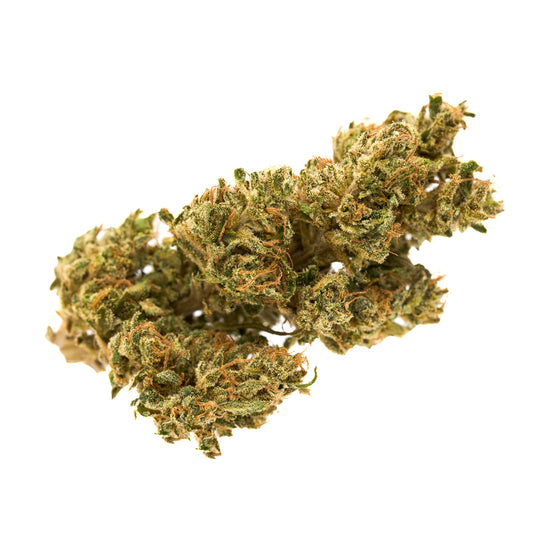
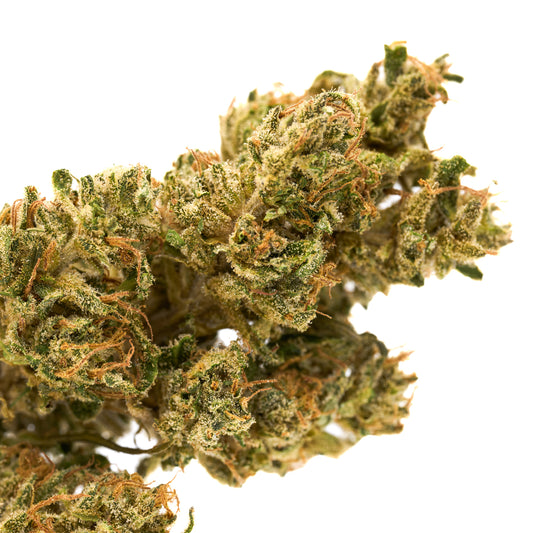
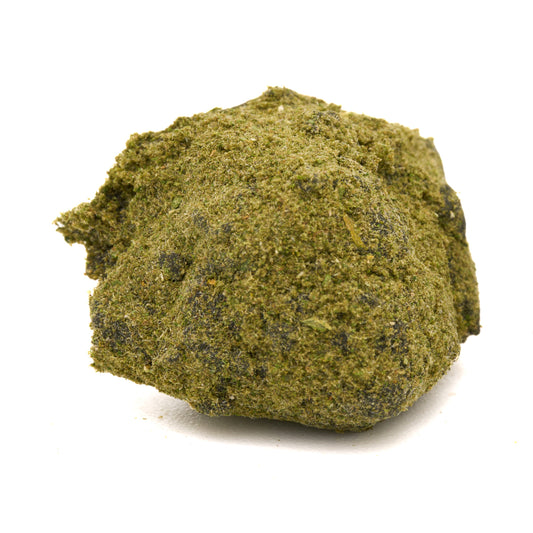
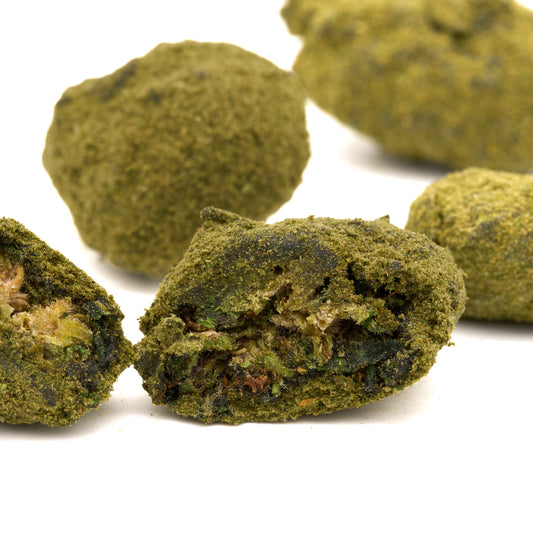
Our THCa catalog includes flower, kief, and concentrate forms, each carrying a different decarboxylation profile once heat is applied. Kief and concentrated forms like crumble dab wax deliver THCa in a more concentrated format, meaning heated use converts more total cannabinoid content into active THC per session compared to a similar amount of flower.
That commitment addresses product quality and consistency. It does not change how a drug test works: purchasing from a careful, transparent source has no bearing on whether THC metabolites show up in your system after heated use.
How We Think You Should Weigh Risk Against Choice
THCa use can absolutely cause a positive drug test once heat converts it to active THC, and that single fact should guide every decision around testing deadlines. Detection windows vary person to person, but federal cutoffs and MRO procedures do not bend for product labeling or personal circumstances.
If you’re subject to workplace or DOT testing, the safest approach is understanding your employer’s policy and timeline well before a test, not after.
— Michael
Explore Our THCa Flower Selection
Our catalog includes strains like Flyin’ Hawaiian Indoor THCa Flower, Chimera THCa Hemp Flower Greenhouse, and Grizzly Gas Indoor THCa Flower, each grown without pesticides and backed by our satisfaction guarantee, with free shipping on orders over $85.

Buying from us does not reduce or eliminate drug test detectability. Browse the full THCa Products lineup to find a strain that fits your preferences, and always factor in testing timelines before use.
This article is general information, not a substitute for advice from a qualified lawyer. Consult a qualified legal professional about your own circumstances before acting on anything here.
FAQ
Does THCa show up on a standard drug test?
Standard immunoassay and confirmatory drug tests detect THC metabolites like THC-COOH, not THCa itself. Because heating THCa converts it into active THC, use of THCa products can still produce a positive result on urine, blood, oral fluid, or hair tests.
How long does THCa stay in your system?
Detection time depends on use frequency and specimen type: occasional users may clear a urine test within about a week, while regular or daily users can test positive for a month or longer due to THC’s fat solubility. Pharmacokinetic research confirms substantial variation between individuals even at the same dose.
Is THCa considered a drug under federal testing rules?
Federal testing programs do not treat THCa and THC as separate categories; both fall under the same cannabinoid class subject to Schedule I status for workplace testing purposes. DOT guidance reiterates that hemp-derived products remain subject to the same testing standards regardless of how they are marketed.
Can passive exposure to THCa products cause a false positive?
Passive inhalation is rarely accepted as an explanation for a laboratory-confirmed positive, since confirmatory thresholds are set well above typical passive-exposure levels. MRO case studies document multiple instances where passive inhalation was rejected after confirmatory testing.
What happens if I test positive for THC after using THCa products?
A confirmed positive typically triggers a Medical Review Officer review, during which you can discuss legitimate medical explanations or request split-specimen reconfirmation testing. For safety-sensitive roles, a verified positive often leads to removal from duty and referral to a Substance Abuse Professional before returning to work.
Sources
- 49 CFR § 40.91 - Specimen validity and authorization (CFR via Cornell LII)
- ODAPC updates - FMCSA Clearinghouse (DOT guidance summary)
- Pharmacokinetic characterization of 11-nor-9-carboxy-Δ9-tetrahydrocannabinol in urine following acute oral cannabis ingestion (Journal of Analytical Toxicology, 2017)
- Medical Review Officer (MRO) case studies - urine (SAMHSA, 2025)
