




FAERS and FDA Flag Delta-8 Safety Signals. How Consumers Can Verify

Delta-8 THC is an intoxicating cannabinoid that has not been evaluated or approved by the FDA, and it carries measurable safety concerns. The three highest-priority issues are inconsistent potency and contamination from the conversion process, chemical byproducts left behind by poor manufacturing, and accidental ingestion by children drawn to candy-like packaging. If you choose to use it, verify a batch-specific lab report, start with a low dose, and store products securely away from children.
TL;DR:
- Many delta-8 products are made through chemical conversion that can leave residual solvents, heavy metals, and unstudied byproducts, posing health risks.
- Adverse event reports indicate possible links to respiratory distress and seizures, with children at high risk of accidental ingestion from candy-like packaging.
- Verifying a batch-specific lab report and choosing flower over vapes or edibles can reduce contamination risks for consumers.
- State laws vary widely, so legality does not guarantee safety or proper testing, making COA review essential before purchase.
- Pregnant, breastfeeding, or vulnerable individuals should avoid delta-8 entirely due to safety concerns.
Table of Contents
- What Delta-8 Is and How It Compares to Delta-9
- Health Risks and Public-Health Evidence
- Contamination, Manufacturing Methods, and Why That Matters
- Regulatory and Legal Status: FDA, DEA, and the State Patchwork
- How to Check Product Safety: Reading COAs and Spotting Red Flags
- Practical Safety Tips for Consumers Who Still Plan to Use Delta-8
- How Oregon Hemp Flower Demonstrates Quality
- A Candid Assessment From the Author
- If You Decide to Buy: Delta 8 Options Worth Checking
- FAQ
- Sources
What Delta-8 Is and How It Compares to Delta-9
Delta-8 THC is a cannabinoid isomer of delta-9 THC, the compound most people associate with marijuana’s high. It binds to the same CB1 receptors in the brain and produces intoxicating effects, though many users describe them as milder or clearer than delta-9.
Only trace amounts of delta-8 occur naturally in the hemp plant. Nearly all commercial product gets made through a chemical conversion process that turns CBD into delta-8, using acids and solvents to isomerize the molecule. That conversion step is also where most safety problems originate.
A few things worth keeping straight:
- Delta-8 and delta-9 share a nearly identical chemical structure but differ in the position of one double bond, which changes receptor binding and potency.
- “Milder” effects do not mean a wider margin of safety. Dose, product purity, and individual tolerance all matter more than the isomer label.
- Lab-verified potency is the only way to know what strength you are actually consuming, since labeling on unregulated products is often inaccurate.
Health Risks and Public-Health Evidence
Adverse event data on delta-8 is limited but consistent enough to take seriously. A peer-reviewed analysis of the FDA’s Adverse Event Reporting System found that cases listing delta-8 THC as a suspect drug showed higher reporting odds for both difficulty breathing and seizures compared with other entries in the database, based on 183 cases submitted through June 2021. That is a signal worth watching, not a definitive causal link, but it lines up with what poison control centers have also been seeing.

A peer-reviewed FAERS review found a potential safety signal for both dyspnea and seizure among delta-8 cases, a pattern strong enough that researchers flagged it as a potential safety concern requiring more attention (PMC).
The CDC’s Health Alert Network advisory separately warned clinicians and public-health officials about rising delta-8 exposures, many involving confusion between delta-8 products and non-intoxicating hemp or CBD items due to unclear labeling. Pediatric ingestion cases were a specific concern, often involving candy-like edibles that landed children in emergency rooms.
For clinicians, the practical guidance is to manage delta-8 intoxication the way you would delta-9 intoxication: supportive care, monitoring for respiratory distress, and watching for seizure activity. The complicating factor is contamination. Because many products are synthesized rather than extracted, a patient’s symptoms may stem from residual solvents or reaction byproducts rather than the cannabinoid itself, which can muddy a straightforward toxicology workup.
Contamination, Manufacturing Methods, and Why That Matters
The CBD-to-delta-8 conversion process uses acids, catalysts, and solvents to rearrange the molecule, and any step done without rigorous purification can leave unwanted chemicals behind in the final product. This matters more for vapes and edibles than for flower, since inhaling or ingesting concentrated byproducts poses a more direct route of exposure.
Contaminants of concern in poorly made delta-8 products include:
- Residual solvents left over from the conversion or extraction process, which can irritate the lungs when vaporized.
- Heavy metals that leach from low-grade processing equipment or packaging materials.
- Synthetic byproducts formed during isomerization that have never been studied for human safety.
Illicit and unregulated supply chains have already caused real harm. Past vaping-related lung injury outbreaks were traced back to additives and cutting agents in unregulated cannabis vape products, a cautionary parallel for anyone assuming a delta-8 vape cartridge is automatically clean just because it is sold legally.
Pro Tip: Favor flower and pre-rolls over vapes or edibles when you are uncertain about a brand’s manufacturing quality. Flower skips the chemical conversion step entirely when it is naturally low in delta-9 and high in other cannabinoids, reducing one layer of contamination risk.
Regulatory and Legal Status: FDA, DEA, and the State Patchwork
Legal availability does not mean a product has been vetted for safety. The FDA has been direct about this: delta-8 THC products have not been evaluated or approved by the agency, and the FDA has flagged public-health concerns including inconsistent labeling, pediatric exposure, and unsubstantiated therapeutic marketing claims (FDA).
A separate academic review described how synthetic delta-8 proliferated under a widely misinterpreted reading of the 2018 Farm Bill, and noted that the DEA’s interim rule treats synthetically derived tetrahydrocannabinols as Schedule I substances regardless of their hemp origin (PMC). That federal tension has pushed individual states to write their own rules, and the result is a genuine patchwork:
- Some states allow delta-8 sales with few restrictions.
- Others have banned it outright or restricted it to licensed cannabis dispensaries.
- Enforcement and product testing requirements vary widely even among states that permit sales.
The practical takeaway is that a product being legal to buy in your state says nothing about whether it was tested, purified, or labeled accurately.
How to Check Product Safety: Reading COAs and Spotting Red Flags
A certificate of analysis (COA) is your best tool for verifying what is actually in a delta-8 product, but only when it is read correctly.
- Check cannabinoid potency. The COA should list total THC and delta-8 concentration per unit, not just a vague percentage claim on the label.
- Confirm contaminant panels. Look for residual solvents, pesticides, heavy metals, and microbial testing, not potency alone.
- Match the batch number. The COA should reference the exact batch or lot number printed on your product’s packaging, and it should come from an accredited, independent lab.
Pro Tip: A generic COA with no batch number, or one dated years before your purchase, tells you almost nothing about the product in your hand.
Red flags include candy-themed packaging aimed at looking like regular snacks, missing or vague dosing information, no visible link to lab results, and loose “hemp-derived” claims with no specifics behind them.
Practical Safety Tips for Consumers Who Still Plan to Use Delta-8
If you decide to use delta-8, treat dosing conservatively, especially with edibles, since onset is slower and overconsumption is the most common cause of a bad experience. Start with a small amount, wait at least two hours before taking more, and give your body time to register the effect before assuming it did not work.
A few additional rules matter as much as dose:
- Avoid combining delta-8 with alcohol, benzodiazepines, opioids, or other sedatives, since combined central nervous system depression raises the risk of dangerous side effects.
- Talk to your healthcare provider before using delta-8 if you take prescription medication, since interactions are not well studied.
- Store products in child-resistant containers, separate from food items, especially gummies or candy-style edibles that children may mistake for regular treats.
- Keep the poison control number, 1-800-222-1222, somewhere visible in your home in case of accidental ingestion.
Pregnant or breastfeeding individuals, people with a personal or family history of psychosis, and anyone managing a seizure disorder should avoid delta-8 entirely given the signals described earlier in this article.
How Oregon Hemp Flower Demonstrates Quality
We grow our hemp without pesticides or synthetic inputs and hand-trim every batch as part of our sustainable farming practices. Every product line is backed by a satisfaction guarantee.
- We publish batch information alongside our Gorilla Glue delta-8 flower and D8 Hempress flower listings so you can see what you’re buying before checkout.
- If you need a batch-specific lab report that isn’t posted, customer support can locate and send it to you directly.
A Candid Assessment From the Author
Delta-8 is not a harmless alternative to regulated cannabis products. The contamination risk from poor conversion processes is real, the pediatric exposure data is genuinely concerning, and anyone in a vulnerable group should steer clear entirely. If you proceed anyway, insist on a batch-matched COA and talk to a healthcare provider about any personal risk factors first.
— Michael
If You Decide to Buy: Delta 8 Options Worth Checking
If you’ve weighed the risks and want a tested starting point, our flower-based delta-8 products let you skip the heavier chemical conversion concerns tied to vapes and edibles.

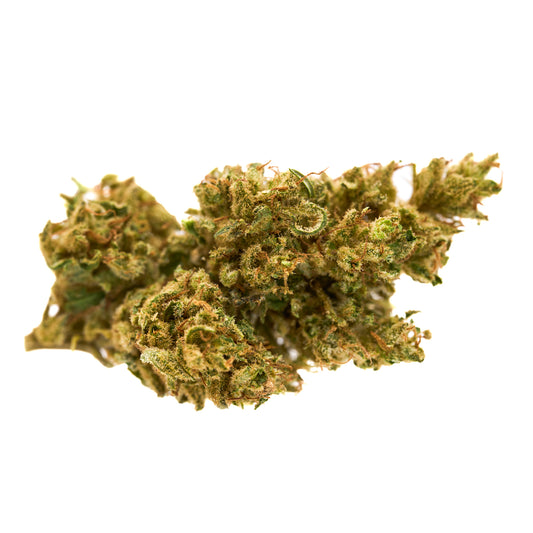
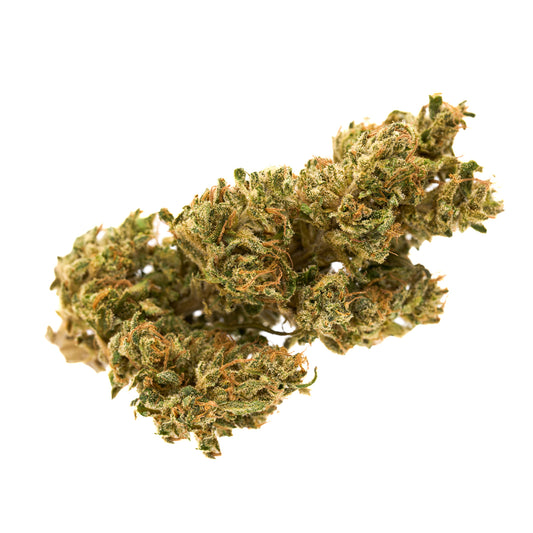
- Gorilla Glue 29% Delta-8 Flower suits readers who want a potent, smokeable option with a documented cannabinoid profile.
- Hawaiian Haze Delta 8 Hemp Flower works well for a lighter daytime experience.
- Bubba Kush Delta 8 Hemp Flower fits evening use thanks to its heavier, relaxing profile.
Every strain ships with lab documentation available through our full product catalog, and our team can walk you through any COA you want explained before you order.
This article is general information, not a substitute for advice from a qualified doctor. Consult a qualified healthcare professional about your own circumstances before acting on anything here.
FAQ
Is delta-8 THC safe to use?
Delta-8 is intoxicating and has not been evaluated or approved by the FDA, and adverse event data shows signals for respiratory and seizure-related events. Safety depends heavily on product purity, so verifying a batch-specific COA before use meaningfully reduces your risk.
How long does it take delta-8 to leave your system?
Detection windows depend on frequency of use, dose, and the testing method used, and no single authoritative timeline applies to every person. Infrequent users typically clear it faster than regular users, but if you are subject to drug testing, treat any delta-8 use as a potential risk since many tests do not distinguish it from delta-9.
What is the difference between delta-8 and delta-9 gummies in terms of effects?
Both produce intoxicating effects by binding to CB1 receptors, but delta-8 is often described as producing a clearer or milder high at comparable doses. That difference in subjective intensity does not change the underlying safety concerns around contamination and inconsistent potency in unregulated products.
What should I look for on a delta-8 product’s lab report?
A legitimate COA lists total THC and delta-8 potency alongside testing for residual solvents, pesticides, heavy metals, and microbial contaminants. Confirm the batch number on the COA matches your product’s packaging and that an accredited, independent lab performed the testing.
When should I seek medical help after using delta-8?
Seek immediate medical attention or call poison control at 1-800-222-1222 if you or someone else experiences difficulty breathing, seizure activity, severe confusion, or a child has accidentally ingested a delta-8 product. These symptoms align with signals identified in adverse event reporting data and warrant prompt evaluation.
Sources
The clinical and regulatory picture on delta-8 is still developing, and the sources below represent the core public-health evidence behind this article. The FDA’s consumer update lays out the agency’s position in plain language, while the peer-reviewed FAERS analysis offers the clearest look at adverse event patterns reported so far.
The CDC’s Health Alert Network advisory remains the primary public-health notice aimed at clinicians managing delta-8 exposure cases, and the academic review on regulatory standards explains the legal gap that let synthetic delta-8 proliferate in the first place. Reading all four together gives a fuller picture than any single source alone.
- 5 things to know about delta-8 tetrahydrocannabinol (delta-8-THC) | FDA
- Delta-8, a Cannabis-Derived Tetrahydrocannabinol Isomer: Evaluating Case Report Data in the FAERS Database - PMC
- Health Alert Network (HAN) advisory on delta-8 THC | CDC
