

Will Hemp Flower Get You High? U.S. Tests and the 0.3% Catch

Short answer: compliant hemp flower normally will not get you high. Legal hemp stays at or below 0.3% total delta-9 THC, far under marijuana potency. The exceptions are real, though: high-THCA flower that converts to THC when heated, mislabeled or mis-tested lots, heavy repeated use, and concentrated product types.
TL;DR:
- A compliant label must reflect total THC after THCA conversion, so check the report’s THCA line rather than relying on delta 9 THC alone.
- Smoking converts THCA into THC, while lower temperature vaping converts less; temperature control changes the amount of THC inhaled from flower.
- Drug screens detect THC metabolites, not legal status; frequent use, large servings, high THCA flower, or several close sessions raise positive test risk.
- CBD can cause drowsiness and interact with medications; an FDA study found elevated liver enzymes in 5.6% of adults taking 200 mg daily.
- Before buying, verify the lab is accredited and the report’s batch ID matches your package; if workplace testing applies, avoid hemp flower.
Table of Contents
- 1. Hemp flower, CBD, THC, THCA and the 0.3% line
- 2. How THC and CBD act differently
- 3. When hemp flower can make you feel high
- 4. How smoking, vaping and edibles change the picture
- 5. Can hemp flower show up on a drug test?
- 6. What hemp flower feels like and the safety notes
- 7. How to buy hemp flower without getting more THC than you want
- 8. Our approach to testing and trust
- 9. Shop tested hemp flower
- FAQ
- Sources
1. Hemp flower, CBD, THC, THCA and the 0.3% line
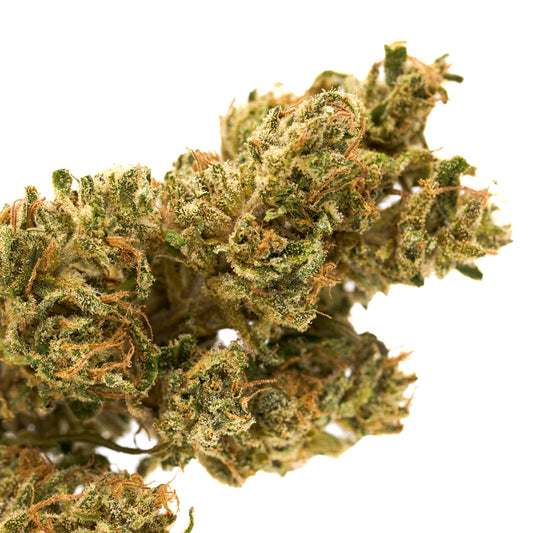
Hemp flower is the smokable bud of cannabis that stays within the federal hemp definition. Here are the terms you need:
- Hemp: cannabis with no more than 0.3% delta-9 THC on a dry weight basis, a limit set when the 2018 Farm Bill removed hemp from marijuana’s federal definition.
- CBD (cannabidiol): a cannabinoid that is not considered intoxicating.
- THC (delta-9 THC): the cannabinoid that produces the classic high.
- THCA: the raw, acid form of THC found in fresh flower. Heat converts it into THC.
- Total THC: THC plus converted THCA, the number that decides compliance.
The last term matters most. USDA guidance requires labs to account for THCA conversion and report total available THC on a dry weight basis. Plant law also uses a post-decarboxylation measurement, meaning the sample is heated before it is measured. A flower cannot pass by showing low THC on paper while holding a large THCA reserve. We cover the legal side in more depth in our state-by-state guide to hemp flower laws.
2. How THC and CBD act differently

THC produces euphoria by acting on cannabinoid receptors in the brain. CBD does not typically cause that intoxication. The CDC describes CBD as non-psychoactive, though it can still cause side effects such as drowsiness.
Concentration is the other half of the story. Compliant hemp sits at 0.3% total delta-9 THC or less, while marijuana often runs between 15% and 30% THC. NIDA testimony to Congress shows potency climbing from about 4% in 1995 to dispensary averages of 17.7% to 23.2% in later years.
Legal hemp tops out at 0.3% total delta-9 THC. Marijuana often exceeds 15% to 30%, so the two products sit in different potency classes.
What this means for you:
- At 0.3% or below, a normal serving delivers very little THC.
- The same plant chemistry at 20% THC is a different experience, and NIDA links higher THC to mood, perception and motor changes.
- The FDA notes CBD can interact with other medications, and long-term effects of high daily doses are largely unknown.
3. When hemp flower can make you feel high
Testing rules explain nearly every exception. Labs calculate total THC by accounting for THCA conversion. The 0.877 factor reflects the weight lost when THCA converts to THC. USDA guidance says samples testing above 0.3% total THC are noncompliant and must be remediated or destroyed.
Where do problems start?
- Heated THCA. Smoking or vaping converts THCA into intoxicating delta-9 THC. Our explainer on how heat turns THCA into THC walks through the chemistry.
- Mislabeling. A label that lists THC alone and hides the THCA figure can mislead you about what the flower will do when lit.
- Failed or disputed batches. A lot that tests over the limit should never reach shelves. When paperwork is weak, risk rises.
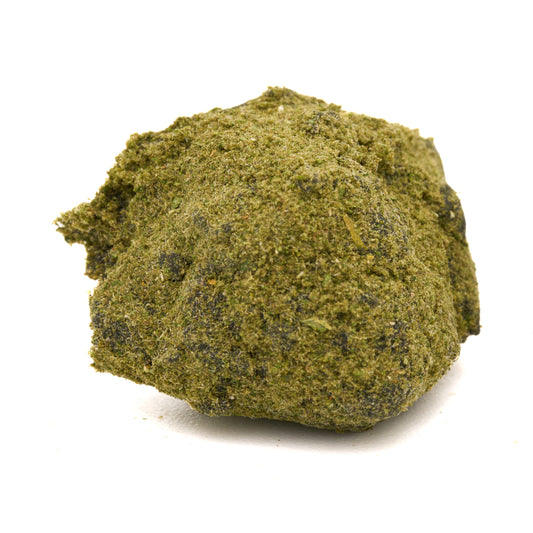
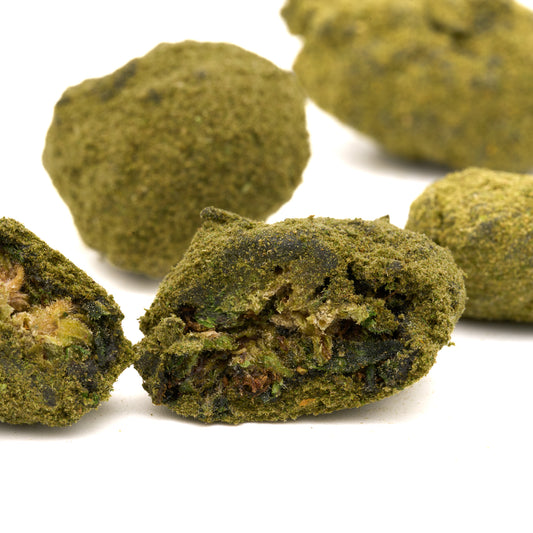
- Concentrated formats. Extracts and certain product types hold more cannabinoids per gram than raw flower.
Compliant, properly tested hemp rarely intoxicates. The narrow cases above account for most reports of feeling high.
Pro Tip: Read the THCA line on the lab report, not just the THC line. Total THC is the number that predicts how a lit flower will feel.
4. How smoking, vaping and edibles change the picture
Route and dose change what the same plant does to you.
- Smoking: combustion converts THCA into THC efficiently, so flower with a modest THC line can still deliver meaningful THC once it burns. Our guide to smoking CBD flower discusses the topic.
- Vaping: temperature control matters. A dry herb vaporizer guide explains how settings affect what you inhale, and lower heat converts less THCA than open flame. Inhalation also carries its own risks, since Harvard Health cautions about cardiovascular risks from smoking of any kind.
- Edibles and extracts: these work through digestion, so effects arrive later and can run longer. People who take a second dose too soon are the ones who get surprised. The FDA’s CBD literature review also notes that inhalation measurements vary widely and that quantified inhaled CBD values are missing from the literature.
- Frequency: repeated or heavy use can lead to THC metabolite buildup and a positive drug screen.
Start low, wait, and keep notes on dose and format. A single small session of compliant flower is a different event from several heavy sessions a day.
5. Can hemp flower show up on a drug test?
Yes, it can. Screening tests look for THC metabolites, not for the legal status of the product. Lab and workplace reports indicate that repeated or heavy hemp use can accumulate metabolites and trigger a positive result even when each batch sits below 0.3% THC.
Here is what raises your odds of a surprise:
- Frequent or daily use, especially of smoked flower.
- High-THCA flower that converts to THC when burned.
- Large servings or several sessions close together.
- Weak or missing lab documentation, so you do not know your actual intake.
Cutoff logic matters too. Screens use a numeric threshold, and a result above it reads as positive regardless of source. Our article on why 50 and 15 ng/mL cutoffs matter breaks that down. Employer policies differ, so check yours directly.
On a certificate of analysis, look for total THC, the lab’s accreditation, and a batch ID that matches your package. If you face testing at work, the safest choice is to skip hemp flower altogether.
6. What hemp flower feels like and the safety notes
Compliant hemp flower usually brings mild relaxation and the enjoyment of aroma and flavor. It does not bring the pronounced euphoria of marijuana.
FDA material notes that CBD can cause drowsiness and may affect the liver. Dose also matters:
An FDA-sponsored study found a 5.6% risk of liver enzyme elevation in adults taking 200 mg of CBD daily. That is a high dose, far above casual flower use, but it shows why daily intake deserves attention.
The FDA notes that long-term effects of high-dose daily CBD are largely unknown. If you take prescription medication, talk with your healthcare provider before you start, because CBD can interact with other drugs.
7. How to buy hemp flower without getting more THC than you want
The market is loosely regulated, so NIDA recommends prioritizing brands that provide third-party lab testing to verify actual cannabinoid content. Follow this checklist:
- Find the COA. It should sit on the product page or be available through support. No COA means no purchase.
- Check total THC. Confirm the figure is reported after decarboxylation, matching USDA testing guidelines.
- Read the full cannabinoid breakdown. Look at THCA, not only THC and CBD.
- Verify the lab and batch. Accreditation, batch ID and harvest dates should match your package.
- Compare your intended use. If you will smoke or vape, assume THCA converts.
Our walkthrough of how THCA lab testing works shows what each report line means. Our product pages describe our flower and the satisfaction policy.
Pro Tip: Match the batch ID on the COA to the label on your jar before you open it. A report for a different lot tells you nothing about yours.
8. Our approach to testing and trust
We grow and sell hemp flower, so we owe you straight answers about what is in it. Our product pages describe our cultivation practices and satisfaction policy. We offer a range of strains with different cannabinoid and terpene profiles so you can choose what fits.
We publish educational articles like this one so you can learn about our products. If a lab report raises a question, contact our support team and we will walk through it with you. Make COAs part of every buying decision, with us or anyone else.
9. Shop tested hemp flower
Our flowers fit different preferences:
- Hawaiian Haze CBD Hemp Flower: a CBD-forward strain for aroma and mild effects.
- Hawaiian Haze Delta 8 Hemp Flower: a Delta 8 option with a different cannabinoid profile, for adults who want it.
- Hempress CBD Hemp Flower: a CBD flower for steady, mellow sessions.

Check the product pages before you order, and read about our quality commitments there. Ready to pick one? Browse our full hemp flower collection, or see our pre-rolls and vapes. Some orders may qualify for free shipping; check the terms before ordering.
— Michael
This article is general information, not a substitute for advice from a qualified doctor. Consult a qualified healthcare professional about your own circumstances before acting on anything here.
FAQ
Does hemp flower show up on a drug test?
It can. Screens detect THC metabolites, and repeated or heavy hemp use can build up enough to read positive even when each batch is under 0.3% THC. If you face workplace testing, avoid hemp flower.
What are the potential side effects of taking CBD gummies?
CBD can cause drowsiness, and its effects can vary. The FDA also warns that CBD can interact with other medications, so check with a healthcare provider first.
What are the effects of smoking CBD flower?
Most people notice mild relaxation and enjoy the aroma and flavor, without marijuana-style euphoria. Smoking converts THCA into THC, so total THC on the COA still matters.
Can CBD flower get you high?
Properly tested, compliant CBD flower usually does not. A high is more likely with high-THCA flower, heavy use or a mislabeled lot.
Sources
- Cdc
- What You Need to Know (And What We’re Working to Find Out) About Products Containing Cannabis or Cannabis-derived Compounds, Including CBD | FDA
- Frequently Asked Questions about Conducting Research with Cannabis (Marijuana and Hemp) | National Institute on Drug Abuse (NIDA)
