


Cannabinoids in Hemp: Types, Effects and How to Buy Safely

Hemp contains more than 100 cannabinoids, naturally occurring compounds made mostly in the flower. The ones most shoppers meet are CBD, THCA, CBG, CBN and, in processed products, delta-8 THC. Which ones a product delivers, and in what amounts, is shown only on its lab report. This guide explains what each compound is, how the law treats hemp today, and how to check a label before you buy.
TL;DR
- Hemp is federally defined as Cannabis sativa L. with no more than 0.3% delta-9 THC on a dry weight basis. Research counts more than 120 identified phytocannabinoids in the plant.
- Most cannabinoids sit in the flower’s trichomes as acids such as CBDA and THCA. Heat converts them to CBD and THC.
- CBD does not cause a high. THC, and the delta-8 THC made from hemp CBD, are intoxicating.
- Labels are not always accurate. Ask for a certificate of analysis from an ISO/IEC 17025 third-party lab.
- Federal hemp rules are scheduled to change on November 12, 2026. Check the current status before you order.
Table of Contents
- What cannabinoids are and where hemp makes them
- The main cannabinoids in hemp
- Why hemp does not usually get you high
- Acid forms and decarboxylation
- Cannabinoids and terpenes
- What the science supports and what it does not
- How to verify what is in a hemp product
- Our perspective
- Choosing hemp products by cannabinoid profile
- Shop our hemp flower
- Federal rules are changing in 2026
- FAQ
- Sources
What cannabinoids are and where hemp makes them
Cannabinoids are chemical compounds produced by the cannabis plant. Those made by the plant are called phytocannabinoids. The body also makes its own, called endocannabinoids, and labs can make synthetic ones.
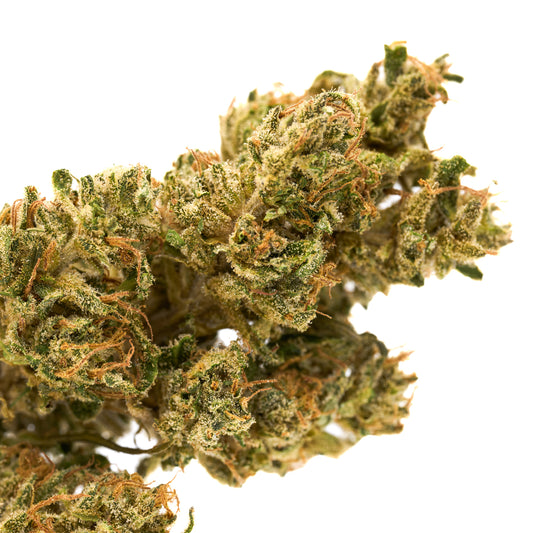
In hemp, the plant makes them in glandular trichomes, the small resin glands on the surface of the flowers. Research on hemp flower development points to the flower as the main store of cannabinoids. That is why flower, kief and concentrates carry far more than stems, seeds or roots.
All cannabinoids start from one precursor, cannabigerolic acid (CBGA). The plant’s enzymes convert it into other acids, and those acids are sorted into 11 chemical classes. Scientists understand the pharmacology of the minor ones only in part.
The main cannabinoids in hemp
| Cannabinoid | Found in hemp as | Intoxicating? | What to know |
|---|---|---|---|
| CBD (cannabidiol) | CBDA in raw flower, CBD after heat | No | The best known hemp compound. Not risk free. |
| THCA | Acid form in raw flower | Not until heated | Converts to THC with heat. Counts toward total THC. |
| Delta-9 THC | Small amounts, legal limit 0.3% | Yes | The main compound behind the high. |
| CBG | Usually low in mature plants | No | Comes from the CBGA precursor. |
| CBN | Forms as THC ages | Mild at most | A breakdown product. |
| CBC, THCV, CBDV | Minor amounts | Varies | Still being researched. |
| Delta-8 THC | Trace amounts, mostly made in a lab | Yes | Usually converted from hemp CBD. |
CBD
The CDC states that CBD is not impairing, meaning it does not cause a high. The same page notes that scientists are still learning how it affects the body and that CBD products are not risk free, with possible side effects. If you take prescription medication, are pregnant or have a liver condition, talk to your doctor or pharmacist before using CBD.
THCA
THCA is the acid precursor to THC. In raw flower it does not produce a high. Heat from smoking, vaping or baking decarboxylates it into THC. Our own guides cover how heat turns THCA into THC and how to convert lab numbers into total THC.

CBG, CBN and the minor cannabinoids
CBG is sometimes called the parent cannabinoid because every other cannabinoid starts from its acid form, CBGA. Hemp varieties bred for CBG hold more of it than standard CBD strains. Small-bud options such as our CBG hemp small nug flower are one way shoppers explore it. CBC, THCV and CBDV are present in smaller amounts and have limited research behind them.
Delta-8 THC
Delta-8 is psychoactive. The FDA has warned that it has not been evaluated or approved for safe use and can be synthetically derived from hemp CBD. Read our guide to delta-8 safety signals and how to verify a product before buying any.
Why hemp does not usually get you high
The reason is the THC limit, not the absence of THC. Under the 2018 Farm Bill, hemp is any part of the plant with a delta-9 THC concentration of not more than 0.3% on a dry weight basis. Marijuana is the same species above that line.
Two details matter for shoppers:
- Hemp contains THC. All industrial hemp varieties contain THC, CBD and other cannabinoids. The difference is the proportion.
- THCA counts. USDA’s testing guidelines measure total THC on a dry weight basis for crop compliance, and the FDA notes that compliance testing must account for THCA converting to THC. A flower high in THCA can look compliant by delta-9 alone but behave like high-THC cannabis once heated.
So a hemp product that is low in CBD and high in THCA is not a mild product. The cannabinoid profile on the lab report tells you what you are buying.
Acid forms and decarboxylation
Cannabinoids exist in the living plant mostly as acids: CBDA, THCA, CBGA. Heat, light or age triggers decarboxylation, which converts them into the neutral forms CBD, THC and CBG.
This affects how you read a label:
- Raw flower shows large acid numbers and small neutral numbers.
- A rough total is the neutral form plus the acid form multiplied by a conversion factor, because some mass is lost as carbon dioxide. Our example of 30% THCA equalling 26.31% total THC shows the math.
- Older, poorly stored flower has more neutral cannabinoids and degraded compounds than fresh flower.
Cannabinoids and terpenes
Terpenes are aromatic compounds, separate from cannabinoids. They give strains descriptions such as spicy and piney or sweet berry. They are part of why two flowers with similar CBD percentages smell and feel different. Terpene content is also on a complete lab report, so it is a useful check on freshness and strain character.
What the science supports and what it does not
Be cautious with health claims. The National Academies of Sciences found that some oral cannabinoids have clinical evidence for specific uses, such as chemotherapy-induced nausea and MS-related spasticity. For many other marketed conditions, it found inadequate information to support or refute effectiveness.
In practice, treat hemp cannabinoids as consumer products, not medicine. If you are managing a medical condition, ask your physician before adding them. Do not stop or replace prescribed treatment.
How to verify what is in a hemp product
Labels are the weak point. A survey of hemp-derived products from the U.S. marketplace found that fewer than half of surveyed CBD products had cannabinoid levels within 20% of the label. Experts recommend requesting a certificate of analysis (COA) from an ISO/IEC 17025-certified third-party lab. The FDA also warns that hemp products may contain unlisted ingredients such as THC, heavy metals or pesticides.
A checklist for any COA:
- Lab and accreditation. It should be an independent lab, not the seller, with ISO/IEC 17025 listed.
- Batch match. The batch or lot number on the report should match the package.
- Cannabinoid panel. Look for THCA, delta-9 THC, total THC, CBD, CBDA and minors such as CBG.
- Contaminant panels. Pesticides, heavy metals, residual solvents and microbials where relevant.
- Date. A recent report for the current batch.
For step-by-step help, see our guides on reading lab reports and certificates of analysis, why third-party testing matters and THCA flower testing standards.
Our perspective
We grow and sell hemp flower, so we see the same mistake from new buyers: they shop by a single number. A high CBD or THCA percentage says little without the rest of the profile.
We look at three things together. First, the full cannabinoid panel, including total THC. Second, the terpene profile, which tells you about freshness and character. Third, how the flower was grown and handled. Our flower is organically grown without pesticides or synthetics and hand-trimmed, and every product line comes with a 100% satisfaction guarantee.
We also think shoppers should know their own situation. Anyone who is drug tested should read about CBD flower and drug test cutoffs, THCa and DOT cutoffs and delta-8 and workplace tests first. Full-spectrum and THCA products can carry THC-related risk.
— Michael
Choosing hemp products by cannabinoid profile
Match the product to what you want from it:
- CBD-dominant flower for a non-intoxicating profile. Our Critical Berries CBD full-term hemp flower is one example.
- THCA flower and concentrates for shoppers 21 and over who understand that heat produces THC. See our THCa concentrates.
- CBG small buds for a minor-cannabinoid profile.
- Pre-rolls and vapes for convenience. Check the COA for the specific format, since vape ingredients differ from flower.
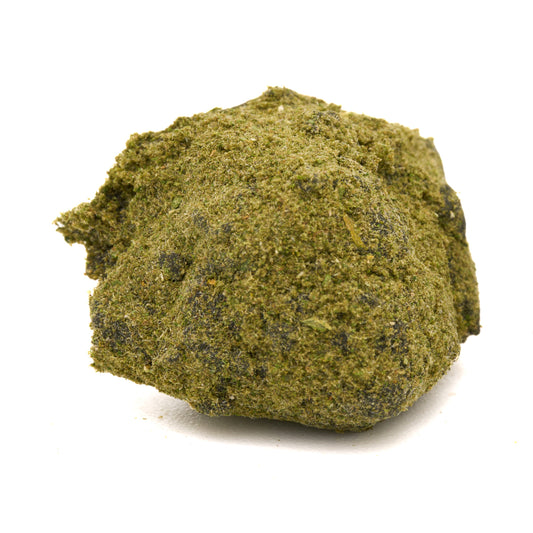
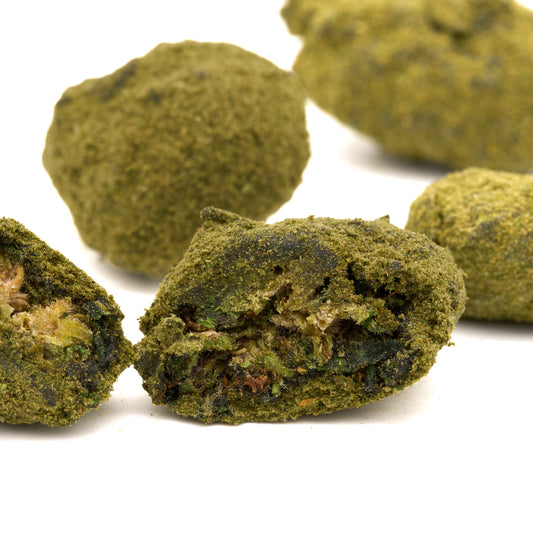
- Moon rocks and kief for flower coated or concentrated with extra cannabinoids, which means higher potency per gram.
Business buyers can check our wholesale lines for CBD, THCa and delta-8 bulk supply, including Hawaiian Haze CBD hemp flower wholesale.
Shop our hemp flower
We sell organic hemp flower, pre-rolls, vapes, kief, moon rocks and concentrates across CBD, THCA and delta-8 lines. Orders over $85 ship free. Browse the full hemp flower collection, or see the pre-roll and vape collections. You must be 21 or older to buy.

Federal rules are changing in 2026
The legal picture for hemp-derived cannabinoids is in motion. According to a law firm analysis of Section 781 of the 2026 Appropriations Act, the federal hemp definition is set to move to a total THC standard that includes THCA, with a cap of 0.4 mg total THC per container for finished products. Absent new legislation, it takes effect November 12, 2026. The same analysis cites industry estimates that most existing hemp-derived cannabinoid products would become federally unlawful.
This could change before the date. Check current federal and state law before you buy, and note that states set their own rules on top of federal law.
There is also a food and supplement issue. Hemp-derived CBD is federally legal under the Farm Bill if below 0.3% THC, but the FDA maintains that adding CBD or THC to food or dietary supplements is a prohibited act.

FAQ
Does CBD contain cannabinoids?
Yes. CBD is itself a cannabinoid. Hemp-derived CBD products often also contain other cannabinoids, such as CBG, CBC and trace THC, unless they are made as isolates. The COA shows which ones are present.
Which foods contain cannabinoids?
Hemp seed products contain very little, because the plant stores cannabinoids mainly in the flower’s trichomes. Foods made with added hemp extract do contain them, but the FDA says adding CBD or THC to food is a prohibited act. Check the label and the COA.
Why does hemp not get you high?
Hemp is legally limited to 0.3% delta-9 THC on a dry weight basis, and its main cannabinoid, CBD, is not impairing. Heated THCA and delta-8 are exceptions, because they can be intoxicating. Check total THC on the lab report.
What are the different types of cannabinoids?
There are three groups: phytocannabinoids from the plant, endocannabinoids made by the body, and synthetic cannabinoids made in a lab. Plant types include CBD, THC, CBG, CBN, CBC, THCV and CBDV, plus their acid forms.
Sources
- FDA: Regulation of Cannabis and Cannabis-Derived Products, Including CBD
- CDC: About CBD
- Industrial Hemp as an Emerging Source for Value-Added Functional Food Ingredients and Nutraceuticals (Molecules, 2020)
- Development of Cannabinoids in Flowers of Industrial Hemp: A Pilot Study (PubMed)
- A survey of cannabinoids and toxic elements in hemp-derived products from the United States marketplace (PubMed)
- USDA AMS: Laboratory Testing Guidelines, U.S. Domestic Hemp Production Program
- National Academies: Cannabis chapter highlights
- Vicente LLP: 2026 Federal Hemp Ban
