
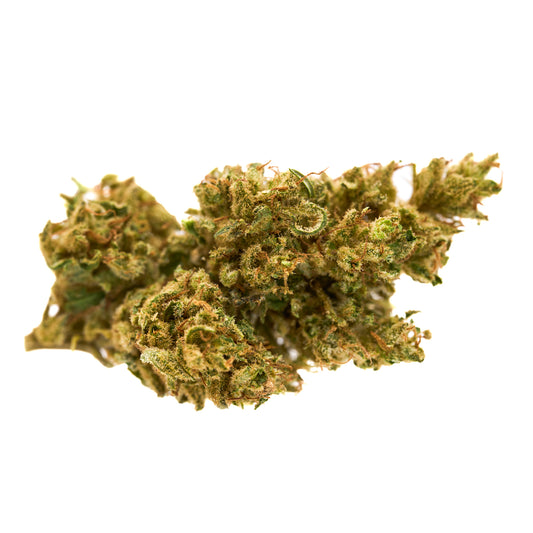
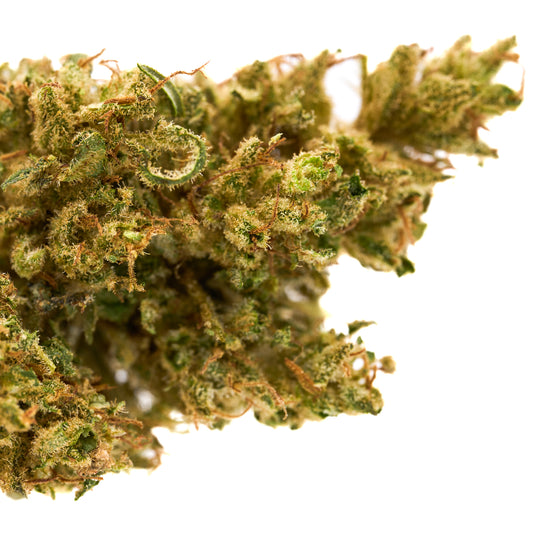
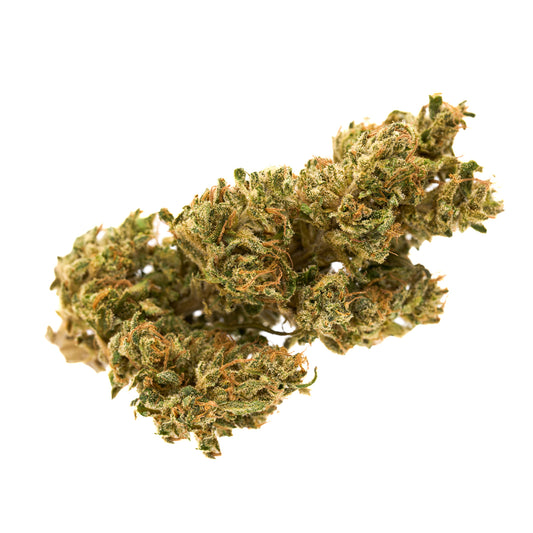
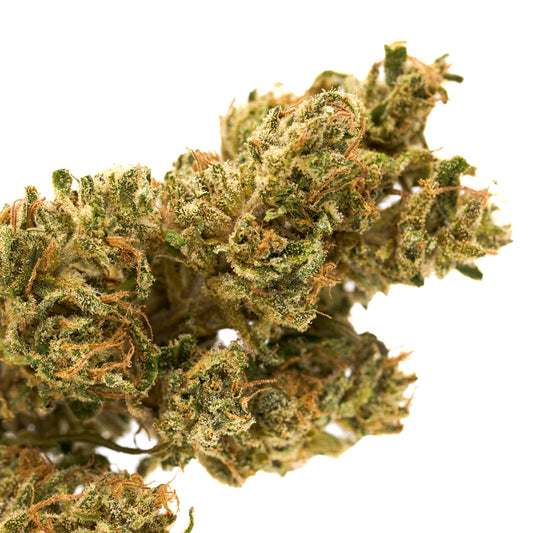





Greenhouse Smalls Showdown: Rozay Cake or Purple Marmalade for Pre-Rolls?

If you're running a pre-roll production line, you already know that the metrics matter more than the marketing. Retail flower buyers care about bag appeal and jar presentation. Pre-roll manufacturers care about something entirely different: how a strain grinds, how it packs, how it burns, and whether it holds its flavor and potency after it's been broken down into shake. That's where THCA pre-roll flower sourced as greenhouse smalls earns its reputation — it's built for the grinder, not the display case.
Two strains have become go-to options for high-volume pre-roll operations: Rozay Cake pre-rolls and Purple Marmalade pre-rolls. Both are available as greenhouse smalls pre-rolls inputs, both hold up under high-throughput grinding, and both bring distinct advantages depending on what a production line is optimizing for. This breakdown compares the two head-to-head across the variables that actually matter to manufacturers: pre-roll grind consistency, moisture behavior, burn quality, potency, and blending potential — so you can decide which one (or which combination) fits your next production run.
Why Greenhouse Smalls Work for Pre-Roll Production
Not all flower is created equal when the end product is a cone instead of a jar. Full-size, dense, top-shelf colas look great on a shelf, but they're inefficient and expensive for pre-roll manufacturing. That's precisely why THCA smalls for pre-rolls have become the default input for serious production operations.
Smalls — the smaller popcorn-sized buds trimmed off during harvest — carry the same cannabinoid and terpene profile as their larger counterparts but at a fraction of the cost per pound. For a pre-roll line running thousands of units a week, that cost differential is the difference between a profitable SKU and a break-even one. Greenhouse-grown smalls in particular tend to offer more consistent density and moisture content than outdoor smalls, since greenhouse cultivation controls humidity and light exposure more tightly across a harvest cycle.
This consistency matters more than most buyers realize. Bulk THCA pre-roll flower that varies wildly in moisture content from batch to batch will grind unevenly, jam machinery, and produce cones that burn unevenly — some too fast and harsh, others that canoe or self-extinguish. Greenhouse smalls, when properly cured, tend to sit in a tighter moisture band, which is exactly what automated and semi-automated pre-roll equipment needs to run efficiently.
There's also a quality argument that gets overlooked. Because smalls come from the same plant as top-shelf flower, they retain the full cannabinoid and terpene expression of the strain — this isn't shake or trim. For manufacturers who want their pre-rolls to actually represent the strain on the label, sourcing smalls by strain name — like Rozay Cake or Purple Marmalade specifically — lets a brand market strain-specific pre-rolls without paying top-shelf flower prices.
Rozay Cake: Grind, Burn, and Flavor Profile
Rozay Cake pre-rolls built from greenhouse smalls bring a distinctive structural advantage to the grinding stage. Rozay Cake buds tend to have a denser internal structure than many dessert-leaning strains, which means they don't collapse into a fine powder as quickly under a grinder blade. Instead, the flower breaks down into a slightly coarser, more textured consistency.
For a lot of pre-roll operators, that's actually the preferred outcome. Pre-roll grind consistency isn't just about uniform particle size — it's about how that ground flower behaves once it's packed into a cone. Finer grinds pack more tightly and can restrict airflow, leading to draw resistance and uneven burn. A slightly coarser grind, like what Rozay Cake produces, tends to pack more evenly along the length of the cone and leaves enough air pockets to support a consistent burn from tip to end. That translates directly into fewer canoeing complaints — one of the most common quality issues pre-roll manufacturers deal with, where one side of the cone burns faster than the other and the flame tunnels down one wall instead of burning evenly across the surface.
Flavor is the other place Rozay Cake earns its spot in production lines. This strain carries a sweet, dessert-forward flavor profile with vanilla-cake and baked-pastry notes that come through clearly in the aroma before combustion. What makes it valuable specifically for THCA pre-roll manufacturing is how well that flavor survives the burn. A lot of delicate, floral, or citrus-forward terpene profiles get scorched off almost entirely by combustion temperatures, leaving behind a flat, generically "weedy" taste regardless of what the strain smelled like in the jar. Rozay Cake's denser terpene retention means more of that vanilla-cake character actually makes it through to the inhale, which matters a great deal for a finished product where the smoking experience is the entire point.
From a moisture-handling standpoint, Rozay Cake's denser bud structure also tends to be more forgiving during storage between grinding and packaging. It doesn't dry out or become brittle as quickly as looser, airier bud structures, which reduces the risk of over-grinding into powder during high-speed automated filling.
For manufacturers building a wholesale pre-roll flower program around a single hero strain, Rozay Cake works particularly well as a flagship SKU — it grinds predictably, packs evenly, and delivers a flavor experience that holds up from cure to combustion. It's a strain that performs consistently across multiple production runs, which is exactly what you want when you're trying to standardize a manufacturing process rather than chase novelty every batch.

Purple Marmalade: Grind, Burn, and Flavor Profile
Purple Marmalade pre-rolls take a different approach to solving the same production problems, and for high-volume operations, the differences are worth understanding in detail.
Purple Marmalade tends to produce smaller, denser nugs compared to Rozay Cake's structure. That density is actually an asset for smalls flower grinding at scale — smaller, more uniform bud sizes feed into grinding equipment more evenly, with less variance in how long individual pieces take to break down. For production lines running high-volume batches through automated grinders, that translates into faster throughput and fewer jams or inconsistent passes, since the machine isn't working through a mix of small and disproportionately larger pieces in the same load.
Where Purple Marmalade requires more attention is on the storage and handling side. Its citrus-marmalade terpene profile is aromatic and distinctive — genuinely one of its selling points — but that same terpene expression is more volatile than Rozay Cake's heavier, sweeter profile. Volatile terpenes degrade faster when exposed to heat, light, or fluctuating humidity, which means the window between grinding and final packaging matters more with this strain. Pre-rolls made from Purple Marmalade benefit meaningfully from tighter humidity-controlled storage during that gap. Operations that already run climate-controlled staging areas between grinding and packaging stations will see the citrus notes translate much more faithfully into the finished product; operations without that infrastructure may notice some flavor drop-off if ground flower sits too long before it's rolled and sealed.
This is a genuinely useful piece of information for anyone sourcing THCA flower for cones at scale — it's not a knock against Purple Marmalade, it's a production variable to plan around. Strains with more volatile, aromatic terpene profiles are often the ones consumers respond to most strongly precisely because those top-note aromatics are so noticeable. The tradeoff is that they require slightly tighter environmental controls to preserve that quality from grind to shelf.
On potency, Purple Marmalade tends to run marginally higher than Rozay Cake in lab testing, which is a detail worth highlighting for manufacturers building THCA pre-roll potency messaging into their packaging and marketing. A small but real cannabinoid edge per gram is the kind of differentiator that resonates with consumers comparing pre-roll options side by side, particularly in a competitive retail environment where THCA percentage is often the first number shoppers look at.
Head-to-Head: Potency, Burn Rate, and Draw
Put side by side, Rozay Cake and Purple Marmalade are closer than they might first appear, but the differences that do exist are the ones that matter most to a production floor.
Burn rate is largely comparable between the two strains when properly cured and ground to a consistent particle size. Neither strain runs dramatically hot or slow compared to the other, which means manufacturers don't need to adjust cone density or pack weight significantly when switching between the two SKUs.
Draw and potency are where Purple Marmalade edges ahead. Its marginally higher THCA content means a slightly more potent draw per gram compared to Rozay Cake. For manufacturers, this is a legitimate selling point worth putting directly on pre-roll packaging — potency-per-gram claims backed by lab data are one of the strongest purchase drivers in the current THCA market, particularly for repeat wholesale buyers comparing supplier options.
Grind behavior is where Rozay Cake holds its advantage. Its coarser, more textured grind reduces canoeing risk and tends to produce a more even burn surface across the length of the cone — a quality-control win that reduces customer complaints and product returns.
Flavor retention splits the difference. Rozay Cake's heavier, sweeter profile survives combustion more reliably with less environmental control required. Purple Marmalade's brighter citrus profile is more distinctive when preserved properly but demands tighter humidity management to get there.
The practical takeaway for most THCA pre-roll suppliers and manufacturers: if your production environment has strong humidity control and you want to lean into a bold, aromatic flavor with a documented potency edge, Purple Marmalade is the stronger single-strain choice. If you want a strain that's more forgiving across variable storage conditions and grinds into a texture that minimizes burn defects, Rozay Cake is the safer standardization pick.
Blending Strategy for Mixed-Strain Pre-Roll Lines
For operators who aren't locked into a single-strain SKU strategy, blending is where these two strains get genuinely interesting. THCA pre-roll blends that combine Rozay Cake and Purple Marmalade are a common approach among manufacturers looking to balance flavor complexity with potency messaging in a single product.
The logic works in either direction. Using Rozay Cake as the base — the bulk of the blend — with a Purple Marmalade "kicker" mixed in at a smaller ratio lets a pre-roll retain Rozay Cake's forgiving grind consistency and dependable burn while getting a boost in both terpene complexity and average potency from the Purple Marmalade addition. The citrus-marmalade top notes cut through the heavier vanilla-cake base, creating a more layered smoking experience than either strain delivers alone.
Flip the ratio — Purple Marmalade as the base with a Rozay Cake kicker — and manufacturers get the inverse benefit: the citrus-forward flavor stays dominant while the denser Rozay Cake material helps stabilize the overall grind texture and reduces some of the canoeing risk that comes from an all-Purple-Marmalade fill.
This kind of blending strategy is particularly useful for pre-roll production flower programs trying to differentiate a multi-pack product line. A brand can offer a straight Rozay Cake single-strain pre-roll, a straight Purple Marmalade single-strain pre-roll, and a blended SKU that sits between them — giving retail buyers three distinct products from two base strains without adding a third strain to the supply chain.
Sourcing Considerations for Wholesale Buyers
Buying smalls in bulk for pre-roll manufacturing comes with its own due-diligence checklist, separate from what a retail flower buyer would look for.
Batch consistency should be the first question asked of any supplier. Ask whether the smalls being quoted come from a single greenhouse harvest or are aggregated across multiple grows. Single-harvest batches tend to be more consistent in moisture content and bud structure, which matters enormously for grind consistency at scale.
Lab documentation matters just as much for smalls as it does for top-shelf flower. Every batch of bulk THCA pre-roll flower should come with a current Certificate of Analysis covering cannabinoid content and, ideally, a residual solvent and pesticide panel. This documentation is what lets a brand make accurate potency claims on finished packaging.
Moisture content at time of purchase deserves a direct conversation with any supplier. Flower that arrives too wet risks mold during storage and grinds poorly; flower that's too dry grinds into an overly fine powder that packs unevenly and burns hot. A reliable supplier of wholesale pre-roll flower should be able to specify a target moisture range and confirm testing at the time of harvest and cure.
Volume pricing structure is where greenhouse smalls really separate themselves from full-size flower economically. Because smalls are priced well below top-shelf bud, manufacturers can secure pound-for-pound savings that scale meaningfully across large production runs.
Production Best Practices for THCA Pre-Roll Manufacturing
A few operational habits separate high-quality pre-roll runs from inconsistent ones, regardless of which strain is going into the cone.
Grind in smaller batches for volatile-terpene strains. For a strain like Purple Marmalade, grinding just ahead of the packaging line — rather than grinding a full day's supply at once — minimizes the window during which aromatic terpenes can degrade.
Standardize moisture testing at intake, not just at harvest. Flower that tested within range at harvest can shift during transport and storage. Spot-checking moisture at intake before it enters the grinder catches problems before they become a full batch of unevenly packed cones.
Match grind coarseness to cone size. Smaller cones generally perform better with a slightly coarser grind to maintain airflow, while larger format pre-rolls can handle a finer grind without sacrificing burn quality. This is especially relevant when working with Rozay Cake's naturally coarser breakdown versus Purple Marmalade's finer, more uniform grind.
Store ground flower in humidity-controlled staging, always. Even for less volatile strains, ground flower has significantly more surface area exposed to air than whole bud, which accelerates both moisture loss and terpene degradation.
Run burn tests on every new batch, not just every new strain. Even within the same strain, batch-to-batch variation in cure and moisture can shift burn behavior. A quick burn test on a sample cone from each incoming batch catches issues before they reach a full production run.
Frequently Asked Questions
What's the difference between smalls and shake for pre-roll manufacturing?
Smalls are small, intact buds — the same flower structure as top-shelf colas, just smaller in size. Shake is the loose material and fine particles that break off flower during handling, trimming, and transport. Smalls retain more of the original cannabinoid and terpene structure and grind more predictably, while shake is often inconsistent in cannabinoid concentration and moisture content.
Do greenhouse smalls burn differently than indoor or outdoor smalls?
Generally, greenhouse-grown smalls offer more consistent moisture content than outdoor-grown flower, since greenhouse cultivation controls humidity and light exposure more tightly through the growing cycle. That consistency tends to translate into more predictable grinding and burning behavior, though final burn quality still depends heavily on curing and post-harvest handling regardless of growing environment.
Is Rozay Cake or Purple Marmalade better for a first-time pre-roll product line?
Rozay Cake is generally the more forgiving option for operations still dialing in their production process, since its coarser grind and denser structure are more tolerant of minor storage or humidity inconsistencies. Purple Marmalade rewards operations that already have tighter environmental controls in place with a more distinctive flavor and a slightly higher potency-per-gram profile.
How much THCA flower is typically needed for a standard pre-roll production run?
This varies significantly by cone size and target pack weight, but manufacturers typically calculate need based on gram-per-unit fill weight multiplied by total unit count, with an additional 5–10% buffer built in for grind loss and quality-control rejects.
Can Rozay Cake and Purple Marmalade be blended in the same pre-roll?
Yes — blending is a common strategy among manufacturers who want to combine Rozay Cake's dependable grind and burn characteristics with Purple Marmalade's more aromatic terpene profile and higher potency. Ratios can be adjusted depending on whether flavor complexity or potency messaging is the priority for a given SKU.
What THCA percentage should wholesale buyers expect from greenhouse smalls?
Potency varies by strain, harvest, and cure, so buyers should always request current Certificate of Analysis documentation for the specific batch being purchased rather than relying on general strain averages. Purple Marmalade has tended to test marginally higher than Rozay Cake, but batch-specific lab results are the only reliable way to confirm potency for a given production run.
