



What Are THCA Moonrocks? A Beginner's Guide

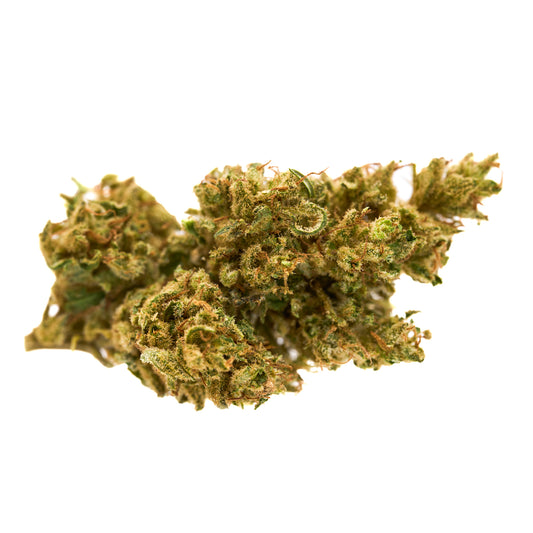
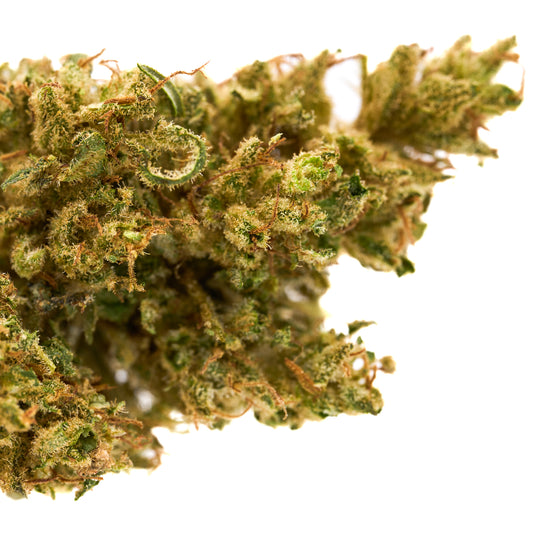
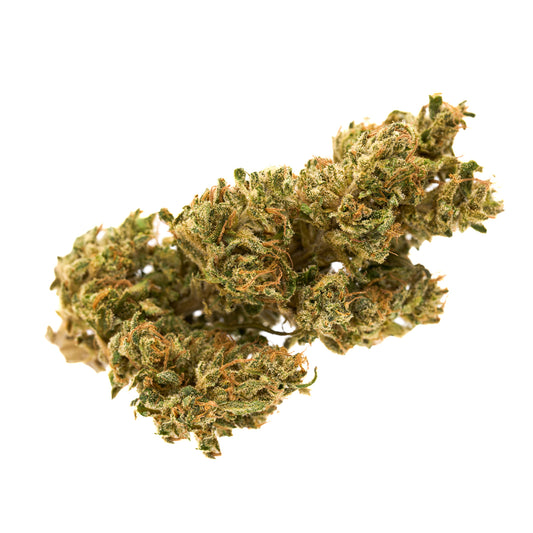
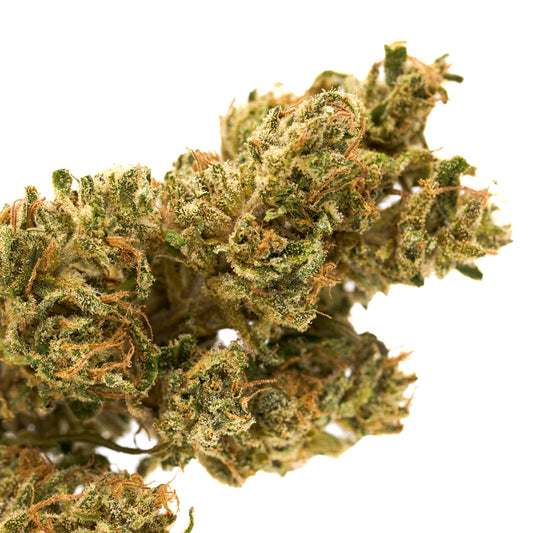
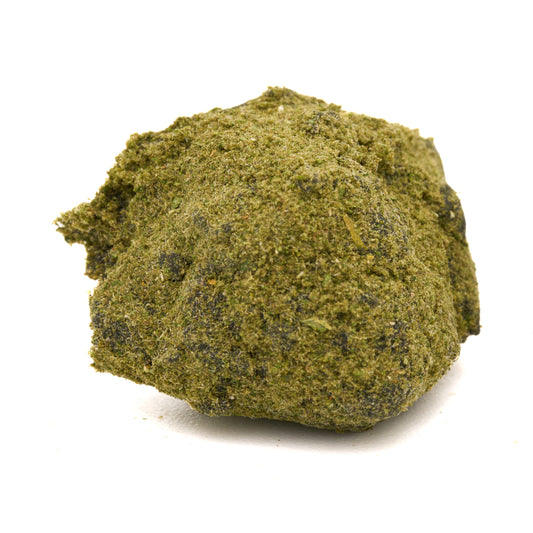
If you've spent any time browsing hemp product menus lately, you've probably seen a strange, glittering, golf-ball-textured bud labeled "moonrock" and wondered what exactly you were looking at. The moonrocks trend has exploded across dispensaries, smoke shops, and online hemp retailers — and for good reason. These aren't your average pre-ground flower. THCA moonrocks are flower buds dipped in concentrate and then rolled in kief, creating a three-layer product that's visually striking and significantly more potent than standard flower.
But here's what most first-time buyers don't realize: not all moonrocks are created equal. The rise of hemp-derived cannabinoids has led to two distinct categories on the market — CBD moonrocks and THCA moonrocks — and the differences between them go far beyond the letters in their names. One is prized for its calming, non-intoxicating properties. The other, once heated, converts into a potent, THC-driven experience that falls under very different legal and practical considerations.
So what are THCA moonrocks, exactly, and how do they stack up against their CBD counterparts? In this guide, we'll break down exactly how moonrocks are constructed, what separates a THCA moonrock from a CBD one, who these products are actually built for, and what red flags to watch for before you buy. Whether you're a curious beginner or a retailer trying to explain the difference to customers, this THCA moonrocks explained guide covers everything you need to know.
By the end, you'll understand exactly why THCA flower coated in concentrate hits differently than anything else on the shelf — and how to shop for it with confidence. If you're ready to explore lab-tested options, check out Oregon Hemp Flower's moonrocks collection.
How Moonrocks Are Made
Moonrocks might look like a novelty product, but their construction is a deliberate, multi-step process designed to layer potency on top of potency. Understanding this build is the foundation for understanding everything else about the product category — including why quality varies so much from one supplier to the next.
The Three-Layer Construction
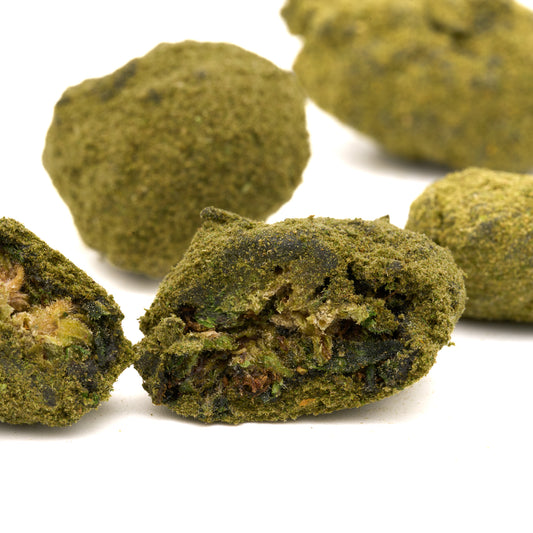
At their core, moonrocks follow a consistent three-part structure:
1. The Flower Core
Every moonrock starts with a full hemp flower bud — not shake, not trim, but a whole cured nug. This flower serves as the structural base and contributes its own cannabinoid and terpene profile to the final product. The strain chosen for the core matters more than most buyers assume, since it influences the aroma, flavor, and baseline effects before any coating is applied.
2. The Oil Coating
The flower is then dipped or brushed with a cannabinoid-rich oil — typically a distillate, live resin, or full-spectrum extract. This is the layer that acts as the "glue" holding the final product together, and it's also where a significant amount of the added potency comes from. The type of oil used (distillate versus live resin, for example) affects not just strength but also terpene retention and overall flavor complexity.
3. The Kief Shell
Finally, the sticky, oil-coated bud is rolled through kief — the trichome-rich, powdery resin sifted from hemp flower. This outer layer gives moonrocks their signature frosty, textured appearance and adds a final concentrated punch of cannabinoids to the exterior.
The result is THCA flower coated in concentrate that looks almost otherworldly (hence the name) and delivers a cannabinoid concentration far beyond what raw flower alone can offer.
Why Coating Ratios Vary
One of the most important things beginners often overlook is that not all moonrocks are made to the same specification. Wholesale suppliers vary their coating ratios significantly — some apply a thin, even oil layer with a light kief dusting, while others go heavier on both the oil and kief to maximize potency claims.
This matters for a few reasons:
- Potency consistency: A heavier coating means a higher cannabinoid percentage per gram, but it can also mean an inconsistent burn or harsher smoke if not applied correctly.
- Cost differences: Moonrocks with denser kief shells and higher-grade oil coatings typically cost more, since they require more concentrate input per unit.
- Visual cues can be misleading: A moonrock that looks heavily frosted isn't automatically the most potent — the oil layer underneath the kief matters just as much as what's visible on the surface.
For buyers — especially wholesale buyers comparing suppliers — this variability is exactly why lab testing and transparent sourcing matter so much more with moonrocks than with standard flower. We'll cover exactly what to check for later in this guide.
CBD vs THCA Moonrocks — What's the Real Difference?
This is the question that trips up nearly every first-time buyer, and it's the single most important thing to understand before you purchase. The difference between CBD and THCA moonrocks isn't just branding — it comes down to chemistry, effects, and legal treatment.
Where the Potency Comes From
The core distinction is which cannabinoid drives the product's strength.
- CBD moonrocks are built around cannabidiol as the dominant cannabinoid. CBD is non-intoxicating, meaning it doesn't produce a "high" in the traditional sense. Instead, CBD moonrocks are typically marketed for relaxation, calm, and general wellness use, with the layered construction simply amplifying the overall cannabinoid concentration rather than introducing intoxicating effects.
- THCA moonrocks, on the other hand, are built around THCA (tetrahydrocannabinolic acid) — the raw, non-intoxicating precursor to THC that's naturally present in hemp flower. In its raw form, THCA itself won't get you high. But that's only half the story.
The Decarboxylation Factor
Here's where things get important: THCA converts to THC when heated — a chemical process called decarboxylation. When you smoke, vape, or otherwise apply heat to THCA flower (or THCA moonrocks), that raw THCA is converted into Delta-9 THC, the compound responsible for cannabis's classic intoxicating effects.
This means that while a jar of THCA moonrocks may show a low "Delta-9 THC" percentage on paper and comply with the federal 0.3% Delta-9 THC threshold in its raw, unheated state, the experience of using it is functionally similar to traditional high-THC cannabis once it's combusted or vaporized. This conversion process is exactly why THCA moonrocks explained correctly requires talking about total potential THC, not just the raw Delta-9 number on a label.
Why This Drives Different Legal Treatment
Because of this decarboxylation dynamic, THCA products — including THCA moonrocks — exist in a more complex legal position than CBD products:
- CBD moonrocks are generally treated as straightforward hemp wellness products, with fewer complications around potency perception, since CBD doesn't convert into an intoxicating compound.
- THCA moonrocks occupy a regulatory gray area in many jurisdictions. Some states apply "total THC" testing standards (which account for potential post-decarboxylation THC) rather than just raw Delta-9 THC, which can affect whether a given batch is legally classified as hemp or marijuana.
- Buyers — particularly wholesale buyers — need to pay close attention to state-specific regulations, since a product that's federally compliant on paper may not meet a particular state's total-THC threshold.
Effects Comparison at a Glance
| Factor | CBD Moonrocks | THCA Moonrocks |
|---|---|---|
| Primary cannabinoid | CBD | THCA (converts to THC when heated) |
| Intoxicating? | No | Yes, once decarboxylated |
| Typical use case | Relaxation, wellness | Recreational potency, experienced use |
| Legal complexity | Lower | Higher — varies by state |
| Lab testing importance | Standard | Critical (total THC vs. Delta-9) |
Understanding this distinction is the single most important piece of education a beginner needs before buying — and it's exactly why a THCA moonrocks vs regular flower comparison always has to include a conversation about decarboxylation, not just raw potency numbers.

Who Moonrocks Are For
Moonrocks aren't designed as an entry-level product, and it's worth being upfront about that. The layered construction that makes them so potent also makes them a poor starting point for anyone new to hemp or cannabis products generally.
Built for Experienced Users
THCA moonrocks, specifically, are formulated for consumers who already have a tolerance built up from regular flower or concentrate use and are looking for a way to increase potency per gram without switching to a different product category (like dabs or edibles). Because the flower core is coated in oil and then rolled in kief, the effective cannabinoid concentration is substantially higher than smoking flower alone — often multiple times higher.
This makes moonrocks appealing to a specific type of buyer:
- Experienced flower smokers looking for a stronger experience from a familiar smoking format
- Concentrate users who want the ritual and control of smoking flower but with dab-like potency
- Value-conscious buyers who want more effect per session without buying separate concentrate products
Not Recommended for Beginners
If you're new to THCA products altogether, moonrocks are generally not the place to start. The intensity of the experience — especially once THCA converts to THC through decarboxylation — can be overwhelming for someone without an established tolerance. Standard THCA flower, pre-rolls, or low-dose products are a much safer entry point before working up to a moonrock-level product.
A Note for Wholesale Buyers
For dispensaries and smoke shop operators, moonrocks also serve a specific retail purpose: they function as a premium, higher-margin SKU that appeals to your most loyal, highest-tolerance customers. Positioning them correctly in-store — with clear labeling distinguishing THCA moonrocks vs regular flower — helps customers self-select appropriately and reduces the risk of an inexperienced buyer purchasing a product that's more intense than they're prepared for.
What to Look For When Buying
Because moonrocks involve three separate layers — flower, oil, and kief — there are more variables that can go wrong (or be misrepresented) compared to standard flower. Here's what to actually check before you buy, whether you're a retail consumer or a wholesale buyer.
1. Third-Party Lab Testing
This is non-negotiable. Legitimate THCA moonrocks should come with a Certificate of Analysis (COA) from an independent, third-party lab. At minimum, that COA should show:
- Total THC and total cannabinoid breakdown — not just raw Delta-9 THC, since that number alone doesn't reflect what happens after decarboxylation
- Contaminant screening — pesticides, heavy metals, residual solvents, and microbials, since the oil and kief layers can concentrate contaminants if the source material wasn't clean
- Batch-specific testing — a COA should match the actual batch or lot you're purchasing, not a generic reference test
2. Strain Transparency
Because the flower core drives much of the flavor and baseline effect profile, reputable suppliers should be transparent about which strain was used as the base. Vague labeling ("Indica Blend" with no further detail) is a signal to look elsewhere, especially for wholesale buyers who need consistent strain information to market products accurately.
3. Coating Consistency
Quality moonrocks should have an even, consistent oil and kief application across every piece in a batch. Red flags include:
- Visibly bare patches of flower showing through the kief
- Clumping or uneven kief distribution
- Oil pooling at the bottom of packaging (a sign of an unstable or overly thin oil layer)
Consistency matters both for the smoking experience and for potency predictability — a poorly coated batch means wildly inconsistent effects from piece to piece.
4. Sourcing and Ingredient Transparency
Ask (or look for documentation on) where the oil and kief layers were sourced. Some suppliers use in-house kief and oil from their own flower runs, ensuring a controlled, traceable supply chain. Others source these components separately, which isn't necessarily a problem, but it does mean an extra layer of testing and transparency is warranted.
5. Packaging and Storage Guidance
Because of the oil layer, moonrocks are more sensitive to heat and light than standard flower. Quality packaging should be opaque, airtight, and ideally include storage guidance to help preserve potency and freshness over time.

Frequently Asked Questions
What are THCA moonrocks made of?
THCA moonrocks are made of three layers: a hemp flower bud at the core, a cannabinoid-rich oil coating, and an outer shell of kief. Together, these layers create a significantly higher cannabinoid concentration than flower alone.
Do THCA moonrocks get you high?
Raw THCA is non-intoxicating, but it converts to Delta-9 THC through decarboxylation when heated — meaning smoking or vaporizing THCA moonrocks does produce intoxicating effects, similar to traditional high-THC cannabis.
How are THCA moonrocks different from regular flower?
The core difference in a THCA moonrocks vs regular flower comparison comes down to layering: regular flower is just cured bud, while moonrocks add an oil coating and kief shell on top, substantially increasing cannabinoid concentration per gram.
Are THCA moonrocks legal?
Legality depends on state-specific regulations. Because THCA converts to THC when heated, some states test for "total THC" rather than just raw Delta-9 THC, which can affect a product's legal classification. Always check your state's current hemp regulations.
Are CBD moonrocks the same as THCA moonrocks?
No. CBD moonrocks are built around non-intoxicating CBD and are typically used for relaxation and wellness. THCA moonrocks are built around THCA, which converts to intoxicating THC when heated, making the two products fundamentally different in effect and legal treatment.
Are moonrocks good for beginners?
Generally, no. Moonrocks are a high-potency product best suited for experienced users with an established tolerance. Beginners should start with standard THCA flower or low-dose products first.
What should I check before buying THCA moonrocks?
Look for third-party lab testing (including total THC, not just Delta-9), strain transparency, consistent coating quality, clear sourcing information, and proper opaque, airtight packaging.
Ready to Try THCA Moonrocks?
Now that you understand how moonrocks are made, how CBD and THCA versions differ, and what separates a quality product from a poorly made one, you're equipped to shop with confidence. If you're looking for lab-tested THCA moonrocks with transparent strain sourcing and consistent coating quality, explore Oregon Hemp Flower's moonrocks collection for options built with quality and compliance in mind.
