




How Is Delta 8 THC Made? The Extraction Process Explained

Walk into any smoke shop or hemp retailer in America and you'll find delta 8 THC gummies, vapes, tinctures, and concentrates lining the shelves. It's one of the most commercially dominant cannabinoids in the U.S. hemp market — and yet most people buying it have no idea how it's actually made.
That gap matters. Because unlike CBD, CBG, or THCA, delta 8 THC isn't simply extracted from plant material and bottled. The delta 8 extraction process involves real chemistry — solvents, acid catalysts, controlled reactions, and multi-stage purification. When done right by a qualified manufacturer, the result is a clean, high-purity product. When done carelessly, the result can contain residual chemicals, unknown byproducts, and elevated delta 9 THC that pushes the product outside federal legal limits.
Understanding how is delta 8 made is one of the most practical things a hemp consumer can do. It tells you what questions to ask, what to look for on a Certificate of Analysis (COA), and how to distinguish brands that prioritize quality from those that cut corners. This post breaks the entire process down — from hemp plant to finished distillate — in plain language that doesn't require a chemistry degree to follow.
Delta 8 THC in Nature: Why You Can't Just Extract It
Every discussion of how is delta 8 made has to start here: delta 8 THC does exist naturally in cannabis and hemp plants. It's not a purely fictional or invented molecule. However, it exists in concentrations so small — typically less than 1% of the total cannabinoid content, often far less — that isolating meaningful commercial quantities purely through plant extraction is economically and practically impossible.
To put that in perspective: a hemp plant producing 15% total cannabinoids by weight might yield 0.05% to 0.1% delta 8 THC naturally. You'd need extraordinary volumes of plant material — and extraordinarily expensive processing — to produce even small quantities of natural delta 8 isolate. No commercially viable operation works this way.
This is why virtually all delta 8 from hemp sold today is synthesized rather than directly extracted. It's produced by chemically converting hemp-derived CBD — a cannabinoid that occurs at much higher concentrations and is widely available as a commodity ingredient — into delta 8 THC through a process called isomerization.
Isomerization is not some exotic or fringe technique. It's a well-documented chemical process used across pharmaceutical and industrial chemistry. CBD and delta 8 THC are isomers of each other, meaning they share the same molecular formula (C₂₁H₃₀O₂) but differ in the arrangement of their atoms. Specifically, they differ in where a double bond is positioned in the cyclohexene ring. Isomerization rearranges that bond — transforming CBD into delta 8 THC, delta 9 THC, delta 10 THC, or other isomers depending on the specific conditions.
The delta 8 isomerization process is legal chemistry. It is also chemistry that requires real expertise, proper equipment, and rigorous quality control to execute safely. Understanding each step explains exactly why.

The Delta 8 Manufacturing Process: Step by Step
Step 1: Hemp Cultivation and CBD Extraction
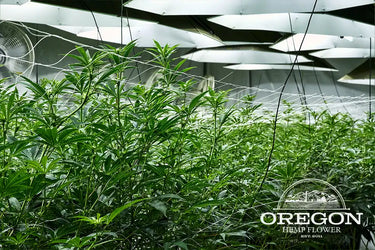
The delta 8 manufacturing process begins long before any chemistry happens — it begins in the field. High-CBD hemp cultivars are grown and harvested in compliance with USDA Farm Bill regulations. The plant material is then processed to extract its cannabinoid content using one of several standard hemp extraction process methods:
CO2 Extraction: Supercritical carbon dioxide is used as a solvent to pull cannabinoids and terpenes from the plant material. CO2 extraction is considered a cleaner method because CO2 evaporates completely at room temperature, leaving no solvent residue in the extract. It produces a full-spectrum or broad-spectrum crude oil that must be further refined.
Ethanol Extraction: Food-grade ethanol is used to strip cannabinoids from the plant. Ethanol is an efficient and relatively inexpensive solvent, making it popular for large-scale extraction operations. The crude ethanol extract undergoes winterization (chilling to remove waxes and fats) and filtration before further processing.
Hydrocarbon Extraction: Butane or propane is used to extract cannabinoids. Hydrocarbon extraction is efficient and produces high-quality extracts, but requires specialized closed-loop equipment and carries greater safety requirements due to the flammability of the solvents involved.
Regardless of which extraction method is used, the crude hemp extract is then refined into CBD distillate or CBD isolate. Distillate is a highly concentrated, refined oil that may retain some minor cannabinoids. Isolate is pure crystalline CBD — 99%+ purity — with all other compounds removed. Both forms serve as the feedstock for delta 8 isomerization.
The quality of this starting material matters enormously. CBD distillate or isolate sourced from certified, compliant hemp biomass — tested for pesticides, heavy metals, and contaminants — creates a cleaner starting point for the isomerization reaction. Contaminated feedstock carries those contaminants forward through the entire production chain.
Step 2: Dissolving CBD in a Solvent
Once pure CBD is in hand, the isomerization process proper begins. The CBD distillate or isolate is dissolved in a non-polar organic solvent to create a reaction medium. Common solvents used in this step include:
- Heptane — a hydrocarbon solvent considered relatively benign compared to alternatives, with established safety thresholds
- Dichloromethane (DCM) — a chlorinated solvent effective for this application but with stricter safety concerns and residual solvent limits in finished consumer products
- Toluene — an aromatic hydrocarbon historically used in this process but increasingly scrutinized due to its toxicity profile and the difficulty of removing trace residues
- Acetic acid — used in some isomerization protocols both as solvent and reaction medium
The choice of solvent affects both the efficiency of the isomerization reaction and the residual solvent profile of the finished product. Reputable manufacturers select solvents with established pharmaceutical-grade safety standards and employ rigorous purification steps to ensure no solvent remains in the final product. This is one of the key areas where manufacturer quality diverges significantly.
Step 3: Acid Catalyst Addition
This is where the actual molecular transformation happens. An acid catalyst is introduced to the CBD-solvent solution to facilitate the isomerization reaction. Common acid catalysts used in delta 8 isomerization include:
- p-Toluenesulfonic acid (p-TSA) — one of the most commonly used Lewis acids for this reaction; it reliably promotes isomerization and is well-characterized in chemical literature
- Hydrochloric acid (HCl) — a Brønsted acid used in some protocols, often generating more reaction byproducts and requiring more extensive post-reaction cleanup
- Sulfuric acid — occasionally used but generally considered harsher and producing more complex byproduct profiles
- Boron trifluoride — a Lewis acid catalyst sometimes employed in more refined protocols
The acid catalyzes a rearrangement of CBD's molecular structure. Specifically, it promotes the closure of CBD's open cyclohexene ring and shifts the position of the double bond — converting the delta 9 precursor chemistry present in CBD into the delta 8 isomer.
However, isomerization is not perfectly selective. The same reaction conditions that produce delta 8 THC also generate:
- Delta 9 THC — the federally restricted isomer; must be below 0.3% in the final product
- Delta 10 THC — another minor isomer
- Hexahydrocannabinol (HHC) and other novel cannabinoids
- Unknown reaction byproducts — degradation products and isomers that may not have established safety profiles
This is why catalyst selection, reaction conditions, and purification quality are so critical. A skilled manufacturer using the right catalyst under controlled conditions produces a high-delta-8, low-byproduct reaction mixture. A less controlled process produces a messier mixture requiring more aggressive purification — and may still leave trace unknown compounds in the finished product.
Step 4: Reaction Monitoring and Control
With the acid catalyst added, the reaction mixture is held under controlled temperature conditions — typically between room temperature and approximately 100°C depending on the specific protocol — for a defined reaction period. This period may range from several hours to multiple days.
During this time, a skilled chemist monitors the reaction using analytical tools such as high-performance liquid chromatography (HPLC) to track the conversion of CBD into delta 8 THC and identify what byproducts are accumulating. The reaction is run until target conversion is achieved, then stopped to prevent over-reaction that would degrade the delta 8 product or increase unwanted isomers.
Reaction control is where manufacturing expertise and equipment quality become most apparent. Inconsistent temperature, incorrect catalyst concentration, or poorly controlled reaction timing all affect the cannabinoid profile of the crude product and the complexity of the purification work that follows.
Step 5: Neutralization and Washing
Once the reaction is complete, the acid catalyst must be deactivated and removed from the product. This involves:
Neutralization: A base — typically sodium bicarbonate (baking soda), sodium carbonate, or sodium hydroxide — is added to the reaction mixture to neutralize the acid catalyst and stop the reaction. The mixture is then separated; the organic solvent layer (containing the cannabinoids) is retained.
Washing: The organic layer is washed repeatedly with water to remove acid residues, salt byproducts of neutralization, and water-soluble reaction byproducts. This step is repeated multiple times — the thoroughness here directly determines how much residual acid makes it into the finished product.
Inadequate neutralization and washing is one of the more common quality failures in delta 8 delta 8 manufacturing. Residual acid in the product creates a harsh, chemically contaminated distillate — and in some cases, ongoing degradation of delta 8 THC in the finished product over time.
Step 6: Distillation and Purification
After washing, the crude delta 8 mixture undergoes distillation to separate, concentrate, and purify the delta 8 THC from the remaining solvent, unreacted CBD, delta 9 THC, and other cannabinoids and byproducts. Two primary distillation techniques are used:
Short-Path Distillation: The crude extract is heated under vacuum, and different compounds are collected at different temperature ranges based on their boiling points. Delta 8 THC is collected in a specific temperature fraction. This technique is effective but typically requires multiple passes to achieve high purity.
Molecular (Wiped Film) Distillation: A more refined version of short-path distillation that processes material in a very thin film across a heated surface under deep vacuum. Molecular distillation is gentler on the cannabinoids and typically produces higher purity distillate in fewer passes.
The distillation step is where the delta 8 THC is separated from other cannabinoids — crucially including delta 9 THC. A well-executed distillation run produces delta 8 distillate with delta 9 THC below the 0.3% federal threshold. Poorly executed distillation leaves elevated delta 9 in the final product, creating a legal compliance problem on top of the quality issue.
After distillation, some manufacturers run the distillate through additional remediation steps — chromatography or activated charcoal filtration — to further reduce unwanted compounds and clean up color and odor.
Step 7: Third-Party Lab Testing
The final step in responsible delta 8 manufacturing is comprehensive third-party laboratory testing. A COA from an ISO/IEC 17025-accredited lab should include:
- Full cannabinoid panel — confirming delta 8 concentration and delta 9 THC below 0.3%
- Residual solvents panel — confirming that heptane, toluene, DCM, or other process solvents are below established safety limits
- Pesticide panel — sourced from the hemp feedstock; should be clean
- Heavy metals panel — confirming lead, arsenic, mercury, and cadmium are within safe limits
- Mycotoxin panel — less commonly included but relevant for products derived from hemp biomass
- Microbial panel — for applicable product types
A cannabinoid panel alone is insufficient for delta 8 products. The residual solvent panel is not optional — it is the primary quality differentiator between responsibly manufactured delta 8 and products that may contain chemical residues from the isomerization process.

How THCA Production Differs From Delta 8 Manufacturing
The contrast between how is THCA made and how delta 8 is made is striking — and relevant for consumers who care about processing and product naturalness.
THCA (tetrahydrocannabinolic acid) is a naturally occurring cannabinoid produced by the cannabis plant itself through its own enzymatic biosynthesis pathway. Plants convert CBGA (cannabigerolic acid) to THCA through the action of THCA synthase enzymes in the trichomes. No chemical synthesis, no acid catalysts, no solvent reactions — the plant does the work.
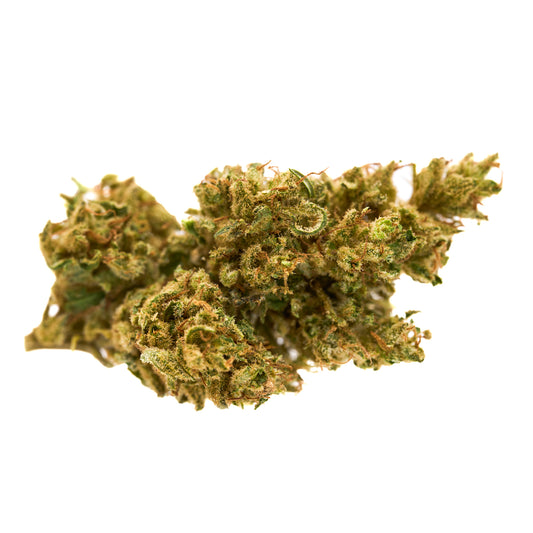
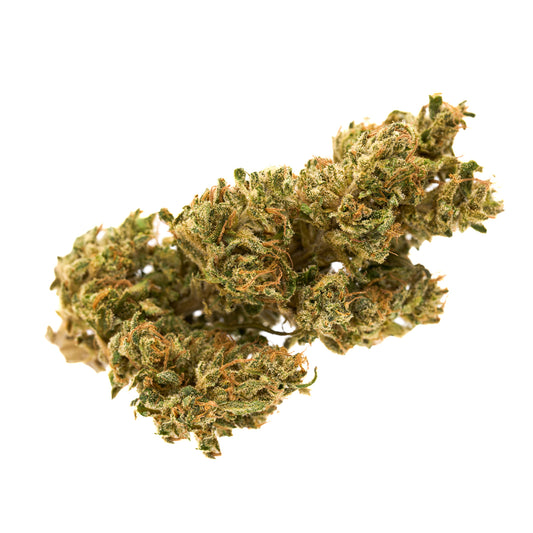
High-THCA hemp cultivars are bred and grown specifically to express high concentrations of THCA. After harvest, the flower is simply dried and cured. What you get in a THCA flower purchase is a minimally processed agricultural product. This is fundamentally different from delta 8, which does not meaningfully exist in harvestable quantities in the plant.
THCA extraction for concentrate production — as in THCA diamonds extraction — uses standard cannabis extraction techniques without chemical isomerization. THCA diamonds are typically produced through:
- Hydrocarbon extraction of fresh-frozen plant material
- Controlled slow-crystallization of THCA from the resulting extract, often in sealed vessels over days to weeks
- Separation of the crystalline THCA from the terpene-rich "sauce" layer
The result is pure THCA crystals — sometimes exceeding 99% purity — produced without any acid catalysis or molecular rearrangement. The THCA vs delta 8 manufacturing comparison comes down to a fundamental distinction: one is a purified natural compound, the other is a chemically synthesized isomer. Neither is inherently better or worse, but the production pathways are radically different, and understanding that distinction helps consumers make informed choices aligned with their values and preferences.
What to Look For When Buying Delta 8 Products
Given the complexity of the delta 8 extraction process, how do you evaluate a delta 8 product as a consumer? Here are the specific factors that matter:
1. Current COA from an Accredited Lab The COA should be dated within the last six months and issued by a lab with ISO/IEC 17025 accreditation. Any brand that can't produce a current COA on request should be disqualified immediately.
2. Residual Solvent Panel Included This is the single most important distinguishing factor for delta 8 products. Pesticide panels and heavy metal panels reflect the quality of the hemp feedstock. A residual solvent panel reflects the quality of the isomerization and purification process itself. No residual solvent panel = no way to verify manufacturing quality.
3. Delta 9 THC Below 0.3% This is a legal compliance issue, not just a quality issue. Delta 9 above 0.3% in the finished product takes it outside federal Farm Bill compliance. Look for this number specifically on the cannabinoid panel.
4. US-Grown Hemp as Feedstock Hemp grown and processed under USDA oversight carries stronger regulatory safeguards than imported biomass or CBD from foreign sources. Look for brands that disclose their hemp sourcing geography.
5. Transparent Manufacturing Disclosures Reputable brands will disclose, at minimum, that their delta 8 is CBD-derived and isomerization-produced. Brands that obscure or are vague about how their delta 8 is made should raise questions.
6. Absence of Suspicious Additives Some lower-quality delta 8 products mask impurities or poor distillate quality with artificial flavors, colors, or cutting agents. Clean delta 8 distillate doesn't require heavy masking.
The Regulatory Context for Delta 8 THC
Delta 8 from hemp occupies a complex and evolving regulatory space. At the federal level, the 2018 Farm Bill legalized hemp and hemp-derived cannabinoids, derivatives, and extracts — provided the final product contains no more than 0.3% delta 9 THC on a dry weight basis. Delta 8 THC derived from hemp-derived CBD has been sold under this framework, though the DEA and various federal agencies have issued guidance signaling ongoing scrutiny of synthetically derived cannabinoids.
At the state level, the picture is more varied. A number of states have enacted specific restrictions or outright bans on delta 8 THC, independent of federal status. Consumers should verify their state's current legal status before purchasing.
The regulatory ambiguity around delta 8 makes quality verification even more important. In the absence of consistent regulatory oversight, COA review and sourcing diligence are the consumer's primary tools for ensuring they're purchasing a safe, compliant product.
Frequently Asked Questions About How Delta 8 Is Made
Is delta 8 THC natural or synthetic? Delta 8 THC occurs naturally in hemp plants, but in commercially insignificant amounts (typically below 0.1%). All commercially available delta 8 is produced synthetically through CBD isomerization. It is technically a hemp-derived cannabinoid, but it is not directly extracted from plants in meaningful quantities.
Is CBD isomerization safe? The isomerization process itself is established chemistry. When performed correctly with proper equipment, appropriate catalysts, and rigorous purification and testing, it produces safe, high-purity delta 8 distillate. The risk is in manufacturers who skip proper purification steps or use inappropriate solvents and catalysts, leaving chemical residues in finished products.
What chemicals are used to make delta 8? Common chemicals involved in the delta 8 extraction process include organic solvents (heptane, dichloromethane, toluene) and acid catalysts (p-toluenesulfonic acid, hydrochloric acid). Neutralizing agents (sodium bicarbonate) are also used. In a properly manufactured product, none of these should remain in the finished distillate above established safety thresholds.
How is delta 8 different from delta 9 THC? Delta 8 and delta 9 THC differ in the position of a double bond in their molecular structure. Delta 9 has the double bond at the 9th carbon chain position; delta 8 has it at the 8th. This small structural difference produces a meaningful difference in potency and psychoactive profile — delta 8 is generally reported as producing a less intense, more clear-headed effect compared to delta 9, though this varies by individual.
Can I tell if a delta 8 product was made correctly just by looking at it? Not reliably. Good delta 8 distillate is typically a clear to light amber oil. However, color and clarity alone don't tell you about residual solvents, reaction byproducts, or delta 9 THC content — all of which require laboratory analysis to assess. COA review is the only reliable evaluation tool.
How is THCA different from delta 8 in terms of manufacturing? THCA extraction is a fundamentally different process. THCA is a naturally occurring cannabinoid produced by the hemp plant itself; high-THCA hemp is grown, harvested, and cured with no chemical synthesis required. THCA concentrates are produced through extraction and crystallization, not isomerization. This makes THCA vs delta 8 manufacturing a comparison between a naturally derived compound and a chemically synthesized one — both legitimate, but meaningfully different.
Why does delta 8 sometimes have a pinkish or off-color appearance? Color variation in delta 8 distillate can result from several factors: residual pigments from the hemp feedstock, reaction byproducts from incomplete purification, or oxidation of the distillate over time. Some manufacturers bleach distillate to improve appearance, which introduces its own quality concerns. A pinkish tint is not necessarily dangerous, but it can indicate incomplete refinement.
What is the difference between delta 8 distillate and delta 8 isolate? Delta 8 distillate is a concentrated oil that may contain minor cannabinoids alongside the primary delta 8 THC content — typically 70-95% delta 8. Delta 8 isolate would be pure delta 8 THC — a crystalline solid at room temperature — but it is less commonly produced and sold than distillate due to the additional processing required.
Conclusion: Know What You're Buying
How is delta 8 made? It's made through chemical isomerization — a controlled process that converts hemp-derived CBD into delta 8 THC using solvents, acid catalysts, and multi-stage purification. When that process is executed correctly by qualified chemists with proper equipment and rigorous testing, the result is a clean, high-purity hemp-derived cannabinoid product that has found a massive consumer following for a reason.
When it's executed poorly — without proper purification, inadequate catalyst removal, or cursory testing — the result is a product that may contain chemical residues with no established safety record.
Understanding the delta 8 extraction process doesn't require a chemistry background. It requires knowing the right questions: Where is the COA? Does it include a residual solvent panel? What's the delta 9 THC level? Where was the hemp grown? These questions, applied consistently, will separate the quality manufacturers from the rest.
For consumers who prefer products derived directly from the plant without chemical synthesis, THCA from hemp — whether as flower, pre-rolls, or concentrates — represents a naturally occurring alternative that requires no isomerization and no acid catalysis. The hemp extraction process for THCA products is fundamentally about harvesting and concentrating what the plant already produces.
Both categories of product have legitimate places in the hemp market. The consumer's job is to understand the difference — and use that understanding to buy better.
