




How much THCA is in trim? Potency, Cannabinoid Profiles, and What to Expect

If you're shopping for THCA trim for the first time, one question rises above everything else: how much THCA does this stuff actually contain? It's the right question. Trim is one of the most variable products in the hemp market — potency can swing from barely measurable to genuinely impressive depending on the batch, the source, and the supplier. Understanding what drives that variation, what a realistic THCA trim potency range looks like, and how to read a THCA trim COA before you buy is the difference between a smart purchase and a frustrating one.
This guide covers all of it: the science behind why trim potency varies, typical THCA trim percentage ranges by quality tier, what other cannabinoids in hemp trim appear on a full panel COA, and practical yield calculations so you can forecast what a given batch will actually produce.
What Is THCA Trim, and Why Does Potency Vary So Widely?
Trim is the plant material removed during the harvesting and manicuring of hemp flower — the leaves, small secondary buds, and miscellaneous plant material that gets cut away to produce clean, sellable buds. That sounds like a simple category, but the word "trim" can describe products that are radically different in composition and quality.
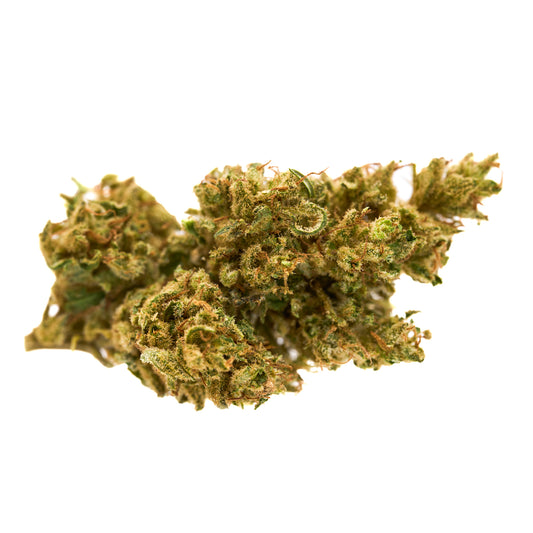
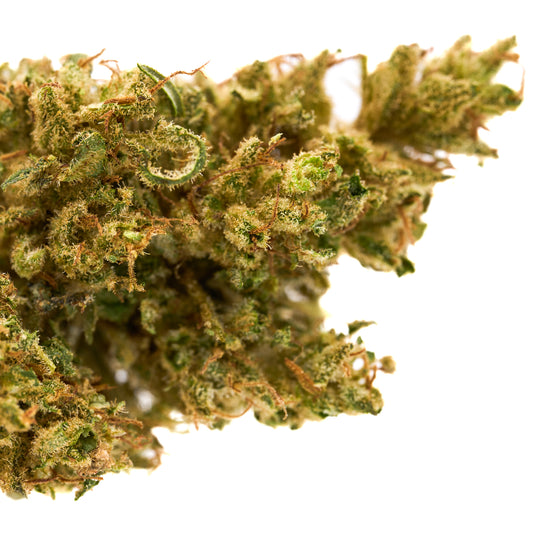
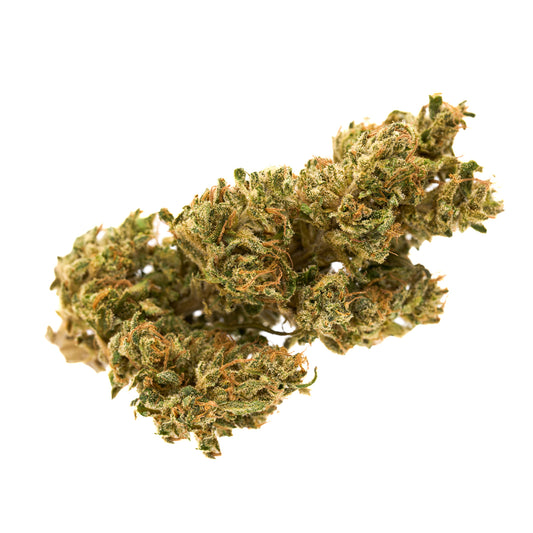
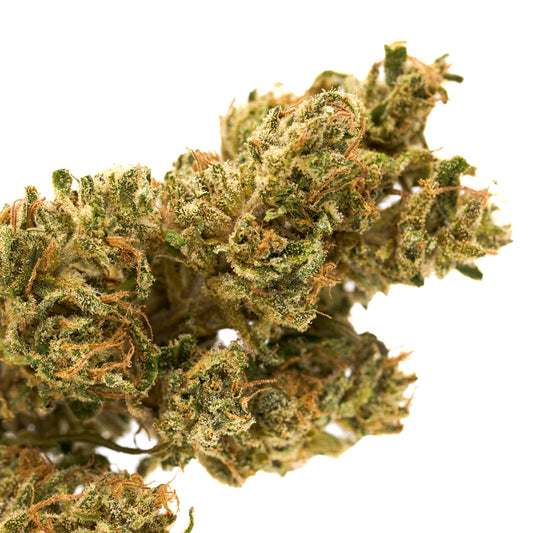
At one end of the spectrum, you have sugar leaf trim: the small, serrated leaves that grow directly adjacent to and within the bud canopy. These leaves are coated in trichomes — the resin glands where THCA and other cannabinoids are manufactured and stored. High-quality sugar leaf trim looks frosty, almost sparkly, and smells strongly of terpenes. At the other end, you have fan leaf trim: the large, palm-shaped shade leaves that serve primarily as the plant's solar collectors. Fan leaves have almost no trichomes and contain very little THCA. They're largely cellulose and chlorophyll.
Most commercially available trim falls somewhere between these extremes — a mix of sugar leaves, fan leaves, stem fragments, and sometimes small popcorn buds that didn't make the cut for whole flower retail. The ratio of these components in any given batch is the single biggest driver of THCA content in hemp trim.
Beyond composition, several other factors push trim potency up or down:
Source Strain Genetics. Plants are genetically predisposed to produce certain levels of cannabinoids. A strain that consistently flowers at 28% to 30% THCA will produce trim with significantly more trichome density throughout the plant — including on the sugar leaves — compared to a 14% THCA strain. When possible, knowing which cultivar your trim came from gives you a ceiling estimate for what to expect from the batch.
Cultivation Environment. Indoor cultivation gives growers precise control over light, temperature, humidity, and CO₂ levels throughout the plant's life cycle. That controlled environment promotes dense trichome development not just on the buds but on the surrounding sugar leaves as well. Outdoor trim tends to have more variability — sometimes excellent, especially from high-sun regions with strong genetics, but often lower and more inconsistent than indoor-sourced trim. Greenhouse trim typically falls in the middle.
Harvest Timing. Trichomes go through distinct developmental stages from clear to cloudy to amber. Trim harvested at peak trichome maturity — when the glands are fully loaded with THCA — will test higher than trim from plants harvested early or too late. Experienced cultivators monitor trichome development closely with magnification to time their harvest, but not every operation has the bandwidth or incentive to do this for trim material specifically.
Post-Harvest Handling. Trichomes are physically fragile. Rough tumbling, excessive agitation, and improper storage all knock trichomes loose from the plant material, physically reducing THCA content before the trim ever reaches a testing lab. Premium trim suppliers handle their material carefully, avoid excessive agitation during processing, and store trim in cool, dark, sealed conditions. Lower-cost operations may treat trim as an afterthought, and the COA reflects it.
Storage Conditions and Age. THCA is relatively stable but not indefinitely so. Exposure to oxygen, heat, light, and moisture causes THCA to degrade — first converting slowly to delta-9 THC, then further to CBN (cannabinol) as the material ages. Old or improperly stored trim will show lower THCA and higher CBN on its COA. Fresh, properly stored trim retains more of its original cannabinoid content.
Typical THCA Trim Potency Ranges: What the Market Actually Looks Like
One of the most common misconceptions new buyers have is expecting trim to test similarly to whole flower. It doesn't, and it shouldn't — but that doesn't mean trim potency is negligible. Here's a realistic breakdown of trim potency range by quality tier:
Low-Potency Trim: 1% to 5% THCA
This is low potency trim in the true sense — material that consists primarily of fan leaves, stems, and coarse plant material with very little trichome presence. It's visually obvious: green, flat-looking leaves without any visible resin coating. This tier has very limited practical value for most applications. It can be used in large-volume industrial extractions where economies of scale compensate for low cannabinoid density, but for most buyers it's not worth the logistics. Pricing is typically very low per pound, which reflects the material's limitations.
Average Trim: 5% to 12% THCA
The majority of commercially available trim falls in this range. It's a mixed composition — some sugar leaves, some fan leaves, occasional stem and petiole material, and maybe some very small bud fragments. The THCA trim average percentage for this tier tends to hover around 7% to 10% THCA on a dry-weight basis. This is functional material for extractions and infusions where you're processing volume. At 8% THCA, a pound of trim still contains roughly 36,000 mg of THCA — significant when you're working at scale.
Good Quality Trim: 12% to 18% THCA
Trim in this range has been sorted or sourced more carefully. The fan leaf content is low, the sugar leaf content is high, and the material often shows visible trichome coverage. This is the tier most extraction operations actively seek for kief production, bubble hash, and pre-roll applications. If you're running a small processing operation, high THCA trim in this range delivers a strong cost-efficiency ratio — the price per pound is higher than average trim, but the yield per pound is substantially better.
Premium Trim: 18% to 25%+ THCA
The top tier of trim includes small buds (popcorn flower and other secondary buds that didn't grade as top-shelf), sugar leaves, and in some cases what would more accurately be described as "smalls and trim" rather than pure trim. High THCA trim at this potency level approaches the lower end of whole flower potency. At 20%+ THCA, trim can be used in premium pre-rolls, pressed into high-quality rosin, and processed into concentrates that rival flower-derived products in potency and terpene character. This material commands near-flower pricing, but for certain applications it's the right call.

The Full Cannabinoid Picture: What Else Shows Up on a Trim COA
THCA trim testing covers more than just the headline THCA number. A complete third-party panel will show a range of cannabinoids, each of which tells you something useful about the material. Understanding the full trim cannabinoid profile helps you evaluate what you're actually buying:
Delta-9 THC. Federal hemp compliance requires that hemp trim contain no more than 0.3% delta-9 THC on a dry-weight basis. Most THCA hemp trim will show delta-9 THC well below this threshold — typically 0.1% or less. If a batch's COA shows delta-9 THC above 0.3%, the material is technically non-compliant as hemp and should be avoided unless you're operating under a state license that permits higher delta-9 levels.
CBD in Trim. Some THCA hemp cultivars also express CBD, particularly strains that were bred from CBD genetics before breeders selected for high THCA. You'll commonly see CBD percentages ranging from less than 0.5% to several percent in certain strains. CBD doesn't affect psychoactivity when smoked but may contribute to entourage effect dynamics. For buyers making infused products where CBD is a selling point, trim from dual-cannabinoid strains can be a value-add.
CBDA. CBDA is the acid form of CBD — the same relationship THCA has to THC. In plants that express CBD, the raw, undecarboxylated form will show on the COA as CBDA. This is perfectly normal and is converted to CBD when the trim is heated or processed.
CBG (Cannabigerol). CBG is sometimes called the "mother cannabinoid" because CBGA is the biosynthetic precursor from which THCA, CBDA, and other cannabinoids are derived. Some cultivars, particularly early-harvested plants or strains specifically bred for CBG expression, will show elevated CBG on their COA. CBG is non-psychoactive and has its own developing consumer market.
CBN (Cannabinol). CBN forms when THCA and THC degrade — it's essentially an oxidation byproduct. A small amount of CBN is normal in any hemp product that's been stored for more than a few weeks. Elevated CBN relative to THCA (say, CBN at 1% or above alongside a low THCA number) can be a signal that the trim has been exposed to heat, oxygen, or light during storage and has degraded. Use elevated CBN as a flag to ask the supplier about storage conditions and harvest date.
Terpenes (If Tested). Not all COAs include a terpene panel, but the better ones do. Trim will always show lower terpene percentages than whole flower from the same plant — terpenes are most concentrated in the bud tissue — but the terpene profile still reflects the strain's characteristics. If you're sourcing trim to make pre-rolls or products where aroma and flavor matter, a terpene panel gives you insight into what the finished product will smell and taste like.
How to Read a Trim COA: A Step-by-Step Guide
Reading trim lab results is a skill that pays for itself quickly once you know what to look for. Here's how to work through a THCA trim COA systematically:
Step 1: Confirm the Lab. Every COA should clearly identify the testing laboratory. Credible labs are ISO 17025 accredited — this is the international standard for testing laboratory competency. The lab's accreditation number should be verifiable. If a COA doesn't name an accredited third-party lab or appears to be self-generated, don't trust the numbers.
Step 2: Confirm the Batch. The COA should include a lot or batch number that matches documentation from your supplier. A COA with no batch number, or a COA that your supplier can't match to a specific lot, is a red flag. You need confidence that the lab tested the same material you're receiving.
Step 3: Check the Date. COAs have a testing date. Trim potency is most accurately reflected by fresh testing. A COA that's 18 months old may no longer reflect the current potency of the material. Ask for recent testing if the date is more than six months past.
Step 4: Read the THCA Number. The THCA percentage is expressed as a percentage of dry weight. This is your primary indicator of trim quality and should be evaluated against the tiers described above.
Step 5: Calculate Total THC. Total THC is calculated using the formula: (THCA × 0.877) + delta-9 THC. The 0.877 factor accounts for the molecular weight change when THCA loses its carboxyl group during decarboxylation. Some states use total THC rather than delta-9 THC alone for compliance determinations — know your state's rules before purchasing.
Step 6: Check Delta-9 THC. Confirm this is at or below 0.3% for federally compliant hemp. Also note whether the lab used pre- or post-decarboxylation testing methods, as this can affect compliance interpretation.
Step 7: Look for Safety Testing. A complete COA should include panels for pesticide residues, heavy metals (lead, arsenic, cadmium, mercury), and microbial contaminants (total yeast and mold, E. coli, salmonella). Any trim intended for inhalation or ingestion should have clean panels on all three. Absence of these tests doesn't mean the trim failed them — it may just mean the supplier didn't pay for comprehensive testing — but you should ask why and whether testing has been done separately.
Step 8: Check Moisture. Some COAs include moisture content. Properly cured and dried trim should be below 10% moisture. Trim above 12% to 15% moisture is at significant risk for mold development, especially during shipping and storage.
Trim vs. Flower Potency: Setting Realistic Expectations
Trim vs flower potency is a comparison worth making explicitly, because buyers sometimes assume the gap is small. It isn't — and understanding why helps set appropriate expectations.
Whole THCA flower is essentially the bud — the dense, trichome-covered reproductive structure of the cannabis plant. Buds are where the highest concentration of trichomes exists, which is why top-shelf flower can test between 20% and 35% THCA. Even mid-grade flower commonly tests 15% to 22%.
Trim, by contrast, is dominated by leaf material. Even the best sugar leaves produce fewer trichomes per gram of plant material than bud tissue. This is simply plant biology — the evolutionary imperative to produce resin is strongest at the flowering site.
Where trim earns its value is in economics and application. A pound of premium trim at 18% THCA might cost 40% to 60% less than a pound of comparable flower testing the same. For processing applications — extraction, hash, pre-rolls, infusions — that cost efficiency often makes trim the smarter choice. You're buying cannabinoid mass at a lower price per milligram, even if the visual and aromatic experience of the raw material is less impressive than whole flower.

Yield Calculations: What to Expect From Your Trim
THCA trim potency becomes most meaningful when translated into expected yield for your specific application. Here are practical calculations for common trim uses:
Dry Sift / Kief Production. Dry sift efficiency depends heavily on your equipment, technique, and the dryness of the trim. With good-quality sugar leaf trim at 15% THCA, expect approximately 8% to 12% yield by weight as dry sift. That pound of trim (approximately 453 grams) might yield 36 to 54 grams of kief. The kief itself will test significantly higher than the input material — typically 40% to 65% THCA — because the dry sifting process concentrates trichome heads while leaving most plant material behind.
Bubble Hash. Ice water extraction (bubble hash) typically yields 3% to 8% of input weight as finished hash, depending on trim quality, water temperature management, and agitation technique. A pound of 12% THCA trim might yield 14 to 36 grams of mixed-grade bubble hash. Higher grades (full melt) come from trim with the cleanest, most intact trichome glands.
Rosin. If you're pressing trim directly into rosin, expect lower yields than pressing flower or hash — typically 2% to 5% by weight. Trim rosin also tends to be darker and less terpy than flower rosin. Many experienced processors prefer to make bubble hash from trim first, then press the hash into rosin (hash rosin), which produces a cleaner, more concentrated product.
Pre-Rolls. Trim used directly in pre-rolls will test close to the trim's THCA percentage, with minor variation depending on how consistently the trim is blended across a batch. 15% THCA trim pre-rolls will generally test at 13% to 16% THCA. Pre-roll producers using trim should blend batches carefully to minimize variation across units.
Infusions and Edibles. A pound of 10% THCA trim contains approximately 45,000 mg of THCA. After decarboxylation (converting THCA to THC) you'll lose roughly 12% of molecular mass, leaving approximately 39,600 mg of THC available. Real-world infusion efficiency into oil or butter is typically 60% to 80% of available THC, putting your functional yield at approximately 24,000 to 32,000 mg of THC in your finished infusion. These numbers illustrate why trim is a popular and economical choice for home infusion — even modest potency trim contains substantial THC mass when processed at pound quantities.
What to Ask Before Buying THCA Trim
Knowing how how much THCA is in trim varies across the market, here's a practical checklist of questions every buyer should ask before committing to a purchase:
- What does the COA show for THCA percentage, and can I see the full panel? Don't accept a verbal claim — request the actual document.
- Is the COA from an ISO 17025 accredited laboratory? Verify independently if possible.
- What is the composition of this trim? Sugar leaf heavy? Fan leaf mixed? Does it include any small buds or popcorn?
- What strain or cultivars is this trim sourced from? Strain genetics tell you a lot about the ceiling potency and terpene profile.
- How was the trim grown — indoor, greenhouse, or outdoor? This context helps you interpret the COA numbers accurately.
- Has the trim been tested for pesticides, heavy metals, and microbials? If not, ask why, and consider whether that's a risk you can accept.
- What is the current moisture content? High moisture means mold risk, especially during shipping.
- How has the trim been stored, and how old is this batch? Fresh trim stored properly maintains potency. Old, improperly stored trim may have degraded.
- What is the total THC calculation? Know whether the trim is compliant in your state under whatever testing standard your state applies.
- What are the shipping and packaging conditions? Trim arriving warm, compressed, or in inadequate packaging has a higher risk of mold and quality loss.
Practical Tips for Evaluating Trim Quality on Arrival
Even with a clean COA in hand, it's worth knowing what to look for when your trim arrives to confirm it matches what was tested:
Visual inspection. Quality sugar leaf trim should look frosty — covered in small white trichome heads visible to the naked eye or under a loupe. Fan leaf trim looks flat, green, and dull. If your batch looks like lawn clippings, it probably tests like lawn clippings regardless of what the COA says.
Aroma. Good trim smells like cannabis — terpene-forward, with recognizable strain characteristics. Trim that smells musty, earthy in a bad way, or like hay may have moisture or storage problems. No smell at all suggests old or severely degraded material.
Texture. Properly dried trim should feel slightly crisp but not bone dry. Trim that's damp or clumps together has excess moisture and mold risk. Trim that crumbles into dust and has no structural integrity was over-dried or is very old.
Moisture check. If you want to verify, an inexpensive analog or digital moisture meter designed for botanicals can give you a reading quickly. Target under 10% for safe storage and processing.
Final Thoughts on THCA Trim Potency
How much THCA is in trim is ultimately a question with a range of answers, not a single number. The honest answer is: anywhere from 1% in low-grade fan leaf material to 25% or more in premium sugar leaf and smalls batches. What matters is understanding where a specific batch sits in that range, why it sits there, and whether that potency level is appropriate for your application.
The tools to answer those questions are all available to you: the COA tells you the chemistry, the supplier's transparency tells you their quality standards, and the physical characteristics of the material confirm both when it arrives. Buyers who learn to use all three of these information sources together consistently get better trim at better prices than those who shop on price alone.
Whether you're sourcing THCA trim for extraction, pre-roll production, infusion, or hash-making, the investment in understanding potency and cannabinoid profiles pays off immediately in better purchasing decisions, more consistent product, and more accurate yield projections.
Frequently Asked Questions
What is considered a good THCA percentage for trim?
For most processing applications, THCA trim testing above 10% THCA is considered functional. Trim in the 15% to 18% range is excellent for kief, bubble hash, and pre-rolls. Premium trim testing 20% or above offers near-flower cannabinoid density and is well-suited for rosin pressing and high-quality product manufacturing.
Why does trim test lower than flower from the same plant?
Because the trim cannabinoid profile is dominated by leaf tissue rather than bud tissue. Trichomes — the structures that contain THCA — are most densely concentrated on and around the flowering bud. Leaves, even sugar leaves adjacent to buds, produce fewer trichomes per unit of plant mass.
Can trim potency degrade significantly over time?
Yes. THCA trim potency degrades as THCA is exposed to oxygen, light, and heat — gradually converting to delta-9 THC and then to CBN. Properly stored trim (sealed, cool, dark) will maintain potency for several months to a year. Improperly stored trim can lose significant potency within weeks.
Should I always ask for a COA before buying trim?
Absolutely. No THCA trim COA means no verified potency data. Supplier claims without third-party lab verification are unverifiable and should never be the basis of a purchase decision. A legitimate supplier will always be able to provide a current, third-party COA for any batch they're actively selling.
What does total THC mean on a trim COA, and why does it matter?
Total THC combines the delta-9 THC already present with the THC that would be produced if all THCA fully decarboxylated, using the formula (THCA × 0.877) + delta-9 THC. Some states regulate hemp using total THC rather than delta-9 THC alone, which matters for THCA trim testing and compliance. Know how your state defines compliance before purchasing.
Is it possible to buy trim with both THCA and CBD?
Yes. Some THCA hemp cultivars — particularly those with genetics that span both the THCA and CBD breeding lineages — will express measurable CBD in trim alongside their THCA content. This dual-cannabinoid profile is normal and can be a value-add for certain product formulations.
What's the difference between sugar leaf trim and fan leaf trim in terms of THCA content?
The difference is significant. Sugar leaf trim, sourced from the small trichome-coated leaves adjacent to buds, can test anywhere from 10% to 20% THCA depending on the strain and cultivation quality. Fan leaf trim — the large shade leaves — typically tests below 5% and often below 2%. The trim vs flower potency comparison is most favorable when you're working with true sugar leaf material rather than a mixed or fan leaf-heavy batch.
