




From Hemp Plant to Gummy: The Full THCA Supply Chain Explained

The journey from hemp plant to finished THCA gummy involves far more steps — and far more people — than most consumers realize. Understanding the THCA gummies supply chain offers insight into why quality, pricing, and consistency can vary so much between brands. If you've ever wondered why one gummy feels more reliable than another, the answer almost always traces back to how well each link in this chain was managed.
In this guide, we'll break down the entire hemp to gummy process step by step — from seed to shelf — so you understand exactly what goes into every product you see in our THCA edibles collection.
Table of Contents
- Cultivation: Where the THCA Supply Chain Begins
- Harvesting and Curing Hemp Biomass
- THCA Sourcing and Extraction
- Formulation and Manufacturing
- Third-Party Lab Testing
- Packaging and Compliance
- Distribution and Retail
- Why Vertical Integration Matters
- What Transparency Looks Like
- FAQ: Real Questions About THCA Gummies
1. Cultivation: Where the THCA Supply Chain Begins
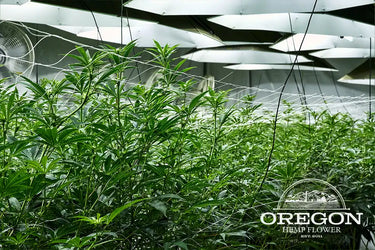
Every THCA gummy starts as a seed in the ground. Hemp farms, often operating under specific state hemp licensing programs, grow cannabis strains specifically bred for high THCA content. This is the foundational layer of any hemp plant to THCA gummy journey, and it's also where quality is either set up for success or compromised from day one.
Cultivators select strains based on cannabinoid potential, terpene expression, and yield. Genetics matter enormously here — a strain bred for high THCA will behave very differently in the extraction process than one bred for fiber or seed production. Farms growing specifically for THCA gummy production typically use feminized, photoperiod or autoflower genetics selected for cannabinoid density.
Throughout the growing season, cultivators monitor plants closely, testing cannabinoid levels as harvest approaches to ensure compliance with legal THC thresholds at the time of harvest. This compliance testing is required under the 2018 Farm Bill framework, which defines legal hemp as cannabis containing no more than 0.3% Delta-9 THC on a dry-weight basis at the time of testing. THCA itself isn't regulated the same way Delta-9 THC is, but farmers still need to harvest before THCA converts in a way that would push total potential THC over legal limits.
Soil health, irrigation, pest management, and climate all factor into the final cannabinoid and terpene profile of the plant. Indoor, greenhouse, and outdoor grows each produce noticeably different results — something we cover in depth in our strain comparison content — and that difference carries all the way through to the finished gummy's potency and flavor potential.
This is the first point in the THCA gummies supply chain where quality control either gets built in or gets lost. A brand sourcing from a single, well-managed farm has far more visibility into this stage than one buying biomass on the open market from unknown growers.

2. Harvesting and Curing Hemp Biomass
Once harvested, hemp typically moves to a drying and curing facility, sometimes operated by the same farm and sometimes by a separate processing partner. This stage is easy to overlook, but it's one of the most important for preserving everything the cultivation stage worked to produce.
Proper drying and curing preserves cannabinoid and terpene content while preparing the plant material for extraction. Hemp that's dried too quickly can lose terpenes and develop a harsh, chlorophyll-heavy taste. Hemp that's dried too slowly or stored improperly risks mold, mildew, and microbial contamination — all of which will show up later in lab testing.
Temperature and humidity control during curing directly affects the biomass that eventually becomes THCA distillate or isolate. Farms and processors typically dry hemp in controlled environments for several days to weeks, depending on moisture content, before curing it further to stabilize cannabinoids and develop terpene complexity.
This stage also determines how biomass will be classified and priced moving into extraction. Biomass quality is generally graded by cannabinoid percentage, terpene content, color, trim quality, and the absence of mold, pests, or foreign material. Higher-grade biomass commands a premium and typically produces cleaner, higher-yielding extracts — which matters a lot when that extract eventually becomes the active ingredient in a THCA gummy.
3. THCA Sourcing and Extraction
From there, biomass — the dried hemp plant material — is often sold or transferred to a specialized extraction facility. This is where THCA sourcing becomes a distinct, specialized link in the chain. Many hemp brands don't operate their own extraction equipment, instead partnering with dedicated extraction companies that process biomass from multiple farms and clients.
This is a critical link in the supply chain, since extraction quality directly impacts the purity of the resulting THCA distillate or isolate. Extraction facilities typically use one of several methods:
- CO2 extraction — uses pressurized carbon dioxide to pull cannabinoids and terpenes from plant material without leaving behind solvent residue.
- Ethanol extraction — efficient at scale, commonly used for high-volume distillate production, requires careful post-processing to remove residual solvent.
- Hydrocarbon extraction — often used for live resin and other concentrate-style extracts that preserve a fuller terpene profile.
After extraction, the crude oil typically undergoes winterization (removing fats, waxes, and lipids) and then distillation, which further purifies and concentrates the THCA. The result is either a THCA distillate (a viscous, high-potency oil) or a THCA isolate (a crystalline, near-pure form), both of which can be used in gummy formulation depending on the desired potency and consistency.
Because so many brands rely on third-party extraction partners, sourcing transparency really matters at this stage. A brand that knows exactly which extraction facility processed its biomass — and what methods and solvents were used — can speak much more confidently about the purity of what ends up in your gummy. This traceability is a core part of responsible THCA sourcing, and it's something we prioritize across every product in our edibles lineup.
4. Formulation and Manufacturing: The Hemp to Gummy Process
The resulting THCA extract then typically moves to a formulation and manufacturing facility — sometimes the same company, sometimes yet another specialized partner — where it's incorporated into the final product, whether that's a gummy, vape, or other format. This is the heart of the hemp to gummy process, and it's where a lot of the brand's actual expertise comes into play.
Formulation involves several interconnected challenges:
Dosing consistency. THCA extract must be evenly distributed throughout a gummy batch so that every piece delivers a consistent, predictable amount. This requires precise mixing and temperature control, since cannabinoids can behave unpredictably if exposed to excess heat for too long.
Decarboxylation considerations. THCA naturally converts to Delta-9 THC when exposed to heat over time — this is the same chemical reaction that happens when cannabis is smoked or vaporized. Gummy manufacturers have to carefully manage temperature during the cooking and setting process to preserve the THCA form as intended in the finished product.
Flavor and texture development. Recipe development determines the gummy's mouthfeel, sweetness, and how well it masks the natural plant taste of the extract. This involves balancing pectin or gelatin ratios, sugar content, citric acid for tartness, and natural or artificial flavoring.
Shelf stability. Manufacturers also need to formulate gummies that maintain potency and texture over the product's shelf life, accounting for humidity, temperature fluctuations, and packaging during storage and shipping.
This stage is labor- and equipment-intensive, which is why so few brands handle every step in-house. The manufacturing partner's experience with cannabinoid-infused edibles specifically — as opposed to standard candy production — has a major impact on the consistency of the final THCA gummy.
5. Third-Party Lab Testing: Quality Control Throughout the Chain
Throughout this entire chain, third-party testing labs play an essential quality control role, testing biomass, extract, and finished products at various stages to verify cannabinoid content and screen for contaminants like pesticides, heavy metals, and residual solvents.
This isn't a single checkpoint — it's a recurring safeguard built into the THCA gummies supply chain at multiple points:
- Biomass testing confirms cannabinoid percentages and screens for mold, pesticides, and heavy metals before extraction even begins.
- Extract testing verifies the potency and purity of the THCA distillate or isolate, confirming residual solvent levels are within safe limits.
- Finished product testing confirms the gummy's actual cannabinoid content matches its label claims, and screens the final product one more time for contaminants that could have been introduced during manufacturing.
Reputable brands publish Certificates of Analysis (COAs) from accredited third-party labs for their finished products, allowing consumers to verify potency and safety for themselves. Learning to read a COA — checking the testing date, the lab's accreditation, and the full contaminant panel — is one of the most useful things a consumer can do when evaluating any THCA product.
This layered testing approach is what separates accountable brands from those cutting corners. A single test at the very end of the chain can catch some problems, but it can't catch issues introduced at the farm or during extraction the way a multi-stage testing protocol can.

6. Packaging and Compliance
Once gummies are manufactured and tested, they move to packaging, where compliance labeling, COA information, and branding are applied before products are shipped to distributors or directly to retailers.
Compliant packaging typically needs to include the total cannabinoid content per serving and per package, a QR code or link to the product's COA, required warning statements, batch or lot numbers for traceability, and child-resistant features depending on state requirements.
Packaging compliance varies by state, and regulations have continued to evolve alongside ongoing 2026 Farm Bill discussions at the federal level. Brands operating across multiple states need packaging processes flexible enough to meet the strictest applicable requirements, which is part of why established multi-state operators tend to have more robust compliance infrastructure than smaller, single-market brands.
7. Distribution and Retail: The Final Link
The last stage of the THCA gummies supply chain is getting the finished, packaged product into consumers' hands. Products are shipped to distributors or directly to retailers like hemp shops, dispensaries, or e-commerce fulfillment centers.
For B2B buyers — smoke shops, dispensaries, and processors — this stage involves wholesale ordering, minimum order quantities, and ongoing relationship management with brand partners. For direct-to-consumer purchases, this means e-commerce fulfillment, proper storage during transit, and age verification at checkout.
Storage conditions during distribution matter too. Gummies exposed to excess heat or humidity during shipping can degrade in texture and, over time, potency. Reputable distributors and retailers store THCA edibles in climate-controlled environments to protect product integrity all the way to the final sale.
You can browse our full range of lab-tested THCA edibles, formulated and tested at every stage of this process, in our edibles by Ideal Plus collection.
8. Why Vertical Integration Matters
Each link in this chain represents a potential point of variability — and quality control. Brands that maintain closer relationships with their suppliers, or that vertically integrate multiple steps (like owning both cultivation and extraction operations), often have more consistent control over final product quality compared to brands relying entirely on third-party sourcing at every stage.
Vertical integration isn't necessary to produce a good product, but it does reduce the number of handoffs where quality can slip. A brand that owns its cultivation and extraction can control genetics, harvest timing, extraction methods, and biomass quality directly, rather than depending on an outside supplier's standards. Brands that don't vertically integrate can still maintain high quality, but it requires closer auditing of partners and more rigorous testing protocols at each handoff point.
9. What Transparency Looks Like
For consumers, understanding this supply chain underscores why transparency matters. Brands willing to share information about their sourcing, extraction partners, and testing practices are generally demonstrating a level of accountability that reflects positively on the quality and consistency of their final THCA gummies.
When evaluating a brand, look for clear answers to: Where was the hemp grown? What extraction method was used? Is there a current, accredited COA for the specific batch you're buying? Is the manufacturing facility cGMP-compliant or food-safety certified? Brands that answer these questions openly are typically more invested in long-term product quality than those that treat sourcing as a trade secret.
FAQ: Real Questions About THCA Gummies
What is THCA and how is it different from THC?
THCA (tetrahydrocannabinolic acid) is the non-intoxicating precursor to Delta-9 THC found in raw and live hemp plants. THCA converts to Delta-9 THC through decarboxylation — a process triggered by heat, such as smoking, vaping, or cooking.
Does the THCA supply chain affect gummy quality?
Yes, significantly. Every stage — cultivation, curing, extraction, formulation, and testing — affects the final product's potency, consistency, flavor, and safety. A well-managed THCA gummies supply chain generally produces more reliable, higher-quality gummies.
How can I tell if a THCA gummy brand sources responsibly?
Look for published COAs from accredited third-party labs, clear information about sourcing and extraction methods, and batch-specific testing rather than generic, outdated lab reports.
Why do THCA gummy prices vary so much between brands?
Pricing reflects differences across the entire hemp to gummy process — biomass quality, extraction method, manufacturing standards, testing frequency, and whether a brand vertically integrates any of these steps. More rigorous sourcing and testing typically costs more to produce.
Is THCA legal?
Hemp-derived THCA products are federally legal under the 2018 Farm Bill framework when they meet the 0.3% Delta-9 THC threshold at the time of testing, though state laws vary and continue to evolve. Always check your state's specific regulations.
Where can I find lab-tested THCA gummies?
You can explore lab-tested, transparently sourced THCA gummies in our edibles by Ideal Plus collection.
