
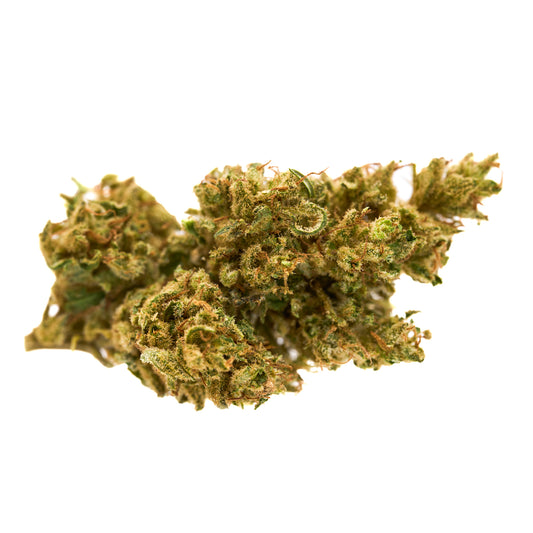
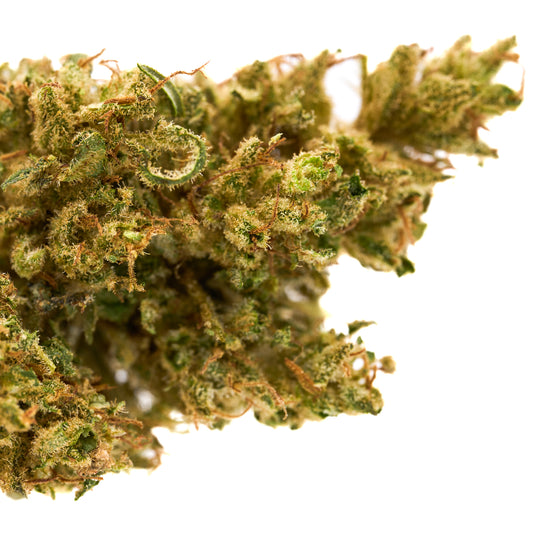
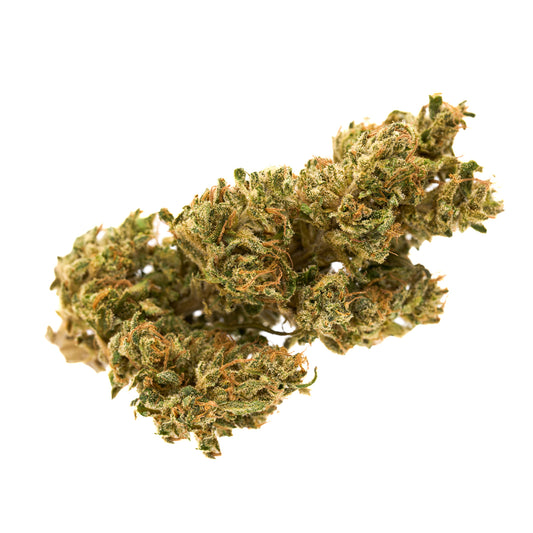
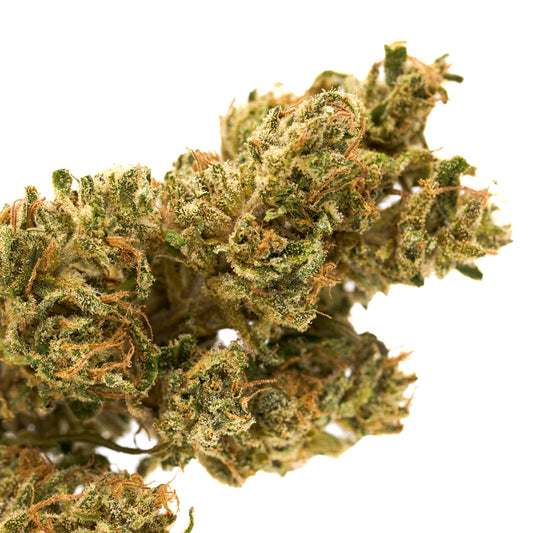




How Growing Environment Affects THCA Potency and Terpene Profile

If you've ever held two jars of THCA hemp flower side by side — same strain name, nearly identical lab numbers — and noticed they smelled completely different, hit differently, or even looked nothing alike, you've already stumbled onto one of the most important and least-discussed topics in the hemp world: how growing environment shapes everything.
The percentage on a COA tells you one thing. It doesn't tell you whether that flower was grown under dialed-in LED arrays in a climate-controlled warehouse, or whether it spent months drinking in natural sunlight in Oregon's Willamette Valley. It doesn't tell you whether the roots were threading through living, microbe-rich soil or sitting in a sterile rockwool cube. And it definitely doesn't tell you what the terpene profile looks like — or whether that profile is rich, complex, and well-expressed, or flat and one-dimensional despite a respectable THCA number.
This guide is going to change how you read a product listing. By the time you're done, you'll know exactly which growing environment questions to ask, why they matter more than a single lab number, and how to use that knowledge to find flower that actually delivers the experience you're looking for.
Why the Growing Environment Is the Real Story Behind Every THCA Flower
Hemp (Cannabis sativa L.) is not a passive plant. It is, in botanical terms, an incredibly dynamic organism that responds to its environment in real time — adjusting its chemistry, its structure, and its metabolite production based on inputs it receives from light, temperature, humidity, soil, water, airflow, and stress. This is not a minor detail. It is the central fact that explains why two flowers with similar <a href="https://oregon-hempflower.com/">THCA potency factors</a> can produce wildly different experiences.
Understanding this starts with understanding what THCA actually is and why the plant makes it in the first place.
THCA (tetrahydrocannabinolic acid) is the raw, non-psychoactive precursor to THC. It is produced in the trichomes — the tiny, resinous glands that cover the surface of the flower, leaves, and sometimes the stems of mature hemp plants. Those trichomes aren't just there to look frosty in photos. They serve a genuine biological function: they protect the plant.
Resin acts as a barrier against UV radiation, insect attack, fungal intrusion, and physical damage. The more the plant perceives threat — through intense light, temperature fluctuation, pest pressure, or nutrient stress — the harder it works to produce that protective resin. And the more resin it produces, the higher the cannabinoid concentration in the final flower.
This is why <a href="https://oregon-hempflower.com/">growing environment THCA</a> is not a peripheral concern. It is the primary driver of what you're actually buying.

Light: The Most Powerful Lever in Cannabinoid Production
Of all the environmental variables that influence <a href="https://oregon-hempflower.com/">THCA potency factors</a>, light is arguably the most powerful. The relationship between light intensity, spectrum, and cannabinoid production has been studied for decades, and the findings are consistent: more UV exposure, particularly UV-B radiation, drives higher resin production.
The mechanism is straightforward. When a hemp plant is exposed to high-intensity UV-B light, it perceives this as a threat to the plant tissue. The resinous trichomes act as a kind of sunscreen — absorbing and dispersing UV radiation before it can damage the plant's underlying cells. The plant's response to sustained UV exposure is to ramp up trichome production, which means more THCA-rich resin.
Indoor Growing and Light Control
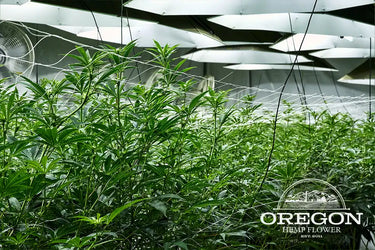
Indoor cultivation gives growers extraordinary control over this variable. Modern LED grow lights can be dialed in to specific spectrums, and growers who understand the UV-THCA relationship often introduce UV-B supplementation during the later stages of flowering to push resin production to its peak. Photoperiod control — the ability to switch lights from an 18/6 to a 12/12 schedule to trigger and precisely manage flowering — means indoor growers can also control the timing of cannabinoid accumulation with a precision that outdoor growing simply cannot match.
The result is often very high THCA percentages. Indoor flower consistently hits the top end of the potency spectrum because these conditions are engineered specifically to maximize that outcome. If a 25%+ THCA number is what you're after, you're most likely looking at an indoor grow.
Outdoor Growing and Natural UV
Outdoor plants receive full-spectrum natural sunlight, which includes UV-B. In high-altitude or particularly sunny climates, this can drive impressive resin production — sometimes rivaling indoor flower in raw THCA output. The difference is consistency. Cloud cover, seasonal variation, and latitude all affect how much UV an outdoor plant actually receives over the course of a grow cycle.
That said, outdoor-grown hemp has a significant advantage in one area: light duration. Plants grown outdoors experience the natural progression of the sun across an entire season, which can support longer vegetative periods and larger overall plant mass — meaning more flower production per plant, even if the per-gram THCA percentage is somewhat lower than indoor.
Greenhouse and Light Deprivation
Greenhouse growing sits in the middle of this spectrum. Light dep techniques — where growers use blackout tarps to artificially control photoperiod — allow outdoor plants to flower on a controlled schedule, capturing natural light while maintaining some of the photoperiod precision of indoor growing. Some of the most well-regarded craft hemp comes from sophisticated greenhouse operations that leverage the best of both approaches.
Soil Health, Microbial Life, and Why Terpenes Are Where It Gets Interesting
If light is the primary driver of THCA production, soil is the primary driver of terpene complexity. And terpenes — the aromatic compounds responsible for how a flower smells, tastes, and contributes to its experiential character — are where the real story of quality lives for many experienced hemp consumers.
The <a href="https://oregon-hempflower.com/">THCA hemp terpenes</a> in any given flower are biosynthesized in the same trichomes that produce cannabinoids, but their precursors come largely from the plant's metabolic activity — which is deeply influenced by what's available in the growing medium.
Living Soil and the Rhizosphere
Plants grown in living soil — soil that contains diverse populations of beneficial bacteria, fungi (particularly mycorrhizae), nematodes, and other microorganisms — have access to a dramatically richer range of nutrients, minerals, and secondary metabolites than plants grown in sterile media or synthetic nutrient solutions. The rhizosphere, which is the zone of soil directly surrounding the root system, is where much of this exchange happens.
Mycorrhizal fungi, for example, extend the plant's effective root surface area by orders of magnitude, enabling it to access phosphorus, zinc, copper, and trace minerals that it could not reach on its own. These micronutrients are directly involved in terpene biosynthesis. A plant with access to a diverse, mineral-rich soil environment quite literally has more chemical building blocks available to construct a complex terpene profile.
This is why experienced hemp consumers who have tried craft outdoor flower grown in premium living soil will often describe it as having a depth and complexity of aroma that indoor flower — even very potent indoor flower — sometimes struggles to match. The THCA percentage might be 5 points lower, but the myrcene, the limonene, the beta-caryophyllene, the linalool — they're all more fully expressed, and the interplay between them creates what consumers describe as a richer, more nuanced experience.
Hydroponic and Synthetic Nutrient Systems
Indoor growing, by contrast, most commonly uses hydroponic or coco-based systems fed by synthetic nutrient solutions. These systems are excellent at delivering precise amounts of primary macronutrients (nitrogen, phosphorus, potassium) and can be very effective at supporting high yields and high potency. But they typically lack the microbial diversity and trace mineral complexity of living soil.
The result, in terms of terpene profiles, tends to be flower that is cleaner and more consistent but often less complex. A well-grown indoor strain might be heavy in one or two dominant terpenes and comparatively thin in the secondary and tertiary terpene expressions that make a truly memorable flower.
This is not a blanket criticism of indoor growing — it is a reflection of the tradeoffs inherent in each system. The best indoor growers are aware of this limitation and address it through careful genetic selection, late-flower techniques, and curing practices designed to preserve and enhance terpene retention.
Temperature, Humidity, and Stress Events
Beyond light and soil, temperature and humidity management play significant roles in shaping the final <a href="https://oregon-hempflower.com/">cannabinoid profile hemp</a> consumers encounter at retail. These variables interact in complex ways, and experienced growers manipulate them deliberately.
Cold Temperatures and Anthocyanin Production
One of the most visually obvious effects of temperature on hemp is color. The purple, blue, and deep violet hues that show up in strains like Purple Daiquiri, Grape Gas, or any number of "purple" cultivars are caused by anthocyanins — pigments produced when the plant is exposed to cold temperatures, particularly cold nighttime temps during the late flowering period.
Anthocyanins are produced as a stress response, and their presence is a reliable signal that the plant experienced meaningful temperature variation during its grow. In outdoor and greenhouse grows at higher latitudes or elevations, this happens naturally as fall approaches and nights cool. Indoor growers who want to unlock the purple coloration in their strains will deliberately drop nighttime temperatures during the final two to four weeks of flowering to trigger anthocyanin production.
Beyond aesthetics, temperature stress during late flowering has also been associated with increased terpene concentration. The stress response that triggers color change also appears to push the plant toward greater production of protective metabolites — including aromatic terpenes. This is part of why purple flower, properly grown, often has notably strong aroma.
Vapor Pressure Deficit and Trichome Development
Vapor pressure deficit (VPD) — a measure of the difference between how much moisture the air is holding versus how much it could hold — is one of the more technical variables in cannabis cultivation, but it has a direct impact on terpene and cannabinoid development. When VPD is dialed in correctly, plants transpire efficiently, nutrient uptake is optimized, and trichome development proceeds under ideal conditions. When VPD is off — either too high (plant stress and lockout) or too low (risk of mold and mildew) — the plant cannot reach its full chemical potential.
Outdoor growers have limited control over VPD, which varies with ambient temperature and humidity. This is one of the areas where indoor growing has a genuine advantage: the ability to maintain consistent VPD throughout the grow cycle supports more consistent trichome development and, by extension, more consistent cannabinoid and terpene expression.
The Curing Process: Where Environment Meets Finishing
No discussion of how growing environment affects <a href="https://oregon-hempflower.com/">terpenes indoor vs outdoor</a> is complete without addressing curing — because curing is, in many ways, an extension of the growing environment. The conditions under which flower is dried and cured after harvest have a profound impact on the final terpene profile that reaches the consumer.
Terpenes are volatile compounds. They evaporate. If flower is dried too quickly, too hot, or in conditions that don't support the slow enzymatic processes that occur during a proper cure, a substantial portion of the terpene profile can be lost before the jar is ever sealed. This is why fast machine-drying, common in large commercial operations, often produces flower that smells flat compared to small-batch, hand-hung, slow-cured product.
A proper cure — typically 60 to 90 days in humidity-controlled containers, with regular burping to allow gas exchange — allows chlorophyll to break down, harsh compounds to mellow out, and the terpene profile to settle into its most fully expressed form. Craft growers who invest this time into their post-harvest process are delivering a fundamentally different product than a commercial operation that has flower on the shelf two weeks after chop.
When evaluating <a href="https://oregon-hempflower.com/">THCA hemp terpenes</a>, always ask about curing time and method. It's one of the most underappreciated quality signals in the market.

Indoor vs. Outdoor vs. Greenhouse: A Direct Comparison
Let's bring all of these variables together for a practical side-by-side look at what each growing environment typically produces, and what that means for buyers evaluating their options.
Indoor Growing:
Indoor cultivation typically delivers the highest raw THCA percentages, the most visually consistent flower, and the most predictable batch-to-batch quality. The controlled environment eliminates many of the variables that create inconsistency outdoors. The tradeoffs are that terpene complexity is often somewhat lower than top-tier outdoor grown in living soil, the environmental footprint of indoor growing is significantly higher (electricity, HVAC, water), and the cost of production is reflected in higher retail prices.
Outdoor Growing:
Outdoor cultivation, particularly from farms using regenerative or living soil practices, can produce flower with exceptional terpene complexity and a vibrancy of aroma that reflects the full spectrum of the plant's expression under natural conditions. THCA percentages are generally somewhat lower than indoor, and consistency across batches and seasons is more variable. Properly grown and cured outdoor flower from a skilled craft farm, however, can be among the most experientially impressive hemp on the market — and typically at a lower price point than comparable indoor.
Greenhouse Growing:
Greenhouse flower occupies a compelling middle ground. Light dep and climate control techniques allow greenhouse growers to achieve photoperiod precision and some environmental control while still benefiting from natural sunlight. The best greenhouse operations produce flower that competes directly with indoor on quality while achieving better terpene complexity from sun exposure and, in some cases, superior soil integration.
What the COA Doesn't Tell You
A Certificate of Analysis is an essential tool for hemp consumers. It confirms that a product has been tested by an accredited third-party lab, verifies THCA and total THC compliance with Farm Bill requirements, and provides a snapshot of the cannabinoid profile. But as a guide to the full quality of a flower, it is incomplete.
The COA typically shows:
- THCA percentage
- Total cannabinoids
- Pesticide and heavy metal screening results
- Microbial contamination results
- Sometimes a terpene panel
What it doesn't show is grow method, soil type, curing duration, harvest date, or any of the environmental factors we've been discussing. Two flowers can have identical COA numbers and be dramatically different products.
This is why grow method transparency matters so much. When a brand or retailer tells you where their flower was grown, what inputs were used, and how it was cured, they are giving you information that the COA cannot — and that information is often more predictive of your actual experience than the percentage alone.
Evaluating THCA Flower Like a Professional Buyer
Here's a practical framework for evaluating flower that accounts for growing environment alongside lab data:
1. Check the terpene panel, not just THCA. A terpene panel, when available, tells you far more about what a flower experience will be like than THCA percentage alone. Look for total terpene percentages above 1%, and pay attention to secondary and tertiary terpenes, not just the dominant ones.
2. Ask about grow method. Indoor, outdoor, greenhouse, light dep — each has implications for potency, consistency, and terpene profile. Know which you're buying and why.
3. Inquire about soil and nutrients. Living soil, regenerative farming practices, and organic inputs are quality signals that suggest a grower is optimizing for complexity and plant health, not just yield.
4. Look for cure time and method. Slow-cured flower in humidity-controlled conditions will typically outperform fast-dried, commercially processed product in aroma, smoothness, and overall experience.
5. Consider the harvest date. Hemp flower is perishable. Terpenes degrade over time even in proper storage. Fresher is generally better, and a harvest date on the label is a sign of a brand that prioritizes transparency.
Frequently Asked Questions
Does growing environment affect THCA percentage significantly?
Yes, meaningfully so. Indoor growing, with its precise UV and light spectrum control, consistently produces higher THCA percentages than outdoor cultivation. The difference between a well-grown indoor flower and a comparable outdoor flower can be anywhere from 3 to 10 percentage points in raw THCA. However, THCA percentage is only one measure of quality, and a lower-percentage outdoor flower grown in premium living soil can deliver an experientially superior product for many consumers.
Why does outdoor flower sometimes smell better than indoor despite lower THCA?
This comes down to terpene complexity. Outdoor plants grown in living soil with diverse microbial communities have access to a broader range of precursor compounds for terpene biosynthesis. They also experience the full spectrum of natural sunlight and genuine seasonal stress events, which drive more complex metabolite production. The result is often a more layered, nuanced aroma and flavor profile — even when raw THCA numbers are lower.
What is living soil and why does it matter for hemp quality?
Living soil refers to growing media that contains diverse populations of beneficial microorganisms — bacteria, fungi (especially mycorrhizae), nematodes, protozoa, and others — as well as organic matter and a rich mineral profile. These organisms interact with plant roots in the rhizosphere, making nutrients available, improving soil structure, and supporting complex plant metabolism. Hemp grown in living soil typically develops more complex terpene profiles and better overall plant health compared to plants grown in sterile hydroponic media.
Does temperature stress actually improve hemp flower quality?
Controlled temperature stress, particularly cold nighttime temperatures during the late flowering period, has been observed to increase anthocyanin production (the source of purple coloration) and terpene concentration. This is a deliberate technique used by experienced indoor growers and is a natural occurrence in outdoor and greenhouse grows at higher latitudes in the fall. However, unmanaged temperature stress outside of the late flowering window can harm yield and plant health.
What is vapor pressure deficit and why does it matter?
Vapor pressure deficit (VPD) is a measurement of the air's capacity to absorb more moisture — essentially, how "thirsty" the air is. Maintaining optimal VPD allows hemp plants to transpire efficiently, take up nutrients properly, and develop trichomes without the risks of excessive humidity (mold, mildew) or excessive dryness (stress and nutrient lockout). Indoor growers can maintain ideal VPD throughout the grow cycle; outdoor growers cannot, which is one reason indoor flower is often more consistent batch to batch.
How does curing affect the terpene profile in THCA hemp flower?
Curing is one of the most impactful post-harvest processes for terpene preservation and development. Terpenes are volatile and evaporate rapidly under heat or in open air. A slow cure — 60 to 90 days in humidity-controlled containers at proper temperature — allows the terpene profile to stabilize and fully express, while allowing chlorophyll and harsh compounds to break down. Rushed drying at high temperatures destroys terpenes before they ever reach the consumer. The difference in aroma between a properly cured and improperly cured batch of the same strain can be dramatic.
Is greenhouse-grown THCA hemp flower high quality?
Yes, and in some cases it can be exceptional. The best greenhouse operations combine the photoperiod control and weather protection of indoor growing with the benefits of natural full-spectrum sunlight. When combined with living soil and organic inputs, greenhouse growing can produce flower with impressive potency and outstanding terpene complexity. Light dep greenhouses in particular have become associated with some of the most highly regarded craft hemp on the market.
What should I look for on a product page to understand growing environment?
Look for grow method disclosure (indoor, outdoor, greenhouse, light dep), information about soil type or growing inputs (living soil, organic, synthetic nutrient), harvest date, cure duration and method, and whether a terpene panel is included in the COA or on the product page. Brands that provide this level of detail are demonstrating a commitment to transparency that generally correlates with product quality.
The Bottom Line: Environment Is the Hidden Variable in Every THCA Flower
The hemp market has done consumers a disservice by training them to evaluate flower almost exclusively on THCA percentage. That number matters — it tells you something real about the plant's cannabinoid content. But it is one data point in a much larger picture, and relying on it alone means missing the variables that often matter most to the actual experience of consuming the flower.
The <a href="https://oregon-hempflower.com/">cannabinoid profile hemp</a> consumers encounter in a jar of top-shelf craft flower is the product of dozens of interacting decisions and environmental conditions — light intensity and spectrum, soil biology, temperature management, humidity control, stress events during flowering, harvest timing, and curing method. Understanding these factors doesn't require a degree in agronomy. It just requires knowing what questions to ask and what signals to look for.
Look for brands and farms that grow with intention — that can tell you not just what their THCA percentage is, but how they grew it, what they grew it in, and how they finished it. That combination of transparency and craft is where the best flower lives, and it's what separates a truly exceptional hemp experience from a number on a lab report.
