




Sativa vs Indica Effects — What to Expect from Blue Sugar and Purple Daiquiri THCa Flower

When someone is shopping for THCa hemp flower effects for the first time — or even the fiftieth time — the conversation almost always circles back to the same essential question: What is this going to feel like?
It's the right question. And for most buyers, the answer starts with the framework cannabis culture has used for decades: sativa vs. indica. Does this strain energize or relax? Does it sharpen the mind or quiet it? Is this a morning flower or an evening flower?
These aren't trivial concerns. The wrong strain at the wrong time can mean spending an afternoon fighting mental fog when you needed to be productive, or lying awake at midnight wired when you wanted to sleep. Getting it right means understanding what drives the difference between strains — and choosing accordingly.
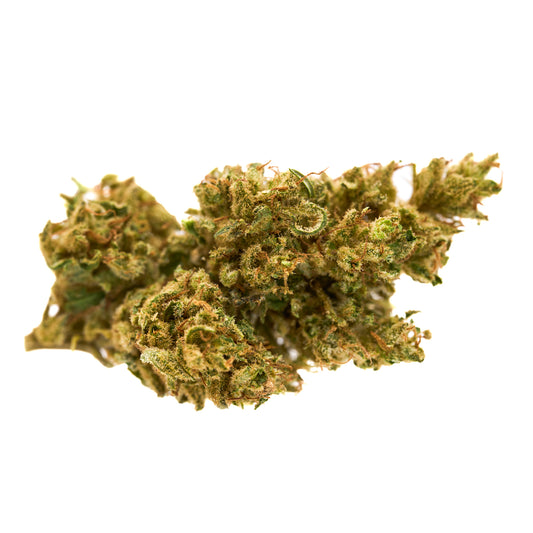
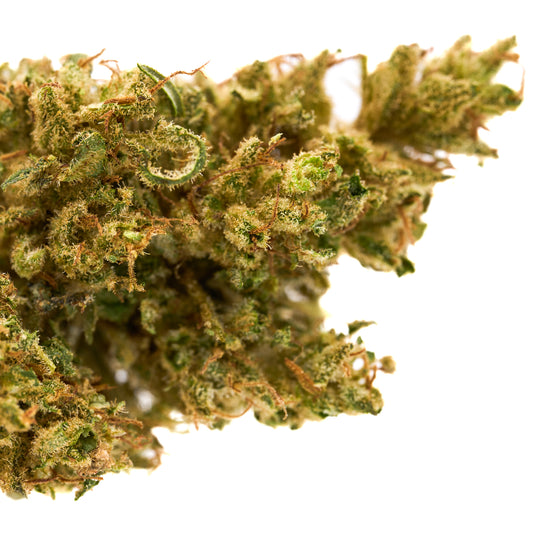
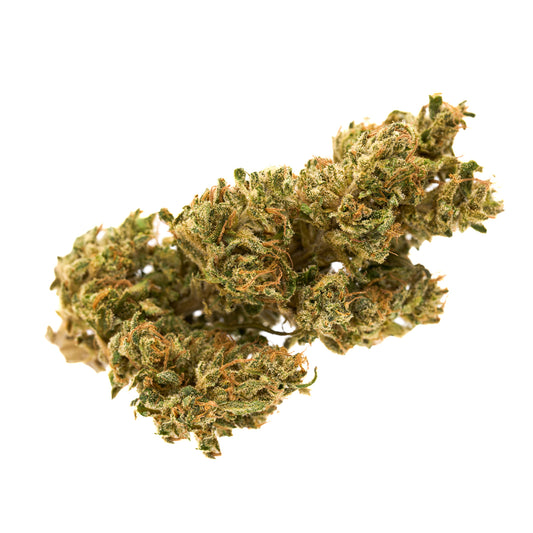
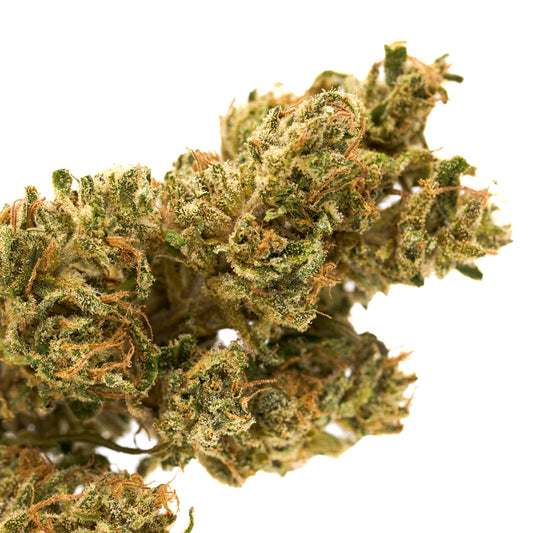
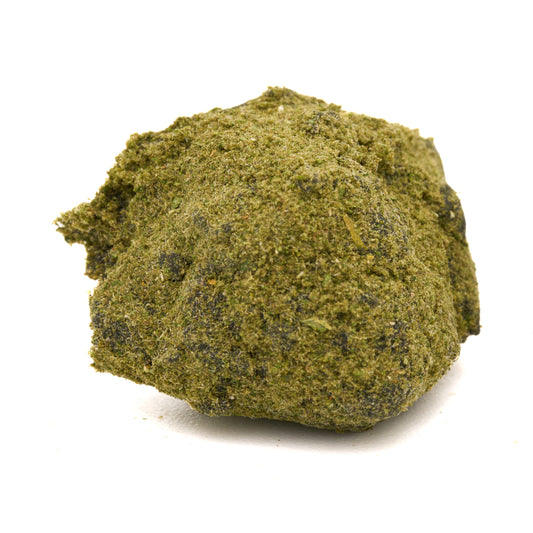
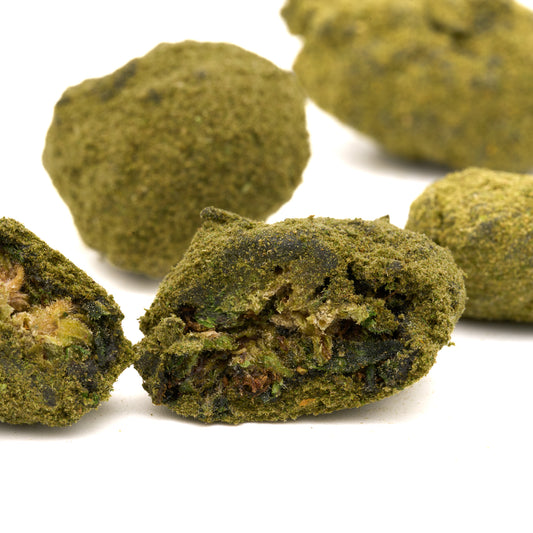
Blue Sugar THCa Greenhouse Smalls and Purple Daiquiri THCa Greenhouse Flower sit on opposite ends of the effects spectrum, which is exactly what makes comparing them so useful as a teaching tool. Blue Sugar is a sativa-dominant hybrid built on Blueberry × Sugar Cookies genetics. It leans upward, outward, cerebral. Purple Daiquiri is an indica-leaning hybrid built on Thin Mint GSC and Grape Pie. It leans inward, downward, physical.
Understanding what drives those differences — the genetics, the terpene chemistry, the cannabinoid ratios — helps you make a smarter buying decision and sets accurate expectations before your first session. This guide breaks down the science and practical experience behind sativa vs indica THCa hemp flower effects using these two strains as a detailed case study.
Sativa vs. Indica: Does the Classification Still Matter?
Cannabis culture has used the sativa/indica framework for decades, and despite a wave of scientific nuance that has complicated the picture, it remains one of the most useful starting points for understanding what a strain will feel like in practice.
The honest version of the science is this: the terms "sativa" and "indica" originally referred to plant morphology — growth patterns, leaf structure, node spacing, flowering time — rather than pharmacological effects. A 2015 paper in the Journal of Cannabis Therapeutics found that common consumer associations between strain type and effect were not reliably supported by chemical analysis alone. Terpene profiles and individual cannabinoid ratios, researchers argued, are better predictors of effect character than botanical classification.
That conclusion is correct — and it doesn't actually undermine the sativa/indica framework as much as it seems to. Here's why: in modern commercial cannabis and hemp cultivation, the sativa/indica designation isn't purely about leaf shape. Breeders use it to reference a combination of genetics, growth expression, observed effect tendencies, and terpene profiles that have been reinforced through generations of selective breeding. When a breeder calls a strain sativa-dominant in 2025, they typically mean the lineage has been selected for the effect profile associated with sativa genetics — cerebral, energizing, mood-lifting — and that the terpene and cannabinoid chemistry reflects that.
For high THCa hemp flower, there's an additional layer worth understanding. THCa (tetrahydrocannabinolic acid) is the raw, non-psychoactive precursor to Delta-9 THC. It exists in living and freshly dried cannabis and hemp flower in its acidic form. When you smoke or vaporize THCa flower for sale, the heat triggers decarboxylation — the conversion of THCa into active Delta-9 THC in real time. The percentage of THCa in a flower tells you its potency ceiling. The terpene profile tells you what the experience will actually feel like.
Sativa-dominant strains with myrcene-light, limonene-forward terpene profiles tend toward cerebral, uplifting experiences. Indica-dominant strains with myrcene-heavy, linalool-present profiles tend toward physical relaxation and sedation. The terpenes interact with the endocannabinoid system both directly and by modulating how cannabinoids bind to receptors — a phenomenon researchers call the entourage effect.
Blue Sugar THCa sativa and Purple Daiquiri THCa indica are good illustrations of these tendencies playing out in real, commercially available greenhouse THCa hemp flower. Let's look at each strain in detail.

Blue Sugar THCa Greenhouse Smalls: The Sativa-Dominant Experience
Blue Sugar THCa sativa is a greenhouse-grown sativa-dominant hybrid crossing two iconic genetics: Blueberry and Sugar Cookies. Blueberry brings decades of breeding history behind it — a strain with roots in DJ Short's classic work from the 1970s and 1980s, celebrated for mood elevation and a distinctive blueberry terpene character. Sugar Cookies contributes its GSC (Girl Scout Cookies) lineage: sweet, earthy, complex, and reliably euphoric.
The result is a strain that tests at 30.62% total cannabinoids — firmly in high THCa hemp flower territory — with a terpene profile that expresses the sativa side of its heritage clearly and consistently.
Onset and First Effects
Blue Sugar is known for a relatively fast onset after smoking or vaping. Within the first five to ten minutes, expect a cerebral brightening that lifts mood before physical sensations become prominent. This initial phase is characterized by heightened sensory engagement — colors may seem slightly more vivid, music more textured, conversations more interesting. It's the classic sativa opening: the world gets a little more interesting before your body starts to relax.
Mental Effects
The signature THCa sativa effects of Blue Sugar center on a combination of euphoria and functional clarity. This isn't the racing, anxious mental energy that poorly grown or genetically unstable sativa-dominant strains can sometimes produce. Blue Sugar's Blueberry genetics contribute a mood-softening quality that prevents the experience from becoming overwhelming. What you get instead is a focused, creative mental state — the kind that makes tasks feel more engaging, ideas more accessible, and social situations more comfortable.
Many users describe Blue Sugar as a mood elevator first and a productivity enhancer second. The creative clarity it offers isn't the relentless mental acceleration of a pure sativa; it's more of a pleasant, expansive focus that allows work and play to coexist.
Physical Effects
Blue Sugar's indica genetics from the Blueberry parent provide a physical component that keeps the experience grounded. There's a gentle body warmth and ease that runs underneath the cerebral effects — enough to prevent the experience from feeling jangly or unmoored, but not so heavy that it drags you toward the couch. Your body feels comfortable and present, not sedated. This balance is one of Blue Sugar's defining qualities and part of why it works well as a best THCa flower for energy option without tipping into the overstimulation that pure sativas sometimes bring.
Duration and Progression
Blue Sugar effects typically last two to three hours when smoked, with the peak cerebral experience occurring in the first sixty to ninety minutes and a gradual, pleasant comedown thereafter. Vaporizing may extend the duration slightly depending on temperature settings and the efficiency of decarboxylation.
The progression is generally even — there's no sharp cliff at the end, and the transition back to baseline tends to be gentle enough that it doesn't disrupt whatever you're doing.
Best Uses and Ideal Consumer
As the best THCa flower for energy among the two strains covered here, Blue Sugar is built for daytime use. Creative work, social situations, outdoor activities, physical exercise, morning routines, afternoon projects — any context where you want to enhance engagement with the day rather than disengage from it.
At 30.62% total cannabinoids, Blue Sugar is potent. Consumers with sensitivity to stimulating strains or any predisposition toward anxiety should start with a very small amount and assess their response before increasing. The energizing, cerebral effects that make Blue Sugar excellent for most users can tip into overstimulation for those who are sensitive to sativa-leaning experiences.
Purple Daiquiri THCa Greenhouse Flower: The Indica-Leaning Experience
Purple Daiquiri THCa indica takes the opposite path entirely. Where Blue Sugar opens up and reaches outward, Purple Daiquiri settles in and turns inward. The genetic foundation — Thin Mint GSC crossed with Grape Pie — is a deliberate convergence of two indica-leaning lineages with complementary strengths.
Thin Mint GSC is a phenotype of the legendary Girl Scout Cookies family, celebrated since the early 2010s for its deeply relaxing full-body effects, mental euphoria, and the complex minty-sweet-earthy terpene profile that made the GSC line famous. Grape Pie adds grape-forward sweetness, heavier indica depth, and the kind of physical sedation that evening sessions are built around. Together, they create a THCa indica effects profile that is immediately recognizable for anyone familiar with what premium indica genetics can do.
Purple Daiquiri tests at 29.96% total cannabinoids — virtually the same potency ceiling as Blue Sugar — with a seven-terpene profile that expresses its indica heritage in every way that matters.
Onset and First Effects
Purple Daiquiri's onset is typically more graduated than Blue Sugar's. The initial phase — usually the first ten minutes — often features a warm, pleasant mood lift that can mislead new users into thinking this is a lighter experience than it is. Don't be fooled by the friendly opening. The indica character deepens steadily over the first fifteen to twenty minutes as physical relaxation layers in beneath the mental euphoria.
This gradual build is characteristic of indica-leaning THCa hemp flower effects: the experience is cumulative rather than front-loaded.
Mental Effects
Purple Daiquiri does produce mental effects — a genuine euphoria and mood elevation that keeps the experience enjoyable rather than purely sedating. But the mental quality is quieting rather than stimulating. Thoughts slow down, mental chatter decreases, and a comfortable mental calm settles in as the session progresses. It's a "turn off the noise" experience rather than a "turn up the creativity" one.
For users who carry mental tension — racing thoughts, chronic stress, the low-grade background anxiety that modern life produces in abundance — Purple Daiquiri THCa indica can feel like genuine relief. The mind doesn't shut down; it just stops fighting.
Physical Effects
Physical relaxation is the centerpiece of the Purple Daiquiri experience and the trait most clearly attributable to its indica genetics. The full-body ease that settles in over the first thirty minutes is substantive — a release of muscular tension, a decrease in physical discomfort, a general sense of being genuinely at rest rather than merely sitting still.
It's not a couch-lock strain for most users at moderate consumption amounts. But it will shift your energy profile from active to settled in a way that makes best THCa flower for relaxation a fair description. This is the strain that makes the end of a long day feel like it actually ended.
Duration and Progression
Indica-leaning THCa hemp flower effects tend to run longer than sativa-dominant ones, and Purple Daiquiri follows that pattern. Expect physical effects lasting three to four hours, with a gradual transition toward drowsiness as the session winds down — particularly in evening use contexts. Many users find this progression ideal as a sleep preparation tool.
Best Uses and Ideal Consumer
As the best THCa flower for relaxation covered in this guide, Purple Daiquiri is an evening and nighttime strain. Stress relief after work, physical tension release, winding down after strenuous activity, pre-sleep relaxation, or any situation where the primary goal is quieting the mind and body.
Purple Daiquiri is not appropriate for situations requiring alertness, focus, or physical coordination. Plan accordingly — keep this one for after your obligations are done.

Side-by-Side Effects Comparison
Both strains test at nearly identical potency levels and are grown in the same Oregon greenhouse environment. The differences in experience come entirely from genetics and terpene chemistry — which is precisely the point this guide has been building toward.
| Category | Blue Sugar | Purple Daiquiri |
|---|---|---|
| Classification | Sativa-Dominant Hybrid | Indica-Leaning Hybrid |
| Genetics | Blueberry × Sugar Cookies | Thin Mint GSC × Grape Pie |
| THCa Content | 30.62% total cannabinoids | 29.96% total cannabinoids |
| Onset Style | Fast, cerebral | Gradual, full-body |
| Mental Effect | Energizing, focused, euphoric | Calming, quieting, euphoric |
| Physical Effect | Gentle relaxation, no sedation | Deep body ease, mild sedation |
| Best Time of Day | Morning / Afternoon | Evening / Night |
| Duration | 2–3 hours | 3–4 hours |
| Mood Quality | Elevated, social, creative | Calm, content, restful |
| Anxiety Risk | Moderate (sativa stimulation) | Low (indica calming) |
| Best For | Energy, creativity, activity | Relaxation, stress relief, sleep prep |
The near-identical potency between these two strains underscores the point: sativa vs indica THCa hemp flower effects aren't primarily driven by how strong the flower is. They're driven by what's in it beyond the cannabinoids.
The Role of Terpenes in Shaping THCa Flower Effects
(~450 words)
If the sativa/indica classification is the map, terpenes are the territory. Understanding the terpene profiles of Blue Sugar THCa sativa and Purple Daiquiri THCa indica explains more about their effects than any other single factor.
Blue Sugar's Terpene Character
Blue Sugar's dominant terpenes — consistent with its Blueberry and Sugar Cookies lineage — center on limonene, caryophyllene, and myrcene in a ratio that keeps the strain energizing rather than sedating.
Limonene is the standout driver of Blue Sugar's mood-elevating, mentally brightening character. Research on limonene has consistently pointed toward anxiolytic (anti-anxiety) and antidepressant qualities, along with direct mood elevation. It's the terpene most responsible for the "up" quality in well-regarded sativa-leaning strains.
Caryophyllene functions as the strain's stress-relief and anti-inflammatory component. Uniquely among terpenes, beta-caryophyllene also acts as a CB2 receptor agonist — meaning it interacts with the endocannabinoid system directly, contributing to physical comfort without sedation.
Myrcene is present in Blue Sugar but in a ratio balanced by the other dominant terpenes. This matters because myrcene in high concentrations drives the sedating "couch-lock" quality associated with heavy indicas. In Blue Sugar's more balanced profile, it contributes a gentle physical ease without overriding the limonene-driven energy.
Purple Daiquiri's Terpene Character
Purple Daiquiri's seven-terpene profile reflects its Thin Mint GSC and Grape Pie heritage and is weighted toward the terpenes most associated with physical relaxation and mental calm.
Myrcene is almost certainly the dominant terpene, and at higher concentrations than Blue Sugar's profile, it's the primary driver of Purple Daiquiri's physical relaxation and body-heaviness quality. Myrcene has shown sedating effects in research settings and is consistently the terpene most associated with indica-style physical effects.
Linalool — present through the GSC lineage — contributes anxiolytic and calming effects with particular relevance to sleep preparation. It's one of the terpenes most studied for stress and anxiety relief.
Beta-caryophyllene is likely present here as well, complementing the physical comfort and anti-inflammatory quality of the overall profile.
The practical result: two strains with nearly identical THCa percentages — Blue Sugar at 30.62% and Purple Daiquiri at 29.96% — produce dramatically different experiences because their terpene chemistry points in opposite directions. The cannabinoid content tells you how potent the flower is. The terpene profile tells you what you're actually walking into.
This is why buying high THCa hemp flower based on THCa percentage alone is an incomplete strategy. Potency without context leaves out the most important part of the equation.
Greenhouse Growing and Its Effect on Terpene Expression
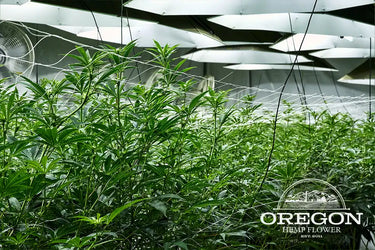
Both Blue Sugar and Purple Daiquiri are grown in Oregon greenhouse facilities — a cultivation method that occupies the productive middle ground between indoor and outdoor growing, with meaningful implications for the quality and consistency of THCa hemp flower effects.
Greenhouse cultivation combines natural sunlight — the broadest and most complete light spectrum available — with climate control that keeps temperature, humidity, and airflow within optimal ranges regardless of outdoor conditions. For terpene development, this combination matters. Natural sunlight has been consistently associated with richer, more complex terpene expression than artificial grow lighting alone, while climate control prevents the stress events (heat spikes, humidity swings, drought stress) that can compromise terpene production during critical late-flowering stages.
The result for both strains: terpene profiles that express their genetic potential fully and consistently across harvests. For greenhouse THCa hemp flower, this translates directly to a more reliable and predictable consumer experience — which matters when you're using a strain's effect profile as a decision-making tool.
Oregon's agricultural environment adds another layer. The state's temperate climate, clean air quality, and water access create favorable baseline conditions for hemp cultivation, and Oregon greenhouse operations benefit from a regulatory environment that has supported transparent, quality-focused hemp production since the state's early hemp program launch following the 2018 Farm Bill.
For both Blue Sugar and Purple Daiquiri, greenhouse cultivation is what makes the terpene-driven effect consistency possible.
Which Effects Profile Is Right for You?
The most useful framework for choosing between these strains is simple: what are you trying to accomplish?
Choose Blue Sugar THCa Greenhouse Smalls if:
- You want energy, focus, or creative engagement from your session
- You're consuming in the morning or afternoon
- You have social plans, creative work, or physical activity ahead
- You want mood elevation without sedation
- You enjoy sativa-style cerebral experiences without the anxiety risk of pure sativas
- You're looking for THCa sativa effects in a balanced, approachable hybrid format
Choose Purple Daiquiri THCa Greenhouse Flower if:
- You want physical relaxation and mental calm from your session
- You're consuming in the evening or before sleep
- You're dealing with accumulated physical tension, stress, or racing thoughts
- You want the quieting, restorative experience that THCa indica effects deliver
- You're looking for the best THCa flower for relaxation at a premium potency level
Consider stocking both if:
Your needs vary across the week. Many consumers find that a sativa-dominant option for daytime use and an indica-leaning option for evenings gives them the full spectrum of what high THCa hemp flower can offer — energy and relaxation available on demand, each strain doing exactly what it's supposed to do when you reach for it.
This rotation approach is particularly common among experienced hemp flower consumers who have moved past "what should I try" and into "what do I need right now."
Frequently Asked Questions
What is the difference between sativa and indica THCa hemp flower effects?
Sativa vs indica THCa hemp flower effects differ primarily in their mental and physical character. Sativa-dominant strains like Blue Sugar tend toward cerebral, energizing, mood-lifting experiences driven by terpene profiles high in limonene and balanced myrcene. Indica-leaning strains like Purple Daiquiri tend toward physical relaxation, mental calm, and sedation driven by terpene profiles higher in myrcene and linalool. Both produce THCa hemp flower effects through the same decarboxylation mechanism — the difference is in what the converted THC encounters in terms of terpene chemistry once it's active.
Does THCa hemp flower get you high?
Yes, when smoked or vaporized. THCa is the precursor to Delta-9 THC and converts through decarboxylation (heat) during smoking or vaping. The resulting experience is equivalent to Delta-9 THC effects from conventional cannabis. THCa in its raw form — unheated — is non-psychoactive. This is why THCa flower for sale can be legally sold under the 2018 Farm Bill framework while still delivering the full cannabis experience when consumed.
Is Blue Sugar or Purple Daiquiri better for anxiety?
Purple Daiquiri THCa indica is the better choice for most users dealing with anxiety. Its myrcene and linalool-forward terpene profile produces calming, quieting mental effects that tend to reduce anxiety rather than stimulate it. Blue Sugar THCa sativa can work for anxiety in moderate amounts — limonene has documented anxiolytic properties — but its stimulating, cerebral character carries a higher risk of amplifying anxiety at larger doses or for sensitive individuals.
What is greenhouse THCa hemp flower?
Greenhouse THCa hemp flower is flower grown in covered greenhouse structures that combine natural sunlight with climate control. This cultivation method produces flower with richer terpene development than typical outdoor growing while being more cost-effective than full indoor cultivation — making it an excellent option for consumers who want premium-quality terpene profiles at accessible price points.
How do I choose the best THCa flower for my needs?
Start with your timing and goals. If you need the best THCa flower for energy during daytime hours, look for sativa-dominant strains with limonene-forward terpene profiles. If you need the best THCa flower for relaxation in the evenings, look for indica-leaning strains with myrcene and linalool dominant in the terpene profile. Always check COAs for both THCa percentage and terpene data — the full picture is more useful than potency alone.
Are Blue Sugar and Purple Daiquiri available wholesale?
Yes. Both strains are available for wholesale purchase through Oregon Hemp Flower and Hemp Flower Co. Wholesale buyers can access bulk pricing, COA documentation, and product availability information directly through the site.
Conclusion: Two Strains, One Full Spectrum
The sativa vs indica THCa hemp flower effects conversation isn't just academic — it's the practical foundation of making good buying decisions in a market where potency numbers alone don't tell the full story.
Blue Sugar THCa Greenhouse Smalls and Purple Daiquiri THCa Greenhouse Flower represent two distinct, well-executed expressions of what premium greenhouse THCa hemp flower can deliver. One energizes. One relaxes. Both are grown in Oregon greenhouse facilities, third-party lab tested, and available for retail and wholesale purchase at oregon-hempflower.com.
If you know what you're looking for, you'll find it here. If you're still figuring it out, both strains are detailed enough — and distinct enough — that one session with each will answer the question better than any guide can.
