




Indoor, Exotic & Premium: Types of THCA Flower Explained

Walk into any reputable hemp shop—or browse a quality online menu—and you'll notice pretty quickly that not all THCA flower is priced the same. Some jars sit at approachable, budget-friendly price points. Others carry premium tags that might make you pause before adding them to your cart. And then there are the limited drops that sell out within hours of going live. So what's actually going on here? What makes one bag of flower worth twice as much as the one sitting next to it on the shelf?
The answer comes down to how the plant was grown, where it was grown, what genetics were used, and how much attention went into the process from seed to sale. These aren't arbitrary distinctions—they directly influence the look, smell, potency, and overall smoking experience of the final product. Whether you're a first-time buyer trying to figure out where to start or a seasoned consumer looking to understand why your favorite exotic costs what it costs, this guide is going to break it all down.
We're going to walk through every major category of THCA flower on the market today—from entry-level outdoor to top-shelf infused options—and explain exactly what separates each tier. By the end, you'll be able to look at any product listing, understand what you're actually buying, and make a purchasing decision that fits both your expectations and your budget.
Let's get into it.
Why Flower Categories Exist in the First Place
Before diving into the individual tiers, it's worth understanding why categories exist at all. The hemp and cannabis industry didn't invent these classifications to confuse consumers or create artificial scarcity. They developed organically because the conditions under which a plant is grown have a profound, measurable impact on the quality of the flower it produces.
Think about it this way: a tomato grown in a carefully monitored greenhouse with optimal nutrition, consistent water delivery, and ideal temperatures is going to look and taste different from one grown in an open field subject to weather changes, soil variability, and pest pressure. The same logic applies to cannabis and hemp.
When it comes to types of THCA flower, the biggest factors separating one tier from another are:
Growing environment — Indoor, greenhouse, and outdoor operations offer dramatically different levels of environmental control, and that control (or lack of it) shows up directly in the plant.
Input costs — Running a climate-controlled indoor facility with artificial lighting, HVAC systems, and precision nutrient delivery is expensive. Those costs get passed along in the price of the flower, but so do the benefits.
Attention per plant — Larger outdoor operations may have thousands of plants per acre with limited hands-on care. A boutique indoor or exotic grow might have a small team dedicating significant time to training, pruning, and monitoring each individual plant.
Genetics — Not all cultivars are created equal. Rare, sought-after genetics command premium pricing because they're harder to source, more difficult to grow, and often produce results that standard genetics simply can't replicate.
Understanding these variables is the foundation for understanding THCA flower tiers. Let's go category by category.
Indoor THCA Flower: The Gold Standard
When cannabis and hemp connoisseurs talk about top-shelf flower, they're almost always talking about indoor THCA flower. Indoor cultivation is widely considered the gold standard of cannabis growing, and for good reason.
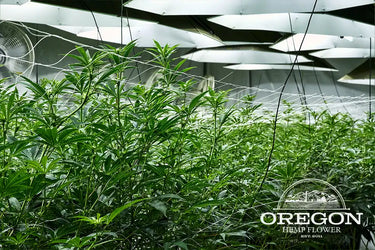
Indoor grows give cultivators complete, year-round control over every variable that affects plant health and flower quality. Light cycles can be dialed in to the minute. Temperature and humidity are maintained within tight ranges throughout every stage of the plant's life. Airflow is engineered to prevent mold and mildew while also strengthening stems. CO2 levels can be elevated to push growth rates and yields. Pests and contaminants are far easier to manage in a sealed indoor environment than outdoors.
That level of precision and control translates directly into the flower. High quality THCA flower grown indoors is typically characterized by:
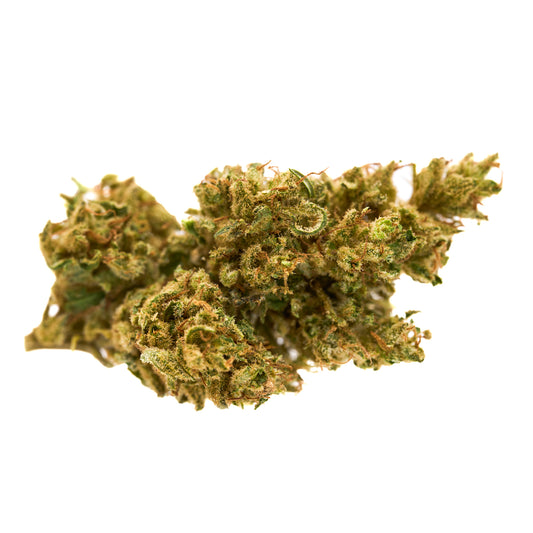
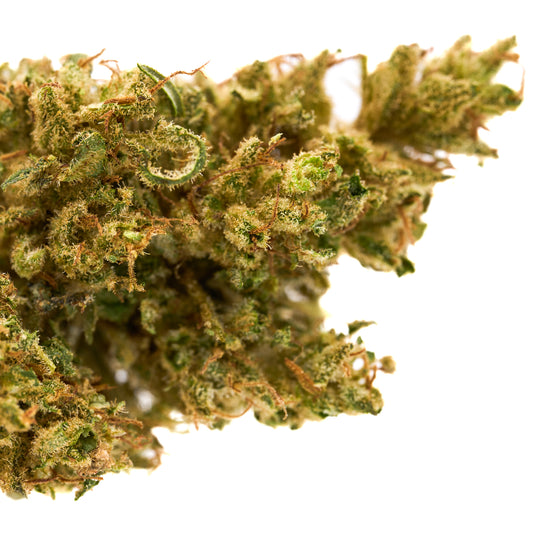
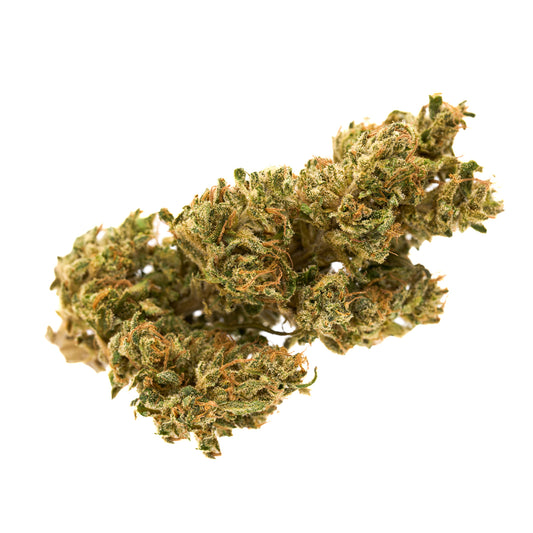
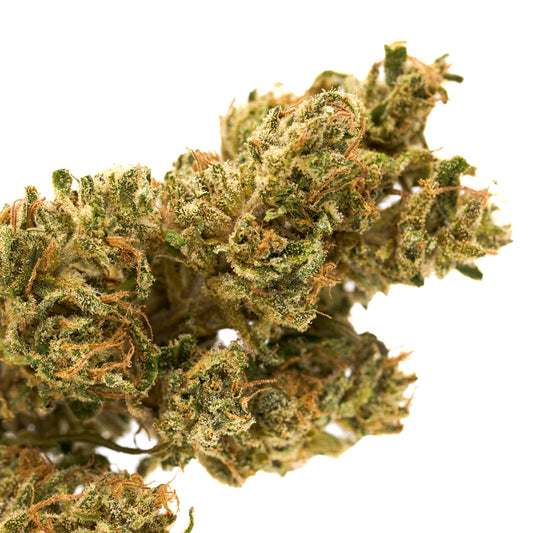
Dense, well-developed buds — Without wind, rain, or natural environmental stress, buds can develop fully without the mechanical damage that outdoor conditions sometimes cause. The result is tight, heavy, visually impressive flower that looks exactly the way cannabis is supposed to look.
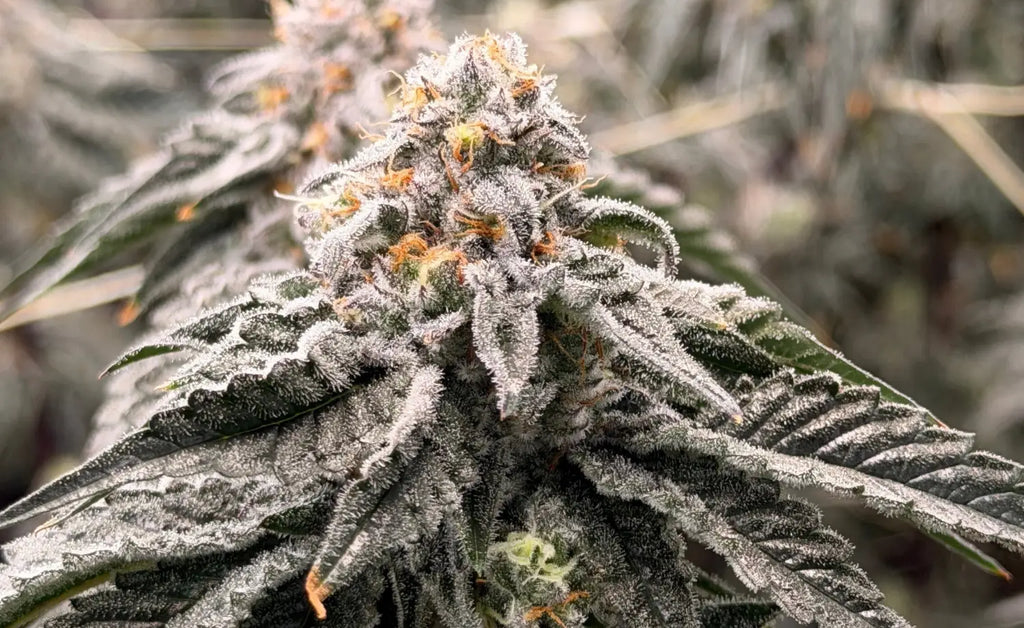
Robust trichome coverage — Trichomes are the tiny resin glands on the surface of cannabis flowers that contain THCA and terpenes. Indoor environments allow these glands to develop without being washed away by rain or degraded by UV exposure, resulting in flower that glitters with resin under any light source.
Complex, well-preserved terpene profiles — Terpenes are sensitive to heat, light, and environmental stress. Indoor grows protect them from all three, meaning the terpene profiles you encounter in indoor flower tend to be richer, more layered, and more true to the strain's genetic potential.
Consistent potency — Because every variable is controlled, indoor grows produce more consistent results from harvest to harvest. You're not at the mercy of weather patterns, seasonal changes, or regional soil differences.
The trade-off is price. Running an indoor operation costs significantly more than greenhouse or outdoor cultivation. Electricity alone—powering grow lights, HVAC systems, dehumidifiers, and fans—represents a major overhead expense. That cost is reflected in the price per gram at the point of sale.
But for consumers who prioritize a premium smoking experience, want reliable potency from batch to batch, and care about the visual and aromatic presentation of their flower, indoor is the category worth budgeting for. If you're shopping premium THCA flower and you want the best representation of what a given cultivar can produce, indoor grows are your first stop.
 Greenhouse THCA Flower: Quality Meets Value
Greenhouse THCA flower occupies a well-earned spot between outdoor and full indoor production. It's a category that often gets overlooked by consumers who gravitate toward either budget outdoor or top-shelf indoor, but greenhouse flower represents some of the best value in the entire market when you find the right product.
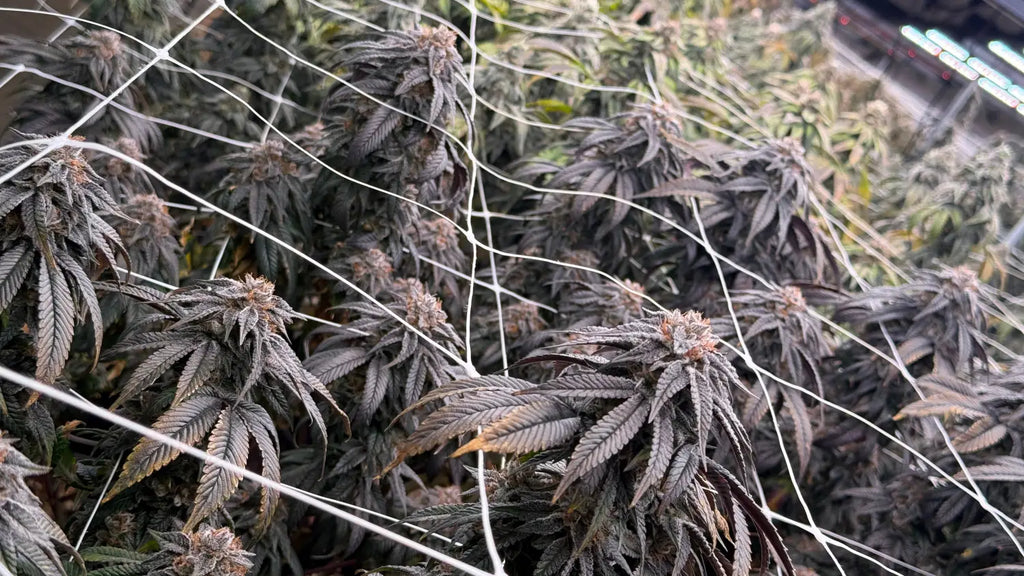
Here's how greenhouse growing works: plants are cultivated in a permanent or semi-permanent structure that allows natural sunlight to pass through while providing protection from the elements. Growers can supplement with artificial lighting during low-light periods, deploy climate control systems to manage temperature and humidity, and protect crops from weather events that would otherwise devastate an outdoor grow.
The result is a middle-ground product that benefits from both the efficiency of natural sunlight (which dramatically reduces electricity costs compared to full indoor) and the environmental protection that prevents the quality degradation common in exposed outdoor grows.
What does this mean for the flower you actually smoke?
Terpene retention is strong — Because greenhouse plants are shielded from heavy rain, wind, and direct UV exposure during sensitive growth phases, terpenes are preserved more effectively than in outdoor grows. You'll find greenhouse flower with genuinely impressive flavor profiles.
Visual appearance is clean — Greenhouse buds typically display better structure and color than outdoor flower. While they may not quite match the density and trichome saturation of a top-tier indoor product, the difference is often smaller than the price gap would suggest.
Potency is competitive — THCA percentages in quality greenhouse flower frequently rival indoor, especially when growers are using dialed-in genetics and optimized feeding programs.
Price point is accessible — Because overhead costs are lower than full indoor, greenhouse flower is often priced 20–40% below comparable indoor product. For daily consumers who want quality without paying premium prices on every session, greenhouse is a smart, sustainable choice.
The best greenhouse operations blur the line between indoor and outdoor so effectively that the category deserves far more recognition than it typically gets. Don't overlook it when you're building out your stash.
Outdoor THCA Flower and the Indoor vs. Outdoor Debate
Let's talk about outdoor—and address the indoor vs outdoor THCA debate that comes up constantly in cannabis communities.
Outdoor flower is grown exactly as the name suggests: in the open, under natural sunlight, in soil or another growing medium, subject to whatever weather and environmental conditions the region delivers. It's the oldest and most traditional method of cannabis cultivation on the planet.
The advantages of outdoor growing are real. Natural sunlight produces a full spectrum of light that indoor artificial lights approximate but don't perfectly replicate. Soil-grown plants have access to complex microbial ecosystems that can contribute to terpene development and overall plant health. And without the overhead costs of controlled indoor environments, outdoor flower is significantly cheaper to produce—which gets passed on to the consumer.
The downsides are equally real. Outdoor plants are exposed to weather events, temperature swings, pest pressure, and UV degradation that indoor plants never face. This can result in buds that are less visually polished, sometimes airy or loose in structure, and terpene profiles that are less complex than what indoor genetics can produce in a controlled setting.
For the everyday consumer who wants functional, potent flower at an accessible price, outdoor is a completely legitimate option. Some cultivars genuinely perform well outdoors and produce excellent results. However, in a side-by-side comparison with quality indoor, the differences in bag appeal, aroma intensity, and overall presentation tend to be obvious.
The honest answer to the indoor vs. outdoor debate is that it depends on what you're prioritizing. If you're stretching your budget, outdoor gets you potency at a fair price. If you're prioritizing the full sensory experience—appearance, aroma, flavor, and smoke quality—indoor and greenhouse are the categories where that experience is most reliably found.
Hydroponic THCA Flower: Precision at Its Peak
Hydroponic THCA flower is technically a subcategory of indoor growing, but it deserves its own discussion because the method is distinct enough to produce meaningfully different results.
In a hydroponic system, plants are grown without soil. Instead, their root systems are suspended in or regularly flooded with a precisely formulated nutrient solution. Without soil acting as an intermediary buffer, nutrients are delivered directly and immediately to the plant's roots—which gives growers an extraordinary level of control over exactly what the plant receives and when.
The practical advantages of hydroponics in cannabis cultivation are significant:
Accelerated growth rates — Plants grown hydroponically often reach harvest faster than soil-grown counterparts because nutrient uptake is more efficient. More harvests per year means higher overall production and, in many cases, more consistent quality across batches.
Precision nutrient delivery — Growers can dial in feeding programs with a level of specificity that soil simply doesn't allow. This precision often translates to enhanced terpene development, higher THCA expression, and more consistent results across the board.
Reduced pest and disease pressure — Without soil, many common soil-borne pathogens and pests are eliminated from the equation. This reduces the need for preventive interventions and keeps the growing environment cleaner overall.
Exceptionally clean flower — Many consumers and connoisseurs report that hydroponically grown flower produces a cleaner, smoother smoke than soil-grown alternatives. While this is partly subjective, the elimination of soil-borne compounds from the growing medium likely plays a role.
It's worth noting that some growers and consumers prefer soil-grown cannabis for what they describe as a more complex or "earthy" flavor profile—attributing this to the microbial activity in living soil. Both approaches have their advocates, and both can produce extraordinary results in skilled hands.
What's not debatable is that hydroponics is now the dominant growing method among top-tier indoor cannabis producers. If you're buying high quality THCA flower from a reputable indoor brand, there's a solid chance it was grown hydroponically.
Exotic THCA Flower: Rare Genetics, Maximum Bag Appeal
This is where things get exciting. Exotic THCA flower is the category that gets cannabis enthusiasts genuinely energized, and the reasons are easy to understand once you dig into what "exotic" actually means in this context.
Exotic flower refers to cultivars that are rare, limited in availability, bred for standout characteristics that go beyond standard genetics, or some combination of all three. This might mean:
Unique terpene combinations — Exotic strains are often bred specifically to produce terpene profiles that are unusual, complex, or particularly intense. We're talking about cultivars that express flavors ranging from tropical fruit and candy to diesel, floral, and gas—profiles that create an immediately recognizable sensory experience that standard genetics can't replicate.
Standout visual characteristics — Many exotic strains are selected in part for their appearance. Deep purples, vivid oranges, unusual bud structures, and extreme trichome saturation are all characteristics that separate exotic flower from standard menu offerings. Bag appeal is real, and exotic genetics often deliver it in full.
Rare or proprietary genetics — Some exotic cultivars come from breeders who work with small gene pools, cross-breeding over multiple generations to stabilize unusual traits. These genetics may not be widely available, which limits production volume and contributes to premium pricing.
Small-batch, hands-on cultivation — Exotic flower is typically grown in smaller quantities with more intensive attention per plant. Training techniques, harvest timing, and post-harvest processing are often executed with greater care than in large-scale commercial production.
Limited availability — Part of what makes exotic flower exotic is that you can't always get it. Limited drops, seasonal availability, and small batch sizes create genuine scarcity that drives both demand and pricing.
The price premium on exotic THCA flower reflects all of these factors. You're not just paying for potency—you're paying for rarity, craftsmanship, genetic investment, and an experience that the standard menu simply can't offer. For collectors, connoisseurs, and consumers who have specific preferences about flavor and appearance, the exotic tier is worth every dollar.
Infused THCA Flower: Next-Level Potency
If exotic represents the ceiling for flower quality, infused THCA flower represents the ceiling for flower potency—and it's a category that's grown dramatically in popularity as consumers look for more intense experiences without fully transitioning to concentrate products.
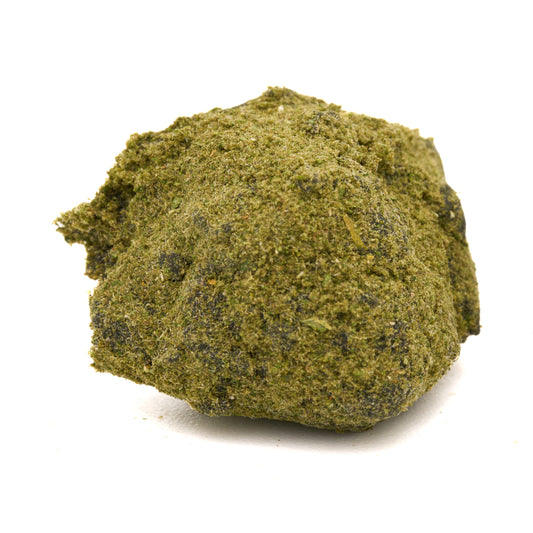
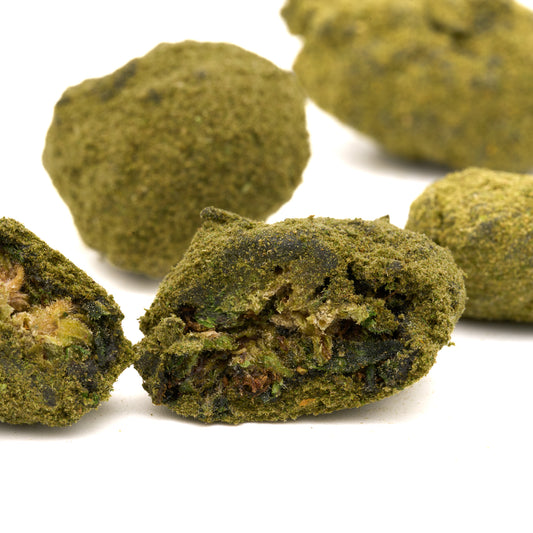
Infused flower starts with quality cured flower as the base—usually indoor or exotic-grade—and then adds a layer of concentrated cannabis extract to dramatically elevate both potency and, in many cases, flavor. The most common infusion methods include:
Kief coating — Cured flower is rolled in or dusted with kief (the dried trichome crystals separated from plant material), creating a dense outer layer that adds significant potency and a smooth, full-spectrum smoking experience. Kief-infused flower has a classic, familiar feel that many consumers find approachable as an entry point into infused products.
Live resin infusion — Live resin is produced from fresh-frozen cannabis plant material processed immediately after harvest to preserve volatile terpenes that are typically lost during drying and curing. Coating flower in live resin delivers exceptional flavor alongside elevated potency. If terpene expression matters to you, live resin infused flower is a remarkable option.
Hash oil coating — Concentrated hash oil is applied to flower to elevate THCA percentages significantly—sometimes pushing total cannabinoid content into ranges that would be impossible to achieve through cultivation alone. Hash oil infused flower tends to be extremely potent and is best suited for experienced consumers.
Concentrate rolling — Some producers dip or roll flower in a combination of oil and kief, creating a multi-layer infusion that maximizes both potency and visual appeal.
Infused flower is ideal for experienced consumers who have developed a tolerance to standard flower and are looking for a more intense experience. It's also worth mentioning that infused products are often priced higher than standard flower due to the additional concentrate inputs and labor involved in production. You're essentially paying for the flower and a portion of the concentrate used to create it.
One important note for first-time buyers: start low and go slow with infused products. The potency increase over standard flower can be substantial, and it can catch consumers off-guard if they approach infused flower the same way they'd approach a standard pre-roll or bowl.
THCA Flower Tiers Summarized: Matching Product to Purpose
Now that we've covered every major category, let's bring it all together. Here's a practical summary of THCA flower tiers and how they match up to different consumer needs:
Outdoor — Best for: Value-focused consumers, daily users on a budget, and those who prioritize quantity over visual or aromatic perfection. Potency can be comparable to other tiers; presentation and consistency may vary.
Greenhouse — Best for: Consumers who want quality flower without the full premium pricing of indoor. Strong terpene profiles, solid visual appeal, and competitive potency at a price point that supports regular purchasing.
Indoor — Best for: Consumers who prioritize the full experience—visual appeal, complex aroma, consistent potency, and reliable results from batch to batch. Indoor THCA flower is the benchmark against which all other categories are measured.
Hydroponic — Best for: Those who want the most precise, controlled expression of a given cultivar's potential. Often overlaps with indoor in terms of product presentation, but the growing method adds a layer of cleanliness and precision that dedicated enthusiasts notice.
Exotic — Best for: Connoisseurs, collectors, and experienced consumers who want something beyond the standard menu—rare genetics, standout terpene profiles, maximum bag appeal, and limited-availability drops that create a genuine sense of discovery.
Infused — Best for: Experienced consumers seeking elevated potency without transitioning entirely to concentrate products. Also excellent for medical or high-tolerance users who need more than standard flower can deliver.
Understanding these tiers doesn't mean you have to commit to one exclusively. Many consumers rotate across categories depending on what they're doing, what their budget looks like for a given week, or what kind of experience they're in the mood for. The key is knowing what each tier offers so you can make an intentional choice rather than guessing.
Frequently Asked Questions
What is THCA flower? THCA flower is hemp-derived cannabis flower with high concentrations of tetrahydrocannabinolic acid (THCA), the raw, non-psychoactive precursor to THC. When THCA is heated through smoking, vaping, or cooking, it converts to THC through a process called decarboxylation. Legal under the 2018 Farm Bill when total delta-9 THC content remains below 0.3% on a dry weight basis, THCA flower provides an experience comparable to traditional cannabis flower.
What's the difference between indoor and outdoor THCA flower? Indoor vs outdoor THCA comes down primarily to growing environment and the control it provides. Indoor flower is grown in climate-controlled facilities where every variable—light, temperature, humidity, airflow—is optimized for maximum flower quality. Outdoor flower grows under natural conditions with minimal intervention. Indoor typically produces denser buds, richer terpene profiles, and more consistent potency; outdoor offers better accessibility in terms of price.
Is greenhouse THCA flower worth buying? Absolutely. Greenhouse THCA flower is one of the most underrated value categories in the market. Growers benefit from natural sunlight while still providing environmental protection and supplemental controls that maintain quality. The result is often excellent flower at a price point that's meaningfully lower than full indoor.
What makes a THCA flower "exotic"? Exotic THCA flower typically refers to cultivars with rare or proprietary genetics, unique terpene expressions, standout visual characteristics, or limited production runs. The term signals a product that goes beyond standard menu offerings in terms of both quality and scarcity.
What is hydroponic cannabis and how does it differ from soil-grown? Hydroponic THCA flower is grown without soil, with nutrients delivered directly to the roots through a water-based system. This allows for precise control over plant nutrition, accelerated growth, and a clean growing environment. The primary difference from soil-grown is the nutrient delivery method and the absence of soil-borne variables. Many consumers report a cleaner smoke from hydroponic flower.
What is infused THCA flower and is it stronger? Yes, significantly. Infused THCA flower has been coated or treated with cannabis concentrates—kief, live resin, hash oil, or combinations thereof—which dramatically elevates the overall cannabinoid content. Infused products are intended for experienced consumers who have built tolerance to standard flower and are looking for a more intense experience.
How do I choose between the different types of THCA flower? Start by identifying your priorities: budget, potency, flavor, visual appeal, and frequency of use. If you're a daily consumer watching your spend, greenhouse or outdoor may be your best value. If you're buying something for a special occasion or you're genuinely invested in the sensory experience, indoor or exotic is worth the investment. If potency is the primary goal and you're experienced with cannabis, infused options give you the most intensity in a flower format.
What does "premium" THCA flower actually mean? Premium THCA flower isn't a regulated designation, but in practice it refers to flower that meets a high standard across multiple quality metrics: trichome density, terpene complexity, visual presentation, THCA percentage, and post-harvest handling. Indoor and exotic products most commonly earn this label, though premium greenhouse flower absolutely exists.
Are higher THCA percentages always better? Not necessarily. THCA percentage is one indicator of potency, but it doesn't tell the whole story. Terpene profiles, the entourage effect, and the overall quality of the flower's growth and processing all contribute to the experience. A flower testing at 22% THCA with a rich, complex terpene profile may produce a superior experience to one testing at 28% with minimal terpene expression.
Where can I buy high quality THCA flower online? Look for retailers who are transparent about cultivation methods, share current Certificates of Analysis (COAs) for every product, and clearly describe what growing environment and genetics were used. High quality THCA flower comes with documented third-party testing and honest product descriptions—not just marketing claims.
Conclusion: Shop Smarter, Smoke Better
The THCA flower market has matured significantly in recent years, and today's consumers have access to a wider range of product categories than ever before. Whether you're looking for an everyday option that fits your budget without sacrificing too much quality, or you're searching for that rare exotic drop that's going to genuinely blow you away, understanding the difference between growing environments, cultivation methods, and product tiers gives you a real advantage as a shopper.
To bring it all together: outdoor THCA flower delivers value and accessibility; greenhouse THCA flower bridges the gap between quality and cost more effectively than most consumers realize; indoor THCA flower sets the benchmark for consistency, aesthetics, and full sensory experience; hydroponic THCA flower refines that further through precision-controlled nutrient delivery; exotic THCA flower pushes the ceiling on rarity, genetic quality, and bag appeal; and infused THCA flower delivers the highest potency experience available in a traditional flower format.
No single tier is objectively best for every consumer or every occasion. The right choice is the one that matches your priorities. And now that you understand what's actually behind each label, you can make that choice with confidence.
Browse our current menu to see which types of THCA flower we have in stock right now—from premium indoor THCA flower to limited exotic drops—and find exactly what fits your experience and your expectations.
