




THCA Flower Strain Guide: Understanding Terpene Profiles and Effects

When people talk about why one THCA flower strain feels different from another, the answer almost always comes back to terpenes. These naturally occurring aromatic compounds do far more than create flavor and smell — they directly influence the effects you experience, shape the overall character of a strain, and ultimately determine whether a particular flower is a good fit for what you're looking for. If you've ever picked up two flowers with similar THCA percentages and noticed that one felt completely different from the other, terpenes are why.
This guide breaks down everything you need to know about THCA flower terpenes — from how they work in the body to which specific compounds to look for based on your desired experience. Whether you're new to hemp flower or a seasoned consumer looking to dial in your selections, understanding terpene science is one of the most useful things you can do.
What Are Terpenes and Why Do They Matter in THCA Flower?
Terpenes are naturally occurring organic compounds found throughout the plant kingdom. They're responsible for the distinctive scents of lavender, pine forests, citrus peels, and black pepper — and they're produced in abundance inside the cannabis plant. Specifically, terpenes are synthesized in the trichomes, the same microscopic resin glands that produce THCA, CBD, and other cannabinoids.
The reason terpene profiles THCA consumers pay attention to is rooted in what's called the entourage effect — a well-documented phenomenon in cannabis science where cannabinoids and terpenes work together to produce a more complex, nuanced experience than any single compound could achieve on its own. In other words, terpenes don't just make your flower smell good. They modulate and enhance the effects of THCA at the molecular level.
Research has shown that terpenes interact with neurotransmitter systems, influence serotonin and dopamine activity, and even affect how cannabinoids bind to receptors in the endocannabinoid system. This means a high-myrcene strain and a high-limonene strain with identical THCA percentages can feel remarkably different — one leaning sedative and earthy, the other bright and energizing.
This is precisely why savvy consumers have moved beyond simply chasing the highest THCA number on the label. Percentage tells you potency. Terpenes tell you character. Both matter, but for a truly dialed-in experience, the terpene breakdown is where the real information lives.

How to Read a Terpene Profile on a COA
Before diving into individual terpenes, it's worth understanding how to find and interpret terpene data on a Certificate of Analysis (COA). A COA is the third-party lab report that accompanies any quality hemp product, and any reputable THCA flower vendor should make these available.
On a COA, terpenes are typically listed by name with a percentage by weight. For example, a strain might show myrcene at 0.85%, caryophyllene at 0.52%, and limonene at 0.38%. The dominant terpenes — those present in the highest concentrations — are generally the ones that most influence the strain's character and THCA strain effects.
A few things to look for:
Total terpene content: Flowers with total terpene content above 2% are considered well-preserved and aromatic. Anything above 3% is exceptional. Low total terpene content often indicates the flower was improperly cured, stored too long, or exposed to excessive heat.
Terpene diversity: A strain with five or more notable terpenes tends to produce a more complex, layered experience than one that's monolithically dominated by a single compound. Diversity in the terpene profile is generally a sign of quality cultivation and careful handling post-harvest.
Dominant vs. secondary terpenes: The dominant terpene sets the tone. Secondary terpenes add nuance and depth. A strain where myrcene leads but limonene runs a close second will feel different from a pure myrcene-dominant strain.
The Major Terpenes Found in THCA Flower Strains
Myrcene — The Foundation Terpene
If there's one terpene that defines hemp and cannabis as a plant family, it's myrcene. Myrcene THCA flower combinations are incredibly common because myrcene is, by far, the most abundant terpene found in cannabis — often comprising more than half of a strain's total terpene content.
Myrcene's aroma is earthy, musky, and slightly fruity, sometimes described as having notes of cloves or overripe mango. If you've ever picked up a dense, dank indica bud and taken a deep breath, that funky, grounding smell is largely myrcene at work.
In terms of effects, myrcene is strongly associated with sedative, relaxing qualities. It's believed to enhance the permeability of cell membranes, potentially allowing cannabinoids to cross into the bloodstream more efficiently. This may partially explain why high-myrcene strains tend to feel heavier and more body-centric.
Classic high-myrcene strains include OG Kush, Granddaddy Purple, Blue Dream, and Wedding Cake. If your goal is evening use, unwinding after a physically demanding day, or simply finding a strain that promotes rest and calm, look for myrcene at or near the top of the terpene report.
Best for: Evening use, physical relaxation, stress relief, sleep support.
Limonene — The Mood Lifter
Limonene is one of the most recognizable terpenes because its aroma is so immediately identifiable — sharp, bright citrus, like freshly zested lemon or orange peel. It's found abundantly in citrus fruit rinds, and in cannabis it tends to characterize energetic, sativa-leaning strains.
The appeal of limonene hemp flower is its association with mood elevation, stress relief, and mental clarity. Research has explored limonene's potential anxiolytic (anti-anxiety) effects, with some studies suggesting it modulates serotonin and dopamine in ways consistent with mood improvement.
Consumers who want a daytime-friendly experience — something that enhances creativity, focus, or social engagement without inducing heaviness — often gravitate toward limonene-dominant strains. Notable examples include Super Lemon Haze, Strawberry Banana, Durban Poison, and many Gelato crosses.
One thing worth noting: limonene is volatile. It's one of the first terpenes to degrade when flower is exposed to heat, light, or improper storage. This makes proper curing and packaging especially important for limonene-forward strains.
Best for: Daytime use, mood enhancement, creative focus, mild anxiety relief.
Caryophyllene — The Spicy Multitasker
Beta-caryophyllene is a fascinating terpene for a very specific reason: it's the only known terpene that directly binds to cannabinoid receptors, specifically CB2 receptors in the immune system and peripheral tissues. This makes caryophyllene a functional compound that bridges the gap between terpene and cannabinoid.
The aroma is unmistakably spicy and peppery, with woody, earthy undertones. If you've ever cracked open a jar of flower and gotten a sharp, almost herbal pungency, caryophyllene is likely contributing.
Because of its CB2 activity, caryophyllene is strongly associated with anti-inflammatory effects and is often referenced in discussions around physical discomfort and immune system support. It's also found in black pepper, cloves, and cinnamon — a fact sometimes cited in folk explanations for why sniffing pepper can reduce certain cannabis-related discomfort.
Strains high in caryophyllene include Sour Diesel, Girl Scout Cookies (GSC), Original Glue (GG4), and Chemdog. It pairs well with myrcene for a deeply relaxing, body-focused experience, and with limonene for a more balanced, clear-headed effect.
Best for: Physical discomfort, inflammation support, evening or daytime depending on the overall profile.
Linalool — The Calming Floral
Linalool is the terpene behind lavender's signature scent, and its presence in THCA flower brings a distinctly soft, floral, slightly herbal character to a strain's aroma. It's less common than myrcene or caryophyllene as a dominant terpene, but its influence is significant when it does appear in higher concentrations.
Understanding terpenes and effects becomes especially clear with linalool. Its calming, anxiolytic properties have been studied extensively — linalool is believed to work on GABA receptors in ways that parallel some pharmaceutical calming agents, which is part of why lavender aromatherapy has a documented evidence base for stress and anxiety.
In THCA flower strains, linalool tends to show up in relaxing indicas and balanced hybrids. LA Confidential, Amnesia Haze, and Do-Si-Dos are well-known linalool-forward strains. When it pairs with myrcene, the result is typically deeply calming. When it pairs with limonene, there's a more uplifted yet serene quality.
Best for: Anxiety relief, stress management, sleep preparation, calming mind and body.
Pinene — The Clarity Terpene
Alpha-pinene and beta-pinene are the two forms of this terpene, and both carry that crisp, clean aroma associated with pine trees and fresh mountain air. Pinene is actually one of the most widespread terpenes in nature — it's present in conifer trees, rosemary, basil, and dill, among many other plants.
In the context of a quality THCA terpene guide, pinene stands out for its association with mental clarity and alertness. Some research has explored its potential as an acetylcholinesterase inhibitor, meaning it may support memory and cognitive function — which is particularly interesting given that some cannabis consumers experience short-term memory effects.
Pinene also has bronchodilatory properties, potentially supporting easier breathing, and anti-inflammatory activity. Strains with notable pinene content include Jack Herer, Trainwreck, Blue Dream, and many of the classic Haze varieties.
If you're looking for a THCA flower that keeps you sharp and functional, strains with pinene prominently featured in the terpene report are worth prioritizing.
Best for: Mental clarity, focus, energy, respiratory support, daytime activities.
Terpinolene — The Complex Uplifter
Terpinolene is one of the most interesting and least discussed major terpenes. Its aroma profile is genuinely complex — floral, piney, slightly herbal, with faint citrus undertones. No single descriptor quite captures it, which is part of what makes terpinolene-forward strains so distinctive.
While not as frequently dominant as myrcene or caryophyllene, terpinolene tends to appear in certain iconic strains at notable levels. Jack Herer, Ghost Train Haze, and Chernobyl are classic examples. When it does take the lead, the effect profile tends toward the uplifting and energizing end of the spectrum, though with a certain complexity that makes it harder to categorize.
For consumers interested in best terpenes THCA for daytime productivity or creative work, terpinolene-containing strains are worth exploring. Its presence alongside limonene and pinene creates a powerfully cerebral and energizing terpene triad.
Best for: Creative energy, uplifted mood, functional daytime use, unique aromatic experience.
Ocimene — The Fresh and Sweet
Ocimene is a lighter, less commonly dominant terpene with a sweet, herbal, slightly woody aroma — think fresh herbs, mint, and a hint of floral sweetness. It's found in mint, parsley, and orchids, and in cannabis it tends to appear as a supporting terpene rather than a lead compound.
Its effects are generally associated with uplifting and energizing qualities, with some research pointing to antifungal and antiviral properties. Strains with notable ocimene content include Strawberry Cough, Clementine, and Space Queen.
Ocimene pairs particularly well with limonene and terpinolene for an energetic, sweet-smelling experience.
Best for: Light daytime uplift, sweet aromatic experience, energizing blend.

Humulene — The Earthy Appetite Suppressant
Humulene carries an earthy, woody, slightly spicy scent that's closely associated with hops — it's actually one of the compounds responsible for beer's characteristic aroma. In THCA flower, humulene typically appears as a secondary terpene alongside caryophyllene, which shares a similar spicy character.
One thing that sets humulene apart in cannabis terpenes explained discussions is its association with appetite suppression — somewhat counterintuitive in a cannabis context, but relevant for consumers who don't want heavy munchies effects. It also has documented anti-inflammatory activity.
Strains like Sour Diesel, White Widow, and Original Glue often feature notable humulene content.
Best for: Anti-inflammatory support, balanced appetite effects, earthy aromatic preference.
Terpene Combinations: How Profiles Create Strain Character
Understanding individual terpenes is valuable, but the real insight comes from understanding how they interact. Most strain experiences aren't defined by a single terpene — they're the result of a specific combination working together.
Here are some common terpene pairings and what they tend to produce:
Myrcene + Linalool: Deeply relaxing, body-heavy, ideal for evening or nighttime. Classic indica character.
Limonene + Pinene: Alert, uplifted, mentally clear. Great for productivity, creativity, social settings.
Caryophyllene + Myrcene: Grounding with anti-inflammatory character. Good for physical discomfort and full-body relaxation.
Limonene + Terpinolene: Highly energetic, bright, creatively stimulating. One of the more distinctly "sativa" combinations.
Linalool + Caryophyllene: Calm but functional. Stress reduction without heavy sedation.
Myrcene + Caryophyllene + Limonene: Balanced hybrid character — relaxed but not couch-locked, with mood support.
When reviewing a COA before purchasing, look for these patterns in the terpene breakdown. The combination tells you far more than any individual number.
How Terpenes Interact With THCA: The Entourage Effect
The entourage effect is the central concept behind why THCA flower flavor and terpene profiles matter so much. First proposed by Israeli researcher Dr. Raphael Mechoulam and later expanded by Dr. Ethan Russo, the entourage effect describes a synergistic relationship between cannabinoids (like THCA, CBD, CBG, and CBN) and terpenes.
The basic principle: these compounds don't operate in isolation inside the body. They influence each other's binding affinity to receptors, modulate each other's effects, and create an overall experience that's greater than the sum of the parts. This is why full-spectrum hemp products consistently outperform isolated compounds in experiential terms.
Practically speaking, this means:
- A high-myrcene strain may intensify how deeply THCA's effects are felt in the body.
- Limonene may soften the edge of high-THCA experiences, keeping them more manageable and mood-positive.
- Caryophyllene's CB2 activity complements THCA's CB1-dominant mechanism, adding an anti-inflammatory layer.
- Pinene may counteract certain cognitive effects of THC/THCA, keeping mental function clearer.
For consumers, this means that chasing raw potency is a limited strategy. A 28% THCA flower with a flat terpene profile (total terpenes under 1%) is going to deliver a less complete, less interesting experience than a 22% flower with a rich, complex terpene profile above 2.5%.
How Cultivation Affects Terpene Expression
Not all THCA flower is grown the same way, and cultivation method has a direct impact on terpene development and preservation.
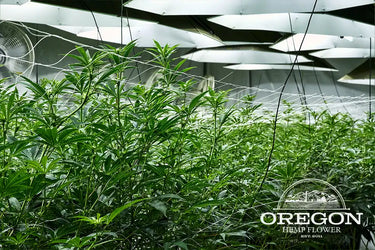
Indoor growing offers the most controlled environment. With precise control over light spectrum, temperature, humidity, and airflow, indoor cultivators can optimize conditions for maximum trichome and terpene production. The result is typically the most aromatic, most visually impressive flower — though at a higher price point.
Greenhouse growing bridges the gap. Plants benefit from natural sunlight and larger canopy space while still receiving protection from pests and weather. Well-managed greenhouse operations can produce exceptional terpene profiles, often at a better value.
Outdoor growing subjects plants to the full range of environmental stressors — and while this can reduce terpene consistency, it also allows plants to develop robust, complex profiles influenced by soil microbiome, natural light cycles, and environmental interaction. The best outdoor THCA flower can be remarkably expressive.
Beyond growing environment, post-harvest handling is critical. Terpenes are volatile and degraded by heat, UV light, oxygen, and time. Proper curing — slow-drying at controlled temperatures and humidity over multiple weeks — allows terpenes to fully develop and stabilize. Poor curing destroys terpene content even in otherwise exceptional plants.
Storage matters too. Flower stored in UV-protective glass jars at cool temperatures will retain its terpene profile far longer than flower left in unsealed bags or exposed to light.
Choosing a THCA Flower Strain Based on Terpene Goals
Using terpene knowledge to guide strain selection is ultimately about matching chemistry to intention. Here's a practical framework:
Goal: Evening relaxation and sleep support Look for: Dominant myrcene, secondary linalool or caryophyllene, minimal pinene or limonene. Strain types: Indica-dominant, OG varieties, Kush genetics, Purple strains.
Goal: Daytime productivity and focus Look for: Dominant limonene or pinene, secondary terpinolene or ocimene, low myrcene. Strain types: Sativa-leaning, Haze genetics, Citrus varieties.
Goal: Balanced, social, hybrid experience Look for: Multiple terpenes at comparable levels — myrcene, limonene, and caryophyllene in rough balance. Strain types: Hybrids, Gelato, Wedding Cake, Runtz genetics.
Goal: Physical discomfort and inflammation Look for: Caryophyllene as primary or secondary, paired with myrcene and humulene. Strain types: Diesel, GSC, Chemdog, GG4.
Goal: Mood elevation and anxiety relief Look for: Limonene and linalool as co-dominants, supported by caryophyllene. Strain types: Citrus-forward hybrids, balanced indicas, floral varieties.
FAQ: THCA Flower Terpenes
What is the most important terpene in THCA flower?
There's no single "most important" terpene — it depends entirely on what you're looking for. That said, myrcene is the most common terpene in THCA flower and strongly influences the overall character of a strain. If you're new to reading terpene profiles, starting with myrcene content is a reasonable first step. High myrcene generally means a more relaxing, body-forward experience.
Do terpenes change how THCA affects you?
Yes, significantly. This is the core principle behind the entourage effect. Terpenes modulate how cannabinoids interact with your body's receptors, influence neurotransmitter activity, and shape the overall character of your experience. Two strains with identical THCA percentages but different terpene profiles will deliver noticeably different effects.
How do I know if a THCA flower has good terpene content?
Check the COA. Quality THCA flower should have a terpene panel included in the lab report. Look for total terpene content above 2% and a diverse breakdown of multiple compounds. You should also be able to smell it — fresh, pungent, complex-smelling flower is generally terpene-rich flower. Flat, hay-like, or muted aroma is a sign of terpene degradation.
Can terpenes cause any adverse effects?
Terpenes are generally recognized as safe, and most people tolerate them well at the concentrations found in natural hemp flower. Some individuals with specific sensitivities or allergies to certain botanical compounds (like caryophyllene in spices, or limonene in citrus) may experience minor irritation, but this is uncommon. If you have significant plant allergies, it's worth discussing with a healthcare provider before using any botanical supplement.
Are some terpenes better than others?
"Better" depends on your goals. Each major terpene has its own strengths. Myrcene is better for relaxation. Limonene is better for mood and energy. Caryophyllene is better for inflammation and physical discomfort. The best terpene profile is the one that aligns with what you're actually trying to accomplish.
Does heating THCA flower destroy terpenes?
Yes, to a degree. Terpenes have lower boiling points than cannabinoids, so high-temperature combustion or vaporization can volatilize them quickly. Lower-temperature consumption methods — particularly vaporization at controlled temperatures — tend to preserve more of the terpene profile. This is one reason why many connoisseurs prefer vaporizers over combustion for terpene-forward flower.
What's the difference between terpenes and flavonoids in cannabis?
Both contribute to the sensory and effects profile of cannabis, but they work differently. Terpenes are aromatic oils responsible for scent and have documented effects on the nervous and immune systems. Flavonoids are pigment compounds that influence color and also have their own pharmacological properties (some unique to cannabis, called cannaflavins). Terpenes are generally considered the primary modifiers of cannabinoid effects.
How do I find the terpene profile for a specific strain at your shop?
Any THCA flower product at a quality shop should have a COA accessible, either linked directly on the product page or available on request. When shopping Oregon Hemp Flower's THCA selection, COA data is available so you can compare terpene breakdowns across strains before purchasing. This makes it easy to select based on the specific effects you're after rather than guessing.
Final Thoughts: Let Terpenes Guide Your Strain Selection
The era of buying THCA flower based purely on THC or THCA percentage is over for consumers who want a truly intentional experience. Terpene profiles THCA represents the frontier of informed purchasing — the ability to choose a strain based not just on how strong it might be, but on how it will actually feel.
Whether you're drawn to the heavy, grounding calm of a myrcene-dominant indica, the bright citrus clarity of a limonene-forward sativa, or the balanced complexity of a well-rounded hybrid, terpenes are the roadmap. Learning to read them is one of the most practical skills a hemp flower consumer can develop.
The bottom line from this THCA terpene guide: a strain with a rich, diverse terpene profile will almost always deliver a more satisfying, nuanced experience than high-potency flower with minimal terpene content. Percentage matters — but terpenes are what separate a forgettable flower from an exceptional one.
Ready to shop by terpene profile? Browse our current THCA flower terpenes menu, check the COAs, and find the strain that matches exactly what you're after.
