
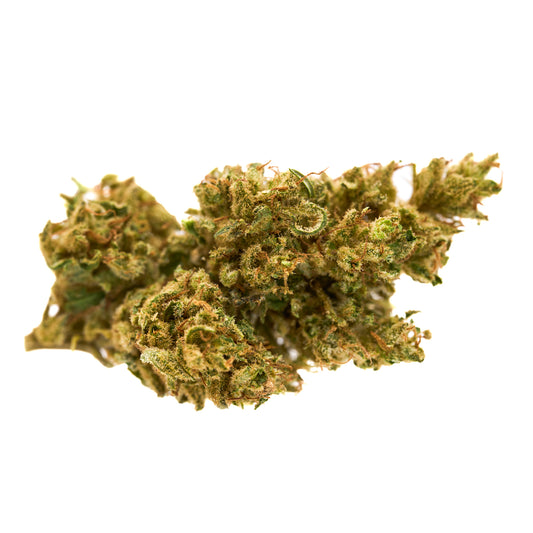
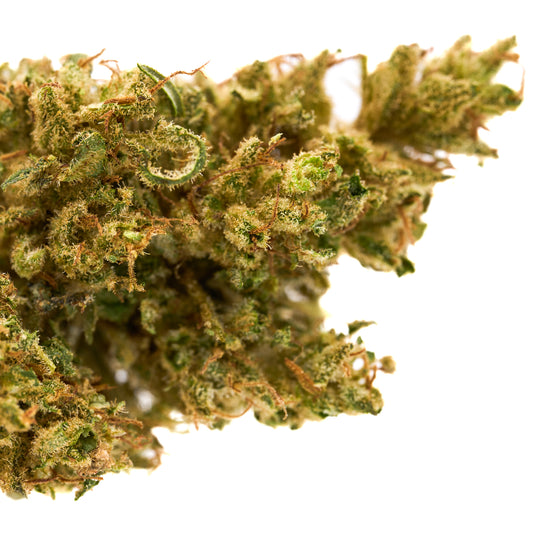
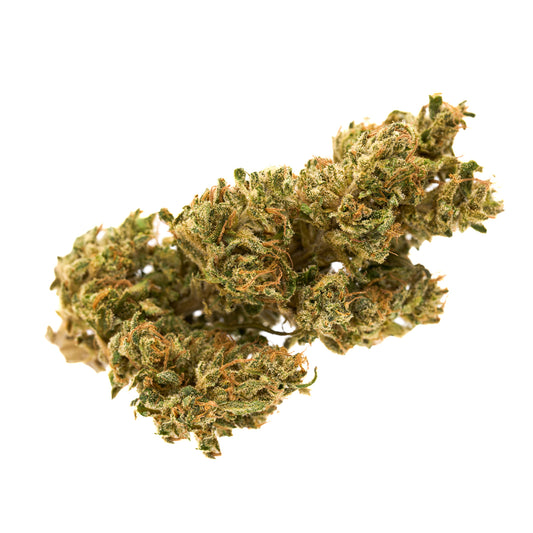
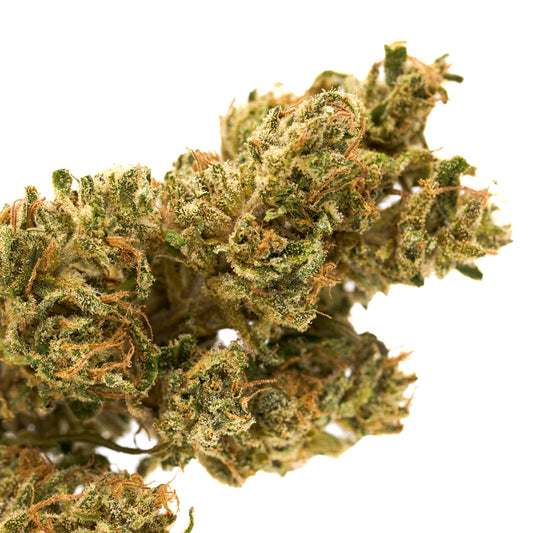




Indoor vs. Outdoor THCA Flower Strains: What's the Difference?

When you're shopping for THCA flower, you've probably noticed labels like "indoor," "outdoor," or "greenhouse" plastered across product listings. At first glance, these might seem like simple descriptors — the kind of marketing language brands use to make their products sound premium or artisanal. But these labels carry real, substantive meaning. They describe the environment in which the plant was grown, and that environment has a direct, measurable impact on cannabinoid content, terpene profile, bud density, visual appeal, and ultimately, the experience you get when you consume it.
If you've ever bought a bag of flower that looked incredible and smoked even better, there's a good chance it was indoor THCA flower. And if you've ever grabbed a budget-friendly option that still delivered a robust, flavorful session, that was probably outdoor or greenhouse-grown. Understanding the distinction doesn't just make you a more informed buyer — it helps you match the right product to your actual needs, whether that's chasing maximum potency, seeking value for bulk use, or landing somewhere in the middle.
This guide breaks down everything you need to know about indoor vs outdoor hemp flower: what each cultivation method involves, how it shapes the final product, what the tradeoffs look like, and how to choose the right option for your lifestyle and budget.
What Is THCA Flower, and Why Does Growing Method Matter?
Before diving into cultivation environments, it's worth establishing what THCA flower actually is. THCA — tetrahydrocannabinolic acid — is the raw, non-psychoactive precursor to THC found in the cannabis plant before heat is applied. In its natural state, THCA doesn't produce intoxication. When you smoke, vaporize, or dab THCA flower, the heat converts THCA into THC through a process called decarboxylation, producing the familiar effects associated with traditional cannabis.
Hemp-derived THCA flower is legal under the 2018 Farm Bill framework as long as the plant's Delta-9 THC content remains at or below 0.3% on a dry weight basis. This makes THCA flower one of the most sought-after products in the hemp market — it functions like conventional cannabis flower, but exists in a unique legal category.
Now here's why the grow method matters so much: the cannabis plant is extraordinarily responsive to its environment. Light intensity, temperature, humidity, airflow, nutrient availability, stress levels, and even the microorganisms in the soil all influence how the plant expresses its genetics. Two plants with identical genetic profiles can produce radically different flowers depending on where and how they were grown. THCA flower cultivation isn't a one-size-fits-all operation — and the differences between methods show up clearly in the jar.

Indoor THCA Flower: Maximum Control, Maximum Quality
What Is an Indoor Grow?
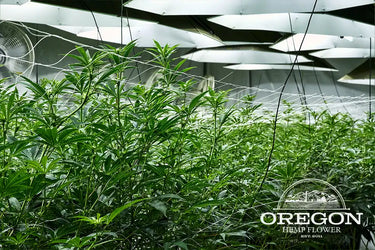
An indoor hemp grow takes place inside a dedicated facility — typically a warehouse, grow room, or purpose-built cultivation center — where every environmental variable is controlled by the grower. Natural sunlight is replaced entirely by artificial lighting, usually high-intensity LEDs or high-pressure sodium (HPS) systems. Temperature, humidity, CO2 levels, airflow, and nutrient delivery are all monitored and adjusted through automated or manual systems.
Indoor grows operate on light cycles that the grower dictates. During the vegetative stage, plants typically receive 18 hours of light and 6 hours of darkness. To trigger flowering, growers switch to a 12/12 cycle. Because there's no dependency on seasons or weather, indoor cultivation can happen year-round, producing multiple harvests annually from the same facility.
Why Indoor Produces Premium Flower
The controlled environment is what sets indoor THCA flower apart from any other cultivation method. When a grower can dial in every variable — temperature, humidity, vapor pressure deficit, light spectrum, and nutrient ratios — plants can be pushed toward their genetic ceiling. There's no heat stress from a scorching August afternoon. There's no humidity spike after a rain shower that could promote mold. There's no unexpected cold snap in late September that stresses the plant mid-flower.
This precision has several direct effects on the finished product:
Bud Density and Structure: Indoor plants typically produce dense, compact nugs with tightly packed calyxes. The controlled airflow and consistent light penetration contribute to bud sites that develop evenly and thoroughly.
Trichome Development: Trichomes are the resin glands that produce cannabinoids and terpenes. Indoor conditions allow these glands to develop to their fullest potential, which is why best indoor THCA flower is often visibly frosted with resin — the kind of bud that leaves residue on your fingers the moment you touch it.
THCA Potency: Indoor cultivation generally produces higher THCA percentages than outdoor or greenhouse methods. Experienced indoor cultivators have developed nutrient programs and lighting protocols specifically designed to maximize cannabinoid output. It's not uncommon to see indoor THCA flower testing above 25% or even 30% THCA on a Certificate of Analysis (COA). This is a significant factor in the THCA flower potency comparison between grow methods.
Terpene Preservation: Because indoor plants aren't subjected to UV degradation from direct sunlight or environmental stressors that can volatilize terpenes, indoor flower tends to preserve its aromatic profile more completely than outdoor-grown counterparts. The result is flower with a vibrant, complex nose — think sharp citrus, funky diesel, sweet candy, or deep earthy pine, depending on the strain.
Visual Appeal: In the cannabis market, bag appeal matters. Indoor-grown flower is almost universally more visually striking than outdoor — brighter colors, more pronounced trichome coverage, tighter bud structure, and more vibrant pistil development. For consumers who care about presentation, indoor is the gold standard.
The Cost of Indoor
There's a reason buy indoor THCA flower typically means paying a premium price. Indoor cultivation is resource-intensive. Electricity costs alone can be staggering — running high-wattage lighting systems, HVAC equipment, dehumidifiers, CO2 systems, and irrigation around the clock adds up fast. Indoor facilities also require more labor for training, monitoring, and harvesting plants. The investment per pound of flower is significantly higher than outdoor, and that cost is passed along to the consumer.
Indoor THCA flower is typically priced at the top of the market. For consumers who prioritize potency, aesthetics, and terpene richness, that premium is often worth it. For high-volume users, the cost may push them toward more affordable alternatives.
Outdoor THCA Flower: Nature Does the Work
What Is Outdoor Cultivation?
Outdoor THCA flower is grown in open-air conditions under natural sunlight, typically planted in the ground or in large containers outdoors. Cultivation is tied to the natural growing season — in most of North America, that means planting in spring after the last frost and harvesting in late September through November when the photoperiod shortens enough to trigger and complete the flowering cycle.
Outdoor plants have access to real sunlight, natural soil ecology, rainfall, and all the environmental inputs that come with growing in the real world. This is the oldest method of cannabis cultivation and, in many ways, the most natural.
The Case for Outdoor-Grown Flower
Outdoor hemp flower quality is often underestimated by consumers who've been conditioned to associate indoor with quality. While it's true that outdoor can't match indoor flower on raw potency metrics or visual appeal, it has real advantages that shouldn't be dismissed.
Terpene Complexity: This is where outdoor flower frequently surprises people. When cannabis plants grow outdoors, they're exposed to natural stressors — wind, UV radiation, temperature fluctuations, varying soil microbiomes, and natural pest pressure. In response to these stressors, plants often produce a broader and more complex terpene profile than their indoor counterparts. This can result in flower with a more nuanced, layered flavor and aroma that experienced consumers find especially satisfying. The terroir effect is real in cannabis, just as it is in wine.
Scale and Yield: Outdoor plants can grow much larger than indoor plants — sometimes reaching six feet or taller — and produce significantly larger yields per plant. This scale efficiency is what makes outdoor cultivation so cost-effective. A single outdoor plant in ideal conditions can produce pounds of flower. Indoor plants are constrained by ceiling height, canopy management, and light penetration.
Affordability: The cost savings from outdoor cultivation are substantial. No electricity for lighting. No HVAC systems running 24/7. Lower labor intensity during the growing season. These savings translate directly into lower prices for consumers. If you're a frequent user, someone who rolls regularly, or a buyer making wholesale purchases, outdoor THCA flower offers exceptional value. You can typically access significantly more product for the same dollar amount compared to indoor.
Environmental Sustainability: Outdoor cultivation has a considerably smaller carbon footprint than indoor. For consumers who factor environmental impact into their purchasing decisions, outdoor-grown flower is the more sustainable choice.
The Limitations of Outdoor
The tradeoffs are real. Outdoor plants are at the mercy of the weather. A rainy season can create conditions favorable for mold and mildew. A drought stresses plants and reduces yield. An early frost can halt flowering prematurely and compromise potency. Pest pressure — insects, deer, birds — requires vigilant management. These uncontrollable variables mean that outdoor harvests can vary significantly from year to year and even batch to batch.
Bud structure on outdoor flower tends to be airier and less dense than indoor. THCA percentages generally top out lower than indoor, though this varies by strain and growing region. The visual presentation is more rustic — outdoor nugs don't have the photogenic quality of indoor flower, though they more than make up for it in character and flavor.
Greenhouse THCA Flower: The Best of Both Worlds
What Are Greenhouse THCA Strains?
Greenhouse THCA strains occupy a thoughtfully engineered middle ground between indoor and outdoor cultivation. A greenhouse uses a transparent or translucent structure — glass, polycarbonate, or plastic film — to house plants while still allowing natural sunlight to reach them. The structure protects plants from rain, wind, pests, and temperature extremes while the sun provides the primary light source.
Modern cannabis greenhouses are often more sophisticated than the term implies. Light deprivation greenhouses use blackout curtains to artificially control the photoperiod, allowing growers to trigger flowering on their timeline rather than waiting for the natural shortening of days in late summer. This dramatically increases the number of harvests possible per year. Climate controls — heating, cooling, and dehumidification — can be incorporated to maintain ideal temperature and humidity ranges.
Why Greenhouse Is Often Underrated
Greenhouse-grown THCA flower is arguably the most underappreciated tier in the market, frequently overshadowed by the allure of indoor's premium positioning and the affordability of outdoor. But for many consumers, greenhouse represents the optimal value proposition.
Terpene Expression: Greenhouse plants benefit from the full spectrum of natural sunlight, which contributes to robust terpene production. Unlike indoor plants under artificial LEDs, greenhouse plants receive real UV and far-red wavelengths that have documented effects on secondary metabolite production — including terpenes. The result is flower with excellent aromatic complexity that rivals and sometimes surpasses indoor terpene profiles.
Quality Consistency: The protective structure of a greenhouse eliminates the most damaging weather variables — heavy rain, wind damage, temperature extremes — while retaining the benefits of natural light. This means greenhouse harvests are more consistent year over year than outdoor, and the flower has better structural integrity and lower risk of mold contamination.
Potency: Greenhouse-grown THCA flower can test quite high, often coming in between outdoor and indoor averages. With light deprivation techniques and skilled cultivation, greenhouse operators can push THCA percentages into competitive ranges while maintaining lower production costs than indoor.
Price Point: Greenhouse flower is typically priced between outdoor and indoor, making it accessible to a wider range of consumers. For those who want premium-quality flower without the premium indoor price tag, greenhouse THCA is a genuinely compelling option.

THCA Flower Potency Comparison: Indoor vs. Outdoor vs. Greenhouse
One of the most common questions shoppers ask is how THCA flower potency comparison breaks down across these three methods. Here's a general breakdown based on what the market consistently shows:
Indoor THCA Flower: Typically tests between 20–30%+ THCA. High-end indoor strains from skilled cultivators regularly push past 25%. The combination of controlled environments, dialed-in nutrition, and optimized lighting makes indoor the highest-potency tier as a general rule.
Greenhouse THCA Flower: Typically tests between 15–25% THCA. With light deprivation and modern techniques, top greenhouse operations produce flower that competes closely with indoor. The gap is narrowing as greenhouse cultivation technology improves.
Outdoor THCA Flower: Typically tests between 12–20% THCA, with most batches landing in the 15–18% range. While this is lower than indoor averages, it's still highly potent flower capable of delivering strong effects, especially when the terpene profile amplifies the experience.
It's worth noting that THCA percentage isn't the only factor in perceived potency and quality. The entourage effect — the synergistic interaction between cannabinoids, terpenes, and other plant compounds — means that a well-grown outdoor or greenhouse flower with a rich terpene profile can deliver an experience that competes with higher-THCA indoor flower.
How to Choose the Right THCA Flower for Your Needs
Understanding THCA flower cultivation methods is only useful if you can apply that knowledge to your own purchasing decisions. Here's a straightforward framework:
Choose Indoor If:
- Maximum THCA potency is your primary concern
- Bag appeal and visual quality matter to you
- You're buying flower for special occasions or gifting
- You want the richest, most preserved terpene experience
- Budget is less of a constraint
Choose Greenhouse If:
- You want excellent quality at a more accessible price point
- Terpene complexity and flavor are high priorities
- You're a daily user who wants consistent quality without indoor pricing
- You appreciate the balance of natural growing conditions with structural protection
Choose Outdoor If:
- You're a high-volume user who rolls, blunts, or uses flower frequently
- You're purchasing in bulk or wholesale quantities
- Value and affordability are your primary drivers
- You appreciate the complex, natural terpene profiles that environmental stress produces
- You're committed to more sustainable consumption practices
Reading the COA: What to Look for Regardless of Grow Method
Whichever cultivation method you choose, always verify your purchase with a Certificate of Analysis (COA). A COA from an accredited third-party lab will confirm:
THCA Percentage: The most important number for most buyers. Confirm that what's listed on the product matches the lab results.
Delta-9 THC: Must be at or below 0.3% for federal hemp compliance. This is non-negotiable for legally compliant THCA flower.
Total Cannabinoid Profile: Look for the full cannabinoid panel, including CBD, CBG, CBN, and other minor cannabinoids that contribute to the overall experience.
Terpene Panel: Premium products will include a terpene analysis. This tells you the specific aromatic compounds present and helps you anticipate the flavor, aroma, and potential effects of the flower.
Pesticide, Heavy Metal, and Microbial Screening: A comprehensive COA will include contaminant testing. This is especially important for outdoor-grown flower, which may be exposed to agricultural inputs or environmental contaminants.
Moisture Content: Some labs include moisture content, which affects weight, shelf life, and smokability. Ideal moisture for cannabis flower is typically between 10–13%.
Where to Buy Quality Indoor THCA Flower
When you're ready to buy indoor THCA flower — or compare it to greenhouse and outdoor options — sourcing from a reputable, transparent supplier is essential. Look for brands that clearly disclose grow method on every product listing, provide current COAs with each batch, and can speak knowledgeably about their cultivation partners and practices.
The best indoor THCA flower comes from cultivators who specialize in cannabis genetics, run clean facilities, and prioritize both potency and terpene expression. When evaluating an indoor hemp grow operation's output, ask whether the flower was hand-trimmed or machine-trimmed (hand-trimming preserves more trichomes), how it was cured and stored, and whether the brand can provide batch-specific COAs rather than generic lab results.
For outdoor hemp flower quality, look for brands that disclose the growing region — terroir matters, and states like Oregon, California, and Colorado have established reputations for high-quality outdoor cannabis cultivation. Ask about harvest dates and whether the flower has been properly dried and cured.
For greenhouse THCA strains, seek out operations that use light deprivation techniques and climate controls. These facilities produce the most consistent, reliable greenhouse flower on the market.
Frequently Asked Questions
Is indoor THCA flower always better than outdoor?
Not necessarily. "Better" depends on what you value. Indoor consistently wins on potency, visual appeal, and trichome density. But outdoor often wins on flavor complexity and value. For many consumers, a high-quality outdoor or greenhouse product delivers a more satisfying experience than a mediocre indoor grow. Quality within each category varies significantly, so always check COAs and buy from trusted sources.
Why does indoor THCA flower cost so much more?
Indoor cultivation requires significant investment in infrastructure, lighting, HVAC, and labor. Electricity costs alone make indoor flower significantly more expensive to produce than outdoor. Those costs are reflected in retail pricing. When you pay a premium for indoor THCA flower, you're paying for the controlled conditions and the consistently high-quality results they produce.
Can outdoor THCA flower be as potent as indoor?
In exceptional cases, yes — particularly with high-THCA genetics grown in ideal outdoor environments with skilled cultivation practices. But as a general rule, outdoor hemp flower quality in terms of raw THCA percentage typically falls below indoor averages. That said, potency isn't everything. A lower-THCA outdoor flower with a rich, complex terpene profile can deliver a fuller experience than a high-THCA indoor flower with minimal terpene expression.
What does "light dep" mean on greenhouse flower labels?
"Light dep" is short for light deprivation — a technique used in greenhouse cultivation where blackout tarps are pulled over the structure to artificially shorten the day length and trigger early flowering. It allows greenhouse operators to harvest multiple times per year and have tighter control over harvest timing, much like indoor cultivators. Greenhouse THCA strains grown with light dep often have better structure and consistency than uncovered greenhouse or traditional outdoor.
How do I know if a THCA flower product is truly indoor-grown?
Look for transparency from the brand. Reputable sellers will specify grow method on the product listing and provide COAs that can help verify claims. Truly indoor flower should have dense bud structure, heavy trichome coverage, and THCA percentages generally above 20%. If a product is labeled indoor but testing at 12% THCA with loose, airy buds, that's a red flag worth investigating.
Is outdoor THCA flower a good option for bulk purchases?
Absolutely. Outdoor THCA flower is one of the best options for high-volume purchasing. The price-per-gram is significantly lower than indoor, the yields are large and consistent with quality harvests, and the terpene profiles can be excellent. For users who roll frequently, use flower in multiple formats, or purchase in large quantities, outdoor-grown is often the smartest choice.
Does cultivation method affect the legal status of THCA flower?
No. Whether indoor vs outdoor hemp flower, the legal classification under the 2018 Farm Bill depends entirely on the plant's Delta-9 THC content at harvest — not where or how it was grown. Any hemp-derived THCA flower at or below 0.3% Delta-9 THC on a dry weight basis is federally compliant, regardless of cultivation environment.
What's the best way to store THCA flower from different grow methods?
Regardless of grow method, cannabis flower should be stored in airtight glass containers away from light, heat, and humidity. Indoor flower with its higher trichome content can be slightly more sensitive to heat and light degradation. Outdoor flower, being naturally more robust, holds up reasonably well in storage. The target storage environment for all THCA flower is 60–65°F with 58–62% relative humidity for optimal freshness and potency preservation.
Final Thoughts
The grow method behind your THCA flower isn't just a marketing detail — it's one of the most meaningful factors shaping the product in your hands. Indoor THCA flower delivers maximum potency and premium aesthetics at a premium price. Outdoor THCA flower offers unmatched value, impressive terpene complexity, and a natural growing philosophy that resonates with many consumers. Greenhouse THCA strains occupy a compelling middle ground — quality-forward, consistently grown, and priced for accessibility.
The right choice comes down to your priorities. High potency and bag appeal? Go indoor. Complex flavor and everyday value? Greenhouse is often the best-kept secret in the market. Bulk buying and rolling on the regular? Outdoor delivers more product for your dollar than any other option.
Whatever you choose, the keys are always the same: verify the grow method, check the COA, and buy from suppliers who are transparent about their cultivation practices. When you apply that approach to THCA flower cultivation sourcing, you'll consistently find products that meet your expectations — and often exceed them.
