



Indoor vs Outdoor CBD Flower: Quality and Price Differences

When shopping for premium CBD flower, you'll quickly notice significant price variations between products that look remarkably similar. The secret behind these differences? The cultivation method. Understanding the distinction between indoor vs outdoor CBD flower is essential for making informed purchasing decisions that balance quality expectations with budget constraints.
The cultivation environment profoundly impacts everything from cannabinoid potency and terpene preservation to visual appeal and price point. Whether you're seeking the absolute best CBD flower quality for special occasions or looking for reliable outdoor grown CBD flower quality for daily wellness routines, knowing what each growing method delivers helps you get maximum value from every purchase.
This comprehensive guide breaks down the real differences between indoor CBD flower, outdoor CBD flower, and greenhouse grown alternatives, examining quality factors, pricing structures, and helping you determine which cultivation method best serves your specific needs.
Indoor CBD Flower Explained: Precision-Controlled Perfection
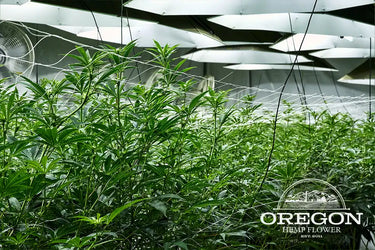
Indoor CBD flower represents the pinnacle of controlled cannabis cultivation, where every environmental variable is meticulously managed to produce premium-grade hemp flower. Cultivators growing indoor hemp flower create artificial ecosystems that replicate ideal growing conditions year-round, regardless of external weather patterns or seasonal changes.
Controlled Environment Benefits
The primary advantage of indoor grown hemp lies in environmental precision. Indoor cultivation facilities maintain exact temperature ranges, typically between 70-85°F during light periods and slightly cooler during dark cycles. Humidity levels are controlled to optimal ranges that prevent mold while supporting robust cannabinoid and terpene production. Carbon dioxide enrichment, advanced air circulation systems, and spectrum-specific LED or HPS lighting create conditions that wild cannabis plants could never consistently experience in nature.
This level of control translates directly to product consistency. When you purchase premium CBD flower indoor varieties from reputable sources like Oregon Hemp Flower's latest THCA releases, you're receiving flower grown under identical conditions batch after batch, ensuring predictable effects and reliable quality standards.
Appearance: Visual Excellence
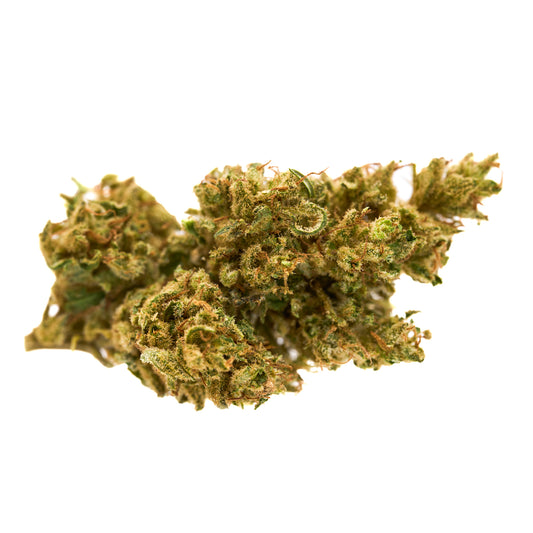
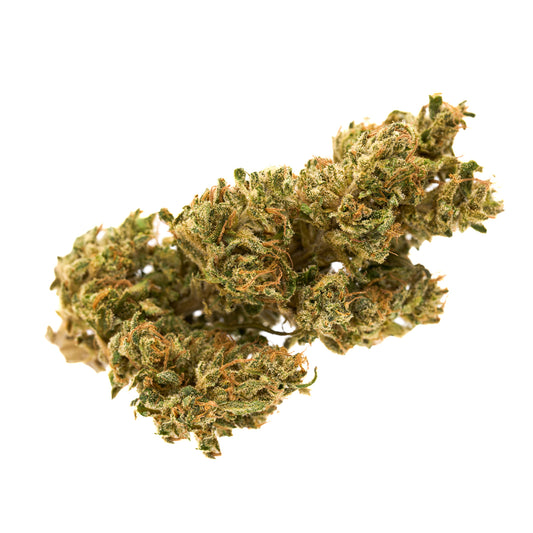
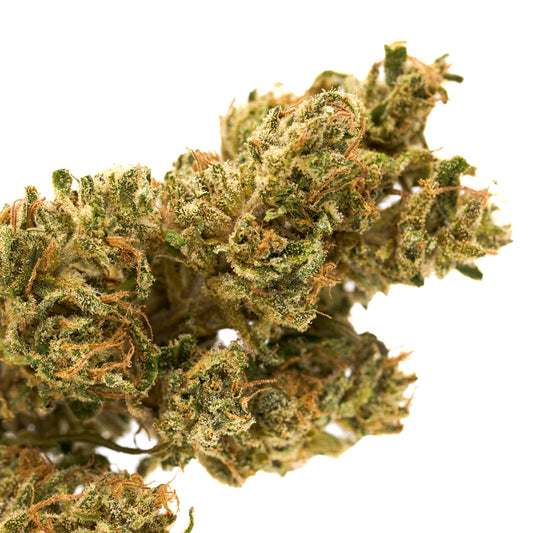
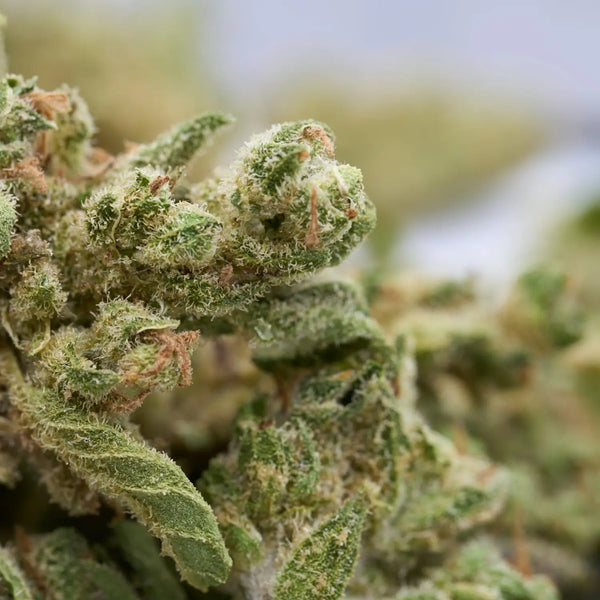
Indoor CBD flower typically exhibits superior bag appeal compared to outdoor alternatives. The buds develop incredibly dense structures with tightly packed calyxes, creating substantial weight in compact formations. The trichome production under optimized indoor lighting is remarkable, with flowers often appearing heavily frosted with glistening resin glands that shimmer under light.
Color vibrancy reaches peak expression in indoor environments. Purple phenotypes display deep, rich purples and violets. Green strains show bright, healthy emerald tones without the sun-bleaching that can occur outdoors. Orange pistils maintain brilliant coloration rather than fading to brown. This visual appeal isn't merely aesthetic—it often correlates with proper terpene preservation and optimal harvest timing.
Terpene Preservation: Aromatic Superiority
The question "is indoor CBD flower better" for terpene content has a scientifically supported answer: generally yes. Indoor cultivation allows growers to optimize conditions specifically for terpene production and preservation. Temperature control prevents terpene degradation that occurs in extreme heat, while humidity management supports essential oil production in trichome heads.
Many indoor facilities implement deliberate temperature drops during the final weeks before harvest, stressing plants in controlled ways that boost terpene production as a natural defense response. The result is indoor hemp flower benefits that include more pronounced aromatic profiles, with individual terpenes expressing themselves clearly rather than being masked or degraded by environmental stress.
Potency Consistency
CBD flower cultivation indoors delivers remarkable cannabinoid consistency. Without weather variables affecting plant metabolism, indoor-grown plants convert nutrients into cannabinoids with predictable efficiency. Lab testing of indoor batches typically shows tight potency ranges, with minimal variation between individual buds from the same harvest.
This consistency matters for consumers using CBD for specific wellness purposes. When you find an indoor strain that works well for your needs, subsequent purchases deliver nearly identical experiences. This reliability justifies premium pricing for many consumers who prioritize predictable effects over cost savings.
Cost Factors: Understanding Premium Pricing
Anyone wondering "why is indoor CBD more expensive" needs to understand the substantial operational costs involved. Indoor facilities require significant capital investment in infrastructure including grow rooms, environmental control systems, lighting arrays, and security installations. Monthly operating expenses are considerable, with electricity costs for lighting, climate control, and dehumidification representing the largest ongoing expense.
Labor costs run higher for indoor operations as well. The intensive nature of indoor cultivation requires skilled growers monitoring plants multiple times daily, adjusting nutrients, pruning, training plants, and maintaining equipment. These specialized labor requirements increase production costs per pound compared to large-scale outdoor farming.
Typical Price Range
Indoor CBD flower typically retails between $80-$200 per ounce for craft-quality products, with exceptional small-batch varieties sometimes commanding even higher prices. These prices reflect not only production costs but also the premium quality, consistency, and bag appeal that discerning consumers seek. For those prioritizing absolute quality, browsing premium indoor THCA releases provides access to top-tier cultivars that showcase what modern indoor cultivation can achieve.
Outdoor CBD Flower Explained: Nature's Approach
Outdoor CBD flower represents cannabis cultivation in its most natural form, with plants grown directly in soil under natural sunlight. This traditional CBD flower growing methods approach has sustained cannabis cultivation for thousands of years and continues producing quality hemp flower for cost-conscious consumers.
Natural Sunlight Growing
Sun grown CBD flower harnesses the full spectrum of natural sunlight, which no artificial lighting system can perfectly replicate. The sun provides wavelengths from UV to infrared, supporting complete plant metabolism and potentially producing unique terpene profiles. Plants grown under natural light often develop more robust root systems, accessing greater soil volumes and diverse microbial communities that indoor plants rarely experience.
Outdoor cultivation cycles follow natural photoperiods, with plants vegetating through spring and early summer before flowering as daylight hours decrease in late summer and fall. This natural rhythm allows plants to grow substantially larger than indoor counterparts, with some outdoor hemp plants reaching heights of 8-12 feet and producing multiple pounds of flower per plant.
Appearance: Natural Variation
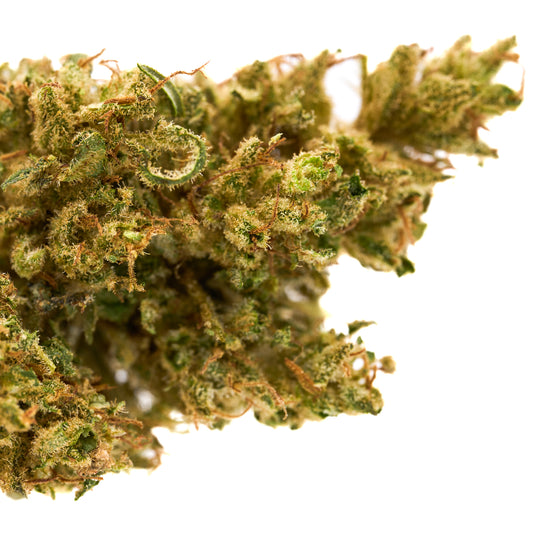
The difference between indoor and outdoor hemp flower becomes immediately apparent in physical appearance. Outdoor CBD flower typically features looser bud structure with more space between calyxes. Outdoor flowers often appear leafier, with larger sugar leaves that weren't removed as meticulously as indoor flowers. The overall presentation tends toward natural rather than manicured perfection.
Trichome coverage on outdoor flower varies more significantly. While quality outdoor crops can produce impressive resin, the trichome heads are often smaller and less uniform than indoor flowers. Color can vary within single plants and certainly across fields, with sun exposure creating lighter tones on top colas and deeper greens on shaded lower branches.
This natural variation doesn't necessarily indicate inferior quality—it simply reflects real-world growing conditions. Many consumers appreciate the authentic, unmanicured appearance of outdoor grown CBD flower quality products, viewing them as more genuine expressions of the plant.
Terpene Profile: Surprising Excellence
While conventional wisdom suggests indoor flower has superior terpenes, exceptional outdoor cultivators can produce remarkably aromatic flower. When outdoor CBD flower is grown in optimal climates, harvested at peak ripeness, and dried properly, the terpene profiles can rival indoor competitors. Some connoisseurs argue that sun-grown terpenes express more complex, nuanced profiles with subtle notes that indoor cultivation can't quite replicate.
The key lies in climate selection and cultivation timing. Outdoor hemp grown in regions with moderate temperatures, low humidity, and harvest windows before autumn rains can develop fantastic terpene content. However, outdoor cultivation faces higher risks of terpene degradation from temperature extremes, rain before harvest, or prolonged field drying times.
Seasonal Harvests
Unlike year-round indoor production, outdoor hemp arrives in distinct seasonal waves. North American outdoor hemp typically gets harvested between late September and early November, flooding the market with fresh flower through winter and spring. By summer, much outdoor flower has been sitting for 8-10 months, potentially losing terpene content and overall freshness.
This seasonality affects both availability and pricing. Fresh outdoor harvests often see lower prices as supply peaks, while late-season outdoor inventory may be discounted further to clear space for new crops. Savvy consumers can capitalize on these cycles, purchasing fresh outdoor flower at harvest time for optimal quality and value.
Environmental Sustainability
Outdoor CBD flower offers significant environmental advantages. Natural sunlight requires no electricity, eliminating the massive carbon footprint associated with indoor lighting. Outdoor hemp can be grown using regenerative agricultural practices that build soil health, sequester carbon, and support biodiversity. Water usage, while still substantial, can be optimized through drip irrigation or natural rainfall in appropriate climates.
For environmentally conscious consumers, the sustainability profile of sun-grown hemp represents a compelling reason to choose outdoor flower despite potential quality trade-offs. Supporting outdoor cultivation aligns with reducing cannabis industry carbon emissions while often supporting small family farms rather than large-scale commercial operations.
Lower Cost Structure
The economic efficiency of outdoor cultivation is undeniable. Without climate control systems, expensive lighting, or year-round labor requirements, outdoor hemp production costs a fraction of indoor cultivation expenses per pound. Large-scale outdoor farms can produce quality hemp flower for $100-$300 per pound, compared to $800-$1,500 per pound for quality indoor flower.
Typical Price Range
Outdoor CBD flower typically retails between $30-$80 per ounce, making it accessible for consumers who use hemp flower regularly or in larger quantities. While it may lack the visual perfection of indoor flower, quality outdoor hemp from reputable sources delivers solid cannabinoid content and satisfying effects at prices that enable daily use without financial strain.
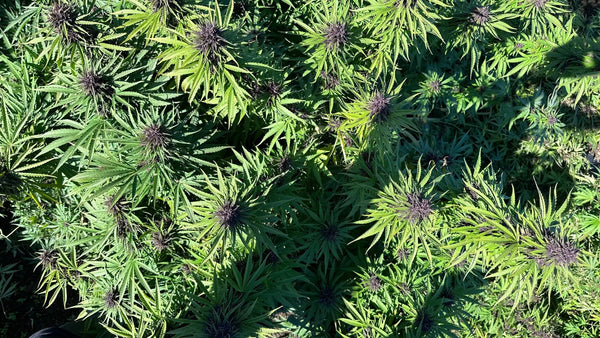
Greenhouse Cultivation: The Middle Ground
Greenhouse CBD flower represents an innovative compromise between fully controlled indoor environments and natural outdoor growing. This hybrid approach combines natural sunlight with supplemental environmental controls, creating a cultivation method that many cultivators and consumers consider the sweet spot in the indoor vs outdoor CBD flower debate.
Light Supplementation
Greenhouse cultivation harnesses free solar energy as the primary light source while adding supplemental lighting during shorter winter days or cloudy periods. This approach reduces electricity costs dramatically compared to full indoor cultivation while maintaining more consistent light levels than purely outdoor growing. The combination of natural sunlight's full spectrum with targeted supplementation creates excellent conditions for both cannabinoid and terpene production.
Modern greenhouse operations use light deprivation techniques, covering plants with blackout tarps to control photoperiods artificially. This allows multiple harvests per year rather than single outdoor crops, improving production efficiency while maintaining the benefits of natural sunlight.
Environmental Control
While greenhouses can't match the precision of sealed indoor rooms, they offer substantial environmental management capabilities. Automated venting systems regulate temperature, evaporative cooling drops temperatures during heat waves, and supplemental heating protects plants during cold snaps. Humidity control, while less precise than indoor environments, can be managed through ventilation and dehumidification systems.
This moderate level of control prevents the extreme environmental stress that can damage outdoor crops while avoiding the intensive resource consumption of full indoor cultivation. Greenhouse hemp generally shows more consistency than outdoor crops with considerably lower production costs than indoor flower.
Quality-to-Price Ratio
Greenhouse CBD flower occupies a compelling middle position in both quality and price. Properly grown greenhouse hemp often exhibits better visual appeal than outdoor flower, with denser buds, better trichome coverage, and more vibrant colors. Terpene profiles typically surpass outdoor crops while approaching indoor quality. Potency consistency falls between outdoor variability and indoor precision.
Pricing reflects this middle ground, with quality greenhouse flower typically retailing between $50-$120 per ounce. For many consumers, greenhouse represents the optimal value proposition—substantially better quality than outdoor flower without the premium pricing of top-tier indoor cultivars.
Best of Both Worlds?
Many cultivators argue that greenhouse methods combine the best CBD flower quality attributes from both approaches. Natural sunlight provides benefits no artificial lighting replicates, while controlled environments protect plants from weather extremes and pest pressures. The result is hemp flower that expresses authentic sun-grown characteristics while maintaining the consistency and visual appeal consumers expect from premium products.
For consumers exploring new THCA releases, greenhouse-grown options often deliver exceptional value, providing most of the quality benefits associated with indoor flower at prices closer to outdoor ranges.
Quality Comparison: What Really Matters
Understanding how cultivation methods affect specific quality metrics helps consumers make informed decisions based on their priorities rather than marketing claims.
Cannabinoid Content
Laboratory testing reveals that cultivation method affects cannabinoid content less than genetics and harvest timing. Quality indoor CBD flower, outdoor CBD flower, and greenhouse-grown hemp can all achieve impressive CBD percentages—typically ranging from 15% to 25% CBD by dry weight for well-bred cultivars. The primary difference lies in consistency rather than peak potency. Indoor flower shows tighter potency ranges across batches, while outdoor crops may vary by several percentage points depending on that season's growing conditions.
What matters most is genetics, proper nutrition, and harvest timing at peak cannabinoid production. A well-grown outdoor plant harvested perfectly can exceed cannabinoid levels in poorly timed indoor crops.
Terpene Profiles
Terpene content represents the most significant quality difference between cultivation methods. Indoor hemp flower benefits include superior terpene preservation, with careful climate control preventing the degradation that occurs during outdoor temperature swings. Indoor flower typically retains 2-3% total terpenes by weight, while outdoor crops often test at 1-2% depending on harvest and drying conditions.
However, terpene preservation during post-harvest processing matters enormously. Outdoor flower dried slowly in controlled environments can retain impressive terpene content, while indoor flower dried too quickly or stored improperly loses aromatic potency. The key is gentle drying, proper curing, and appropriate storage regardless of cultivation method.
Bag Appeal
Visual presentation clearly favors premium CBD flower indoor varieties. Dense, frost-covered buds with vibrant colors and minimal stem matter create strong bag appeal that commands premium prices. Greenhouse flower achieves respectable visual quality, while outdoor flower typically shows looser structures and more natural, unmanicured appearances.
For consumers who prioritize effects over aesthetics, bag appeal shouldn't drive purchasing decisions. However, visual quality often correlates with proper growing conditions and careful handling throughout production, making appearance a useful quality indicator.
Smoothness and Harshness
Smoke smoothness depends more on drying, curing, and flushing practices than cultivation environment. Indoor CBD flower has slight advantages here, as controlled environments reduce dust, pollen, and particulate matter that can make smoke harsher. Outdoor flower may accumulate environmental debris that requires more thorough washing or filtering.
Proper flushing—feeding plants only water for the final weeks before harvest—removes residual nutrients that can create harsh smoke. Both indoor and outdoor operations can flush properly, though indoor cultivators typically manage this process more precisely.
Contamination Risks
Outdoor grown CBD flower quality faces higher contamination risks from environmental sources. Outdoor crops may encounter pesticide drift from neighboring farms, heavy metal accumulation from contaminated soils, and mold spores from natural sources. However, indoor cultivation isn't immune—poor air filtration, inadequate sanitation, or contaminated water supplies can introduce problems in any environment.
The solution lies in comprehensive testing rather than assumptions about cultivation method. Reputable producers test all flower for heavy metals, pesticides, microbials, and mycotoxins regardless of growing environment.
Lab Testing for Both: What to Look For
Regardless of cultivation method, comprehensive laboratory testing represents the only reliable quality verification method. Third-party testing should confirm cannabinoid potency, terpene profiles, and safety screening for contaminants.
Cannabinoid panels verify advertised CBD percentages while detecting other cannabinoids like CBG, CBN, and trace THC. Terpene analysis identifies specific aromatic compounds, helping consumers select strains with desired effects. Pesticide screening tests for hundreds of agricultural chemicals, ensuring flower meets safety standards. Heavy metals testing checks for lead, arsenic, cadmium, and mercury. Microbial analysis detects harmful bacteria, yeast, and mold. Mycotoxin screening identifies toxic mold metabolites that can develop during improper storage.
Reputable vendors provide easy access to current lab reports. When exploring THCA flower options, look for suppliers who post complete test results prominently, demonstrating transparency and commitment to consumer safety.
Price Comparison Analysis
The indoor vs outdoor CBD flower price differential reflects genuine production cost differences rather than arbitrary markups. Understanding these economics helps consumers evaluate value propositions across product ranges.
Indoor CBD flower pricing of $80-$200 per ounce reflects $1,000-$2,500 per pound production costs when accounting for facilities, electricity, labor, and overhead. Premium small-batch operations may incur even higher costs per pound.
Outdoor CBD flower at $30-$80 per ounce corresponds to production costs of $200-$500 per pound, with large-scale operations achieving even lower unit costs through economies of scale.
Greenhouse CBD flower occupies the middle at $50-$120 per ounce, reflecting moderate production costs that leverage natural sunlight while maintaining environmental controls.
From a pure cost-effectiveness standpoint, outdoor flower delivers maximum CBD content per dollar spent. However, consumers should consider total value including consistency, terpene content, and intended use rather than focusing solely on price per gram of CBD.
When to Choose Indoor: Premium Occasions
Indoor CBD flower makes the most sense in specific contexts where quality justification outweighs cost considerations. Special occasions where you want to impress guests or celebrate milestones deserve premium flower that showcases exceptional appearance and aroma. Seeking specific terpene profiles for targeted effects may require indoor precision, as certain cultivars only express their full potential under optimized conditions.
Consumers exploring CBD flower growing methods to replicate professionally for personal use often start by experiencing high-quality indoor flower to understand what optimal cultivation produces. Those with low tolerance or specific sensitivity to terpenes benefit from indoor flower's consistency and purity. For gift giving, premium indoor grown hemp makes impressive presents that communicate quality and thoughtfulness.
When to Choose Outdoor: Daily Value
Outdoor CBD flower serves perfectly for regular consumers who use hemp flower daily and prioritize cost efficiency. The difference between indoor and outdoor hemp flower quality becomes less significant when consuming flower consistently—your body responds to cannabinoid content rather than trichome density.
Budget-conscious consumers can stretch dollars further with outdoor options, enabling regular use without financial stress. Those making edibles, tinctures, or topicals should strongly consider outdoor flower, as extraction processes negate visual appearance advantages while maintaining cannabinoid potency. Environmentally focused consumers appreciate outdoor cultivation's lower carbon footprint and support for sustainable agriculture.
Large-volume consumers purchasing ounces or more monthly benefit enormously from outdoor pricing, potentially saving hundreds of dollars annually while maintaining effective CBD supplementation.
Common Misconceptions Debunked
Several persistent myths about indoor vs outdoor CBD flower deserve correction. The assumption that indoor flower is always more potent than outdoor alternatives lacks scientific support—genetics and harvest timing matter more than environment. Well-grown outdoor hemp regularly achieves 20%+ CBD levels.
The belief that outdoor flower contains more contaminants isn't universally true. While outdoor cultivation faces different contamination risks, proper testing identifies problems regardless of growing method. Many outdoor operations maintain stricter organic standards than indoor facilities using synthetic nutrients.
Some consumers think sun grown CBD flower can't produce quality terpene profiles. Exceptional outdoor cultivators in optimal climates prove otherwise, producing complex aromatic hemp that rivals indoor alternatives. The key lies in climate selection and skilled cultivation rather than environment alone.
The idea that price directly correlates with quality is oversimplified. While premium CBD flower indoor varieties often justify higher prices through superior attributes, some outdoor operations produce exceptional flower that outperforms poorly grown indoor alternatives despite lower pricing.
How to Identify Cultivation Method
Distinguishing cultivation methods when lab reports don't specify growing conditions requires observing multiple quality indicators. Indoor CBD flower typically shows dense, compact buds with substantial weight for their size, heavy trichome coverage creating pronounced frostiness, vibrant colors without sun bleaching or environmental fading, minimal stem and leaf matter due to careful manicuring, and uniform appearance across buds from the same batch.
Outdoor CBD flower characteristics include looser bud structure with visible space between calyxes, more sugar leaves and stem material, color variation reflecting different sun exposure levels, varied trichome density across different bud sections, and sometimes minor sun bleaching on heavily exposed areas.
Greenhouse flower splits the difference, displaying moderate density falling between indoor and outdoor extremes, good trichome coverage approaching indoor levels, relatively consistent coloring with some natural variation, and decent manicuring that removes excess leaf material without intensive hand-trimming.
Seasonal Availability Issues
Understanding seasonal patterns helps consumers time purchases strategically. Outdoor CBD flower arrives fresh from September through November as harvests complete, with peak freshness and terpene content during fall and early winter. By spring and summer, most outdoor flower has aged 6-9 months, potentially losing aromatic potency though cannabinoid content remains stable.
Indoor grown hemp maintains year-round availability with consistent freshness, as perpetual harvest systems provide continuous production. New indoor batches arrive monthly or quarterly depending on facility size and strain rotation.
Greenhouse CBD flower may arrive in 2-3 annual waves as facilities complete harvest cycles, offering more frequent fresh batches than outdoor cultivation with better consistency than single annual harvests.
Smart consumers can leverage seasonality by purchasing fresh outdoor flower at harvest for immediate use, stocking up on premium indoor or greenhouse varieties they particularly enjoy when available, and adjusting expectations about outdoor flower quality as seasons progress.
FAQ Section
Is indoor CBD flower better than outdoor?
The answer depends on your priorities. Indoor CBD flower typically offers superior visual appeal, more consistent potency, and better terpene preservation, making it "better" for consumers prioritizing maximum quality and consistency. However, outdoor CBD flower provides excellent value for regular users, delivers solid cannabinoid content, and supports environmental sustainability. Many consumers find that the difference between indoor and outdoor hemp flower matters less than finding reliably tested, properly stored flower from reputable sources.
Why is indoor CBD more expensive?
Indoor hemp flower benefits come with substantial production costs. Indoor facilities require major capital investment in infrastructure, climate control systems, and lighting. Electricity costs for running powerful grow lights 12-18 hours daily represent the largest ongoing expense. Indoor cultivation demands intensive skilled labor for daily plant monitoring and maintenance. These factors combine to create production costs 3-5 times higher than outdoor cultivation, which natural sunlight reduces dramatically.
Does outdoor grown CBD flower quality match indoor?
Quality outdoor grown CBD flower can absolutely match indoor alternatives in cannabinoid content and effects. The primary differences appear in consistency, terpene preservation, and visual presentation rather than fundamental quality. Outdoor flower from optimal climates, harvested at peak ripeness and processed carefully, delivers satisfying experiences at substantially lower prices. The question isn't whether outdoor grown CBD flower quality matches indoor, but rather which attributes matter most for your specific needs.
What is the difference between sun grown and indoor hemp flower?
Sun grown CBD flower utilizes natural sunlight providing the full spectrum of wavelengths supporting complete plant development, whereas indoor cultivation uses artificial lighting replicating specific wavelength combinations. Sun-grown plants typically grow larger with more extensive root systems but face variable weather conditions. Indoor plants develop under perfectly consistent conditions but in restricted spaces. Sun-grown hemp often costs less due to eliminated lighting expenses, while indoor provides superior consistency and control.
Can you tell if CBD flower is indoor or outdoor?
Yes, with practice. Indoor CBD flower typically displays denser bud structure, more uniform appearance, heavier trichome coverage, and vibrant colors. Outdoor CBD flower shows looser buds, more natural color variation, visible environmental variation, and less intensive manicuring. However, high-quality greenhouse CBD flower and outdoor flower can challenge even experienced consumers to distinguish from indoor alternatives without knowing the source.
Is greenhouse CBD flower a good compromise?
Absolutely. Greenhouse CBD flower combines advantages from both approaches—leveraging free solar energy while maintaining environmental controls. Quality greenhouse hemp often exhibits visual appeal and terpene content approaching indoor standards while offering prices closer to outdoor ranges. For value-conscious consumers seeking quality above basic outdoor flower without paying premium indoor prices, greenhouse represents an excellent middle ground. Browse quality greenhouse and indoor options to compare across cultivation methods.
How should I store CBD flower to maintain quality?
Regardless of cultivation method, proper storage preserves quality over time. Store flower in airtight containers protecting from oxygen exposure, keep containers in cool, dark locations away from direct light and heat, and maintain moderate humidity levels around 58-62% using humidity control packs. Avoid refrigeration creating condensation, and never store flower in plastic bags for extended periods. Proper storage maintains both indoor hemp flower benefits and outdoor flower quality for months beyond harvest.
Which cultivation method produces the highest CBD percentages?
Cultivation method affects CBD potency less than genetics and plant health. Both indoor CBD flower and outdoor CBD flower regularly achieve 15-25% CBD content from quality genetics. Indoor cultivation provides more consistency batch-to-batch, while outdoor potency varies more with seasonal conditions. However, peak CBD percentages depend primarily on genetic potential and optimal harvest timing rather than growing environment. Well-cultivated outdoor hemp frequently matches or exceeds poorly timed indoor crops in cannabinoid content.
Conclusion: Making Your Choice
The indoor vs outdoor CBD flower decision ultimately reflects personal priorities balancing quality expectations, budget constraints, and intended uses. Neither cultivation method is universally "better"—each serves specific consumer needs and preferences.
Choose indoor CBD flower when you prioritize consistency, visual appeal, and maximum terpene expression. The controlled environment of indoor grown hemp delivers reliable experiences perfect for special occasions, gifting, or when you're seeking specific effects from particular strains. While prices run higher, many consumers find the premium worthwhile for the elevated experience.
Select outdoor CBD flower when cost efficiency enables regular use without financial stress. Quality sun grown CBD flower provides solid cannabinoid content supporting daily wellness routines while leaving budget room for other priorities. The environmental benefits of sun grown CBD flower appeal to sustainability-minded consumers, and many users find that outdoor grown CBD flower quality perfectly satisfies their needs.
Consider greenhouse CBD flower when seeking optimal value—quality approaching indoor standards at prices closer to outdoor ranges. The greenhouse compromise delivers enough quality to satisfy discerning consumers while maintaining accessibility for regular use.
Regardless of cultivation preference, prioritize vendors providing complete lab testing, transparent sourcing information, and proper storage maintaining freshness. Exploring different CBD flower cultivation methods helps you discover personal preferences you might not have recognized initially.
Ready to experience the quality differences firsthand? Browse the latest THCA releases featuring exceptional indoor, greenhouse, and outdoor cultivars. With complete lab testing, detailed strain information, and cultivation method transparency, you can confidently select hemp flower matching your quality standards and budget parameters. Whether you choose premium CBD flower indoor varieties or value-focused outdoor options, understanding CBD flower growing methods ensures you receive exactly what you're paying for—and helps you appreciate the skill behind every quality hemp flower harvest.
