




DEA-4 THCA Flower vs Sugar Strain: Effects, Potency & Price Compared

Choosing between THCA strains can feel overwhelming when you're faced with dozens of options claiming to deliver premium effects at competitive prices. If you're comparing DEA-4 THCA flower effects versus Sugar THCA strain potency, you're likely seeking clarity on which strain delivers the best experience for your specific needs and budget.
Understanding the nuanced differences between high-quality THCA strains goes far beyond simply comparing percentages on a Certificate of Analysis (COA). While potency numbers provide valuable baseline information, the complete picture emerges when you examine the full cannabinoid profile, terpene composition, cultivation methods, effects timeline, and most importantly—how these factors translate into real-world value for your dollar.
This comprehensive comparison guide examines two popular greenhouse-grown THCA strains: DEA-4 and Sugar. We'll dive deep into potency metrics, effects profiles, terpene-driven experiences, and detailed price analysis to help you determine which strain offers the best value for your specific requirements. Whether you're a medical cannabis patient seeking targeted relief, a recreational user exploring high potency THCA flower options, or a budget-conscious consumer hunting for affordable THCA greenhouse smalls, this guide provides the data-driven insights you need to make an informed purchasing decision.
Potency Breakdown: Understanding True Cannabinoid Strength
When comparing DEA-4 vs Sugar potency, raw THCA percentages tell only part of the story. Understanding total cannabinoid content, bioavailability factors, and how greenhouse cultivation impacts potency provides critical context for evaluating true strength.
THCA Percentage Comparison
The most commonly cited metric when evaluating cannabis potency is the THCA percentage, which represents the acidic precursor to THC that converts when exposed to heat through smoking, vaping, or cooking. How much THCA is in DEA-4 typically ranges between 24-28% THCA by dry weight, positioning it firmly in the high-potency category that rivals traditional dispensary flower.
Sugar strain THCA percentage demonstrates comparable potency levels, generally testing between 22-26% THCA. While DEA-4 edges slightly higher in peak THCA content, both strains qualify as premium THCA greenhouse options that deliver effects comparable to traditional high-THC cannabis.
When evaluating Sugar THCA strain potency review data, it's essential to understand that THCA converts to THC at approximately 87.7% efficiency during decarboxylation. This means flower testing at 25% THCA delivers roughly 21.9% THC when combusted—a potency level that satisfies even experienced cannabis consumers seeking powerful effects.
Total Cannabinoid Content
Beyond THCA alone, examining total cannabinoid content reveals the complete chemical fingerprint of each strain. DEA-4 potency levels include not just THCA, but also minor cannabinoids like CBD (typically 0.3-0.8%), CBG (0.5-1.2%), CBC (0.2-0.5%), and trace amounts of CBDV and THCV. This diverse cannabinoid profile contributes to the entourage effect, where multiple compounds work synergistically to enhance therapeutic potential and modify the overall experience.
Sugar strain's cannabinoid profile follows a similar pattern with slightly elevated CBG content (0.8-1.5%), which may contribute to enhanced neuroprotective properties and anti-inflammatory effects. Total cannabinoid content for both strains typically exceeds 26-30%, representing dense concentrations of bioactive compounds that maximize therapeutic and experiential value.
Bioavailability and Absorption Factors
Understanding how strong is DEA-4 THCA flower requires examining bioavailability—the proportion of cannabinoids that actually enter your bloodstream and reach cannabinoid receptors. Consumption method dramatically impacts bioavailability, with smoking and vaping delivering 10-35% bioavailability compared to 4-20% for edibles.
Greenhouse THCA cannabinoid content benefits from controlled cultivation environments that optimize trichome development without the higher costs of indoor production. The greenhouse growing method preserves cannabinoid integrity while producing robust terpene profiles that enhance overall effects through improved absorption and receptor binding.
Flower structure also influences bioavailability. Both DEA-4 and Sugar demonstrate excellent trichome coverage in their smalls format, meaning affordable THCA greenhouse smalls deliver potency comparable to large-format buds at significantly reduced prices. The increased surface area of smaller buds may actually enhance extraction efficiency when vaporizing, potentially improving cannabinoid delivery.
How Greenhouse Cultivation Affects Potency
Greenhouse cultivation represents the sweet spot between outdoor and indoor growing, combining natural sunlight with environmental controls that optimize cannabinoid production. This method allows for consistent greenhouse THCA cannabinoid content while maintaining the sustainability and cost-efficiency that makes cheap THCA smalls accessible to budget-conscious consumers.
Temperature, humidity, and light spectrum management in greenhouse environments promote robust trichome development during the flowering phase. Both DEA-4 and Sugar benefit from extended flowering periods under optimal greenhouse conditions, allowing THCA percentages to reach peak levels before harvest.
COA Analysis for Both Strains
Certificate of Analysis (COA) documentation provides third-party verification of cannabinoid content, terpene profiles, and contaminant testing. Reputable THCA greenhouse flower producers provide batch-specific COAs showing:
- Cannabinoid potency testing: HPLC or HPLC-UV analysis quantifying THCA, CBD, CBG, and other cannabinoids
- Terpene profile analysis: Identification and quantification of major terpene compounds
- Contaminant screening: Testing for pesticides, heavy metals, residual solvents, and microbial contaminants
- Moisture content: Optimal ranges between 8-12% for proper curing and storage
When comparing Sugar THCA strain potency versus DEA-4 THCA flower effects, examining complete COA data reveals subtle but meaningful differences in minor cannabinoid ratios and terpene concentrations that influence the overall experience.
Potency Stability Over Time
Proper storage maintains THCA effects and potency levels for 6-12 months when flower is kept in airtight containers at 60-65°F with 55-62% relative humidity. Both DEA-4 and Sugar demonstrate excellent potency stability when properly cured and stored, with minimal THCA degradation over reasonable storage periods.
Greenhouse-grown flower often demonstrates superior long-term potency retention compared to outdoor flower due to more controlled maturation conditions. The best value THCA smalls maintain their effects profile and cannabinoid content throughout typical consumer usage timeframes, ensuring consistent experiences from first session to last.
Effects Profile: DEA-4 THCA Flower
Understanding DEA-4 THCA flower effects requires examining onset characteristics, physical sensations, mental experiences, therapeutic applications, and potential side effects that shape the complete user experience.
Onset Time and Duration
DEA-4 THCA greenhouse smalls typically produces initial effects within 5-10 minutes when smoked or vaped, with peak effects manifesting 30-60 minutes post-consumption. The THCA effects timeline follows a classic pattern: rapid onset, sustained peak period lasting 2-3 hours, followed by a gentle decline phase extending 4-6 hours total.
The consumption method significantly influences onset characteristics. Vaporization at lower temperatures (350-385°F) produces more gradual onset with enhanced terpene expression, while higher-temperature vaping or smoking delivers faster, more pronounced effects as THCA rapidly converts to THC.
Physical Effects Breakdown
The physical dimension of DEA-4 potency levels manifests primarily as body-focused relaxation without heavy sedation. Users consistently report:
- Muscle tension relief: Noticeable reduction in physical tightness within 15-20 minutes
- Pain modulation: Effective for managing chronic pain conditions without complete analgesia
- Body warmth and tingling: Pleasant physical sensations concentrated in extremities and torso
- Appetite stimulation: Moderate munchies effect appearing 45-90 minutes post-consumption
- Reduced inflammation: Subjective improvement in joint comfort and inflammatory conditions
The physical profile positions DEA-4 as an excellent choice for evening use or physical recovery sessions, delivering substantial body effects without the couch-lock heaviness of pure indica varieties.
Mental Effects Breakdown
How strong is DEA-4 THCA flower from a cognitive perspective? The mental experience combines uplifting euphoria with maintained functionality:
- Mood elevation: Consistent positive shift in emotional state without manic energy
- Mild cerebral stimulation: Enhanced appreciation for sensory experiences, music, and conversation
- Maintained focus: Unlike some high-potency strains, DEA-4 allows for task completion and cognitive engagement
- Creativity enhancement: Subtle boost to divergent thinking without scattered thoughts
- Stress reduction: Effective anxiolytic properties without sedation
The balanced mental profile makes DEA-4 suitable for both daytime and evening use, depending on dosage and individual tolerance. Lower doses emphasize uplifting, functional effects, while higher consumption amounts shift the experience toward relaxation and unwinding.
Reported Medical Benefits
Medical cannabis patients exploring high potency THCA flower options frequently report DEA-4's effectiveness for:
- Chronic pain management: Particularly musculoskeletal pain, arthritis, and fibromyalgia
- Anxiety and stress reduction: Anxiolytic effects without paranoia triggers common in high-THC varieties
- Depression symptoms: Mood-lifting properties beneficial for mild-to-moderate depression
- Sleep quality improvement: Evening use promotes natural sleep onset without heavy sedation
- Appetite stimulation: Valuable for patients dealing with chemotherapy side effects or eating disorders
- Neuroprotection: Minor cannabinoid content suggests potential neuroprotective benefits
Side Effects and Considerations
Even premium THCA greenhouse strains produce side effects in some users or at higher doses:
- Dry mouth: Nearly universal effect, easily managed with hydration
- Dry eyes: Mild to moderate in most users
- Dizziness: Occasional in cannabis-naive users or with excessive dosing
- Increased heart rate: Temporary elevation typically subsiding within 15-30 minutes
- Short-term memory impairment: Mild cognitive effects during peak intoxication
Starting with smaller doses allows users to gauge personal tolerance and minimize unwanted effects while exploring DEA-4 THCA flower effects.
User Testimonials
Real-world experiences with DEA-4 THCA greenhouse smalls consistently highlight:
"The balance is what impressed me most—I got solid pain relief without feeling glued to my couch. Perfect for evening use when I still need to function but want to unwind." - Medical patient, chronic back pain
"I was skeptical about greenhouse THCA matching dispensary quality, but DEA-4 delivered effects identical to top-shelf traditional flower. The price point makes it sustainable for daily use." - Recreational user, 5-year cannabis experience
Effects Profile: Sugar THCA Strain
Sugar THCA strain potency delivers a distinctly different experience profile compared to DEA-4, with effects that lean toward cerebral stimulation and creative energy.
Onset Time and Duration
Sugar demonstrates slightly faster onset characteristics, with initial effects noticeable within 3-8 minutes when smoked. The THCA effects timeline for Sugar features:
- Rapid onset phase: Initial cerebral effects within 5 minutes
- Quick peak: Maximum intensity reached 20-40 minutes post-consumption
- Sustained plateau: 2-2.5 hour peak effects period
- Gradual decline: Gentle comedown extending 3-5 hours total duration
The shorter overall duration compared to DEA-4 makes Sugar ideal for situations requiring predictable effects windows or multiple sessions throughout the day without extended intoxication periods.
Physical Effects Breakdown
While Sugar THCA greenhouse smalls certainly produces physical effects, the body load presents lighter and more energetic than DEA-4:
- Gentle body relaxation: Present but secondary to mental effects
- Reduced physical heaviness: Minimal sedation or couch-lock tendency
- Enhanced physical awareness: Improved mind-body connection without impairment
- Mild appetite stimulation: Present but less pronounced than DEA-4
- Energy maintenance: Sustained physical motivation unlike sedating varieties
This lighter physical profile positions Sugar THCA strain as an excellent daytime option or for users who find heavy body effects undesirable.
Mental Effects Breakdown
The mental dimension showcases Sugar strain THCA percentage translated into pronounced cerebral effects:
- Enhanced focus and concentration: Improved task engagement and sustained attention
- Creative stimulation: Strong boost to creative thinking and problem-solving
- Euphoric mood elevation: Pronounced positive emotional shift
- Social engagement: Enhanced desire for conversation and social interaction
- Sensory enhancement: Heightened appreciation for music, art, and sensory experiences
- Mental clarity: Maintained cognitive function with enhanced perception
Sugar THCA strain potency review data consistently highlights the cerebral-focused experience, making it ideal for creative work, social situations, or activities requiring mental engagement.
Reported Medical Benefits
Medical applications for Sugar THCA strain center on mental health and cognitive conditions:
- Depression management: Potent mood-lifting effects beneficial for depressive symptoms
- Attention deficit disorders: Enhanced focus assists users with ADHD/ADD
- Fatigue and low energy: Stimulating properties combat physical and mental fatigue
- Social anxiety: Facilitates social engagement while reducing anxiety
- Appetite loss: Moderate appetite stimulation without overwhelming hunger
- Mild pain relief: Adequate for low-to-moderate pain levels
Side Effects and Considerations
Most potent greenhouse THCA strain options like Sugar may produce:
- Anxiety or paranoia: More likely than with balanced strains, especially in sensitive users
- Racing thoughts: Cerebral intensity overwhelming for some users
- Dry mouth and eyes: Standard cannabinoid effects
- Increased heart rate: More pronounced in cerebral-focused strains
- Difficulty sleeping: Evening use may interfere with sleep onset
Users prone to anxiety should start with lower doses when exploring Sugar strain cannabinoid profile effects.
User Testimonials
Consumer experiences with Sugar THCA greenhouse smalls emphasize the functional, cerebral experience:
"Sugar is my go-to for creative work sessions. I can stay focused and productive while enjoying enhanced creativity and mood. The effects don't drag me down like traditional indicas." - Creative professional
"I appreciate the clear-headed high Sugar delivers. Perfect for social situations where I want to feel effects without becoming non-functional or antisocial." - Recreational user
Terpene-Driven Effects: The Hidden Potency Factor
Understanding THCA effects compared to delta 9 requires examining how terpenes modulate and enhance cannabinoid activity through the entourage effect.
How Terpenes Influence Experience
Terpenes are aromatic compounds that contribute distinct flavors, aromas, and most importantly—therapeutic effects that work synergistically with cannabinoids. Research demonstrates terpenes don't simply enhance aroma; they actively influence cannabinoid absorption, receptor binding affinity, and overall experiential qualities.
The entourage effect describes how cannabinoids and terpenes work together to produce effects greater than the sum of individual compounds. Greenhouse THCA cannabinoid content combined with robust terpene profiles creates complex effects impossible to achieve with isolated THCA alone.
DEA-4 Terpene Effects
DEA-4 THCA flower features a terpene profile dominated by:
- Myrcene (0.6-1.2%): Sedating, muscle-relaxing terpene contributing to body-focused effects
- Caryophyllene (0.4-0.8%): Anti-inflammatory, pain-relieving properties through CB2 receptor activation
- Limonene (0.3-0.6%): Mood-elevating, stress-reducing citrus terpene
- Linalool (0.2-0.4%): Anxiety-reducing, sleep-promoting floral terpene
This myrcene-dominant profile explains DEA-4's relaxing physical effects and balanced experience. The combination of sedating myrcene with uplifting limonene creates the strain's signature equilibrium between relaxation and maintained functionality.
Sugar Terpene Effects
Sugar THCA strain displays a markedly different terpene composition:
- Limonene (0.8-1.4%): Dominant citrus terpene driving euphoric, uplifting effects
- Pinene (0.5-0.9%): Memory-preserving, alertness-promoting pine terpene
- Terpinolene (0.3-0.6%): Cerebral, energizing terpene with antioxidant properties
- Caryophyllene (0.3-0.5%): Provides baseline anti-inflammatory benefits
The limonene-pinene combination explains Sugar's cerebral stimulation, maintained focus, and energetic character. This terpene profile aligns perfectly with daytime use and activities requiring mental engagement.
Entourage Effect Explanation
The entourage effect transforms high potency THCA flower from simple intoxicant into sophisticated therapeutic tool. When cannabinoids and terpenes work synergistically:
- Enhanced cannabinoid absorption: Terpenes improve blood-brain barrier permeability
- Modified receptor activity: Terpenes influence cannabinoid receptor binding characteristics
- Broadened therapeutic applications: Multiple compounds target different therapeutic pathways
- Reduced side effects: Terpenes can mitigate unwanted effects of high-THC experiences
Understanding the entourage effect explains why DEA-4 vs Sugar potency comparison extends far beyond THCA percentages alone. The complete chemical profile determines real-world effects and therapeutic value.
Terpene Preservation in Greenhouse Growing
Premium THCA greenhouse cultivation excels at terpene preservation through controlled environmental conditions. Greenhouse growing protects volatile terpene compounds from degradation while allowing plants to develop robust profiles through natural light exposure.
Proper harvesting, drying, and curing techniques maintain terpene integrity in affordable THCA greenhouse smalls, ensuring consumers receive full entourage effect benefits. Both DEA-4 and Sugar demonstrate excellent terpene preservation, with aromatic profiles remaining pungent and complex months after packaging.
Price Analysis: Breaking Down THCA Value
Understanding THCA greenhouse flower price requires examining per-gram costs, bulk discounts, THCA content value calculations, and market positioning factors.
Current Market Pricing
THCA flower pricing guide data reveals significant variations based on growing method, brand positioning, and market region:
- Indoor THCA flower: $8-15 per gram, $200-350 per ounce
- Greenhouse THCA flower: $4-8 per gram, $80-180 per ounce
- Outdoor THCA flower: $2-5 per gram, $40-100 per ounce
- Dispensary THC flower: $10-18 per gram, $200-400 per ounce
DEA-4 THCA greenhouse smalls typically price at $4-6 per gram in eighth-ounce quantities, with progressive discounts for larger purchases. This positions DEA-4 firmly in the value-conscious segment without sacrificing quality.
Sugar THCA greenhouse smalls command similar pricing, generally $4.50-6.50 per gram, reflecting comparable quality and market positioning. The average price for THCA greenhouse smalls places both strains in the sweet spot of accessibility and quality.
Bulk Discount Opportunities
Smart consumers maximize value through bulk purchasing strategies:
- Eighth ounce (3.5g): Standard pricing, $15-23 range
- Quarter ounce (7g): 10-15% discount, $28-40 range
- Half ounce (14g): 20-25% discount, $50-70 range
- Full ounce (28g): 30-40% discount, $80-120 range
- Pound quantities: 50%+ discount for wholesale buyers
When evaluating DEA-4 vs Sugar price per gram, bulk purchasing dramatically improves value proposition for regular consumers. An ounce of affordable high quality THCA smalls delivers 20-30+ sessions at a per-use cost rivaling other relaxation or therapeutic expenditures.
Price Per THCA Milligram Calculation
The most objective value metric calculates cost per milligram of THCA delivered:
DEA-4 value calculation:
- 1 gram @ 26% THCA = 260mg THCA
- $5 per gram ÷ 260mg = $0.019 per mg THCA
- Ounce (28g) @ $100 = 7,280mg THCA ÷ $100 = $0.014 per mg THCA
Sugar value calculation:
- 1 gram @ 24% THCA = 240mg THCA
- $5.50 per gram ÷ 240mg = $0.023 per mg THCA
- Ounce @ $110 = 6,720mg THCA ÷ $110 = $0.016 per mg THCA
This analysis reveals DEA-4 delivers slightly superior value on pure THCA content basis, though real-world value depends on individual effects preferences and terpene profile alignment.
Value Comparison With Traditional THC Flower
THCA smalls price comparison versus dispensary THC flower reveals dramatic savings:
Dispensary THC flower (25% THC):
- $12 per gram average
- $250 per ounce average
- $0.048 per mg THC
Greenhouse THCA smalls (25% THCA):
- $5 per gram average
- $100 per ounce average
- $0.016 per mg THCA (converts to THC when heated)
Hemp-derived THCA flower delivers comparable effects at 30-40% the cost of state-licensed dispensary products, representing extraordinary value for consumers in legal states and providing access for consumers in states without adult-use cannabis programs.
Wholesale vs Retail Pricing
Best priced THCA flower online becomes even more accessible through wholesale purchasing:
- Retail pricing: $4-8 per gram
- Wholesale pricing (QP+): $2-4 per gram
- Bulk wholesale (pounds): $1-2.50 per gram
Retail consumers joining buying groups or purchasing in larger quantities access cheap THCA smalls pricing tiers previously reserved for commercial buyers. Both DEA-4 and Sugar offer progressive bulk discounts that reward loyalty and volume purchasing.
Regional Price Variations
THCA greenhouse flower price varies significantly by region:
- West Coast markets: $3-6 per gram (abundant supply, competitive pricing)
- Midwest markets: $5-8 per gram (moderate supply, growing demand)
- East Coast markets: $6-10 per gram (limited local production, shipping costs)
- Southern markets: $5-9 per gram (emerging markets, variable availability)
Online purchasing from best value THCA smalls suppliers eliminates regional pricing disparities, allowing consumers nationwide to access competitive West Coast pricing with direct shipping.
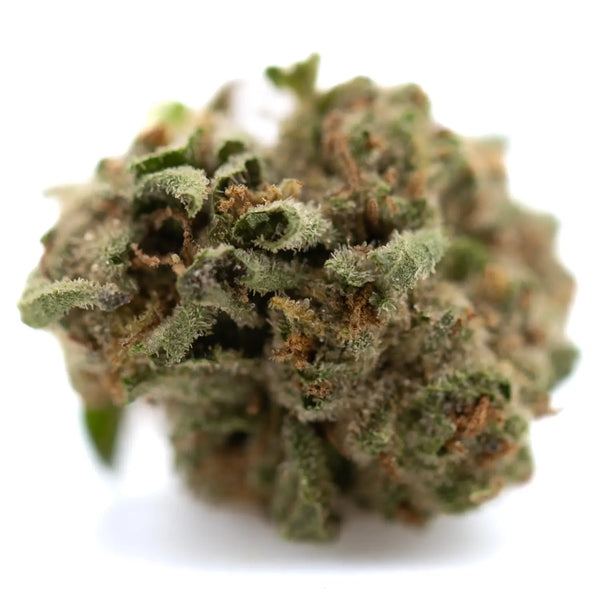
Quality Justifies Price? Evaluating True Value
Moving beyond simple price comparisons, understanding what constitutes quality THCA flower reveals why premium products command higher prices and when budget options suffice.
Quality Indicators Beyond Price
Premium THCA greenhouse flower demonstrates several quality markers:
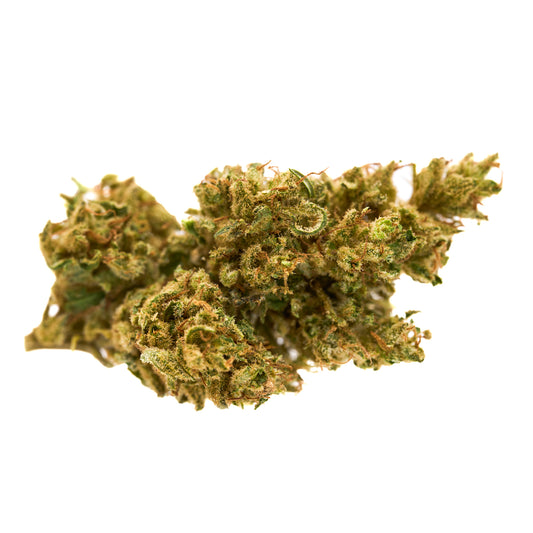
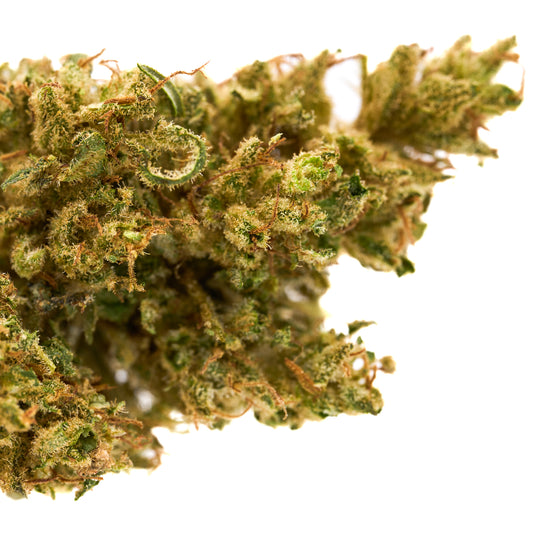
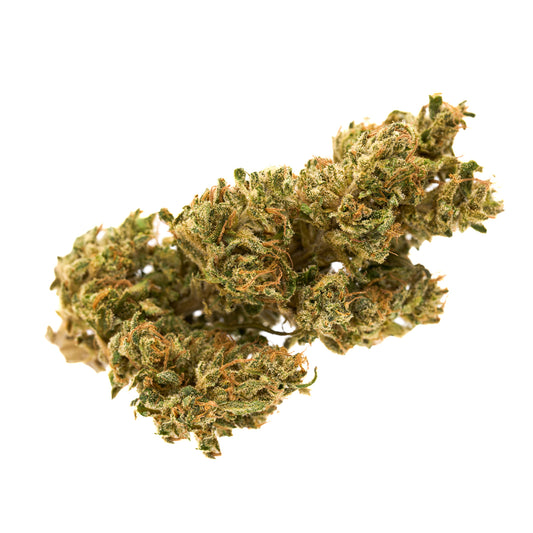
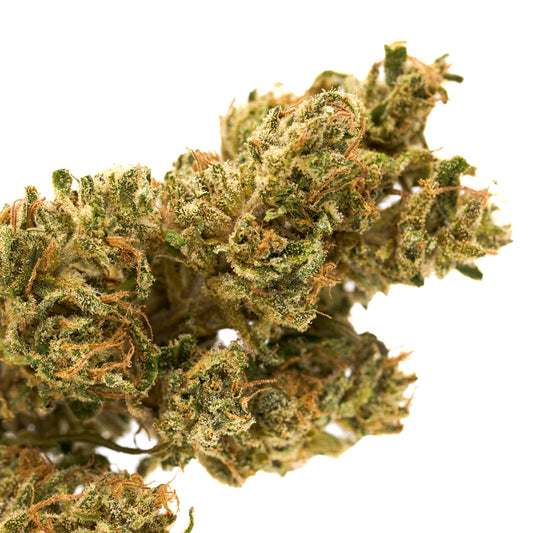
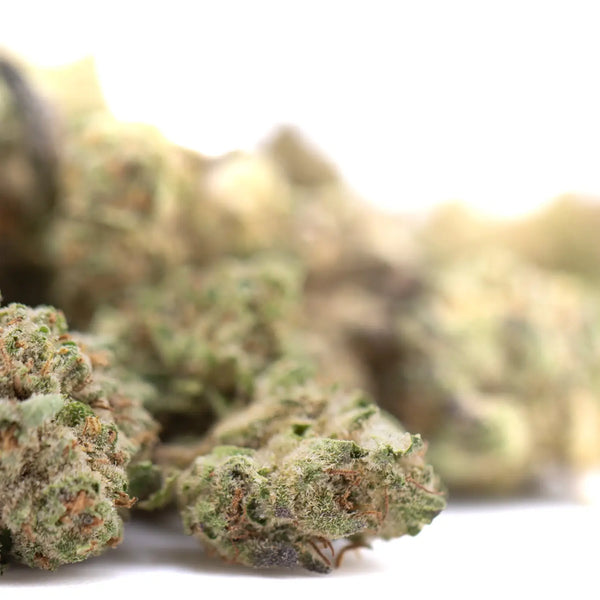
- Trichome density: Visible crystal coverage indicating high cannabinoid content
- Bud structure: Properly formed, dense flowers without excessive stem material
- Cure quality: Optimal moisture content, proper jar burping, no hay smell
- Terpene preservation: Strong, pungent aroma indicating intact terpene profile
- Visual appeal: Vibrant colors, minimal leaf material, careful trimming
- Lab testing: Comprehensive COA covering cannabinoids, terpenes, and contaminants
Both DEA-4 THCA greenhouse smalls and Sugar THCA greenhouse smalls demonstrate these quality indicators despite their value-oriented "smalls" format.
When to Pay Premium Prices
Certain situations justify paying top-dollar for most potent greenhouse THCA strain options:
- Medical applications: When therapeutic efficacy is paramount
- Special occasions: Celebrations or social events meriting premium products
- Terpene preferences: When specific rare terpene profiles justify premium costs
- Gift giving: Premium presentation for cannabis-enthusiast recipients
- Testing new genetics: Sampling novel strains before bulk purchases
Budget-Friendly Options Without Sacrificing Quality
Affordable THCA greenhouse smalls provide exceptional value without compromising essential quality factors:
- Smalls format: Identical cannabinoid and terpene profiles to large buds at 30-50% discount
- Trim reduction: Minimal visual appeal reduction, zero potency sacrifice
- Direct shipping: Eliminates retail markup and middleman costs
- Bulk purchasing: Progressive discounts reward larger orders
The "smalls" designation refers purely to bud size, not potency or effects. Both DEA-4 and Sugar deliver full-spectrum effects in their smalls format, making them best value THCA smalls options in current markets.
Testing and Certification Costs
Comprehensive third-party lab testing adds $200-400 per batch to production costs, but ensures:
- Accurate potency labeling: Verified cannabinoid content
- Safety assurance: Screening for pesticides, heavy metals, mold
- Legal compliance: Meeting Farm Bill hemp requirements (< 0.3% delta-9 THC)
- Consumer confidence: Transparent quality verification
Quality producers absorb these testing costs while maintaining competitive THCA flower pricing guide standards, demonstrating commitment to consumer safety and product integrity.
Growing Method Impact on Pricing
Different cultivation methods significantly affect production costs and retail pricing:
Indoor growing:
- Highest control and consistency
- Expensive electricity and equipment costs
- Premium pricing ($8-15/gram)
Greenhouse growing:
- Balanced control and natural light benefits
- Moderate operational costs
- Mid-range pricing ($4-8/gram)
- Optimal cost-to-quality ratio
Outdoor growing:
- Lowest production costs
- Variable quality and potency
- Budget pricing ($2-5/gram)
Greenhouse cultivation represents the sweet spot, delivering high potency THCA flower at accessible prices through sustainable growing practices. Both DEA-4 and Sugar benefit from this cultivation method's advantages.
Best Value Determination: Which Strain Wins?
Declaring an overall winner in the DEA-4 vs Sugar potency comparison requires examining multiple value dimensions beyond simple price-per-gram calculations.
Overall Value Winner
For pure cost-per-milligram THCA content, DEA-4 THCA greenhouse smalls edges ahead with slightly higher average potency at comparable pricing. The math clearly favors DEA-4 for consumers prioritizing maximum cannabinoid content per dollar spent.
However, value extends beyond potency percentages. When considering effects profiles, Sugar THCA strain delivers superior value for specific use cases where cerebral effects, maintained functionality, and shorter duration align better with consumer needs.
Verdict: DEA-4 wins on pure potency-per-dollar basis, while Sugar offers superior value for daytime use and cerebral-focused experiences.
Best for Specific Budgets
Extreme budget consciousness (< $30/eighth): Both strains deliver exceptional value, with DEA-4 offering marginally better cannabinoid content per dollar.
Moderate budget ($30-50/eighth): Both strains excel in this range, allowing choice based on effects preferences rather than price constraints.
Premium budget ($50+/eighth): At this price point, larger bud formats become accessible, though affordable high quality THCA smalls remain competitive on value basis.
Bulk purchasing (ounce+): Both strains reward bulk buyers with 30-40% discounts, making cheap THCA smalls pricing possible without quality sacrifice.
Recommendations by Use Case
Evening relaxation and sleep support: DEA-4 THCA flower - myrcene-dominant profile and body-focused effects
Daytime productivity and creativity: Sugar THCA strain - limonene-pinene profile maintains mental clarity
Pain management: DEA-4 - stronger body effects and anti-inflammatory cannabinoid profile
Depression and mood elevation: Sugar - pronounced euphoric and uplifting mental effects
Social situations: Sugar - enhanced social engagement without sedation
General versatility: DEA-4 - balanced effects suitable for varied applications
New cannabis users: DEA-4 - gentler, more predictable effects profile
Experienced consumers: Either strain delivers satisfying high potency THCA flower effects
Conclusion: Making Your Informed Choice
The DEA-4 vs Sugar potency comparison reveals two exceptional greenhouse THCA strains that deliver distinct experiences at competitive price points. While DEA-4 edges ahead in pure THCA content and cost-per-milligram value, Sugar offers unmatched cerebral effects and daytime functionality that many consumers prefer.
Understanding THCA effects compared to delta 9 THC reveals these hemp-derived products deliver experiences virtually indistinguishable from traditional cannabis at 30-40% lower costs. The Farm Bill-compliant status provides legal access to consumers nationwide, democratizing cannabis experiences previously restricted to licensed dispensary customers.
When evaluating average price for THCA greenhouse smalls, both DEA-4 and Sugar represent exceptional value propositions. The "smalls" format delivers identical cannabinoid and terpene profiles to large-format buds at significantly reduced prices, making best priced THCA flower online accessible to budget-conscious consumers without quality compromises.
Key takeaways for your purchasing decision:
- Choose DEA-4 for maximum potency-per-dollar, evening relaxation, pain management, and balanced effects suitable for varied applications
- Choose Sugar for cerebral stimulation, daytime productivity, mood elevation, and social engagement
- Consider bulk purchasing to access affordable THCA greenhouse smalls pricing with 30-40% discounts
- Verify lab testing through batch-specific COAs ensuring quality and safety
- Start with smaller quantities to evaluate personal response before committing to bulk purchases
The best value THCA smalls ultimately depend on individual needs, preferences, and consumption patterns. Both strains deliver exceptional quality-to-price ratios that challenge traditional cannabis market pricing while maintaining effects profiles that satisfy experienced consumers and newcomers alike.
Ready to experience premium THCA greenhouse flower for yourself? Explore DEA-4 THCA greenhouse smalls for balanced, body-focused relaxation or Sugar THCA greenhouse smalls for uplifting cerebral effects. Both strains deliver laboratory-verified potency, comprehensive terpene profiles, and exceptional value that redefines expectations for affordable high quality THCA smalls in today's evolving cannabis marketplace.
