




November 12 2026 Hemp Ban Explained: What Changes and What Doesn't

Mark the date: November 12, 2026. That's when a sweeping federal hemp ban explained in a single piece of appropriations legislation reshapes the legal definition of hemp across the United States — and it's the single most consequential thing happening in the hemp industry right now. Here's exactly what changes, what stays the same, and how to make sense of it before the clock runs out.
If you've been following the november 2026 hemp ban headlines and feeling like the story keeps shifting, you're not imagining it. This law has been amended, litigated, lobbied against, and defended since the day it was signed. Below is the clearest, most current breakdown available.
The Law Behind the Ban
The change comes from Section 781 of the Continuing Appropriations, Agriculture, Legislative Branch, Military Construction and Veterans Affairs, and Extensions Act, 2026 (H.R. 5371, Public Law 119-37) — signed into law on November 12, 2025. It's a government funding bill, not standalone cannabis legislation, which is part of why the change caught much of the industry off guard. Tucked inside Division B were provisions that rewrite the federal definition of hemp under the Agriculture Improvement Act (the 2018 Farm Bill), amending 7 U.S.C. §1639o and shifting enforcement questions between the USDA, FDA, and DEA as the new standard rolls out 365 days after enactment.
Only two House Republicans, Reps. Thomas Massie and Greg Steube, voted against the bill's final passage specifically because of this hemp language — a sign of how contentious the provision was even within the majority that passed it.
What Changes on November 12
Three changes define the new standard, and together they represent a hemp loophole closed that the industry built an entire multi-billion-dollar category on top of.
A Total THC Threshold, Not Just Delta-9
The old standard measured only delta-9 THC, capped at 0.3% by dry weight. The new total thc definition 2026 folds in THCA (adjusted for its conversion into THC when heated, roughly delta-9 + 0.877 × THCA), delta-8 THC, and any other naturally occurring THC-class cannabinoid. Products that were legal for years purely because they tested low on delta-9 alone — while carrying meaningful THCA content — no longer clear that bar under the same math.
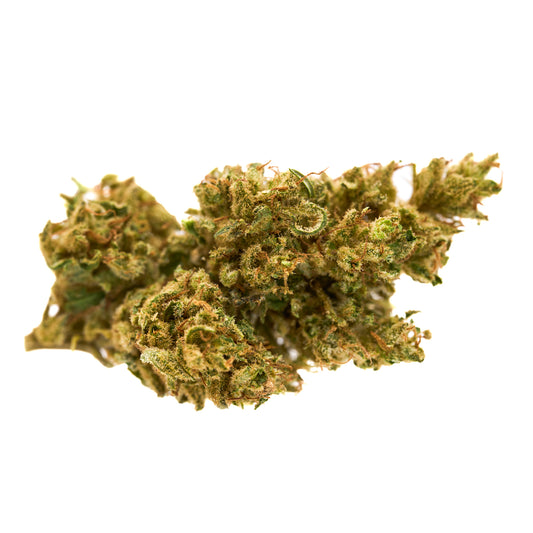
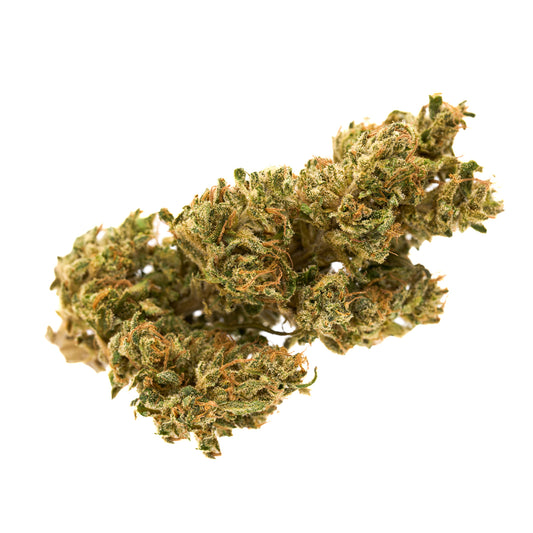
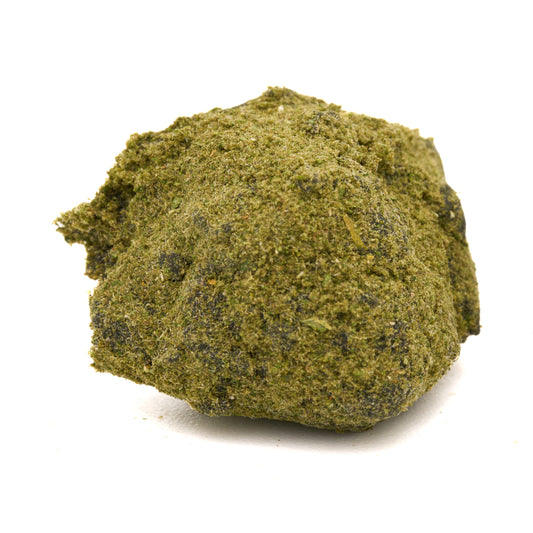
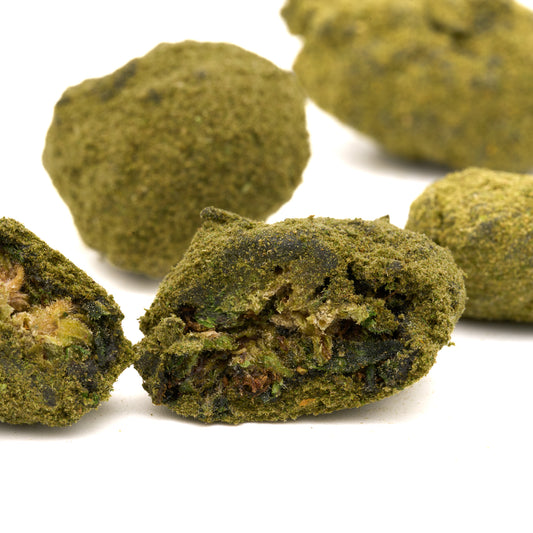
This is the change most responsible for the hemp ban thca flower headlines you've seen. THCA flower converts to intoxicating THC when smoked or vaped, but under the 2018 framework it was measured pre-conversion. That measurement method is gone as of November 12.
A 0.4 Milligram Total THC Cap Per Container
This is arguably the more disruptive of the two thresholds. Finished, final-form hemp-derived cannabinoid products are capped at 0.4 milligrams of total THC per container — "container" meaning the innermost packaging in direct contact with the product. For context, most gummies and beverages on shelves today carry between 2.5 and 10 milligrams of THC per unit. A single typical 5mg gummy would exceed this cap by more than 12 times. Industry estimates put the share of current SKUs that fail this test at roughly 95%.
The FDA is required to publish, within 90 days of enactment, formal lists defining which cannabinoids count as naturally occurring, which count as THC-class, and which qualify as having "similar effects" to THC — plus a formal definition of "container." As of this writing those lists have been delayed past their original deadline, which is itself adding to industry uncertainty around the thca 0.4mg container limit.
Exclusion of Synthesized or Manufactured Cannabinoids
The new definition also excludes cannabinoids that cannot occur naturally in the Cannabis sativa L. plant. That puts hemp-derived delta-8, HHC, THC-O, and similar lab-converted compounds outside the legal hemp definition entirely, regardless of measured potency — because they're synthesized from CBD rather than naturally present in the plant at meaningful levels.
Put together, these three changes are designed to close what regulators call the hemp loophole: the gap that let intoxicating products qualify as legal hemp simply because they didn't test high in delta-9 THC alone. Anyone researching the 2026 farm bill hemp changes should note this ban did not actually arrive through the Farm Bill — it arrived through appropriations, while the Farm Bill reauthorization (which passed the House 224-200 in late April 2026) left the ban entirely untouched.

What Doesn't Change
Not everything about hemp law is shifting on November 12:
- Non-intoxicating CBD, CBG, and minor cannabinoid products that stay under the new total THC thresholds remain legal hemp under federal law.
- Industrial hemp — grown for fiber, grain, seed, or non-cannabinoid derivatives — is explicitly carved out and largely unaffected. The 2026 Farm Bill actually reduces some regulatory burdens for industrial growers, including expanded access to accredited testing labs and more state flexibility on production plans.
- State authority is preserved. States can set their own hemp rules and can be stricter than federal law, but not looser — meaning a state's existing hemp program doesn't automatically protect a product that fails the new federal test.
That last point matters more than people expect. Whether hemp products remain sellable in your state depends heavily on how your legislature responds between now and November — which is part of why the honest answer to "is hemp still legal 2026" is: it depends on where you live, and that's changing state by state as the deadline approaches.
Why This Is So Controversial
This is a genuinely two-sided debate, and it's worth understanding both arguments rather than picking a villain.
Licensed marijuana operators and some public health groups have pushed for this change for years, arguing that unregulated hemp-derived THC products — sold without age verification in gas stations, vape shops, and online — created an unfair, unsafe shadow market running alongside tightly regulated, tested, and taxed state cannabis programs. Some state lawmakers have made this argument in personal terms; North Carolina's Senate leader described the human cost of unregulated products as too urgent to wait for Congress, passing a state-level ban in early July 2026 rather than waiting on the federal timeline.
Hemp farmers and industry advocates counter that the new definition is so narrow it also captures products that aren't meaningfully intoxicating — full-spectrum CBD formulations used by seniors, veterans, and chronic-care consumers included — wiping out a legal agricultural sector that industry groups estimate supports roughly $28 billion in annual economic activity and over 300,000 jobs, along with an estimated $1.5 billion in state tax revenue. Farmers in particular argue the timeline is unworkable agriculturally: seeds go in the ground months before harvest, so a November enforcement date lands after an entire growing season's labor and capital are already committed.
Neither side disputes that the pre-2026 situation — unregulated, largely untested, sold to any age — was unsustainable. They just want very different fixes, and that disagreement is exactly what's playing out in the bills below.

Bills That Could Delay or Reshape the Ban
This is the fastest-moving part of the story, and it's shifted meaningfully since earlier in the year. Several legislative efforts are actively underway that could still change this timeline before November:
- The Hemp Planting Predictability Act (H.R. 7024 / H.R. 7010, with a Senate companion, S. 3686) would delay the effective date from 365 days to 3 years, pushing implementation to November 2028. It has bipartisan sponsorship, including Reps. Baird, Comer, and Craig in the House and Sens. Klobuchar, Paul, and Merkley in the Senate.
- The HEMP Act (H.7212 / S.3474) would replace prohibition with a federal regulatory framework: mandatory third-party testing, standardized labeling, a federal minimum purchase age of 21, and defined per-serving and per-container potency limits by product type — closer to what several states already do, rather than an outright ban.
- The Cannabinoid Safety and Regulation Act (CSRA), introduced by Sens. Wyden and Merkley, proposes similar limits (5mg per serving, 50mg per container for edibles) while expressly preserving states' right to impose stricter rules or outright bans of their own.
Notably, the House Agriculture Committee has twice declined to use the 2026 Farm Bill as a vehicle for delay — Chairman Glenn Thompson has maintained that finished consumable products aren't germane to a bill about agriculture, not consumer goods. Two Baird amendments seeking delays were withdrawn or not considered during markup.
The most significant recent development: the Trump administration itself has weighed in against the ban as written. The White House sent Congress a letter urging lawmakers to reverse course and keep hemp-derived products legal, and industry groups including major alcohol distributors and retailers have separately lobbied for a delay. None of this has become law as of now — these are active, moving pieces of legislation worth tracking, not guarantees of a different outcome. If you're researching federal hemp law november 12 coverage, expect the picture to keep evolving right up to the deadline.
How States Are Responding Right Now
Because the federal law preserves state authority, states are moving in opposite directions simultaneously. Some — Ohio, North Carolina (pending a House vote after its late-July return), and others — are enacting their own bans or age restrictions independent of the federal timeline, in some cases stricter than what November 12 requires. Others, including Minnesota, already regulate hemp-derived THC through licensing, age-gating, and per-serving caps that closely resemble what federal reform bills are proposing — meaning those states may see comparatively little practical disruption. A handful of states with no additional restrictions beyond the old delta-9-only standard are expected to see the sharpest cliff-edge effect if no federal delay passes.
How to Prepare Before the Deadline
- Check your state's current hemp law. This is the single most important thing you can do, since state rules vary widely and some states are already moving ahead of the federal timeline in either direction.
- Prioritize brands with current, transparent lab results (COAs). As definitions shift toward total THC, testing transparency becomes the clearest signal of a compliant, trustworthy product.
- Expect product changes. Reformulation, discontinued SKUs, and price shifts are already happening industry-wide as manufacturers and retailers react ahead of the deadline rather than waiting for it.
- Don't wait to shop if a product matters to you. Whatever happens in Congress, supply chains are already tightening as processors slow purchasing and distributors reassess inventory risk.
For anyone specifically tracking thca products banned 2026 status or the broader hemp reform bill 2026 landscape, the practical deadline for sourcing current-standard products may actually arrive well before November 12, as manufacturers wind down non-compliant lines ahead of the legal cutoff.
FAQ
Is the ban definitely happening on November 12, 2026?
Under current law, yes — unless Congress passes a delay or amendment before then. Several bills aim to do exactly that, but none has passed as of now.
Does this ban affect state-legal marijuana programs?
No. This specifically redefines hemp under federal law; it doesn't change state-licensed marijuana programs, which operate under separate state regulatory frameworks.
What products are most affected?
THCA flower, hemp-derived delta-8 and delta-9 gummies, vapes, and beverages — essentially any product that relied on the delta-9-only measurement or on synthesized cannabinoids like HHC.
Will prices change before November?
It's likely. Increased demand, inventory drawdowns, and supply chain adjustments as the deadline nears are already affecting pricing and availability in some markets.
Is industrial hemp affected the same way?
No — industrial hemp grown for fiber, grain, or seed is treated separately under the new definition and may actually see reduced regulatory burden under related 2026 Farm Bill provisions.
Could Congress still delay this?
Possibly. Multiple bipartisan bills (H.R. 7024, S. 3686, the HEMP Act) propose delays ranging from two to three years, and the White House has publicly urged Congress to reconsider the ban. None has passed yet, and the window is narrowing as November approaches.
What is the thca flower federal deadline exactly?
November 12, 2026 — 365 days after the law's signing — is the statutory effective date under current law. That's the date the new total THC standard and 0.4mg container cap take legal effect absent congressional action.
