




CBDa for Anxiety and Stress: Emerging Research

Search interest in natural approaches to stress and anxiety support has climbed steadily over the past several years, and hemp-derived compounds are increasingly part of that conversation. Among them, CBDa — the raw, acidic precursor to CBD found in the hemp plant before it's exposed to heat — has started attracting attention from consumers looking for alternatives to traditional CBD products.
This growing curiosity raises a natural question: does CBDa help anxiety in ways that differ from CBD, or is it simply a less-processed version of the same thing? The honest answer is that research is still in its early stages. This post walks through what's currently understood about CBDa for anxiety and CBDa for stress, what preclinical studies suggest, and what people report anecdotally — while being clear that none of this constitutes medical advice. Anyone dealing with an anxiety disorder or chronic stress should talk to a licensed healthcare provider before trying any hemp-derived product.
How Stress and Anxiety Affect the Body
Stress and anxiety aren't purely psychological experiences — they involve measurable physiological changes. When the body perceives a stressor, the hypothalamic-pituitary-adrenal (HPA) axis activates, releasing cortisol and adrenaline. Heart rate increases, digestion slows, and the nervous system shifts into a heightened state of alertness. Chronic activation of this system is what many people are trying to address when they explore raw hemp for stress relief rather than reaching immediately for pharmaceutical options.
The Role of the Endocannabinoid System
The endocannabinoid system (ECS) is a signaling network present throughout the human body, involved in regulating mood, sleep, appetite, and stress response. It consists of endocannabinoids (naturally produced compounds like anandamide), receptors (primarily CB1 and CB2), and enzymes that break these compounds down. Anandamide in particular has been studied for its role in mood regulation, and some researchers believe hemp-derived cannabinoids may interact with this system indirectly, even when they don't bind directly to CB1 or CB2 receptors themselves. This is part of why interest in cannabinoids for stress and mood support has grown, even as the science continues to develop.
Why People Explore Hemp-Derived Options
Beyond the ECS, some hemp compounds appear to interact with other receptor systems in the body, including serotonin receptors, which are heavily implicated in mood and anxiety regulation. This is one reason consumers curious about natural options often start comparing compounds like CBD and CBDa side by side, trying to understand which might align better with their goals. It's worth noting upfront that "natural" doesn't automatically mean "clinically proven," and enthusiasm in the wellness space has, at times, outpaced the actual research.
What Early Research Suggests About CBDa
CBDa is the acidic precursor to CBD, present in raw hemp before decarboxylation (the heating process that converts CBDa into CBD). For years, CBDa was treated mostly as a "raw material" — something that needed to be converted before it became useful. That view has started to shift as researchers look at CBDa's own distinct properties, separate from CBD.
Preclinical Findings on Serotonin Receptor Interaction
One of the more frequently cited areas of research involves CBDa's interaction with the 5-HT1A serotonin receptor. This receptor is a target of several conventional anti-anxiety medications, which is part of why researchers became interested in cannabinoids that might interact with it. Preclinical (animal-model) studies have suggested CBDa may bind to this receptor with notable affinity — in some cases showing interaction at lower concentrations than CBD in the same models. This has led some researchers to hypothesize that CBDa calming effects could, in theory, involve pathways related to serotonin signaling, similar to mechanisms explored in some anti-nausea and mood-related research.
It's important to be precise about what this does and doesn't mean. Animal-model and cell-culture findings are an early step in the research pipeline — they generate hypotheses, but they don't confirm how a compound behaves in humans, at what dose, or for which conditions. As of now, there is no large-scale human clinical trial establishing CBDa as an effective anxiety treatment. The research is genuinely emerging, not settled.
How This Differs From CBD's Studied Pathways
CBD has a longer research history, including some human trials, particularly around seizure disorders (where it has FDA-approved use in a specific pharmaceutical formulation) and a smaller body of work exploring anxiety-adjacent outcomes. CBD's studied mechanisms include interactions with CB1 receptors, TRPV1 receptors, and modulation of anandamide breakdown.
CBDa, by contrast, appears to interact more selectively with different targets — including the 5-HT1A receptor mentioned above and certain enzymes like COX-2. This is a key point in the CBDa vs CBD anxiety conversation: these aren't identical compounds with identical effects just because one converts into the other under heat. They appear to have at least partially distinct mechanisms, which is exactly why researchers are studying them separately rather than assuming CBDa is just "unactivated CBD."

User-Reported Experiences
Because clinical research on CBDa is still limited, much of what's circulating about its effects on stress and anxiety comes from anecdotal, self-reported use rather than controlled studies. This distinction matters — anecdotes can point researchers toward questions worth studying, but they are not a substitute for clinical evidence.
Common Anecdotal Reports
Users who explore CBDa products for stress often describe a sense of calm without heavy sedation, sometimes noting that the effect feels "clearer" or less intense than what they experience with higher doses of decarboxylated CBD. Some describe using raw tinctures or CBDa flower during high-stress periods — before demanding workdays, during travel, or as part of an evening wind-down routine. Others report pairing CBDa with mindfulness practices, exercise, or sleep hygiene changes rather than using it in isolation.
None of these reports have been verified through controlled trials, and individual anecdotes shouldn't be mistaken for proof of efficacy. They're useful mainly as a signal of consumer interest and a starting point for future research questions.
Why Individual Responses Vary Widely
Responses to any hemp-derived compound vary significantly from person to person. Body weight, metabolism, tolerance, the presence of other cannabinoids and terpenes in a given product (the "entourage effect"), dosing, and even the underlying cause of a person's stress or anxiety can all shape the experience. Two people using an identical product may report very different outcomes. This variability is one more reason broad claims about CBDa's effectiveness should be treated cautiously, and why professional guidance matters more than product marketing when someone is deciding whether to try it.
CBDa Product Formats for Stress Support
For those curious about trying CBDa, it's available in several formats, each with different characteristics worth understanding.
Raw Tinctures
Raw CBDa tinctures are made from hemp extract that hasn't been decarboxylated, preserving the compound in its acidic form. These are typically taken sublingually (under the tongue) for faster absorption relative to swallowing. Because they haven't been heated, raw tinctures retain CBDa alongside other minimally processed plant compounds. People interested in raw hemp for stress relief often gravitate toward this format specifically because it keeps the plant's compounds closer to their natural state.
CBDa Flower
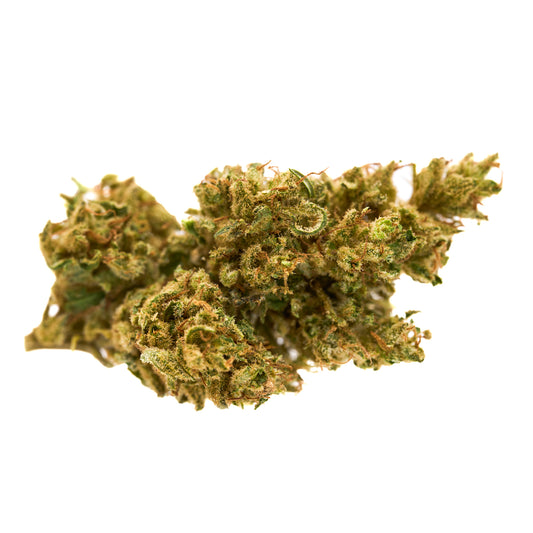
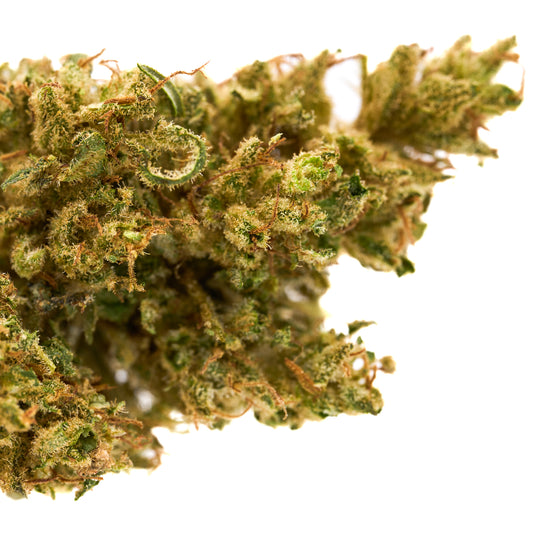
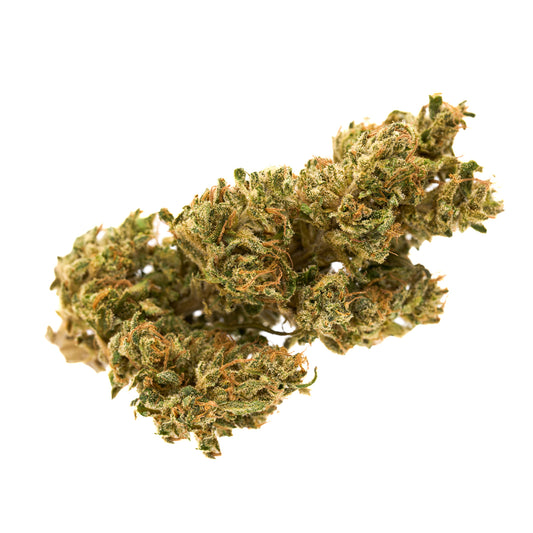
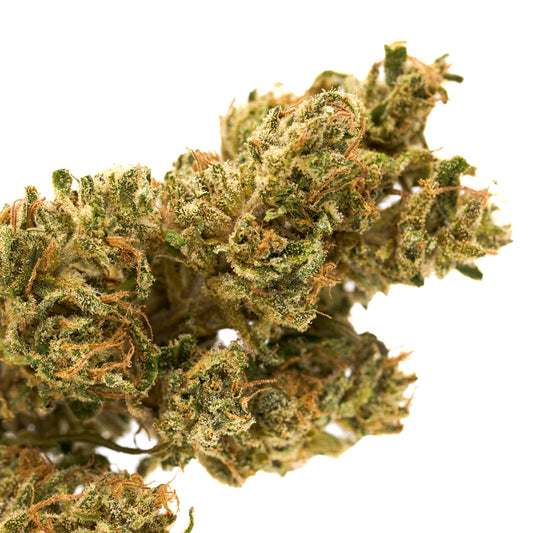
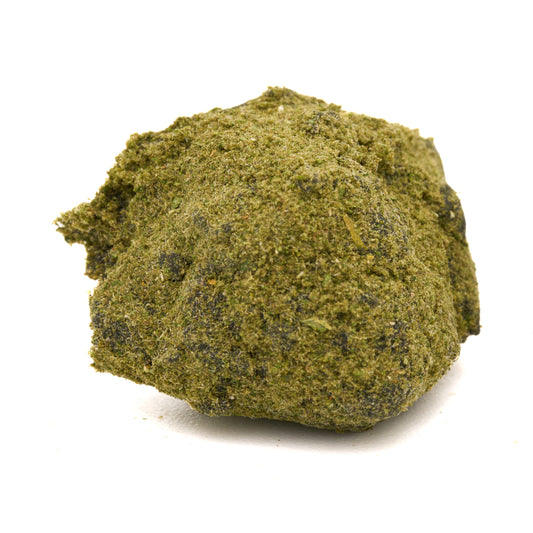
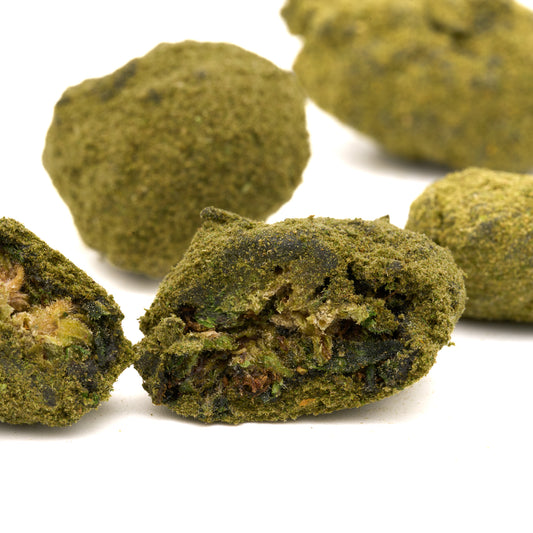
CBDa-rich hemp flower is another common entry point. In its raw, unheated form, the flower contains predominantly CBDa rather than CBD. Some people choose to use it without applying heat (in items like raw smoothies or infusions), while others may decarboxylate it themselves, which converts the CBDa into CBD and changes the compound profile entirely. Understanding this distinction is important — smoking or vaporizing flower applies heat immediately, converting CBDa to CBD in the process, so anyone specifically seeking CBDa's raw form needs a product and consumption method suited to that goal.
Combination CBDa/CBD Products
Many hemp brands now offer full-spectrum or combination products containing both CBDa and CBD, along with minor cannabinoids and terpenes. The idea behind these formulations is rooted in the entourage effect theory — that whole-plant compounds may work better together than any single isolated molecule. For consumers who aren't sure whether CBDa, CBD, or a blend suits their needs, combination products are often a reasonable starting point to explore under the different compound categories available.
Important Considerations Before Use
Talking to a Healthcare Provider
Because CBDa research in humans is still limited, and because it may interact with medications metabolized through similar liver pathways as CBD (via the cytochrome P450 enzyme system), anyone considering CBDa for anxiety or stress — especially those currently taking prescription medication, pregnant or nursing individuals, or people managing a diagnosed anxiety disorder — should speak with a healthcare provider first. This is especially true for anyone currently on anti-anxiety medication, antidepressants, or blood thinners, where interactions are a legitimate concern rather than a formality.
Avoiding Reliance on Unverified Claims
The hemp and wellness industry moves quickly, and marketing language often outpaces the underlying science. It's reasonable to be curious about CBDa, but it's equally reasonable to stay skeptical of any product claiming to "cure," "eliminate," or "replace medication for" anxiety. No hemp-derived compound, including CBDa, has been approved by the FDA to treat anxiety disorders. Responsible use means treating CBDa as a potential wellness addition to explore under professional guidance — not a verified anxiety treatment.
FAQ
Can CBDa replace anxiety medication?
No. CBDa is not an approved or clinically validated substitute for prescribed anxiety medication. Anyone currently taking medication for anxiety should not stop or change their regimen without guidance from their prescribing provider.
How fast does CBDa work for stress?
There's no established clinical timeline for CBDa specifically, since human trials are limited. Anecdotal reports vary — some describe effects within 30–60 minutes when using sublingual tinctures, but this hasn't been confirmed through controlled research, and individual response times differ.
Is CBDa non-habit forming?
Early research and available data on hemp-derived cannabinoids broadly suggest they don't carry the same dependency risk profile as substances like benzodiazepines. That said, comprehensive long-term studies on CBDa specifically are still limited, so definitive claims about habit-forming potential aren't yet available.
What's the difference between CBDa and CBD for anxiety?
CBDa is the raw, acidic form of the compound found before hemp is heated, while CBD is what CBDa becomes after decarboxylation. Preclinical research suggests they may interact with somewhat different pathways — CBDa has shown interaction with the 5-HT1A serotonin receptor in early studies, while CBD's research base (including some human trials) spans a broader range of receptor systems. Neither is currently backed by large-scale human clinical trials specifically for anxiety treatment.
Is CBDa legal to use for this purpose?
CBDa derived from hemp containing 0.3% or less delta-9 THC on a dry weight basis has generally been treated as federally legal hemp under the 2018 Farm Bill. However, hemp regulation is an active and shifting area — including proposed changes to how "total THC" is calculated, which in some frameworks would include THCA (and potentially affect how products are classified). Consumers should check current state and federal regulations, since legal status can change and varies by location.
