




THCA Flower Trichomes: Why White, Cloudy, and Amber Colors Matter

If you want to understand THCA flower at its deepest level, you need to understand trichomes — and specifically, what their color tells you. These tiny, mushroom-shaped resin glands are where THCA, terpenes, and the rest of the cannabinoid profile live. Their color shifts through a predictable progression from clear to cloudy to amber — and that progression tells growers exactly when to harvest and tells consumers exactly what experience to expect.
Most people shopping for THCA flower focus on strain names, THC percentages, or terpene breakdowns. All of that matters. But underneath those lab numbers is a physical, visual reality happening at a microscopic level — a progression of biological stages that no certificate of analysis fully captures. Understanding THCA flower trichomes color is understanding cannabis at a level that separates casual consumers from genuinely informed ones.
This post is a complete guide to trichome color: the biology, the stages, the harvest implications, and what each stage means for the consumer. By the end, you'll know how to read a trichome, what "frosty" really means in biological terms, and why harvest timing cannabis trichomes is one of the most consequential decisions a grower makes.
What Are Trichomes and Why Do They Exist?
Before getting into color stages, it's worth understanding what trichomes actually are — because their function explains everything about why their chemistry matters.
Trichomes are epidermal outgrowths: microscopic structures that grow from the outer surface of cannabis flowers and the surrounding sugar leaves. They evolved long before humans discovered their recreational or therapeutic value. Their original purpose was entirely defensive and biological.
The evolutionary functions of cannabis trichomes include:
UV Protection. At high altitudes — where many landrace cannabis strains evolved — UV radiation intensity is significantly higher. The resinous coating produced by trichomes acts as a sunscreen for the plant's reproductive tissue, absorbing and scattering harmful UV rays before they damage the delicate flowers beneath.
Herbivore Deterrence. The sticky, bitter resin produced inside trichome heads makes cannabis flowers unpalatable to insects and grazing animals. Some of the same compounds that create psychoactive and therapeutic effects in humans are toxic or aversive to the insects and mammals that would otherwise eat the plant before it can reproduce.
Pollinator Attraction. The aromatic terpenes stored in trichomes serve as chemical signals to pollinators. The same compounds that create the complex, layered scent profiles we celebrate in premium cannabis were originally designed to attract beneficial insects.
Desiccation Resistance. In hot, dry environments, the waxy resin coating produced by trichomes helps the plant retain moisture during drought conditions.
Understanding that trichomes exist as a sophisticated biological system — not just as a cannabinoid delivery mechanism — gives you important context for understanding why they change over time.
The Three Types of Cannabis Trichomes
Not all trichomes are created equal. Cannabis produces three distinct types, and only one of them is responsible for the potency and effects you experience.
Bulbous Trichomes are the smallest type, barely visible even under magnification. They appear across the entire surface of the plant, including stems and leaves. Their cannabinoid content is minimal — they're more structural than chemical.
Capitate Sessile Trichomes are medium-sized and more numerous than bulbous trichomes. They have a small stalk and a gland head, and they contain moderate amounts of cannabinoids and terpenes. They appear on leaves and smaller parts of the plant.
Capitate Stalked Trichomes are the type that matters most for cannabis quality, potency, and THCA trichome stages. These are the tall, mushroom-shaped structures that concentrate heavily on flower buds — especially in the later stages of flowering. A long, slender stalk rises from the surface of the flower and is topped by a globe-shaped gland head. This gland head is where biosynthesis happens: THCA, CBD, terpenes, flavonoids, and other valuable compounds are produced and stored here.
When a grower or consumer talks about "checking trichomes," they're talking almost exclusively about capitate stalked trichomes. When a brand describes flower as "frosty" or "covered in trichomes," they're describing a dense coating of these tall, headed structures visible to the naked eye. And when a jeweler's loupe reveals the color of a trichome head, it's revealing the maturity and cannabinoid state of that gland head specifically.
All of cannabis trichome maturity — and everything that follows in this guide — refers to this type.

Trichome Color Stage 1: Clear and Translucent
Early in the cannabis flowering stage, capitate stalked trichome heads are completely clear and transparent. Under magnification, they look like tiny glass globes sitting atop their stalks — pristine, empty-seeming, and structurally perfect.
What Clear Trichomes Mean Biologically
Clear trichomes are actively working. The gland head is in the process of biosynthesis — THCA and terpene precursors are being produced and accumulated inside the head. Think of it as a factory at full production where the warehouse isn't yet full. The machinery is running, but the product hasn't hit peak output or storage capacity.
The transparency of the head at this stage is a direct result of resin concentration: the internal contents of the gland haven't reached a density sufficient to scatter or diffuse light passing through. As the resin accumulates and the internal structure of the gland head becomes more complex, the head will begin to lose that transparency.
What Clear Trichomes Mean for Potency
White trichomes THCA and clear trichomes represent two different stages of the same progression — but at the clear stage, THCA concentration is meaningfully lower than it will be at peak maturity. Harvesting at this stage would produce flower with:
- Lower THCA percentage than the strain is capable of expressing
- Less complex terpene expression
- A lighter, less nuanced effect profile
- Less of the visual "frost" that signals quality in premium THCA flower
When will you encounter clear trichomes on purchased flower? Rarely, if ever, on high-quality commercial THCA flower. Most reputable producers harvest well past this stage. If you examine purchased flower under magnification and find a significant percentage of still-clear trichome heads, it may indicate an early harvest — possibly driven by schedule pressure rather than ideal timing. This is worth noting as a quality indicator.
Trichome Color Stage 2: Cloudy and Milky White
The cloudy vs amber trichomes conversation is the most important one in cannabis harvest science — and it begins with understanding what happens when trichomes turn milky white.
As the gland head fills to capacity with resin, the internal structure becomes dense enough to scatter light rather than transmit it. The head transitions from glass-clear to a bright, opaque, milky white. This is the stage most THCA consumers and growers consider optimal.
The Chemistry of Cloudy White Trichomes
At full cloudiness, the gland head has reached maximum THCA concentration. The biosynthetic pathway has completed its work: CBGA (cannabigerolic acid) has been converted through enzymatic processes to THCA, and the head is essentially full. Simultaneously, terpene concentrations are at or near their peak — the complex aromatic profiles that distinguish one strain from another are fully expressed in the volatile compounds stored inside these heads.
This is why trichome color guide resources consistently identify the cloudy/milky white stage as the target for maximum potency harvest. It represents the convergence of maximum THCA content and peak terpene complexity.
What Cloudy Trichomes Mean for the Consumer Experience
Flower harvested at the predominantly cloudy stage will typically deliver:
- Maximum THCA percentage — the highest potency the strain can produce
- Full terpene expression — the complete aromatic and flavor profile the cultivar was bred for
- Energetic, cerebral, uplifting effects — this is the effect profile associated with high-THCA, high-terpene flower before significant CBN conversion has occurred
- Sharp, vivid flavors — citrus, pine, fuel, floral, and berry notes are at their most distinct at this stage
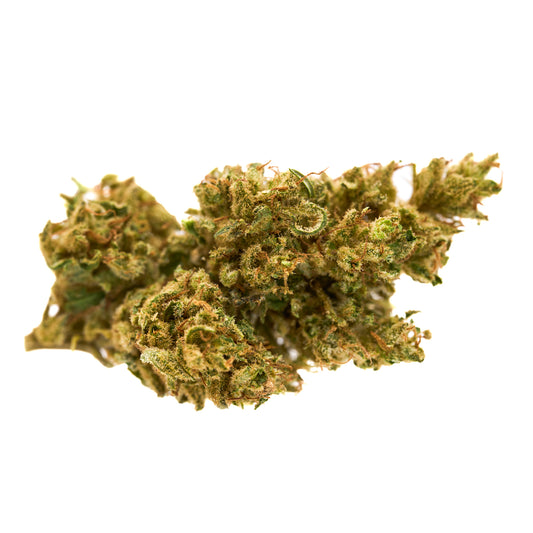
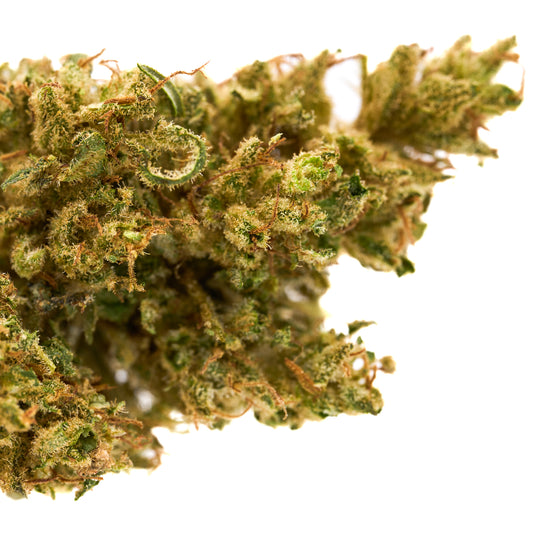
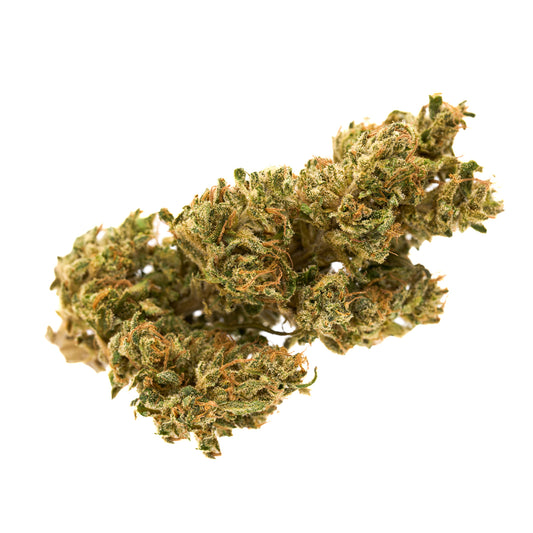
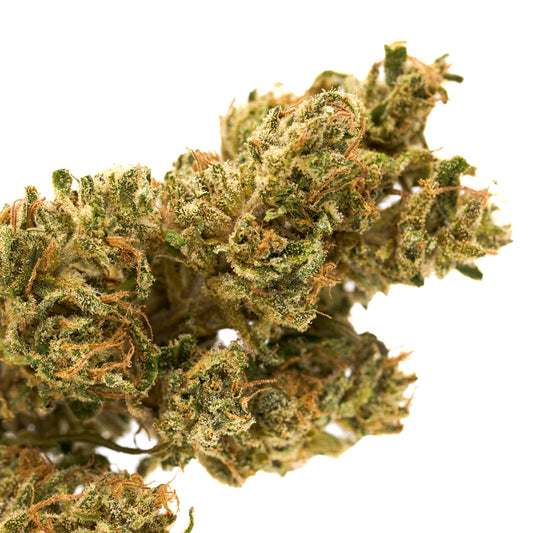
The "frosty" visual quality that premium THCA flower is known for is directly caused by the sheer density of cloudy white trichome heads coating the bud surface. When you look at a premium THCA flower and see a sparkling white coating that almost looks like powdered sugar, you're seeing thousands of fully mature, resin-packed capitate stalked trichomes at or near this peak stage.
A bud with nearly all cloudy trichomes represents an exceptionally well-timed harvest — one where the grower was watching closely, using magnification, and pulling the plant at the precise moment of maximum cannabinoid expression.

Trichome Color Stage 3: Amber
The third stage in THCA trichome stages occurs when cloudy white trichomes begin to oxidize and degrade. The gland head shifts from milky white to a golden amber or orange-brown color — visually striking and chemically significant.
The Chemistry of Amber Trichomes
Amber trichomes cannabis represent a cannabinoid conversion process. As the plant ages past peak maturity, several things happen simultaneously inside the gland head:
THCA begins to oxidize. Without applied heat, some THCA converts to delta-9 THC through a slow, non-enzymatic oxidation process. This is distinct from the decarboxylation that occurs when you apply heat (smoking, vaporizing) — it's a more gradual conversion driven by time, light, and oxygen exposure.
THC converts to CBN. As oxidation continues, delta-9 THC degrades further into cannabinol (CBN). CBN is a mildly psychoactive cannabinoid known primarily for its sedative, sleep-promoting properties. The longer trichomes remain in the amber stage — whether on the living plant or in cured, stored flower — the more CBN accumulates.
Terpenes begin to degrade. The volatile aromatic compounds responsible for flavor and the entourage effect are also affected. Lighter, more volatile terpenes (like myrcene and limonene) begin to evaporate or degrade at this stage, reducing the complexity and intensity of the flavor profile.
The amber color itself is the visual result of these oxidative changes — the chemical transformation of the resin from its peak-THCA form to a more complex mixture of cannabinoids at various stages of conversion.
What Amber Trichomes Mean for Effects
Understanding amber trichomes cannabis chemistry directly explains the effect differences consumers report between early-harvest and late-harvest flower:
20–30% amber trichomes: This is widely considered the sweet spot for balanced effects. A predominantly cloudy crop with a minority of amber heads gives you maximum THCA alongside the beginning of CBN accumulation. The result is a more rounded, full-bodied experience — high but not anxious, with a physical relaxation component alongside the cerebral quality. Many experienced consumers specifically seek this ratio.
30–50% amber trichomes: The sedative component becomes more prominent. Effects lean more body-heavy, more relaxing, with a deeper physical quality. Some describe this as a more "stoned" as opposed to "high" experience. This ratio is popular with consumers managing chronic pain, muscle tension, or insomnia.
50%+ amber trichomes: Heavily late-harvested flower. The CBN content is significant, terpenes have degraded meaningfully, and the effects are predominantly sedative. Cerebral clarity is largely absent. This is specifically sought out for sleep applications but is generally considered past optimal harvest for most use cases.
Amber Trichomes and Harvest Decisions
Skilled growers use when to harvest cannabis trichomes data as their primary harvesting signal — and amber percentage is the most important data point in that assessment. A grower producing flower intended for daytime, cerebral use will harvest at minimal amber. A grower producing a sleep-focused indica will wait for higher amber content. This intentionality is what separates craft cultivation from bulk production.
How to Read Trichome Color as a Consumer
Most consumers cannot inspect trichomes before purchasing — but this knowledge gives you powerful tools for interpreting what brands tell you and setting accurate expectations before and after a purchase.
Tools for Trichome Inspection
Examining trichomes requires magnification. The naked eye can confirm density (the "frostiness" of a well-coated bud) but cannot distinguish clear from cloudy from amber at the level of individual heads.
Jeweler's Loupe (30–60x): The standard tool for trichome inspection. Small, portable, inexpensive ($10–30), and effective. Hold the loupe against your eye, bring the flower close, and adjust focus until individual trichome heads are visible. A 60x loupe is sufficient to distinguish all three color stages clearly.
Smartphone Macro Lens Attachment: Clip-on macro lenses for smartphones are available for under $20 and allow you to photograph trichomes for closer examination and documentation. Resolution varies by product, but quality options can get surprisingly close to jeweler's loupe clarity.
Digital Microscope: For serious home growers, a digital microscope connected to a computer or tablet provides magnification up to 200x or more, with the ability to photograph and record. This is the highest-resolution consumer-accessible option for trichome assessment.
What to Look For
When examining flower under magnification, you're assessing the ratio of the three color stages across multiple trichome heads:
- Primarily clear trichomes: Immature harvest. Lower potency than the strain's potential. Uncommon in commercial THCA flower.
- Primarily cloudy/milky white with minimal amber: Peak harvest. Maximum THCA, maximum terpene complexity. Ideal for cerebral, daytime, or high-THCA-priority use.
- Mixed cloudy and amber (20–30% amber): Balanced harvest. Full-body effects, rounded experience, good for versatile daytime-to-evening use.
- Predominantly amber: Late harvest or aged flower. More sedative, less terpene complexity, lower effective THCA. Better for evening and sleep use.
- No visible trichome heads: Quality concern. Either low-grade flower that never developed significant trichome density, or heavily handled/degraded product where trichome heads have been physically removed. Significant trichome loss through rough handling or poor storage is a major quality red flag.
Reading Trichome Color Meaning from Brand Communication
Brands that communicate harvest timing, provide trichome photography, or specify the amber percentage of their harvests are providing valuable transparency. When browsing THCA flower:
- Look for harvest date on packaging — the more recent, the better for terpene freshness
- Look for COA terpene totals — high terpene percentages (above 2%) are generally associated with well-timed cloudy-stage harvests
- Look for macro photography of the flower itself — a reputable brand will be proud to show you what their trichomes look like
- Be skeptical of generic or stock photography — brands that can't show you their actual product may have reasons for that
Trichome Color and the Entourage Effect
The entourage effect is the theory — now widely supported by research — that cannabinoids, terpenes, and other plant compounds work synergistically to produce the overall cannabis experience. The interaction between THCA, CBD, CBN, terpenes, and flavonoids creates an effect profile greater than the sum of its individual parts.
Trichome color meaning matters for the entourage effect because trichome maturity stage directly determines the cannabinoid and terpene composition of the flower — and therefore the character of the entourage experience.
Cloudy trichomes = maximum entourage complexity. At peak cloudiness, the gland head contains the full spectrum of cannabinoids in their acid forms (primarily THCA), alongside the complete terpene profile the strain was bred to express. This is the richest, most chemically complex version of the plant's output. For consumers who value the full-spectrum experience — all the nuance, all the flavors, all the interacting effects — this harvest stage is optimal.
Transitional cloudy-to-amber = rounded entourage. As a small percentage of trichomes begin to amber, some THCA has converted and CBN is beginning to accumulate. The terpene profile is still largely intact but beginning to mellow. Many experienced consumers consider this the most satisfying overall experience — the brightness and complexity of peak THCA paired with the physical grounding of early CBN.
Predominantly amber = shifted entourage. Late-harvest flower with significant amber content has a fundamentally different entourage character: reduced terpene volatility, CBN-dominant cannabinoid profile, and a more sedative, body-focused experience. This isn't inferior — it's a different tool for a different purpose.
Understanding cannabis trichome maturity in this framework helps you make purchase decisions based on the experience you're actually seeking, not just the THCA percentage on the label.
Growing Considerations: Trichome Monitoring as Craft
For home cultivators and small-scale growers, trichome monitoring is the gold standard of harvest timing — far more reliable than calendar weeks or pistil color alone.
Why Calendar Timelines Are Insufficient
Seed bank and breeder "flowering time" estimates are guidelines, not guarantees. Environmental factors — light intensity, temperature, humidity, CO2 levels, nutrient availability, plant stress — all affect how quickly a plant progresses through flowering. A strain listed at "8 weeks flowering" might be ready in 7 weeks in one environment and 9.5 in another. Using the calendar alone risks either harvesting too early (missing peak THCA) or too late (over-converting to CBN).
Why Pistil Color Is an Incomplete Signal
Pistil color (the small hair-like structures on cannabis flowers) is often cited as a harvest timing indicator: white pistils = too early; mostly orange/red = approaching harvest. This is a rough approximation at best. Pistil coloration is affected by pollination, environmental stress, and genetic variation in ways that don't correlate precisely with trichome maturity. A plant can have fully orange pistils with predominantly cloudy trichomes — and that information discrepancy matters.
When to harvest cannabis trichomes by direct observation eliminates that ambiguity. Trichome color directly reflects the chemical state of the plant's cannabinoids. There is no more direct measurement available without a lab instrument.
The Grower's Trichome Monitoring Protocol
Experienced craft growers typically begin regular trichome monitoring in the last two weeks of the expected flowering window. The protocol:
- Use a 60x jeweler's loupe or digital microscope
- Examine trichomes on the main cola and several secondary buds — different parts of the plant can be at different stages
- Assess the ratio: still mostly clear? Mostly cloudy? How much amber?
- Track progression over several days — trichomes move from clear to cloudy to amber gradually, not overnight
- Harvest when the trichome profile matches your target: minimal amber for maximum THCA; 20–30% amber for balanced effects; higher amber for sedative applications
This process — painstaking, precise, and requiring genuine skill — is a hallmark of craft cultivation. When you buy from a producer who clearly understands THCA trichome stages, you're benefiting from decisions made at this level of detail.
FAQ: THCA Flower Trichomes
Q: Can I see trichomes without any tools? Yes, partially. A dense coating of mature capitate stalked trichomes is visible to the naked eye as the frosted, sparkly white coating on high-quality THCA flower. However, you cannot distinguish clear from cloudy from amber without at least 30x magnification. The naked eye tells you about trichome density; magnification tells you about trichome maturity.
Q: Does amber trichome content affect THCA percentage on lab tests? Yes, directly. As trichomes amber, THCA converts to other compounds. A plant harvested with 40% amber trichomes will test lower in THCA than the same plant harvested with 10% amber. The COA THCA percentage is a snapshot of the cannabinoid content at the moment of testing — trichome stage is one of the primary variables that determines that number.
Q: Is frostier flower always better? Trichome density (the visual "frost") is a quality indicator for trichome development, but it's not the only quality factor. A densely frosted bud that was harvested at the wrong time — too early or too late — can still underperform a less visually impressive bud with ideal trichome maturity timing. Density plus timing equals quality.
Q: How quickly do trichomes change color after harvest? After harvest, trichome degradation slows dramatically, especially with proper curing and storage. But it doesn't stop entirely. Oxygen, light, heat, and time all continue to drive THCA conversion and terpene degradation after harvest. This is why proper storage — airtight, dark, cool — preserves the trichome quality you were sold.
Q: What happens to trichomes during extraction? Trichome heads are the target of virtually all cannabis extraction processes. Ice water hash, dry sifting, rosin pressing, and solvent extractions are all designed to separate the trichome heads (the cannabinoid- and terpene-rich gland heads) from the plant material. The amber content of the starting material carries through to extracts — late-harvest flower produces late-harvest concentrates with the same shifted cannabinoid profile.
Q: Can I improve trichome color in stored flower? No. You cannot reverse trichome oxidation — amber trichomes will not revert to cloudy. Proper storage slows further degradation but cannot undo it. This is why harvest timing and post-harvest handling practices matter so much at the producer level.
Conclusion
Trichome color is arguably the single most informative visual quality indicator for THCA flower. It's not a marketing claim or a brand story — it's a direct window into the biochemical state of the plant at the moment it was harvested. Clear means immature. Cloudy white means peak THCA and terpene complexity. Amber means converted, more sedative, CBN-shifted effects.
Understanding the trichome color guide scale gives you a framework that applies to every strain, every harvest, every purchase. It helps you set accurate expectations, ask better questions of brands, and select flower that's actually calibrated to the experience you're looking for — not just the highest number on a COA.
THCA flower trichomes color is one of the most reliable signals in cannabis quality assessment. The brands that take it seriously show it in their harvest timing, their macro photography, and their willingness to educate consumers rather than just sell to them.
If you're ready to shop lab-tested, carefully harvested THCA flower from growers who understand cannabis trichome maturity at this level, explore our latest drops — timed, tested, and built for the consumer who knows what they're looking for.
