
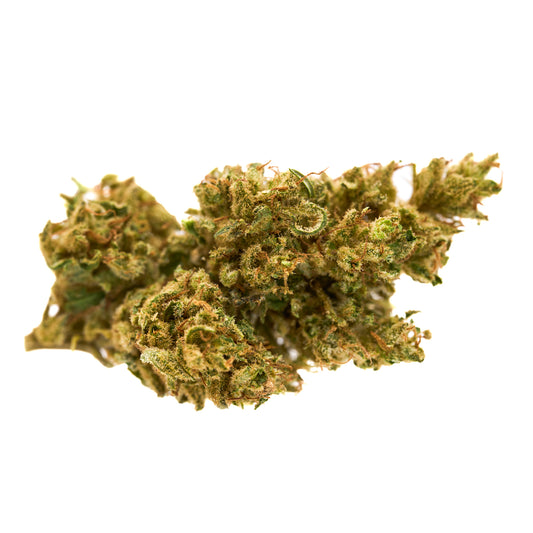
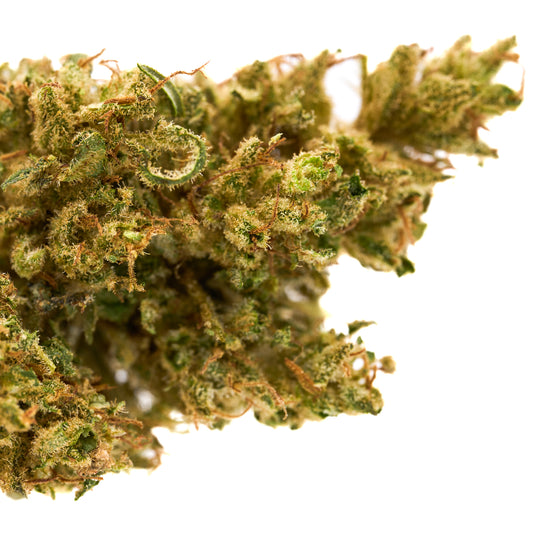
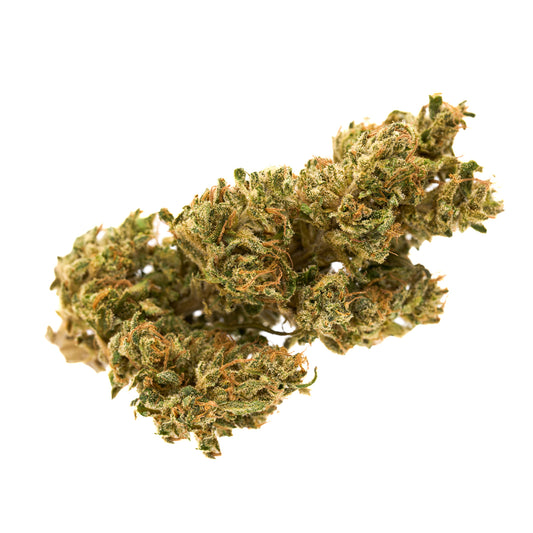
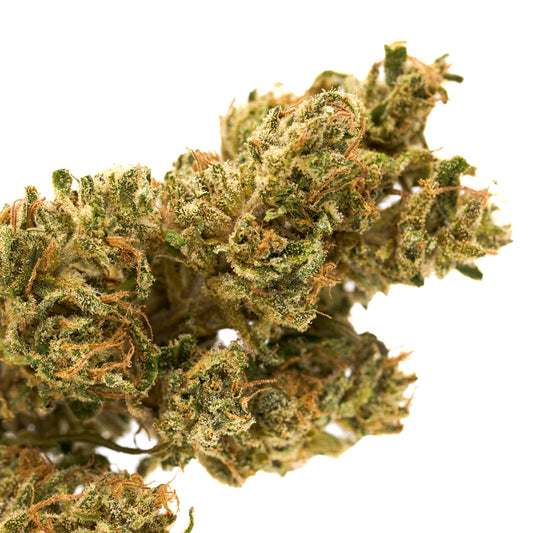




Greenhouse THCA Smalls Explained: How Purple Marmalade and Purple Queen Are Grown and Why It Matters

Not all THCA hemp flower is grown the same way, and the cultivation method matters more than most consumers realize. The difference between indoor-grown flower, greenhouse-grown flower, and outdoor-grown flower isn't just a marketing distinction — it directly affects potency, terpene expression, consistency, and ultimately price. For strains like Purple Marmalade and Purple Queen, the greenhouse growing method is central to what makes them such exceptional value propositions in the current hemp market.
This post is a deep dive into greenhouse cultivation: what it is, why it works, how it shapes the specific qualities of Purple Marmalade and Purple Queen, and why greenhouse THCA smalls represent arguably the best value category in hemp flower today.
Understanding Hemp Flower Cultivation Methods
Before we get into the specifics of Purple Marmalade and Purple Queen, it helps to understand the three primary cultivation environments for hemp flower and what each one delivers. The conversation around greenhouse THCA flower only makes sense when you have a baseline for comparison.
Indoor Cultivation
Indoor growing takes place entirely in a controlled facility where every environmental variable — light spectrum and intensity, temperature, humidity, CO2 levels, airflow — is managed artificially. This level of control allows cultivators to optimize conditions for maximum resin production, terpene development, and visual appeal. The result is typically the densest, most trichome-covered, most consistently beautiful flower available.
The downside is cost. Running an indoor facility requires enormous energy input — grow lights, HVAC systems, dehumidifiers, CO2 generators — and that cost gets passed directly to the consumer. Indoor THCA hemp flower regularly sells at significant price premiums, and even indoor smalls carry a meaningful cost premium over greenhouse alternatives. For wholesale buyers or consumers who move volume, the price differential between indoor and greenhouse can be substantial without a proportional gain in quality.
Greenhouse Cultivation
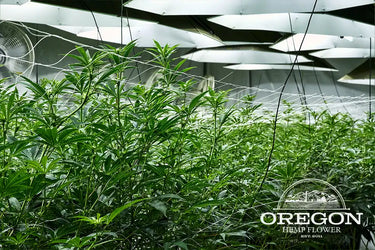
Greenhouse hemp cultivation sits between indoor and outdoor in terms of cost, control, and quality. Plants grow in a covered structure — typically glass or polycarbonate panels — that allows natural sunlight to drive photosynthesis while protecting crops from weather, pests, and UV extremes. Supplemental lighting, climate control, and irrigation systems can be added to extend growing seasons and optimize conditions beyond what nature alone provides.
The natural sunlight component is actually an advantage for terpene development — certain terpene biosynthesis pathways respond to natural light spectra in ways that artificial lighting doesn't fully replicate. Many experienced cultivators argue that greenhouse THCA hemp flower expresses terpene profiles more fully and naturally than purely indoor alternatives, precisely because the plants receive the complex wavelength distribution of real sunlight during the critical flowering phase.
Outdoor Cultivation
Outdoor growing is the most economical method but comes with the least environmental control. Plants are exposed to weather variability, pest pressure, and seasonal light cycles that the grower can't manipulate. The result is typically lower-density buds with less consistent potency and terpene profiles, though skilled outdoor cultivators in the right climates can produce genuinely excellent hemp flower. The issue isn't that outdoor is inherently bad — it's that consistency is difficult to guarantee, which matters enormously for buyers relying on reliable quality across repeat purchases.

Why Greenhouse Is the Sweet Spot for THCA Smalls
For Purple Marmalade THCA greenhouse smalls and Purple Queen THCA greenhouse smalls, the greenhouse environment is particularly well-suited to expressing what makes these genetics special.
Both strains are bred for intense purple coloration, high resin production, and complex terpene profiles. These characteristics develop best under conditions that combine several environmental advantages that greenhouse growing delivers uniquely well:
Consistent temperature management: Purple coloration in cannabis and hemp develops through anthocyanin production, which is triggered by cooler temperatures during the flowering phase. Greenhouse climate control allows cultivators to create and sustain the temperature drops that trigger and maintain this coloration — something outdoor cultivation can't guarantee and indoor cultivation sometimes sacrifices for maximum yield.
Controlled light exposure: The glass or polycarbonate structure of a greenhouse filters the harshest UV wavelengths while allowing the full light spectrum plants need for photosynthesis and terpene production. This creates an ideal balance for premium THCA flower strains like Purple Marmalade and Purple Queen that have been bred to respond to light quality, not just light quantity.
Pest and environmental protection: Purple-colored strains are often particularly prized and therefore warrant the additional protection greenhouse structures provide. Without the risk of sudden weather events, unexpected pest infestations, or UV stress, plants can direct their metabolic energy toward cannabinoid and terpene production rather than defensive responses. This shows up clearly in the final product's resin density and aromatic complexity.
Scale and consistency: Greenhouse facilities can produce significantly larger crops than indoor operations at lower cost per square foot of canopy, which enables consistent availability and competitive pricing on greenhouse THCA hemp flower. This scale is what makes it possible to offer smalls at prices that make the value proposition so compelling for both retail and wholesale buyers.
The Complete Growing Cycle: From Clone to Cure
Understanding the cultivation timeline helps explain why these strains develop their characteristic qualities and what distinguishes a well-executed greenhouse grow from a mediocre one.
Propagation Phase
Both Purple Marmalade and Purple Queen are typically propagated from cuttings (clones) rather than seeds to ensure genetic consistency across the crop. A clone taken from a proven mother plant guarantees that every plant in a given cultivation cycle carries the same genetics — the same potential for THCA content, the same terpene profile blueprint, and the same purple coloration response. This genetic consistency is part of what allows premium THCA flower strains to deliver reliable experiences batch after batch. Seed-grown crops, by contrast, can show significant phenotype variation even within a single variety, making consistency difficult to maintain at scale.
Vegetative Phase
During the vegetative phase, plants receive 18 or more hours of light per day — natural sunlight supplemented with artificial lighting as needed depending on the season — and develop the structural framework that will support flowering growth: thick main stems, lateral branching, and the fan leaf canopy that captures light for photosynthesis.
In greenhouse environments, CO2 supplementation during this phase can accelerate vegetative growth and prepare plants for more productive flowering. Temperature and humidity management during veg sets the plant up for a healthy, stress-free transition into flower — stress during the vegetative phase can cause hermaphroditism or stunted development that compromises the final product.
Flowering Phase
The flowering phase begins when light exposure drops to approximately 12 hours per day, triggering the plant's reproductive cycle. This transition can be managed in a greenhouse by supplementing or blocking light, giving cultivators precise control over when flowering begins. This is when THCA production accelerates, trichome development intensifies, and terpene synthesis reaches its peak.
For Purple Marmalade and Purple Queen, the flowering phase is also when temperature management becomes most critical. The cooler evening temperatures that greenhouse hemp cultivation can reliably deliver during late flowering — typically a 10-15 degree Fahrenheit drop from day to night temps — are what activate the anthocyanin expression that gives these strains their signature deep purple coloration.
This isn't merely cosmetic. Anthocyanins are antioxidant pigments, and their presence in the plant is associated with specific phenolic compounds that may contribute to the overall profile of the finished flower. The purple coloration you see in Purple Marmalade and Purple Queen is a visible indicator that the crop was grown under conditions that brought out the full genetic potential of these strains.
Harvest Timing: The Make-or-Break Moment
THCA flower harvest timing directly affects both potency and terpene preservation, and it's a skilled art that experienced greenhouse cultivators invest significant attention and resources into. The standard tool for assessing harvest readiness is trichome examination — using a jeweler's loupe or microscope to observe the color and opacity of the resin glands on the surface of the flower.
Clear trichomes indicate an immature plant where THCA production is still ongoing. Milky white trichomes signal peak THCA accumulation — this is typically when potency-focused cultivators harvest. Amber trichomes indicate that THCa is beginning to degrade into other cannabinoids, which affects the final potency profile. The ideal harvest window for premium THCA smalls is usually when trichomes are predominantly milky with a small percentage of amber — capturing maximum THCA content before significant degradation begins.
Greenhouse cultivation makes this timing easier to hit consistently because the protected environment means weather events won't force an early harvest. An outdoor grower who sees an incoming frost might have to harvest before the optimal window. A greenhouse grower can wait for exactly the right trichome profile regardless of weather conditions outside.
Drying and Curing
After harvest, the buds undergo a drying and curing process that is just as important as any phase of cultivation. Improper drying — done too quickly at too-high temperatures — damages terpenes and produces harsh, rough smoke. Proper slow drying at controlled temperatures and humidity levels preserves the aromatic compounds that make Purple Marmalade's myrcene-forward profile or Purple Queen's more complex terpene expression so distinctive.
Following drying, a cure in sealed containers allows moisture to redistribute evenly through the buds and permits enzymatic processes that continue to develop and concentrate flavor while reducing harsh chlorophyll content. Properly cured greenhouse THCA hemp flower should burn smoothly, taste clean, and carry a rich aromatic complexity that reflects the terpene work done during the flowering phase.
Trimming and Sorting: Where Smalls Come From
Following the cure, buds are trimmed — either by hand or machine, depending on the operation's scale and quality standards — and sorted by size. Larger, more visually impressive buds get sorted out for premium-tier SKUs. The smaller buds that fall below the size threshold become the smalls offering.
This sorting process is important to understand: smalls are not a different quality tier of flower. They are the same genetics, the same cultivation environment, the same post-harvest handling — they simply didn't develop into large, visually impressive colas. The factors that most affect quality — trichome density, terpene content, THCA percentage, proper cure — are equally present in a small bud and a large bud from the same harvest. Size is a cosmetic distinction, not a quality indicator.

Consistency and Supply Chain: Why Greenhouse Wins for Wholesale Buyers
One of the most important practical implications of greenhouse cultivation for wholesale hemp flower buyers is predictability and supply chain reliability.
Outdoor-grown hemp is subject to the whims of nature: an unexpected frost, an extended drought, unusual pest pressure, or a shift in the regional light cycle can all affect the final product in unpredictable ways. A wholesale buyer who committed to stocking a specific outdoor strain might find that the next crop looks, smells, and performs dramatically differently than the previous one — or that supply was cut short by a weather event.
Indoor cultivation provides maximum consistency but at a cost structure that limits availability and creates price volatility when demand spikes or production capacity is constrained.
Greenhouse cultivation threads this needle effectively. The protected environment delivers crop consistency that outdoor growing can't match, while natural sunlight and scale economics keep costs and prices accessible. For smoke shops, dispensaries, or other retailers who need to reliably stock Purple Marmalade THCA greenhouse smalls or Purple Queen THCA greenhouse smalls with consistent quality across multiple purchasing cycles, greenhouse hemp cultivation provides the most dependable supply chain structure.
Wholesale buyers can merchandise smalls confidently because the value proposition is easy to communicate to customers: same genetics, same grow environment, same quality — smaller size at a lower price point.
Reading the COA: What Greenhouse Cultivation Looks Like on Paper
Every legitimate THCA hemp flower COA from an accredited third-party lab tells the full story of a batch's quality and compliance. For greenhouse-grown smalls like Purple Marmalade and Purple Queen, here's what to look for and what it means:
Total THCA Percentage This is the primary potency indicator. Strong greenhouse-grown greenhouse THCA smalls typically test between 15-25%+ THCA, reflecting the resin-productive cultivation environment. THCA percentages in this range are a sign that the grow optimized trichome production effectively — something greenhouse conditions are designed to support.
Delta-9 THC Compliance Federal hemp law requires that hemp flower contain 0.3% or less delta-9 THC on a dry weight basis. Every batch of THCA hemp flower should confirm this compliance clearly on the COA. Note that this is delta-9 THC specifically — THCA itself is not psychoactive in its raw form and converts to THC only when heated. A product with 20% THCA and 0.3% or less delta-9 THC is fully compliant as hemp under current federal guidelines.
Terpene Panel Many quality vendors include terpene testing on their COAs, listing the dominant terpenes and their percentages. This is where you can verify the myrcene content that gives Purple Marmalade its earthy, grape-forward aroma, or the pinene and ocimene expression in Purple Queen's more complex profile. A robust terpene panel on the COA is a mark of quality commitment — it means the vendor is confident in and proud of the aromatic profile their cultivation produced.
Microbial and Contaminant Testing A complete THCA hemp flower COA includes testing for pesticides, heavy metals, residual solvents, and microbial contamination including mold and yeast counts. Clean results across all of these panels confirm that the greenhouse cultivation environment maintained the safety and sanitation standards that responsible hemp production requires. For wholesale hemp flower buyers especially, confirming clean contaminant panels is non-negotiable — this is what protects your customers and your business.
Always request a current COA for the specific batch you're purchasing, not a generic or outdated document. Cannabinoid potency can vary meaningfully across harvest cycles, and a COA more than six months old may not accurately represent the batch you're actually receiving.
Smalls vs. Full-Size Buds: The Case for the Value Category
Here's a point worth making explicitly, because it's one that savvy buyers already understand but first-time smalls buyers sometimes miss: a small bud from a premium greenhouse THCA flower is a better purchase than a large bud from a low-quality outdoor operation, every single time.
Size is a superficial characteristic. What matters is the underlying quality of the genetics, the cultivation environment, and the post-harvest handling. Purple Marmalade and Purple Queen smalls come from genetics that were selected and developed specifically for high resin production, intense coloration, and complex terpene expression — and they were grown in an environment designed to optimize the expression of those genetic traits.
Compare that to a large, visually impressive bud from a stressed outdoor crop with minimal terpene development, low trichome coverage, and inconsistent cannabinoid content. The large bud looks more impressive in the jar. The Purple Marmalade THCA greenhouse smalls or Purple Queen THCA greenhouse smalls perform dramatically better in every practical measure that actually affects the experience.
For retail display, smalls also have operational advantages. They pack and weigh efficiently, visual appeal is strong because the deep purple coloration is visible on even the smallest buds, and the price point gives customers an accessible entry into a premium strain they might not purchase at full-size pricing. For smoke shops and dispensaries, carrying greenhouse smalls alongside full-size buds gives your customers a genuine choice — not a compromise.
Frequently Asked Questions
What exactly are THCA smalls? THCA smalls are smaller-sized buds sorted from the same harvest batch as full-size flower. They are identical in genetics, cultivation environment, and cannabinoid/terpene profile to larger buds from the same crop — they simply didn't develop into large colas during the flowering phase. Smalls are typically sold at lower price points because they lack the visual impact of full-size buds, not because they differ meaningfully in quality.
Is greenhouse THCA flower as potent as indoor? Yes, in many cases. Greenhouse cultivation can produce premium THCA flower strains that test at 20%+ THCA, which is fully competitive with many indoor offerings. The potency advantage of indoor growing is sometimes overstated — skilled greenhouse cultivation of genetics bred for high resin production regularly matches or approaches indoor potency numbers while offering significantly better value pricing.
How do I know if a greenhouse THCA smalls product is compliant? Check the THCA hemp flower COA for the specific batch. The COA should confirm delta-9 THC content at or below 0.3% on a dry weight basis from a licensed, accredited third-party lab. Make sure the COA is current (within the last 6 months ideally) and references the specific batch or lot number of the product you're purchasing.
What terpenes should I expect in Purple Marmalade and Purple Queen? Purple Marmalade typically expresses a myrcene-dominant profile with caryophyllene and linalool contributing earthy, grape, and floral notes. Purple Queen tends toward a more complex arrangement that can include pinene, ocimene, and limonene alongside a myrcene base. Both strains benefit from the full-spectrum natural light environment of greenhouse cultivation, which tends to support more nuanced terpene expression than purely artificial lighting.
Are greenhouse smalls good for wholesale purchasing? Greenhouse THCA smalls are one of the best wholesale categories in the current hemp market. The combination of reliable quality from a controlled cultivation environment, strong price-to-quality ratio, and the ability to offer customers a premium strain at an accessible price point makes them a high-margin, easy-to-merchandise product for smoke shops and retail hemp stores. The key is sourcing from vendors who provide current, batch-specific COAs and can offer supply consistency across multiple purchase cycles.
What is THCA flower harvest timing and why does it matter? THCA flower harvest timing refers to the precise point in the plant's maturation cycle when cultivators cut and process the crop. Harvest timing directly impacts the ratio of THCA to other cannabinoids, terpene preservation, and the overall aromatic complexity of the finished flower. Greenhouse cultivation gives cultivators the ability to wait for optimal trichome maturity without weather-related pressure, which is one reason well-executed greenhouse grows often deliver more consistent potency than outdoor alternatives.
Can I tell the difference between greenhouse and outdoor flower just by looking? Often yes. Well-grown greenhouse THCA hemp flower typically shows denser trichome coverage, more consistent coloration, and better structural integrity than comparable outdoor flower. For purple strains like Purple Marmalade and Purple Queen, the depth and consistency of the purple coloration is a useful visual indicator — greenhouse-grown examples typically show the anthocyanin expression more fully than outdoor-grown equivalents of the same genetics.
Conclusion: Greenhouse Cultivation Is the Future of Value-Priced Premium Hemp
The hemp flower market is maturing rapidly, and savvy buyers — both consumers and wholesale operators — are increasingly sophisticated about the relationship between cultivation method and product quality. Greenhouse THCA hemp flower represents the optimal convergence of quality and value in today's market, and strains like Purple Marmalade and Purple Queen demonstrate exactly what that convergence looks like at its best.
When you understand how these plants are grown, why the greenhouse environment brings out the best in their genetics, and what that means for the flower in your hand, you can buy with real confidence. You're not settling for smalls. You're getting the same premium genetics, the same premium grow, the same premium cure — at a price point that makes it easier to keep quality THCA hemp flower in stock for yourself or on your shelves for your customers.
Explore Purple Marmalade THCA greenhouse smalls and Purple Queen THCA greenhouse smalls — and see what greenhouse hemp cultivation done right actually looks like.
