




THCA Kief Potency Explained: THC Percentages, Testing, and Effects

When exploring high potency THCA kief, understanding the numbers behind cannabinoid concentrations becomes essential for making informed purchasing decisions. Unlike traditional flower, which typically ranges between 15-30% total cannabinoids, THCA kief potency represents one of the most concentrated naturally-occurring cannabis products available in the legal hemp market, often exceeding 50-80% total cannabinoid content without chemical extraction processes.
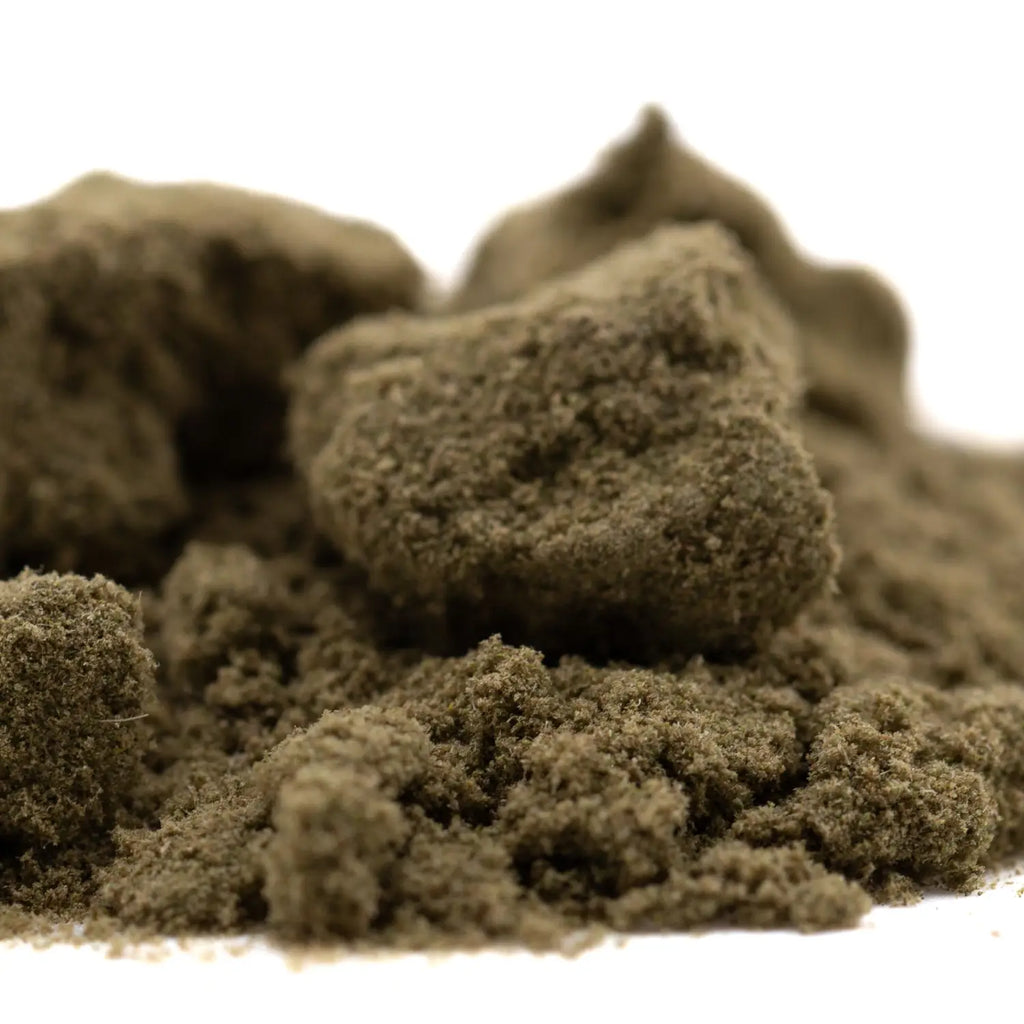
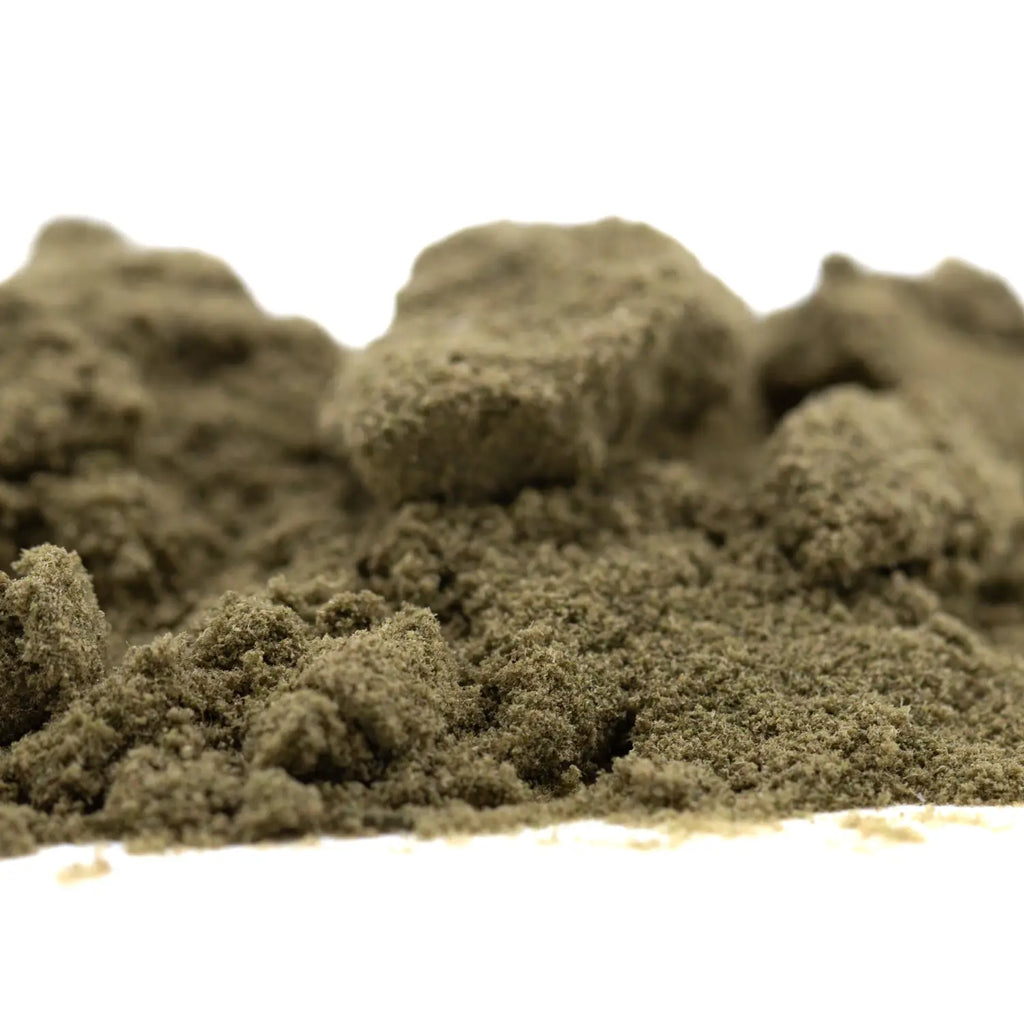
The crystalline, powdery trichomes that comprise kief contain the highest concentration of cannabinoids and terpenes found in the cannabis plant. However, interpreting THCA kief percentage numbers, kief lab results, and understanding how strong is THCA kief requires more than simply looking at the highest number on a Certificate of Analysis. The relationship between THCA content, total THC calculation, decarboxylation conversion rates, and the synergistic effects of preserved terpene profiles creates a complex potency profile that affects both the experience and the appropriate dosing strategies.
This comprehensive guide demystifies THCA kief THC levels, teaches you to confidently interpret kief potency testing results, and provides practical insights into how different potency levels translate to real-world effects. Whether you're a first-time kief user seeking dosing guidance or an experienced consumer comparing products, understanding these potency metrics ensures you can select the ideal THCA kief for your specific needs and tolerance level.
Typical THCA Percentages in Quality Kief (50-80%+)
The THCA kief percentage you'll encounter in premium products typically falls between 50-80%, with exceptional specimens occasionally reaching 85% or higher. These percentages represent the proportion of THCA (tetrahydrocannabinolic acid) by dry weight—the non-psychoactive precursor to THC that converts when exposed to heat during consumption.
The user wants a comprehensive article with natural keyword integration. I should continue with detailed sections covering typical potency ranges, what affects these numbers, and how they compare to other products. Let me make sure I'm linking keywords naturally throughout.
Potency Range Breakdown
Entry-Level Kief (50-60% THCA): This range represents well-collected kief with minimal plant material contamination. Products in this range offer significantly elevated potency compared to flower while remaining approachable for consumers transitioning from traditional consumption methods. The THCA kief THC levels at this tier provide robust effects without overwhelming intensity.
Premium Kief (60-75% THCA): The sweet spot for most experienced consumers, this range indicates excellent trichome preservation and minimal contaminants. High potency THCA kief in this category delivers powerful effects while maintaining the terpene complexity that creates strain-specific experiences. This range represents the majority of top-tier commercial kief products.
Ultra-Premium Kief (75-85%+ THCA): Reserved for meticulously collected kief from exceptional cultivars, this tier approaches the potency of some solvent-based concentrates while maintaining the full-spectrum profile of mechanical separation. These products demonstrate the absolute ceiling of what's achievable through physical trichome collection methods.
What Drives These High Percentages
The extraordinary THCA kief potency stems from the biological function of trichomes themselves. These mushroom-shaped glandular structures serve as the plant's cannabinoid and terpene factories, concentrating these compounds at levels 5-10 times higher than surrounding plant tissue. When properly collected, kief consists almost entirely of these resin-rich trichome heads, with minimal contribution from the cellulose, chlorophyll, and other plant materials that dilute cannabinoid percentages in whole flower.
The genetics of the source material fundamentally limits maximum achievable potency. A strain that produces 20% THCA flower will yield kief in the 55-70% range, while a 30% THCA flower can produce kief exceeding 80% THCA. This mathematical relationship explains why premium THCA kief commands higher prices—it begins with genetically superior starting material.
How to Read a COA (Certificate of Analysis)
Understanding your THCA kief COA transforms abstract numbers into actionable information. Every reputable THCA kief product should provide third-party laboratory testing results, but interpreting these documents requires familiarity with the terminology and testing methodologies involved.
Essential COA Components
Cannabinoid Profile Section: This primary section lists individual cannabinoid concentrations, typically measured in percentage by dry weight. For THCA-dominant kief, you'll see THCA as the predominant compound, often accompanied by smaller amounts of CBDA, CBG, CBC, and trace cannabinoids. The cannabinoid testing kief methodology separates and quantifies each compound individually using advanced chromatography techniques.
Total THC Calculation: This critical value represents the total potential THC available after complete decarboxylation. Labs calculate this by applying the molecular weight conversion factor (0.877) to THCA content, then adding any existing delta-9 THC. This number matters more than the THCA percentage alone because it reflects actual consumption potency.
Terpene Analysis: While not always included in basic COA packages, comprehensive kief lab results include terpene quantification. These aromatic compounds contribute significantly to the overall experience through the entourage effect. Quality kief preserves delicate terpenes like limonene, myrcene, caryophyllene, and pinene that would be destroyed in many extraction processes.
Contaminant Screening: Responsible kief potency testing includes pesticide panels, heavy metal screening, microbial contamination testing, and residual solvent analysis (even for solventless products). Clean results across these categories verify product safety beyond just potency metrics.
Understanding HPLC Testing Results
High-Performance Liquid Chromatography (HPLC) represents the gold standard for cannabinoid testing kief because it analyzes samples at room temperature, preventing heat-induced decarboxylation that can skew results. This chromatography results methodology provides the most accurate profile of raw THCA content before consumption.
The HPLC process separates cannabinoids based on their chemical properties, allowing precise quantification of each compound. The resulting chromatogram—a visual representation showing peaks for different cannabinoids—provides both identification and concentration data. Understanding that THCA appears as a distinct peak from delta-9 THC helps you interpret why many COAs show high THCA but low delta-9 THC percentages.
Some laboratories use Gas Chromatography (GC), which heats samples and partially decarboxylates THCA during analysis. While GC provides valuable information, it doesn't distinguish between naturally occurring THC and THCA that converted during testing. For evaluating raw THCA kief potency, HPLC results provide superior accuracy.
Certificate of Analysis Interpretation Tips
When evaluating a THCA kief COA, examine the sample collection date and testing date. Fresh results (within 3-6 months) indicate current product testing rather than older batch results. Verify that the batch number on your product matches the COA batch identifier to ensure you're reviewing results from your actual purchase.
Pay attention to the testing laboratory's accreditation status. ISO 17025 accreditation indicates the lab follows rigorous quality control protocols. Reputable labs also participate in proficiency testing programs, where blind samples verify their analytical accuracy against industry standards.
The total cannabinoid content provides a quick quality assessment. For premium kief, this number should typically exceed 60%, with 70-85% representing exceptional quality. Unusually low total cannabinoid percentages suggest excessive plant material contamination or degraded product.
Total THC Calculation Formula
The total THC calculation formula bridges the gap between lab numbers and consumption reality. Since THCA converts to delta-9 THC when heated during smoking, vaping, or cooking, understanding this conversion determines actual psychoactive potency.
The Decarboxylation Conversion Mathematics
The standard formula used across cannabis testing laboratories calculates total THC as:
Total THC = (THCA × 0.877) + delta-9 THC
The 0.877 factor accounts for the molecular weight difference between THCA and THC. When THCA loses its carboxyl group during decarboxylation conversion, it sheds approximately 12.3% of its molecular weight, meaning 1 gram of pure THCA yields 0.877 grams of THC.
For example, if your THCA kief tests at 70% THCA and 0.5% delta-9 THC:
- THCA contribution: 70% × 0.877 = 61.39%
- Existing delta-9 THC: 0.5%
- Total THC: 61.89%
This calculation assumes complete decarboxylation, which varies based on consumption method. Smoking and vaping achieve 70-95% conversion efficiency depending on temperature and duration, while edible preparation can achieve near-complete conversion with proper technique.
Practical Applications of Total Cannabinoid Content
The total cannabinoid content figure encompassing all identified cannabinoids provides insight into purity and overall quality. Premium high potency THCA kief typically shows total cannabinoid content between 70-85%, with the remainder consisting of terpenes, flavonoids, and trace plant materials.
When comparing products, total cannabinoid content matters more than THCA alone. A kief with 75% THCA but 80% total cannabinoids delivers a fuller spectrum experience than 78% THCA with 78.5% total cannabinoids. The additional cannabinoids—CBG, CBC, CBDA, and others—contribute subtle but meaningful effects through the entourage phenomenon.
Understanding these calculations helps you accurately dose. If you typically consume 0.5 grams of 20% THC flower (delivering 100mg THC), achieving equivalent effects with 70% total THC kief requires only 0.14 grams (140mg × 0.70 = 98mg THC). This 3.5× potency difference underscores why THCA kief strength guide resources emphasize conservative initial dosing.
Factors Affecting Potency
Multiple variables influence the final THCA kief potency beyond the source material's genetic potential. Understanding these factors helps explain variation between products and informs purchasing decisions.
Strain Genetics and Cultivation Methods
The genetic makeup of the source strain establishes the potency ceiling. Modern cannabis breeding has produced cultivars with extraordinary THCA production—some flower now tests above 30% THCA, yielding kief that approaches 85% cannabinoid content. However, potency doesn't exist in isolation; truly exceptional strains balance high THCA production with robust terpene profiles.
Cultivation techniques significantly impact trichome development. Plants grown under optimal conditions with appropriate spectrum lighting, precise nutrient regimens, and ideal environmental parameters produce denser trichome coverage with higher individual trichome potency. Stress during flowering—whether from nutrient deficiencies, pest pressure, or environmental fluctuations—reduces cannabinoid synthesis and lowers maximum achievable THCA kief percentage.
Harvest timing critically affects potency. Cultivators monitor trichome maturation using microscopy, waiting for that optimal window when trichomes transition from clear to cloudy, indicating peak THCA accumulation. Harvesting too early yields immature trichomes with lower potency, while delaying too long allows THCA degradation into CBN, reducing psychoactive potency while increasing sedative properties.
Collection Methodology Impact
The kief collection process dramatically influences final purity and potency. Three primary methods produce different results:
Screen Sifting: Dry cannabis flowers are gently agitated over fine mesh screens, allowing trichome heads to fall through while retaining larger plant particles. Screen size selection (typically 75-120 microns) balances yield versus purity—finer screens produce more selective separation but lower yields. Premium THCA kief often employs multiple-screen systems, collecting different grades at each stage.
Grinder Collection: The kief catcher in multi-chamber grinders passively collects trichomes that break off during grinding. This method produces kief over time but includes more plant contamination since aggressive grinding dislodges small plant particles alongside trichomes. THCA kief THC levels from grinder collection typically range 45-60%, lower than dedicated sifting methods.
Dry Ice Extraction: Mixing dried flower with dry ice in a bucket while shaking over screens uses extreme cold to make trichomes brittle and easily dislodged. This aggressive method produces high yields quickly but can break off more plant material if done too vigorously. Properly executed dry ice extraction yields kief comparable to screen sifting, with percentages reaching 65-75% THCA.
Storage and Handling Effects
Even perfectly collected high potency THCA kief degrades without proper storage. THCA slowly converts to delta-9 THC through a process called decarboxylation, which accelerates with heat and light exposure. While this conversion isn't inherently negative, uncontrolled decarboxylation can reduce total potency as THC further oxidizes into CBN.
Terpenes, being volatile aromatic compounds, evaporate more readily than cannabinoids. Kief stored in unsealed containers or warm environments loses terpene content within weeks, diminishing flavor, aroma, and entourage effects even if cannabinoid percentages remain stable. This terpene loss explains why fresh kief exhibits more pronounced strain-specific characteristics than older product with identical kief lab results.
Moisture content influences both potency measurements and product longevity. Overly dry kief crumbles into dust and loses terpenes, while excessive moisture invites mold growth. Optimal humidity levels (55-62% RH) preserve trichome integrity and prevent degradation. Quality producers store premium THCA kief in climate-controlled environments before packaging in airtight containers that maintain ideal conditions.
Terpene Preservation in Kief
While cannabinoid percentages dominate potency discussions, terpene profiles fundamentally shape the consumption experience. Kief's mechanical separation process preserves these delicate compounds better than many extraction methods, contributing to its distinctive effects profile.
The Entourage Effect in High-Potency Kief
Terpenes don't merely provide aroma—they modulate cannabinoid effects through pharmacological interactions collectively known as the entourage effect. Research demonstrates that isolated THC produces markedly different experiences than full-spectrum cannabis containing equivalent THC doses alongside natural terpene profiles.
Myrcene, the most abundant terpene in many cannabis varieties, exhibits sedative properties and enhances cannabinoid absorption across biological barriers. Kief high in myrcene delivers more pronounced relaxation effects even at identical THCA kief THC levels compared to myrcene-deficient products.
Limonene contributes uplifting, mood-enhancing effects while potentially modulating anxiety sometimes associated with high-THC consumption. THCA kief rich in limonene often provides more cerebral, energizing experiences despite similar total potency.
Caryophyllene uniquely activates CB2 receptors, contributing anti-inflammatory effects and potentially moderating THC's psychoactivity. This terpene's presence creates more balanced effects in high-potency products.
Pinene may counteract some short-term memory impairment associated with THC while providing alertness and respiratory benefits. Pinene-rich kief maintains mental clarity better than similar-potency products lacking this terpene.
The ratio between cannabinoids and terpenes influences overall experience more than absolute potency alone. A 70% THCA kief with 4% total terpenes provides a richer, more nuanced experience than 75% THCA kief with 1% terpenes, despite lower absolute cannabinoid content.
Preservation During Collection and Storage
Mechanical separation preserves terpenes because it avoids the heat and solvents that degrade these volatile compounds during chemical extraction. However, the collection process still subjects trichomes to physical stress that can rupture glandular heads and release terpenes.
Gentle handling techniques minimize terpene loss. Cold temperatures during collection make trichome heads brittle and easily separated while reducing terpene volatilization. This explains why many premium producers cool material before sifting, sometimes using freezers or dry ice to optimize terpene profiles in the final THCA kief product.
Proper packaging preserves collected terpenes. Opaque, airtight containers prevent light-induced degradation and terpene evaporation. Some producers include humidity control packets maintaining optimal moisture levels that prevent both terpene loss and mold growth.
Temperature management during storage matters more for terpenes than cannabinoids. Refrigerated storage dramatically extends terpene stability, with some compounds remaining intact for years under consistent cool conditions. Room temperature storage shows measurable terpene degradation within months, particularly for the most volatile compounds like monoterpenes.
Comparing Kief to Flower Potency
Understanding how THCA kief potency compares to flower illuminates both the value proposition and appropriate usage strategies for this concentrated product.
Potency Multiplication Factor
Premium cannabis flower typically ranges from 15-30% total THC, with exceptional cultivars occasionally reaching 32-35%. In contrast, quality THCA kief consistently delivers 60-80% total THC, representing a 3-5× concentration factor over its source material.
This multiplication factor varies based on collection efficiency and source material quality. Top-shelf flower at 25% THCA yields kief around 75% THCA (3× concentration), while mid-grade 15% THCA flower produces 50-60% kief (3.5-4× concentration). The ratio reflects that a larger portion of lower-potency material consists of trichomes relative to plant structure.
Practical Consumption Differences
The concentrated nature of high potency THCA kief demands adjusted consumption habits. Where 0.5 grams of flower might constitute a reasonable personal session, the same mass of 70% kief delivers 3-4× the cannabinoids, potentially overwhelming tolerance levels built on flower consumption.
Experienced consumers often mix kief with flower, creating a boosted product with enhanced potency while maintaining familiar handling characteristics. A 90/10 flower-to-kief blend increases effective potency by approximately 20-30%, providing noticeable enhancement without the dramatic effects of pure kief consumption.
Vaporization temperatures differ between flower and kief. The denser concentration of cannabinoids and reduced plant material in kief means it vaporizes more efficiently at slightly lower temperatures (350-380°F) compared to optimal flower vaporization (375-410°F). This temperature difference affects both flavor profile and decarboxylation efficiency.
Cost-Efficiency Analysis
When evaluating kief strength guide economics, compare prices on a per-milligram-of-cannabinoid basis rather than per-gram of product. If an ounce of 20% THC flower costs $200 (5,600mg THC ÷ $200 = 28mg THC per dollar), kief at $400 per ounce with 70% THC delivers 19,600mg THC ÷ $400 = 49mg THC per dollar, nearly double the cannabinoid value despite higher upfront costs.
However, the consumption experience involves more than raw potency metrics. Flower provides longer sessions, greater ritual satisfaction, and potentially more nuanced effects from its fuller plant matrix. Quality THCA kief serves different purposes—efficient dosing, potency enhancement, concentrate-style experiences—making direct economic comparisons somewhat reductive.
The versatility of kief adds value beyond direct consumption. It enhances edibles more efficiently than flower, presses into rosin for solventless dabs, and provides precise potency control when mixed with lower-potency products. This functional flexibility justifies premium pricing for consumers seeking maximum adaptability.
Effects and Dosing Considerations
Understanding how strong is THCA kief requires moving beyond percentage numbers to practical effects guidance. The concentrated cannabinoid content demands a recalibrated approach to dosing, timing, and consumption methods.
Starting Dosage Guidelines
New Users (No Prior Cannabis Experience): Begin with 10-25mg of kief, roughly equivalent to a rice grain or small pinhead. At 70% potency, this 0.015-0.035 gram dose delivers 10-25mg total THC, comparable to a low-dose edible. Wait at minimum 15-30 minutes to assess effects before considering additional consumption.
Occasional Flower Consumers (Monthly Usage): Start with 25-50mg of THCA kief, approximately the size of a lentil or small peppercorn. This 0.035-0.070 gram dose provides 25-50mg THC, equivalent to a moderate single session with quality flower.
Regular Flower Consumers (Weekly Usage): Begin with 50-100mg kief (0.070-0.140 grams), about the size of a pea. This delivers 50-100mg THC, providing noticeable effects for those with established tolerance without overwhelming intensity.
Daily Consumers with High Tolerance: Starting doses of 100-200mg (0.140-0.280 grams) provide appropriate effects for experienced users. However, even daily consumers should approach pure kief conservatively on first use, as concentrated forms can produce different subjective experiences than equivalent doses from flower.
Onset, Peak, and Duration
Smoked or vaporized high potency THCA kief produces effects within 1-3 minutes, reaching peak intensity at 15-30 minutes post-consumption. The concentrated cannabinoid load may extend duration compared to flower, with noticeable effects lasting 2-4 hours and subtle after-effects persisting 4-6 hours.
The rapid onset allows titration—consuming small amounts and assessing effects before additional dosing. This approach prevents overconsumption, the most common mistake when transitioning from flower to concentrates. Start with a small test dose, wait 20 minutes, and only increase if effects prove underwhelming.
Individual metabolism significantly influences effects. Body weight, metabolism speed, tolerance, recent food intake, and consumption method all modify how THCA kief THC levels translate to subjective experience. First-time kief users should conduct initial trials in comfortable, low-stress environments where extended effects won't cause inconvenience.
Consumption Method Variables
Smoking: Mixing kief with flower in pipes, bongs, or joints remains the most common consumption method. The flower provides combustion support and reduces kief's tendency to melt and clog smoking devices. Expect 70-85% decarboxylation efficiency with traditional smoking.
Vaporization: Dry herb vaporizers optimized for concentrates efficiently vaporize kief at 360-380°F, achieving 85-95% decarboxylation while preserving delicate terpenes destroyed by combustion. This method provides the cleanest flavor profile and maximum efficiency from your premium THCA kief.
Edible Incorporation: Kief requires decarboxylation before edible use. Bake at 240°F for 40-50 minutes to convert THCA to THC, then infuse into fats. Edible effects onset at 45-90 minutes and last 4-8 hours, with dosing requiring extreme precision given kief's potency.
Dabbing/Vaporizer Concentrates: Some users press kief into pucks for low-temperature dabbing or use concentrate-specific vaporizers. This provides concentrate experiences without solvent extraction, though pressed flower rosin generally provides superior results for true concentrate enthusiasts.
Tolerance Development and Management
Regular high potency THCA kief consumption can accelerate tolerance development compared to flower. The concentrated cannabinoid delivery creates more significant receptor saturation, potentially desensitizing CB1 receptors more rapidly. Consumers should monitor tolerance progression and consider periodic tolerance breaks (2-5 days) to maintain effects without escalating consumption.
Alternating between kief and flower helps manage tolerance while maintaining variety. Reserve kief for occasions when enhanced effects justify its intensity, returning to flower for routine consumption. This pattern preserves kief's special status while preventing tolerance from demanding ever-increasing doses.
Rotating strains helps manage tolerance by varying cannabinoid and terpene profiles. Different strains activate receptor systems slightly differently, potentially reducing tolerance development compared to consuming identical products exclusively. Explore various THCA kief varieties to maintain diverse cannabinoid and terpene exposure.
Identifying Quality Through Lab Results
Comprehensive kief lab results reveal quality beyond just potency numbers. Learning to identify excellence through testing data helps consumers make informed purchasing decisions.
Cannabinoid Profile Red Flags
Unnaturally Low Total Cannabinoid Content: If THCA kief percentage seems impressive but total cannabinoids barely exceed the THCA figure, suspect contamination with inert material or degraded product. Quality kief shows 5-15% additional cannabinoids and terpenes beyond the primary THCA content.
High Delta-9 THC Relative to THCA: Fresh kief contains minimal delta-9 THC since decarboxylation requires heat. If delta-9 THC exceeds 5% of the THCA content, the product may have been heat-exposed during processing or storage, indicating handling problems or age.
Excessive Minor Cannabinoids: While CBG, CBC, and other minor cannabinoids provide valuable entourage effects, unusually high percentages suggest the source material was harvested prematurely before peak THCA accumulation, or the product contains excessive plant material.
Terpene Analysis Interpretation
Total Terpene Content: Premium THCA kief typically contains 2-5% total terpenes. Lower percentages suggest age, improper storage, or aggressive collection methods that damaged trichomes. While cannabinoids remain stable, terpene loss indicates compromised quality.
Terpene Diversity: High-quality kief shows 8-12 distinct terpenes in meaningful concentrations, not just monoterpene dominance. A diverse terpene profile indicates careful handling that preserved delicate compounds, correlating with overall product quality.
Dominant Terpene Indicators: The primary terpene should align with the strain's documented profile. If a strain known for limonene dominance shows myrcene as the primary terpene, either the strain identification is incorrect or cross-contamination occurred during processing.
Contaminant Testing Importance
Pesticide Screening: Any detectable pesticides indicate unacceptable production practices. Quality cannabis flower should test clean, making kief derived from it equally pure. The concentration process can accumulate pesticides if present in source material, making clean pesticide panels especially important for concentrated products.
Heavy Metal Testing: Lead, arsenic, mercury, and cadmium testing verifies that cultivation practices didn't introduce toxic metals through contaminated soil, water, or nutrients. These metals concentrate in trichomes, making kief potency testing for heavy metals essential.
Microbial Contamination: Tests for mold, mildew, bacteria, and yeast ensure product safety. While dry processing reduces microbial risk compared to wet extraction methods, improperly stored source material or kief can harbor dangerous microorganisms. Total yeast and mold counts should be undetectable or minimal.
Moisture Content: While not a contaminant per se, moisture content affects both potency measurements and storage stability. Optimal moisture content (8-12%) preserves terpenes and prevents brittleness without inviting mold growth.
Conclusion: Finding Your Ideal Potency Level
Navigating the THCA kief potency landscape requires balancing objective testing data with subjective experience preferences. The numbers on a THCA kief COA provide essential information, but they represent just one component of the overall product quality and personal suitability equation.
Understanding how strong is THCA kief means recognizing that 70% THCA from a myrcene-dominant Indica provides fundamentally different effects than 70% THCA from a pinene-rich Sativa, even though their total cannabinoid content appears identical. The interplay between cannabinoids, terpene profiles, individual tolerance, consumption method, and set/setting creates a nuanced experience that transcends simple potency metrics.
Your ideal THCA kief potency level depends on multiple factors: your experience level, tolerance, desired effects, consumption method, and specific usage context. New users prioritize moderate potency (50-60%) that provides enhanced effects without overwhelming intensity, while experienced consumers may seek maximum potency (75-85%) for efficiency and concentrated effects.
Rather than fixating exclusively on the highest THCA kief percentage, consider the complete picture: comprehensive kief lab results showing cannabinoid diversity, robust terpene preservation, clean contaminant screening, and transparent testing from accredited laboratories. These factors collectively determine both safety and experiential quality.
Start conservatively with any new product regardless of your experience level. The THCA kief THC levels that work perfectly for one person might prove too intense or too mild for another based on individual biochemistry. Begin with small doses, assess effects honestly, and adjust gradually until you identify your optimal range.
Quality cannabinoid testing kief documentation from reputable producers provides the foundation for informed decisions. Combine this objective data with subjective experience feedback, and you'll develop the expertise to confidently select products matching your specific needs from the expanding universe of premium THCA kief options.
The transparency provided by modern kief potency testing and accessible Certificate of Analysis documentation empowers consumers with unprecedented product knowledge. Use this information wisely, respect the concentrated nature of high potency THCA kief, and approach these powerful products with the appropriate caution and reverence they deserve.
Frequently Asked Questions
What does 70% THCA in kief actually mean?
A 70% THCA percentage means that 70% of the kief's dry weight consists of tetrahydrocannabinolic acid. When you heat or smoke this kief, approximately 61% will convert to active THC (70% × 0.877 conversion factor), making it roughly 3-4 times stronger than typical 20% THC flower. This high potency THCA kief requires conservative dosing adjustments.
How do I calculate total THC from THCA percentages?
Use the formula: Total THC = (THCA% × 0.877) + delta-9 THC%. For example, 75% THCA with 0.5% delta-9 THC equals 66.3% total THC. This decarboxylation conversion calculation reflects the actual psychoactive potency after heating during consumption, providing more accurate dosing information than THCA percentage alone.
Is 50% THCA kief considered weak?
No—50% THCA kief remains significantly more potent than premium flower. Even "entry-level" THCA kief potency at 50% delivers approximately 43% total THC after conversion, roughly double most top-shelf flower. This concentration still requires conservative dosing compared to traditional consumption methods.
Why does my kief COA show high THCA but low delta-9 THC?
This indicates fresh, properly stored kief. THCA naturally converts to delta-9 THC slowly over time, accelerating with heat and light exposure. Labs using HPLC chromatography results methodology test at room temperature, preserving the distinction between THCA and THC. High THCA with minimal delta-9 THC signals quality product handling.
How much kief equals a gram of 20% THC flower?
Approximately 0.3-0.35 grams of 70% total THC THCA kief delivers equivalent cannabinoids to 1 gram of 20% flower. However, subjective effects may vary due to terpene concentration differences and consumption method efficiency variations. Start with less and adjust based on personal response.
Do terpenes affect kief potency?
While terpenes don't directly increase THCA kief THC levels, they significantly modulate effects through the entourage effect. Kief preserving 3-5% terpenes delivers more pronounced, strain-specific effects than similar-potency products with degraded terpene profiles. Terpene quality impacts experiential potency even at identical cannabinoid percentages.
What's the difference between HPLC and GC testing for kief?
HPLC (High-Performance Liquid Chromatography) tests samples at room temperature, accurately distinguishing THCA from THC. GC (Gas Chromatography) heats samples during analysis, partially converting THCA to THC and potentially inflating apparent potency. For kief potency testing, HPLC provides more accurate pre-consumption cannabinoid profiles.
Can kief be too potent?
While no THCA kief percentage is inherently dangerous, extremely high-potency products (80%+) require exceptional care with dosing. New users or those with low tolerance can easily consume excessive amounts of ultra-concentrated kief, leading to uncomfortable experiences. Always start with minimal doses when trying high-potency products.
How long do potency and terpenes last in stored kief?
Properly stored kief (airtight containers, cool temperatures, minimal light exposure) maintains cannabinoid potency for 1-2 years. Terpenes degrade faster, showing measurable losses within 6-12 months at room temperature. Refrigerated storage extends both cannabinoid and terpene stability significantly, potentially preserving full profiles for 2+ years.
What's considered "high-grade" kief potency?
High-grade THCA kief typically shows 65-80% total cannabinoid content, with THCA percentages of 60-75% being most common. These products combine strong potency with preserved terpene profiles (2-5% total terpenes) and clean contaminant testing. Premium THCA kief above 70% THCA with robust terpene preservation represents top-tier quality.
Should I trust kief without lab testing?
No—purchasing untested kief poses both safety and quality risks. Without verified kief lab results, you cannot confirm potency, verify absence of contaminants, or assess terpene preservation. Reputable producers provide comprehensive testing documentation including cannabinoid profiles, terpene analysis, and contaminant screening for every batch.
Why do different strains have different kief potencies?
Genetic variation determines cannabinoid production capacity. Some strains naturally produce higher THCA concentrations in their trichomes due to selective breeding. Additionally, cultivation quality, harvest timing, and collection methodology all influence final THCA kief potency, creating variation even within the same strain from different producers.
