





What Are Moon Rocks Made Out Of? The Complete Guide to Cannabis Moon Rocks Composition

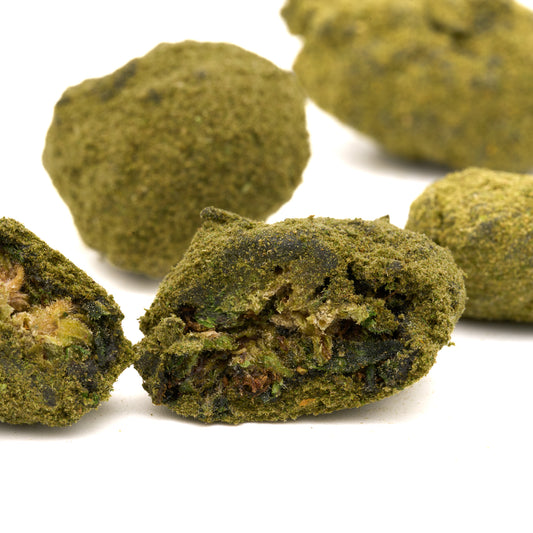
If you've ever wondered what makes cannabis moon rocks one of the most potent and sought-after products in the hemp industry, you're not alone. These crystallized, asteroid-like nuggets have earned legendary status among cannabis enthusiasts, but many consumers don't fully understand what moon rocks are made out of or why they command premium prices. The truth is, moon rocks ingredients represent a carefully orchestrated combination of three distinct cannabis materials, each contributing unique properties to create an exceptionally powerful product.
Understanding moon rocks composition isn't just about satisfying curiosity—it's essential for making informed purchasing decisions. Not all moon rocks are created equal, and the quality of each component directly impacts potency, flavor, and overall experience. Whether you're a seasoned cannabis connoisseur or exploring premium products for the first time, knowing what makes moon rocks special will help you identify authentic, high-quality options and avoid inferior imitations.
In this comprehensive guide, we'll break down every layer of moon rocks materials, explore the creation process, and reveal why the moon rocks cannabis composition has revolutionized the way people experience cannabinoids. By the end, you'll have expert-level knowledge of moon rocks components and exactly what to look for when shopping for these premium products.
The Foundation: Premium Cannabis Flower Forms the Base
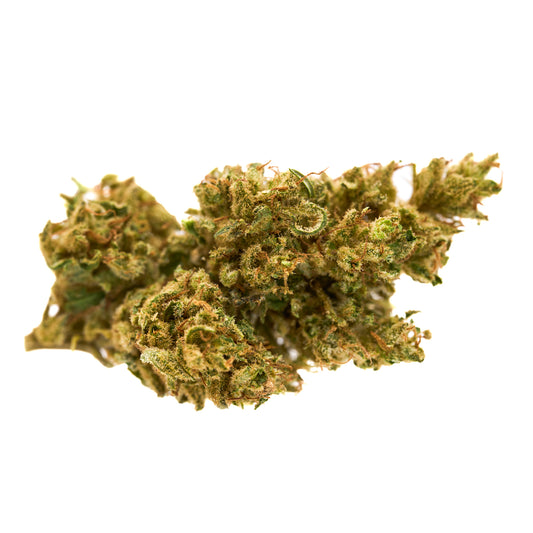
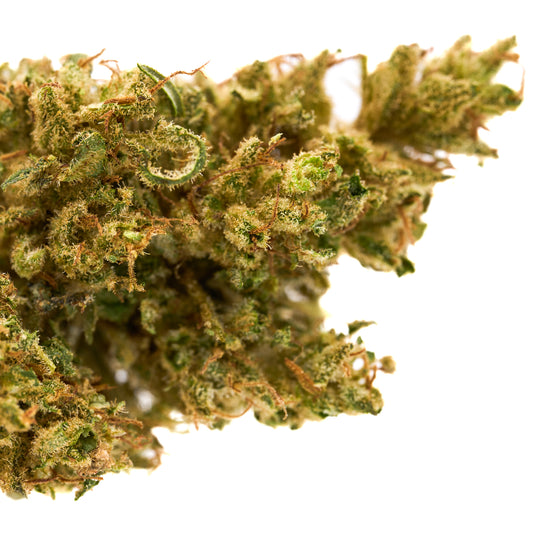
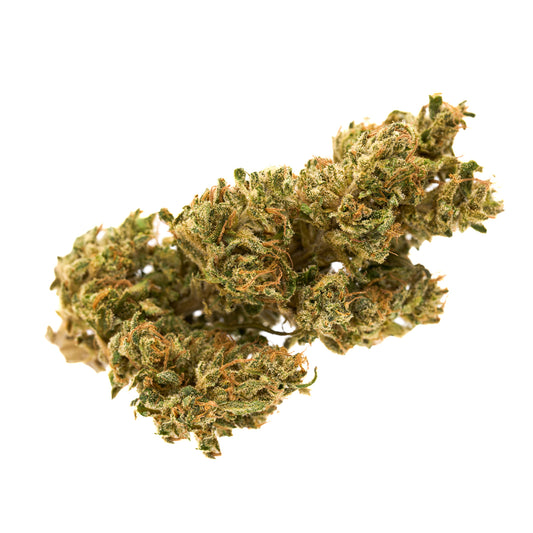
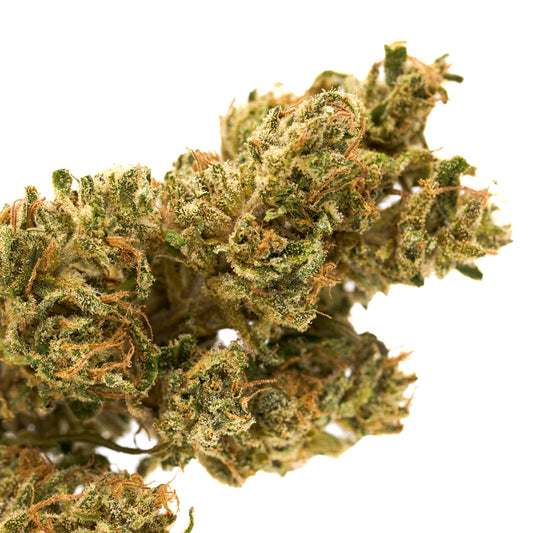
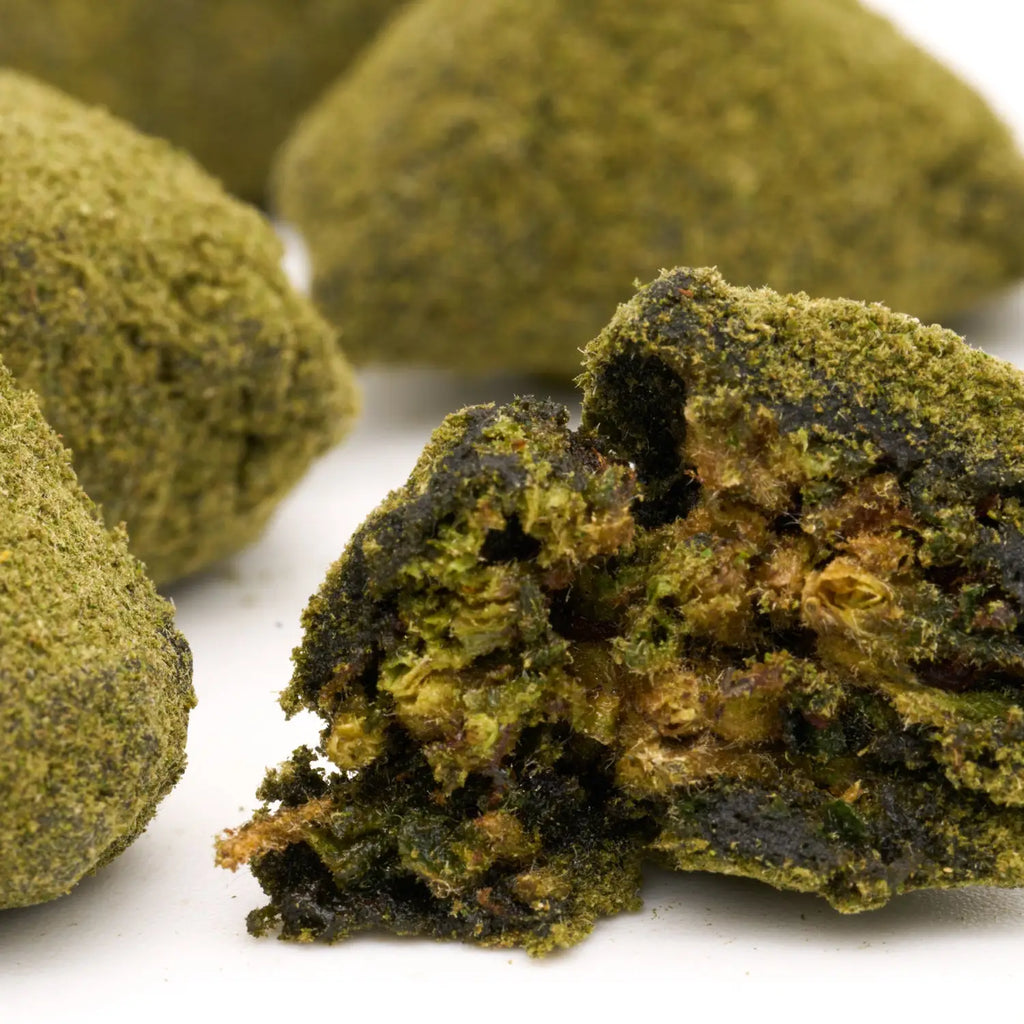
At the heart of every quality moon rock lies a carefully selected cannabis flower bud. This foundation is the first and arguably most important of the moon rocks components, as it determines the structural integrity and baseline potency of the final product. Understanding moon rocks structure begins with appreciating the role this core flower plays.
Selecting the Right Starting Material
When examining what's inside moon rocks, the flower selection process is critical. Premium moon rock producers use dense, resinous buds—never trim, shake, or lower-quality material. These buds typically come from popular strains known for their robust cannabinoid profiles and structural density. Indica-dominant strains like OG Kush, Girl Scout Cookies, and Granddaddy Purple are frequently chosen for their naturally compact structure and high trichome production.
The moon rocks parts work synergistically, but the flower base must be able to support the additional weight of oil and kief coatings. Loose, airy buds simply don't provide adequate surface area or structural support for the layering process. This is why experienced manufacturers select medium to large-sized nugs with tight bud structure—they maintain their shape throughout the coating process and provide optimal surface texture for oil adhesion.
Why Flower Quality Determines Final Potency
The starting cannabinoid content of the flower directly influences the moon rock's total potency. A premium flower might begin at 20-25% THC or THCA content, which then gets amplified by subsequent layers. Conversely, using low-potency trim or shake as a base creates an inherently weaker product, regardless of how much oil and kief get added later.
Authentic producers are transparent about their flower sources, often specifying strain genetics and cannabinoid profiles. This transparency helps consumers understand the true inside moon rocks composition and make educated decisions. When evaluating different products, always ask about the flower base—it's the foundation that everything else builds upon.
The Middle Layer: Cannabis Oil Coating Binds Everything Together
The second critical component in moon rocks layers is the cannabis oil or concentrate coating. This middle layer serves dual purposes: it acts as an adhesive for the outer kief coating while significantly boosting the product's overall potency. Understanding this element of the moon rocks creation process reveals why oil quality is absolutely crucial to the final experience.
Types of Cannabis Oil Used in Production
When examining how moon rocks are assembled, you'll encounter various oil types, each bringing distinct properties to the moon rocks flower oil kief combination:
Hash Oil: Traditional hash oil, extracted through various methods, provides rich terpene profiles and full-spectrum cannabinoid content. It tends to be thicker and stickier, making it ideal for kief adhesion. Hash oil typically adds 40-60% THC to the overall composition.
CO2 Oil: CO2 extraction produces cleaner, more refined concentrates with minimal residual solvents. These oils are often lighter in color and more consistent in viscosity, allowing for even coating application. CO2 oil can range from 60-80% cannabinoid content.
Distillate: Highly refined cannabis distillate represents the purest form of cannabinoids, often exceeding 90% THC or THCA. While it lacks the terpene complexity of full-spectrum oils, it delivers maximum potency. Some premium moon rock producers use distillate combined with reintroduced terpenes for optimal results.
Delta-8 Oil: In the hemp-derived market, Delta-8 THC oil has become increasingly popular for creating compliant moon rocks. This cannabinoid offers unique effects while remaining legal under federal hemp laws, making Delta-8 moon rocks accessible to consumers in states where traditional THC products face restrictions.
Application Methods and Their Impact
The how moon rocks assembled process varies by producer, but oil application typically follows one of three methods:
Brush Application: Using small brushes, technicians carefully paint oil onto the flower's surface. This method provides excellent control and even distribution but is time-intensive. It's the preferred method for small-batch, artisanal moon rocks.
Spray Technique: Some commercial producers use specialized spray equipment to apply oil uniformly. This method is faster and more scalable but requires precise equipment calibration to avoid over-saturation or uneven coating.
Dip Method: The flower gets briefly dipped into heated oil, ensuring complete coverage. While efficient, this technique requires careful temperature control—too hot damages cannabinoids, too cool creates uneven coating.
Each method influences the final moon rocks makeup, affecting how the layers integrate and cure. The oil layer shouldn't be so thick that it drips or pools, but must be substantial enough to hold kief and contribute meaningful potency.
Why Oil Quality Matters
The oil component often represents the most expensive part of moon rocks materials. Premium oils undergo rigorous extraction processes, laboratory testing, and quality control. Lower-grade alternatives might contain residual solvents, impurities, or minimal cannabinoid content—all red flags that compromise the final product.
When researching cannabis moon rocks ingredients, ask producers about their oil source, extraction method, and purity testing. Reputable manufacturers provide Certificates of Analysis (COAs) showing exact cannabinoid percentages and confirming the absence of contaminants.
The Outer Shell: Premium Kief Creates the Signature Finish
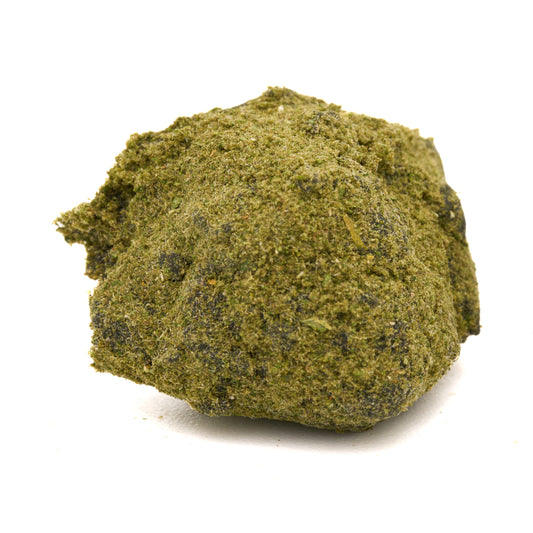
The final and most visually distinctive element of moon rocks three components is the kief coating. This crystallized outer layer gives moon rocks their distinctive "lunar" appearance while providing a final potency boost that can push total THC content beyond 50%. Understanding what goes into moon rocks at this stage reveals why kief quality separates premium products from mediocre imitations.
What Exactly Is Kief?
Kief consists of separated trichome heads—the tiny, crystal-like structures that coat cannabis flowers and contain the plant's highest concentration of cannabinoids and terpenes. These trichomes are the "factories" where cannabis produces THC, CBD, and aromatic compounds. When collected and concentrated, kief can contain 50-80% cannabinoids, making it one of the most potent cannabis materials available.
The moon rocks elements work in harmony because kief adds both visual appeal and substantial potency. As the finishing touch in how moon rocks are assembled, kief transforms ordinary oil-coated flower into the iconic, frosted appearance that gives these products their name.
Collection and Application Process
Premium kief comes from carefully sifted cannabis flowers, typically using multi-chamber grinders or specialized screens that separate trichomes without including plant material. The finest kief appears as a light golden to amber powder with uniform consistency.
During the moon rocks creation process, oil-coated flowers get rolled or tumbled in kief until completely covered. Some premium producers apply multiple kief coats, allowing each layer to set before adding the next. This multi-coating technique creates the dense, crystallized appearance that characterizes top-tier moon rocks.
The moon rocks cannabis composition reaches its peak when high-quality kief binds with premium oil, creating a stable outer shell that preserves freshness and delivers concentrated cannabinoids with every use.
Quality Indicators in Kief Coating
Not all kief coatings are equal. When evaluating moon rocks makeup, look for these quality indicators:
Color: Premium kief ranges from light blonde to golden amber. Green-tinged kief indicates plant material contamination, while very dark kief may be oxidized or low-quality.
Consistency: High-grade kief should appear fine and powdery, not clumpy or compressed. It should adhere well to the oil layer without easily falling off.
Coverage: Authentic moon rocks feature complete, even kief coverage with no bare spots. Sparse or patchy coating suggests rushed production or kief scarcity.
Aroma: Quality kief retains robust terpene profiles, contributing to the moon rock's overall fragrance. Lack of aroma indicates degraded or old kief.
The kief layer completes the moon rocks three components trinity, creating a product that delivers exponentially more potency than any single element could provide alone.
The Assembly Process: How Moon Rocks Are Created
Understanding the moon rocks creation process from start to finish provides valuable insight into why quality control matters and what separates professional products from amateur attempts. The moon rocks recipe, while conceptually simple, requires precision and expertise to execute properly.
Step-by-Step Manufacturing Process
Step 1: Flower Selection and Preparation (Day 1) The process begins with careful flower curing and trimming. Producers select premium buds based on density, trichome production, and cannabinoid content. These flowers must be properly dried and cured—too moist and oil won't adhere properly; too dry and they become brittle during handling.
Step 2: Oil Application (Day 1) Using one of the methods described earlier, technicians apply cannabis oil evenly across the flower's surface. The how moon rocks assembled methodology at this stage determines coating consistency. Professional operations often work in climate-controlled environments to maintain optimal oil viscosity.
Step 3: Kief Rolling (Day 1) Immediately after oil application (while the coating remains tacky), flowers get rolled or tumbled in premium kief. Some producers use specialized rotating drums for even coverage, while boutique manufacturers hand-roll each piece for maximum quality control.
Step 4: Curing and Setting (Days 2-7) After assembly, moon rocks require curing time. This allows the moon rocks flower oil kief layers to integrate properly. During curing, excess oil absorbs into the flower while the kief coating sets firmly. Rushing this stage creates unstable products that shed kief or taste harsh.
Step 5: Quality Control and Packaging (Day 7+) Final products undergo visual inspection, weight verification, and often laboratory testing to confirm cannabinoid profiles. Premium producers test the moon rocks composition to provide accurate potency information to consumers.
Variations on the Traditional Formula
While the classic moon rocks recipe includes all three components, several variations exist:
Caviar: Flower coated in oil but without the kief layer. This creates a cleaner smoking experience with slightly less potency but more pronounced terpene flavors.
Sun Rocks: A premium variation using top-shelf flower, highest-quality oil, and multiple kief coats. Sun rocks typically exceed 60% THC and command premium prices.
Ice Rocks: Similar to moon rocks but using ice water hash (bubble hash) instead of dry kief, creating a different texture and flavor profile.
Delta-8 Moon Rocks: Hemp-derived versions using Delta-8 moon rocks compliant with federal hemp regulations, offering legal alternatives in restricted markets.
Home-Made vs. Professional Production
The what goes into moon rocks question becomes more complex when comparing DIY and commercial products. While technically possible to make moon rocks at home, several challenges arise:
Temperature Control: Without climate-controlled environments, oil consistency varies wildly, affecting coating quality.
Ingredient Quality: Access to premium kief and high-purity oils is limited for individual consumers.
Curing Space: Proper curing requires specific humidity and temperature ranges difficult to maintain at home.
Safety Concerns: Working with concentrated cannabis oils requires understanding of proper handling and storage.
Professional manufacturers invest in specialized equipment, quality control systems, and testing protocols that ensure consistent moon rocks structure and safety. While homemade attempts may satisfy curiosity, they rarely match commercial quality.
Ingredient Quality: Not All Moon Rocks Are Created Equal
Perhaps the most crucial aspect of moon rocks materials is quality differentiation. The gap between premium and budget moon rocks often comes down to ingredient selection and manufacturing standards. Understanding these differences helps consumers avoid disappointing purchases and identify truly exceptional products.
Premium vs. Budget Ingredient Differences
Flower Base Comparison:
- Premium: Hand-selected, strain-specific buds with 20%+ cannabinoid content, properly cured and trimmed
- Budget: Shake, trim, or low-grade flower with 10-15% cannabinoid content, potentially old or improperly stored
Oil Quality Spectrum:
- Premium: Pure CO2 oil or distillate (70-90% cannabinoids), lab-tested, solvent-free
- Budget: Lower-grade concentrates (40-60% cannabinoids), potential solvent residue, minimal testing
Kief Grade Differences:
- Premium: Pure trichome heads (60-80% cannabinoids), golden color, robust terpene preservation
- Budget: Plant matter contamination, lower cannabinoid content (30-50%), minimal aroma
The price difference between these tiers reflects the cannabis moon rocks ingredients cost disparity. Premium components cost significantly more to source, but deliver exponentially better experiences.
Red Flags to Watch For
When evaluating moon rocks, several warning signs indicate inferior moon rocks composition:
Visual Red Flags:
- Sparse or uneven kief coverage
- Green tint in kief coating (plant material contamination)
- Visible shake or trim as the base flower
- Oil dripping or pooling (over-application or low-quality oil)
- Excessive stem content
Aromatic Warning Signs:
- Chemical or solvent smells (improperly purged oil)
- Musty or moldy odors (improper storage or old materials)
- Lack of terpene aroma (degraded or low-quality ingredients)
Texture Indicators:
- Kief easily brushes off (poor adhesion indicating rushed production)
- Overly wet or sticky texture (insufficient curing)
- Brittle, crumbly consistency (overdried or old materials)
The Importance of Laboratory Testing
Reputable moon rock producers provide third-party laboratory testing for their moon rocks elements. These Certificates of Analysis (COAs) should verify:
Cannabinoid Profiles: Exact percentages of THC, THCA, CBD, Delta-8, or other cannabinoids present
Terpene Content: Specific aromatic compounds and their concentrations
Contaminant Screening: Tests for pesticides, heavy metals, residual solvents, and microbial contamination
Potency Verification: Confirmation that advertised potency matches actual cannabinoid content
Without testing, claims about moon rocks makeup remain unverified. Premium producers proudly display their COAs, understanding that transparency builds consumer trust.
Price as a Quality Indicator
While price alone doesn't guarantee quality, significant price discrepancies often reflect moon rocks materials quality differences. Consider the cost breakdown:
A premium gram of moon rocks might include:
- $5-8 worth of high-grade flower
- $8-12 worth of quality oil/concentrate
- $3-5 worth of pure kief
- Labor, testing, packaging costs
Budget moon rocks cutting corners on any component will show in the final product. Extremely cheap moon rocks (under $15/gram) simply cannot contain premium ingredients—the economics don't work.
Questions to Ask Suppliers and Retailers
When shopping for moon rocks, informed consumers ask specific questions about what makes moon rocks quality:
- "What strain is the base flower, and what's its cannabinoid content?"
- "What type of oil do you use, and what's its purity percentage?"
- "Can you provide lab testing for this specific batch?"
- "How long do you cure moon rocks after assembly?"
- "What's the source of your kief—in-house or purchased?"
- "Do you offer any guarantees or return policies?"
Legitimate sellers welcome these questions and provide detailed answers. Evasive responses or inability to provide specifics suggest quality concerns with the moon rocks components.
Understanding Potency and Effects
The moon rocks structure creates unique potency profiles that distinguish these products from regular flower. The synergistic interaction of flower, oil, and kief produces effects that exceed simple arithmetic addition of cannabinoid percentages.
Why Moon Rocks Are So Potent
Standard cannabis flower rarely exceeds 30% THC. Moon rocks routinely reach 50-60% total cannabinoid content through the moon rocks layers combining:
- Flower base: 20-25% cannabinoids
- Oil coating: Adds 15-20% cannabinoids
- Kief layer: Contributes 10-15% cannabinoids
This concentration means consuming a small amount of moon rocks delivers effects equivalent to much larger quantities of regular flower. New users often underestimate potency, making dosage control crucial.
Consumption Considerations
The dense inside moon rocks composition affects consumption methods:
Smoking: Moon rocks require specific handling—they're too sticky for standard grinders. Most users break pieces by hand and mix with regular flower for easier burning.
Vaporization: High-quality vaporizers can handle moon rocks, but the oil content may require frequent cleaning.
Potency Onset: Effects typically manifest faster and stronger than regular flower due to concentrated cannabinoid delivery.
Conclusion: The Art and Science of Moon Rocks
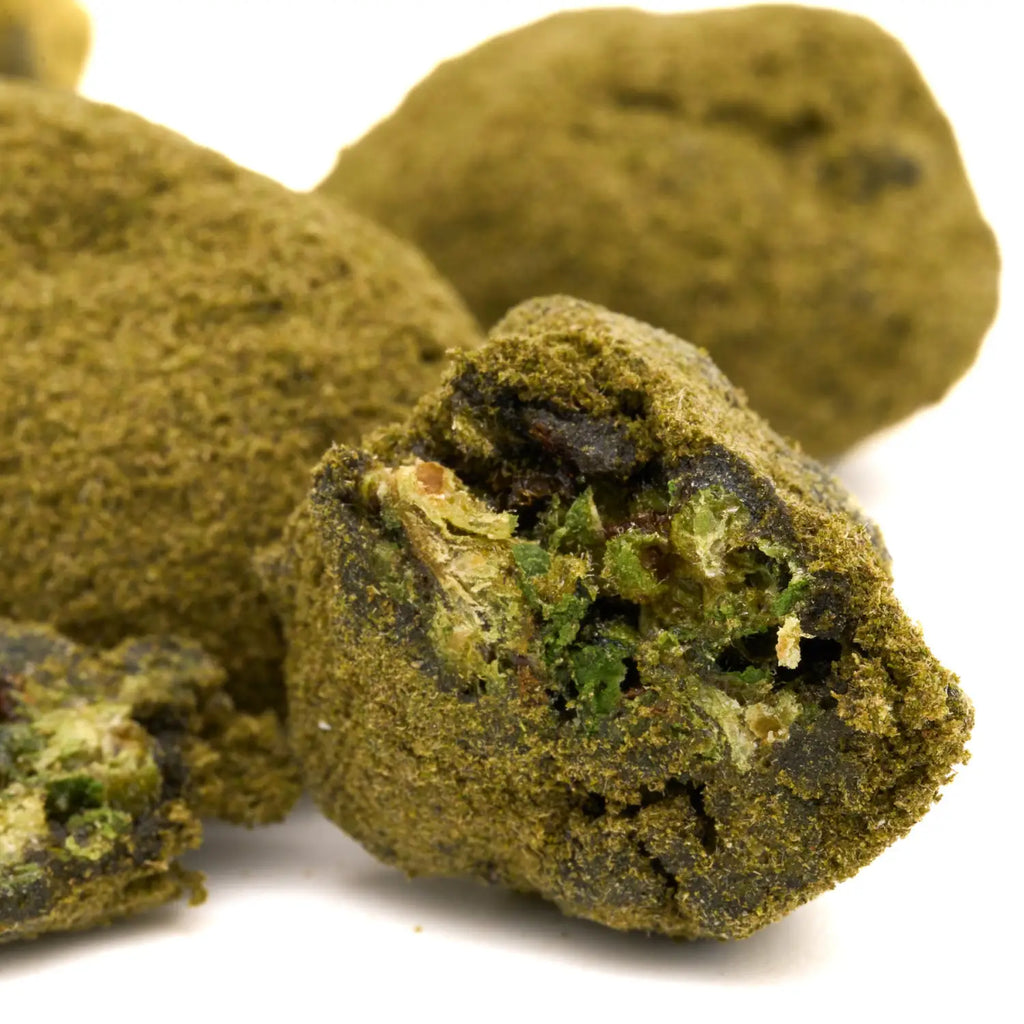
Understanding what moon rocks are made out of transforms these products from mysterious novelties into appreciated cannabis craftsmanship. The moon rocks three components—premium flower, quality oil, and pure kief—work synergistically to create one of the most potent and distinctive products in the cannabis industry.
Quality matters at every level. The flower foundation determines structural integrity and base potency. The oil coating provides adhesion and significant cannabinoid contribution. The kief finish adds visual appeal and final potency boost. Together, these moon rocks parts create products that deliver exceptional experiences when sourced and manufactured properly.
As you explore moon rocks options, remember that moon rocks ingredients transparency separates premium products from inferior imitations. Seek producers who provide detailed component information, laboratory testing, and clear sourcing practices. The initial investment in quality pays dividends through superior potency, flavor, and effects.
Whether you're interested in traditional THC moon rocks or hemp-derived Delta-8 moon rocks for legal compliance, understanding the moon rocks creation process empowers you to make educated decisions and identify truly exceptional products in an increasingly crowded market.
Frequently Asked Questions About Moon Rocks
What are the three components of moon rocks?
Moon rocks consist of three essential components: a premium cannabis flower bud as the base, a coating of cannabis oil or concentrate for adhesion and potency, and an outer layer of kief (concentrated trichomes) that creates the distinctive crystallized appearance. These three elements work together to produce cannabinoid concentrations often exceeding 50%, making moon rocks among the most potent cannabis products available.
Can you make moon rocks at home?
Yes, you can technically make moon rocks at home using quality flower, cannabis oil, and kief. However, achieving professional-grade results is challenging without proper equipment, climate control, and access to premium ingredients. Homemade versions often lack the consistency, potency verification, and quality control of commercial products. Professional manufacturers invest in specialized curing environments and laboratory testing to ensure safety and consistent quality.
Why are moon rocks so potent?
Moon rocks achieve exceptional potency through triple-layer cannabis concentration. The base flower typically contains 20-25% cannabinoids, the oil coating adds another 15-20%, and the kief layer contributes 10-15% more. This cumulative effect can push total cannabinoid content to 50-60% or higher—roughly double the potency of premium cannabis flower. The three components work synergistically, creating effects greater than any single element alone.
What's the difference between moon rocks and regular flower?
The primary difference is potency and composition. Regular cannabis flower is a single, natural plant material typically containing 15-30% cannabinoids. Moon rocks are manufactured products combining flower, oil, and kief to create 50-60%+ cannabinoid content. This makes moon rocks 2-3 times more potent than regular flower. Additionally, moon rocks have a distinctive appearance, denser texture, and require different consumption methods due to their sticky, oil-coated structure.
How long do moon rocks stay fresh?
When stored properly in airtight containers in cool, dark conditions, moon rocks maintain potency and freshness for 6-12 months. The oil and kief coating actually helps preserve the inner flower by limiting air exposure. However, exposure to heat, light, or humidity can degrade cannabinoids and cause the layers to separate. Premium moon rocks stored correctly often improve slightly during the first month as components fully integrate.
Are Delta-8 moon rocks legal?
Delta-8 THC moon rocks derived from hemp containing less than 0.3% Delta-9 THC are federally legal under the 2018 Farm Bill. However, state laws vary—some states have restricted or banned Delta-8 products despite federal legality. Always check your local regulations before purchasing. Delta-8 moon rocks offer a legal alternative in many jurisdictions where traditional THC products remain restricted.
Can you grind moon rocks in a regular grinder?
No, standard grinders struggle with moon rocks due to the sticky oil coating. The oil clogs grinder teeth and causes kief loss. Most users break moon rocks by hand into smaller pieces, then mix them with regular flower for easier burning and more even consumption. Some specialty grinders with non-stick coatings handle moon rocks better, but hand-breaking remains the preferred method for preserving all components.
What makes premium moon rocks worth the higher price?
Premium moon rocks justify higher prices through superior ingredient quality at every level: hand-selected flower from named strains (vs. trim or shake), pure CO2 oil or distillate (vs. lower-grade concentrates), and pristine kief (vs. contaminated or low-potency alternatives). Premium products also include laboratory testing, quality control, and proper curing time. The cost difference reflects genuine material and process quality that dramatically affects potency, flavor, and overall experience.
