





Best Soil for Growing THCA Hemp: Nutrients and pH Levels Explained

Growing premium THCA hemp starts underground. While growers often focus on lighting, genetics, and climate control, the best soil for THCA hemp serves as the literal foundation for producing high-potency, terpene-rich flowers. The relationship between soil quality and cannabinoid content is direct and profound—poor soil produces mediocre results, while properly prepared THCA growing medium can elevate your harvest to commercial-grade quality.
Whether you're growing a few personal plants or managing a commercial hemp operation, understanding hemp soil requirements is non-negotiable. This comprehensive guide covers everything from basic soil fundamentals to advanced living soil techniques, giving you the knowledge to create the perfect growing environment for maximum THCA production.
Soil vs. soilless growing mediums each offer distinct advantages. Traditional soil provides a buffering system that forgives minor mistakes and houses beneficial microbiology that can enhance terpene profiles. Soilless mediums like coco coir offer faster growth rates and more precise control over nutrition. What makes THCA hemp soil requirements unique is the plant's demanding nutrient appetite during flowering and its sensitivity to pH fluctuations—factors that directly impact cannabinoid synthesis.
This guide promises comprehensive soil guidance from basics to advanced techniques, empowering both beginners and experienced growers to optimize their THCA soil nutrients for exceptional results.
Understanding Soil Fundamentals for THCA Hemp
Soil is far more than dirt—it's a living ecosystem that supports plant life through physical structure, chemical properties, and biological activity. Understanding these fundamentals is essential for growing high-quality THCA hemp.
Soil Texture and Composition
Soil texture refers to the ratio of sand, silt, and clay particles. Sand particles are largest and provide excellent drainage but poor nutrient retention. Silt particles are medium-sized and offer moderate drainage with better nutrient-holding capacity. Clay particles are smallest and hold nutrients well but can create drainage problems and compaction.
The ideal organic hemp soil for THCA hemp is loamy soil, typically composed of approximately 40% sand, 40% silt, and 20% clay. This balanced mixture provides optimal drainage while maintaining adequate moisture and nutrient availability. Loam soil feels slightly gritty yet holds together when squeezed, falling apart easily when disturbed—the perfect texture for robust root development.
Soil Structure and Aeration
Beyond texture, soil structure determines how particles aggregate together, creating pore spaces for air and water movement. Well-structured soil has a crumbly consistency with various-sized aggregates. These aggregates create channels for oxygen to reach roots and excess water to drain away.
Aeration is critical for THCA hemp because roots require oxygen for respiration and nutrient uptake. Compacted soil with poor structure leads to anaerobic conditions, root rot, and stunted growth. Adding amendments like perlite, pumice, or rice hulls maintains soil porosity throughout the grow cycle.
Water Retention vs. Drainage Balance
Hemp requires the delicate balance between water retention and drainage. Soil should hold enough moisture to sustain plants between waterings while draining excess water quickly to prevent root suffocation. This balance is achieved through proper texture and the inclusion of materials like coco coir THCA growing medium, which excels at both tasks.
Root systems of hemp plants are extensive and can reach depths of several feet outdoors. Container-grown plants develop dense root balls that can quickly become waterlogged in poorly draining media or dessicated in overly sandy mixes. The ideal medium stays moist but never soggy, allowing roots to develop the extensive networks needed for vigorous flowering.
Soil Biology and Nutrient Availability
Perhaps most important is the living biology within soil. Beneficial bacteria, fungi, protozoa, and nematodes form a complex food web that breaks down organic matter, cycles nutrients, and protects plants from pathogens. This soil biology is the heart of living soil for hemp growing methods.
Mycorrhizal fungi form symbiotic relationships with hemp roots, extending their reach throughout the soil and improving nutrient and water uptake dramatically. These fungi are particularly important for phosphorus acquisition—a key nutrient for THCA production during flowering. Bacteria decompose organic amendments, making nutrients plant-available while producing beneficial compounds that enhance plant immunity.
pH Levels for Optimal THCA Production
The ideal pH for hemp grown in soil ranges from 6.0 to 7.0, with 6.3 to 6.8 being optimal for most cultivars. This slightly acidic to neutral range ensures maximum nutrient availability and healthy microbial activity.
Why pH Matters for Nutrient Uptake
Soil pH affects the chemical form of nutrients and their solubility. Each nutrient has an optimal pH range where it remains soluble and accessible to plant roots. When pH drifts outside the optimal range, nutrients become "locked out"—present in the soil but unavailable to plants.
For example, phosphorus—crucial for flowering and THCA production—becomes increasingly unavailable as pH rises above 7.5 or drops below 6.0. Iron, manganese, and other micronutrients become locked out in alkaline conditions, while aluminum and manganese can reach toxic levels in highly acidic soils.
Nutrient Lockout Problems
Nutrient lockout manifests as deficiency symptoms despite adequate nutrients in the soil. A grower might observe phosphorus deficiency (purple stems, dark leaves) while soil tests show abundant phosphorus—the problem is pH preventing uptake. Similarly, hemp pH levels outside the optimal range can cause multiple deficiencies simultaneously, creating confusing symptoms that lead to over-feeding and toxicity problems.
Testing and Adjusting Soil pH
Regular pH testing is essential for maintaining optimal hemp pH levels. Digital pH meters provide accurate readings but require calibration and maintenance. pH test strips offer a budget-friendly option with reasonable accuracy. Professional laboratory testing provides the most comprehensive analysis, including buffer pH that predicts how soil will respond to amendments.
To raise pH in acidic soils, use dolomite lime (provides calcium and magnesium), calcitic lime, or wood ash. These amendments work slowly, requiring several weeks to fully neutralize acidity. To lower pH in alkaline soils, incorporate elemental sulfur, aluminum sulfate, or acidic organic amendments like peat moss hemp mixes, pine bark, or composted conifer needles.
Maintaining Stable pH Throughout the Grow Cycle
pH naturally fluctuates as nutrients are consumed, organic matter decomposes, and microbial activity changes the soil chemistry. During vegetative growth when nitrogen uptake is high, pH may drift upward. During flowering, pH often becomes more acidic.
Monitor pH weekly during active growth, testing both soil and runoff water from container-grown plants. Water pH significantly impacts soil pH over time—even perfectly balanced soil will drift if irrigated with water of inappropriate pH. Adjust irrigation water to 6.0-6.5 for soil-grown THCA hemp.
Regional soil variations require initial testing before planting. Some regions naturally have alkaline soils (common in arid Western states), while others like the Pacific Northwest often have acidic forest soils. Understanding your baseline allows proper amendment before problems arise.
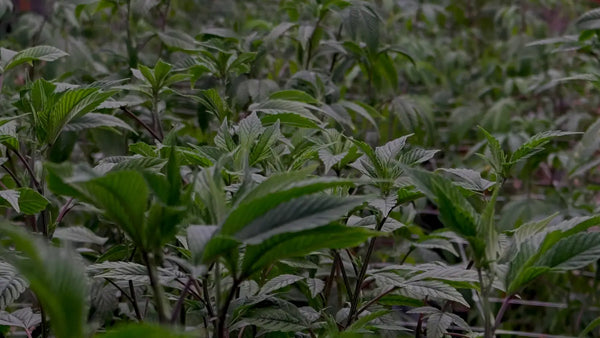
Essential Nutrients for High-THCA Hemp
THCA hemp requires seventeen essential nutrients for optimal growth and cannabinoid production. These divide into macronutrients (needed in large quantities), secondary nutrients (moderate amounts), and micronutrients (trace quantities). Understanding the role of each nutrient and proper NPK for hemp ratios is fundamental to successful cultivation.
Macronutrients: The Foundation of Growth
Nitrogen (N) drives vegetative growth, leaf development, and chlorophyll production. During the vegetative phase, nitrogen demand is highest as plants build the foliage necessary for photosynthesis and energy production. However, excessive nitrogen during flowering can reduce THCA production and create harsh-tasting buds.
Quality nitrogen sources for organic hemp soil include blood meal (12-0-0), fish emulsion (5-1-1), and composted manure (variable NPK). These release nitrogen gradually through microbial decomposition, providing steady nutrition without the salt buildup associated with synthetic sources.
Phosphorus (P) is crucial for root development, flowering, and THCA production. Phosphorus supports energy transfer within the plant (ATP) and is a structural component of DNA and RNA. During flowering, phosphorus demand increases dramatically as plants produce dense, resinous buds.
Bone meal (3-15-0), bat guano (high P formulations like 0-10-0), and rock phosphate (0-3-0) provide organic phosphorus. Rock phosphate releases slowly over time, while bat guano and bone meal offer more immediate availability. Many growers boost phosphorus during early flowering to maximize THCA soil nutrients when cannabinoid synthesis ramps up.
Potassium (K) regulates water movement, enzyme activation, and stress resistance. Potassium strengthens cell walls, improves disease resistance, and enhances overall plant vigor. During flowering, potassium works synergistically with phosphorus to produce dense, potent buds.
Kelp meal (1-0.2-2) provides potassium along with growth hormones and trace minerals. Wood ash (0-1-3) offers readily available potassium but should be used cautiously as it raises pH. Greensand (0-0-3) releases potassium slowly while improving soil structure.
Secondary Nutrients
Calcium (Ca) strengthens cell walls, aids nutrient transport, and prevents disorders like tip burn. Calcium deficiency manifests as twisted new growth and brown leaf tips. Dolomite lime and gypsum provide calcium, with dolomite also supplying magnesium and pH buffering.
Magnesium (Mg) is the central atom in chlorophyll molecules, making it essential for photosynthesis. Magnesium also activates numerous enzymes involved in plant metabolism. Deficiency appears as interveinal chlorosis (yellowing between leaf veins) on lower leaves.
Epsom salt (magnesium sulfate) quickly corrects magnesium deficiencies and provides sulfur. Dolomite lime offers slower-release magnesium while buffering pH.
Sulfur (S) is required for protein synthesis, enzyme function, and terpene production. Since terpenes contribute significantly to hemp's aroma and entourage effect, sulfur becomes particularly important for high-quality THCA flowers. Elemental sulfur, Epsom salt, and gypsum all provide this essential nutrient.
Micronutrients: Small Amounts, Big Impact
Iron (Fe), Manganese (Mn), Zinc (Zn), Copper (Cu), Boron (B), Molybdenum (Mo), and Chlorine (Cl) are needed in trace amounts but are no less essential. These micronutrients serve as cofactors for enzymes, support photosynthesis, and influence secondary metabolite production—including cannabinoids and terpenes.
Trace mineral deficiencies are rare in organic living soil for hemp systems but can occur in depleted soils or with soilless mediums. Azomite, kelp meal, and other rock dusts provide complete micronutrient profiles. Most commercial fertilizers include micronutrients, though organic growers prefer natural mineral sources.
NPK Ratios by Growth Stage
Matching NPK for hemp to plant developmental stages optimizes growth and cannabinoid production:
Seedling Stage (0-3 weeks): 5-5-5 or similar balanced, gentle formulations. Young plants have minimal nutrient demands and can be burned by strong fertilizers.
Vegetative Stage (3-8 weeks): 10-5-7 or similar nitrogen-heavy ratios. Plants need abundant nitrogen to build foliage and root systems.
Early Flowering (1-3 weeks into 12/12): 5-10-7 with increased phosphorus to support flower initiation and development.
Late Flowering (4+ weeks into 12/12): 2-8-4 with minimal nitrogen, high phosphorus and potassium. This ratio maximizes resin production and THCA content while allowing natural fade of foliage.
Understanding when and how to adjust THCA nutrient schedule according to these ratios separates amateur growers from professionals producing consistent, high-potency harvests.
Commercial Soil Mixes for THCA Hemp
For growers preferring convenience over mixing their own medium, several commercial soil brands have proven excellent for THCA hemp cultivation.
Fox Farm Ocean Forest is the gold standard among many cannabis growers. This heavily-amended mix contains bat guano, worm castings, fish meal, crab meal, and aged forest products. Ocean Forest runs "hot" with abundant nutrients, making it ideal for transplanting established plants but too strong for seeds or young seedlings. Many growers report exceptional THCA production with Ocean Forest, particularly when top-dressed during flowering.
Fox Farm Happy Frog offers a lighter alternative for seeds and young plants. With similar quality ingredients at lower concentrations, Happy Frog allows growers to control nutrition more precisely. Transplanting from Happy Frog to Ocean Forest provides a smooth transition as plants mature.
Roots Organics Original embraces the living soil for hemp philosophy with mycorrhizae, beneficial bacteria, and quality organic amendments. This mix requires less supplemental feeding than some competitors while supporting robust microbial populations. Roots Organics produces exceptional terpene profiles in finished flowers.
Black Gold Natural & Organic Potting Soil offers excellent value for commercial growers needing large volumes. While not as heavily amended as premium brands, Black Gold provides a solid foundation that responds well to supplemental feeding and amendments.
Pro-Mix HP represents the soilless approach, using peat moss, perlite, and mycorrhizae. Pro-Mix offers precise control over nutrition through fertigation while maintaining good structure and drainage. This medium suits growers transitioning from hydroponic methods or those wanting maximum growth speed.
Build-A-Soil (BAS) products cater specifically to living soil enthusiasts. Their complete soil mixes and amendment packs follow organic principles while incorporating Korean Natural Farming (KNF) techniques. Though premium-priced, BAS products produce remarkable results for growers committed to regenerative methods.
Cost Comparison
Premium soil mixes cost $15-30 per cubic foot, with value brands around $8-12 per cubic foot. A 5-gallon container requires approximately 0.66 cubic feet of soil, making each pot $5-20 to fill. While this seems expensive, properly maintained living soil can be reused for multiple cycles, amortizing the cost.
Commercial growers buying by the pallet receive significant discounts, potentially reducing costs by 30-50%. Sourcing locally manufactured soils also saves on shipping—a major expense given soil's weight.
DIY Super Soil Recipe for THCA Hemp
Creating your own super soil recipe offers complete control over ingredients while potentially reducing costs. This recipe produces approximately 8 gallons of finished super soil—enough for one large container or several smaller pots.
Base Mix:
- 5 gallons high-quality organic potting soil
- 2 gallons perlite or pumice for drainage
- 0.5 gallon worm castings for living biology and gentle nutrition
Amendments to Add:
- 1/2 cup kelp meal (potassium, natural growth hormones, trace minerals)
- 1/2 cup neem meal (nitrogen, natural pest deterrent)
- 1/2 cup crustacean meal (chitin for immune response, calcium)
- 1/2 cup bat guano (high-phosphorus for flowering)
- 1/2 cup bone meal (phosphorus and calcium)
- 1/2 cup blood meal (nitrogen for vegetative growth)
- 1/4 cup rock phosphate (slow-release phosphorus)
- 1/4 cup Epsom salt (magnesium and sulfur)
- 1/4 cup dolomite lime (calcium, magnesium, pH buffer)
- 1/4 cup azomite or other rock dust (complete trace minerals)
- 2 tablespoons humic acid powder (improves nutrient uptake)
Mixing and Cooking Process
Thorough mixing is essential for consistent results. Spread ingredients on a tarp or in a large container, adding amendments gradually while turning the mix repeatedly. Dry ingredients should be completely integrated before adding water.
Moisture the mix to field capacity—damp enough to hold together when squeezed but not dripping. This moisture activates microbial activity and begins the decomposition process that makes nutrients available.
"Cooking" the soil allows microbes to break down amendments and stabilize pH. Store mixed soil in bins or trash cans with loose-fitting lids allowing air exchange. The cooking process typically requires 30-60 days, though longer periods (up to 6 months) can improve results.
Turn the soil weekly during cooking, monitoring temperature (slight warmth indicates active decomposition) and moisture (re-moisten if drying out). Test pH after 2-3 weeks and adjust if necessary. Properly cooked super soil recipe has an earthy smell and crumbly texture.
When soil is ready, it provides complete nutrition for THCA hemp from seedling through harvest—the ultimate water-only soil.
Soilless Growing Mediums for THCA
Soilless mediums offer distinct advantages for THCA cultivation, particularly faster growth rates and precise nutritional control. Understanding perlite vermiculite ratios and other soilless components helps growers optimize these systems.
Coco Coir Advantages
Coco coir THCA growing has exploded in popularity due to remarkable drainage, aeration, and root development characteristics. Made from coconut husk fiber, coco coir holds oxygen even when saturated, virtually eliminating overwatering concerns while maintaining adequate moisture.
Coco coir's fibrous structure encourages explosive root growth, with plants often growing 20-30% faster than in soil. This speed allows for shorter vegetative periods and quicker crop turnover—critical for commercial operations.
Coco Coir pH Requirements
Unlike soil, coco coir requires slightly lower pH of 5.5-6.5 for optimal nutrient availability. Quality coco coir should be buffered and rinsed to remove excess salts—unbuffered coco can create calcium and magnesium deficiencies by binding these nutrients.
Many growers supplement coco with cal-mag (calcium-magnesium) products throughout the grow cycle, as coco's cation exchange properties can make these nutrients less available than in soil.
Peat Moss as Traditional Soilless Base
Peat moss hemp growing predates coco coir and remains popular for its consistency and water retention. Peat-based mixes (like Pro-Mix) combine peat with perlite and often include mycorrhizae.
Peat moss is naturally acidic (pH 3.5-4.5), requiring lime to raise pH to acceptable levels. Most commercial peat products come pre-limed, but pH should still be monitored closely. Environmental concerns about peat harvesting have driven many growers toward renewable coco coir.
Perlite and Vermiculite Ratios
Perlite is volcanic glass heated until it "pops," creating lightweight, white particles that improve drainage and aeration. Standard perlite vermiculite ratios include 20-30% perlite in most soil or soilless mixes. Higher percentages (40-50%) suit growers who water frequently or use automated irrigation systems.
Vermiculite is expanded mica that retains water while providing some aeration. It's used less frequently than perlite but works well in mixes for growers who can't water daily. The typical ratio is 10-15% vermiculite in combination with perlite, never replacing perlite entirely.
Other Soilless Options
Rockwool, popular in hydroponic systems, offers complete inertness and excellent oxygen-holding capacity. However, it requires careful pH management and generates waste, as it cannot be composted.
Clay pellets (hydroton) provide excellent drainage and can be reused indefinitely, making them popular for hybrid systems and drain-to-waste setups.
Soilless Fertigation Requirements
Soilless mediums contain virtually no nutrients, requiring complete THCA nutrient schedule delivery through irrigation. This demands quality water-soluble fertilizers and attention to EC/PPM levels.
The tradeoff for increased feeding requirements is faster growth and potentially higher yields. Soilless growers can push plants harder during vegetative growth and manipulate feeding precisely during flowering to maximize THCA production.
Cost Comparison
While soilless mediums often cost less initially than premium soils, fertilizer expenses accumulate quickly. Over a full grow cycle, total input costs may be similar. However, time savings from faster growth can justify the approach for commercial operations where crop turnover determines profitability.
Living Soil and No-Till Growing for THCA
The living soil for hemp movement represents a paradigm shift in cannabis cultivation, emphasizing soil biology over chemistry and sustainability over short-term yields.
What is Living Soil?
Living soil refers to a growing medium with an active, diverse microbial ecosystem that cycles nutrients naturally, mimicking forest floor dynamics. Rather than feeding plants directly, growers "feed the soil" with organic amendments that microbes break down into plant-available forms.
This approach creates a buffer against mistakes—the soil biology regulates nutrient availability, preventing the spikes and deficiencies common in synthetic systems. Many growers report superior terpene profiles and more complex flavors from living soil grows, though the mechanisms aren't fully understood.
Building the Soil Food Web
A healthy soil food web includes bacteria, fungi, protozoa, nematodes, and microarthropods. These organisms exist in predator-prey relationships, with nutrients released as each level consumes the next. Bacteria decompose organic matter, protozoa eat bacteria (releasing nitrogen), nematodes consume protozoa, and the cycle continues.
Establishing this web requires time and proper inputs. Compost provides diverse bacterial populations, while mycorrhizal fungi colonize roots and extend throughout the soil. Worm castings add both biology and gentle nutrition.
Cover Crops and No-Till Beds
No-till growing maintains soil structure and biology by eliminating the disturbance of mixing or replacing soil between crops. Cover crops planted between harvest and the next cycle fix nitrogen, mine nutrients from deep in the soil profile, and provide habitat for beneficial insects.
Common cover crops include clover (nitrogen fixation), buckwheat (biomass and phosphorus mobilization), and barley (fast growth and weed suppression). These crops are cut at soil level and left as mulch before transplanting THCA hemp.
Mulching Techniques
Mulch protects soil biology from temperature extremes, maintains moisture, and feeds the food web as it decomposes. Straw and wood chips are popular mulches, with rice hulls also used in containers.
A 2-3 inch mulch layer significantly reduces water needs while suppressing weeds. As mulch decomposes, it adds organic matter to the topsoil, continuously improving soil quality.
Compost Teas and Biological Inoculants
Actively aerated compost tea (AACT) brews beneficial microbes for soil drenches. Quality compost is steeped in water with molasses and other foods, then heavily aerated for 24-48 hours to multiply aerobic bacteria and fungi. The resulting tea is diluted and applied to soil and foliage.
Commercial biological inoculants containing specific bacterial or fungal strains can also boost soil populations, though quality varies significantly between products.
Korean Natural Farming (KNF)
KNF uses indigenous microorganisms (IMO) collected from local forests along with fermented plant extracts and mineral solutions. This low-cost, sustainable approach has gained followers among cannabis growers seeking alternatives to commercial inputs.
Vermicomposting
Worm bins produce the highest-quality compost while processing kitchen scraps and plant waste. Worm castings contain diverse microbiology, gentle nutrition, and plant growth hormones. Many living soil growers maintain worm bins to supply consistent castings for top-dressing.
No-Till Advantages
Beyond biological benefits, no-till systems eliminate soil replacement costs and labor. Beds improve with each cycle as organic matter accumulates and microbial populations establish. The approach requires patience—results improve dramatically after the second or third cycle as the soil matures.
Reusing and Amending Living Soil
After harvest, living soil is mulched, top-dressed with amendments, and left to rest. Root balls are left in place to decompose, feeding the soil food web. Some growers plant cover crops during rest periods, while others simply maintain moisture and allow biology to continue cycling.
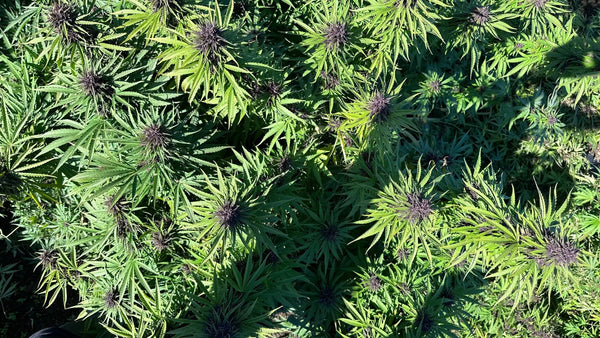
Soil Amendments Throughout the Growing Cycle
Even the best initial soil benefits from soil amendments for THCA throughout the cycle, particularly during the nutrient-intensive flowering period.
Top-Dressing During Vegetative Growth
Top-dressing involves spreading amendments over the soil surface, where water carries nutrients down to roots and microbes break them down. Worm castings, compost, and balanced organic fertilizers work well for vegetative top-dressing, applied every 2-3 weeks.
Gently scratch amendments into the soil surface without disturbing roots, then water thoroughly. Top-dressing provides slow-release nutrition that becomes available over several weeks.
Flowering Boosters
During the flowering transition, phosphorus and potassium demand increases dramatically. Bloom-specific amendments like bat guano, bone meal, and kelp meal can be top-dressed or made into teas for faster availability.
Many growers apply flowering amendments at the start of the 12/12 light cycle and again 3-4 weeks into flowering, timed to support early flower set and mid-flower resin production.
Compost Tea Applications
Beyond biological benefits, compost teas provide soluble nutrients for quick uptake. Teas can be customized for growth stage—adding kelp and alfalfa for vegetative growth or bat guano and molasses for flowering.
Apply teas every 1-2 weeks as a soil drench or foliar spray (stop foliar applications once buds develop to prevent mold issues).
Enzyme Products and Beneficial Additives
Enzyme products break down dead root material and organic matter, keeping root zones clean and improving nutrient availability. Beneficial bacteria and fungi inoculants can be reapplied throughout the cycle, especially after any stress events or treatments that might harm microbiology.
Molasses serves as microbial food, boosting soil biology when added to irrigation water (1 tablespoon per gallon). Fish hydrolysate provides balanced nutrition along with trace minerals and amino acids.
Timing to Avoid Nutrient Burn
The most common mistake is over-feeding, particularly with fast-acting amendments. Start conservatively, observing plant response before increasing amendment rates. Plants should display vigorous growth with dark green (not too dark) leaves. Clawed, extremely dark leaves indicate nitrogen excess, while burnt leaf tips suggest general nutrient toxicity.
Organic vs. Synthetic Considerations
Organic hemp soil amendments work through biological processes, providing slow-release nutrition that rarely burns plants. Synthetic fertilizers offer immediate availability and precision but can harm soil biology and accumulate salts.
Many growers use primarily organic inputs with occasional synthetic supplements for specific deficiencies. This hybrid approach balances the benefits of each system.
Container Selection and Soil Volume
Container choice and size significantly impact root development, which directly affects plant vigor and final yields.
Fabric Pots vs. Plastic Containers
Fabric pots (Smart Pots, Root Pouches) "air-prune" roots when they reach the container edge, encouraging branching and preventing root circling. This creates healthier, more fibrous root systems. Fabric also improves drainage and prevents overwatering, though plants require more frequent irrigation.
Plastic pots retain water longer, reducing watering frequency—beneficial for growers without automated irrigation. They're also less expensive and easier to move when filled. However, plastic provides no air pruning, and roots can become pot-bound if left too long.
Container Size by Growth Stage
Matching container size to plant development optimizes growth while preventing wasted soil:
Seedlings: 0.5-1 gallon allows roots to establish without staying overly wet in large containers.
Vegetative Growth: 3-5 gallons provides sufficient root space for 4-8 weeks of growth before flowering.
Flowering: 5-15+ gallons depending on final desired plant size. Larger containers support bigger plants but require more soil. Commercial growers often use 5-7 gallon containers as the sweet spot between yield potential and input costs.
Container Size and Yields
While larger containers generally produce larger plants, diminishing returns set in above certain sizes. A 15-gallon pot might yield only 20-30% more than a 10-gallon pot despite 50% more soil—not always economically justified for commercial operations.
Transplanting Best Practices
Transplanting reduces stress compared to starting in final containers. Young plants establish faster in smaller volumes, then explode when transplanted to larger containers. Transplant during vegetative growth, never during flowering, and ensure root balls are well-developed but not root-bound.
Drainage and Elevation
All containers need drainage holes—trapped water causes root rot in days. Saucers catch runoff but should be emptied to prevent roots sitting in water. Elevating containers on plant stands or milk crates improves air circulation around the root zone and assists drainage.
Diagnosing Soil-Related Problems
Identifying nutrient deficiencies, toxicities, and other soil issues quickly prevents minor problems from becoming major yield losses.
Nutrient Deficiencies
Nitrogen deficiency appears first on lower leaves as yellowing that progresses upward. Leaves may drop early. This is common late in flowering and acceptable, but during vegetative growth indicates insufficient nitrogen.
Phosphorus deficiency manifests as purple or red stems, dark green or blue-tinted leaves, and slow growth. Flowering is delayed or reduced. Check pH first—lockout is more common than actual deficiency.
Potassium deficiency shows as burnt, brown edges on leaves, starting with older foliage. Plants may appear weak with thin stems. Increasing potassium resolves this within 1-2 weeks.
Calcium deficiency causes twisted or distorted new growth with brown spots. Often confused with pest damage. Calcium is immobile in plants, so deficiency always affects new growth first.
Magnesium deficiency creates interveinal chlorosis—yellowing between leaf veins while veins remain green. Typically affects lower leaves first as magnesium is mobile within plants.
Nutrient Toxicities
Nitrogen toxicity produces extremely dark green, glossy leaves with clawed tips curling downward. Growth may slow despite lush appearance. Reduce nitrogen immediately, especially during flowering.
Phosphorus toxicity is rare but can lock out other nutrients, particularly zinc and iron. Leaves may appear generally unhealthy with multiple deficiency symptoms.
General nutrient lockout from pH imbalance creates confusing symptoms as multiple nutrients become unavailable simultaneously. Always test pH before assuming deficiency.
Other Soil Issues
Overwatering is among the most common problems, causing drooping, yellow leaves, and eventually root rot. Soil stays wet for days, roots appear brown and mushy. Improve drainage or reduce watering frequency.
Underwatering creates dry, crispy leaves that curl or droop dramatically. Soil pulls away from container edges. Plants recover quickly when watered but chronic underwatering stunts growth.
Compacted soil restricts root development and oxygen availability. Plants remain small despite adequate nutrients and water. Transplant to fresh, well-aerated medium.
Poor drainage manifests as standing water on the soil surface, fungus gnats, and foul odors from anaerobic decomposition. Add perlite or transplant immediately.
Salt buildup in container growing shows as white crusty deposits on soil surface or container edges. Salt accumulation raises EC and can burn roots. Flush with 2-3x container volume of pH'd water.
Solutions
Flushing with plain, pH-adjusted water removes excess nutrients and salts. Use 2-3 times the container volume, allowing complete drainage between flushes.
Adjusting feeding schedules means reducing or eliminating fertilizer during toxicities and increasing amendments during deficiencies. Make changes gradually, giving plants time to respond.
Correcting pH resolves most lockout issues within 3-7 days as roots access previously unavailable nutrients.
Transplanting to fresh soil provides a reset for plants experiencing multiple issues or severe problems that can't be corrected easily.
Organic vs. Synthetic Nutrients in Soil
The debate between organic and synthetic soil amendments for THCA centers on philosophy, results, and market considerations.
Organic Amendment Benefits
Organic inputs support soil biology, which many growers believe produces superior terpene profiles and smoother-smoking flowers. Organic matter improves soil structure with each cycle, while synthetic salts can accumulate and harm beneficial microbes.
Consumer preference increasingly favors organic THCA hemp, particularly among health-conscious buyers willing to pay premium prices. Organic certification, while expensive and complex, opens high-value markets.
Synthetic Fertilizer Advantages
Synthetic nutrients provide immediate availability and precise control over NPK ratios. This precision allows experienced growers to push plants to maximum genetic potential. Synthetic programs also tend to cost less than quality organic amendments.
For commercial operations focused on yield and consistency, synthetic programs deliver predictable results with less labor than organic approaches.
Impact on Final Product
Blind taste tests often favor organically-grown cannabis, with comments about smoother smoke, better flavor, and fuller aroma profiles. However, controlled studies show mixed results, and top-shelf product exists from both approaches.
Many factors affect final quality beyond fertilizer choice—genetics, environment, curing, and growing skill typically matter more than organic vs. synthetic.
Cost Comparison
Initial costs favor synthetics—a basic 3-part hydroponic fertilizer might cost $50-100 per grow, while organic amendments for super soil can run $150-300. However, living soil can be reused indefinitely, amortizing costs over multiple cycles.
Labor considerations also factor in—synthetic programs require more frequent feeding and monitoring, while established living soil practically maintains itself.
Combining Approaches
Many growers use primarily organic methods supplemented with targeted synthetic inputs for specific deficiencies. This hybrid approach provides the benefits of living soil biology while maintaining the flexibility to address problems quickly.
Testing and Monitoring Soil Health
Regular testing and monitoring prevents problems, optimizes nutrition, and improves results with each cycle.
Laboratory Soil Testing
Professional soil testing costs $30-100 and provides complete analysis of NPK, secondary nutrients, micronutrients, organic matter content, cation exchange capacity, and pH. These tests come with recommendations for amendments based on your crop.
Test before initial planting and annually thereafter, or when growing in new areas. Laboratory testing is invaluable for troubleshooting persistent problems.
Home Testing Methods
NPK test kits ($20-40) provide quick results for major nutrients, useful for monitoring throughout the cycle. Accuracy is lower than laboratory testing but sufficient for general monitoring.
pH meters ($30-100) are essential for all growers. Digital meters provide better accuracy than strips, though strips work for quick checks. Calibrate meters regularly using buffer solutions.
EC/PPM meters ($30-80) measure total dissolved solids in water or runoff, indicating nutrient concentration. These help prevent over-feeding and diagnose salt buildup in containers.
Runoff Testing
For container growing, test runoff pH and EC regularly. Collect drainage from the first watering after soil has dried slightly—this represents true soil conditions. Compare runoff to input values:
- pH: Runoff within 0.5 of input pH indicates balanced soil
- EC: Runoff EC significantly higher than input suggests nutrient buildup; much lower suggests depletion
When to Test
Test pH weekly during active growth, especially if using water with fluctuating pH. Test EC every 2-3 weeks or when plants show deficiency/toxicity symptoms.
Send soil for laboratory testing before planting each season for outdoor grows or annually for indoor operations.
Interpreting Results and Adjusting
Laboratory reports provide specific amendment recommendations. Follow these as a starting point, then adjust based on plant response. Over time, you'll learn how your specific setup responds.
Home testing requires more interpretation. Rising pH or EC signals the need for adjustment, while stable readings within optimal ranges indicate healthy conditions.
Keeping Grow Journals
Document testing data, amendment applications, and plant observations in a grow journal. Over multiple cycles, patterns emerge that allow you to predict and prevent issues. Note what works for different strains—some cultivars prefer slightly different pH or nutrient levels.
Regional Soil Considerations
Regional climate and native soil types require different approaches to successful THCA hemp cultivation.
Native Soil Types by Region
Pacific Northwest: Naturally acidic soils from conifer forests require lime to raise pH. High rainfall leaches nutrients, necessitating regular amendments.
Southwest/Desert: Alkaline soils with low organic matter need sulfur to lower pH and substantial compost to improve structure and biology.
Midwest: Variable soils from rich prairie loam to heavy clay. Clay soils require extensive amendments for drainage.
Southeast: Acidic, clay-heavy soils benefit from lime, gypsum, and organic matter to improve structure.
Testing and Amending Native Soil
Outdoor growers should test native soil 3-6 months before planting, allowing time for amendments to integrate. Large-scale amendments are most economically done with tractor implements or rototillers.
If native soil is poor, raised beds filled with quality soil bypass limitations while containing costs to planting areas only.
Raised Beds vs. In-Ground Growing
Raised beds (12-24 inches deep) provide complete control over soil quality while improving drainage in heavy clay areas or low-lying ground. They warm faster in spring and extend growing seasons in cooler climates.
In-ground growing works well with quality native soil and is less labor-intensive for large operations. Deep tillage and amendment can transform poor native soil into productive THCA hemp ground.
Working With Regional Challenges
Desert growers combat low organic matter and high salinity. Regular compost additions and mulching maintain biology while reducing water needs.
Heavy clay soil in humid regions requires persistent attention to drainage. Permanent raised beds with amended soil provide the best long-term solution.
Sustainability and Soil Regeneration
Sustainable organic hemp soil practices benefit both the environment and your bottom line through reduced inputs and improved soil quality over time.
Composting Spent Hemp Plants
After harvest, hemp plant material can be composted and returned to the soil, completing nutrient cycles. Remove large stems, then chop remaining material for faster decomposition. Mix with brown materials (straw, leaves) at a 3:1 ratio for balanced carbon-to-nitrogen.
Building Compost
A dedicated compost system processes kitchen scraps, plant waste, and manure into finished compost in 3-6 months. Hot composting (thermophilic) kills weed seeds and pathogens, while cold composting requires less management but takes longer.
Reducing Plastic Waste
Fabric pots last 3-5+ years vs. single-season plastic pots. While more expensive initially, fabric containers reduce waste significantly. Reusable plastic pots also work, though they lack fabric's root benefits.
Local Sourcing
Sourcing amendments locally reduces transportation emissions and often costs. Many areas have local compost facilities, rock dust suppliers, and organic matter sources. Building relationships with local suppliers can significantly reduce costs.
Regenerative Agriculture Principles
Regenerative agriculture aims to improve soil with each growing cycle rather than merely maintaining it. No-till growing, cover cropping, diverse crop rotation, and minimizing synthetic inputs all contribute to regeneration.
Carbon Sequestration
Living soils sequester atmospheric carbon in soil organic matter and microbial biomass. Hemp itself captures significant carbon during growth. Combining hemp cultivation with regenerative practices creates a carbon-negative production system.
Closed-Loop Systems
The ultimate goal is a closed-loop system requiring minimal external inputs. Composting all plant waste, maintaining living soil, and using cover crops creates a largely self-sustaining growing system.
Conclusion
The best soil for THCA hemp is one that provides optimal nutrition, maintains proper pH, supports beneficial biology, and drains well while retaining adequate moisture. Whether using commercial mixes, DIY super soil, or living soil systems, understanding soil fundamentals and plant needs is non-negotiable for consistent, high-quality results.
Begin with quality THCA growing medium and adjust as you learn your specific plants and environment. pH and drainage stand out as non-negotiable factors—get these right, and many other potential problems never materialize.
Living soil offers long-term sustainability and exceptional quality for growers willing to invest time in building soil biology. The no-till approach particularly benefits multi-cycle operations where soil improves continuously.
Regular testing and monitoring prevent problems while providing data to optimize your approach. Learning your soil over multiple cycles builds expertise that no article can fully convey.
The investment in hemp soil requirements pays dividends in quality, potency, and consistency. Great soil produces great plants—and great plants produce exceptional THCA-rich flowers.
Experience the difference that soil-grown THCA hemp makes. Explore Oregon Hemp Flower's premium THCA releases cultivated with attention to soil quality and sustainable growing practices. Begin building your perfect THCA soil today and discover the remarkable results that proper soil management delivers.
Frequently Asked Questions
1. What's the best pH for growing THCA hemp in soil?
The ideal pH for hemp grown in soil ranges from 6.0 to 7.0, with 6.3 to 6.8 being optimal. This range ensures maximum nutrient availability and healthy microbial activity. Outside this range, nutrient lockout becomes increasingly likely, particularly for phosphorus and micronutrients critical to THCA production.
2. Can I use regular potting soil for THCA hemp?
Regular potting soil can work but typically lacks the nutrient density and proper amendments for optimal THCA production. Basic potting soils require supplemental feeding throughout the cycle. For best results, use cannabis-specific soils like Fox Farm Ocean Forest or create your own super soil with proper amendments. If using regular potting soil, amend with compost, worm castings, and mineral supplements.
3. How often should I test my soil pH?
Test soil pH weekly during active growth, particularly if using water with variable pH or experiencing nutrient issues. At minimum, test before planting, midway through vegetative growth, at the start of flowering, and mid-flowering. For container growing, also test runoff pH to monitor actual soil conditions vs. input water pH.
4. What's the difference between living soil and regular soil?
Living soil for hemp contains an active, diverse microbial ecosystem that cycles nutrients naturally, while regular soil may have minimal biological activity. Living soil growers feed microbes with organic amendments rather than feeding plants directly. This approach often produces superior terpene profiles and creates a more forgiving growing environment with better buffering against pH and nutrient fluctuations.
5. Do I need to add nutrients if I'm using super soil?
Properly prepared super soil recipe contains sufficient nutrition for the entire grow cycle without supplemental feeding—the "water-only" approach. However, monitoring plants for deficiency symptoms is wise, and top-dressing during flowering can boost yields. Super soil must be cooked for 30-60 days before use to allow amendments to break down properly.
6. Is coco coir better than soil for THCA growing?
Coco coir THCA growing offers faster growth rates and improved aeration compared to soil, but requires more precise nutrient management since coco contains no nutrients. Coco works well for experienced growers seeking maximum control and growth speed, while soil provides more buffering and forgiveness for beginners. Both can produce exceptional THCA-rich flowers when managed properly.
7. How do I fix nitrogen deficiency in hemp plants?
Nitrogen deficiency shows as yellowing lower leaves that progress upward. Fix by top-dressing with nitrogen-rich amendments like blood meal, fish emulsion, or composted manure. For faster results, use water-soluble fertilizers with higher nitrogen content. Verify pH is within optimal range (6.0-7.0) first—lockout is often mistaken for deficiency.
8. What causes nutrient lockout in soil?
Nutrient lockout occurs when soil pH drifts outside the optimal range, making nutrients chemically unavailable even if present in adequate amounts. High salt concentrations from over-feeding, compacted soil restricting root development, and extreme temperatures can also cause lockout. Testing and correcting pH resolves most lockout issues within 3-7 days.
9. How much soil do I need per THCA plant?
Container size depends on desired plant size and growing method. For typical indoor grows, use 0.5-1 gallon for seedlings, 3-5 gallons for vegetative growth, and 5-15 gallons for flowering. Outdoor plants can utilize 15-30+ gallon containers or in-ground growing. Larger containers support bigger plants but with diminishing returns—a 15-gallon pot might yield only 20-30% more than a 10-gallon despite 50% more soil.
10. Can I reuse soil from a previous hemp grow?
Yes, but proper amendment and rest are essential. Remove roots and debris, then amend with fresh compost, worm castings, and mineral supplements to replenish depleted nutrients. Many growers add soil amendments for THCA like kelp meal, neem meal, and rock dust. Let soil rest for 2-4 weeks after amending. Living soil improves with reuse as microbial populations establish, while depleted soil requires more extensive reconditioning.
