



THCA Wholesale Guide: Suppliers, Pricing & What to Look For

The THCA wholesale market has exploded over the last few years — and for good reason. As demand for high-potency hemp flower continues to climb, retailers, smoke shops, dispensaries, and online brands are all racing to secure reliable bulk supply. Whether you're building out a product line for the first time or you're an established business looking to switch suppliers, navigating the THCA wholesale space requires more than just finding the lowest price per pound.
Bulk buying is where margins are made or destroyed. Lock in the right supplier with consistent quality, fair pricing, and solid compliance documentation, and you've built a foundation your business can grow on. Work with the wrong one, and you're looking at failed lab tests, unhappy customers, and product you can't move.
This guide breaks down everything you need to know about buying bulk THCA flower — from how to evaluate wholesale suppliers and what pricing actually looks like per pound, to the quality indicators that separate premium product from filler. If you're serious about entering or scaling in the THCA wholesale market, this is your starting point.
What Is THCA Wholesale?
Before diving into logistics and pricing, it's worth grounding ourselves in what we're actually talking about when we say "THCA wholesale."
THCA — tetrahydrocannabinolic acid — is the raw, non-psychoactive precursor to THC found naturally in the cannabis plant. In its unheated form, THCA does not produce intoxicating effects. However, when exposed to heat through smoking, vaping, or cooking, THCA undergoes decarboxylation and converts into Delta-9 THC. This is what makes THCA flower functionally similar to traditional cannabis for consumers who smoke or vape it.
Under the 2018 Farm Bill, hemp is legally defined as cannabis containing no more than 0.3% Delta-9 THC on a dry weight basis. THCA flower is cultivated as hemp and, when tested pre-decarboxylation, can comply with this threshold even while carrying significant THCA percentages — sometimes 20%, 25%, or higher. This legal framework is what has allowed a robust market to develop, letting businesses confidently buy THCA in bulk across the United States.
Important compliance note: As of 2025 and into 2026, the regulatory landscape around THCA continues to evolve. The DEA's proposed "total THC" rule — which would factor in post-decarboxylation THC content when classifying hemp — remains a key point of uncertainty. Buyers operating in this market should work with qualified legal counsel and stay current on both federal rulemaking and their individual state laws before committing to large wholesale orders. Several states have moved to explicitly restrict or ban THCA products regardless of federal hemp status.
With that context in place, let's talk about how the wholesale side of this market actually works.
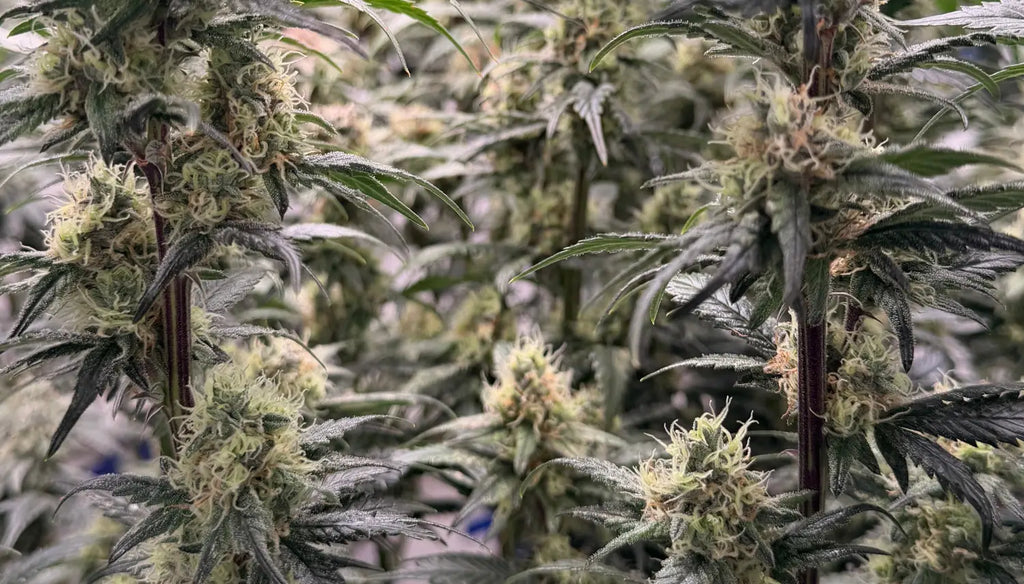
How the THCA Wholesale Market Is Structured
The bulk hemp flower THCA supply chain generally moves through a few different tiers, and understanding where your potential supplier sits in that chain is essential to evaluating their pricing, documentation, and reliability.
Cultivators and Farms are the growers producing the actual flower. Large-scale THCA operations often span multiple cultivation environments — greenhouse, indoor, and outdoor. Buying direct from a farm is possible and often yields the best per-pound pricing, but it requires thoroughly vetting the operation and comes with the potential for limited strain selection or inconsistent batch availability across the calendar year.
Wholesale Distributors sit between farms and end buyers. THCA wholesale distributors typically carry inventory from multiple farms, offer more consistent availability across seasons, handle a portion of the compliance paperwork, and can offer a broader product catalog. Pricing will run slightly higher than going direct to a grower, but the convenience, variety, and operational reliability often justify the difference for high-volume buyers.
Wholesale Vendors and Platforms are often digital-first operations — websites or B2B platforms — that aggregate product from multiple sources. They're accessible and easy to work with, but require careful vetting since product sourcing and quality control can vary widely between vendors on the same platform.
Understanding where your supplier fits in this structure affects pricing expectations, minimum order sizes, documentation quality, and how quickly issues get resolved when — not if — something comes up in the course of doing business.
How to Find Reputable THCA Wholesale Suppliers
This is where most buyers make their first mistake: rushing the supplier selection process. In a market that moves as fast as THCA wholesale, it's tempting to jump at the first vendor who offers a competitive per-pound price. That approach is how businesses lose money, fail compliance checks, and end up holding product they can't sell.
Here's a systematic approach to identifying THCA wholesale suppliers actually worth working with.
1. Start with COA Verification
Any serious supplier will provide Certificates of Analysis from accredited third-party laboratories before you spend a dollar. These documents confirm cannabinoid content, terpene profiles, moisture levels, and — critically — whether the product passes testing for pesticides, heavy metals, mold, and other contaminants.
What to look for in a COA:
- Lab accreditation — The testing laboratory should hold ISO/IEC 17025 accreditation. Unaccredited or in-house lab results are a non-starter.
- Batch-specific documentation — COAs should be tied to the exact batch or lot you're purchasing. Generic, undated, or recycled COAs signal a supplier cutting corners.
- Full-panel testing — Some suppliers only provide cannabinoid potency data. Insist on full-panel reports covering microbials, pesticides, and heavy metals.
- Delta-9 THC compliance — Confirm the product tests at or below 0.3% Delta-9 THC on a dry weight basis, consistent with federal hemp law.
- THCA percentage — Know what you're actually buying. Premium wholesale THCA flower typically carries 18% THCA or higher for top-tier indoor and greenhouse product.
2. Request Samples Before Committing to Volume
No reputable wholesale THCA vendor should hesitate to send samples before you place a bulk order. If a supplier resists this, consider it a serious warning sign. Samples allow you to personally assess cure quality and moisture, trim quality (hand-trimmed versus machine-trimmed), visual bag appeal, trichome coverage, aroma and terpene expression, and smoke quality if your setup allows for direct evaluation.
Document your sample assessments. Over time, these notes become a valuable reference for comparing vendors and tracking batch-to-batch consistency.
3. Evaluate Their Compliance Infrastructure
Beyond COAs, a trustworthy wholesale partner should be able to speak clearly and confidently about their compliance practices. Ask directly: Do they hold hemp handler or processor licenses where required? How do they handle lot tracking and product traceability? What documentation do they provide for interstate transport? How do they respond if product is flagged during transit?
Compliance in this industry is not a bureaucratic checkbox — it's the difference between product that moves freely through your supply chain and product that gets seized.
4. Verify Reputation and Track Record
Search for the supplier independently. Look for reviews on industry platforms, forums, and hemp trade communities. Ask for references from other wholesale buyers they currently work with. Established suppliers in this space should have a verifiable history — operations that have been running since before the THCA boom are generally far more reliable than businesses that appeared overnight to capitalize on sudden demand.
Red flags that should end the conversation immediately: no physical address or verifiable business registration, pressure tactics around pricing ("this offer expires today"), reluctance to share documentation before payment, suspiciously low pricing with no clear explanation, and vague or incomplete strain information.
THCA Flower Wholesale Pricing: What to Expect Per Pound
The THCA flower wholesale price is typically the first question buyers ask — and also one of the most variable aspects of the bulk market. Prices shift based on cultivation method, strain genetics, time of year, batch quality, and broader supply-and-demand dynamics. That said, there are general ranges that can give you a realistic baseline.
Pricing Tiers by Cultivation Method
Outdoor THCA Flower Outdoor-grown bulk hemp flower THCA typically comes in at the lowest price point — often ranging from roughly $150 to $400 per pound depending on quality and market conditions. Outdoor product can vary significantly in bag appeal and potency. It's suitable for extraction or volume-focused buyers, but it's rarely the right call for retail flower programs where visual quality and consumer presentation matter.
Greenhouse THCA Flower Greenhouse cultivation occupies the middle of the market. Light-dep and full-season greenhouse operations produce flower that often rivals indoor product in potency while keeping costs more manageable. Greenhouse THCA flower by the pound typically runs in the $400 to $800+ range, with premium light-dep product from top genetics pushing toward the higher end of that window.
Indoor THCA Flower Indoor-grown THCA flower commands the highest wholesale prices — and the reasons are straightforward. Controlled environments allow for precise management of light cycles, humidity, temperature, and airflow, resulting in denser bud structure, higher trichome density, and more consistent potency batch over batch. Expect to pay anywhere from $700 to $1,500+ per pound for quality indoor product, with exotic or high-demand genetics potentially reaching beyond that ceiling.
Factors That Move THCA Bulk Pricing
Beyond cultivation method, several variables will push THCA bulk pricing up or down:
- Trim quality — Hand-trimmed flower carries a meaningful premium over machine-trimmed. For retail-facing product, this distinction matters significantly to end consumers.
- Strain demand — Popular genetics with strong consumer recognition command higher prices than generic or unnamed cultivars.
- Order volume — The more you buy, the better your per-pound rate. Most suppliers have tiered pricing with meaningful breaks at 5, 10, and 25+ pound thresholds.
- Cure quality — Properly cured flower maintains terpene integrity and shelf stability over time. Rushed or improperly cured product degrades faster and burns harshly.
- Seasonal timing — Post-harvest seasons (typically fall through early winter) often bring increased availability and softer pricing. Late spring and summer can see tighter supply and elevated rates.
Understanding Total Cost of Ownership
When evaluating THCA bulk pricing, the per-pound rate is only part of the equation. Factor in: shipping costs (weight-based freight for bulk orders adds up quickly), packaging and rebranding costs if you're white-labeling, storage and handling requirements, any compliance-related costs for your state, and the supplier's return or credit policy if product arrives damaged or doesn't match specs.
A supplier offering $50 less per pound with no return policy, unreliable shipping timelines, and inconsistent documentation may cost significantly more in the long run than one priced slightly higher with strong operational support.
Minimum Order Quantities: What to Expect
Minimum order quantities (MOQs) in the THCA wholesale market vary considerably by supplier type. Here's a general breakdown of what you'll encounter:
Entry-Level Programs — Some distributors cater to buyers just entering the bulk market with MOQs starting at a quarter-pound or half-pound. These entry points allow you to test new strains or suppliers without major capital exposure, but per-pound pricing at these levels is typically higher.
Mid-Tier Wholesale Programs — Most established THCA wholesale distributors set minimum orders at one pound. This is the baseline for most legitimate B2B transactions in the space. Per-pound pricing starts to become more competitive at this threshold.
High-Volume and Farm-Direct Programs — For buyers looking to secure the best rates on THCA flower by the pound, minimum orders of five pounds or more — sometimes 10 or 25 pounds — unlock meaningfully better per-unit pricing. Farm-direct relationships often require higher MOQs but offer the greatest pricing advantages and the most direct line to product consistency.
Understand your own cash flow and realistic sell-through rate before committing to large minimums. Capital tied up in slow-moving inventory is a common trap for buyers who over-optimize on per-pound price without accounting for their actual demand volume.
Key Quality Indicators: Premium vs. Low-Grade Bulk
This is where buying experience pays real dividends. If you've handled a lot of flower, quality assessment becomes second nature. If you're newer to the market, these are the benchmarks to train yourself on before committing to any significant bulk purchase.
Visual Inspection
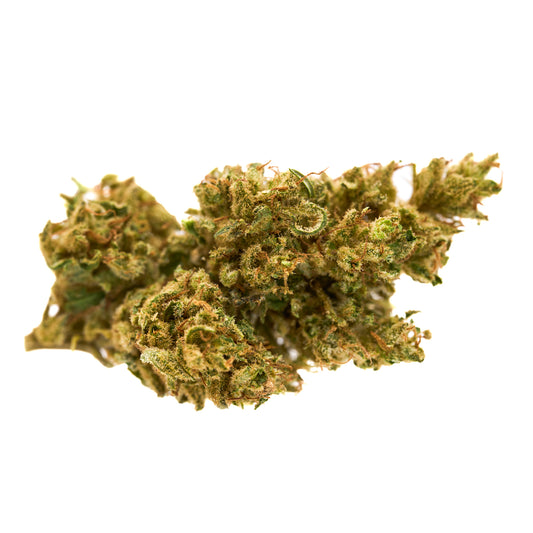
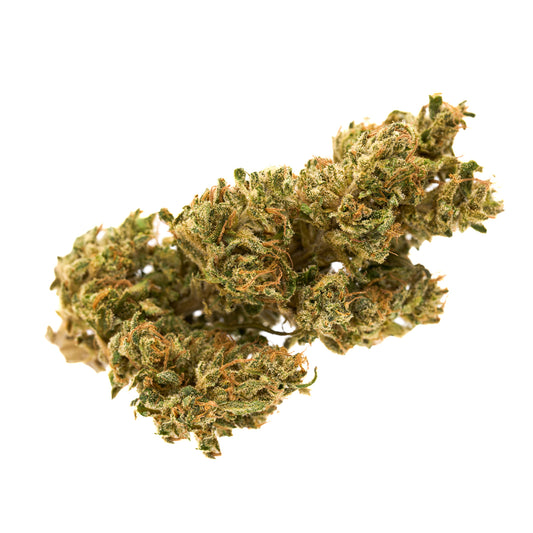
Bud Structure and Density — Quality THCA flower should have dense, well-formed buds. Airy or fluffy buds often indicate light stress, nutrient deficiencies, or suboptimal growing conditions. That said, some strains are naturally less dense by genetic design — understand the cultivar before assuming structural issues.
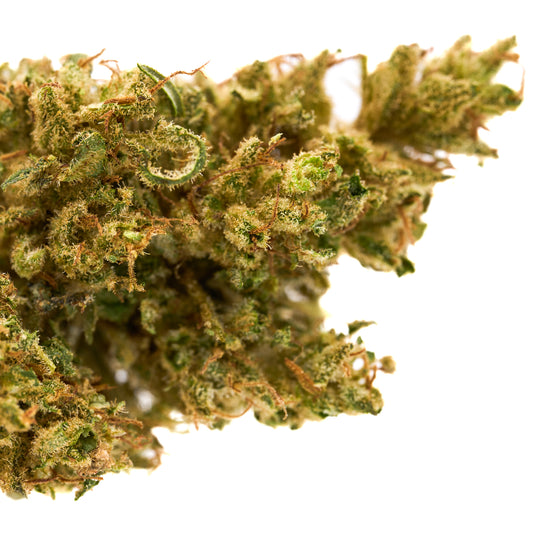
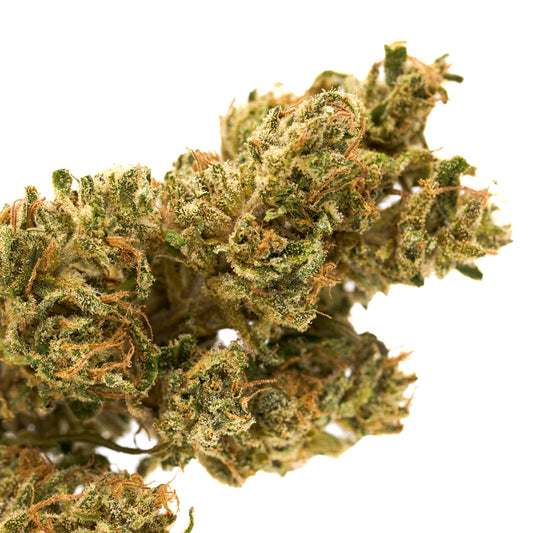
Trichome Coverage — Trichomes are the resin glands that contain cannabinoids and terpenes. Under even basic magnification, premium product should show dense, intact trichome coverage — appearing frosty or silvery to the naked eye. Sparse or broken trichomes suggest rough handling, poor genetics, or product that has aged past its prime.
Color and Freshness — Look for vibrant greens, purples, or other strain-specific pigmentation. Browning, yellowing, or a dull overall appearance signals oxidation, age, or curing and storage problems. Healthy orange or red pistils (hairs) are a positive sign; excessive browning of pistils can indicate heat stress or age.
Trim Quality — Well-trimmed product has excess leaf material removed cleanly without cutting into the bud structure. Machine-trimmed flower often has a rounded, slightly roughed-up appearance compared to the cleaner silhouette of hand-trimmed product. For retail programs, hand trim is almost always the right choice.
Olfactory Assessment
The smell tells you a great deal about what you're holding. Premium bulk THCA flower should have a strong, complex, and strain-specific aroma — the hallmark of intact terpene content. Be cautious of: hay or grass smell (indicating rushed or improper curing), musty or unusually earthy notes beyond the norm (potential mold issues), ammonia notes (a sign of wet or improperly stored product), and little to no detectable smell (over-aged or poorly stored flower).
Terpenes are volatile compounds that degrade with heat, light, air exposure, and time. Strong, complex aroma is one of the most reliable proxies for fresh, well-preserved product.
Moisture Content
Moisture level is critical and often underweighted in wholesale evaluations. Flower that is too wet is heavy — and you're paying by the pound, so excess water weight is money wasted — and it's prone to mold during storage and transport. Flower that is too dry crumbles on handling, burns harshly, and has lost significant terpene content.
The industry standard for well-cured, shelf-stable hemp flower is typically a moisture content between 10% and 14%. Ask suppliers for moisture readings and verify on COAs where this data is included. Some buyers use handheld moisture meters when evaluating physical samples.
Seed and Stem Content
High-quality THCA wholesale flower should be free of seeds and carry minimal stem weight. Seeds indicate pollination during cultivation — a quality control failure at the grow level. Excess stem material inflates your per-pound weight without adding any usable product value. Don't overlook this when calculating your true cost per usable pound.
Building Long-Term Wholesale Relationships
The buyers who consistently access the best product at the best pricing in the THCA wholesale market aren't necessarily the ones chasing the lowest per-pound rate at any given moment. They're the ones who build real relationships with reliable suppliers — and they maintain those relationships deliberately.
Communicate clearly and early. Tell your supplier what you need before you need it. If you have seasonal demand spikes, give them lead time. If you want access to specific genetics, let them know during the growing season — not two weeks after harvest.
Pay on time, every time. Reliable payment history puts you in a different tier with suppliers. It unlocks better terms, earlier access to new product drops, and goodwill when issues arise — and issues always arise at some point.
Give honest, professional feedback. When a batch doesn't meet expectations, say so specifically and respectfully. Good suppliers want to know. The ones who don't want to hear honest feedback aren't worth a long-term relationship anyway.
Think in terms of partnerships, not transactions. The best wholesale arrangements function like partnerships. You help them plan production; they prioritize your orders. You provide stable, predictable revenue; they give you first access to their best product. This dynamic is what separates businesses that thrive in the wholesale market from those that are constantly scrambling for supply.
Red Flags That Should End Conversations
No matter how compelling a supplier's pitch or pricing sounds, walk away immediately if you encounter any of the following:
- No COAs, or COAs from unaccredited laboratories
- Refusal to provide samples before bulk commitment
- Inability to answer basic compliance questions about licensing, traceability, or transport documentation
- No verifiable business history or confirmed physical address
- Pricing that seems dramatically below market without any clear explanation
- Pressure to pay via wire transfer or methods with no buyer protection
- Product described as "top shelf" or "fire" with zero supporting documentation
- Communication that slows or stops after payment is received
Due diligence is not optional in wholesale. The cost of a bad bulk purchase — in lost capital, damaged customer relationships, and potential compliance exposure — far exceeds the time cost of slowing down to vet a supplier properly.
Why Oregon Hemp Flower for Your THCA Wholesale Needs
At Oregon Hemp Flower, our wholesale THCA vendor program is built around the things that actually matter to serious buyers: verified quality, complete compliance documentation, and transparent communication from first inquiry through final delivery.
Our bulk THCA flower inventory spans premium indoor, greenhouse, and outdoor-grown product across a curated selection of high-demand genetics. Every batch comes with third-party COAs from accredited laboratories covering full-panel testing — cannabinoid potency, terpene profiles, pesticides, heavy metals, and microbials. We don't cut corners on documentation because our wholesale partners can't afford for us to.
Whether you're purchasing by the pound or scaling into larger volume tiers, our team is available to walk you through current inventory, THCA bulk pricing, and any compliance questions relevant to your specific market. We work with retailers, smoke shops, online brands, and distributors across the country — and we're built for the kind of long-term supply relationships that actually support business growth rather than just filling a single order.
Reach out to our wholesale team to request a product catalog, current COAs, and sample pricing.
Frequently Asked Questions About THCA Wholesale
What's the minimum order quantity for buying THCA flower wholesale? MOQs vary by supplier. Entry-level wholesale programs may start at a quarter-pound or half-pound, while most established distributors require a one-pound minimum. Farm-direct and high-volume programs often require 5 to 25+ pounds to access the best per-unit pricing. At Oregon Hemp Flower, we offer flexible entry points designed to fit buyers at different stages of their wholesale journey.
How do I know if a THCA wholesale supplier is legitimate? Start with COA verification from an accredited ISO/IEC 17025 laboratory. Confirm the supplier has a verifiable business address and registration, can provide batch-specific documentation, and is willing to send samples before you commit to volume. Independently search for reviews and ask for references from current wholesale clients. Any supplier who resists these steps should be disqualified.
What should a full-panel COA include for THCA wholesale flower? A complete COA should cover cannabinoid potency (including THCA percentage and Delta-9 THC at or below 0.3%), terpene profile, residual solvents (where applicable), pesticide screening, heavy metal testing, and microbial contaminants including mold and bacteria. Potency-only COAs are insufficient for any serious wholesale transaction.
Is buying THCA flower in bulk legal? Under the 2018 Farm Bill, hemp-derived THCA flower that tests at or below 0.3% Delta-9 THC on a dry weight basis is federally legal. However, state laws vary significantly — some states have explicitly restricted or banned THCA products regardless of federal status. Always consult legal counsel and verify your state's specific regulations before placing bulk orders.
How does THCA wholesale pricing differ by cultivation type? Outdoor bulk THCA flower is generally the most affordable, ranging from roughly $150–$400 per pound. Greenhouse product typically falls in the $400–$800+ range. Indoor THCA flower commands the highest prices — often $700 to $1,500+ per pound — due to the controlled growing environment and consistent quality it produces. Strain demand, trim quality, and order volume all further influence final pricing.
What's the best way to evaluate THCA flower quality before buying in bulk? Always request samples first. Evaluate bud density and structure, trichome coverage, color and freshness, trim quality, and aroma. Cross-reference your sensory evaluation with the batch COA to confirm potency and verify the product passed full-panel testing. Document your evaluations to build a reliable reference for comparing vendors over time.
Can I white-label bulk THCA flower for my own brand? Yes — many THCA wholesale suppliers, including Oregon Hemp Flower, can accommodate white-label arrangements. This typically involves purchasing bulk flower and repackaging under your brand with compliant labeling that references the original COA and batch information. Discuss packaging minimums, turnaround time, and labeling requirements with your supplier before committing to this model.
How do I calculate the true cost per pound when buying THCA wholesale? The sticker price per pound is just the starting point. Factor in freight and shipping costs, packaging and rebranding expenses, storage requirements, and any compliance-related costs for your state or distribution model. Also evaluate the supplier's return and credit policy — a low per-pound rate with no recourse for substandard product often costs more in the long run than a slightly higher rate with strong buyer protections.
What moisture content should I expect in quality bulk THCA flower? Well-cured, shelf-stable hemp flower typically falls between 10% and 14% moisture content. Product above that range is at elevated risk for mold and is likely carrying water weight you're paying for. Product below that range has often lost significant terpene content and will burn harshly. Ask suppliers for moisture data and verify on COAs where available.
How do I start the process of buying THCA flower wholesale from Oregon Hemp Flower? Visit our hemp wholesale collection to explore current inventory and get in touch with our team. We'll walk you through available strains, pricing tiers, COA documentation, and any sample options — so you can make an informed decision before committing to volume.
Conclusion
The THCA wholesale market offers real opportunity for buyers who approach it with the right combination of diligence, market knowledge, and a clear understanding of what quality actually looks like at scale. Supplier relationships built on transparency, verified documentation, and consistent product are the foundation of any successful wholesale operation in this space — and the businesses that understand this early are the ones that build lasting competitive advantage.
Whether you're just beginning to explore bulk THCA flower purchasing or you're looking to upgrade your current supply chain, use the frameworks in this guide to evaluate every vendor, every batch, and every deal on its full merits. Price per pound matters — but it's far from the only thing that matters.
Find your supplier. Vet them thoroughly. Start with samples. Build from there.
