




THCA Trim and the 2026 Farm Bill: What's Changing

If you buy or sell thca trim for extraction, pre-roll production, or infused goods, the thca trim farm bill 2026 conversation isn't background noise anymore — it's the thing that determines whether your supply chain still works in a few months. The federal definition of hemp is shifting, testing thresholds are tightening, and "trim" as a product category is caught in the middle of changes that were written with finished flower in mind.
This post breaks down what's actually changing, why trim gets hit differently than flower or finished concentrates, and what buyers and sellers need to do right now — not after the rule goes into effect. If you want the full regulatory picture beyond trim specifically, including the Section 781 total-THC definition and the per-container cap, our 2026 hemp regulatory guide covers that in depth and is worth reading alongside this post.
Here's the short version: the 2026 hemp regulations move away from measuring only delta-9 THC and toward a "total THC" standard that counts THCA's convertible potential. That single change is the root of almost every downstream problem trim buyers and sellers are now dealing with — and trim, because of how it's produced, handled, and priced, tends to sit closer to the new limits than a lot of finished flower does.
Overview of Proposed/Enacted Changes
The core of the farm bill thca update is a redefinition of what counts as "hemp" at the federal level. Since 2018, hemp has been legally defined by its delta-9 THC content at or below 0.3% on a dry-weight basis — a definition that, on paper, ignored THCA entirely. That loophole is what allowed THCA flower, trim, and concentrates to be sold as federally compliant hemp even when their total THC potential (delta-9 THC plus THCA, once decarboxylated) was well above intoxicating levels.
The 2026 changes close that loophole. Instead of measuring delta-9 THC alone, compliance testing under the new framework accounts for THCA's conversion potential — commonly calculated using the formula that adds delta-9 THC to 0.877 times THCA content. Products that test compliant today under the old delta-9-only standard may test as marijuana, not hemp, under the new total-THC standard.
A few specific pieces of the update matter most for anyone in the trim supply chain:
The total THC threshold. The 0.3% cap now applies to total THC (delta-9 + THCA-derived potential), not just delta-9 alone. This is the single biggest driver of the thca legal status changes working through the industry right now, because almost no THCA-rich biomass — trim included — was ever bred or grown to stay under 0.3% total THC. It was bred to be intoxicating once decarboxylated, while staying "compliant" under the old delta-9-only test.
Per-container/per-unit THC caps. Beyond the percentage threshold, some proposed and enacted state and federal provisions introduce absolute milligram limits per package or container — figures in the range of a few tenths of a milligram of total THC per serving or container in some draft language. This matters more for finished, packaged products than for bulk trim, but it affects any trim that's being sold pre-packaged for retail rather than in bulk for processing.
Synthesized cannabinoid exclusions. The update also tightens language around cannabinoids that are "synthesized" or chemically converted outside the plant's natural biosynthetic pathway. This is aimed more at delta-8 and other converted cannabinoids than raw trim, but any trim destined for conversion processes needs to be tracked carefully, since the finished product's legal status depends on both the trim's original testing and the conversion method used.
Pending delay and carve-out legislation. It's worth noting that this isn't settled law moving forward without pushback. Industry-supported bills like the Hemp Planting Predictability Act and various state-level HEMP Act proposals are actively seeking delays, phase-in periods, or carve-outs for existing hemp businesses. Some of these could push implementation timelines back or soften the total-THC standard for certain product categories. Nobody in the trim supply chain should be planning around the assumption that the current draft language is final — but nobody should be planning around the assumption that it won't happen either.
The practical upshot of all this hemp law changes 2026 activity: the products that are riskiest under the new rules are the ones that were always closest to the line — and THCA trim, because of what it is and how it's typically tested, is one of those products.
How These Changes Affect Trim Specifically (vs. Flower/Finished Products)
This is where a lot of buyers get caught off guard: THCA trim doesn't sit in the same risk category as finished flower, pre-rolls, or concentrates, even though it comes from the same plant and the same harvest. The thca trim farm bill 2026 situation is genuinely different for trim, for a few structural reasons.
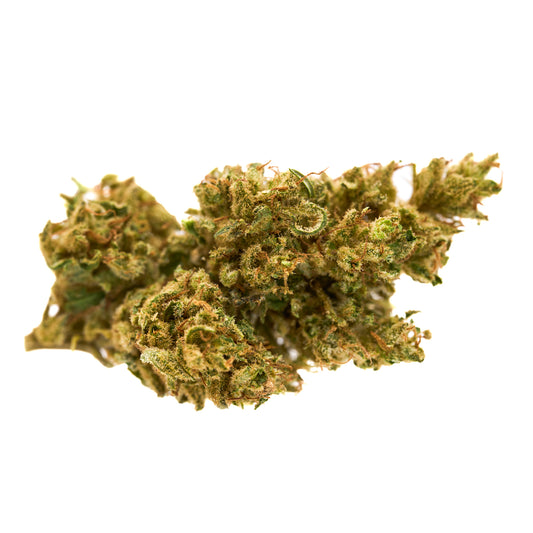
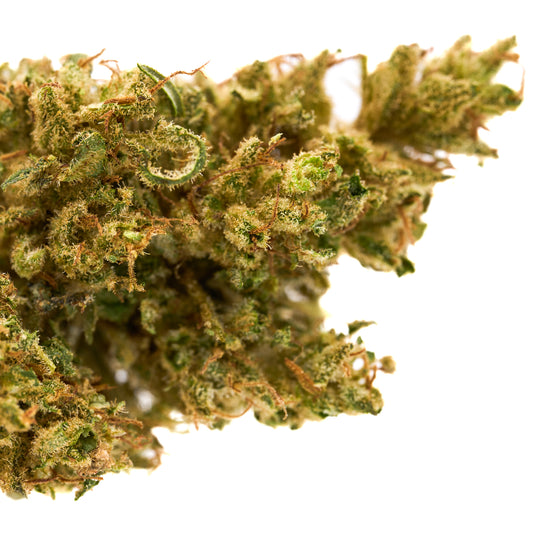
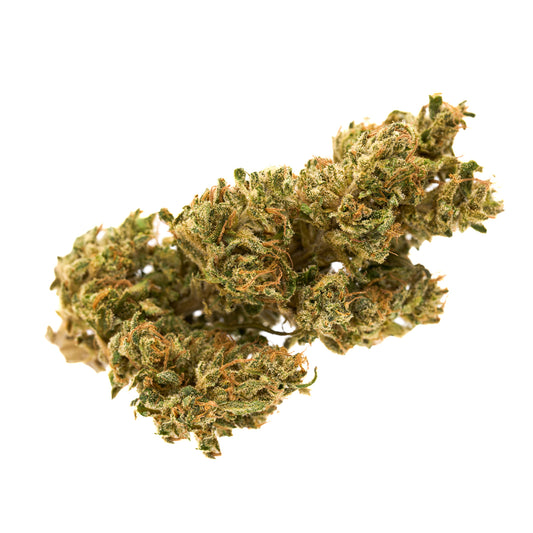
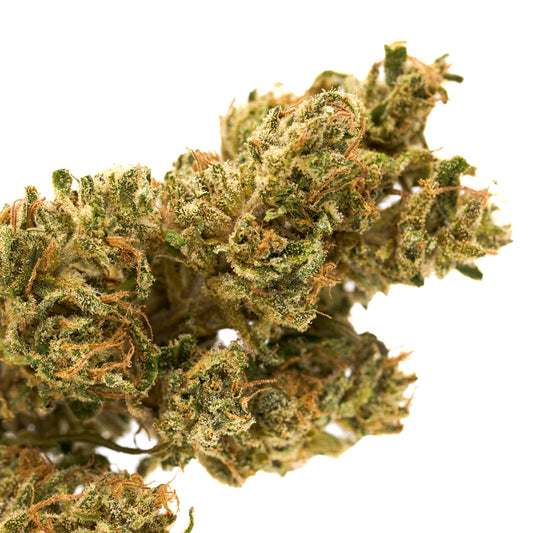
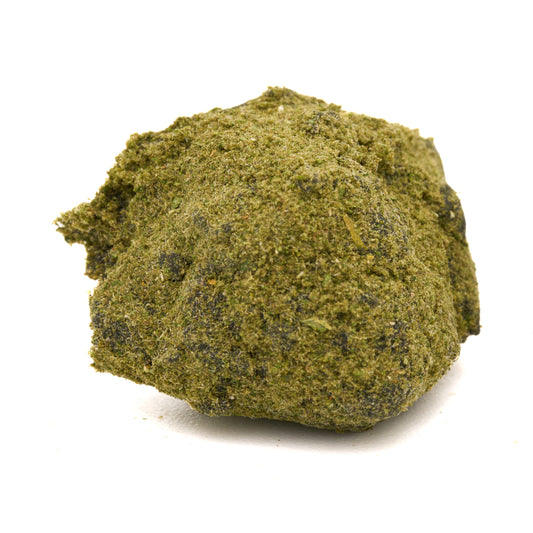
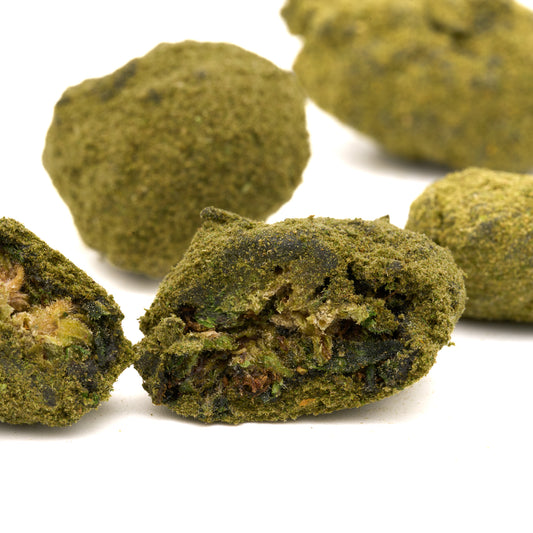
Trim is a byproduct with inconsistent cannabinoid concentration. Flower is the part of the plant growers actually cultivate for potency — it's trimmed, cured, and tested as the primary product. Trim, by definition, is the leftover leaf and small material trimmed away from the bud. Depending on how close to the flower it was cut, trim can carry meaningfully high THCA content — sometimes not far off the flower itself, especially "sugar trim" cut close to the bud with visible trichomes. That means trim batches are often sitting right at or above the new total-THC threshold, even when the flower they came from was grown and marketed as "compliant."
Trim testing has historically been looser. Because trim was treated as a secondary, lower-value product — destined for extraction, pre-rolls, or infused goods rather than direct retail — a lot of operators didn't COA-test every trim batch with the same rigor they applied to flower. Under the old delta-9-only standard, that was a manageable risk. Under a total-THC standard, it's not. Untested or under-tested trim is now a much bigger liability, because a batch that "seemed fine" based on visual or vendor assurance could easily fail a real lab test for total THC.
Trim moves through more hands before reaching a consumer. Flower typically goes from cultivator to retail relatively directly. Trim usually passes through an extra step or two — a processor buys it for extraction, conversion, or infusion, then sells the finished concentrate, vape, or edible downstream. Each additional step is another point where compliance has to be verified, and another point where liability can land if it isn't. If a processor buys trim that tests non-compliant under the new total-THC rule and doesn't catch it, the resulting THCA distillate, vape cartridge, or dab product inherits that non-compliance — and the processor, not just the original grower, is now exposed.
Pricing pressure makes trim a compliance blind spot. Trim has always been priced lower than flower, in part because buyers treat it as a commodity input rather than a finished good. That pricing dynamic creates an incentive to skip or shortcut testing to keep costs down — which is exactly the wrong instinct heading into a regulatory environment where total-THC testing is about to become the difference between a legal hemp product and an unlicensed cannabis product.
None of this means trim is dead as a category. It means trim needs to be treated with the same testing rigor as flower going forward, and buyers need to stop assuming that "it's just trim" means it's automatically lower-risk. Under the new 2026 hemp regulations, it's often the opposite.

What Buyers Should Do Now
If you're sourcing THCA trim for extraction, infusion, or resale, waiting until the rule change takes effect to start adjusting is the wrong move. Here's what to do now, while there's still runway.
Verify every COA — and read it for total THC, not just delta-9. This is the single most important habit shift. A Certificate of Analysis that only reports delta-9 THC and doesn't break out THCA separately (or doesn't calculate total THC using the standard conversion formula) is no longer sufficient documentation. Ask suppliers directly for COAs that show delta-9 THC, THCA, and a calculated total THC figure. If a supplier can't produce that breakdown, treat it as a red flag, not a formality.
Ask suppliers about their compliance plans, specifically. Don't accept a vague "we're compliant" answer. Ask pointed questions: Are they retesting existing trim inventory under a total-THC standard? Are they adjusting cultivation or harvest practices to bring trim THCA content down? Do they have a documented plan for handling inventory that tests non-compliant under the new rule? A supplier who has real answers to these questions is a supplier worth keeping. One who deflects is a liability you're about to inherit.
Batch-test rather than trust blanket assurances. Even with a reputable supplier, individual trim batches vary — that's inherent to trim as a byproduct. Wherever possible, request batch-specific COAs rather than relying on a single test result applied across an entire harvest or shipment. This matters more for trim than for flower precisely because trim's cannabinoid content is less consistent.
Understand hemp trim regulations by state, not just federally. The federal farm bill thca update sets a floor, but several states have already moved faster or further — some banning THCA products outright regardless of federal hemp status, others implementing their own total-THC testing requirements ahead of the federal timeline. If you're sourcing or distributing across state lines, map out where your trim is actually going and confirm state-level rules before you commit to a purchase.
Build in a testing buffer, not just a compliance minimum. If the federal or state threshold is 0.3% total THC, don't source trim testing at 0.29% and call it done. Testing methodology has margin of error, and THCA can continue converting to delta-9 THC over time depending on storage conditions. A trim batch that tests compliant today under borderline conditions could test non-compliant in a follow-up test weeks later. Buyers who build in a safety margin below the legal threshold are protecting themselves against both testing variance and time-based conversion.
Revisit contracts and purchase agreements. If you have standing purchase agreements with trim suppliers, now is the time to add compliance language — specifically, provisions that require updated total-THC COAs, define what happens if inventory tests non-compliant, and clarify who bears the cost of retesting or destruction if a batch fails under the new standard.
What Sellers Should Prepare For
If you cultivate, process, or wholesale THCA trim, the thca trim farm bill 2026 transition puts more of the compliance burden on you than it does on your buyers — and getting ahead of it protects both your business and your customer relationships.
Re-test existing inventory under a total-THC methodology. Don't assume trim that passed delta-9-only testing under the old standard will pass total-THC testing under the new one. Get ahead of this by re-testing current inventory now, so you know exactly what you're holding before buyers start asking — or before a shipment gets flagged in transit or at a state border.
Reassess cultivation and harvest practices for future crops. If your trim has consistently tested high in THCA, that's a cultivation-level issue, not just a testing-level one. Strains bred and grown for maximum THCA content in the flower are, by extension, going to produce trim that's also high in THCA. Sellers who want to stay in the trim market under a total-THC standard may need to look at genetics, harvest timing, and which plant material is classified as "trim" versus discarded entirely.
Document everything — testing, chain of custody, sourcing. Under a stricter regulatory environment, documentation is your primary defense if a batch is ever questioned. Keep detailed records of testing dates, testing methodology, lab accreditation, and chain of custody from harvest through sale. This isn't just about protecting yourself legally — buyers are going to start asking for this documentation as standard practice, and sellers who already have it organized will have a real competitive advantage.
Get proactive about educating buyers. A lot of buyers, especially smaller retailers and shops, aren't yet fully aware of how the total-THC standard changes their risk exposure. Sellers who proactively explain what's changing, why it matters, and what their own compliance measures look like will build more trust — and more repeat business — than sellers who wait for buyers to ask.
Watch the pending delay legislation closely, but don't bet the business on it. Bills aimed at delaying or softening implementation are real and moving through various stages of the legislative process, but relying on a delay that may not happen — or may only apply to certain product categories — is a risky bet. Prepare as if the total-THC standard is taking effect on schedule, and treat any delay as a bonus, not a plan.
Consider diversifying beyond straight trim sales where THCA content is a liability. For some cultivators, trim that consistently tests high in THCA may be better routed toward licensed cannabis channels (where applicable) rather than the hemp market, or reserved for CBD-dominant/CBDA-focused product lines where total-THC content isn't the same liability. This is a business-model conversation as much as a compliance one, but it's worth having now rather than after a batch gets rejected.

Frequently Asked Questions
Is THCA trim still legal in 2026?
THCA trim's legal status depends on whether it tests compliant under whichever standard applies in your jurisdiction. Federally, that increasingly means total THC (delta-9 plus THCA's conversion potential) rather than delta-9 alone. Trim that tests under 0.3% total THC generally remains classified as hemp; trim that exceeds that threshold does not, regardless of how it was classified under the older delta-9-only standard.
What's the difference between the old delta-9 standard and the new total THC standard?
The 2018 Farm Bill defined hemp based solely on delta-9 THC content. The total THC standard adds THCA's decarboxylated potential into that calculation, typically using a formula like delta-9 THC + (0.877 × THCA). This closes the loophole that allowed high-THCA products to be sold as compliant hemp simply because their delta-9 content, tested before decarboxylation, was low.
Does trim get tested the same way as flower?
It should be, going forward — but historically it often wasn't, precisely because trim was treated as a lower-priority byproduct. Under the new regulatory environment, trim needs the same batch-level COA testing rigor as flower, including a total THC calculation, not just a delta-9 reading.
How do I test THCA trim for compliance under the new rules?
Work with a licensed, accredited lab that reports delta-9 THC and THCA separately and calculates total THC using the standard conversion formula. Batch-specific testing is more reliable than relying on a single test applied across an entire harvest, since trim's cannabinoid content can vary significantly even within the same crop.
Will trim prices change because of these regulations?
Likely yes, in two directions. Compliant, well-tested trim from suppliers with strong documentation may command a premium as buyers become more selective. Meanwhile, trim that can't clear the total-THC threshold — or that lacks proper testing documentation — is likely to see reduced demand, since buyers are increasingly unwilling to take on that compliance risk.
Are these changes federal, state, or both?
Both, and they don't move in lockstep. The federal farm bill update sets the baseline definition of hemp, but individual states can and do impose their own, sometimes stricter, THCA and total-THC rules — and some states have moved to restrict or ban THCA products independent of federal hemp status. Always check both federal and the relevant state's requirements.
Could pending legislation delay these changes?
It's possible. Bills like the Hemp Planting Predictability Act and various state HEMP Act proposals are actively seeking delays or carve-outs for existing hemp operators. However, none of this is guaranteed, and businesses should prepare as though the current timeline holds rather than assuming a delay will materialize.
The Bottom Line
The thca trim farm bill 2026 shift comes down to one core change with a lot of downstream consequences: total THC, not just delta-9, now defines what counts as compliant hemp. Trim is more exposed to that shift than flower or many finished products, because of how it's grown, tested, and priced. Buyers who tighten their COA review and ask harder questions of suppliers, and sellers who re-test inventory and document their compliance process, are the ones who'll come through this transition with their supply chains intact.
This post covers trim specifically, but it's one piece of a much larger regulatory shift. For the complete picture — including the Section 781 total-THC definition change, the per-container cap, synthesized cannabinoid exclusions, and where the pending delay legislation currently stands — read our full 2026 hemp regulatory guide, and browse current lab-tested THCA trim inventory to see compliance documentation firsthand.
